
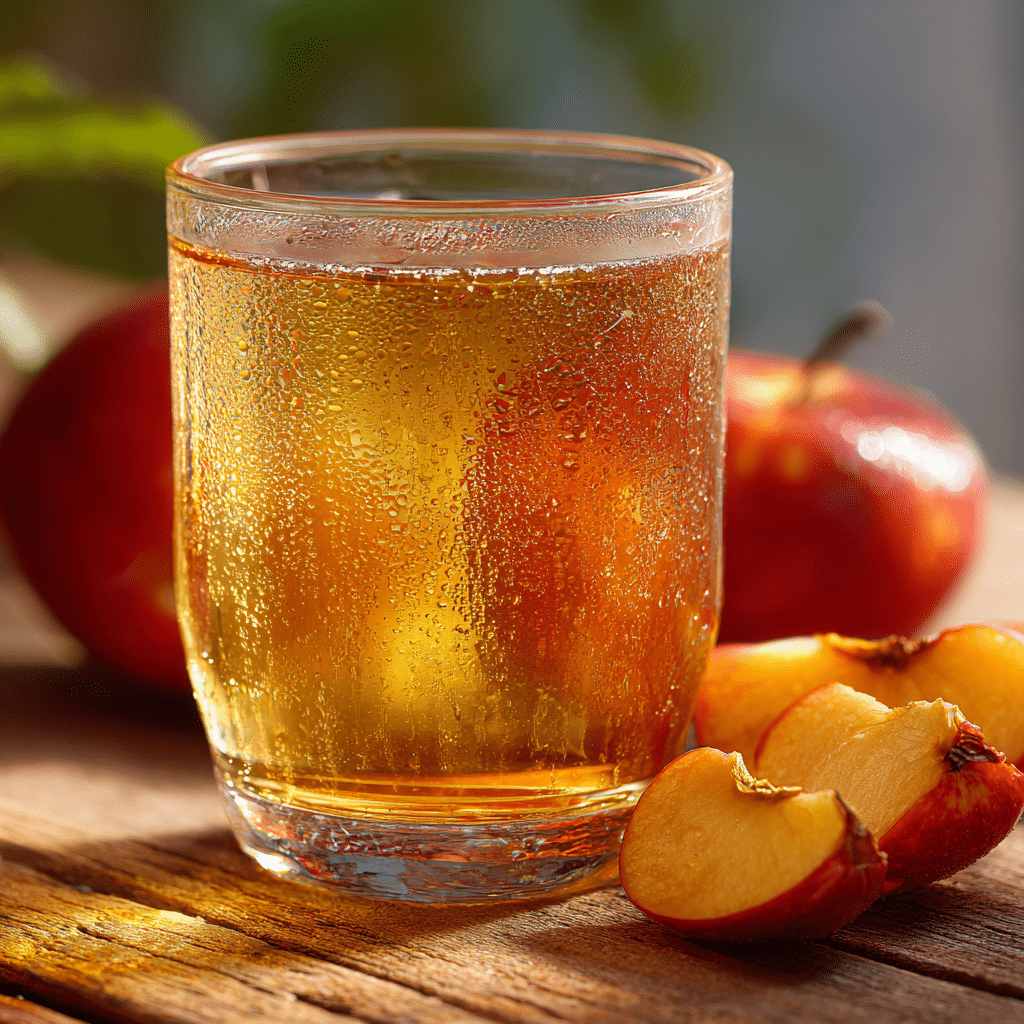
Is Apple Juice Healthy? Benefits, Nutrition & The Best Way To Enjoy It
Apple juice is a refreshing and naturally sweet drink that many Americans enjoy daily. Whether served chilled at breakfast or sipped as a mid-day pick-me-up, apple juice continues to be one of the most popular fruit beverages in the world. Because it’s made from real apples that are rich in antioxidants and vitamin C, apple juice can offer several health perks. And when it’s made at home using a simple stovetop method, you can enjoy a cleaner, healthier version without unnecessary additives.
Although store-bought options are everywhere, homemade juice stands out for its light, pure flavor. Plus, it’s surprisingly easy to make, even without a juicer. In fact, you only need apple peels, cores, water, a little bit of sugar, and a saucepan to extract a delicious, golden drink from leftover apple scraps. This zero-waste method has been passed down through generations and remains a favorite in many homes today.
Before we dive into the recipe, let’s start with the basics: what apple juice really is, why it’s so loved, and where it became a household staple. Looking for another refreshing homemade drink? Check out our Beet Juice recipe for a nutrient-packed alternative.
Table of Contents
What Is Apple Juice & Why Is It So Popular?
Origins of Production
Apple juice has been made for centuries, starting from regions where apples grew in abundance, especially throughout Europe and North America. Early versions came from apple cider techniques, where apples were crushed and pressed to extract liquid. Over time, pasteurization and straining methods evolved, making apple juice:
- Smooth and pulp-free
- Naturally sweet without added flavors
- Long-lasting for safe storage
Today, it’s enjoyed by kids and adults alike thanks to its easy drinkability and mild taste. The simplicity of apples plus water creates a universally liked flavor that fits with both sweet and savory meals.
Why Apple Juice Is a Household Favorite
Beyond its crisp, refreshing taste, apple juice remains popular for practical reasons:
- Kids love its sweetness
- It’s gentle on digestion
- It’s widely available in 100% juice form
- It can be served cold, warm, or used in recipes
Another major advantage? Apple juice offers a quick energy boost thanks to its natural sugars while also providing hydration and antioxidants. And unlike citrus juices, it’s less acidic, making it more comfortable for sensitive stomachs.
Because of all these benefits, taste, accessibility, and versatility, apple juice has become a staple beverage in American households.
Print
The Ultimate Guide To Apple Juice, Nutrition, Benefits & Recipe
- Total Time: 1 hr 15 minutes
- Yield: 4 cups 1x
- Diet: Vegan
Description
A light, fresh, and pleasantly sweet homemade apple juice prepared using leftover apple peels and cores. No juicer required.
Ingredients
5 cups water
Peels and cores from 3 red apples (seeds removed)
¼ cup white sugar (or to taste)
Instructions
1. Combine water with apple peels and cores in a saucepan and bring to a boil.
2. Reduce heat and simmer 30 minutes, stirring occasionally.
3. Strain into a bowl and discard solids.
4. Stir in sugar until dissolved.
5. Allow to cool 30 minutes before serving.
Notes
Remove all apple seeds — they contain amygdalin.
Store in the fridge up to 2 days.
Adjust sugar depending on apple sweetness.
- Prep Time: 10 minutes
- Cook Time: 35 minutes
- Category: Drinks
- Method: Stovetop
- Cuisine: American
Nutrition
- Serving Size: 1 cup
- Calories: 82
- Sugar: 21g
- Sodium: 0mg
- Fat: 0g
- Carbohydrates: 21g
- Protein: 0g
How To Make Fresh Apple Juice Without a Juicer, Easy & Delicious
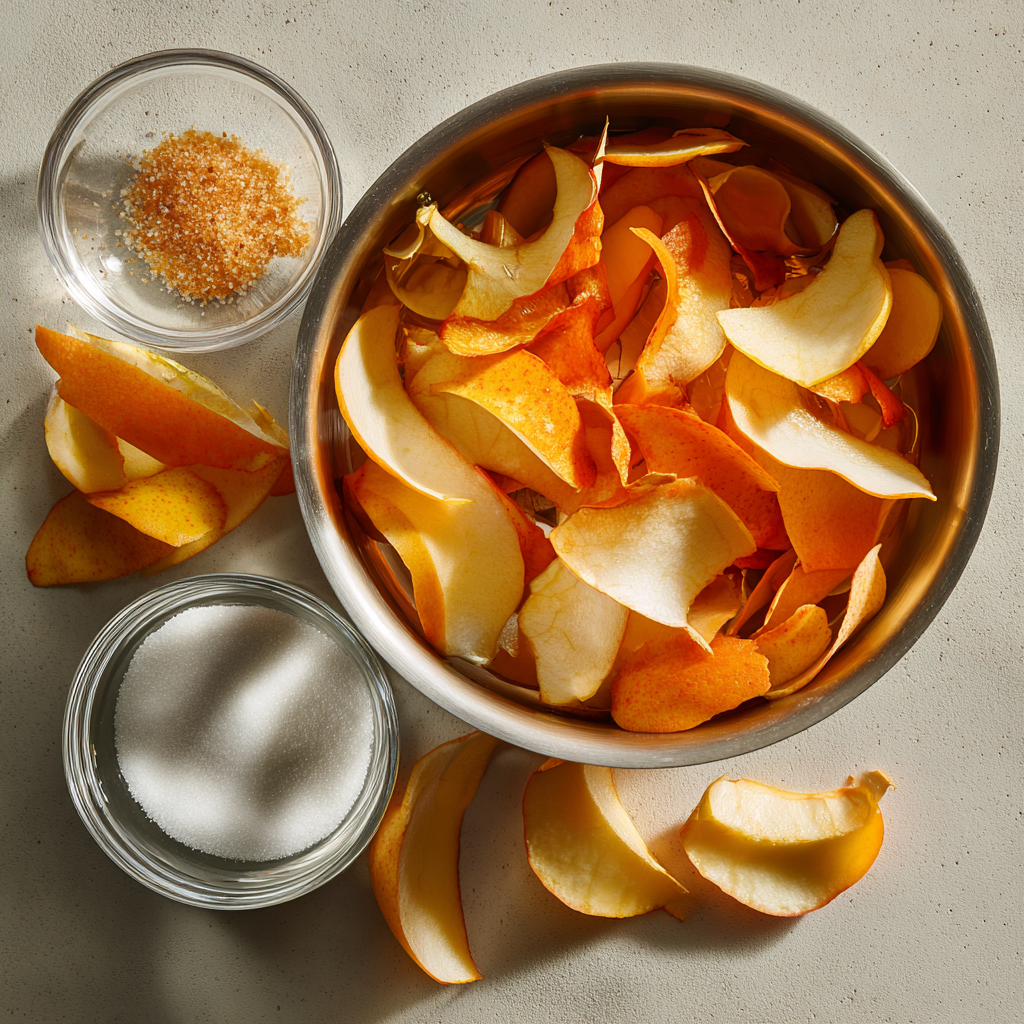
Making apple juice at home is much easier than most people expect. Better yet, this recipe uses leftover apple peels and cores, making it an eco-friendly, budget-smart drink. You’ll enjoy a naturally sweet and beautifully light flavor, with no artificial ingredients.
Ingredients for Homemade Apple Juice
| Ingredient | Quantity |
|---|---|
| Water | 5 cups |
| Red apple peels + cores (seeds removed) | Peels + cores from 3 apples |
| White sugar | ¼ cup, or to taste |
Tip: Remove all seeds before boiling. Apple seeds contain amygdalin and shouldn’t be cooked in juice.
Step-by-Step Instructions
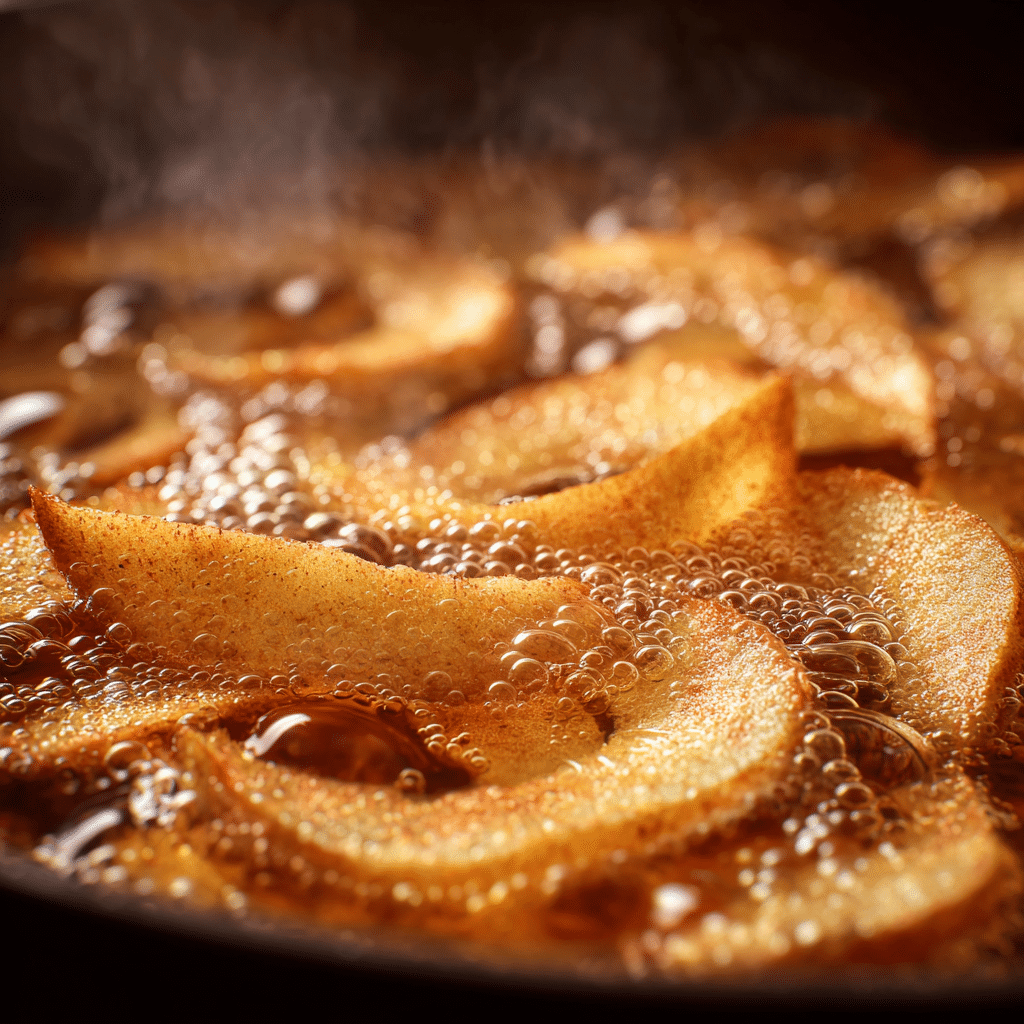
Follow this classic stovetop technique:
- Place water, apple peels, and cores into a saucepan.
- Bring to a boil, then reduce heat and simmer for about 30 minutes.
- Stir occasionally as the apple flavor infuses into the water.
- Once the liquid turns a golden color, strain into a bowl and discard solids.
- Stir in sugar until fully dissolved.
- Let the apple juice cool for about 30 minutes, then enjoy!
This method creates a fresh apple juice with a mild sweetness and a clean finish. And unlike many bottled options, it contains no preservatives or concentrates.
Serving and Storage Tips
Because there is no pasteurization:
- Enjoy immediately when cold for best taste
- Store in an airtight container in the fridge for up to 2 days
- Serve over ice for a refreshing drink in warm seasons
If you love homemade fruit drinks, don’t miss our Cucumber Juice, another simple and nutritious beverage to make at home.
Apple Juice for Better Health, Surprising Benefits You Should Know
Apple juice may be simple, but it provides meaningful nutrition in every sip. When served in moderation, apple juice offers hydration, antioxidants, and natural vitamins that support overall wellness.
Rich in Antioxidants
Fresh apples contain polyphenols, powerful antioxidants that help:
- Reduce inflammation
- Protect the heart
- Support long-term brain health
Even homemade apple juice captures some of these benefits, especially when using red apples rich in quercetin.
Supports Immune and Skin Health
Apple juice contains vitamin C, which plays a key role in:
- Strengthening the immune system
- Supporting collagen production for healthy skin
- Helping protect cells from oxidative stress
While not as high in vitamin C as orange juice, it still contributes to daily intake naturally.
Promotes Good Hydration
Because apple juice is made mostly of water, it helps:
- Maintain proper fluid balance
- Prevent dehydration, especially in warmer months
- Offer a hydrating option with light sweetness
This is why many kids enjoy it, it’s both refreshing and pleasant to drink.
Provides a Quick Energy Boost
Apple juice contains natural sugars that provide:
- Fast fuel for the brain
- A quick pick-me-up when energy dips
- A gentle alternative to caffeinated drinks
Parents often choose apple juice for children after playtime or sports as a quick rehydrating drink.
The Truth About Apple Juice, Healthy Drink or Sugary Trap?
So, is apple juice actually good for you? The answer depends on how it’s made and how much you drink. Homemade apple juice, like the recipe below, contains real fruit flavor without preservatives or artificial ingredients, which makes it much healthier than many store-bought alternatives.
The key is moderation. Apple juice provides hydration and antioxidants, but because it’s strained, it contains less fiber than whole apples.
Nutrition Facts (Per 1 Cup Serving)
Here’s the real nutritional profile from the recipe:
| Nutrient | Amount (per cup) | What It Does |
|---|---|---|
| Calories | 82 kcal | Provides daily energy |
| Carbohydrates | 21g | Quick source of fuel |
| Sugar (natural) | ~20g | Fast-acting energy |
| Fat | 0g | Low-fat drink |
| Protein | 0g | Minimal protein content |
Even though the sugar is natural, drinking too much could still raise blood sugar levels.
The Good Side: Health Benefits
It contains helpful nutrients that can support:
- Immune health thanks to vitamin C in apples
- Digestion when consumed warm or alongside meals
- Kidney support, as hydration helps kidney function
- Heart health, especially when made from antioxidant-rich apples
Hydration also helps maintain normal blood pressure.
The Downsides: What to Watch Out For
While apple juice is enjoyable, there are a few considerations:
- High natural sugar
- Can affect blood glucose if large amounts are consumed
- Low in fiber compared to whole apples
- Won’t keep you full as long
- May contribute to dental issues
- Natural fruit acids and sugars can weaken enamel if frequently sipped
- Portion control matters
- Enjoy one serving rather than multiple glasses per day
Because of its gentle taste, kids may drink too much, so serving sizes are important.
Expert Tip
To make this homemade apple juice healthier, simply reduce the sugar or skip it entirely if your apples are naturally sweet.
The Ultimate Guide to Apples for Juicing, Best Varieties + Tasty Twists
Not all apples taste the same, and that also means not all apple juice will taste the same. Choosing your apples wisely can make a big difference in flavor, nutrition, and overall enjoyment.
Best Types of Apples for Homemade Apple Juice
Different apples bring different levels of sweetness, acidity, and aroma. Here are the most recommended ones for juicing:
| Apple Variety | Flavor Profile | Why It’s Great for Juice |
|---|---|---|
| Fuji | Very sweet | Little-to-no added sugar needed |
| Honeycrisp | Sweet + crisp | Perfect balance of taste and aroma |
| Gala | Mild + sweet | Ideal for kids and sensitive palates |
| Granny Smith | Tart | Pairs well with sweeter apples |
| Pink Lady | Sweet-tart | Refreshing and bold flavor |
Pro tip: Mix two varieties to make a balanced, more complex juice.
Choosing the Healthiest Apple Juice Option
When reading labels at the grocery store, look for:
- “100% Apple Juice” (no added sweeteners)
- Not from concentrate, if possible
- No artificial color or flavor
- Fresh-pressed or cold-pressed options
But the healthiest option?
Always homemade, where you control ingredients and sugar.
Sugar-Free + Kid-Friendly Variations
Want to lower sugar while keeping amazing flavor?
Try these ideas:
- Use naturally sweeter apples (Fuji, Honeycrisp)
- Replace white sugar with nothing or ¼ cup less
- Add a cinnamon stick during boiling for a warm aroma
These changes boost flavor without sacrificing health.
Fun Flavor Add-Ins
If you’d like more variety, experiment with:
- Cinnamon
- Ginger slices
- Pear pieces
- Lemon zest
- Orange peel
- Mint leaves (after cooling)
These natural additions don’t change the simplicity, they only enhance taste and nutrients.
Serving Style Ideas
- Chill before serving for a refreshing drink
- Serve over ice on hot days
- Warm slightly in winter for a cozy alternative to cider
Apple juice isn’t just a drink, it’s a seasonal experience.
How To Make Fresh Apple Juice Without a Juicer, Simple Step-by-Step
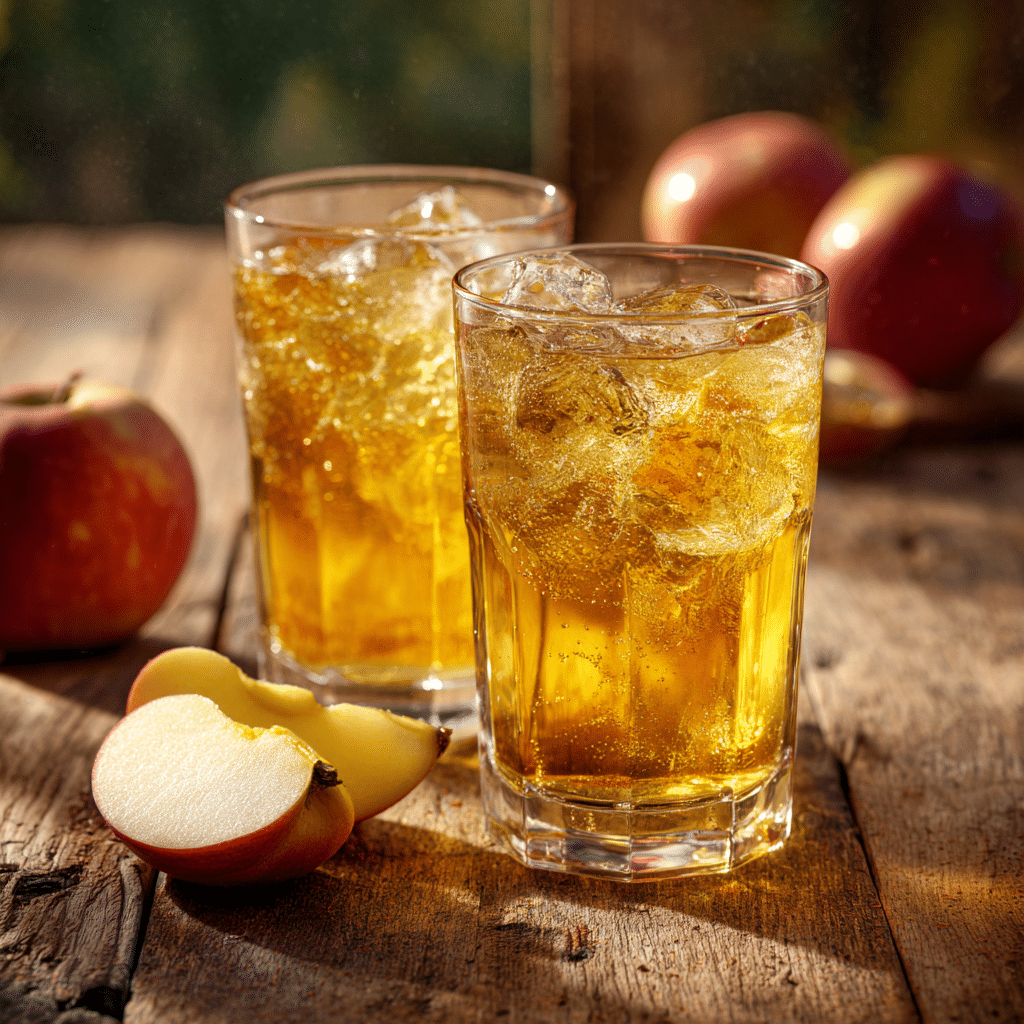
Making juice at home is surprisingly simple, and you don’t need any special equipment. This easy recipe creates a fresh, lightly sweet drink using apple peels and cores, which helps reduce waste while boosting nutrition.
Before we start, if you love making refreshing drinks at home, don’t miss our Beet Juice recipe, it’s another antioxidant-rich option you can enjoy anytime:
What You’ll Need
Stick strictly to the recipe ingredients:
- 5 cups water
- 3 peels and cores from red apples (seeds removed — important!)
- ¼ cup white sugar (adjust to taste)
Servings: 4 cups / Prep Time: 10 minutes / Total Time: 1 hr 15 min
Step-by-Step Instructions (Juicer-Free)
Follow these steps for the perfect homemade apple juice:
| Step | Action | Tip |
|---|---|---|
| 1 | Place water + apple peels and cores into a saucepan | Remove all seeds for safety |
| 2 | Bring to a boil | Stir occasionally |
| 3 | Reduce heat and simmer 30 minutes | This releases flavor + color |
| 4 | Strain liquid into a mixing bowl | Use a fine sieve for clarity |
| 5 | Stir in sugar until dissolved | Taste to adjust sweetness |
| 6 | Cool for 30 minutes | Enjoy warm or chilled |
When complete, you’ll have a light, mildly sweet juice perfect for all ages, even toddlers, when served without added sugar.
Looking for more ways to stay refreshed?
- Don’t miss our Carrot Juice packed with hydration benefits.
- Check out our Strawberry Spinach Salad a great pairing with apple juice.
Storage Tips
Homemade apple juice is best enjoyed fresh but can be stored:
- Up to 2 days in the refrigerator (airtight container)
- Do not freeze — texture and flavor change after thawing
Is Apple Juice Good For You? Surprising Truth, Benefits & Risks
Homemade apple juice may seem like a simple drink, yet it delivers a surprising amount of nutrition. However, like any juice, it also has a few drawbacks to keep in mind. So here’s a clear breakdown of both the benefits and the downsides, based strictly on this recipe’s nutrition facts.
Before you dive in, don’t miss another antioxidant-rich option:
Check out our Beet Juice for a vibrant immune boost.
Health Benefits of Apple Juice
| Benefit | Why it Matters |
|---|---|
| Hydration support | Mostly water, helps prevent dehydration |
| Rich in antioxidants | Apples contain polyphenols that may reduce inflammation |
| Gentle energy source | Natural sugars provide a quick boost |
| Kid-friendly flavor | Easy replacement for sodas or artificial juices |
| Vitamin C contribution | Helps immunity and skin health (varies by apple type) |
| Good for digestion in moderation | Mild source of natural fibers and plant compounds |
Because this juice simmering releases apple flavor from the peels, you enjoy nutrients that often get discarded.
Side Effects & Considerations
| Downside | Explanation |
|---|---|
| High natural sugar content | Can spike blood sugar if consumed in excess |
| Low fiber compared to whole apples | Straining removes most pulp |
| Not suitable for long storage | Only keeps 2 days in the fridge |
| Too much may cause stomach discomfort | Sorbitol can increase gas or bloating |
| May affect dental enamel over time | Natural acids + sugar combo |
| Added sugar increases calories | Best to reduce if apples are sweet |
So while it is good for you, whole apples are still the healthier choice thanks to their fiber.
Who Can Benefit Most?
- Kids who enjoy sweet drinks but need healthier choices
- People recovering from illness needing hydrating calories
- Anyone looking to reduce soda consumption
- Those wanting a homemade option free from preservatives
And if you want a refreshing drink with gut-friendly greens, try this alternative:
Looking for inspiration? Try our Cucumber Juice.
Nutrition Information (Per Serving)
| Nutrient | Amount |
|---|---|
| Calories | 82 kcal |
| Total Fat | 0 g |
| Carbohydrates | 21 g |
| Protein | 0 g |
| Sugars | Comes from apples + added sugar |
Source: Recipe nutrition from original tested version.
Health Bottom Link
Apple juice can absolutely be part of a balanced diet, in moderation. Drink it fresh, keep sugar low, and pair it with fiber-rich meals for balance.
Apple Juice FAQs (Expert Answers)
Is apple juice actually good for you?
Yes, it can be good for you when enjoyed in moderation. It provides hydration, antioxidants, and natural energy. However, because it contains less fiber than whole apples, it’s best paired with high-fiber foods to support digestion.
What is the healthiest apple juice to drink?
The healthiest option is 100% apple juice with no added sugar or preservatives, ideally homemade like this recipe. You get pure fruit flavor and avoid unnecessary sweeteners.
What is the healthiest juice to drink?
Many nutrition experts recommend juices high in vitamins and antioxidants, such as beet juice or green vegetable juices.
Learn more with our fresh Beet Juice Recipe.
Is 100% apple juice good for kidneys?
Yes, in reasonable amounts, 100% apple juice can support kidney hydration. Apples contain malic acid, which may help reduce the risk of certain kidney stones. Still, excessive sugar intake should be avoided in kidney-restricted diets.
What is the unhealthiest juice to drink?
Juices with added sugars, artificial flavors, and very low natural fruit content are the least healthy. Juice drinks labeled “cocktail,” “punch,” or “fruit beverage” often fall into this category.
What are the five downsides of apple juice?
1-Low fiber compared to whole apples
2-Can spike blood sugar if consumed in excess
3-May cause bloating due to sorbitol
4-High acidity can affect teeth
5-Short shelf life when homemade
Is it good for blood pressure?
Yes, apples contain potassium, a mineral linked to better blood pressure balance. Enjoying apple juice alongside a nutrient-rich diet can support heart health.
What apple juice is 100% apple juice?
Look for labels stating “100% juice” with only apples in the ingredient list. Homemade juice is naturally 100% apple because you control every ingredient.
What is the best juice for gut health?
Juices that contain fiber and probiotics are best for gut health. Apple juice provides mild digestive benefits, but cucumber juice and beet juice can offer more gut-supporting nutrients.
Discover our refreshing Cucumber Juice Recipe.
Your Turn To Enjoy Fresh Homemade Apple Juice Every Day
Making homemade juice offers the simplest way to enjoy fresh flavor, fewer additives, and all the natural benefits apples provide. With only apple peels, cores, water, and a touch of sugar, you can create a light, refreshing drink that your whole family will love. Plus, this method helps reduce food waste while letting you control the sweetness and overall quality.
Whether you enjoy apple juice for its natural energy boost, its vitamins, or just because it tastes great, sipping it fresh will always give you the most satisfying results. And since no juicer is needed, you can make this recipe anytime apples are in your kitchen.
If you love refreshing homemade drinks, don’t miss our Carrot Juice Recipe for another nutritious option that pairs perfectly with breakfast:
you can also Discover great ideas like this in my Pinterest .
Ready to elevate your mornings? Pour yourself a chilled glass of apple juice and enjoy the taste of pure fruit in every sip.