
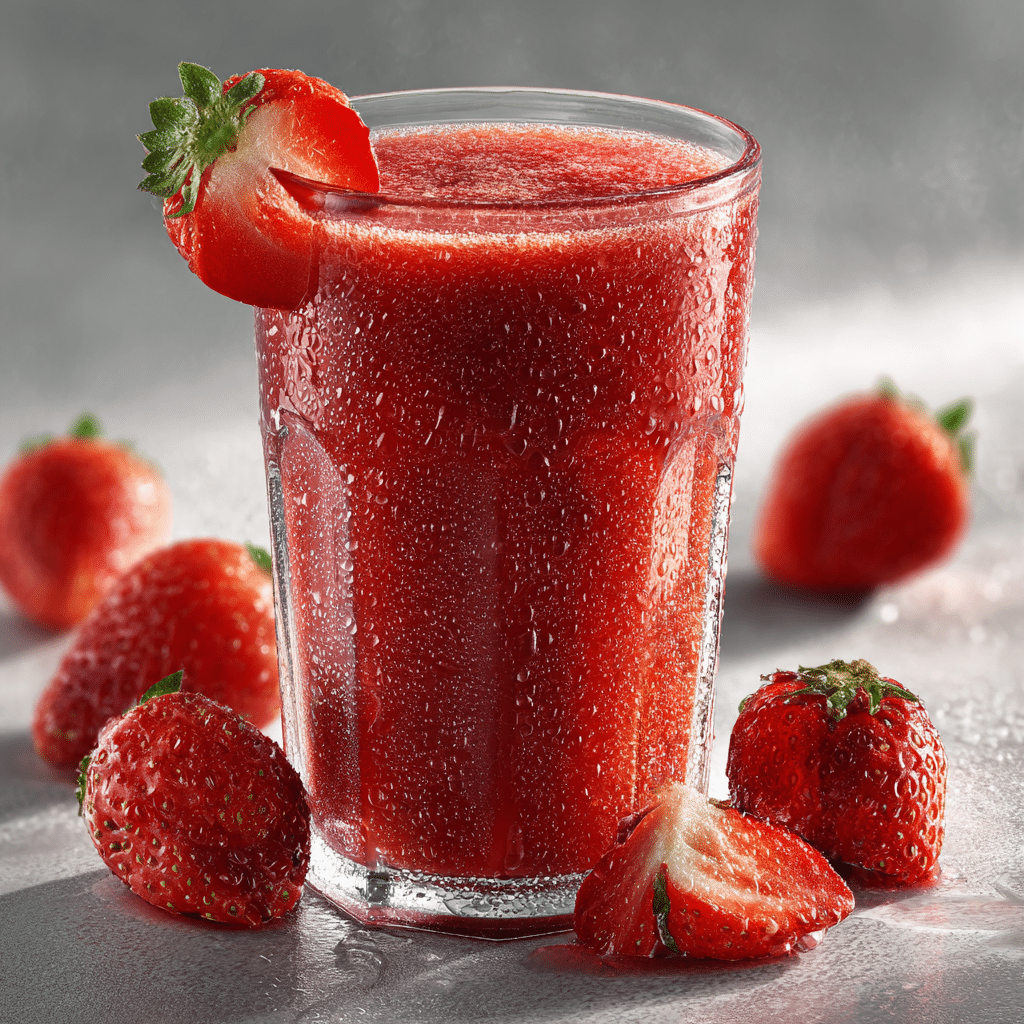
Strawberry juice is a refreshing, nutrient-rich beverage that supports hydration and overall wellness. As a natural source of vitamin C, antioxidants, and beneficial plant compounds, it offers both flavor and function. This article explains what strawberry juice is, why it is less common in stores, the precise method for making it at home, and its potential health benefits. It also includes nutrition data, flavor variations, frequently asked questions, and practical serving and storage advice to help you integrate this drink into a balanced diet. For another nutrient-rich fruit option, check out our Beet Juice recipe.
Table of Contents
What Is Strawberry Juice?
Strawberry juice is a beverage prepared by blending ripe strawberries with water and, in some cases, small additions of lemon juice or sugar. Unlike store-bought juices that often contain concentrates and additives, homemade strawberry juice delivers a fresher flavor and retains more natural nutrients. Because strawberries contain a high percentage of water and fiber, the resulting juice is light, smooth, and mildly tangy while still offering a rich red color from natural pigments such as anthocyanins.
Why Strawberry Juice Is Unique Compared to Other Fruit Juices
Strawberry juice differs from common options like orange or apple juice in several ways. The berries’ soft texture allows them to break down quickly in a blender, creating a puree that retains most of the fruit’s nutrient-dense pulp. The flavor profile remains balanced with natural sweetness supported by subtle acidity. Moreover, strawberries provide a strong concentration of vitamin C per serving, often surpassing that of citrus fruits. They also contain antioxidants that help protect cells from oxidative stress, contributing to numerous aspects of health.
Why Strawberry Juice Is Rare in Stores
Although strawberries are widely consumed fresh, bottled strawberry juice is rare in the commercial market. When strawberries are juiced and stored for long periods, both flavor and nutrient quality decline more rapidly than in sturdier juices. The fruit’s delicate structure makes production and transport more costly, and manufacturers often rely on strawberry flavoring instead of real juice to cut expenses. As a result, consumers typically rely on homemade strawberry juice to enjoy a fresher and more nutritious version of this beverage.
Strawberry juice relies on simple, whole-food ingredients that provide concentrated nutritional value without the need for additives or artificial sweeteners. Although the recipe includes optional elements such as sugar and lemon juice, the foundational ingredient responsible for most of the health benefits remains fresh, ripe strawberries. Using high-quality fruit enhances flavor, color, and nutritional outcomes.
Simple Ingredients for Maximum Freshness
The base recipe requires only a few components:
• Fresh strawberries
• Cold water
• Optional lemon juice
• Optional sugar
These ingredients combine to create a naturally hydrating beverage that remains well-aligned with health-conscious diets. Cold water lightens the consistency and increases fluid volume for improved hydration. Lemon juice supplies extra acidity, which enhances flavor and supports the preservation of vitamin C. Sugar, although optional, can be adjusted based on strawberry sweetness; nonetheless, reducing or omitting added sugar is ideal for maintaining a more nutrient-dense drink.
Exact Recipe as Provided:
| Ingredient | Quantity | Notes |
|---|---|---|
| Ripe Strawberries | 2 cups | Washed, stem removed, cut in pieces |
| Lime or Lemon Juice | Juice from 1/4 lime | Optional, enhances sweet-tart balance |
| Sugar | 1 tablespoon | Optional, adjust to taste |
| Cold Water | 1 cup | Helps thinning the puree |
| Ice Cubes | 2 | Serve 1 per glass |
| Strawberry | 1 halved | For garnish |
Why Strawberries Are Packed with Antioxidants
Strawberries are rich in vitamin C, manganese, folate, and polyphenol antioxidants. Anthocyanins create their red pigmentation and contribute to cell protection. These compounds are linked to reduced inflammation, improved vascular function, and enhanced immune support. Unlike strained commercial juices, homemade versions retain beneficial pulp components that support digestion and blood-sugar control through natural fiber.
Citrus and Optional Sugar: What They Add to Flavor and Texture
Acid from lime or lemon intensifies the fruit’s natural sweetness while helping limit oxidation, which can degrade nutrients and freshness. Additionally, the inclusion of lemon juice offers a small contribution of vitamin C and bioactive plant compounds. Sugar enhances sweetness; however, using fully ripe strawberries or gradually reducing added sugar allows the drink to remain refreshing without increasing caloric impact.
Print
Refreshing Strawberry Juice: The Best Healthy Homemade Drink
- Total Time: 5 minutes
- Yield: 2 servings 1x
Description
Fresh homemade strawberry juice made from ripe strawberries, rich in vitamin C and antioxidants. Perfect for summer hydration.
Ingredients
2 cups ripe strawberries.
Juice from 1/4 lime or lemon (optional)
1 tablespoon sugar (optional)
1 cup cold water
2 ice cubes
1 halved strawberry for garnish
Instructions
1. Wash strawberries thoroughly, remove stems, and cut into small pieces.
2. Add strawberries, sugar, and lime/lemon juice to the blender. Adjust sweetness and acidity depending on ripeness.
3. Blend into a smooth puree. Add cold water and blend again briefly to combine.
4. Strain through a fine mesh if a smoother texture is desired.
5. Serve over ice and garnish with a halved strawberry.
Notes
Best consumed immediately to retain nutrients.
Adjust sugar depending on strawberry sweetness.
Use organic strawberries when possible.
Can be combined with watermelon or mint for flavor variations.
- Prep Time: 5 minutes
- Category: Drinks
- Method: Blended
- Cuisine: American
Nutrition
- Serving Size: 1 cup
- Calories: 70
- Sugar: 13 g
- Sodium: 1 mg
- Fat: 0 g
- Carbohydrates: 17 g
- Fiber: 2 g
- Protein: 1 g
Strawberry Juice Benefits: Healthy Ingredients & Why You’ll Love It
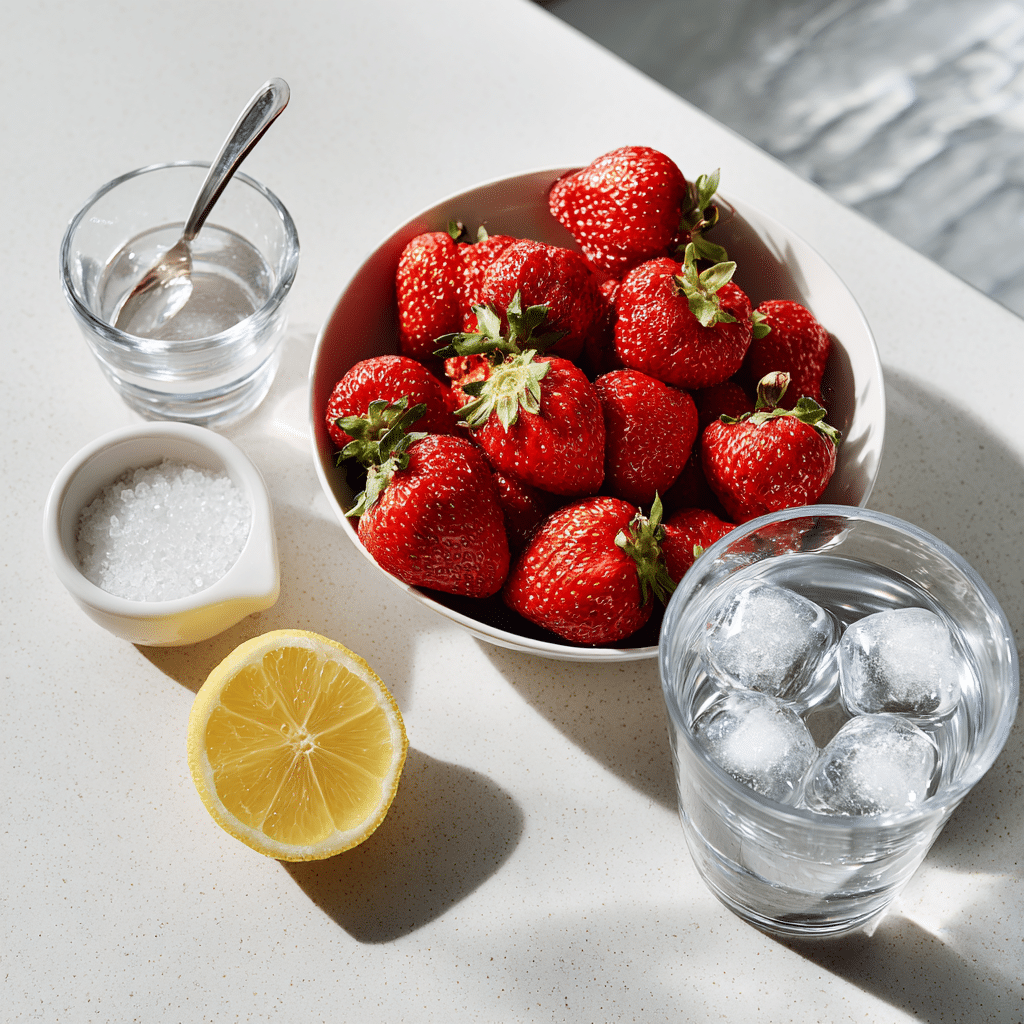
Strawberry juice relies on simple, whole-food ingredients that provide concentrated nutritional value without the need for additives or artificial sweeteners. Although the recipe includes optional elements such as sugar and lemon juice, the foundational ingredient responsible for most of the health benefits remains fresh, ripe strawberries. Using high-quality fruit enhances flavor, color, and nutritional outcomes.
Simple Ingredients for Maximum Freshness
The base recipe requires only a few components:
• Fresh strawberries
• Cold water
• Optional lemon juice
• Optional sugar
These ingredients combine to create a naturally hydrating beverage that remains well-aligned with health-conscious diets. Cold water lightens the consistency and increases fluid volume for improved hydration. Lemon juice supplies extra acidity, which enhances flavor and supports the preservation of vitamin C. Sugar, although optional, can be adjusted based on strawberry sweetness; nonetheless, reducing or omitting added sugar is ideal for maintaining a more nutrient-dense drink.
Exact Recipe as Provided:
| Ingredient | Quantity | Notes |
|---|---|---|
| Ripe Strawberries | 2 cups | Washed, stem removed, cut in pieces |
| Lime or Lemon Juice | Juice from 1/4 lime | Optional, enhances sweet-tart balance |
| Sugar | 1 tablespoon | Optional, adjust to taste |
| Cold Water | 1 cup | Helps thinning the puree |
| Ice Cubes | 2 | Serve 1 per glass |
| Strawberry | 1 halved | For garnish |
Why Strawberries Are Packed with Antioxidants
Strawberries are rich in vitamin C, manganese, folate, and polyphenol antioxidants. Anthocyanins create their red pigmentation and contribute to cell protection. These compounds are linked to reduced inflammation, improved vascular function, and enhanced immune support. Unlike strained commercial juices, homemade versions retain beneficial pulp components that support digestion and blood-sugar control through natural fiber.
Citrus and Optional Sugar: What They Add to Flavor and Texture
Acid from lime or lemon intensifies the fruit’s natural sweetness while helping limit oxidation, which can degrade nutrients and freshness. Additionally, the inclusion of lemon juice offers a small contribution of vitamin C and bioactive plant compounds. Sugar enhances sweetness; however, using fully ripe strawberries or gradually reducing added sugar allows the drink to remain refreshing without increasing caloric impact.
How to Make Strawberry Juice at Home
Homemade strawberry juice requires minimal preparation and allows full control over ingredients and sweetness. Because strawberries blend smoothly and release their natural juices quickly, the process is simple and can be completed in just a few minutes. By following the steps below, you can produce a fresh beverage that maintains the fruit’s natural nutrients and vibrant color.
Step-by-Step Directions (Blender Method Only)
This recipe uses the exact directions given in the original source to ensure reliable results:
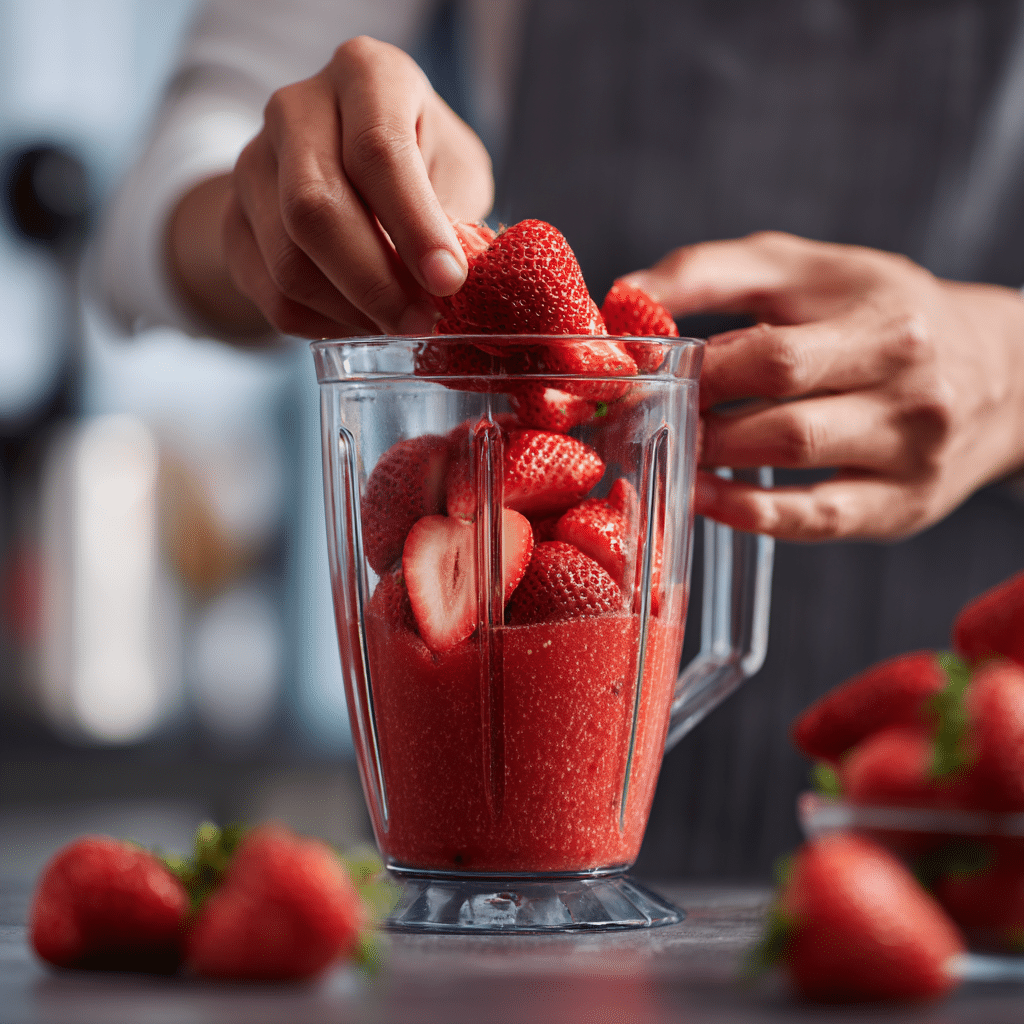
- Wash strawberries, remove stems, and cut them into small pieces to support smooth blending.
- Add strawberries, sugar, and lime or lemon juice to the blender. Adjust sweetener and citrus depending on strawberry ripeness.
- Blend until a smooth puree forms. Add cold water and blend again briefly until fully combined.
- Place a fine mesh strainer over a large container and pour the juice through it if you prefer to remove foam. Although optional, this step creates a clearer liquid and a refined mouthfeel.
- Add one ice cube to each glass and pour chilled strawberry juice over the top. Garnish with a halved fresh strawberry and serve immediately for the best experience.
This preparation method preserves nutrients while allowing easy customization. For example, additional water may reduce sweetness, while extra lemon increases acidity for a more refreshing finish.
How to Remove Foam for a Smoother Juice
Foam naturally forms as blended fruit incorporates air. While harmless, some individuals prefer a smoother presentation. Passing the mixture through a strainer or cheesecloth separates air bubbles and suspended fibers from the final drink. Although unnecessary for nutrition, removing foam enhances clarity and offers a more professional appearance if serving this beverage for guests or special occasions.
Serving Method for Best Taste
Serving strawberry juice immediately after preparation guarantees the best retention of vitamin C and natural antioxidants. Because exposure to oxygen and light can impact color and nutrient levels, chilling the drink quickly and consuming it fresh maximizes its benefits. Additionally, presenting the beverage with a garnish such as a fresh strawberry reinforces its appeal and encourages individuals to include more fruit-based drinks in their diets.
Strawberry Juice Nutrition: What’s Inside & Why You’ll Love It
Strawberry juice provides hydration and nutrient support while remaining low in calories when prepared without added sugar. Because this homemade beverage retains a portion of the fruit’s pulp, it delivers vitamins, minerals, and fiber that contribute to its overall nutritional value. The figures below represent a standard nutritional estimate based on USDA data for strawberries combined with cold water and a small amount of optional sugar.
Standard Nutrition-Per-Serving Chart
The following table reflects the approximate nutrition for a 1-cup serving of fresh strawberry juice made from ripe strawberries, water, a small amount of sugar, and lemon juice:
| Nutrient | Estimated Amount Per Serving |
|---|---|
| Calories | 70 kcal |
| Carbohydrates | 17 g |
| Fiber | 2 g |
| Sugar (Natural + Added) | 13 g |
| Protein | 1 g |
| Fat | 0 g |
| Vitamin C | 95 mg (over 100% DV) |
| Potassium | 210 mg |
| Calcium | 20 mg |
| Iron | 0.5 mg |
These figures reinforce why strawberry juice earns recognition as a functional beverage rather than just a flavored drink.
Vitamins and Antioxidants That Support Overall Health
Strawberries supply critical micronutrients that play important roles in immune function, circulation, and skin support. Vitamin C enhances collagen production and cellular defense processes, making strawberry juice a valuable choice for promoting healthy tissue maintenance. Additionally, phytonutrients such as anthocyanins and ellagic acid work to reduce oxidative stress, potentially lowering the risk of chronic diseases linked to inflammation. Because fresh strawberry juice typically contains less sugar than many bottled fruit juices, it supports balanced energy intake when consumed as part of a varied diet.
Health Benefits of Strawberry Juice: Why You’ll Love This Drink
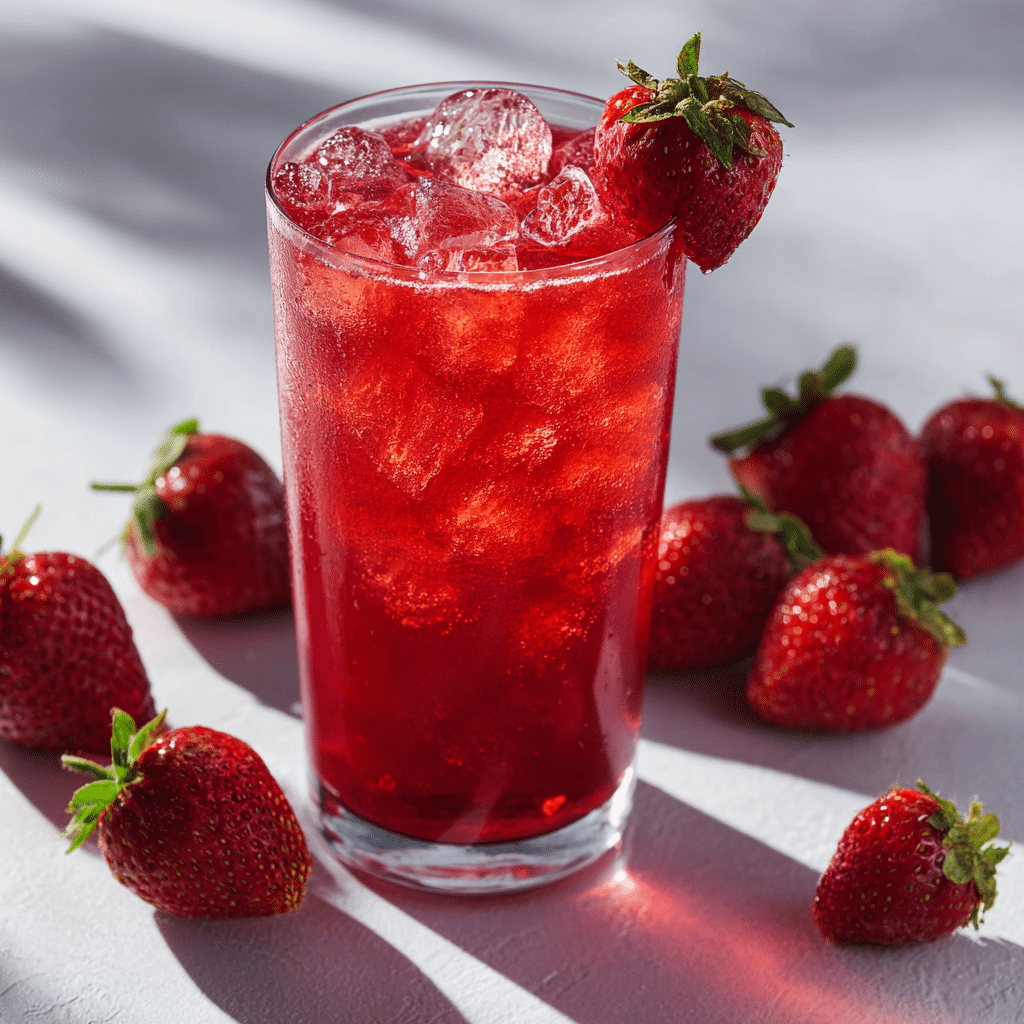
Although classic strawberry juice delivers strong flavor and valuable nutrition, several variations can enhance the taste profile or introduce additional health benefits. These options maintain the integrity of fresh strawberries while expanding flexibility for seasonal preferences and dietary goals. Each variation below uses the same core method but incorporates additional fruits or herbs to adjust sweetness, acidity, or aroma.
Strawberry Watermelon Juice
Adding chopped watermelon to the blender creates a slightly sweeter, more refreshing drink while preserving the bright red color. Watermelon increases hydration through its high water content and includes lycopene, an antioxidant associated with heart and skin health. This combination works especially well in warmer months, offering a cooling beverage that supports fluid intake during heat exposure.
Strawberry Lemon Cooler
Increasing the ratio of lemon or lime juice boosts acidity and elevates the natural sweetness of ripe strawberries without requiring added sugar. This variation produces a more tangy beverage that can appeal to individuals seeking a crisp, revitalizing flavor. Because citrus is high in vitamin C, pairing strawberries with lemon further strengthens antioxidant intake, making this blend a sensible choice for immune health.
Strawberry with Pineapple or Mint
Pineapple enhances tropical sweetness while supplying digestive enzymes such as bromelain, which may support gastrointestinal health. Mint leaves, when added directly to the blender or used as a garnish, contribute a cooling aroma and slight bitterness that sharpens overall flavor complexity. Both additions maintain the nutritional purpose of strawberry juice while introducing new sensory characteristics suitable for diverse serving occasions.
Health Benefits of Strawberry Juice: Why You’ll Love This Fresh Drink
Proper storage techniques ensure that strawberry juice maintains both freshness and nutritional quality. Because homemade strawberry juice contains no preservatives and is more susceptible to oxidation, it should be handled and refrigerated correctly to preserve flavor, color, and safety.
How Long Does Fresh Strawberry Juice Last?
Fresh strawberry juice is best consumed immediately after preparation when vitamin C levels and antioxidant protection are at their highest. However, if needed, the beverage may be stored in an airtight glass container in the refrigerator for up to 24 to 48 hours. Although refrigeration slows the decline of nutrients, vitamin C remains sensitive to temperature and air exposure. Therefore, shorter storage durations offer a better experience in both taste and health value.
Why Strawberry Juice Can Stain — And Cleaning Tips
The vibrant red pigments in strawberries result from anthocyanins, natural antioxidants that support cardiovascular and cellular health. Nevertheless, these same pigments can temporarily stain clothing, countertops, and porous surfaces. Cleaning stains promptly with cold water and mild detergent prevents deeper absorption. Hot water may worsen staining because heat sets pigments into fabric fibers.
For additional refreshing recipe inspiration, discover great ideas like our Cucumber Salad: https://www.oliviamazerecipes.com/www-oliviamazerecipes-com-cucumber-salad/
Is Strawberry Juice Healthier? Compare It to Other Popular Juices
Strawberry juice offers a refined balance of nutrients that compete favorably with more common fruit juices. Although many beverages provide vitamin C or natural sugars, strawberry juice delivers a unique combination of antioxidants, low energy density, and hydration that supports general wellness. Understanding how it compares to popular alternatives helps individuals make well-informed nutritional decisions.
Best Juices to Drink Daily
Daily consumption of fresh fruit juice should remain intentional and moderate, as even natural fruit sugars contribute to calorie intake. Hydration, nutrient density, and antioxidant concentration determine whether a juice performs well as part of a balanced diet. Strawberry juice performs strongly in each category, especially when prepared without added sugar. Other juices such as orange and pomegranate also rank high for vitamin C and polyphenols. However, strawberry juice generally contains fewer calories and less total sugar, making it an appealing substitute for individuals monitoring energy intake. For another beverage rich in antioxidants, try our Shirley Temple Drink variation that uses fresh citrus.
Is Strawberry Juice Healthier Than Orange or Apple Juice?
Orange juice typically supplies more vitamin C per serving, whereas apple juice contains a greater proportion of natural sugars and considerably fewer antioxidants. Strawberry juice offers advantages including lower caloric value, higher fiber retention when minimally strained, and meaningful levels of polyphenol antioxidants. Its nutritional profile promotes tissue repair, immune resilience, and oxidative balance. Ultimately, integrating a variety of fresh juices supports diverse nutrient exposure, but strawberry juice remains a beneficial choice where antioxidant density and controlled energy intake are priorities.
FAQs About Strawberry Juice
Is strawberry juice a thing?
Yes. Strawberry juice is a legitimate beverage prepared by blending fresh strawberries with water and optional lemon juice. Although less common commercially, it remains a popular homemade drink due to its refreshing taste and concentrated antioxidant content.
How do you make strawberry juice?
To make strawberry juice, blend ripe strawberries with cold water and optional sugar and citrus until smooth, then strain if desired. Serving the drink immediately ensures the highest nutritional value. The recipe provided in this article follows the same reliable method used in professional kitchens and nutrition-focused resources.
Is drinking strawberry juice healthy?
Strawberry juice supports immune function, hydration, and cellular protection due to its vitamin C and antioxidant concentration. Moreover, when consumed without excessive sugar, it offers a nutrient-dense alternative to packaged juices that rely on concentrates and additives.
Why is strawberry juice rare?
Commercial strawberry juice is uncommon because strawberries degrade faster than sturdier fruits. Their delicate structure and susceptibility to oxidation make large-scale processing and storage more costly. As a result, manufacturers often replace fresh juice with flavoring or purees.
Will strawberry juice come out? (stain removal)
Natural pigments in strawberries may leave temporary stains; however, prompt cleaning with cold water and mild detergent typically removes discoloration. Avoid hot water because heat can set anthocyanin pigments into fabric, increasing the difficulty of removal.
Why is strawberry technically not a fruit?
Botanically, strawberries are considered aggregate accessory fruits. The red flesh develops from the flower’s receptacle rather than from the ovary. The tiny visible seeds are technically the actual fruits, known as achenes, each containing its own seed.
Does strawberry burn belly fat?
Strawberries do not directly burn fat. Yet they support weight-control strategies by providing hydration, fiber, and antioxidants with fewer calories than many snacks and beverages. Therefore, replacing sugary drinks with strawberry juice can contribute to healthier body composition over time.
What is the healthiest juice to drink daily?
Health experts generally recommend juices high in vitamins and antioxidants and lower in sugars. Strawberry juice fits these principles when prepared without additional sweeteners. Although rotating various fresh juices broadens nutrient intake, strawberry juice can be selected frequently as a health-supportive option.
Is it better to juice or blend strawberries?
Juicing delivers concentrated flavor and micronutrients while blending preserves more fiber and increases satiety. Therefore, the choice depends on personal goals. Individuals seeking smoother consistency and maximum antioxidant uptake may prefer strawberry juice, while those prioritizing digestive benefits may choose smoothies. For further healthy juice recipes and nutrient-rich ideas, learn more about our Beet Juice variation.
The Freshest Way To Enjoy Strawberries Daily for Better Health
Strawberry juice offers a powerful combination of hydration, antioxidants, and naturally balanced sweetness. When prepared fresh, it delivers more nutritional value than commercial versions that rely on flavor concentrates and sugar-based syrups. Because this beverage remains versatile and easy to modify with additional fruits or herbs, it supports a wide range of dietary preferences while maintaining its refreshing taste.
Although strawberry juice is best consumed immediately to preserve vitamin C and beneficial plant compounds, proper refrigeration ensures that leftover servings remain a useful part of a balanced diet. Its low calorie content, combined with its ability to replace processed beverages, makes it an intelligent option for individuals pursuing wellness-focused nutritional habits.
To explore more nutrient-rich salad and beverage pairings, don’t miss our Strawberry Spinach Salad that complements this drink perfectly.For more amazing original salads you can visit my Pinterest .