
Introduction
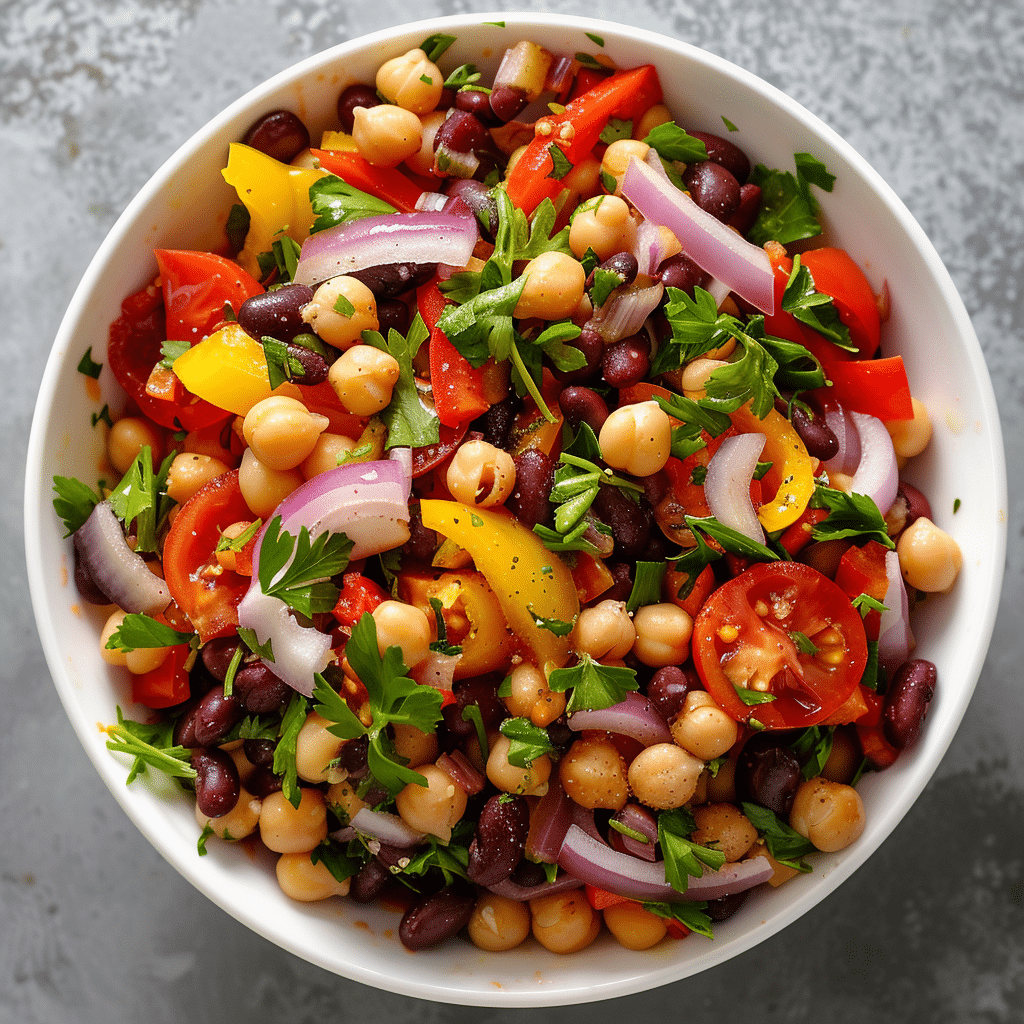
A dense bean salad meal is one of the most satisfying plant-based dishes you can make, especially when you want a high-protein, fiber-rich option that keeps you full for hours. Because it combines legumes, crunchy vegetables, herbs, and a bold dressing, this dish works both as a side and a complete meal. Many people enjoy it for its convenience, clean ingredients, and impressive nutritional profile. If you’re looking for more fresh, flavorful ideas, check out our frutti di mare seafood salad recipe for inspiration.
In this guide, you’ll learn exactly what makes a dense bean salad meal special, how to prepare it step by step, which beans provide the best texture, how to meal-prep it safely, and how it supports weight loss and protein goals. You’ll also find detailed FAQs based on real search behavior to help you perfect your recipe every time.
Table of Contents
What Is a Dense Bean Salad Meal? Understanding This High-Protein Recipe
What Makes a Bean Salad “Dense”?
A dense bean salad meal gets its name from its thick, hearty texture created by using legumes that hold their shape after mixing. Beans such as chickpeas, black beans, and kidney beans naturally contain firm skins and starchy interiors, which prevent the salad from becoming mushy. When combined with chopped vegetables, herbs, and a flavorful dressing, these beans create a substantial dish that feels filling and balanced. The density also comes from the protein and fiber content, which makes the salad satisfying enough to stand alone as a full meal rather than a light side dish.
Core Ingredients That Give Bean Salad Its Hearty Texture
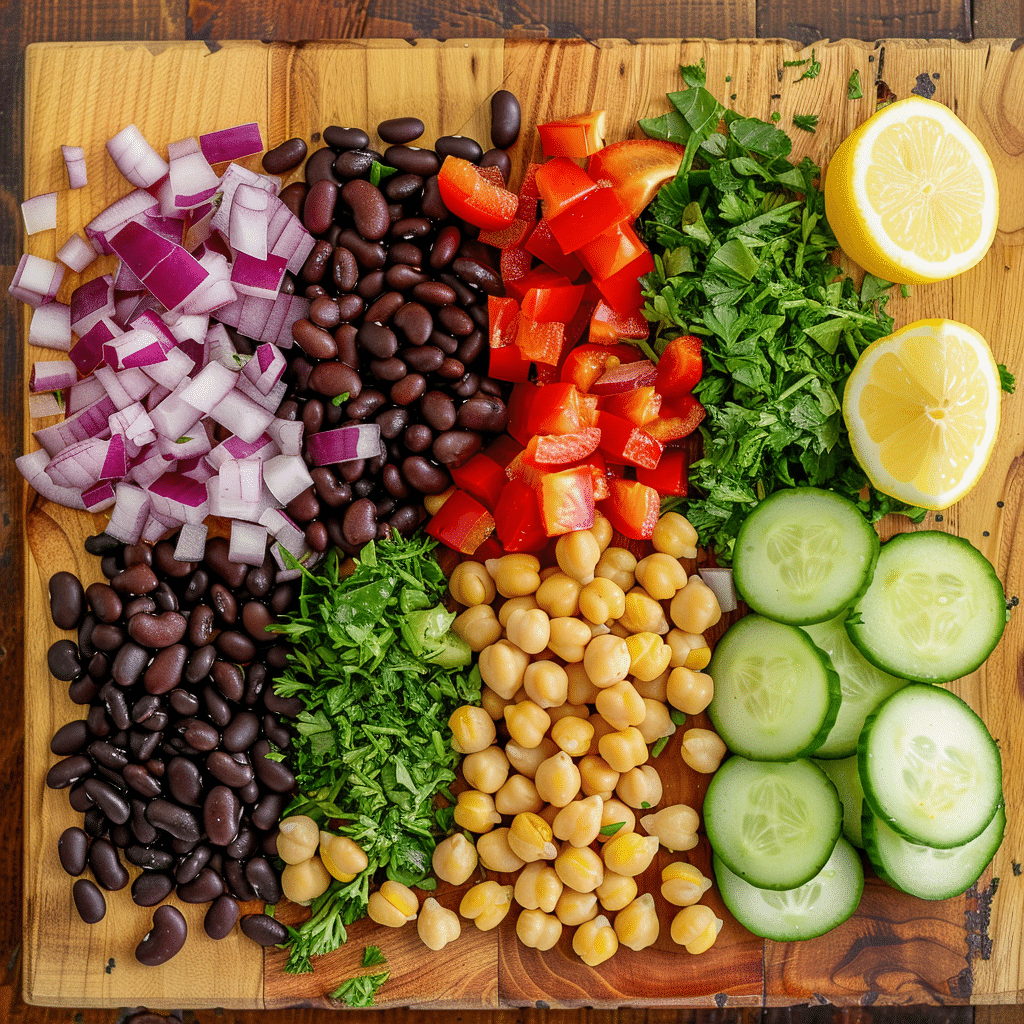
The base of a dense bean salad meal usually includes a blend of firm legumes like chickpeas, cannellini beans, or black beans. These beans provide structure and prevent the salad from collapsing under dressing. Crunchy vegetables such as bell peppers, cucumbers, celery, and onions add layers of texture that complement the beans. Herbs like parsley or cilantro provide freshness, while spices such as cumin, paprika, or garlic powder build depth. A vinaigrette made with olive oil, lemon juice, or vinegar binds everything together without softening the beans. Because each ingredient serves a specific purpose, the final dish feels balanced, flavorful, and substantial.
Why This Salad Has Become a Popular Full Meal Option
A dense bean salad meal has gained popularity because it delivers complete nutrition in a simple, affordable way. Beans offer plant-based protein, fiber, complex carbohydrates, and essential minerals. When paired with vegetables and healthy fats, the salad becomes a nutrient-dense dish that supports digestion, stabilizes energy, and promotes satiety. Many people prefer it for lunch or meal prep because it holds up well in the refrigerator and doesn’t wilt like leafy salads. Additionally, it works for several eating styles, including vegetarian, vegan, high-protein, and weight-loss plans. Because it is customizable and easy to prepare, this salad remains a go-to choice for busy individuals looking for a wholesome, satisfying meal.
Print
Dense Bean Salad Meal: 7 Secrets for a Better Version
- Total Time: 15 minutes
- Yield: 4 servings 1x
Description
A hearty and protein-rich dense bean salad meal made with mixed beans, crunchy vegetables, and a bright vinaigrette. Perfect for healthy lunches, meal prep, or a balanced plant-based dinner.
Ingredients
Salad:
1 cup chickpeas
1 cup black beans
1 cup kidney beans
1 cup diced bell peppers
1/2 cup diced cucumbers
1/3 cup diced red onions
1/4 cup chopped parsley
Salt and pepper to taste
Dressing:
3 tbsp olive oil
2 tbsp red wine vinegar or lemon juice
1 tsp Dijon mustard
1 garlic clove minced
Salt and pepper
Instructions
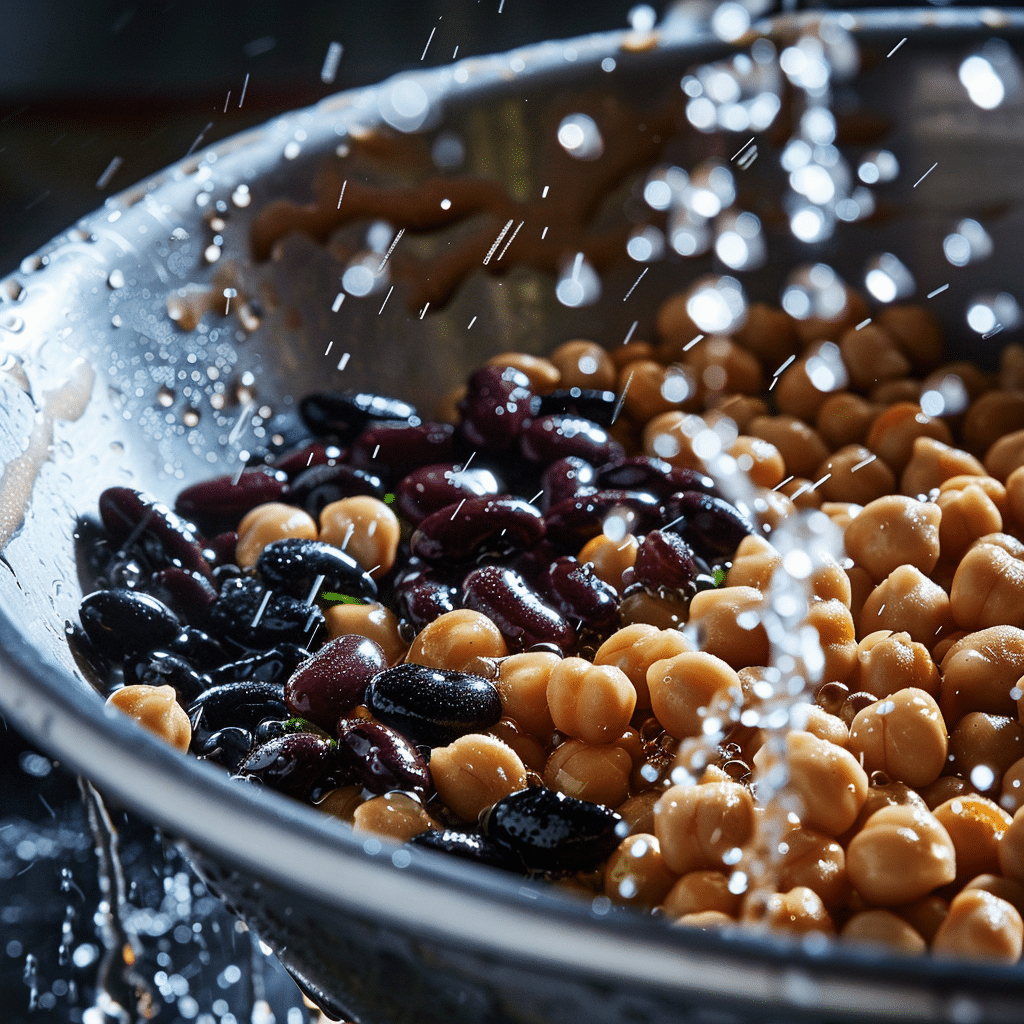
1. Rinse and drain all beans thoroughly.
2. Pat watery vegetables dry to prevent sogginess.
3. Add chickpeas, black beans, and kidney beans to a bowl.
4. Add bell peppers, cucumbers, onions, and parsley.
5. Whisk olive oil, vinegar, mustard, garlic, salt, and pepper.
6. Pour dressing over the salad.
7. Fold gently to avoid crushing beans.
8. Rest 10 minutes before serving.
9. Store in airtight containers if meal prepping.
Notes
Use fully drained beans.
Add corn, avocado, or edamame for variations.
Store dressing separately for more crunch.
Salad lasts 3–5 days in the refrigerator.
- Prep Time: 15 minutes
- Cook Time: 0 minutes
- Category: Salads
- Method: No-cook
- Cuisine: American
Nutrition
- Serving Size: 1 bowl
- Calories: 360
- Sugar: 5
- Fat: 14
- Carbohydrates: 42
- Fiber: 14
- Protein: 16
Dense Bean Salad Meal Ingredients: Beans, Veggies, and Flavor Builders
Best Beans to Use for a Dense Bean Salad
A dense bean salad meal depends heavily on choosing the right beans, because not all legumes hold their shape once mixed with dressing. Chickpeas remain the most reliable option since they stay firm and slightly nutty even after refrigeration. Black beans work well too, although you must rinse them thoroughly to prevent discoloration. Kidney beans offer a bold texture that adds weight to the dish, while cannellini beans provide a smoother bite that blends well with vegetables. Even though each bean has a different level of firmness, combining two or three types often creates a richer, more balanced base. This mix prevents the salad from feeling too soft and ensures every bite has structure.
Vegetables That Add Crunch and Freshness
Vegetables play a major role by supporting the density of the beans while adding layers of crunch. Diced bell peppers introduce sweetness and crispness, and chopped celery brings a sharp, refreshing bite. Red onions provide a slightly spicy flavor that enhances beans without overpowering them. Cucumbers lighten the dish, although you should remove excess water to avoid thinning the vinaigrette. Cherry tomatoes add juiciness and acidity, which prevent the salad from tasting heavy despite its dense nature. When you combine crunchy vegetables with hearty beans, the overall texture becomes balanced and enjoyable.
Herbs, Spices, and Dressings to Boost Flavor
Herbs like parsley, cilantro, and basil elevate the dish by adding freshness and color. Spices such as cumin, smoked paprika, black pepper, and garlic powder create depth without making the salad feel heavy. Because the dressing ties everything together, many people prefer a simple vinaigrette with olive oil, lemon juice, red wine vinegar, or apple cider vinegar. This type of dressing keeps the beans firm while providing a bright, tangy flavor. You can also add Dijon mustard for extra sharpness or a touch of honey to soften the acidity. Because each element affects the texture, choosing a light but flavorful dressing ensures the salad remains dense without becoming soggy.
Table: Ingredient Breakdown and Portion Guide
Below is a simple table that organizes common ingredients used in a dense bean salad meal, helping you measure portions accurately.
| Ingredient | Suggested Portion |
|---|---|
| Chickpeas or mixed beans | 2 to 3 cups |
| Crunchy vegetables (peppers, celery, onions) | 1 to 1.5 cups |
| Fresh herbs | ¼ cup chopped |
| Vinaigrette dressing | 3 to 4 tablespoons |
This breakdown helps you build a dense bean salad meal with the right balance of protein, fiber, crunch, and acidity. Because bean salads rely on structure, using clear portions ensures your dish stays firm and satisfying.
How to Make a Dense Bean Salad Meal Step by Step
Prepping the Beans: Canned vs Cooked
Preparing the beans correctly determines whether your dense bean salad meal stays firm or turns mushy. Because canned beans offer convenience, many people choose them for quick recipes. You should rinse them for at least 20 to 30 seconds to remove excess sodium and starch, which helps the beans stay intact when mixed with dressing. Cooked beans can work just as well, although you must avoid overcooking them. If the beans feel too soft, they will collapse the moment you add vegetables or vinaigrette. Cooking beans from scratch allows you to control texture more precisely, but canned beans remain an excellent option when you need a fast, reliable base.
How to Assemble a Salad That Stays Firm
Building a dense bean salad meal requires layering the ingredients in a way that maintains structure. Start by draining the beans completely, because excess moisture weakens the dressing and softens the legumes. Add crunchy vegetables next, since they reinforce the density and prevent the salad from feeling heavy. After that, fold in fresh herbs or spices to brighten the overall flavor. Always add the dressing last and use a gentle folding motion instead of aggressive stirring. Because beans can break under pressure, slow mixing ensures every piece stays firm. Once the salad is assembled, let it rest for ten minutes so the flavors absorb evenly without softening the texture.
Optional Add-Ins for Extra Protein or Fiber
Although beans already provide a strong nutritional foundation, you can easily boost the protein or fiber content. Adding quinoa introduces additional plant-based protein and keeps the salad hearty. Corn kernels bring natural sweetness and chewiness, which supports the density. Edamame is another popular choice because it increases protein without changing the structure of the dish. Some people prefer adding chopped nuts or seeds for crunch, while others include diced avocado for creamy contrast. Because the salad remains stable under add-ins, you can customize it to match your calorie needs or eating style.
Table: Durability and Texture Comparison of Different Beans
This table highlights which beans maintain firmness best in a dense bean salad meal and which ones soften more quickly.
| Bean Type | Durability in Salad |
|---|---|
| Chickpeas | Very firm and long-lasting |
| Black beans | Medium firmness |
| Kidney beans | Firm with slight softness after 48 hours |
| Cannellini beans | Soft and more delicate |
Because each bean behaves differently, this comparison helps you decide how to build a salad that stays dense even after refrigeration.
The Best Beans for a Dense Bean Salad Meal
Chickpeas, Black Beans, and Kidney Beans
Choosing the right beans determines whether your dense bean salad meal turns out firm and satisfying or soft and watery. Chickpeas remain the top choice because they stay chewy even after long refrigeration. Their slightly nutty flavor works well with vinaigrettes and pairs nicely with crunchy vegetables. Black beans provide a creamier interior, yet they still hold their structure when rinsed thoroughly. Because black beans absorb seasoning quickly, they make the salad taste richer without adding heaviness. Kidney beans also bring weight to the recipe, offering a thick, meaty texture that helps define the salad as a complete meal. Although each type behaves differently, combining two or more beans creates better contrast and prevents the salad from feeling flat.
What Makes a Bean “Meal-Level” Dense
A bean becomes “meal-level” dense when it continues to hold its shape under dressing, storage, and mixing. Beans with thicker skins tend to perform best because they resist moisture absorption. Chickpeas and kidney beans fall into this category, whereas softer beans like cannellini often break down faster. Additionally, beans rich in natural starch create a firmer bite after cooking or rinsing. Because the density affects both flavor and texture, choosing beans that stay structurally intact ensures your dense bean salad meal feels hearty enough to replace a full lunch or dinner. This firmness is key to building a high-protein dish that keeps you full for hours.
How to Combine Multiple Beans for Perfect Texture
While you can make a dense bean salad meal with a single bean variety, mixing two or three types produces far better results. For example, chickpeas supply firmness, black beans offer creaminess, and kidney beans add bulk. This combination creates a layered experience with every bite. To avoid mushiness, always mix the beans gently and fold them instead of stirring. Because different beans absorb dressing at different rates, mixing them allows flavors to distribute evenly without weakening the salad’s structure. If you want more crunch, pair the beans with diced bell peppers or celery, which naturally reinforce density. By blending assorted legumes, you create a salad that feels complex, fresh, and satisfying.
Is a Dense Bean Salad Meal Healthy? Nutrition, Weight Loss & Protein Facts
Calorie, Protein, and Fiber Breakdown
A dense bean salad meal provides a strong nutritional foundation because beans naturally contain plant-based protein, fiber, and slow-digesting carbohydrates. Most bean salads fall between 300 and 450 calories per serving when prepared with a light vinaigrette. Chickpeas, black beans, and kidney beans deliver around 7 to 10 grams of protein per half-cup, which makes the salad filling enough to function as a balanced meal. Because beans also supply soluble and insoluble fiber, they slow digestion and stabilize energy throughout the day. This combination helps you avoid energy crashes and allows the dish to work well for both lunch and dinner. Even though beans contain carbohydrates, they are nutrient-dense, making the meal satisfying without unnecessary calories.
Why Bean Salads Support Weight Loss
A dense bean salad meal supports weight loss because it offers high satiety with fewer calories than many traditional entrées. The fiber in legumes expands during digestion, which helps you feel full for longer periods. As a result, you are less likely to overeat or snack frequently between meals. Additionally, the protein content contributes to muscle maintenance and helps regulate appetite. When paired with fresh vegetables and a light dressing, the salad creates a balanced, calorie-conscious meal that fits into many weight-loss plans. Since the salad avoids heavy creams, fried components, or refined ingredients, it provides sustained fullness without adding unnecessary fats.
Comparing Dense Bean Salad to Other High-Protein Meals
Compared to many high-protein meals such as chicken bowls or meat-based salads, a dense bean salad meal offers similar protein benefits with added fiber and fewer saturated fats. Even though meat contains more protein per ounce, beans deliver both protein and essential micronutrients like magnesium, potassium, and folate. This makes bean salads a more nutrient-rounded option. Additionally, beans contain complex carbohydrates that digest slowly, which prevents sharp spikes in blood sugar. When you compare this salad to pasta dishes or grain bowls, the bean salad provides more fiber and a lower glycemic impact. This difference gives you more stable energy and better long-term appetite control.
Table: Classic vs Light Dense Bean Salad Nutrition
Below is a simple nutrition comparison to help you choose the version that suits your goals.
| Version | Calories | Protein | Fiber |
|---|---|---|---|
| Classic dense bean salad meal | 400–450 calories | 18–22 g | 12–15 g |
| Light weight-loss version | 280–330 calories | 14–18 g | 12–16 g |
Both versions remain rich in plant-based protein, fiber, and minerals. The classic version feels heartier, while the light version fits perfectly into calorie-conscious meal plans.
Dense Bean Salad Meal Prep: Storage, Freshness & Longevity
How Long Dense Bean Salad Lasts in the Fridge
A dense bean salad meal lasts between three and five days in the refrigerator when stored properly. Because beans retain moisture, you should drain them completely before mixing to prevent the dressing from thinning over time. When kept in an airtight container, the salad maintains its flavor and texture surprisingly well. Even though vegetables may soften slightly by day four, the beans stay firm if you avoid overmixing. Bean salads often outperform leafy salads in storage because they do not wilt, making them an ideal option for weekly meal prepping. If you enjoy fresh, ready-to-eat meals, you can also check out our cucumber salad for another make-ahead idea.
How to Keep It from Getting Mushy
To keep a dense bean salad meal from turning mushy, you must manage moisture at every step. First, rinse and drain the beans thoroughly for several minutes. Because any leftover liquid can break down the legumes, removing excess moisture helps preserve structure. Next, pat watery vegetables such as cucumbers or tomatoes with a clean towel before adding them. Always mix the salad gently, folding instead of stirring to avoid crushing the beans. Finally, add dressing only when the beans and vegetables are fully dried. This simple approach prevents sogginess and keeps the salad crisp for days. If you want more long-lasting salad ideas, learn more about how we build durable salads like our strawberry spinach salad .
Best Containers for Storing Bean Salad
Choosing the right container dramatically impacts texture and longevity. Glass containers remain the top choice because they prevent flavor transfer and maintain consistent temperatures. Airtight lids help seal moisture and protect the ingredients from absorbing odors in the fridge. While plastic containers work, they can trap smells and stain easily, which makes them less ideal for long-term storage. If you prep multiple servings, divide the salad into single portions to avoid repeated mixing. This strategy keeps each serving fresh and reduces the risk of mushiness. In addition, storing the dressing separately helps maintain firmness, especially if you plan to eat the salad across several days.
Freezer Tips and Make-Ahead Guidance
Although bean salads can handle refrigeration well, freezing them is not always recommended. Because freezing breaks down bean skins, the texture can become soft after thawing. However, you can freeze cooked beans alone and assemble the salad later. Preparing ingredients in advance also makes the process faster. Chop vegetables, prepare vinaigrette, and pre-rinse beans ahead of time, storing each item separately until you are ready to build your dense bean salad meal. This strategy protects freshness and ensures the dish tastes crisp and structured. If you want a versatile meal-prep option that keeps well, a dense bean salad is one of the most reliable choices.
Variations of Dense Bean Salad Meal
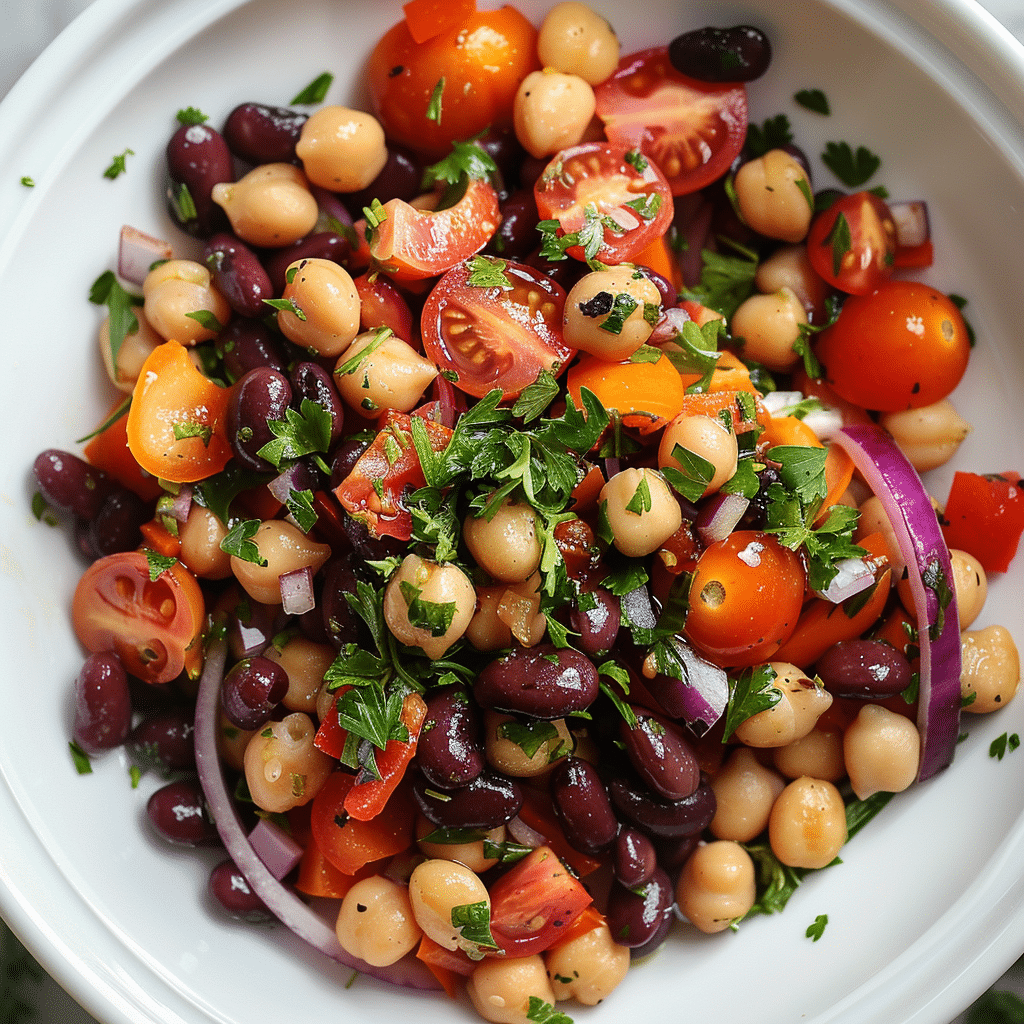
Mediterranean Bean Salad
A Mediterranean version adds brightness and rich flavors that transform your dense bean salad meal into something vibrant and refreshing. Chickpeas remain the base, but you enhance the dish with chopped cucumbers, cherry tomatoes, red onions, and parsley. Adding olives and feta introduces tanginess and saltiness, which balance well with a lemon-olive oil dressing. Because these ingredients stay firm even after refrigeration, the texture remains stable for several days. This version also pairs well with herbs like oregano or basil, which deepen the Mediterranean character while keeping the salad light.
High-Protein Athlete Version
If you want more protein, you can build a dense bean salad meal that supports athletic performance. Adding edamame increases protein levels without changing the structure. Quinoa or lentils can also strengthen the dish, especially when combined with high-fiber vegetables such as celery or peppers. A simple vinaigrette with lemon and garlic keeps the flavors clean while supporting recovery and energy. Because this version includes multiple sources of plant-based protein, it works well for anyone following a fitness-focused eating plan.
Low-Calorie Weight-Loss Version
A low-calorie version focuses on keeping the meal dense but lighter. To achieve this, reduce the amount of dressing and use more vegetables to create volume. Replacing starchy beans like kidney beans with chickpeas or black beans keeps the salad filling without increasing calories. Adding herbs and citrus provides fresh flavor without needing extra oil. Because this version remains nutrient-dense, it helps maintain satiety while supporting weight-loss goals. Even though the calories decrease, the salad stays hearty thanks to the beans and crunchy vegetables.
Summer Fresh Bean Salad with Herbs & Citrus
During warmer months, a summer-focused variation enhances your dense bean salad meal with bright, refreshing flavors. Adding corn kernels, fresh basil, mint, or dill gives the dish a seasonal twist. Lemon or lime juice makes the vinaigrette taste lighter, while diced cucumbers increase hydration and crunch. Because summer vegetables hold up well in cold salads, this version stays crisp and vibrant for days. It works especially well for picnics, potlucks, or meal-prepped lunches when you need something cool and energizing.
Dense Bean Salad Meal: Frequently Asked Questions
What is a dense bean salad meal?
A dense bean salad meal is a hearty, protein-packed dish made primarily with firm beans, crunchy vegetables, herbs, and a light vinaigrette. Because the beans hold their structure, the salad feels substantial enough to replace a full lunch or dinner. This type of salad offers a balanced mix of fiber, protein, and complex carbohydrates, making it both satisfying and nutritious.
Can a dense bean salad be a complete meal?
Yes, a dense bean salad meal can easily function as a complete meal because beans provide plant-based protein and fiber. When you add vegetables, herbs, and healthy fats from the vinaigrette, the dish supplies essential nutrients that keep you energized for hours. Many people choose bean salads when they want something filling but not heavy.
How long does dense bean salad last in the fridge?
Most dense bean salad meals last between three and five days when stored in airtight containers. Because beans remain firm longer than leafy greens, the salad keeps its texture exceptionally well. For more ideas on salads that stay crisp for days, check out our tortellini salad .
What beans are best for a dense bean salad?
Chickpeas, black beans, and kidney beans remain the top choices because they hold their firmness even after mixing with dressing. Chickpeas provide chewiness, black beans add creaminess, and kidney beans supply a hearty texture. Combining multiple bean types creates a balanced structure that makes the salad more enjoyable.
Is dense bean salad good for weight loss?
A dense bean salad meal supports weight loss because beans contain high levels of fiber and protein, both of which increase satiety. The dish helps control appetite naturally while keeping calories moderate. When prepared with a light vinaigrette and lots of vegetables, this salad fits easily into calorie-conscious meal plans.
Can you meal prep dense bean salad?
Yes, this salad is one of the best meal-prep options available because beans stay firm for several days. Preparing multiple servings in advance saves time and ensures you always have a healthy, ready-to-eat meal. Bean salads also withstand refrigeration without losing flavor or texture.
Should I use canned or cooked beans for dense bean salad?
You can use either canned or cooked beans, but both require proper handling. Canned beans offer convenience and remain reliable as long as you rinse them well. Cooked beans provide greater control over texture, yet you must avoid overcooking them. Both options create a dense bean salad meal that holds up under dressing.
How do you keep dense bean salad from getting mushy?
To prevent mushiness, rinse and drain beans thoroughly before mixing. Pat watery vegetables dry, avoid overmixing, and add dressing only when all ingredients are moisture-free. Storing the salad in airtight containers also helps maintain structure. If you want more ideas for salads that keep well, discover great ideas like our carrot juice recipe that pairs nicely with cold meals.
Is dense bean salad high in protein?
Yes, dense bean salads contain impressive levels of plant-based protein. Chickpeas, black beans, and kidney beans each provide around 7 to 10 grams of protein per half-cup. When combined with quinoa, edamame, or lentils, the protein level increases enough to support active lifestyles or weight-management goals.
Conclusion: Why Dense Bean Salad Meal Is One of the Best Easy, Nutritious Dishes
Why It Works as a Full Meal
A dense bean salad meal stands out as one of the easiest ways to get a complete, nutrient-rich dish without spending much time cooking. Because beans offer plant-based protein and fiber, they create steady energy and help keep you full longer than many traditional salads. When you add crunchy vegetables, a bright dressing, and herbs that boost flavor, the meal becomes both satisfying and refreshing. Although the dish feels simple, it delivers a balanced combination of nutrients that supports everyday health goals, weight management, and active lifestyles.
Customization Tips for Any Diet
One of the biggest strengths of a dense bean salad meal is its adaptability. You can build a high-protein version with edamame or quinoa, create a Mediterranean style with olives and lemon, or prepare a lighter option with extra vegetables. Because beans pair well with nearly any seasoning, you can tailor every batch to your personal taste. Additionally, adjusting the dressing helps you refine calories, texture, or flavor intensity without changing the structure of the dish. Whether you follow a vegan, vegetarian, high-fiber, or weight-loss plan, this type of salad fits seamlessly into your routine.
Internal Link to More Fresh, Nourishing Recipe Ideas
If you enjoy simple, flavorful dishes that store well and support healthy eating habits, don’t miss our refreshing strawberry spinach salad and you can also visit my Pinterest. It offers another vibrant option that pairs beautifully with weekly meal prep.
Because a dense bean salad meal remains stable, customizable, and nutrient-dense, it continues to be one of the most reliable choices for fast lunches, portable meal prep, and balanced dinners. Regardless of the variation you choose, the dish delivers flavor, convenience, and long-lasting satisfaction.