
INTRODUCTION
An avocado salad healthy lunch is one of the most balanced meals you can prepare when you want something fresh, light, and incredibly nourishing. Because avocado is naturally rich in healthy fats, fiber, and essential nutrients, this simple bowl can keep you satisfied for hours. In this full guide, you’ll learn why avocado salad is considered a powerhouse lunch, how to make it more filling, and how to keep it fresh without browning. You’ll also discover the best proteins to add, top variations, and expert tips to prepare it ahead for busy days. Learn more about other refreshing salads on the blog, like our cucumber salad .
Table of Contents
Why Avocado Salad Is a Healthy Lunch Option
What Makes an Avocado Salad a Nutrient-Rich Lunch
An avocado salad healthy lunch works so well because it combines whole-food ingredients that deliver both energy and nutrients. Avocados are packed with heart-healthy monounsaturated fats, which help keep you full without weighing you down. These fats play an important role in supporting brain function, stabilizing energy levels, and improving overall satiety, which is why an avocado-based lunch often prevents afternoon cravings.
Alongside healthy fats, avocados provide a strong dose of dietary fiber. This combination of good fats and fiber slows digestion, allowing your body to use energy more steadily throughout the day. When paired with crisp vegetables, fresh herbs, or a clean vinaigrette, the salad becomes even more nutrient-dense, offering vitamins C, E, K, and folate in one balanced meal.
Key Health Benefits of Avocados (Fiber, Healthy Fats, and Vitamins)
The health benefits of avocados go far beyond simple satisfaction. They contain antioxidants that help reduce inflammation, which is essential for long-term wellness. Their high potassium content helps maintain stable blood pressure, while the natural oils support skin hydration and cell health.
Because avocados are naturally low in carbs yet rich in essential nutrients, they adapt easily to various diets—including low-carb, ketogenic, whole-food, and gluten-free eating styles. When used as the main element of a lunch salad, they make the meal both energizing and nourishing. As a result, an avocado salad healthy lunch can fit into weight-loss plans, muscle-support diets, and overall clean-eating routines.
This balance of fiber, fats, and vitamins is what makes avocado salads stand out among other quick lunch options. They deliver sustained fullness, high nutritional value, and refreshing flavor while remaining incredibly simple to prepare.
Print
Avocado Salad Healthy Lunch: 7 Secrets for a Better Bowl
- Total Time: 10 minutes
- Yield: 2 servings 1x
Description
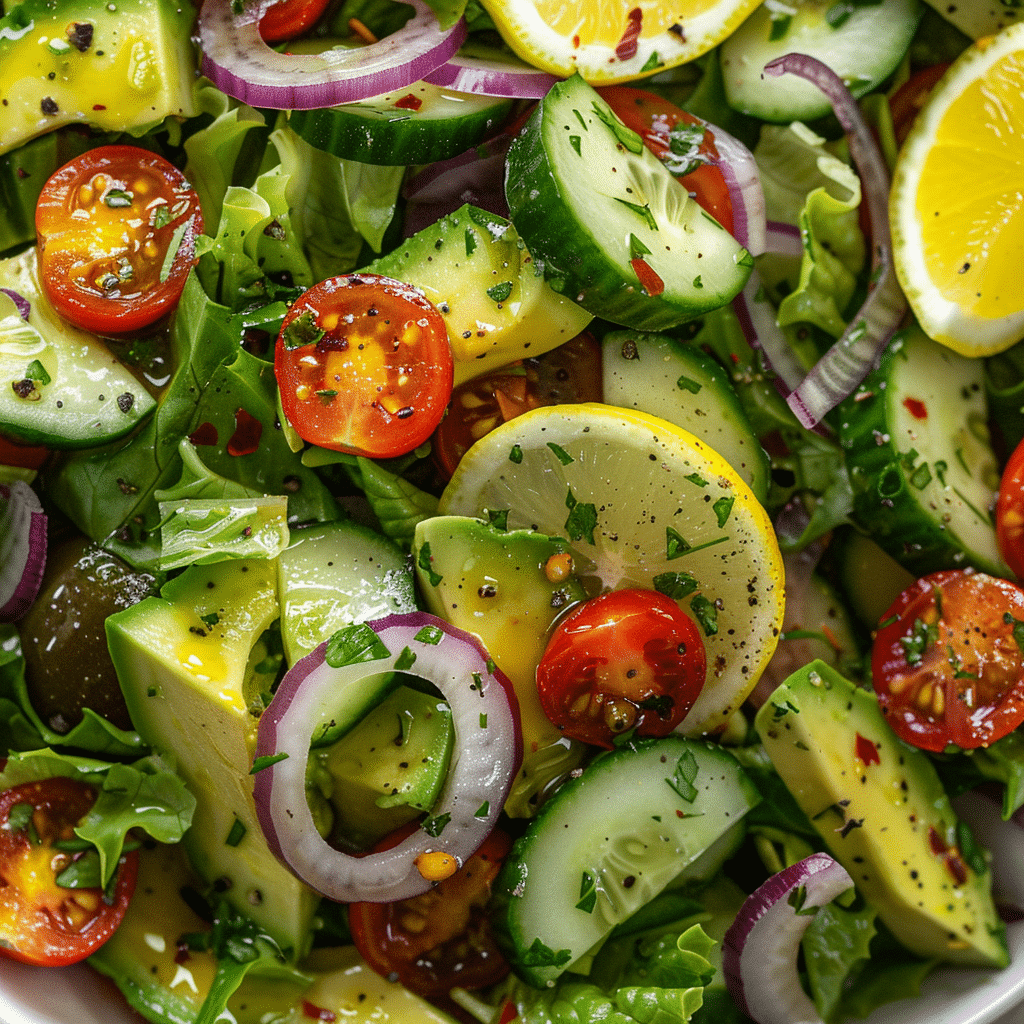
A fresh, creamy, and nutrient-rich avocado salad healthy lunch made with ripe avocados, crisp vegetables, and a bright lemon dressing. Perfect for meal prep, weight-loss meals, or clean-eating lunches.
Ingredients
2 ripe avocados, diced
1 cup cherry tomatoes, halved
1 medium cucumber, chopped
1/4 cup red onion, finely sliced
1 cup fresh spinach or lettuce
2 tbsp lemon juice
2 tbsp olive oil
Salt and pepper to taste
Optional: chicken, tuna, shrimp, eggs, corn, black beans, cilantro
Instructions
1. Chop the vegetables and place them into a large bowl.
2. Dice the ripe avocados and toss them gently with lemon juice to reduce browning.
3. Add avocado to the bowl with tomatoes, cucumbers, onions, and greens.
4. Whisk olive oil, lemon juice, salt, and pepper in a small bowl.
5. Pour the dressing over the salad.
6. Fold gently to avoid crushing the avocado.
7. Add optional protein if desired.
8. Serve immediately or store components separately for meal prep.
Notes
Add protein such as chicken, shrimp, tuna, or eggs to make it more filling.
To prevent browning, coat avocado with lemon or lime juice.
Store vegetables and dressing separately for best freshness.
Great for weight-loss, low-carb meals, and clean-eating diets.
- Prep Time: 10 minutes
- Cook Time: 0 minutes
- Category: Salads
- Method: No-cook
- Cuisine: American
Nutrition
- Serving Size: 1 bowl
- Calories: 380
- Sugar: 5
- Fat: 30
- Carbohydrates: 18
- Fiber: 10
- Protein: 6
Essential Ingredients for an Avocado Salad Healthy Lunch

Choosing Ripe Avocados for the Best Texture
The foundation of an avocado salad healthy lunch begins with choosing perfectly ripe avocados. A ripe avocado should feel slightly soft when gently pressed, without being mushy. This soft but firm texture allows the avocado to cube cleanly and hold its shape when mixed with the other ingredients. Overripe avocados tend to collapse into the salad, making it wetter and more prone to browning, while underripe ones taste bland and rubbery.
When selecting avocados, check the skin’s color and texture. Dark green avocados with a little give usually offer the best flavor. If the stem cap comes off easily and the flesh underneath is bright green, your avocado is ready. Because avocados make up the bulk of this healthy lunch, getting the texture right ensures a creamy bite without compromising freshness.
To keep ripe avocados longer, store them in the refrigerator once they reach the perfect softness. This slows the ripening process and allows you to enjoy them throughout the week when preparing lunches.
Best Veggies, Herbs, and Toppings to Boost Nutrients and Flavor
What makes an avocado salad healthy lunch truly satisfying is the blend of fresh vegetables and toppings you choose. Colorful vegetables not only add texture and crunch but also contribute vitamins, minerals, and antioxidants that support overall wellness. Common ingredients include cherry tomatoes, cucumbers, red onions, shredded lettuce, spinach, corn, carrots, and bell peppers. These vegetables deliver hydration, fiber, and natural sweetness—balancing the creamy richness of avocado.
Fresh herbs like cilantro, parsley, and basil brighten flavors while providing anti-inflammatory benefits. For added crunch, ingredients like pumpkin seeds, sunflower seeds, or crushed nuts elevate the salad without adding unhealthy fats. Cheese options such as feta or mozzarella can also enhance taste, but in moderation for a lighter lunch.
If you want inspiration for other refreshing salads, check out our tortellini salad , which uses simple, balanced ingredients similar in freshness and texture.
Combining ripe avocados with crisp vegetables and complementary toppings helps create a nutrient-packed bowl that feels light yet deeply satisfying. This blend of wholesome ingredients transforms a simple salad into a complete, energizing lunch.
Making Your Avocado Salad More Filling
Proteins That Pair Perfectly With an Avocado Salad Healthy Lunch
One of the easiest ways to turn an avocado salad healthy lunch into a complete, satisfying meal is by adding the right source of protein. Since avocado delivers healthy fats and fiber, pairing it with lean or plant-based proteins creates the ideal macro-balanced lunch that keeps you energized for hours. Chicken breast, salmon, tuna, and boiled eggs are among the top choices. They’re rich in protein, easy to prepare, and blend beautifully with the soft texture of avocado.
For a lighter option, consider grilled shrimp or tofu. Both are quick to cook and absorb seasoning well, making them excellent additions for those who prefer fresh and simple lunches. If you follow a vegetarian or vegan diet, black beans, chickpeas, or edamame provide impressive protein content while adding extra fiber and essential nutrients.
Because avocado naturally enhances the richness of a meal, the added protein doesn’t need heavy sauces or extra oils. A clean, well-seasoned protein helps maintain the balance of flavors while increasing the overall nutritional value of your salad. For more seafood inspiration, don’t miss our Frutti di Mare seafood salad , which pairs beautifully with fresh produce just like an avocado salad.
Healthy Carbs and Grains for a More Satisfying Lunch
While many avocado salads are naturally low carb, adding whole grains can help create a more filling lunch for those who need extra fuel. Options like quinoa, couscous, farro, or brown rice offer slow-digesting carbohydrates that support steady energy levels throughout the afternoon. These grains also add a pleasant bite, making the salad more textured and satisfying.
Quinoa, in particular, is a standout ingredient because it contains complete plant-based protein, making it an excellent choice for balanced meals. For a Mediterranean twist, consider adding chickpeas or bulgur, which integrate seamlessly with avocados, vegetables, and lemon-based dressings.
For those who prefer ultra-light meals, roasted sweet potatoes or grilled corn can provide natural sweetness without overwhelming the salad. Ultimately, combining avocado with fiber-rich grains creates a hearty lunch bowl that stays nutritious and flavorful without feeling heavy.
These additions not only increase fullness but also help diversify the types of nutrients you consume at lunchtime. Thanks to their versatility, grains give you endless ways to customize an avocado salad healthy lunch to fit weight-loss, high-protein, or clean-eating goals.
How to Assemble an Avocado Salad Healthy Lunch
Step-by-Step Method for Building the Perfect Salad Bowl
Creating an avocado salad healthy lunch starts with layering ingredients in a way that keeps everything fresh, bright, and crisp. Begin with your base greens—spinach, mixed lettuce, or arugula—since they hold the structure of the bowl. Adding the greens first prevents moisture from pooling at the bottom and keeps your salad light and airy. Next, add crunchy vegetables like cucumbers, tomatoes, onions, and peppers. These colorful veggies contribute hydration, balance, and texture.
Once the vegetables are layered, gently fold in your avocado cubes. Because avocado tends to soften quickly, adding it later prevents it from being crushed. To maintain its natural creaminess without letting it overpower the salad, cut the avocado into medium-sized chunks and fold them instead of stirring. This ensures each bite carries a balanced blend of creamy and crisp textures.
If you’re adding proteins—such as chicken, tuna, shrimp, or tofu—place them on top so they stay visible and maintain their texture. This also makes the salad look more appealing and helps preserve the structure of the avocado beneath. For more ideas on combining fresh ingredients, discover great ideas like our Greek salad , which relies on the same simple layering technique.
To finish, sprinkle herbs such as parsley, cilantro, or basil. Fresh herbs brighten the dish and bring subtle aromatics that elevate the flavor without adding heavy ingredients.
Simple Dressings That Enhance Flavor Without Extra Calories
The dressing has a major influence on whether your avocado salad tastes vibrant or dull. The best dressings for an avocado salad healthy lunch usually include light, fresh ingredients like lemon juice, lime juice, vinegar, olive oil, garlic, or a touch of Dijon mustard. These acidic elements cut through the richness of avocado and keep the salad refreshing.
For a quick and healthy dressing, whisk together olive oil, lemon juice, a pinch of salt, black pepper, and garlic. This simple mix complements the creamy avocado without adding too much fat or sodium. If you prefer a bolder flavor, add chili flakes, smoked paprika, or herbs like dill or oregano. Because avocado brings natural richness to the salad, you don’t need heavy sauces or sugary dressings.
You can also make a yogurt-based dressing to increase creaminess while keeping calories moderate. Greek yogurt mixed with lemon juice, herbs, and a little olive oil creates a thick, velvety drizzle that blends beautifully with the salad.
Once your dressing is ready, pour it gently over the salad and toss lightly to avoid crushing the avocado. Even a small amount of dressing helps tie the ingredients together and adds brightness to every bite.
Nutrition and Calories of an Avocado Salad Healthy Lunch
How Many Calories Are in a Typical Avocado Salad Lunch
When you prepare an avocado salad healthy lunch, the calorie count can vary depending on the ingredients you choose. A simple bowl made with avocado, tomatoes, cucumbers, leafy greens, lemon juice, and olive oil usually ranges from 350 to 500 calories. This calorie range makes the salad filling enough to work as a complete meal without feeling heavy.
Avocado contributes most of the calories because it contains natural, heart-healthy fats. One medium avocado has around 220–250 calories, yet most of these calories come from monounsaturated fats that support stable energy and improved fullness. When you add vegetables—which are low in calories but high in fiber—you create a lunch that keeps you satisfied for hours.
If you include proteins like grilled chicken, tuna, shrimp, or eggs, the calorie count increases, but so does satiety. For example, adding 4 ounces of chicken increases the meal by about 160 calories, while tuna adds around 100–120 calories. These additions make the salad an ideal lunch for people who need a stronger energy boost or want a macro-balanced meal. For a nourishing drink to pair with your lunch, check out our carrot juice recipe for extra vitamins and natural sweetness.
Most importantly, even when the calorie count is moderate, the nutrient quality remains high. Unlike many fast lunches, avocado salads deliver clean fuel without processed ingredients or hidden sugars.
Macro Breakdown: Fats, Protein, and Fiber
The macro breakdown of an avocado salad healthy lunch is one of the main reasons it works so well for everyday eating. Avocado supplies healthy monounsaturated fats that help your body absorb fat-soluble vitamins like A, D, E, and K. These fats also keep your hunger stable and reduce cravings later in the day.
Fiber is another major benefit. Avocado alone offers about 10 grams of fiber per fruit, and when paired with vegetables, the fiber content rises naturally. Fiber slows digestion and supports gut health, making the meal a smart option for weight management and digestive comfort.
Protein levels depend entirely on your chosen toppings. Leafy greens and vegetables contain minimal protein, so many people include chicken, tuna, shrimp, eggs, or plant-based proteins to create a well-rounded macro profile. With the right combination, your salad becomes balanced with healthy fats, moderate carbs, and enough protein to sustain energy throughout the afternoon.
Because the macros are so adaptable, this meal suits weight-loss goals, low-carb lifestyles, and nutrient-dense clean-eating plans. You can easily adjust the fat, protein, or carbs depending on your needs while keeping the flavors fresh and satisfying.
Storage Tips: Keeping Avocado Salad Fresh
How Long Avocado Salad Lasts Before Browning
One common concern when preparing an avocado salad healthy lunch is how quickly the avocado begins to brown. Because avocado flesh oxidizes when exposed to air, browning can start within 2–4 hours if not stored correctly. While browning does not make the salad unsafe, it affects the appearance and can slightly alter the flavor. When stored properly in an airtight container, most avocado salads remain fresh for 12 to 24 hours, depending on the ingredients used.
If your salad contains high-moisture vegetables like tomatoes or cucumbers, the extra liquid can speed up oxidation. This is why storing avocado salad correctly is essential, especially when you want to enjoy it later in the day or prepare it ahead for next-day lunches.
For optimal freshness, store the salad in smaller single-portion containers and place it in the refrigerator immediately after assembling. The colder temperature slows oxidation and helps maintain crispness. If you want an additional refreshing drink to enjoy with your lunch, check out our strawberry juice recipe for a naturally sweet, hydrating option.
Anti-Browning Techniques (Acids, Airtight Storage, Layering)
Several effective techniques keep an avocado salad healthy lunch fresh longer without sacrificing flavor. The simplest method is using acids like lemon juice or lime juice. These citrus juices contain antioxidants that slow down the browning process by creating a protective barrier on the avocado’s surface. Tossing the avocado lightly in lemon juice helps maintain its beautiful green color for several hours.
Airtight storage is just as important. Make sure your container closes tightly with no trapped air pockets. Pressing a layer of plastic wrap directly on the surface of the salad before closing the lid creates an even stronger seal. This reduces oxygen exposure and keeps the ingredients crisp.
Layering also preserves freshness. Instead of mixing all ingredients immediately, you can store them in layers, placing avocado on the bottom or middle of the container so it’s less exposed to air. Add the dressing at the last moment to prevent watery vegetables and maintain crunchy textures.
If your salad includes protein like chicken or tuna, store it separately in the fridge until lunchtime. This prevents the protein from releasing moisture that can affect the avocado’s texture.
Using these techniques keeps your avocado-based meals vibrant, flavorful, and visually appealing well beyond the moment you prepare them.
Can You Make Avocado Salad Ahead for Lunch?

Meal Prep Methods for Next-Day Avocado Salads
Preparing an avocado salad healthy lunch ahead of time is absolutely possible when you use the right technique. Although avocado browns quickly, smart storage methods help maintain its color and texture. The key is to prep ingredients separately and assemble your salad just before eating. Start by chopping your vegetables—cucumbers, tomatoes, onions, peppers—and storing them in airtight containers. These ingredients hold up well for 24 to 48 hours without losing freshness.
For the avocado, prep it the morning of your lunch or late the night before. Coat the cubes lightly with lemon or lime juice and store them in a sealed container. This simple step significantly reduces browning. If you prefer maximum freshness, keep the avocado uncut until lunchtime and slice it moments before serving.
When meal prepping for multiple days, combine stable ingredients like greens, beans, chicken, quinoa, or tuna in separate containers. Leave the avocado and dressing aside to avoid sogginess. With this method, you can enjoy crisp, bright salads throughout the week without compromising flavor or texture. If you enjoy fruity, refreshing sides, don’t miss our cucumber juice benefits for a healthy midday boost.
Best Add-Ins and Worst Add-Ins for Prepping Ahead
Some ingredients perform better than others when stored overnight, so choosing the right mix is essential. The best add-ins for an avocado salad healthy lunch include firm vegetables like bell peppers, onions, carrots, and cucumbers. These hold their texture well and don’t release too much water. Grains like quinoa or couscous also store well and make the salad more filling.
Proteins like chicken, shrimp, tofu, or boiled eggs can be stored in separate containers to maintain texture. They stay fresh for up to three days when refrigerated properly. Legumes such as chickpeas or black beans are also excellent for meal prep because they hold up well without going mushy.
On the other hand, some ingredients are not ideal for storing ahead. Soft ingredients—ripe tomatoes, soft cheeses, and delicate herbs—tend to wilt or release moisture. Adding them too early can make the salad soggy. It’s best to add them right before serving. The same applies to dressings: combining them too soon causes greens to lose crispness and accelerates avocado oxidation.
Choosing the right combination of stable and fresh ingredients helps create a flavorful, long-lasting lunch you can enjoy without stress. With thoughtful ingredient prep, you can enjoy avocado salads all week long while keeping each serving fresh, balanced, and delicious.
Avocado Salad for Weight Loss and Low-Carb Diets
Is Avocado Salad Good for Weight Loss?
An avocado salad healthy lunch works extremely well for weight loss because it provides a satisfying mix of fiber, healthy fats, and micronutrients without relying on processed ingredients. Even though avocado contains more calories than most fruits, its monounsaturated fats help regulate appetite and stabilize blood sugar levels. This means fewer cravings, fewer energy crashes, and a longer-lasting feeling of fullness.
Fiber plays a major role as well. Avocados contain both soluble and insoluble fiber, which helps slow digestion, keeps you satisfied, and supports good gut health. When combined with vegetables like cucumbers, tomatoes, and leafy greens, the fiber content increases naturally, making the salad even more filling without adding unnecessary calories.
Weight loss becomes easier when meals are nutrient-dense, satisfying, and simple to prepare. An avocado salad checks all these boxes. When you pair it with lean proteins such as chicken or shrimp, you create a balanced lunch that delivers steady energy while supporting fat loss goals. For fresh ideas that complement this type of lunch, check out our refreshing strawberry spinach salad for another light and nutritious option.
Because avocado provides long-lasting satiety, it helps prevent overeating later in the day. This is one of the reasons so many people find avocado-based meals effective for weight management and lifestyle changes.
How to Make It Low-Carb, High-Protein, or Macro-Balanced
Customizing an avocado salad healthy lunch to fit low-carb or high-protein diets is incredibly easy. For a low-carb approach, focus on ingredients like leafy greens, cucumbers, peppers, herbs, and protein sources—keeping starchy or sugary add-ins to a minimum. Avocado naturally fits low-carb diets because its carbs come mainly from fiber, not sugar.
To boost protein, add grilled chicken, tuna, salmon, shrimp, hard-boiled eggs, tofu, or beans. These options increase satiety and help maintain muscle mass, especially if you follow an active lifestyle. If you prefer a plant-based protein boost, chickpeas, lentils, edamame, or black beans can increase both protein and fiber content.
For a fully macro-balanced lunch, combine healthy fats (avocado, olive oil), lean proteins, and moderate carbs such as quinoa or corn. This gives you a well-rounded meal that delivers sustainable energy without feeling heavy. Adjusting the protein, carbs, and fats based on your goals allows you to enjoy the same salad in different ways throughout the week.
Low-carb, high-protein, or balanced—avocado salads adapt effortlessly, making them one of the most flexible and nutrient-dense lunches you can prepare.
Delicious Variations of an Avocado Salad Healthy Lunch
Mediterranean Avocado Salad
A Mediterranean-style avocado salad healthy lunch is perfect when you want a refreshing, vibrant bowl packed with clean flavors. This variation usually includes cucumbers, cherry tomatoes, red onions, olives, and fresh parsley or basil. The combination delivers bright acidity and crisp textures that pair beautifully with the creaminess of avocado. Adding a squeeze of lemon juice and a drizzle of extra-virgin olive oil enhances the Mediterranean profile without adding unnecessary calories.
To increase protein, you can include grilled chicken, tuna, or chickpeas. These ingredients complement the herbs and vegetables while helping turn the salad into a complete, satisfying lunch. For an even fresher pairing, learn more about our beetroot juice recipe which adds antioxidants and natural sweetness to a Mediterranean meal.
This version is ideal for warm days or when you want something flavorful yet light. Its balanced macros healthy fats, fiber, and lean protein make it one of the most popular versions of avocado salad.
Spicy Avocado Salad With Mexican Flavors
A Mexican-inspired avocado salad healthy lunch brings a bold, spicy twist to your meal without sacrificing nutrition. This variation often includes jalapeños, cilantro, corn, black beans, tomatoes, and lime juice. The combination of heat and acidity sharpens the flavor profile and elevates the creaminess of avocado. Corn and black beans make the salad heartier, while spices like chili powder or smoked paprika add depth.
Squeezing fresh lime juice over the avocado helps reduce browning and strengthens the tangy flavor that defines Mexican-style salads. For protein, grilled shrimp, chicken, or spicy tofu make excellent add-ins. These ingredients absorb seasoning well and blend easily with the salad’s vibrant elements.
If you enjoy fruit-based refreshments with spicy dishes, check out our non-alcoholic strawberry margarita , which offers the perfect balance of sweet and tangy without added sugars.
This version works great for meal-prep lunches or quick dinners because it offers intense flavor with simple, fresh ingredients.
FAQ SECTION
What makes an avocado salad a healthy lunch option?
An avocado salad healthy lunch is packed with fiber, healthy fats, vitamins, and antioxidants. Avocado provides monounsaturated fats that support heart health and help keep you full, while vegetables supply hydration, minerals, and natural energy. The combination creates a balanced meal that supports weight management, stable energy, and overall wellness.
How many calories are in a typical avocado salad for lunch?
A basic avocado salad usually contains 350 to 500 calories, depending on portion size and ingredients. Adding protein—such as chicken, tuna, shrimp, or eggs—can increase the calorie count but also makes the salad more satisfying and balanced.
What ingredients should I add to an avocado salad to make it more filling?
Lean proteins like chicken, tuna, tofu, shrimp, or boiled eggs help make your salad more filling. You can also add fiber-rich ingredients such as black beans, chickpeas, quinoa, or corn. These additions create a more complete meal without sacrificing freshness.
How long can you store avocado salad before it browns?
Most avocado salads stay fresh for 12 to 24 hours when stored in airtight containers. Using lemon or lime juice slows oxidation and helps maintain the avocado’s color. Keeping ingredients separate until serving improves freshness even more.
Can you make avocado salad ahead for lunch the next day?
Yes, you can meal prep avocado salad, but it works best when you store ingredients separately. Prep vegetables and protein ahead, then add the avocado and dressing right before eating. This keeps the salad crisp and prevents browning.
What protein pairs best with avocado salad for lunch?
Grilled chicken, tuna, shrimp, tofu, salmon, and boiled eggs pair exceptionally well with avocado salad. These proteins complement the creamy texture of avocado while adding satiety and balanced nutrients.
Is avocado salad good for weight loss or a low-carb lunch?
Yes. Avocado salad is naturally low carb, high fiber, and rich in healthy fats that promote fullness. When paired with lean protein, it becomes a satisfying meal that supports weight loss. You can keep it low carb by skipping starchy add-ins like rice or potatoes.
.CONCLUSION
Choosing an avocado salad healthy lunch is one of the simplest ways to enjoy a meal that is fresh, satisfying, and rich in essential nutrients. Thanks to its balance of healthy fats, fiber, and vitamins, avocado creates a strong foundation for a lunch that keeps you full and energized throughout the day. When you add crisp vegetables, lean proteins, or slow-digesting grains, you turn a simple bowl into a complete, nutrient-dense meal that supports weight management, clean eating, and low-carb lifestyles.
Because avocado salads are easy to customize, you can adapt them to your goals—whether you want a protein-packed bowl, a lighter low-calorie lunch, or a flavorful Mediterranean or spicy variation. With the right prep methods, these salads stay fresh and delicious even when you make them ahead. For more inspiration using fresh, hydrating ingredients, check out our cucumber salad recipe , which offers another refreshing meal option.
A healthy avocado salad not only supports your nutrition but also brings variety, color, and convenience to your weekly lunch routine. By combining simple ingredients with smart preparation techniques, you can enjoy countless versions of this nourishing, flavorful lunch all year long.
Also find more amazing combination and version on my Pinterest.