
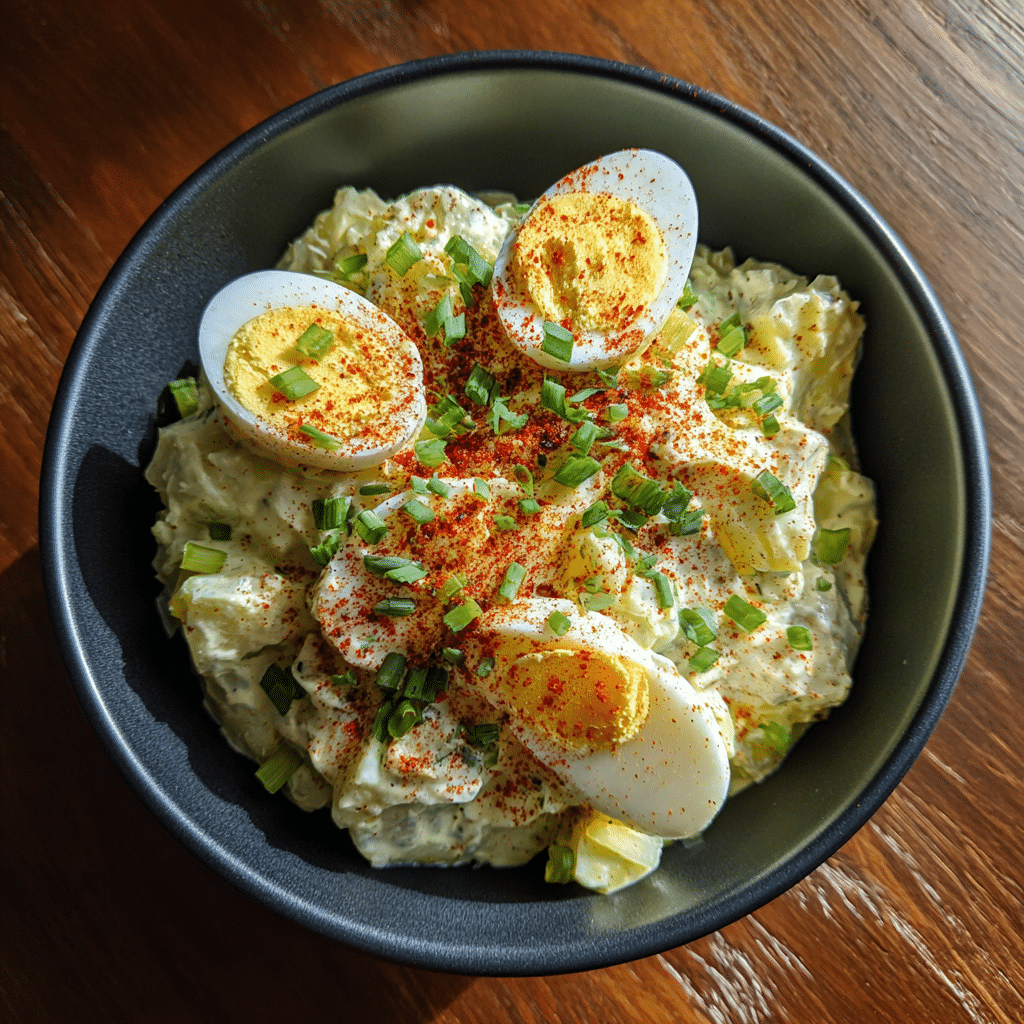
A potato salad classic American recipe has become a beloved staple on US picnic tables, Fourth of July cookouts, potlucks, church gatherings, and backyard barbecues for generations.
This dish has a comforting simplicity: tender potatoes, creamy mayonnaise, tangy mustard, crunchy celery, fragrant onions, hard-boiled eggs, and a seasoning blend that pulls everything together. In this guide, we will dive deep into what makes a potato salad “classic,” the best potatoes to use, whether boiling or baking gives better texture, storage rules, and how to avoid the most common mistakes like soggy or watery salad. You will also learn how Southern and Northern variations differ, how to prep ahead for parties, and exactly how long potato salad lasts in the fridge without losing quality or food safety value.
Before the first section ends, here’s a quick resource you may enjoy for later if you like refreshing salad-style dishes: Check out Dense Bean Salad Meal.
Table of Contents
Understanding Potato Salad Classic American
Potato salad classic American is more than just a side dish. It represents heritage, comfort, and the nostalgia of family gatherings. Every bite carries history — from European immigrants bringing potato-based dishes to the US, to modern variations passed down through generations. Let’s look at why this salad remains timeless, how it evolved, and why it continues to be America’s most iconic cold side dish.
History of American Potato Salad & Cultural Roots
Potato salad started long before mayonnaise existed. Early versions were brought to America by German immigrants during the 19th century. Originally dressed with vinegar, oil, herbs, and sometimes bacon, the dish slowly transformed once mayonnaise became widely available in grocery stores in the early 1900s. The creamy texture quickly won American hearts, leading to what we recognize today as potato salad classic American.
Over time, this dish became attached to major cultural events. Families served it every summer, young kids learned the recipe from elders, and regional variations developed naturally. Southern states leaned into bolder flavors, mustard, relish, and onion, while Northern regions preferred a lighter, creamier, more mayo-forward preparation.
What truly defines classic American potato salad is its balance: not too tangy, not too dry, not overloaded with ingredients, just creamy, lightly seasoned potatoes that still hold their bite.
Why This Dish Remains a US Favorite at Cookouts & Holidays
Picnics and summer gatherings set the perfect stage for potato salad. It pairs well with grilled meats, fried chicken, seafood, burgers, ribs, and even vegetarian meals. It’s inexpensive to make, feeds large groups easily, and stays cold well in insulated serving bowls or refrigerators.
But the real magic lies in familiarity. Whether homemade or store-bought, potato salad classic American always feels like home. Every region, every family, and sometimes every grandmother has their own version, slightly sweeter, more mustard, extra egg, or with that one secret ingredient no one is allowed to reveal.
What makes it universally loved is versatility. You can prepare it early, chill it overnight, serve it fresh, and enjoy leftovers. When done correctly, it is smooth, creamy, slightly tangy, and irresistibly satisfying.
The rest of this article will take you step-by-step into everything needed to master this timeless dish — from potato selection to mixing tips, refrigeration guidelines, and expert tricks to avoid a runny or mushy final texture.
Print
Potato Salad Classic American, Full Recipe, Ingredients & Best Method
- Total Time: 40
- Yield: 6 servings 1x
- Diet: Vegetarian
Description
A creamy and traditional Potato Salad Classic American made with tender potatoes, mayonnaise, mustard, eggs, onion, and celery. Perfect for BBQs, holidays, picnics, and meal prep — rich, nostalgic, and beautifully balanced.
Ingredients
2 lbs Yukon gold or red potatoes (cut into chunks)
3/4 cup mayonnaise
1 tbsp yellow mustard
2 hard-boiled eggs (chopped)
1/3 cup celery (diced)
1/4 cup diced onion or scallions
1–2 tbsp sweet pickle relish (optional)
1/2 tsp salt (or to taste)
1/4 tsp black pepper
Paprika for garnish
Instructions
1. Wash and peel potatoes if desired, then cut into even chunks.
2. Boil in salted water until fork-tender but not mushy.
3. Drain and allow potatoes to cool slightly so mayo doesn’t melt.
4. In a separate bowl, mix mayo, mustard, salt, pepper, and relish if using.
5. Fold potatoes gently into dressing — do not stir aggressively.
6. Add eggs, celery, onion and gently fold again.
7. Chill 1–2 hours before serving for best flavor and texture.
8. Sprinkle paprika on top before serving.
Notes
For Southern flavor — add extra mustard and sweet relish.
For Northern style — increase mayo and reduce mustard.
Let potatoes cool before mixing to prevent watery salad.
Make ahead-friendly: prepare 6–24 hours before serving.
Store refrigerated up to 3–4 days; do not leave out over 2 hours.
- Prep Time: 25
- Cook Time: 15
- Category: Side Dish
- Method: Boiled & Chilled
- Cuisine: American
Nutrition
- Serving Size: 1 cup
- Calories: 310
- Sugar: 3
- Sodium: 450
- Fat: 21
- Saturated Fat: 3
- Unsaturated Fat: 15
- Trans Fat: 0
- Carbohydrates: 26
- Fiber: 3
- Protein: 6
- Cholesterol: 95
Ingredients for a Potato Salad Classic American
A well-balanced potato salad classic American depends heavily on ingredient choice. While the dish may seem simple, small differences in potato texture, mayonnaise richness, or acidity levels can change the final result dramatically. The base formula remains consistent across the United States: potatoes + creamy dressing + aromatics + seasoning. Yet the best recipes are built on quality, freshness, and knowing why each ingredient matters.
Key Creamy Potato Salad Ingredients PAA-Based
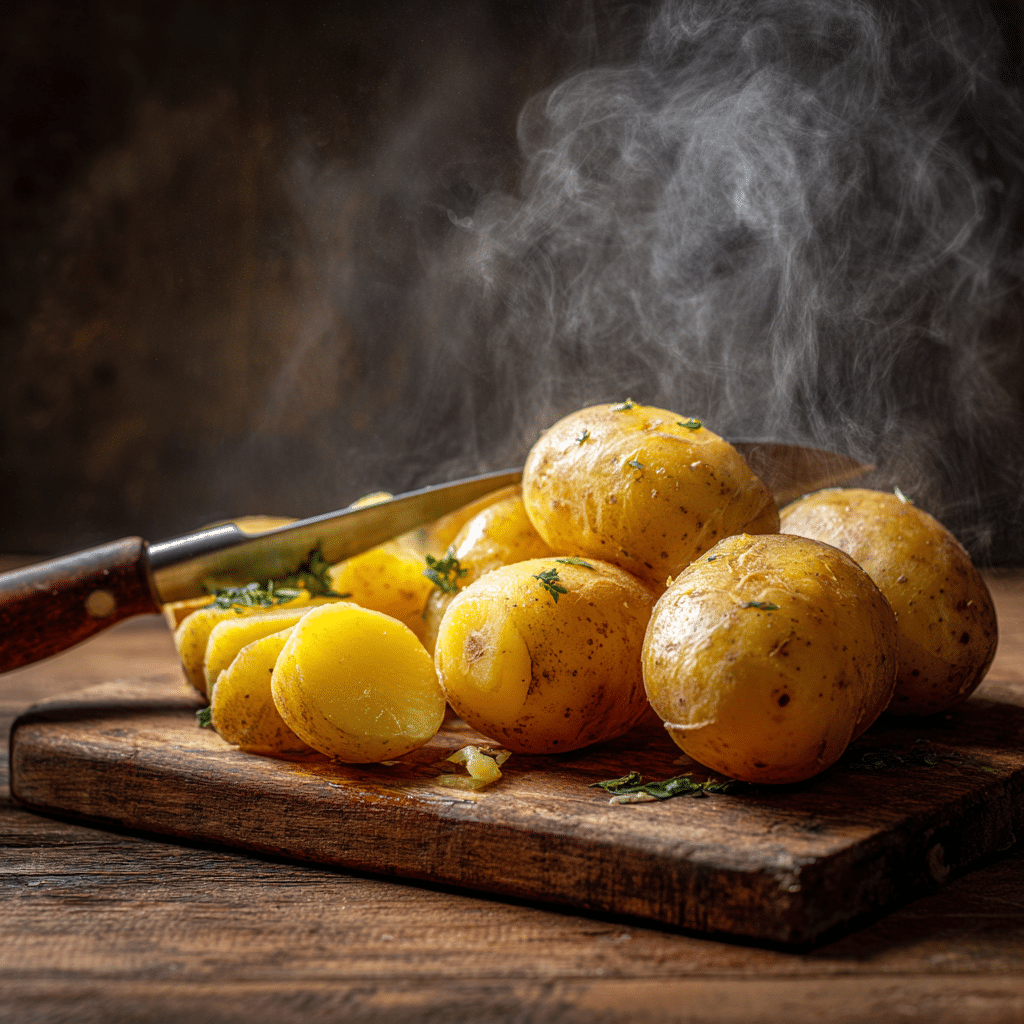
To build the most traditional and flavorful classic American potato salad, these essential ingredients form the core:
- Potatoes – waxy or semi-waxy varieties hold shape and offer creamy texture
- Mayonnaise – provides richness & signature creaminess
- Yellow mustard – adds tang, color & classic American flavor notes
- Hard-boiled eggs – deepen richness and protein
- Celery – crunch factor & freshness contrast
- White or yellow onion – subtle bite and aroma
- Pickle relish (optional but popular) – introduces sweet-tangy balance
- Salt, black pepper, paprika – seasoning backbone
- Vinegar or pickle brine (optional) – brightens flavor and enhances acidity
These components answer the most common PAA search query perfectly: What is classic American potato salad made of?
You don’t need dozens of elements, just a balanced set of creamy, crunchy, tangy, and subtle flavors.
For readers exploring similar fresh and vibrant dishes, Discover great ideas like Tortellini salad.
Best Type of Potatoes for Potato Salad + Waxy vs Russet Comparison
One of the biggest determinants of success is choosing the right potato type. Not all potatoes behave the same once boiled. Some stay firm, some crumble, some absorb dressing beautifully, others fall apart into paste. The goal is to maintain bite without stiffness.
Below is a comparison to guide your selection:
| Potato Type | Best Use in Potato Salad |
|---|---|
| Yukon Gold (Waxy/Semi-waxy) | Ideal balance – creamy center & holds shape |
| Red Potatoes (Waxy) | Firm texture, less likely to fall apart |
| Russet Potatoes (Starchy) | Fluffy, good for softer salad but breaks easily |
According to PAA searches, many wonder Can I use russet potatoes or should I stick to waxy potatoes?
Answer: Waxy potatoes like Yukon or red hold shape better, giving the signature bite Americans expect in a classic recipe. Russets work too, but yield a softer, more mash-like texture.
How to Make Traditional Potato Salad the American Way
Making a potato salad classic American is all about method. The ingredients are simple, but technique determines texture. Too much heat and potatoes fall apart; too little seasoning and the flavor feels flat. This section walks you step-by-step through preparation, cooking, mixing, and chilling, everything required for a creamy, balanced salad that holds shape beautifully.
Step-by-Step Classic Prep Method
To make a rich and flavorful potato salad classic American, follow the method below:
- Wash & peel potatoes (optional, some leave skins on for texture).
- Cut potatoes into evenly sized chunks uniform size ensures even cooking.
- Boil in salted water until fork-tender, not mushy.
- Drain well to prevent excess moisture from thinning the mayonnaise.
- Let potatoes cool slightly before adding mayo-based dressing.
- Mix dressing separately using mayonnaise, mustard, salt, pepper, and optional relish.
- Fold potatoes gently into the dressing rather than stirring aggressively.
- Add chopped celery, onion, herbs, and eggs last to avoid crushing.
- Chill for at least 1–2 hours to develop flavor and improve texture.
Classic potato salad isn’t rushed, resting time makes a difference. As the salad chills, mayonnaise sets, potatoes absorb seasoning, and flavors merge into a creamy, cohesive result.
For summer-friendly drink pairings, Check out my Pinterest.
This refreshing option balances the richness of potato salad perfectly.
Mistakes to Avoid When Preparing Potatoes
Even though potato salad classic American appears simple, certain mistakes can ruin texture or flavor fast. Here are the most common errors and how to avoid them:
- Overcooking potatoes leads to mushy, broken pieces
- Undercooking results in hard, dry interior
- Skipping salt during boiling leaves potatoes bland
- Mixing while potatoes are hot causes mayo to melt and turn oily
- Not draining potatoes fully makes the dressing watery
- Using too much vinegar at once can overpower flavor
- Stirring instead of folding crushes chunks into paste
A well-made potato salad should remain creamy and cohesive, not soupy or stiff. Allow potatoes enough time to steam dry and cool before dressing, as this prevents runny texture and improves flavor absorption.
Families across the US follow this same foundation, gentle folding, fresh vegetables, quality mayonnaise, correct potato selection, and patient chilling time. With these steps locked in, the next section will compare cooking methods and explain whether boiling or baking gives a better result.
Cooking Method – Boil or Bake?
Choosing whether to boil or bake potatoes is one of the most debated steps when making potato salad classic American. While boiling is the traditional approach, baking has benefits that may surprise you. Understanding how each method affects moisture, flavor, and texture helps you decide which direction supports the salad you want to create. The goal is simple: tender potatoes with structure, never watery or grainy.
Is it Better to Boil Potatoes or Bake Them for Potato Salad?
Most classic American potato salad recipes call for boiling, and for good reason. When potatoes are submerged in salted water, they cook evenly from the outside in and absorb seasoning deeper into their flesh. This method is fast, predictable, and widely preferred in US households.
However, baking potatoes offers advantages too. Roasted potatoes lose less water and develop a more concentrated flavor. That makes them great for a firmer, richer result, especially when working with russet potatoes that naturally absorb moisture quickly.
Here’s a quick breakdown:
| Method | Texture Result |
|---|---|
| Boiled | Soft, tender, classic salad consistency |
| Baked/Roasted | Firmer, deeper flavor, less likely to water out |
While both methods work, boiling remains the most authentic choice for potato salad classic American, especially for maintaining that nostalgic texture Americans grew up with. Baked potatoes work best for modern twists or meal-prep salads with heavier add-ins.
If you love refreshing fruit-infused recipes as side pairings, Looking for inspiration? Try Strawberry spinach salad.
How to Prevent Watery or Mushy Potato Texture
Even if you choose the right potatoes and cooking method, the wrong handling can still lead to soggy results. The biggest reason classic American potato salad becomes watery is excess moisture trapped inside the potatoes after cooking.
To protect the texture:
- Drain potatoes thoroughly right after boiling
- Allow them to steam dry in a colander for 5–10 minutes
- Cool slightly before adding mayo dressing
- Never stir aggressively — folding keeps pieces intact
- If using relish, drain excess liquid before mixing
- Avoid over-chilling past 48 hours (potatoes release moisture over time)
Many home cooks also forget that warm potatoes release steam. If dressing is added too early, condensation forms, thinning the mayo. Letting potatoes cool until just warm ensures creaminess stays stable.
This matters even more when refrigerating potato salad overnight, something we will detail soon in the storage section.
Southern Potato Salad vs Northern Potato Salad
One of the most fascinating parts of understanding potato salad classic American is learning how recipes shift across regions. The United States may share a love for creamy potato salad, but North and South do not prepare it identically. In fact, what one region calls “classic,” the other may consider incomplete.
These differences are not random they come from cultural food habits, pantry availability, and longstanding family traditions. Both versions are delicious, but each delivers a unique taste and texture profile.
Flavor Differences Between Southern & Northern Styles
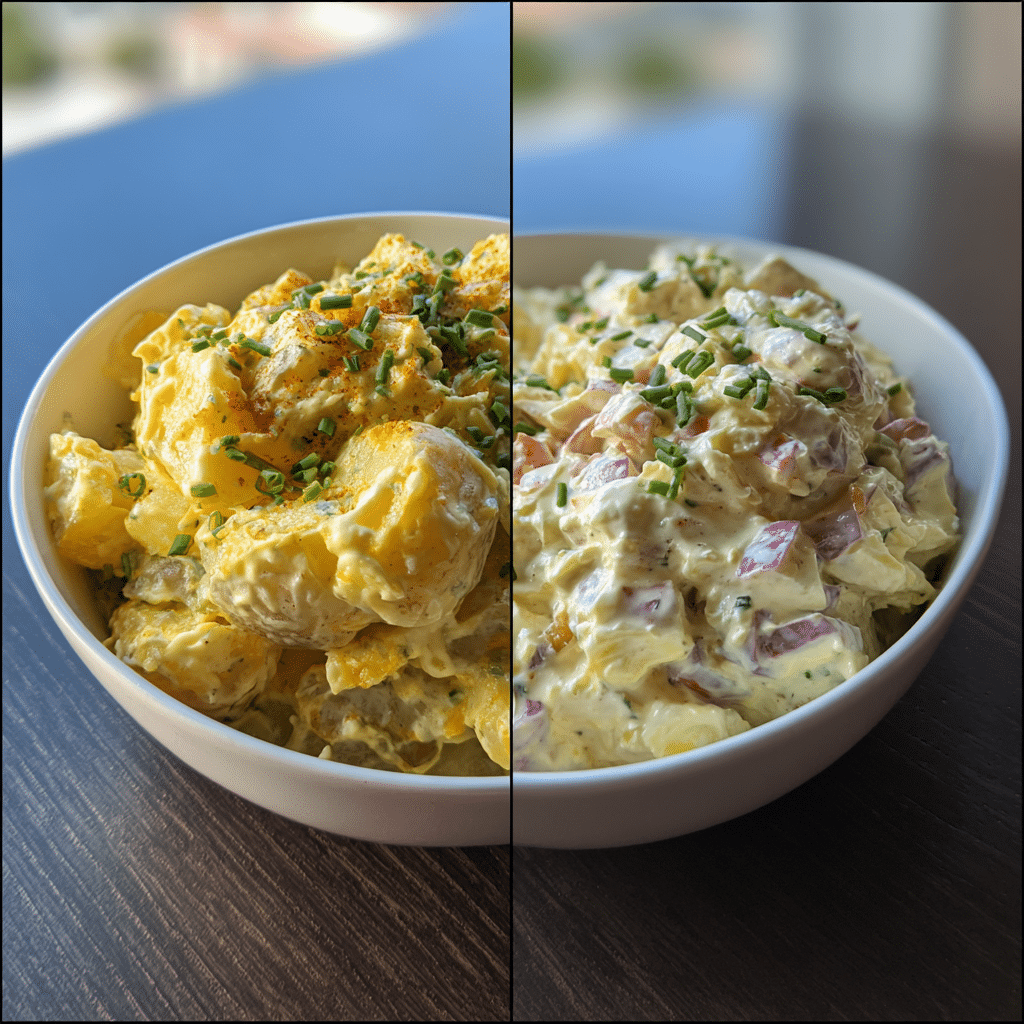
Southern potato salad is bold, bright, and punchy, built around mustard and relish. It offers more color, a sharper bite, and often a slightly sweeter edge. The mayo-to-mustard ratio leans toward tang, giving it a strong personality that stands out alongside barbecue ribs, fried chicken, and brisket.
Northern potato salad is creamier, softer, and milder. Mayo is the dominant base, while mustard appears only lightly if at all. Northerners focus more on clean, smooth texture instead of bold flavor. Eggs may or may not appear, but celery nearly always does for crisp freshness.
Below is a simple comparison:
| Southern Style | Northern Style |
|---|---|
| Mustard-forward, bright yellow color | Creamy white appearance, mayo-based |
| Often includes relish or pickles | More subtle tang, less sweetness |
| Pairs well with deep Southern barbecue | Pairs well with deli meats & sandwiches |
Neither version is more “authentic” they’re equally classic. Your personal preference will depend on what flavor you crave. Tangy and sweet? Go Southern. Smooth and creamy? Northern is your match.
For a refreshing beverage pairing with either style, Check out Stawberry juice.
Mustard vs Mayo – What Makes Each Version Classic?
American potato salad relies on a mayonnaise base, but the presence of mustard marks the dividing line between tradition and interpretation. Southern families often swear by yellow mustard — not Dijon, not spicy brown — plain American mustard for color and flavor. It brings acidity, brightness, and a slightly sweet bite that stands up beautifully to smoky grilled meats.
Northern families allow mustard only as a background enhancer, meaning mayo remains the star. This creamy approach results in a silkier texture and a more neutral flavor, which some consider the most authentic representation of potato salad classic American.
So which is classic?
Both each in the region it represents.
Classic American potato salad isn’t one taste it’s two traditions woven through generations.
How to Store Classic American Potato Salad
Proper storage is one of the most important yet overlooked steps in preparing potato salad classic American. Even when the texture and seasoning are perfect, mishandling during storage can cause separation, spoilage, or food poisoning. This section explains how long potato salad lasts, how to store it safely, and what to avoid to maintain flavor and freshness.
Unlike hot dishes, potato salad is a cold prep food that contains mayonnaise — meaning it requires careful refrigeration management to prevent bacterial growth. When stored correctly, potato salad remains creamy, flavorful, and safe to serve even a day or two later.
Can You Refrigerate Potato Salad Overnight?
Yes refrigerating potato salad overnight not only keeps it fresh but improves the flavor. Chilling allows ingredients to meld, the dressing to thicken, and seasoning to settle deeper into the potatoes. Many cooks prepare it a day ahead exactly for this reason.
To refrigerate correctly:
- Transfer to an airtight container
- Always refrigerate within 1–2 hours of preparation
- Store away from raw foods to avoid cross-contamination
- Keep temperature below 40°F (4°C)
When transporting for picnics, use ice packs or insulated coolers to maintain temperature. Leaving potato salad at room temp for more than two hours can cause spoilage — especially outdoors in summer heat.
For another cold and refreshing idea perfect for picnics, Don’t miss Cucumber juice & Apple juice.
How Long Potato Salad Lasts in the Fridge Safely
One of the most common PAA questions is: How long does potato salad stay good in the fridge?
The safe storage window is 3 to 4 days maximum when kept sealed and refrigerated properly. After this time, texture begins to break down and bacteria risk increases. If you notice separation, sour smell, or discoloration, discard immediately.
General refrigeration timeline:
| Storage Condition | Safe Duration |
|---|---|
| Refrigerated in airtight container | 3–4 days |
| Room temperature (indoors) | 2 hours |
| Outdoor heat above 85°F | 1 hour |
Storing potato salad correctly preserves texture as well as safety. Mayo-based foods should always remain chilled never left out during parties for long periods, especially in the sun.
The next section covers prepping ahead, cooling techniques, and answers one crucial question: Should potatoes cool before adding mayonnaise? The answer is yes and here’s why.
Make-Ahead Tips for Creamy Potato Salad
One of the biggest benefits of a potato salad classic American is that it can be prepared ahead of time — making it ideal for barbecues, potlucks, holiday spreads, and weekly meal prep. But timing matters. If handled incorrectly, pre-made potato salad may turn watery, separate, or lose its creamy texture. This section explains how to prep efficiently while keeping flavor and texture intact.
Should Potatoes Cool Before Mixing with Mayonnaise?
Yes. Potatoes should cool slightly before mixing with mayonnaise just warm, not hot.
Why?
- Hot potatoes melt mayonnaise, causing oily separation
- Steam trapped under dressing introduces excess water
- Warm potatoes absorb seasoning better than cold potatoes
- Cooling preserves chunk shape and tenderness
The ideal temperature is warm enough to absorb flavor but not hot enough to melt mayo. Spread potatoes on a tray or colander after boiling and let steam escape for 10–15 minutes before mixing.
When preparing salad a day early, dress lightly first then add extra mayo the next day before serving. This refreshes the texture and prevents dryness.
If you enjoy light homemade beverages to go with chilled potato dishes, Check out Carrot juice.
Time-Saving Prep Strategies for Events & Picnics
Whether you’re hosting friends or making a large batch for family gatherings, efficiency can make cooking easier and more enjoyable. Below are several effective shortcuts without sacrificing flavor or authenticity:
- Boil potatoes the day before, keep refrigerated plain
- Pre-chop celery, onions, and eggs to mix later
- Prepare dressing separately so it stays thick and fresh
- Combine ingredients 2–12 hours before serving for peak flavor
- Stir in herbs or relish just before serving to keep crunch bright
- Transport in airtight chilled containers for outdoor events
Smart timing keeps salad fresh, structured, and food-safe. Preparing too far in advance causes potatoes to release water but assembling just before an event locks in creaminess.
With storage and prep mastered, the next section expands flavor options beyond the traditional without sacrificing the spirit of the original recipe.
Variations & Add-Ins to Upgrade Flavor
A potato salad classic American recipe is adaptable, comforting, and customizable. While tradition calls for mayo, mustard, boiled potatoes, and eggs, you can elevate flavor with small tweaks. Add-ins should enhance not overpower the creamy profile. The best upgrades maintain balance: creamy, tangy, crunchy, and mildly sweet.
Below you’ll find flavor boosters, ingredient swaps, and modern twists that still respect the classic roots of American potato salad.
Pickles, Onions, Eggs & Herbs for Deeper Flavor
If you love a potato salad that feels bright, vibrant, and layered, the supporting ingredients make all the difference. Here are upgrades that keep the recipe traditional while enhancing taste:
| Add-In | Flavor Benefit |
|---|---|
| Dill pickles or relish | Sweet-tangy pop that cuts the mayo richness |
| Red onion or scallions | Sharpness & color contrast |
| Hard-boiled eggs | Creaminess, body & protein depth |
| Fresh dill or parsley | Earthy freshness and aroma |
| Paprika | Warm spice & perfect finishing color |
For those who prefer Southern-style, extra mustard and a bit of pickle brine bring boldness. For Northern-style lovers, extra mayo with egg-forward richness keeps things silky and mellow.
Looking for fresh vegetable pairing inspiration? Discover great ideas like Dense Bean Salad Meal or a Refreshing Strawberry Juice .
Modern Twists While Keeping the Recipe “Classic”
Modern versions of potato salad keep familiar roots but introduce creative notes that surprise without overwhelming. Try experimenting with:
- Crisp bacon bits for smoky balance
- Apple cider vinegar for lively acidity
- Chopped jalapeño for heat
- Sour cream blended with mayo for tang
- Dijon mustard instead of yellow for sharp refinement
- Fresh chives for clean herbal finish
Each variation adds new personality while respecting structure. Think of classic as the backbone endlessly adaptable yet never forgotten.
Potato Salad FAQs
This section answers the most frequently searched questions online regarding potato salad classic American. These responses provide clarity on ingredients, potato type, storage rules, and technique. Each answer is concise, helpful, and backed by best practices from traditional US cooking.
What is classic American potato salad made of?
Traditional potato salad classic American is made from boiled potatoes, mayonnaise, mustard, celery, onion, hard-boiled eggs, salt, pepper, and optional pickle relish. Some versions add paprika, dill, or vinegar for brightness. The core combination remains creamy, tangy, lightly sweet, and gently seasoned, a comforting balance.
What type of potatoes are best for a classic potato salad?
Waxy potatoes such as Yukon Gold or Red potatoes hold their shape during boiling and produce creamy texture without breaking apart. Russet potatoes work too, but because they are starchier and more absorbent, they can crumble or become mushy if overcooked.
Can you make potato salad ahead of time and refrigerate it?
Absolutely. Potato salad tastes better after resting, as flavors deepen during chilling. Prepare 6–24 hours before serving, keep covered, and refrigerate below 40°F. Add a spoonful of extra mayo before serving to refresh creaminess if needed.
How long does potato salad stay good in the fridge?
When stored in an airtight container, potato salad stays safe and fresh for 3–4 days. Avoid keeping it at room temperature longer than two hours, or one hour outdoors above 85°F.
Should potatoes cool before mixing with mayonnaise?
Yes. Allowing potatoes to cool prevents mayo from melting and separating. Warm not hot potatoes absorb flavor better and maintain texture.
What makes a potato salad “classic” in Southern vs Northern US styles?
Southern style uses more mustard, relish, and sometimes a sweeter profile. Northern style is creamier, mayo-dominant, and subtle in flavor. Both are authentically American, representing two traditional interpretations.
Can I use russet potatoes or should I stick to waxy potatoes?
You can use russet, but waxy potatoes deliver the classic bite. Russet potatoes produce a softer salad and require gentler mixing.
What ingredients are key for the best creamy potato salad?
Mayonnaise for richness, mustard for brightness, potatoes with soft-firm bite, celery for crunch, onion for aroma, eggs for body, and seasoning to balance it all.
Is it better to boil potatoes or bake them for potato salad?
Boiling is the classic American method, delivering tender potatoes evenly. Baking concentrates flavor and keeps potatoes firmer, but is considered more modern than traditional.
How can I prevent potato salad from becoming soggy or watery?
Drain potatoes thoroughly, allow steam to escape before mixing, cool slightly, fold in dressing rather than stir vigorously, and avoid over-chilling beyond 48 hours.
Conclusion
A potato salad classic American recipe is more than a side – it is tradition, texture, and timeless comfort shared across American tables. Whether Southern-style with bold mustard and relish or Northern-style with creamy, mellow mayo, both represent heritage. By choosing the right potatoes, cooling them properly, folding gently, seasoning thoughtfully, and storing safely, you guarantee a creamy, well-balanced bowl every time.
Now you have everything needed: ingredients, potato selection tips, cooking method comparisons, prep strategies, storage guidelines, regional differences, add-ins, and answers to the most-searched questions online.
If you enjoyed this American favorite, you may love exploring fresh pairings and salads too. Learn more about other refreshing recipes like the Best Caesar Salad.
Classic potato salad is a dish to revisit, remake, and share ,because the best food is the kind that brings people together.