
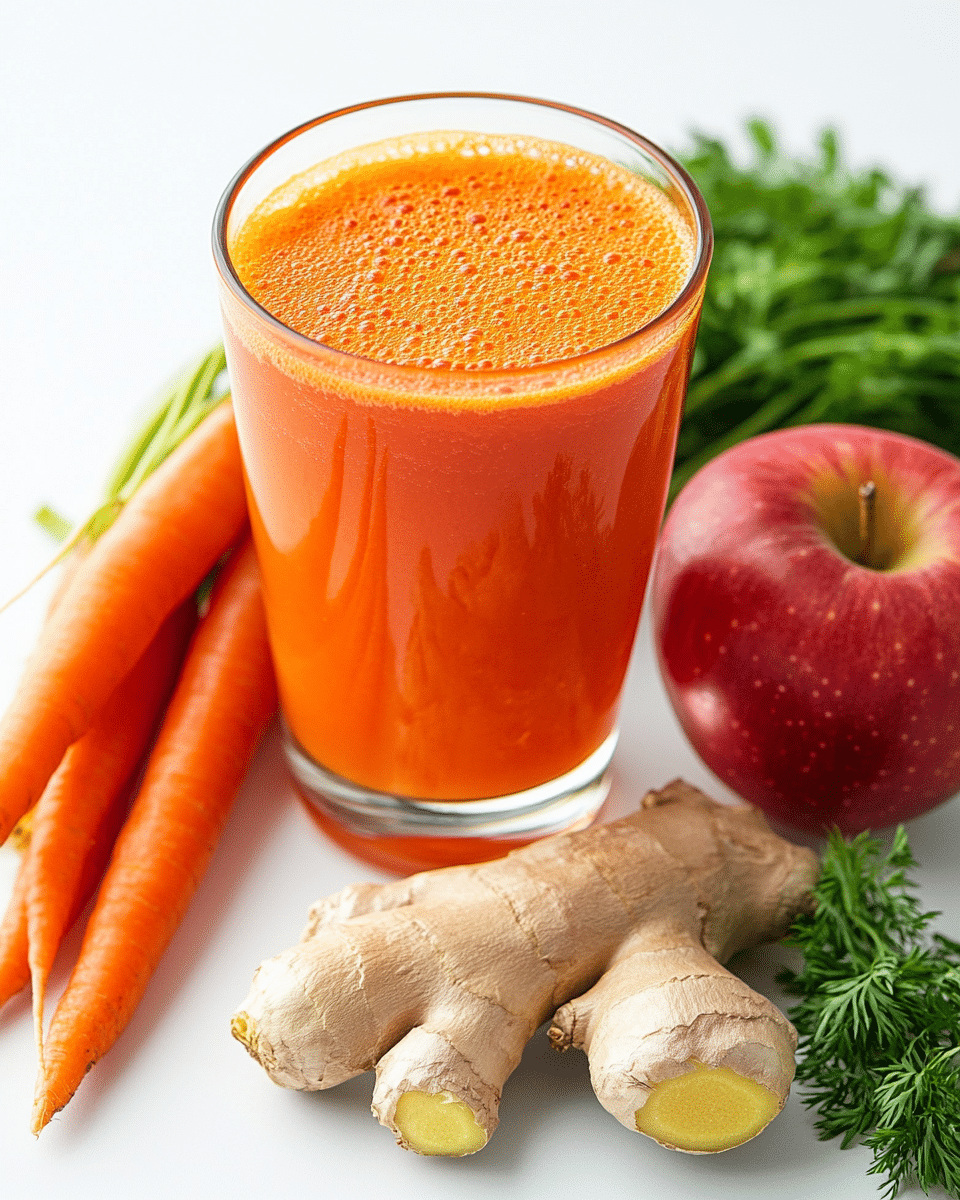
Carrot Apple and Ginger Juice: Refreshing Detox Drink You’ll Crave Daily
Carrot apple and ginger juice is one of those simple homemade juices that feels like a treat but behaves like a wellness tonic. With just three main ingredients, you get a bright, naturally sweet, slightly spicy drink that supports digestion, immunity, and healthy skin. Because this juice blends fruit and vegetables, it offers a balance of flavor and nutrition that even picky eaters often love. And unlike store-bought juices, you control the sweetness, the level of ginger heat, and the freshness of every glass.
For anyone who wants to drink more nourishing beverages without added sugars or artificial ingredients, carrot apple and ginger juice is an easy place to start. You can sip it as a morning metabolism booster, an afternoon pick‑me‑up, or pair it with a light salad like this strawberry spinach salad for a complete, vibrant meal. In this guide, you’ll learn how to choose ingredients, make the juice with or without a juicer, customize the flavor, store it safely, and understand exactly why this colorful drink deserves a regular spot in your routine.
Table of Contents
Carrot Apple and Ginger Juice Basics
What Is Carrot Apple and Ginger Juice and Why It Works So Well
Carrot apple and ginger juice is a freshly pressed drink made from raw carrots, apples, and fresh ginger root. Many people call it a detox juice or cleansing juice because it supports the liver, digestion, and overall hydration. The magic lies in the balance between the ingredients. Carrots bring earthy sweetness and a high dose of beta‑carotene, which your body turns into vitamin A for healthy eyes, skin, and immune function. Apples provide bright sweetness, vitamin C, and soluble fiber in the form of pectin, which helps gently support digestion even though most fiber is removed in traditional juicing.
Ginger adds a spicy, warming note plus powerful anti‑inflammatory compounds like gingerol. Together, these three ingredients create a juice that tastes refreshing, not sugary, and feels energizing without caffeine. Many popular juice bars feature some version of this carrot apple ginger juice recipe because it appeals to both juice beginners and experienced wellness enthusiasts. You can drink it on an empty stomach, serve it as a brunch drink, or enjoy it alongside light meals such as seafood salads, cucumber salads, or leafy green salads. Once you learn the basic formula, it becomes a flexible base for countless flavor variations like adding lemon, turmeric, or even beets for extra color and nutrition.
Choosing the Right Ingredients for the Best Flavor and Nutrition
The quality of your carrot apple and ginger juice depends heavily on your ingredients, so it pays to pick them carefully. Start with firm, bright carrots that feel heavy for their size. Avoid limp or rubbery carrots because they have lost moisture and will yield less juice with weaker flavor. Organic carrots are ideal since you often juice them with the skin on, which can hold residues if they were conventionally grown. For apples, choose naturally sweet, crisp varieties such as Fuji, Gala, Honeycrisp, or Pink Lady.
These apples give you sweetness without needing added sugar or syrups, which helps keep your juice light and balanced. Tart apples like Granny Smith can also work if you prefer a tangier detox juice, but you may want to balance them with a sweeter variety. Ginger should be fresh, firm, and smooth, not shriveled or fibrous. Young ginger usually has thinner skin and a milder heat, which works well if you are new to ginger juice.
As a rule of thumb, start with about ½–1 inch of fresh ginger root per serving, then adjust over time. Wash all produce thoroughly, scrubbing carrots and apples to remove dirt and wax. If you plan to juice regularly, buying carrots and apples in bulk can also save money, making this healthy juice an affordable daily ritual instead of an occasional splurge.
Print
The Ultimate Carrot Apple and Ginger Juice Recipe for Detoxifying Your Body
- Total Time: 10 min
- Yield: 2 servings 1x
Description
A bright, refreshing homemade juice made from fresh carrots, crisp apples, and spicy ginger — perfect for detox, digestion, energy, and glowing skin.
Ingredients
4–5 medium carrots (scrubbed, tops removed)
2 apples (Gala, Fuji, or Honeycrisp)
1 inch fresh ginger root (peeled or scrubbed)
1/2 lemon (peeled, optional)
Cold water (for blender method)
Instructions
1. Wash carrots, apples, and ginger thoroughly.
2. Chop carrots and apples into medium chunks.
3. Juicer method: alternate carrots, apples, and ginger through the chute.
4. Blender method: blend everything with 1/2–1 cup cold water.
5. Strain through fine sieve or nut milk bag.
6. Adjust taste with lemon or extra ginger.
7. Serve immediately over ice.
Notes
Best consumed fresh within 24 hours.
Add lemon to slow oxidation.
Store airtight in glass jars.
Freeze into cubes for smoothies.
- Prep Time: 10 min
- Cook Time: 0 min
- Category: Healthy Drinks
- Method: Juicer / Blender
- Cuisine: American
Nutrition
- Serving Size: 1 glass (8 oz)
- Calories: 80–120
- Sugar: 10g
- Sodium: 50mg
- Fat: 0g
- Saturated Fat: 0g
- Unsaturated Fat: 0g
- Trans Fat: 0g
- Carbohydrates: 20g
- Fiber: 2g
- Protein: 1g
- Cholesterol: 0mg
How to Make Carrot Apple and Ginger Juice (With and Without Juicer)
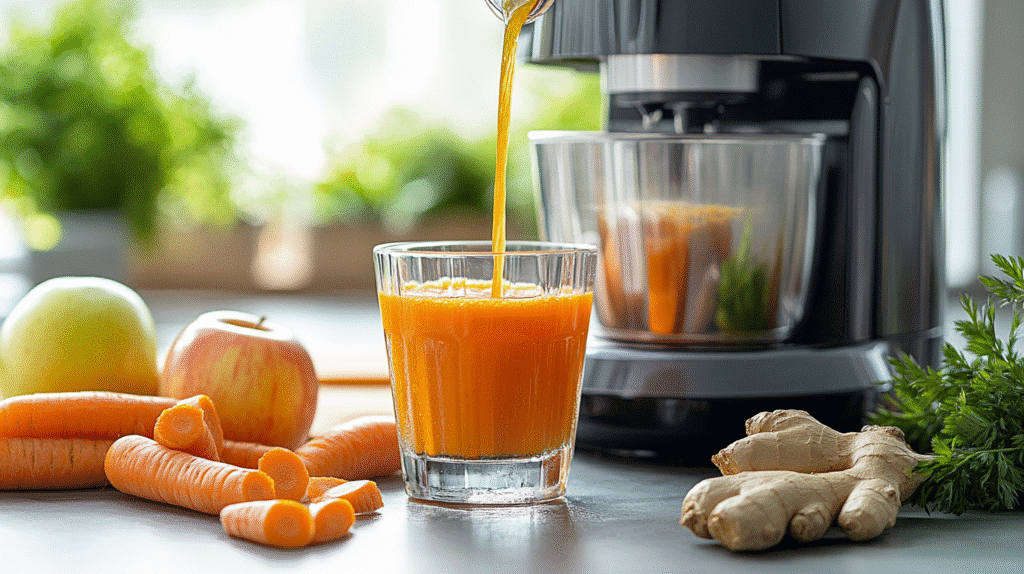
Step‑by‑Step Carrot Apple and Ginger Juice Recipe (Juicer Method)
If you own a juicer, making carrot apple and ginger juice is very straightforward. First, wash your carrots and apples thoroughly. You can peel the carrots if they’re very dirty or bitter, but it isn’t necessary if you scrub them well. Cut off the carrot tops if still attached, since they can taste bitter. For apples, remove any stickers, rinse, and cut them into quarters or halves depending on the size of your juicer’s feeding chute.
You can leave the peel and core on most home juicers, but remove seeds if you prefer, especially from very large apples. Peel the ginger if the skin is thick or fibrous; if it’s young and smooth, a quick scrub is enough. Turn on your juicer and start by feeding in some carrots to create a liquid base. Then alternate between apples and carrots, adding small pieces of ginger between them. This alternating technique helps push the fibrous ginger through and extracts more juice. Collect the juice in a jug and taste it.
If you want more heat, juice a little extra ginger and stir it in. If the juice seems too intense, you can dilute it with cold filtered water or a few ice cubes. For a smoother drink, you may strain the juice through a fine mesh sieve or nut milk bag, but many people enjoy it straight from the juicer for maximum nutrients. Serve immediately for the brightest flavor and highest vitamin content.
Making Carrot Apple and Ginger Juice in a Blender
You can still enjoy fresh carrot apple and ginger juice even if you do not own a juicer. A high‑speed blender works incredibly well when combined with a simple straining step. Start the same way by washing your carrots, apples, and ginger thoroughly. Because blenders handle softer textures better, cut carrots into smaller chunks, about ½–1 inch pieces, to help them blend. Quarter the apples and remove the cores if your blender struggles with hard seeds. Peel the ginger if it looks tough.
Add the carrot pieces, apple chunks, and ginger to your blender jar. Pour in a small amount of cold water to help the blades catch usually ½–1 cup per batch, depending on your blender’s power. Blend on high until the mixture looks completely smooth and no large pieces remain. At this point, you have a thick, pulpy juice.
If you like a smoothie‑like texture, you can drink it as is for extra fiber. However, if you want a classic juice texture, place a fine mesh sieve, cheesecloth, or nut milk bag over a large bowl or jug. Pour the blended mixture through and use a spoon or your clean hands to press out as much liquid as possible. The leftover pulp can go into muffins, veggie patties, or compost.
Taste your strained juice and adjust with a little lemon juice, extra grated ginger, or cold water to reach your preferred flavor and consistency. Pour into glasses and enjoy immediately, or chill it for 15–20 minutes for an even more refreshing drink.
Nutritional Benefits of Carrot Apple and Ginger Juice
Vitamins, Antioxidants, and Digestive Support
One reason carrot apple and ginger juice has become a staple in many healthy kitchens is its impressive nutrient profile. Carrots are loaded with beta‑carotene, which your body converts into vitamin A. This vitamin supports eye health, immune defense, and skin cell renewal, making this juice a beauty drink from the inside out.
Carrots also provide vitamin K1, potassium, and antioxidants such as lutein and zeaxanthin, which may help protect against age‑related eye issues. Apples bring vitamin C, more potassium, and beneficial plant compounds called polyphenols, which may support heart health and help fight oxidative stress. Ginger contributes potent anti‑inflammatory and antioxidant compounds, particularly gingerol and shogaol.
These compounds support digestion by stimulating digestive juices, reducing nausea, and easing minor stomach discomfort. Many people find that drinking carrot apple and ginger juice in the morning wakes up their digestive system gently without feeling heavy. Because juicing removes most insoluble fiber, the nutrients in this juice absorb quickly, which explains the almost immediate feeling of energy and clarity some people report after drinking it. While juice cannot replace whole fruits and vegetables entirely, it does offer a convenient way to boost your intake of phytonutrients in a concentrated form.
Carrot Apple and Ginger Juice as a Natural Detox Drink
The term “detox” can be overused, but carrot apple and ginger juice does support several systems involved in natural detoxification. Your body already has a built‑in detox system involving the liver, kidneys, digestive tract, lungs, and skin. Proper hydration, vitamins, and antioxidants help these systems work more efficiently.
Carrots contain compounds that support liver function and bile production, which helps your body process fats and remove waste products. Apples add pectin, a soluble fiber that may help bind certain substances in the digestive tract, encouraging regular elimination when you also consume whole fruits or leftover pulp. Ginger’s warming, circulatory effects can support better blood flow and may help reduce bloating or sluggish digestion. This is why many wellness routines pair carrot apple and ginger juice with other light, fresh recipes like cucumber salad or Greek salad.
The key is to view this juice as part of a balanced lifestyle, not a quick fix. Drinking one glass will not erase an entire week of poor eating habits, but enjoying it frequently, alongside whole foods, adequate water, and movement, can support gentle cleansing and overall vitality. If you reduce heavy, processed foods while increasing fresh juices and salads, you may notice clearer skin, steadier energy, and better digestion within a few weeks.
Ingredient Science and Flavor Balancing
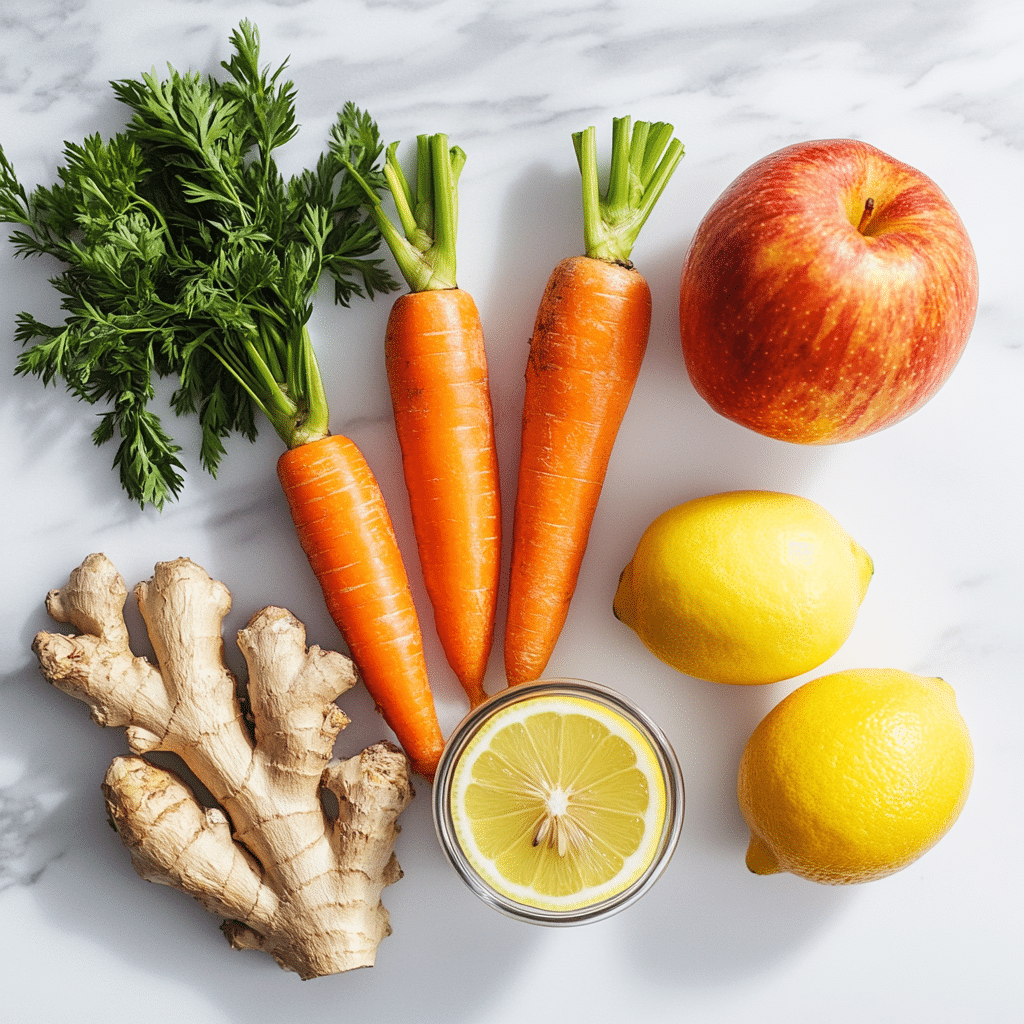
Understanding the Role of Each Ingredient
Each component of carrot apple and ginger juice contributes something unique to both flavor and wellness. Carrots act as the base, providing volume, natural sweetness, and that gorgeous orange color. They also thicken the juice slightly, giving it body without needing bananas or dairy like many smoothies.
Because carrots have a low glycemic load compared to many fruits, they help keep the overall sugar content reasonable even when apples are included. Apples are the flavor harmonizer; they balance the earthy carrot notes and the spicy ginger heat with bright, crisp sweetness. Their natural malic acid adds a subtle tang that keeps the juice from tasting flat. Ginger operates like a spice and a functional ingredient at the same time. It gives the juice a gentle burn at the back of the throat, much like a mild chili, which creates that wake‑up effect many people love in morning juices.
From a wellness perspective, ginger stimulates circulation and may help relieve minor nausea and motion sickness, which makes this juice a good candidate for travel days or after a heavy meal. When you understand these roles, you can confidently tweak the ratios to create your perfect blend.
Adjusting Sweetness, Acidity, and Heat
Balancing flavor is what turns a basic carrot apple and ginger juice recipe into a house favorite. If your first batch tastes too sweet, you can reduce the number of apples or switch to a more tart variety like Granny Smith. You may also add a splash of lemon or lime juice, which cuts through sweetness and brightens the overall flavor.
On the other hand, if your juice tastes dull or boring, you might not have used enough ginger. Increasing the ginger by even ¼–½ inch can dramatically enhance the complexity and give that memorable zing. Some people also enjoy adding a small piece of fresh turmeric root or a pinch of ground turmeric for earthiness and extra anti‑inflammatory benefits. For those who prefer a more hydrating, lighter juice, adding cucumber to the mix works beautifully and connects well with other refreshing recipes like cucumber juice or light salads.
When you dilute your carrot apple and ginger juice with water or ice, remember that you also dilute the flavor, so compensate with a bit more ginger or an extra half apple. Over time, you will learn your personal sweet‑spot ratio, but a common starting formula is 3 carrots, 2 apples, and ½–1 inch of ginger root per serving.
Creative Variations on Carrot Apple and Ginger Juice
Superfood and Citrus Variations
Once you master the basic carrot apple and ginger juice, you can start playing with variations to suit different moods and nutritional goals. Citrus fruits are one of the easiest additions. Adding half an orange or a whole small orange makes the juice brighter and slightly more tropical. Lemon or lime juice not only enhances flavor but also adds vitamin C and may help prevent oxidation, keeping your juice fresher for a bit longer.
For a deeper detox profile, a small piece of fresh turmeric root, or ¼ teaspoon ground turmeric, can join the ginger for a warm, earthy undertone. Some people also like to add a pinch of black pepper to boost turmeric absorption. If you want to increase hydration, add half a cucumber; its high water content lightens the texture and softens the sweetness. Blending in a handful of spinach or kale can turn your carrot apple and ginger juice into a “green juice” while preserving its drinkability because the carrots and apples mask many strong green flavors.
For an antioxidant powerhouse, beets make a vivid addition, and you can explore more beet‑based drinks similar to a beet juice recipe for inspiration. Start with small amounts of beets, since their earthy flavor can dominate quickly.
Dessert‑Style and Kid‑Friendly Options
If you want carrot apple and ginger juice to appeal to children or to feel more like dessert, you can lean into the natural sweetness and warm spice notes. Red or pink apples such as Fuji, Gala, or Pink Lady work best for a sweeter profile.
You can reduce the ginger to just a thin slice so the heat does not overwhelm sensitive palates. Add a dash of ground cinnamon or a small piece of cinnamon stick to evoke apple pie flavors. Some people like to blend the finished juice with a bit of frozen pineapple, mango, or strawberries, turning it into a slushy, sorbet‑like treat.
This trick works especially well in the summer when you want something cold and hydrating but still nutritious. Another idea is to freeze carrot apple and ginger juice in popsicle molds; kids enjoy them as “orange ice pops,” often without realizing they are consuming vegetables. If you already love fruit‑forward drinks like homemade strawberry juice, carrot apple and ginger juice can serve as a slightly more complex, grown‑up counterpart. Over time, you can gradually increase the amount of ginger or add small amounts of greens so the whole family’s taste buds adapt to less sugary, more nutrient‑dense flavors.
Practical Tips: Batch Prep, Storage, and Serving
How to Store Carrot Apple and Ginger Juice Safely
Fresh carrot apple and ginger juice is always best consumed immediately, but life does not always allow for that. You can safely store this juice for a short period if you follow a few guidelines. First, minimize contact with air by filling glass bottles or jars up to the brim before sealing them. Oxygen is one of the main culprits behind oxidation, which degrades vitamins and darkens the color of the juice.
Always store the juice in the refrigerator, ideally at 35–40°F (1–4°C). If you used a centrifugal juicer, try to drink the juice within 24 hours, as these machines incorporate more air and can shorten shelf life. Masticating or cold‑press juicers produce juice that typically lasts 48–72 hours when properly stored. Blender‑based juices with extra water may separate more quickly, so shake or stir before drinking. Adding a bit of lemon juice can help slow oxidation and maintain a bright color.
You can also freeze carrot apple and ginger juice in ice cube trays, then transfer the cubes to freezer bags. These cubes work beautifully in smoothies or mocktails. When reheating or warming the juice, avoid heating it on the stove or in the microwave because high heat destroys some heat‑sensitive vitamins like vitamin C; it is best served cold or at room temperature.
Ideal Serving Occasions and Pairings
Carrot apple and ginger juice fits into many parts of your day. Many people enjoy it first thing in the morning, either on an empty stomach or with a light breakfast, because it delivers quick hydration and energy without being too heavy.
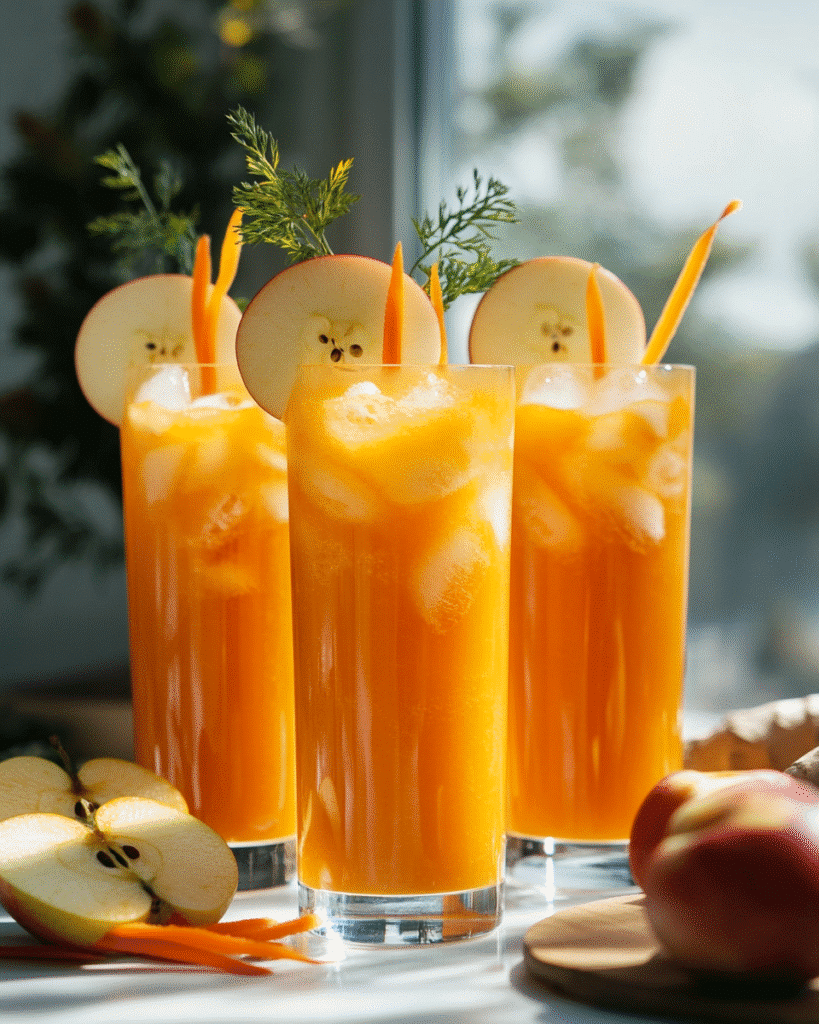
It also makes a colorful centerpiece for brunch gatherings, especially when served in clear glasses so the vibrant orange hue stands out. You can garnish it with a thin apple slice, a carrot ribbon, or a small piece of crystallized ginger on a skewer for a more festive presentation. For lunch or light dinners, pair the juice with fresh salads, seafood dishes, or vegetarian plates. It works especially well alongside dishes like Italian‑inspired seafood salad or Mediterranean salads because the acidity and freshness of the juice cut through richer flavors.
If you enjoy non‑alcoholic cocktails, carrot apple and ginger juice can act as a base; you can top it with sparkling water, add citrus, and serve it in a cocktail glass similar to how you would serve non‑alcoholic cosmopolitans or Shirley Temples. In the afternoon, a small glass can replace sugary sodas or energy drinks, providing a natural boost that won’t lead to a hard crash later. Just remember to treat it like a snack or part of a meal, not as a water replacement.
Here is a simple serving overview:
| Time of Day | How to Serve | Suggested Pairing |
|---|---|---|
| Morning | Chilled, small glass | Light toast or oatmeal |
| Brunch | In tall glasses with garnish | Salads or seafood dishes |
| Afternoon | Over ice as a pick-me-up | Fruit salad or nuts |
| Evening | As a mocktail base | Light appetizers |
Common Mistakes and Troubleshooting
Avoiding Bitterness, Blandness, and Overpowering Heat
When making carrot apple and ginger juice, a few common mistakes can prevent you from getting that clean, refreshing flavor you want. One frequent issue is bitterness. This can happen if you use carrot tops, old carrots, or too much pith from citrus fruits when you add them. Always remove carrot greens and trim off any bad or extremely dry ends.
If adding citrus, peel it instead of juicing it whole with thick white pith. Blandness is the opposite problem and often results from using too few apples or not enough ginger. Apples not only sweeten but also brighten the juice, so don’t skimp too much unless you intentionally want a low‑sugar juice. If your juice feels flat, a quick fix is to stir in a squeeze of lemon and a pinch more grated ginger.
On the other hand, ginger can quickly become overpowering, creating a burning sensation that masks the sweetness of both carrots and apples. To avoid this, always start small especially if you are new to ginger or serving children and gradually increase. You can always add more ginger, but you cannot remove it once juiced. If you accidentally overdo it, dilute the juice with water, carrot juice, or apple juice until the flavor softens.
Managing Pulp, Texture, and Yield
Another area that can frustrate beginners is texture. Some people dislike a pulpy or foamy juice, which is more common with certain juicers or blender methods. If foam bothers you, simply skim it off the top with a spoon before serving. For a silky texture, strain the juice through a nut milk bag or fine mesh sieve.
This extra step can transform the drinking experience, especially for those who prefer smooth beverages similar to store‑bought juices. Yield can also vary depending on your equipment and produce. Older, dry carrots and apples produce less juice, while fresh, crisp ones yield more.
If you feel you are not getting enough juice, try cutting the produce into smaller pieces and feeding them slowly into the juicer to allow maximum extraction. For blender methods, adding a bit more water and blending longer helps break down the fibers so you can squeeze more juice out. Don’t forget that the leftover pulp does not need to go to waste; you can mix it into baked goods, veggie burgers, or use it as compost for your garden. Approaching the process with flexibility and a willingness to adjust will quickly turn you into a confident home juice maker.
Pairing Carrot Apple and Ginger Juice with Meals and Lifestyles
Juicing and Balanced Eating
Carrot apple and ginger juice can support many styles of eating, from plant‑forward diets to more flexible approaches. It fits well into vegetarian, vegan, and Mediterranean cuisines, since it emphasizes whole produce and natural flavors.
However, it also pairs beautifully with light seafood dishes and salads that feature olive oil, herbs, and fresh vegetables. For instance, you might enjoy a glass of this juice alongside a colorful Greek salad or cucumber salad for a quick lunch. The key is to view juice as a side, not the entire meal. Because juicing removes most fiber, drinking only juice for long periods may leave you hungry and lead to blood sugar swings, especially in individuals with insulin resistance. Instead, combine carrot apple and ginger juice with meals that include protein, healthy fats, and whole grains, such as salads with beans, nuts, seeds, or seafood.
If you like cold, refreshing drinks, you might alternate between juices and non‑alcoholic cocktails such as a Shirley Temple or a non‑alcoholic cosmopolitan for social occasions while keeping carrot apple and ginger juice as your daily wellness staple.
When to Drink Carrot Apple and Ginger Juice for Best Results
Timing your intake can enhance how you feel after drinking carrot apple and ginger juice. Many people find that consuming it in the morning on a relatively empty stomach helps with quick absorption of vitamins and offers a gentle wake‑up effect without caffeine.
If you practice intermittent fasting, a small glass might break your fast if you count strict calories, so be mindful of that. As a pre‑workout drink, it provides easily accessible carbohydrates and hydration without weighing you down. Post‑workout, it can help replenish fluids and some electrolytes, although you may still need a more substantial snack with protein.
For those focused on digestion, enjoying a smaller portion about 20–30 minutes before a meal may wake up digestive juices, thanks to ginger’s stimulating properties. In contrast, people prone to heartburn might prefer to drink it earlier in the day rather than right before bed. Ultimately, the best time is the one you can maintain consistently. Pay attention to how your body responds at different times and adjust accordingly so that this juice supports, rather than disrupts, your energy and digestion.
Simple Carrot Apple and Ginger Juice Recipe Card
Basic Carrot Apple and Ginger Juice Formula
To help you get started quickly, here is a straightforward juice formula you can adapt to your taste and equipment. This recipe yields about 2 servings, depending on the size of your produce and your juicer’s efficiency.
| Ingredient | Quantity | Notes |
|---|---|---|
| Carrots | 4–5 medium | Scrubbed, tops removed |
| Apples | 2 medium | Sweet variety like Gala or Fuji |
| Fresh ginger root | 1 inch piece | Use ½ inch for a milder flavor |
| Optional lemon | ½ lemon | Peeled for added brightness |
For juicer method, run carrots, apples, ginger, and lemon (if using) through the juicer, alternating ingredients. Stir the collected juice, taste, and adjust with more ginger or lemon. For blender method, chop all ingredients, add up to 1 cup of cold water, and blend until smooth. Strain through a nut milk bag or fine sieve, pressing to extract as much liquid as possible. Chill briefly or serve over ice.
Nutrition Snapshot
Exact nutrition varies, but a typical 8‑ounce serving of carrot apple and ginger juice made from this recipe offers a meaningful boost of vitamins and antioxidants. You might see roughly 80–120 calories per glass, mainly from natural carbohydrates in the carrots and apples. Fiber content will be modest if you strain the juice completely, but you still retain many phytonutrients.
You can increase fiber by including some pulp or using a partial‑strain method. Vitamin A levels are usually high due to concentrated beta‑carotene from carrots, while vitamin C comes from both apples and optional lemon. Potassium content is moderate, supporting healthy fluid balance and muscle function.
Ginger adds negligible calories but plenty of flavor and functional benefits. If you track nutrition closely, you can input your exact quantities and methods into a nutrition calculator, but for many people the most important takeaway is that this juice offers a clean, minimally processed alternative to sugary sodas and packaged drinks.
FAQ Section
Is carrot apple and ginger juice good for weight loss?
Carrot apple and ginger juice can support weight loss as part of a balanced diet, but it is not a magic solution by itself. This juice is lower in calories than many sugary drinks and provides vitamins and antioxidants that support overall health. Because it contains natural sugars from carrots and apples, it satisfies sweet cravings in a more nutritious way than sodas or commercial juices. Ginger may support digestion and help you feel more satisfied, reducing the urge to snack mindlessly. However, juice still contains calories, so portion size matters. Use a small glass as a snack or meal companion instead of drinking large bottles all day. Combine this juice with whole foods, regular movement, and proper sleep for sustainable results.
Can I drink carrot apple and ginger juice every day?
You can drink carrot apple and ginger juice daily if you tolerate it well and keep portions reasonable. Many people enjoy 4–8 ounces per day as part of a healthy routine. Because it is rich in beta‑carotene, extremely large amounts could contribute to carotenemia, a harmless but noticeable orange tint to the skin, especially in very fair individuals.
To avoid this, balance your intake with other fruits and vegetables and vary your juices. People with diabetes or blood sugar concerns should monitor their response and possibly dilute the juice or limit serving size, since juice digests faster than whole fruit. If you take medications, especially blood thinners or drugs that affect blood sugar, discuss regular ginger intake with your health professional. Overall, for most healthy adults, a daily glass is a nourishing habit.
Is carrot apple and ginger juice safe during pregnancy?
For most healthy pregnancies, moderate amounts of carrot apple and ginger juice are considered safe and can even be beneficial. Carrots and apples offer vitamins and hydration, while ginger is well‑known for helping ease mild nausea and morning sickness. However, quantity and freshness matter.
It is important to prepare the juice with thoroughly washed produce and drink it soon after making it to reduce any risk of bacterial contamination. During pregnancy, avoid excessive amounts of ginger, as very high doses may not be advisable for everyone.
Stick to a small piece, such as ½–1 inch per batch, and monitor how you feel. If you have gestational diabetes, pay attention to your blood sugar response and possibly dilute the juice or reduce the apple content. Always consult your healthcare provider if you have specific concerns, especially regarding herbs and concentrated juices in your diet.
Can I make carrot apple and ginger juice ahead of time?
You can make carrot apple and ginger juice ahead of time, but it tastes and nourishes best when fresh. If your schedule is busy, preparing a batch for one to two days can still work if you store it properly. Immediately transfer the juice to glass bottles or jars, filling them to the top to minimize air space. Seal tightly and refrigerate right away.
Adding a bit of lemon juice can help slow oxidation and maintain color. Try to drink centrifugal‑juiced batches within 24 hours and cold‑pressed or masticated juicer batches within 48–72 hours. If separation occurs, shake or stir before drinking. Avoid leaving the juice at room temperature for long periods, and discard it if it develops an off smell or noticeable fermentation. For longer storage, freeze in portions and thaw in the refrigerator as needed.
Do I need to peel carrots and ginger before juicing?
Peeling carrots and ginger before making carrot apple and ginger juice is mostly a matter of preference, but proper cleaning is essential. Carrot peels contain nutrients and color, so if you buy organic carrots and scrub them thoroughly under running water, you can safely leave the peel on. For non‑organic carrots, peeling can reduce potential pesticide residues and remove any bitter outer layer.
With ginger, the thin skin is edible, but it can be fibrous, especially on older roots. If the skin is smooth and thin, a good scrub with a brush is often enough. For thick, dry, or wrinkled ginger, use a spoon to scrape off the peel easily. Peeling may also help prevent stringy bits in blender‑based juices. Whichever approach you choose, always wash your produce well to remove dirt and contaminants before juicing.
Conclusion – Enjoying Carrot Apple and Ginger Juice in Everyday Life
Carrot apple and ginger juice offers a rare combination of simplicity, flavor, and wellness benefits. With only a few inexpensive ingredients, you can create a bright, refreshing drink that supports digestion, hydration, and vitamin intake. Whether you make it with a juicer or a blender, you can tailor this juice to your own taste by balancing sweetness, acidity, and ginger’s warming spice. Enjoy it at breakfast for a gentle detox start, serve it at brunch alongside salads and light dishes, or transform it into mocktails for celebrations.
Over time, you may find that having a glass of fresh juice feels as natural as brewing your morning coffee or tea. If you enjoy exploring more fresh beverages and colorful dishes to pair with your juice, you might also like this non‑alcoholic Shirley Temple drink for family gatherings. By making carrot apple and ginger juice a regular, enjoyable part of your lifestyle rather than a strict detox regimen, you give your body a steady supply of plant goodness in its most vibrant form.
For more seasonal juice inspirations, check out my Pinterest.