
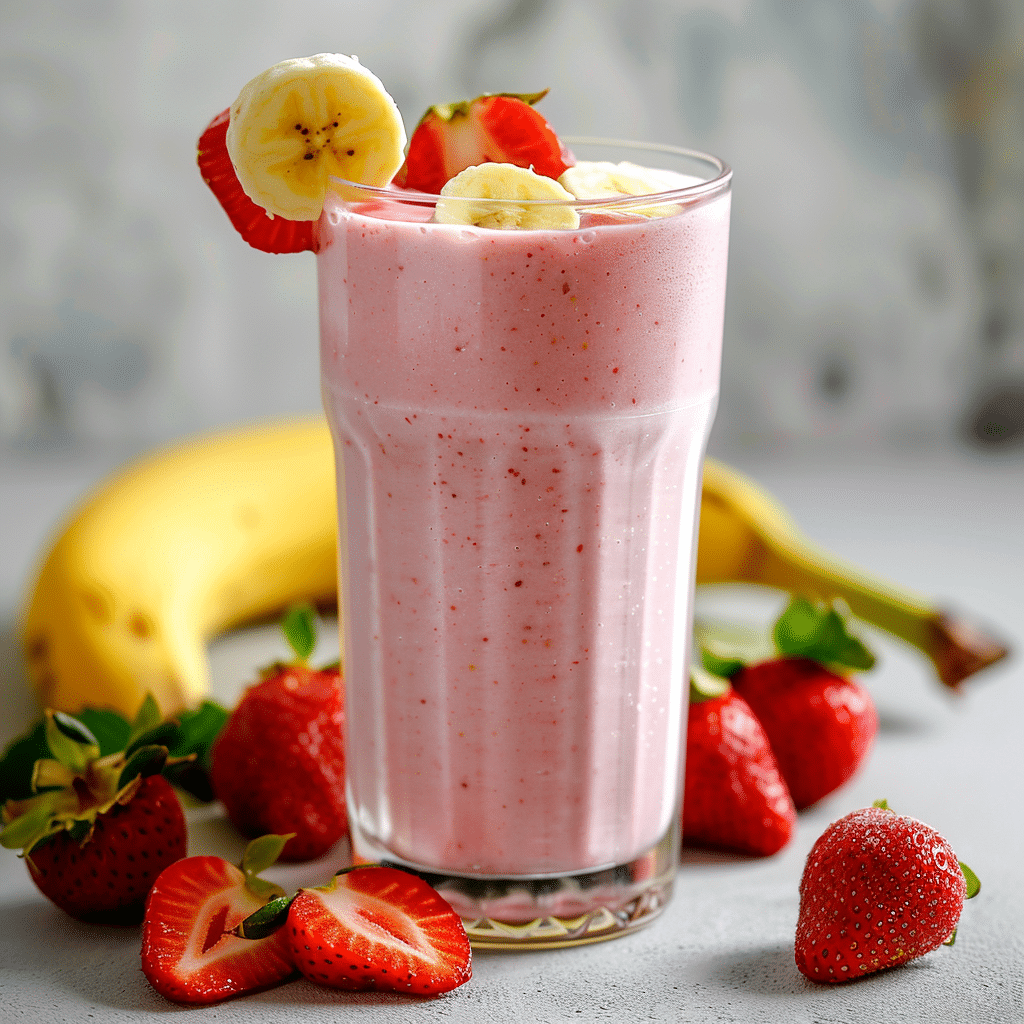
Strawberry Banana Smoothie Bliss: Easy, Creamy & So Good for You
A strawberry banana smoothie is one of those timeless drinks that never goes out of style. With just a few simple ingredients, you can blend up a glass that tastes like dessert but fuels your body with vitamins, fiber, and antioxidants. This creamy pink favorite is perfect for busy mornings, post‑workout recovery, or a refreshing afternoon treat. Because this strawberry banana smoothie uses everyday pantry and freezer staples, you can make it any time of year, even when fresh berries are not in season.
If you enjoy refreshing fruit recipes like strawberry juice or cucumber juice, you will love how versatile this smoothie can be for both kids and adults. You can keep it classic, add extra protein, or turn it into a nourishing smoothie bowl loaded with colorful toppings. In this guide, you will learn how to make the best strawberry banana smoothie every time, how to customize it for your diet, and how to avoid the most common blending mistakes so your drink always comes out thick, smooth, and delicious.
Table of Contents
Classic Strawberry Banana Smoothie Recipe
Simple ingredients for the best strawberry banana smoothie
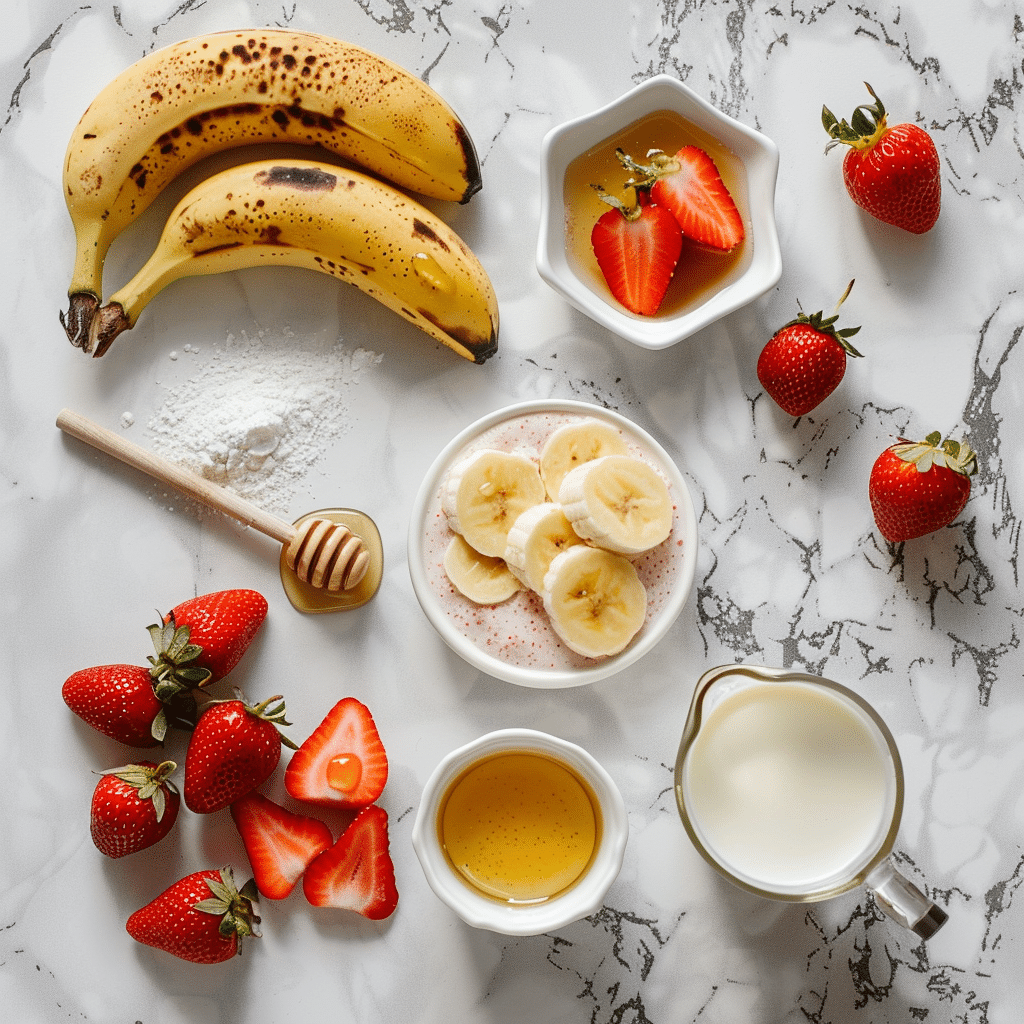
A perfect strawberry banana smoothie starts with a short, high‑quality ingredient list. At its core, you need ripe bananas, sweet strawberries, a creamy liquid base, and a touch of optional sweetness. Ripe bananas with plenty of brown spots bring natural sugars and a silky texture that no added sugar can duplicate. Strawberries, especially when frozen, add vibrant color and that fresh berry flavor everyone loves.
For the liquid, most people choose milk or a non‑dairy alternative like almond milk, oat milk, or soy milk. This is where you can tailor the smoothie to your preferences, whether you want it rich and indulgent or light and refreshing. You can also thicken the smoothie using yogurt, which adds protein and a tangy flavor that balances the bananas’ sweetness.
Greek yogurt works especially well if you want a filling breakfast or post‑workout drink. If your strawberries are not very sweet, a touch of honey or maple syrup can round out the flavor, while vanilla extract gives a bakery‑style aroma without extra calories. These small choices turn a basic blend into your signature strawberry banana smoothie.
Step‑by‑step method for a creamy, thick smoothie
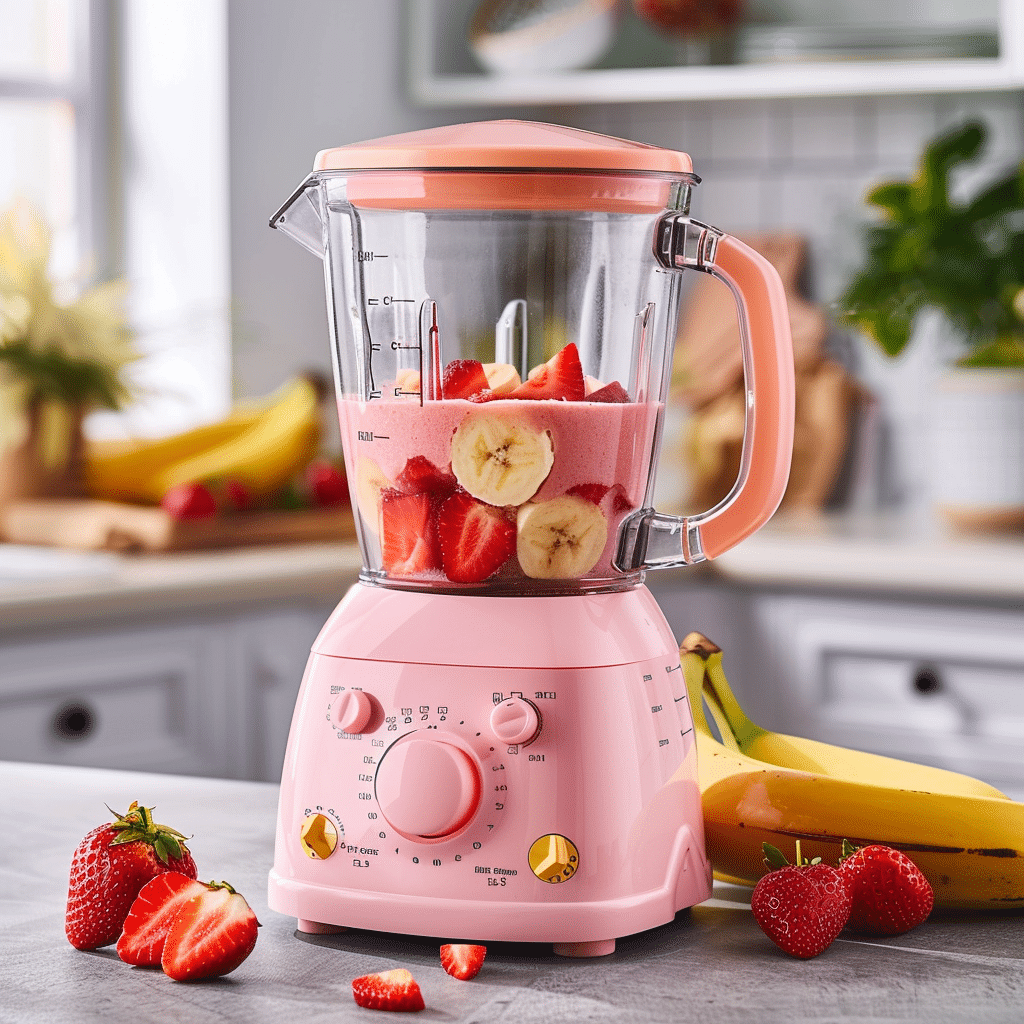
Once you gather your ingredients, the blending order matters more than many people realize. Start by adding your liquid to the blender first because this helps create a vortex that pulls the fruit down toward the blades for an even blend. Then add yogurt or any soft ingredients. Finish with the frozen strawberries and banana slices on top, which prevents the blades from getting stuck at the bottom.
Blend on low speed to break everything apart, then gradually increase to high speed until the smoothie looks silky with no visible chunks. If the mixture is too thick to move, stop the blender and scrape down the sides, then add a splash more milk and continue. On the other hand, if it turns out too thin, you can throw in a few more frozen strawberries or a handful of ice cubes to thicken it.
Take a quick taste to check sweetness and adjust with a teaspoon of honey or maple syrup if needed. This simple, mindful process ensures your strawberry banana smoothie comes out creamy every time, not watery or icy. With a bit of practice, you will blend it to your ideal consistency without even measuring.
Print
Best Strawberry Banana Smoothie Recipe: 5-Minute Delicious Blend
- Total Time: 5 min
- Yield: 1 large smoothie or 2 small 1x
Description
A strawberry banana smoothie is a timeless classic — creamy, refreshing, and packed with vitamins, fiber, and antioxidants. With simple ingredients and quick preparation, it’s perfect for busy mornings, post-workout recovery, or a light afternoon treat.
Ingredients
1 cup strawberries (fresh or frozen)
1 ripe banana
1/2 cup yogurt (plain or vanilla)
1/2 cup milk or almond milk
1 tsp honey (optional)
Ice cubes (optional)
Instructions
1. Wash strawberries and peel the banana
2. Add strawberries, banana, yogurt, and milk to a blender
3. Blend until smooth and creamy
4. Taste and add honey if you prefer extra sweetness
5. Add ice cubes for a thicker texture and blend again
6. Pour into a glass and enjoy immediately
Notes
Use frozen strawberries to get a thicker smoothie without ice
Add protein powder to turn it into a post-workout drink
Swap milk with coconut water for a lighter, hydrating version
Turn into a smoothie bowl by reducing the milk and adding toppings like granola or chia seeds
- Prep Time: 5 min
- Cook Time: 0 min
- Category: Smoothie
- Method: Blend
- Cuisine: American
Nutrition
- Serving Size: 1 glass
- Calories: approx. 210
- Sugar: 22g
- Sodium: 60mg
- Fat: 3g
- Saturated Fat: 1.5g
- Unsaturated Fat: 1g
- Trans Fat: 0g
- Carbohydrates: 45g
- Fiber: 4g
- Protein: 6g
- Cholesterol: 5mg
Ingredients Breakdown and Healthy Swaps
Understanding each ingredient in a strawberry banana smoothie
Each ingredient in a strawberry banana smoothie plays a specific role, both in taste and nutrition. Strawberries bring bright flavor and a dose of vitamin C, manganese, and various antioxidants such as anthocyanins, which support heart health and help fight oxidative stress. Bananas offer potassium for healthy blood pressure, vitamin B6 for energy metabolism, and soluble fiber that keeps you full longer.
When you use frozen fruit, you lock in these nutrients at peak ripeness while giving the smoothie a milkshake‑like texture without ice cream. Your choice of liquid determines much of the smoothie’s nutrition profile. Whole milk makes it creamier and adds protein, calcium, and fat that help absorb fat‑soluble vitamins.
Plant milks like almond, soy, or oat bring their own benefits, such as lower calories or extra fiber, depending on the type. Yogurt, especially Greek yogurt, adds probiotics for gut health and extra protein that makes your smoothie more balanced as a meal, not just a snack. Even optional ingredients like honey, chia seeds, or a spoonful of nut butter alter the smoothie’s nourishment, so understanding each component helps you build a drink that supports your health goals.
Smart substitutions for dairy‑free, low‑sugar, or high‑protein versions
A strawberry banana smoothie can easily adapt to almost any dietary need without losing its crowd‑pleasing flavor. For dairy‑free or vegan versions, swap regular milk and yogurt for almond milk, oat milk, coconut milk, or soy milk. Use a plant‑based yogurt, preferably one with little added sugar, to maintain the creamy texture. Many people like coconut yogurt for a tropical twist that pairs beautifully with strawberries and bananas.
To reduce sugar, rely entirely on ripe bananas for sweetness and use unsweetened plant milk. Skip honey and syrups, and if you still want extra sweetness, consider a few drops of pure stevia or monk fruit sweetener. For a high‑protein smoothie, add a scoop of whey or plant‑based protein powder, or double the Greek yogurt. You can also include peanut butter, almond butter, or even silken tofu for more protein and creaminess at the same time. These small tweaks allow you to enjoy a strawberry banana smoothie whether you are following a weight‑loss plan, a vegan lifestyle, or a high‑protein fitness routine, all while keeping the drink satisfying and indulgent.
Nutrition and Health Benefits of Strawberry Banana Smoothies
Key nutrients and why they matter
A well‑balanced strawberry banana smoothie does much more than taste good; it quietly supports many aspects of your health. Strawberries provide a major boost of vitamin C, which plays a vital role in immune function, collagen production, and iron absorption. Just one cup of strawberries can deliver more than your daily vitamin C needs. Bananas contribute potassium, an essential mineral that helps regulate fluid balance and supports muscle and nerve function. Potassium also assists in counteracting the effects of sodium, making it important for healthy blood pressure.
Additionally, bananas contain resistant starch and pectin, two types of fiber that can support digestion and promote a feeling of fullness. If you include dairy or fortified plant milk in your strawberry banana smoothie, you gain calcium and vitamin D support for bone health. Greek yogurt or protein powder adds the amino acids your body needs for repair and muscle building. This combination of vitamins, minerals, fiber, and protein turns a simple drink into a nutrient‑dense choice, especially when you compare it with sugar‑heavy coffee shop smoothies or bottled juices.
Strawberry banana smoothie for breakfast, weight loss, and workouts
A strawberry banana smoothie fits into your day in several health‑supportive ways. As a breakfast, it offers a quick source of energy from natural carbohydrates in the fruit, along with protein and healthy fats if you add yogurt, nut butter, or seeds. This balance helps prevent mid‑morning crashes that you might experience with pastries or sugary cereal. For weight loss, a smoothie can work when you keep an eye on portion sizes and added sweeteners. Rely on whole fruits, unsweetened liquids, and fiber‑rich add‑ins like chia seeds or ground flaxseed to help you feel satisfied with fewer calories.
For pre‑ or post‑workout nutrition, a strawberry banana smoothie shines because it refuels your muscles with easily digested carbs, plus protein if you include yogurt or protein powder. The natural sugars in bananas support glycogen replenishment, while the fluid in the smoothie helps with rehydration. Since this drink is blended, your body can absorb the nutrients quickly, making it a good option when you want something light but effective. When you plan your ingredients carefully, a strawberry banana smoothie can support fat loss, muscle gain, and overall wellness at the same time.
Exact Measurements, Ratios, and Texture Control
Basic formula for a consistently perfect strawberry banana smoothie
To get consistent results, it helps to follow a simple ratio whenever you make a strawberry banana smoothie. Think in terms of cups rather than strict grams so you can adjust on the fly. A solid starting point for one large or two small servings is: 1 medium ripe banana, 1 to 1½ cups strawberries (fresh or frozen), ¾ to 1 cup milk or plant milk, and ½ cup yogurt. With this base, you usually end up with a smoothie that is thick but still drinkable through a straw.
If you prefer it extra cold and frosty, use frozen strawberries and even a frozen banana. You may not need any ice at all because the frozen fruit chills the drink. If your strawberries are fresh, you can add a handful of ice cubes, but be careful not to overdo it or the flavor will get diluted. A teaspoon of vanilla extract and 1 to 2 teaspoons of honey or maple syrup stay optional, depending on your fruit’s natural sweetness. Once you learn this hierarchy of fruit‑to‑liquid ratio, you can scale up or down, double the batch for meal prep, or shift the emphasis between strawberries and bananas for your desired taste.
Troubleshooting thin, icy, or bland smoothies
Even experienced home cooks sometimes end up with strawberry banana smoothies that are too thin, too icy, or lacking flavor. Fortunately, you can fix most issues in just a few steps. If your smoothie turns out thin, it usually means the liquid‑to‑fruit ratio is off. Next time, reduce the milk slightly and increase the frozen fruit or yogurt. Right away, you can add more frozen strawberries or half a frozen banana, then blend again to thicken. If your smoothie tastes icy or watery, you probably used too much ice or too many frozen cubes and not enough creamy components.
Try adding more banana, yogurt, or even a spoonful of nut butter to restore body and richness. Bland smoothies often result from underripe bananas or out‑of‑season strawberries. To correct this, blend in a small amount of honey, maple syrup, or a pitted Medjool date. A pinch of salt also surprisingly enhances sweetness and brings flavors into balance. As you pay attention to these small adjustments, you will gain a feel for how strawberries, bananas, and liquids behave together. Soon, your strawberry banana smoothie will come out with café‑level texture and taste every time you blend.
Flavor Variations and Fun Twists
Turning your strawberry banana smoothie into a protein or green powerhouse
Once you master the basic strawberry banana smoothie, you can easily transform it into a protein‑packed or superfood‑infused drink. For more protein, add a scoop of your favorite vanilla or unflavored protein powder; both whey and plant‑based blends work well. Increase the liquid slightly if the powder makes the smoothie too thick. Greek yogurt also contributes a significant protein boost, and you can double its amount without affecting the smooth, creamy texture too much.
To create a green strawberry banana smoothie, toss in a handful of fresh spinach or baby kale. The banana’s sweetness masks most of the leafy flavor, so you get the benefits of leafy greens without feeling like you are drinking a salad. For extra healthy fats and fiber, sprinkle in chia seeds, hemp seeds, or ground flaxseed. These additions support heart health, digestion, and stable energy levels while keeping the smoothie satisfying, especially if you drink it as a meal. In this way, a fun fruity drink becomes a powerful nutritional tool tailored to your body’s needs.
Dessert‑style smoothie twists: chocolate, tropical, and more
A strawberry banana smoothie also adapts beautifully into dessert‑inspired variations that still offer more nutrition than typical sweets. For a chocolate version, add 1 to 2 tablespoons of unsweetened cocoa powder or cacao powder along with a bit of extra banana and your choice of sweetener. The cocoa deepens the flavor and makes the smoothie taste almost like a milkshake, especially if you use frozen fruit. A drizzle of peanut butter or almond butter turns it into a “peanut butter cup” style treat.
For a tropical twist, swap part of the strawberries for pineapple or mango and consider using coconut milk or coconut yogurt as your liquid base. The result tastes like a vacation in a glass. You can also add a hint of fresh ginger or a squeeze of lime for brightness. If you love classic fruity recipes like strawberry juice, you will enjoy playing with these flavor pairings in smoothie form. These dessert‑style options give you the feeling of indulgence while still providing fiber, vitamins, and whole‑food ingredients, making them smarter choices than processed ice cream or bottled milkshakes.
Strawberry Banana Smoothie Bowls and Toppings
How to make a thick strawberry banana smoothie bowl
Smoothie bowls take everything you love about a strawberry banana smoothie and turn it into a spoonable meal you can dress up with toppings. To achieve the right consistency, you need to reduce the liquid while increasing the amount of frozen fruit. Use about 1 frozen banana and 1½ to 2 cups frozen strawberries, but start with only ½ cup of milk or plant milk. Blend very slowly, using the tamper if your blender has one, and add more liquid only if the blades struggle.
The goal is a texture similar to soft‑serve ice cream rather than a drinkable smoothie. Greek yogurt helps here because it thickens the mixture without adding too much extra liquid. Once blended, pour your strawberry banana smoothie into a wide bowl instead of a glass. This format not only feels more like a full meal but also allows you to add visual appeal and extra nutrition through creative toppings. The thicker texture also slows your eating, which can improve satisfaction and help you tune into fullness cues.
Best toppings and texture combinations for smoothie bowls
Toppings turn a simple strawberry banana smoothie bowl into a colorful, nutrient‑dense masterpiece. Aim for a mix of crunch, creaminess, and natural sweetness. Granola supplies crunch and complex carbs, while nuts like almonds, walnuts, or pecans add healthy fats and a satisfying bite. Seeds such as chia, hemp, or pumpkin seeds boost protein, iron, and omega‑3 fats. Fresh fruit slices, including extra strawberries, banana rounds, kiwi, or blueberries, amplify the bowl’s color and vitamin content.
You can also drizzle a bit of nut butter for richness and longer‑lasting satiety. Unsweetened coconut flakes, dark chocolate shavings, or a dusting of cinnamon add a final, flavorful touch. To keep portions balanced, use small handfuls instead of heavy layers. If you love vibrant salads like strawberry spinach salad, you will appreciate the artistry of layering textures and colors in your smoothie bowl. This approach lets you enjoy your strawberry banana smoothie as a complete, knife‑and‑fork‑free meal that satisfies both your eyes and your appetite.
Storage, Meal Prep, and Make‑Ahead Tips
How to store strawberry banana smoothies without losing quality
Strawberry banana smoothies taste best right after blending, but you can store them if you plan ahead. The main issues with storing smoothies are separation, oxidation, and changes in texture. To minimize these, pour your freshly blended smoothie into an airtight glass jar, filling it as close to the top as possible to reduce contact with air. Seal the lid tightly and refrigerate for up to 24 hours. Before drinking, shake the jar or stir vigorously to recombine any separated layers.
If you know you will store the smoothie, include ingredients that help maintain texture, such as yogurt, banana, or chia seeds, which naturally thicken and stabilize the mixture. Avoid adding fizzy ingredients or fresh herbs that may lose their character overnight. While the stored strawberry banana smoothie may not be quite as frothy as when it was fresh, it will still provide nutrients and flavor, making it a convenient option on very busy mornings.
Freezer prep: smoothie packs and cubes for quick blending
For longer‑term prep, the freezer becomes your best friend. One simple method is to create smoothie packs. Slice bananas and measure strawberries into freezer‑safe bags in single‑serving portions. You can also add spinach, seeds, or even a scoop of protein powder directly to each bag. Lay the bags flat to freeze so they stack easily and save space. When you are ready to make a strawberry banana smoothie, empty one pack into your blender, pour in your preferred milk or yogurt, and blend.
Another method is to blend a large batch of smoothie and pour it into ice cube trays. Once frozen, transfer the cubes to bags. Later, blend a handful of cubes with a bit of fresh liquid to recreate a smoothie with nearly fresh flavor. This approach works well if you have a surplus of ripe bananas or strawberries that you want to preserve. It also makes it incredibly easy to whip up a smoothie in minutes without washing and chopping fruit every time. With these strategies, a strawberry banana smoothie becomes one of the most efficient, meal‑prep‑friendly options in your healthy recipe rotation.
Serving Ideas and Pairings
When and how to serve strawberry banana smoothies
Strawberry banana smoothies fit into many parts of your day and different occasions. For breakfast, they shine as a main meal when you add protein and healthy fats, or as a side drink paired with something savory like eggs or a small whole‑grain toast. As a snack, especially for kids, a simple strawberry banana smoothie with milk and yogurt makes a smarter alternative to sugary sodas or packaged juices.
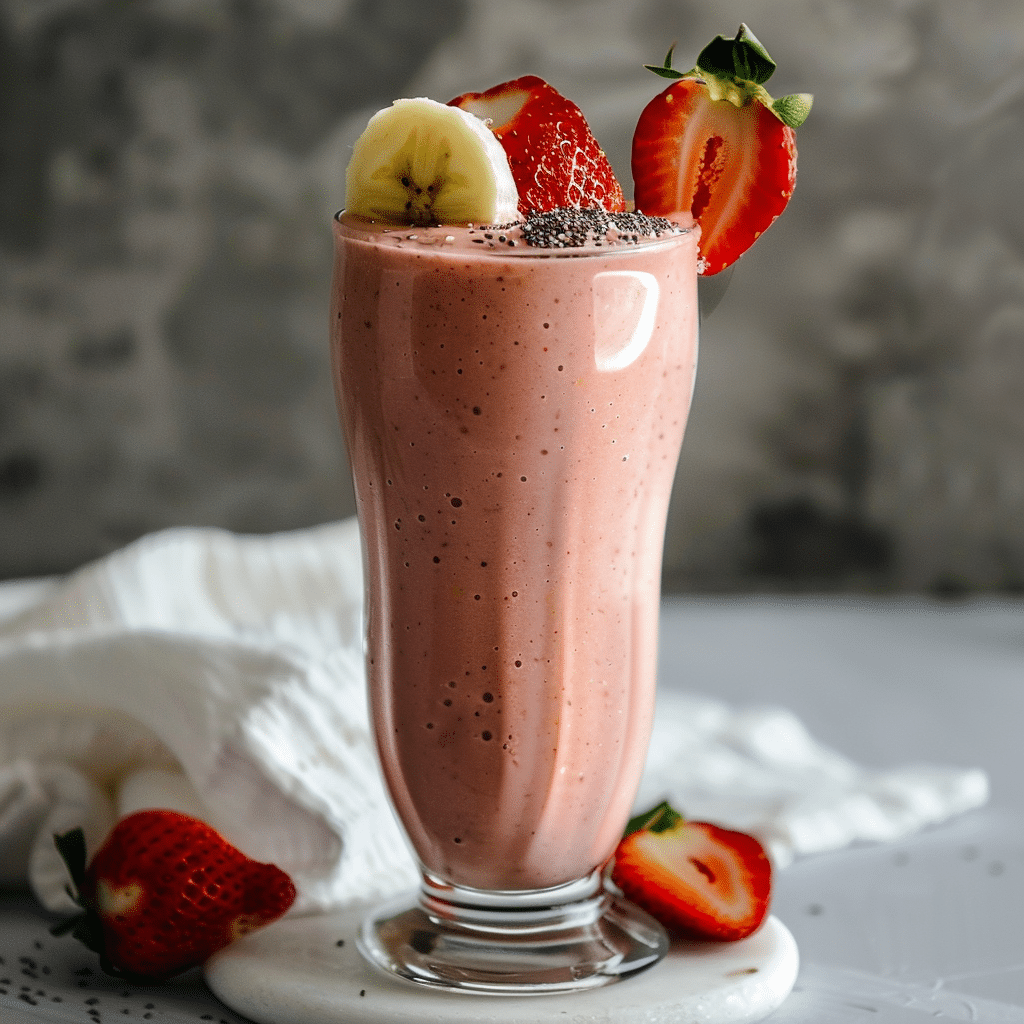
You can also serve mini smoothie portions at brunch gatherings in small glasses, adding a fresh strawberry on the rim for decoration. For a light dessert, a thick, almost milkshake‑style strawberry banana smoothie satisfies sweet cravings without the heaviness of ice cream. At family events where you might also serve salads—such as a vibrant Greek salad or cucumber salad—smoothies offer a refreshing contrast and can appeal even to guests who prefer to skip heavier desserts. Because they are so easy to customize, you can create different versions for children and adults by adjusting sweetness levels and add‑ins.
Pairing smoothies with meals, snacks, and other drinks
Pairing a strawberry banana smoothie with other foods can either create a complete meal or a balanced snack. If your smoothie is relatively low in protein, serve it alongside a small portion of nuts, a boiled egg, or a slice of whole‑grain toast with avocado to add more staying power. For lunch, a lighter smoothie can work as a refreshing side to a hearty salad, such as a tortellini salad or seafood‑rich dishes, similar in spirit to a Frutti di Mare seafood salad, which benefit from a fruity, cooling drink on the side.
When planning a party menu, you can set up a DIY smoothie bar with strawberries, bananas, various milks, and toppings so guests can build their own blends. This pairs well with other non‑alcoholic drinks like Shirley Temples or mocktails, offering a fun, family‑friendly beverage station. By thinking of your strawberry banana smoothie as a flexible component instead of a stand‑alone treat, you can weave it into breakfasts, light lunches, celebratory brunches, and summer gatherings with ease.
Equipment, Blending Tips, and Common Mistakes
Choosing the right blender and mastering technique
The quality of your strawberry banana smoothie depends not only on ingredients but also on your blender and how you use it. High‑powered blenders make it easier to break down frozen strawberries and ice into a silky texture without overworking the motor. However, you can still achieve great results with a standard blender if you follow a few rules. Always add liquid first, then soft ingredients like yogurt and fresh fruit, and place frozen pieces or ice on top. This sequence encourages a smooth blending motion rather than leaving chunks stuck near the blades.
Start blending on a low setting and gradually increase speed to avoid air pockets. If your blender includes preset smoothie settings, these often alternate speeds to help move ingredients around for a uniform result. Occasionally, you may need to stop, stir, and scrape down the sides to ensure all fruit gets incorporated. With practice, you will learn how long your particular blender needs to deliver a velvety strawberry banana smoothie without overheating or leaving bits of unblended fruit.
Mistakes to avoid for consistently delicious smoothies
Several common mistakes can sabotage an otherwise promising strawberry banana smoothie, but they are easy to correct once you recognize them. Overloading the blender with too much frozen fruit and not enough liquid can cause the blades to jam or create an uneven texture. It is better to start with less frozen fruit, blend, then add more as needed. Another issue occurs when you rely heavily on ice instead of frozen fruit; this dilutes flavor and often results in a grainy, icy mouthfeel. Use frozen strawberries and bananas to chill and thicken the smoothie, and save ice only for minor adjustments. Many people also underestimate the power of ripe bananas.
Using underripe, green‑tinted bananas will yield a bland, slightly starchy drink that demands extra sweetener. Wait until your bananas have plenty of brown spots for maximum natural sweetness. Finally, adding too many strongly flavored extras—like large quantities of cocoa, ginger, or protein powder—can drown out the delicate strawberry and banana flavor. Introduce new add‑ins gradually and taste as you go so your smoothie remains balanced, refreshing, and true to its fruity base.
Sample Strawberry Banana Smoothie Recipe Table
| Ingredient | Amount | Role in Smoothie |
|---|---|---|
| Ripe banana | 1 medium | Sweetness, creaminess, potassium |
| Strawberries (frozen) | 1–1½ cups | Flavor, color, vitamin C |
| Milk or plant milk | ¾–1 cup | Liquid base, protein, calcium |
| Greek yogurt | ½ cup | Protein, probiotics, thickness |
| Honey or maple syrup (optional) | 1–2 tsp | Extra sweetness if needed |
| Vanilla extract (optional) | ½ tsp | Aroma and flavor depth |
Nutritional Snapshot (Approximate, per 1 large serving)
| Nutrient | Amount | Notes |
|---|---|---|
| Calories | 250–320 kcal | Varies with milk type and sweetener |
| Protein | 10–18 g | Higher with Greek yogurt or protein powder |
| Carbohydrates | 40–50 g | Mainly from whole fruit |
| Fiber | 5–7 g | From fruit and any seeds added |
| Fat | 3–9 g | Depends on milk and add-ins like nut butter |
| Vitamin C | 70–100% DV | Mostly from strawberries |
| Potassium | 400–600 mg | Primarily from banana |
For more seasonal juice inspirations, check out my Pinterest.
FAQ About Strawberry Banana Smoothies
Are strawberry banana smoothies actually healthy?
Strawberry banana smoothies can be very healthy when you build them with mostly whole, minimally processed ingredients. Strawberries and bananas supply vitamins, minerals, fiber, and antioxidants that support heart health, digestion, and immune function. The key is to control what you add beyond the fruit.
Using unsweetened milk or plant milk, plus plain yogurt, keeps added sugars low while boosting protein and calcium. Problems arise when smoothies rely heavily on sugary juices, flavored yogurts, or syrups. These additions can turn an otherwise wholesome drink into a calorie‑dense dessert. If you focus on whole fruit, moderate portions, and smart extras like chia seeds or nut butter, a strawberry banana smoothie becomes a balanced, nourishing option that fits easily into most healthy eating plans.
Can I make a strawberry banana smoothie without yogurt or milk?
You can absolutely make a strawberry banana smoothie without yogurt or traditional milk and still get a creamy result. For a dairy‑free version, use plant‑based milks such as almond, oat, coconut, or soy milk. If you prefer to avoid milk altogether, you can use water or coconut water as the liquid, then rely on banana and frozen strawberries for texture.
Adding half an avocado or a spoonful of nut butter helps create richness without dairy. Frozen fruit naturally thickens the smoothie, so keep your liquid amount small at first and add more only if the blender struggles. While yogurt contributes protein and tang, you can replace that role with plant‑based yogurt or protein powder. This flexibility means you can enjoy strawberry banana smoothies even if you are lactose intolerant, vegan, or simply out of dairy products.
How can I make my strawberry banana smoothie thicker?
To make a thicker strawberry banana smoothie, you need to reduce liquid and increase creamy or frozen ingredients. Start by using frozen strawberries and a frozen banana instead of fresh fruit. These create a naturally thick, frosty base. Next, use less milk or plant milk than usual, beginning with about ½ cup and adding more slowly only if your blender stalls.
Adding Greek yogurt thickens the smoothie while contributing protein. You can also include ingredients like chia seeds, which soak up liquid and expand, or a small amount of oats for extra body. Avoid relying on ice alone, because it can water down the flavor as it melts. By focusing on frozen fruit, yogurt, and minimal liquid, you will achieve a spoon‑worthy texture similar to a milkshake or smoothie bowl.
Is a strawberry banana smoothie good for weight loss?
A strawberry banana smoothie can support weight loss when you plan it carefully and fit it into your total daily calories. Because fruit contains natural sugars, you want to be mindful of portion sizes and avoid adding extra sweeteners unless needed. Use one banana rather than several, and choose unsweetened milk or plant milk.
Greek yogurt or a modest scoop of protein powder can make the smoothie more filling, which may help you avoid snacking later.
Adding fiber‑rich ingredients like chia seeds, flaxseed, or spinach increases bulk without many extra calories.
The key is to treat the smoothie as a meal or a structured snack, not an additional drink on top of what you already eat. When paired with a balanced diet and regular activity, a thoughtfully crafted strawberry banana smoothie can be a satisfying, lower‑calorie replacement for pastries, sweetened coffee drinks, or processed desserts.
Can I use frozen strawberries and bananas, or should they be fresh?
You can use either fresh or frozen fruit in a strawberry banana smoothie, but frozen often gives better texture. Frozen strawberries and bananas make the smoothie cold and thick without much need for ice, which can dilute flavor. Freezing fruit at peak ripeness preserves its nutrients and sweetness, and it lets you enjoy high‑quality smoothies even when fresh berries are not in season.
If you only have fresh fruit, you can add a handful of ice cubes, but do so slowly so you do not water down the drink. Many people like to buy fresh bananas and let them ripen, then slice and freeze them for convenient smoothie making. Ultimately, both fresh and frozen work, but frozen fruit usually delivers that creamy, milkshake‑like consistency most people love in a strawberry banana smoothie.
Conclusion: Make Strawberry Banana Smoothies Part of Your Daily Routine
A strawberry banana smoothie offers a rare combination of simplicity, comfort, and genuine nourishment. With just a few pantry‑friendly ingredients and a blender, you can create endless variations tailored to breakfast, snacks, or healthier desserts. By paying attention to ingredient ratios, freezing techniques, and small flavor tweaks, you will consistently achieve thick, creamy smoothies that taste indulgent yet support your health goals. You can even experiment alongside other refreshing drinks like homemade apple juice or cucumber juice to build a full menu of better‑for‑you beverages.
As you play with protein add‑ins, superfoods, and smoothie bowls, this classic flavor combination will quickly become one of the most versatile recipes in your kitchen. Start with the basic formula, adjust to your taste, and enjoy how easily a simple strawberry banana smoothie can brighten your routine and nourish your body at the same time. For more fruit‑forward drink ideas, explore options like refreshing non‑alcoholic margaritas or creative mocktails similar to the ones featured in this collection of beverages: Cosmopolitan cocktail non alcoholic.