
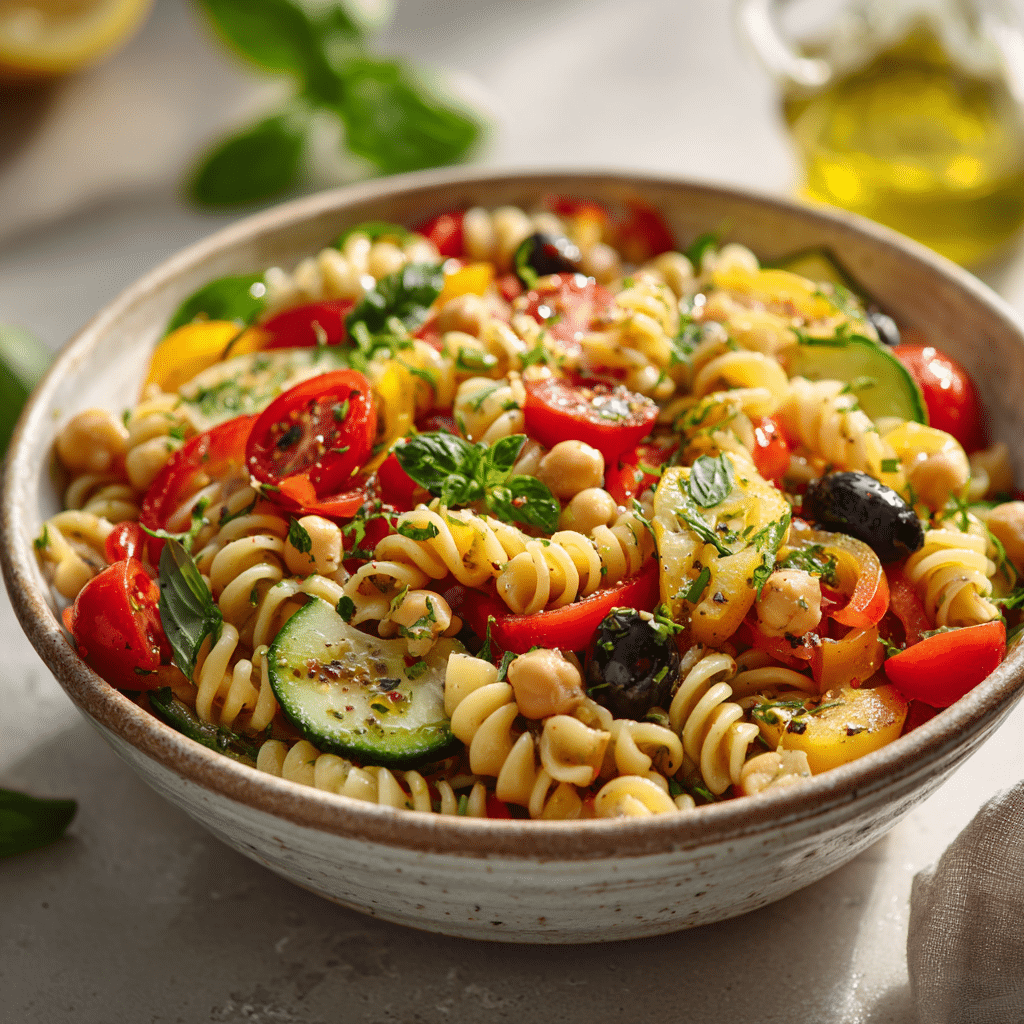
Vegan Pasta Salad That Everyone Craves: Fresh, Colorful, Easy
A vibrant vegan pasta salad is one of those recipes that quietly saves your week. Vegan pasta salad works for quick lunches, potlucks, picnics, and easy weeknight dinners, and it tastes even better the next day. Instead of being a heavy, mayo-laden side dish, this plant-based version feels bright, fresh, and energizing while still keeping you full.
With the right balance of chewy pasta, crunchy vegetables, creamy elements, and a zesty dressing, you can transform a simple bowl of noodles into a complete, nutrient-dense meal.
Because vegan pasta salad is so flexible, it lets you use up odds and ends in the fridge and adapt to any season. You can go Mediterranean with olives and cherry tomatoes, or keep it cozy with roasted vegetables and hearty greens.
If you already enjoy big salads like a citrus fennel and avocado winter salad, you’ll love how this pasta version travels well and feeds a crowd with zero fuss. Plus, it’s the perfect dish to prep ahead for busy workdays or kid-friendly dinners.
In this guide, you’ll learn the best pasta shapes, plant-based proteins, colorful veggies, and bold dressings that make a vegan pasta salad genuinely satisfying. You’ll also get smart storage tips, make-ahead strategies, and crave-worthy variations so you never get bored of this easy staple.
Table of Contents
Building the Perfect Vegan Pasta Salad Base
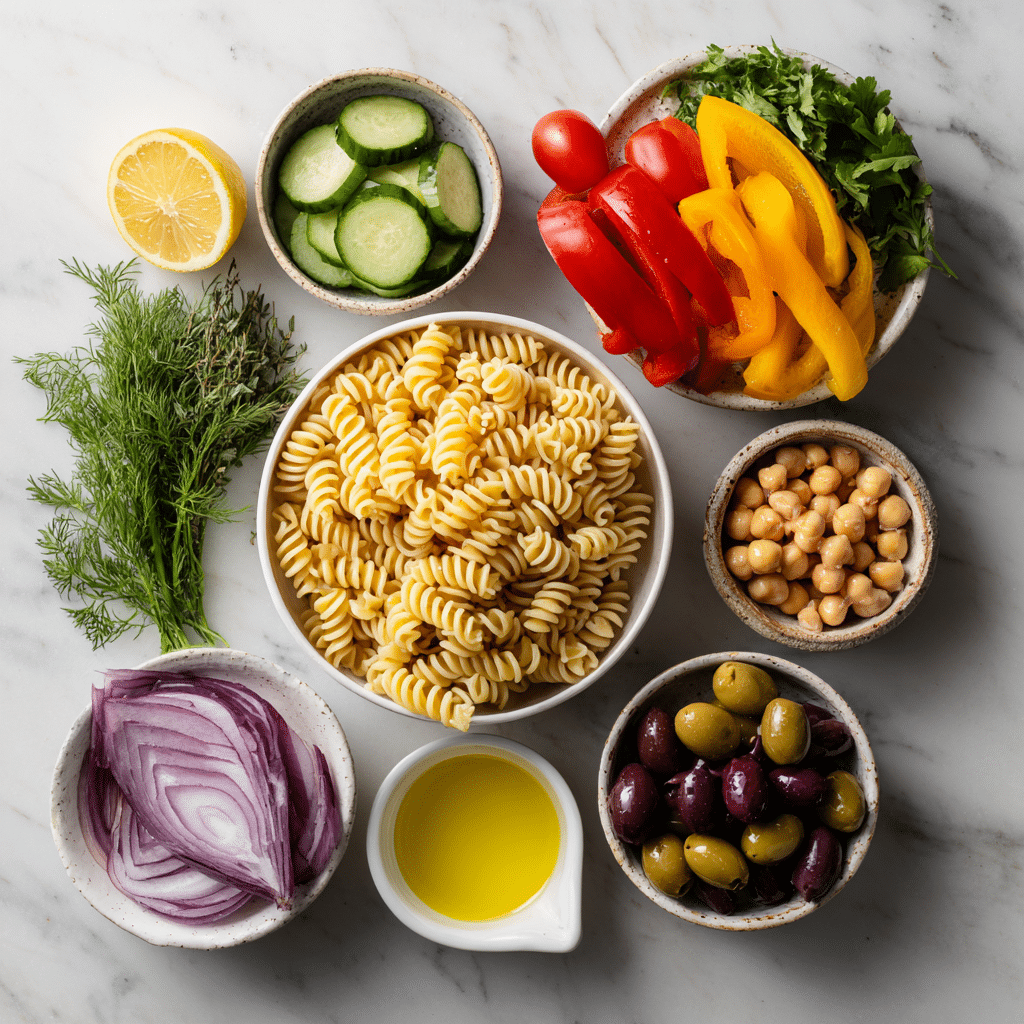
Choosing the best pasta for vegan pasta salad
The pasta you choose sets the entire tone of your vegan pasta salad, so it’s worth getting this step right. Short shapes work best because they mix easily with vegetables and hold on to dressing. Fusilli, rotini, penne, shells, farfalle, and cavatappi all have ridges or curves that trap flavor.
You can use classic durum wheat pasta, but whole wheat and legume-based pasta (like chickpea or lentil) add more fiber and protein, which can help turn a side dish into a real meal. If someone is gluten-sensitive, gluten-free pasta made from rice or quinoa works well, as long as you cook it al dente and cool it quickly to avoid mushiness.
To keep your vegan pasta salad from turning bland, salt your cooking water generously, like the ocean. This is your only chance to season the pasta itself, and it makes a big difference. Cook the pasta just until al dente, then drain and rinse briefly under cool water to stop the cooking.
Some people avoid rinsing, but for a chilled salad it actually helps remove excess starch and keeps the noodles from clumping. Toss the warm pasta with a spoonful of olive oil or a bit of dressing while it cools; this adds flavor and prevents sticking. From here, your base is ready to soak up lots of color and texture.
Balancing textures: crunchy, creamy, and chewy
What separates a forgettable bowl from a truly memorable vegan pasta salad is texture. Aim for a mix of crunchy, creamy, and chewy components so every bite feels interesting. Crunchy elements like bell peppers, cucumbers, red onion, shredded carrots, sliced radishes, and blanched green beans give brightness and snap.
Creamy ingredients bring comfort: diced avocado, dairy-free feta or mozzarella, marinated tofu cubes, or a cashew-based dressing all add a lush contrast to the al dente pasta. Chewy or meaty textures come from sun-dried tomatoes, olives, marinated artichoke hearts, grilled mushrooms, or roasted chickpeas.
When you combine these textures thoughtfully, you don’t miss dairy or meat at all because your mouth stays engaged. Think of building a layered salad in the same way you’d build something like a hearty panzanella salad: every layer has a role. For example, pair chewy whole wheat rotini with crisp cucumbers and peppers, toss in creamy white beans, then finish with a bright vinaigrette and a sprinkle of toasted seeds.
If you love robust, layered salads like a warm lentil and roasted vegetable salad, apply the same strategy here. The key is contrast; if you notice too many soft ingredients, add more crunch; if everything feels sharp, bring in something creamy or tender.
Print
The Best Vegan Pasta Salad Recipe for a Flavorful Meal
- Total Time: 25 min
- Yield: 6 servings 1x
Description
This vegan pasta salad is fresh, colorful, and easy to make. Packed with crunchy vegetables, chickpeas, fresh herbs, and a zesty lemon vinaigrette, it’s perfect for meal prep, potlucks, and quick plant-based meals.
Ingredients
12 oz short pasta (rotini or penne)
1 cup cherry tomatoes, halved
1 cup cucumber, diced
1 cup bell peppers, chopped
1/2 cup red onion, thinly sliced
1 cup chickpeas, drained and rinsed
1/3 cup olives, sliced
1/4 cup fresh parsley or basil, chopped
For the dressing:
1/4 cup extra virgin olive oil
3 tbsp lemon juice or red wine vinegar
1 tsp Dijon mustard
1 tsp maple syrup
Salt and black pepper to taste
Instructions
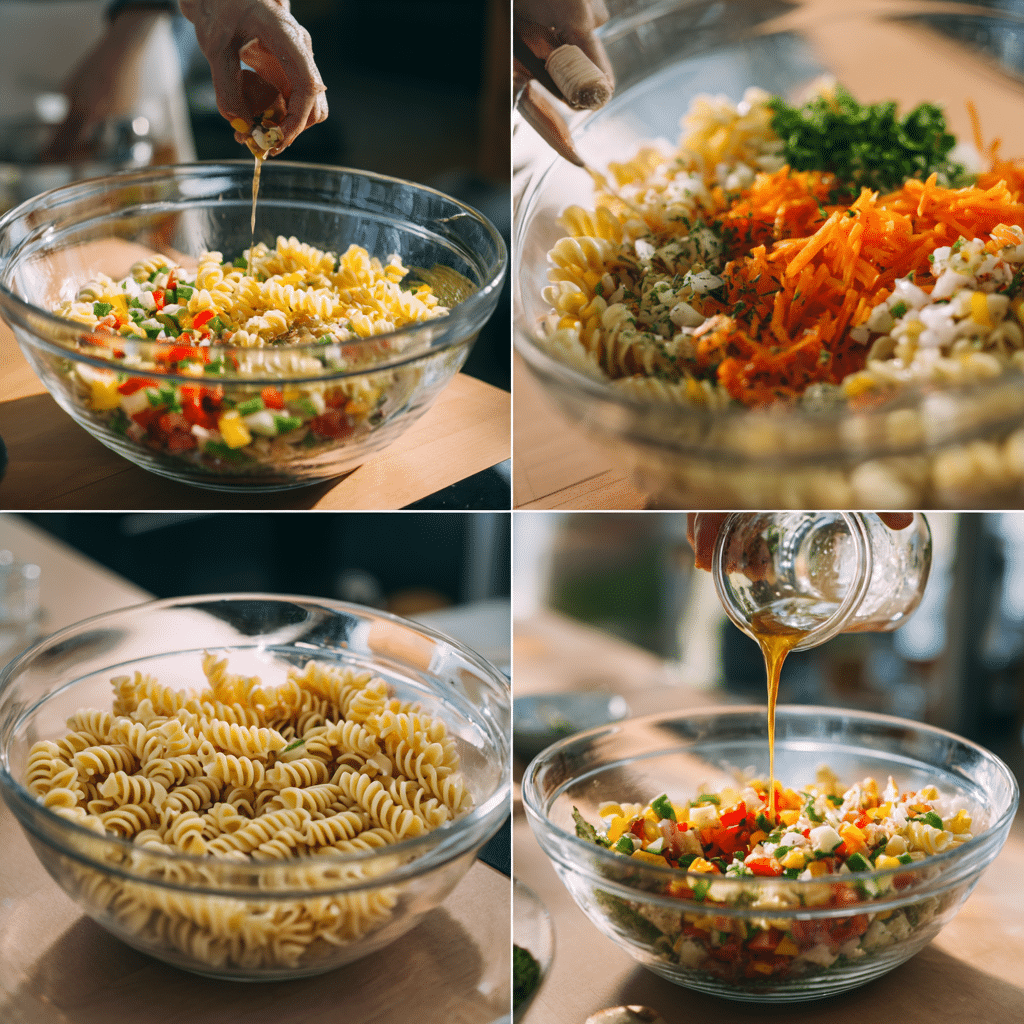
1. Cook pasta in salted water until al dente
2. Drain and rinse pasta under cool water
3. Whisk olive oil, lemon juice, Dijon, maple syrup, salt, and pepper
4. Combine pasta, vegetables, chickpeas, and olives in a large bowl
5. Pour dressing over salad and toss well
6. Fold in fresh herbs and adjust seasoning
Notes
Tastes even better the next day
Add avocado or vegan feta for creaminess
Use gluten-free pasta if needed
Store refrigerated up to 4 days
- Prep Time: 15 min
- Cook Time: 10 min
- Category: Salad
- Method: Boil & Toss
- Cuisine: Mediterranean-inspired
Nutrition
- Serving Size: 1.5 cups
- Calories: approx. 310
- Sugar: 6g
- Sodium: 420mg
- Fat: 14g
- Saturated Fat: 2g
- Unsaturated Fat: 11g
- Trans Fat: 0g
- Carbohydrates: 40g
- Fiber: 7g
- Protein: 10g
- Cholesterol: 0mg
Flavor Foundations: Dressings for Vegan Pasta Salad
Zesty vinaigrettes that make flavors pop
A well-balanced dressing is the engine of any great vegan pasta salad. Oil and vinegar dressings are classic because they’re naturally dairy-free and pack a lot of flavor without feeling heavy. Extra-virgin olive oil is a solid base, but you can also mix in avocado oil or grapeseed oil for a lighter taste.
For acidity, try red wine vinegar, apple cider vinegar, white balsamic, or fresh lemon juice. Use a simple ratio of about 3 parts oil to 1 part acid, then season with salt, pepper, and a touch of sweetness from maple syrup or agave to round out the sharp edges.
Add aromatics to bring your vegan pasta salad to life. Finely grated garlic, Dijon mustard, and dried oregano instantly create a Mediterranean vibe. Fresh herbs like basil, parsley, dill, or chives give a freshly made taste even if you prepped the salad earlier in the day.
If you like a punchy kick, whisk in a pinch of red pepper flakes or a spoonful of olive brine from your jar of olives. For a more complex flavor, you can bloom dried spices, like smoked paprika or ground cumin, in a small amount of warm olive oil before mixing them into the dressing. This trick unlocks deeper fragrance and makes every bite more interesting.
Creamy dairy-free dressings that stay light
If you love creamy pasta salads, you don’t need mayo or sour cream to get that comforting texture. Instead, use plant-based bases like blended cashews, tahini, or unsweetened vegan yogurt to create a silky, rich dressing that keeps your vegan pasta salad light and energizing.
Soaked cashews blended with lemon juice, garlic, and a bit of nutritional yeast yield a luxuriously smooth sauce that clings to pasta but doesn’t weigh it down. Tahini, made from ground sesame seeds, offers a nutty depth that pairs beautifully with roasted vegetables and hearty greens.
To keep creamy dressings from feeling too thick, thin them with water or vegetable broth until they gently coat the back of a spoon. Season generously, creaminess can dull flavors, so add enough salt, acid, and herbs. You might combine tahini with lemon, garlic, maple, and parsley for a Middle Eastern-inspired bowl, or whip up a yogurt-based green goddess dressing loaded with cilantro, basil, and chives.
These creamier options turn a simple vegan pasta salad into a more indulgent main course, but you still benefit from healthy fats and plant-based protein instead of heavy dairy. They also hold up well in the fridge, making them excellent for meal prep and next-day lunches.
Colorful Vegetables That Elevate Vegan Pasta Salad
Fresh raw veggies for crunch and brightness
A rainbow of fresh vegetables transforms vegan pasta salad from plain carbs into a nutrient-packed meal. Raw vegetables bring hydration, fiber, and an irresistible crisp texture.
Cherry tomatoes, sliced in half, add juicy sweetness and vibrant red color. Thinly sliced bell peppers in several shades, red, yellow, and orange, pack Vitamin C and make the bowl look festive. Cucumbers offer refreshing crunch; choose seedless varieties and slice them into half-moons so they blend evenly with the pasta. Shredded carrots, red cabbage, and baby spinach contribute extra color plus a wide range of antioxidants.
When adding raw veggies, chop them small enough that they mix easily and you can scoop them up with a forkful of pasta. If some ingredients, like red onion, feel too strong, tame them by soaking slices in cold water or vinegar for 10–15 minutes before adding. This removes harshness while keeping their color and light bite.
This same balance of flavor and texture is what makes salads like a kale salad recipe so satisfying, layers of crisp and tender elements that play off one another. Use a similar mindset here: if the bowl looks dull, toss in something purple (cabbage), green (peas or herbs), or orange (carrots) until the vegan pasta salad looks as bright as it tastes.
Roasted and grilled vegetables for depth
While raw vegetables bring freshness, roasted and grilled veggies add deep, caramelized flavor to vegan pasta salad. Roasting concentrates natural sugars and gives vegetables a slightly smoky note that pairs beautifully with tangy dressings.
Try roasting zucchini, cherry tomatoes, red onions, bell peppers, or even broccoli florets tossed in olive oil, salt, and pepper until tender and browned at the edges. Once cooled, mix them into your pasta for a flavor boost that feels surprisingly gourmet.
Grilled vegetables offer a similar depth but with distinct char lines and outdoor BBQ vibes. Grilled corn kernels, asparagus, eggplant, and portobello mushrooms all work beautifully. You can even repurpose leftover grilled veggies from dinner into the next day’s vegan pasta salad.
This approach echoes the strategy behind dishes like a warm lentil and roasted vegetable salad, where roasted elements make the meal feel special without extra work. Just make sure roasted or grilled ingredients cool fully before tossing them with the pasta; otherwise, they may wilt delicate herbs and greens or turn the salad lukewarm. By mixing raw crunch with roasted sweetness, you build a complex bowl that tastes great whether served right away or after a night in the fridge.
Plant-Based Proteins for a Filling Vegan Pasta Salad
Legumes, beans, and chickpeas for hearty texture
To turn vegan pasta salad into a truly complete meal, add plant-based proteins that keep you full and satisfied. Legumes like chickpeas, cannellini beans, and black beans are excellent choices.
They offer protein, fiber, and a creamy yet firm bite that complements al dente pasta. Rinsed and drained canned beans work well for convenience, or you can cook dried beans from scratch for extra flavor and control over texture. Chickpeas bring a mild, nutty note and hold their shape, making them a top choice for meal-prep salads that need to last several days.
For even more texture, roast chickpeas with olive oil, smoked paprika, garlic powder, and salt until crisp. Once cooled, fold them into the vegan pasta salad just before serving to maintain crunch. White beans like cannellini or great northern beans work beautifully in Mediterranean-inspired bowls with olives, artichokes, and a lemony dressing.
If you love grain-and-legume combinations like a cranberry apple quinoa winter salad, you’ll appreciate how beans round out the nutrition of a pasta-based dish in a similar way. The result is a high-fiber, protein-rich salad that can stand alone as lunch or dinner instead of feeling like just a side.
Tofu, tempeh, and vegan cheeses
Beyond beans, tofu, tempeh, and vegan cheeses add another layer of protein and complexity to vegan pasta salad. Extra-firm tofu can be cubed, marinated, and baked or pan-seared until golden and slightly crisp at the edges.
A simple marinade of soy sauce or tamari, garlic, lemon juice, and a drizzle of maple syrup infuses flavor that stands up to bold dressings. Tempeh, with its nutty, slightly fermented flavor, benefits from steaming or simmering before marinating to mellow its taste, then you can grill or sauté it and slice into bite-sized pieces.
Vegan cheeses, like almond-based feta, cashew mozzarella, or store-bought shreds, bring comforting richness. Crumbled vegan feta pairs especially well with olives, cucumbers, tomatoes, and a red wine vinaigrette for a Greek-style vegan pasta salad. Soft vegan mozzarella pearls combine beautifully with basil and cherry tomatoes for a Caprese-inspired spin.
Because these ingredients are fairly rich, use them as accents rather than the main bulk of the salad. Pair them with plenty of vegetables and a bright dressing to keep everything balanced. This strategy mirrors hearty salads where a smaller amount of a rich element, like nuts or avocado, transforms the overall experience without overwhelming it.
Herbs, Seasonings, and Umami Boosters
Fresh herbs that transform vegan pasta salad
Fresh herbs act like a secret weapon in vegan pasta salad, instantly making it taste fresher and more vibrant. Basil brings a sweet, anise-like aroma that pairs beautifully with tomatoes and Italian-style dressings. Flat-leaf parsley adds a grassy brightness, while cilantro lends a citrusy note perfect for Southwest or Mexican-inspired bowls.
Dill works incredibly well with cucumbers, peas, and creamy dressings, giving the salad a deli-style twist. Chives and green onions offer a mild onion flavor without overpowering the other ingredients.
To get the most from herbs, add soft leafy ones like basil, parsley, and cilantro at the end, just before serving, so they don’t darken or wilt. More robust herbs like rosemary or thyme can go into roasted vegetable batches or even the dressing itself because heat and time open up their flavors.
You can also create herb-forward dressings, think a green goddess-style sauce with blended parsley, chives, and basil, to flavor the entire vegan pasta salad evenly. Just remember that herbs are delicate, so chop them gently with a sharp knife or tear by hand to avoid bruising. A generous handful of fresh herbs can turn a simple bowl of pasta and vegetables into something that tastes restaurant-worthy.
Umami ingredients for deeper flavor
Because vegan pasta salad doesn’t rely on cheese or cured meats, umami-rich plant-based ingredients help build satisfying depth. Olives, sun-dried tomatoes, capers, and marinated artichoke hearts all deliver intense, savory flavors in small amounts.
A spoonful of caper brine or olive brine can add salinity and complexity to your dressing, similar to how anchovy might function in non-vegan recipes. Nutritional yeast, with its naturally cheesy, nutty taste, is another powerful tool; sprinkle it over the finished salad or blend it into creamy dressings for a subtle parmesan-like finish.
You can also lean on condiments like miso paste, tamari, soy sauce, or even a touch of vegan Worcestershire sauce to deepen the flavor profile. For example, whisk a teaspoon of white miso into a lemon-tahini dressing to add richness without making it taste like soup. Smoked paprika or liquid smoke give a hint of BBQ-style complexity that pairs nicely with grilled vegetables and beans.
By layering these umami elements thoughtfully, you create a vegan pasta salad that feels hearty and complete, not like a compromise. This technique mirrors how thoughtful seasoning lifts any simple salad, whether it’s a brussels sprout salad recipe guide or a green bean casserole recipe, into something people remember and request again.
Seasonal Vegan Pasta Salad Variations
Light summer vegan pasta salad ideas
Summer is prime time for a bright, refreshing vegan pasta salad loaded with seasonal produce. Take advantage of juicy tomatoes, crisp cucumbers, sweet corn, and fragrant basil. A classic combination uses rotini or fusilli tossed with cherry tomatoes, cucumber, red onion, fresh basil, and a zesty lemon-garlic vinaigrette.
Add chickpeas for protein and scatter in some olives for saltiness. Serve it chilled at picnics and potlucks; it holds up well on a buffet table and tastes even better after the flavors meld for a few hours.
Another summer-friendly option incorporates grilled vegetables. Use grilled zucchini, corn, and red pepper paired with shells or penne, then toss everything with a cilantro-lime dressing for a Southwest twist.
Add black beans and avocado to turn it into a substantial main dish. You can round out warm-weather menus with something cool and hydrating like a strawberry banana smoothie recipe, creating a colorful spread that feels indulgent but still aligns with plant-based wellness. The key in summer is to keep flavors bright, use high-quality olive oil, and let peak-season produce shine instead of burying it in heavy sauces.
Cozy fall and winter vegan pasta salads
Colder months call for heartier vegan pasta salad variations that lean on roasted vegetables and robust greens. Think roasted butternut squash, Brussels sprouts, carrots, and red onions tossed with whole wheat pasta and a maple-Dijon vinaigrette.
Add toasted pecans or walnuts plus dried cranberries for sweetness and chew. This style echoes the flavors of a cranberry apple quinoa winter salad, but with pasta as the anchor instead of grains. You can serve it slightly warm or at room temperature for an especially comforting meal.
Another cold-weather approach uses roasted cauliflower, kale, and sun-dried tomatoes with a creamy cashew or tahini dressing. Chickpeas or white beans provide extra protein, while fresh parsley brightens everything at the end. For a more gourmet spin, add roasted fennel or use a citrus fennel avocado winter salad as flavor inspiration, translating those elements into a pasta-based format.
The goal in fall and winter is to layer sweetness from roasted vegetables, richness from nuts or seeds, and a tangy dressing that cuts through the comfort. These versions travel well for holiday potlucks and pair nicely with classic sides like a green bean casserole recipe for a fully plant-forward feast.
Meal Prep, Storage, and Food Safety
How to prep vegan pasta salad ahead
Vegan pasta salad is naturally well-suited to meal prep because it doesn’t contain ingredients like dairy-based mayo or meat that spoil quickly. However, some strategy helps keep textures and flavors at their best.
One smart approach is to prep components separately: cook and cool the pasta, chop vegetables, prepare your dressing, and store each in its own container. Then assemble everything within 24 hours of serving. This method preserves crunch and allows you to adjust seasoning the day you eat.
If you prefer a grab-and-go option, you can assemble the full salad in advance but reserve delicate ingredients such as fresh herbs, leafy greens, and avocado for the last minute. Add these just before serving so they stay bright and vibrant. Because pasta absorbs dressing over time, consider dressing the salad lightly at first, then adding a splash more right before you eat.
This keeps your vegan pasta salad from drying out in the fridge. For individual lunches, pack portions in airtight containers and store any crunchy toppings, like roasted chickpeas or seeds, separately to maintain texture. A prepared salad in the fridge can make weekday lunches as easy as grabbing a jar, similar to having wellness shot juice recipes ready for a quick morning boost.
Storing leftovers and keeping them fresh
Proper storage extends the life of your vegan pasta salad and keeps it safe to enjoy for days. Store the salad in airtight containers in the refrigerator, ideally within two hours of preparing it to minimize time in the “danger zone” for bacterial growth.
In most cases, a well-made vegan pasta salad keeps for 3–4 days, though texture gradually softens. Salads with more robust ingredients, like roasted vegetables, beans, and firm greens, hold up better than those loaded with cucumbers, delicate herbs, or avocado.
To refresh leftovers, stir in a spoonful of dressing or olive oil and a squeeze of lemon juice to revive flavor. You can also toss in fresh herbs or a handful of crisp veggies to add back some crunch.
If the salad contains avocado or tender greens that look tired, simply remove them and add new ones. Never leave vegan pasta salad at room temperature for more than two hours (or one hour on very hot days), especially if it includes perishable ingredients like vegan yogurt or fresh vegan cheeses. Treat it with the same food-safety respect you’d give any chilled dish served at a picnic or potluck. With these basic precautions, your batch of pasta salad can provide safe, delicious meals for several days.
Serving Ideas and Pairings for Vegan Pasta Salad

How to serve vegan pasta salad for different occasions
Vegan pasta salad is incredibly versatile, so you can adapt how you serve it depending on the occasion. For weekday lunches, pack a generous portion in a container and top it with extra greens like arugula or baby spinach for a bowl-meal feel.
For casual family dinners, serve it alongside a simple protein, like grilled tofu or let it be the main course and offer a side of crusty bread. At potlucks, present it in a large, colorful bowl and garnish with fresh herbs and lemon wedges so guests can adjust acidity to taste.
You can also assemble individual mason jar salads for picnics or on-the-go meals. Layer the dressing at the bottom, then sturdier ingredients like beans and pasta, followed by crunchy vegetables, and finally delicate greens and herbs at the top. When ready to eat, shake the jar to distribute dressing.
For themed dinners, adapt the flavors: a Greek-style vegan pasta salad for Mediterranean nights, or a Southwest version with black beans and corn for taco-themed gatherings. While the salad is inherently casual, thoughtful presentation, like a sprinkle of toasted seeds or a ring of bright cherry tomatoes around the edge, makes it feel special enough for guests.
Pairing with other dishes and drinks
Because vegan pasta salad is flavorful but not heavy, it pairs well with a wide range of dishes and beverages. For a light, wellness-focused menu, serve it with a fresh green-based option like a kale salad recipe or a citrus fennel avocado winter salad to showcase different textures and flavors.
For heartier spreads, it complements main dishes like grilled portobello burgers, veggie skewers, or even non-vegan items if you’re feeding a mixed crowd. The salad provides a plant-forward anchor that balances richer foods.
As for drinks, crisp, refreshing beverages tend to work best. Sparkling water with citrus slices, herbal iced tea, or a cool smoothie like a strawberry banana smoothie recipe can all be refreshing partners.
If you enjoy wine, dry rosé or a light white wine pairs nicely with many pasta salad versions, especially those with Mediterranean flavors. For wellness-conscious gatherings, small wellness shot juice recipes add a fun, vibrant touch and contrast the more substantial pasta dish. By thinking of vegan pasta salad as a flexible centerpiece rather than just a side, you can design entire menus around it that feel cohesive, colorful, and satisfying.
Common Mistakes and Expert Tips for Vegan Pasta Salad
Mistakes to avoid when making vegan pasta salad
Several common missteps can keep vegan pasta salad from reaching its full potential. Overcooking the pasta is the biggest one; mushy noodles won’t hold up once dressed and chilled. Always cook just to al dente and cool promptly. Another mistake is under-seasoning, especially the pasta water and dressing.
Because the dish is served cold or at room temperature, flavors dull slightly; you need bolder seasoning than you might expect. Taste the dressing on its own, if it doesn’t taste a bit punchy, keep adjusting.
People also often add too many watery vegetables (like cucumbers and tomatoes) without balancing them with denser ingredients. Excess moisture can dilute your dressing and make the salad soggy.
To avoid this, remove cucumber seeds if needed and let juicy vegetables drain slightly after chopping. Finally, adding delicate ingredients too early, like herbs or avocado, can lead to browning and wilting. Hold those back until just before serving. If you follow these basics, your vegan pasta salad will maintain good texture and lively flavor for days, instead of turning limp or bland overnight.
Expert hacks for next-level vegan pasta salad
A few pro tips can take your vegan pasta salad from good to unforgettable. First, toss the warm pasta with a small amount of dressing while it’s still slightly warm. This helps the noodles absorb flavor at their most receptive stage.
Later, add more dressing after you mix in the vegetables and proteins. Second, layer flavors with multiple acid sources, combine lemon juice with a mild vinegar or use both fresh citrus and briny ingredients like capers. This layered acidity gives complexity without overwhelming your tastebuds.
Third, add a crunchy topper right before serving: toasted pumpkin seeds, sunflower seeds, roasted chickpeas, or chopped nuts add a satisfying contrast that stays crisp. If you like the texture tricks used in salads like a panzanella salad recipe, you’ll appreciate this move. Fourth, don’t underestimate garnish, fresh herbs, cracked black pepper, and a final drizzle of good olive oil give restaurant-level polish.
Lastly, keep a small jar of extra dressing in the fridge; as the salad absorbs dressing over time, you can quickly revive and re-season each serving. These simple techniques ensure your vegan pasta salad remains one of those reliable, crowd-pleasing recipes you return to all year.
FAQ About Vegan Pasta Salad
Is vegan pasta salad healthy?
Vegan pasta salad can be very healthy when you build it with whole, minimally processed ingredients. Start with whole wheat or legume-based pasta to add fiber and protein, which support steady energy and better digestion. Then load the bowl with a variety of vegetables—both raw and roasted—to boost vitamins, minerals, and antioxidants. Using beans, chickpeas, or tofu adds plant-based protein that helps keep you satisfied, so the salad becomes a complete meal rather than an empty-carb side. Dressings based on olive oil, tahini, or blended cashews provide heart-healthy fats instead of heavy mayo or cheese. The key is to balance portions and focus on colorful plants; if most of your bowl is vegetables and beans, with pasta as the anchor, vegan pasta salad fits beautifully into an overall nutrient-dense, plant-forward lifestyle.
How long does vegan pasta salad last in the fridge?
With proper storage, vegan pasta salad typically lasts 3–4 days in the refrigerator. Keep it in airtight containers and refrigerate it within two hours of preparation to maintain food safety. Over time, pasta absorbs dressing and vegetables release moisture, which can soften textures. To maintain quality, you can store the salad and dressing separately and mix them a day before serving, or reserve delicate ingredients such as fresh herbs, leafy greens, and avocado to add right before eating. When you’re ready to enjoy leftovers, stir in a bit of extra dressing or olive oil, plus a squeeze of lemon, to refresh the flavors. Always check for off smells, discoloration, or sliminess, and discard if anything seems questionable. If stored correctly and handled safely, your vegan pasta salad should taste good and remain safe to eat for several days.
Can I make vegan pasta salad gluten-free?
Yes, you can easily make vegan pasta salad gluten-free by choosing the right pasta and checking labels on seasonings and condiments. Opt for gluten-free pasta made from rice, corn, quinoa, chickpeas, or lentils. Each type has its own texture; some stay firm better than others, so cook a small test batch if you’re using a new brand. Always cook gluten-free pasta slightly under package directions and rinse it with cool water to stop the cooking and reduce stickiness. For dressings, use gluten-free tamari instead of regular soy sauce and confirm that any store-bought vegan cheeses, mustards, or sauces are certified gluten-free. The vegetables, beans, herbs, and oils in vegan pasta salad are naturally gluten-free, so the main adjustment is in the pasta and flavorings. With those tweaks, gluten-free guests can enjoy the dish alongside everyone else without feeling like they’re eating a separate meal.
What protein can I add to vegan pasta salad?
You have plenty of satisfying plant-based protein options for vegan pasta salad. Beans and legumes are the simplest: chickpeas, black beans, kidney beans, and cannellini beans all work beautifully and mix easily with short pasta shapes. For a more chewy, “meaty” bite, add extra-firm tofu that you’ve pressed, marinated, and baked or pan-seared, or use tempeh that’s been steamed and marinated, then sautéed or grilled. Roasted chickpeas can double as a crunchy topping and protein source. If you prefer minimally processed ingredients, edamame or green lentils provide excellent protein and texture. Vegan cheeses, like almond-based feta or cashew mozzarella, offer additional protein and richness in smaller amounts. Combining a high-protein pasta (like chickpea or lentil pasta) with beans or tofu can turn your vegan pasta salad into a very filling main dish that supports active lifestyles and balanced nutrition.
Can I serve vegan pasta salad warm?
You can absolutely serve vegan pasta salad warm or at room temperature, and this approach can be especially appealing in cooler weather. Think of it as a warm pasta-and-vegetable dish that features the same bright flavors and dressings, but with a comforting temperature. Use freshly cooked, still-warm pasta and toss it with roasted or sautéed vegetables, beans, and a robust dressing—either a vinaigrette or a creamy tahini or cashew sauce. The heat will soften some flavors and slightly wilt sturdy greens like kale or arugula in a pleasant way. Just avoid adding delicate herbs and tender greens too early; stir them in at the end so they stay vibrant. If you’re serving a crowd, warm vegan pasta salad can sit safely at room temperature for a short time, but follow food-safety guidelines and avoid leaving it out for more than two hours. This warm style gives you another way to enjoy the same core recipe year-round.
Conclusion: Make Vegan Pasta Salad Your Go-To Dish
Vegan pasta salad delivers everything you want in a reliable, everyday recipe: it’s flexible, affordable, satisfying, and easy to scale up or down. By choosing the right pasta, layering crunchy and creamy textures, and using zesty dressings plus plenty of herbs and umami boosters, you can build countless variations that never feel repetitive. It works for quick lunches, stress-free dinners, potlucks, picnics, and even holiday tables alongside hearty dishes like a green bean casserole recipe.
You can tailor each batch to the season, light and tomato-forward in summer, roasted and cozy in winter, and adjust ingredients to match your dietary needs, from gluten-free to high-protein. With a little planning, it becomes an ideal meal-prep staple that fills your fridge with ready-to-eat, nourishing food. Once you master a basic formula, you’ll find that vegan pasta salad isn’t just a side; it’s a dependable centerpiece of a flavorful, plant-forward kitchen.
For more salad inspiration, visit our Pinterest collection and save your favorite meals!