
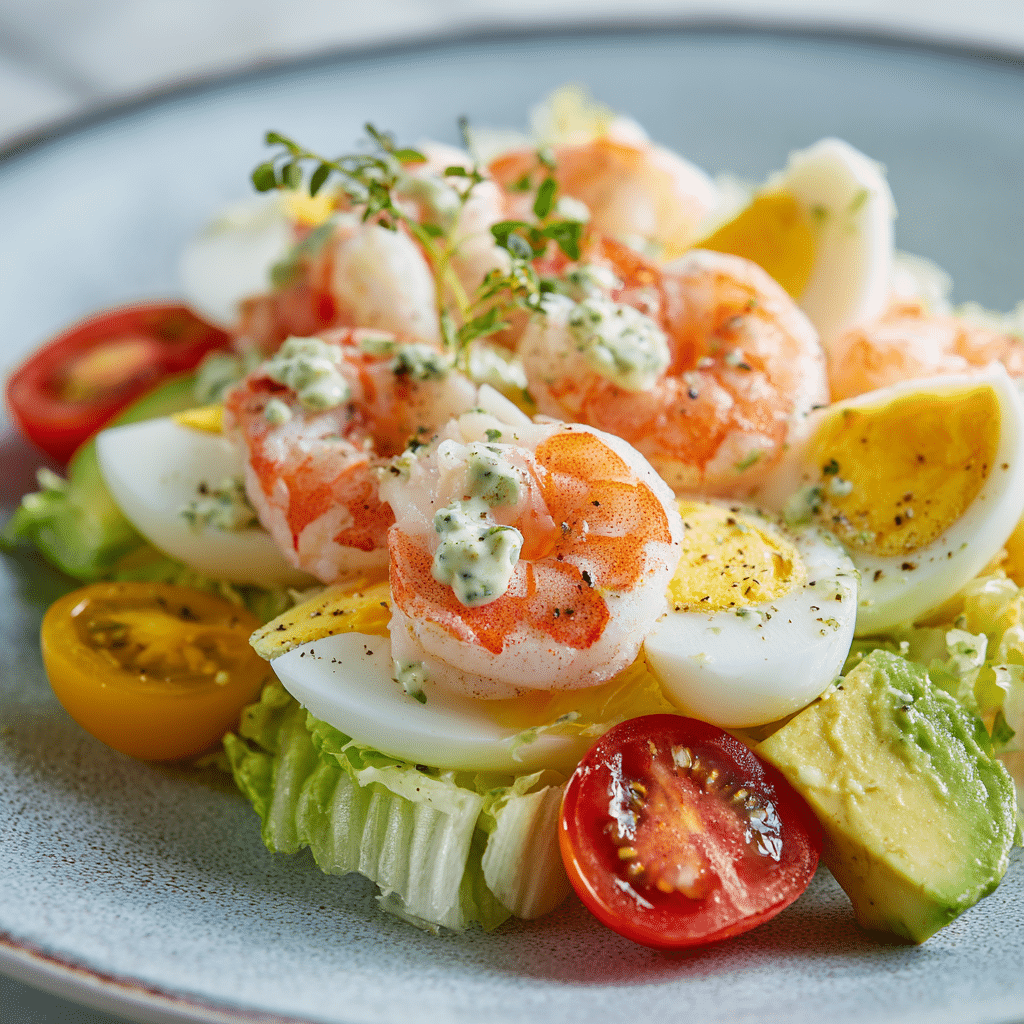
Shrimp Louie Salad Delight: A Classic Made Fresh and Modern
A shrimp Louie salad is one of those timeless American recipes that feels both nostalgic and surprisingly fresh. In its purest form, a shrimp Louie salad is a composed salad packed with crisp lettuce, chilled shrimp, juicy tomatoes, hard-boiled eggs, and tangy Louie dressing. This West Coast classic first appeared in the early 1900s, and it has stayed popular because it strikes the perfect balance of creamy, crunchy, and refreshing.
While many salads rely heavily on greens, this one highlights succulent seafood and a boldly flavored dressing, which makes it satisfying enough for lunch or dinner. If you already love bright, produce-forward recipes like a citrus fennel avocado winter salad, you will appreciate how this salad layers textures and flavors in every bite. In this guide, you will learn how to choose the best shrimp, build a vibrant platter, and whisk together an irresistible Louie dressing.
You will also see variations, meal-prep ideas, and expert tips so you can customize this classic to your taste. By the end, you will know exactly how to turn simple ingredients into a restaurant-quality shrimp Louie salad at home.
Table of Contents
What Is Shrimp Louie Salad?
The history and origins of shrimp Louie salad
Shrimp Louie salad, often called the “King of Salads,” traces its roots to the early 20th century American West Coast, especially San Francisco and Seattle. Restaurants along the Pacific initially served it as a showpiece dish that highlighted local seafood, particularly fresh Dungeness crab and shrimp. Over time, the crab Louie and shrimp Louie versions evolved side-by-side, but the shrimp version became more approachable for home cooks because shrimp was easier to find and less expensive than crab.
The salad typically featured iceberg lettuce, chilled shrimp, tomatoes, hard-boiled eggs, and asparagus, all generously topped with Louie dressing, a creamy, pink-tinted sauce similar to Thousand Island but zestier and more assertive. As restaurant culture expanded, shrimp Louie salad became a staple in hotel dining rooms, country clubs, and diners, where it appeared on menus as a hearty main-course salad.
Its popularity reflected a broader trend in American cuisine toward fresh produce, simple preparations, and visually striking composed salads. Even now, the dish holds a nostalgic charm, reminding many people of classic luncheon menus and seaside vacations. Yet its core concept remains timeless: crisp greens, chilled seafood, and a punchy dressing presented in an appealing, structured way that feels special without being fussy.
Why shrimp Louie salad still matters today
Despite the explosion of modern salad trends, grain bowls, superfood mixes, and elaborate chopped salads, shrimp Louie salad remains relevant because it offers structure, balance, and substance. This is not a random mix of greens and toppings; it is a composed plate where every component has a purpose.
The shrimp provides lean protein; the lettuce offers crunch and freshness; the eggs contribute richness; and the Louie dressing ties it all together with creaminess and a gentle kick. As people seek more satisfying, protein-focused meals without relying on heavy starches, shrimp Louie salad fits naturally into weeknight dinners and meal prep. It also adapts easily to seasonal produce and dietary needs.
You can swap iceberg for romaine or butter lettuce, add avocado for heart-healthy fats, or incorporate radishes and cucumber for extra crunch. Moreover, it photographs beautifully and works perfectly for entertaining because you can arrange the ingredients on a large platter and let guests serve themselves.
When compared to other salads, such as a hearty warm lentil and roasted vegetable salad, shrimp Louie showcases the lighter, coastal side of satisfying salads. With simple tweaks, you can keep its vintage charm while making it feel vibrant and modern, which is exactly why it deserves a place in current home cooking.
Print
How to Make the Best Shrimp Louie Salad in 30 Minutes
- Total Time: 25 min
- Yield: 4 servings 1x
Description
Shrimp Louie salad is a classic American seafood salad made with chilled shrimp, crisp lettuce, tomatoes, hard-boiled eggs, and a creamy, tangy Louie dressing. Fresh, satisfying, and perfect for lunch or dinner.
Ingredients
1 lb large shrimp, peeled and deveined
1 head iceberg lettuce, chopped
2 cups cherry tomatoes, halved
3 hard-boiled eggs, quartered
1 ripe avocado, sliced
1/4 cup red onion, thinly sliced
Lemon wedges, for serving
Louie Dressing:
3/4 cup mayonnaise
2 tbsp ketchup or chili sauce
1 tbsp prepared horseradish
1 tbsp lemon juice
1 tsp Worcestershire sauce
Salt and pepper to taste
Instructions
1. Cook shrimp in salted water until just pink and opaque
2. Transfer shrimp to an ice bath, then drain and chill
3. Whisk all Louie dressing ingredients until smooth
4. Arrange lettuce on a platter or individual plates
5. Top with shrimp, tomatoes, eggs, avocado, and onion
6. Drizzle with Louie dressing and serve with lemon wedges
Notes
Use Greek yogurt for a lighter dressing
Crab can be substituted for shrimp
Keep dressing separate for meal prep
Serve well chilled for best flavor
- Prep Time: 20 min
- Cook Time: 5 min
- Category: Salad
- Method: Boil & Assemble
- Cuisine: American
Nutrition
- Serving Size: 1 plate
- Calories: approx. 430
- Sugar: 5g
- Sodium: 620mg
- Fat: 28g
- Saturated Fat: 5g
- Unsaturated Fat: 21g
- Trans Fat: 0g
- Carbohydrates: 12g
- Fiber: 4g
- Protein: 28g
- Cholesterol: 260mg
Essential Ingredients for an Authentic Shrimp Louie Salad
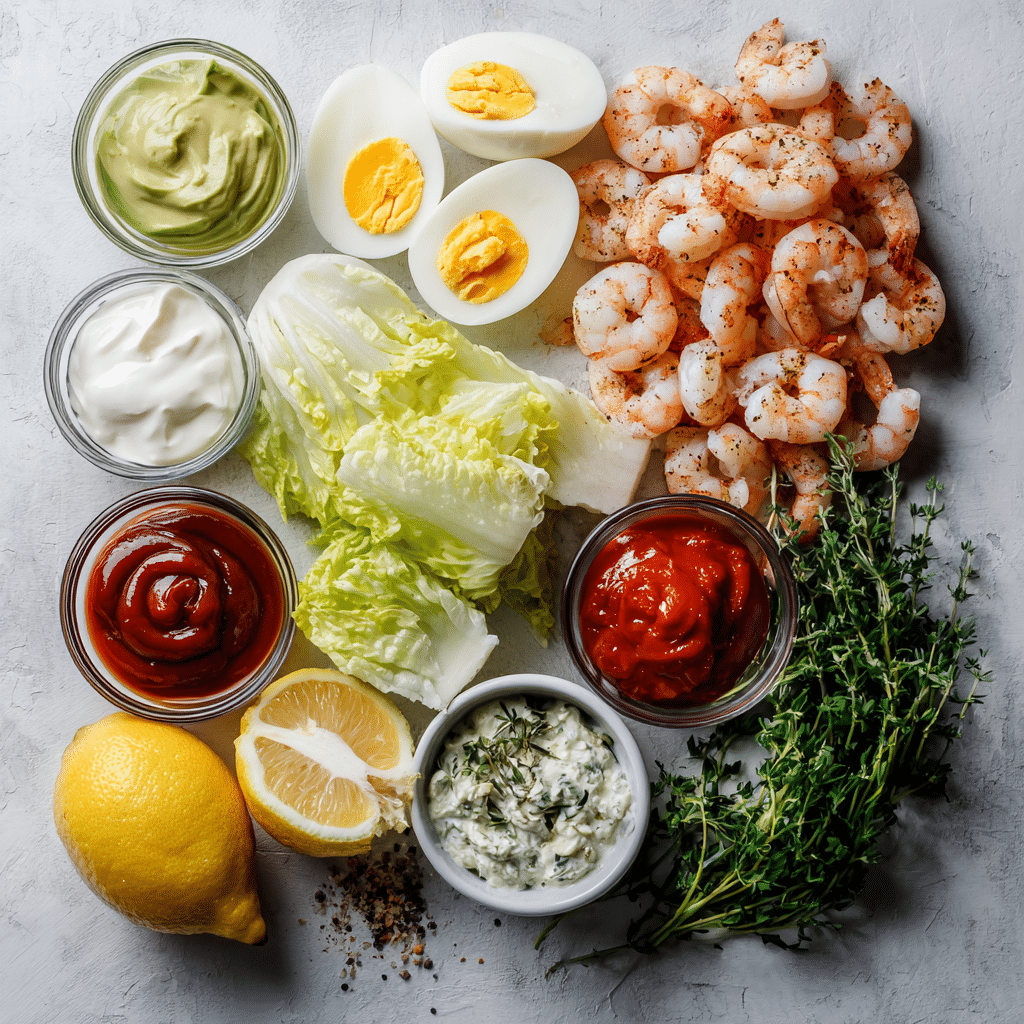
Choosing the best shrimp and greens
The quality of the shrimp largely determines how good your shrimp Louie salad will taste, so it pays to choose carefully. Look for wild-caught shrimp when possible, as they usually have a firmer texture and sweeter flavor than some farmed varieties.
Medium or large shrimp—around 21/25 or 26/30 count per pound, work well because they are big enough to feel substantial but small enough to eat comfortably with a fork. You can buy them fresh or frozen; in many cases, flash-frozen shrimp actually deliver better quality than “fresh” shrimp that have been sitting on ice for days.
When using frozen shrimp, thaw them overnight in the fridge or under cold running water, never at room temperature. Peel and devein them, leaving tails on for presentation if you like. For the greens, classic shrimp Louie salad traditionally uses crisp iceberg lettuce, which gives a refreshing crunch and holds up well under the rich dressing.
However, you can mix iceberg with romaine, butter lettuce, or even a bit of baby spinach for added flavor and nutrients. The key is to wash and dry the leaves thoroughly so the dressing clings instead of sliding off. Tear the lettuce by hand rather than chopping it to avoid bruising the leaves.
Supporting ingredients that add texture and flavor
While shrimp and lettuce anchor the salad, the supporting ingredients create the complexity that makes a shrimp Louie salad memorable. Hard-boiled eggs provide protein and creaminess; aim for yolks that are just cooked through and bright yellow.
You can cook the eggs ahead of time and chill them, then slice or quarter them before assembling. Fresh tomatoes add juiciness and acidity; use ripe but firm tomatoes, or cherry and grape tomatoes if larger ones are out of season. Cucumber slices or sticks lend a cool crunch, while thinly sliced red onion adds a sharp, savory bite that cuts through the richness of the dressing.
Avocado is a popular modern addition, contributing velvety texture and heart-healthy fats that make the salad more filling. Classic versions often include blanched asparagus spears; you can also use green beans for a similar feel, or you might serve the salad alongside a comforting side like green bean casserole for a nostalgic meal. Lemon wedges are essential, because a final squeeze of fresh lemon brightens the shrimp and lifts the entire dish.
Finally, a scattering of fresh herbs, dill, chives, or parsley, adds fragrance and a pop of color. Each element adds a different texture: tender eggs, crunchy vegetables, plush avocado, and springy shrimp, all coming together in a balanced forkful.
Mastering the Classic Louie Dressing
Louie dressing basics: flavor profile and key components
The hallmark of shrimp Louie salad is its signature dressing, a creamy, tangy, slightly spicy sauce that coats the ingredients and binds the flavors together. Louie dressing resembles Thousand Island or a mild remoulade but carries its own West Coast character.
The base usually starts with mayonnaise for body and richness, sometimes lightened with a bit of sour cream or Greek yogurt for tang. Ketchup or chili sauce provides sweetness and that recognizable pink hue, while prepared horseradish delivers gentle heat that wakes up the palate without overpowering the shrimp.
Lemon juice or white wine vinegar brightens the mixture, and Worcestershire sauce adds umami depth. Finely minced onion or shallot and a touch of celery salt give the dressing a subtle savory backbone. Paprika or smoked paprika can contribute warmth and color, while a pinch of cayenne pepper or hot sauce allows you to dial up the spice to taste.
The finished dressing should taste creamy but not heavy, tangy but not harsh, and just spicy enough to contrast with the cool shrimp and lettuce. When you taste it off the spoon, you should notice layers of flavor that evolve from sweet to tangy to a lingering gentle heat, which is what makes a shrimp Louie salad so compelling compared to milder salads.
Techniques and variations for a perfect Louie dressing
To make the best Louie dressing, mix it in stages so each ingredient distributes evenly. Start by whisking together mayonnaise and your tangy element, sour cream or Greek yogurt—until smooth. Next, blend in ketchup or chili sauce, horseradish, and lemon juice; whisk thoroughly so there are no streaks. Add Worcestershire sauce, minced onion or shallot, and your dry seasonings last, tasting as you go.
Let the dressing rest in the refrigerator for at least 30 minutes before serving, because this rest period allows the flavors to meld and the onion to soften. If you prefer a looser dressing, you can whisk in a tablespoon or two of cold water or buttermilk until it reaches a pourable consistency. For a slightly lighter version, reduce the mayonnaise and increase the Greek yogurt; you will keep the creaminess but cut some calories and add protein. You can customize the heat by adjusting the horseradish or cayenne, or by using a smoky hot sauce for a modern twist.
If you love herbs, fold in finely chopped dill, parsley, and chives right before serving for a fresh, green flecked finish. When you want a richer, more indulgent salad, you can increase the mayonnaise and use full-fat sour cream, which will cling to the shrimp and lettuce beautifully. Unlike some vinaigrettes that separate quickly, Louie dressing keeps well in the fridge for several days, making it ideal for meal prep or for serving with other dishes like a chicken taco salad or as a dip for crudités.
Step-by-Step: How to Prepare the Shrimp
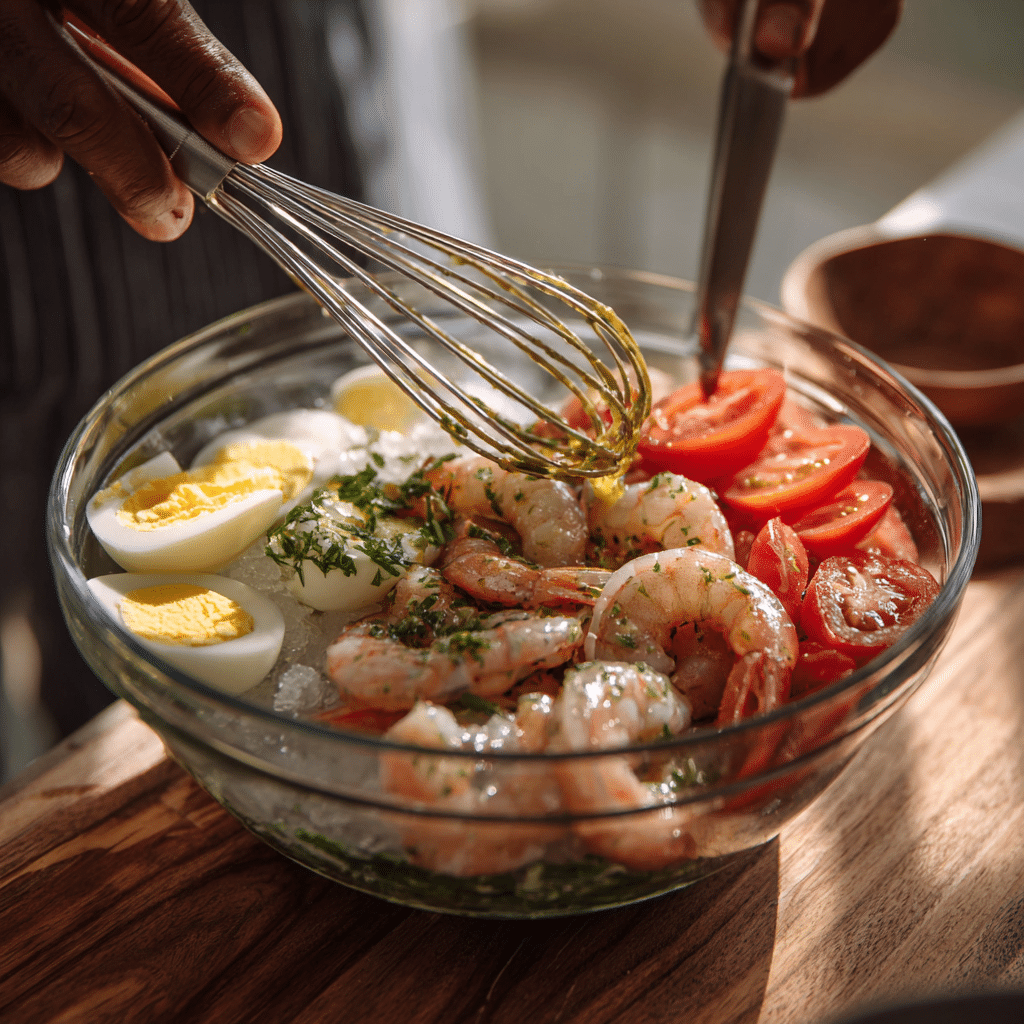
Cooking methods: boiling, poaching, or roasting
The way you cook the shrimp directly affects the texture and flavor of your shrimp Louie salad. Many classic recipes call for boiling, but a gentle poach often gives better results. To boil, bring a pot of well-salted water to a rolling boil, then add aromatics like lemon slices, bay leaves, peppercorns, and a smashed garlic clove.
Add the shrimp and cook for 2–3 minutes, just until they turn pink and opaque. Immediately transfer them to an ice bath to stop the cooking and preserve their tenderness. Poaching follows a similar setup, but you keep the water at a bare simmer rather than a full boil. Slide the shrimp into the hot, seasoned water, then turn off the heat and let them sit until cooked through, usually 4–6 minutes depending on size. This gentle method helps prevent rubbery shrimp. Roasting offers another excellent option and yields a slightly deeper flavor.
Toss peeled shrimp with olive oil, salt, pepper, and a squeeze of lemon, then roast on a sheet pan at 400°F for 6–8 minutes. The dry heat concentrates their sweetness and can add light caramelization on the edges. Regardless of method, avoid overcooking, which leads to tough, bouncy shrimp that detract from the soft crunch of the salad. Properly cooked shrimp should feel firm but tender and release a mild, ocean-fresh aroma.
Cleaning, chilling, and seasoning your shrimp
Before cooking, rinse the shrimp under cold water and pat them dry with paper towels. If they are not already cleaned, remove the shells and use a small paring knife to cut a shallow slit along the back, then lift out the dark vein with the tip of the knife or a toothpick. This step improves both appearance and texture. You can leave the tails on for a more dramatic, restaurant-style presentation, or remove them for easier eating; either works in a shrimp Louie salad.
Seasoning the cooking water or roasting oil matters because shrimp cook quickly and need flavor from the start. Generous salt, fresh lemon, and aromatics will subtly infuse the shrimp without overpowering their delicate sweetness. After cooking, place the shrimp in an ice water bath to cool rapidly. Once chilled, drain thoroughly and pat dry again; excess water will dilute the Louie dressing. At this point, you can lightly season the shrimp with a pinch of salt and pepper and a bit more lemon juice to brighten them up.
If you wish, sprinkle them with a touch of Old Bay seasoning or smoked paprika for a hint of coastal spice, but keep it subtle so the dressing remains the star. Chill the shrimp in the refrigerator until you are ready to assemble the salad. Properly cleaned, seasoned, and chilled shrimp deliver a snappy bite and clean flavor that set an excellent shrimp Louie salad apart from average versions.
Assembling a Beautiful Shrimp Louie Salad Platter
Building the base and arranging the components
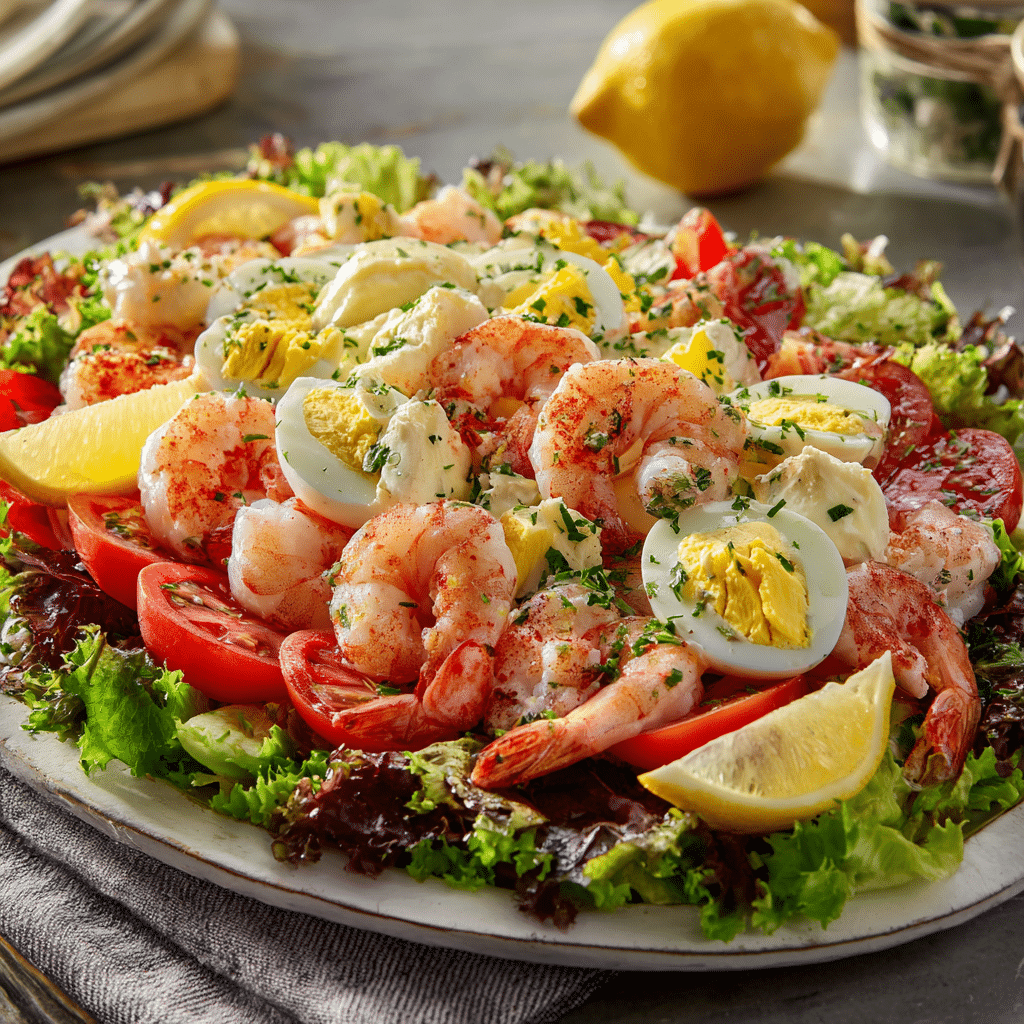
Presentation plays a big role in the appeal of shrimp Louie salad. Traditionally, it appears as a composed platter rather than a tossed salad, which allows each component to shine. Start with a large, shallow serving dish or platter. Spread a generous layer of washed and thoroughly dried lettuce over the base, leaving some frilly edges visible for texture. You can mix iceberg and romaine for crunch and structure.
Next, think in sections or “spokes” like a wheel: arrange clusters of ingredients around the platter so every guest can see and reach each component. Place mounds of chilled shrimp in two or three prominent spots, since they are the highlight. Fan sliced tomatoes along one side, then nest cucumber slices or sticks nearby. Arrange quartered hard-boiled eggs evenly throughout, and tuck in slices of avocado so they do not get squashed.
If you are using blanched asparagus or green beans, lay them in neat bundles for visual impact. Scatter thin slivers of red onion over the top for color contrast and a pop of purple. Finally, garnish with lemon wedges, fresh herbs, and perhaps a sprinkle of paprika for color. This style of assembling not only makes the shrimp Louie salad more attractive, but it also gives guests control over how much of each component they want in every serving.
Serving styles: individual bowls vs. family-style platter
While a grand platter is the classic way to present shrimp Louie salad, individual bowls or plates can work just as well, especially for plated dinners. For single servings, start with a bed of lettuce in each bowl. Then divide the shrimp, eggs, tomato slices, cucumber, and avocado evenly between plates, arranging them in small clusters rather than mixing them. This approach makes portion control easy and ensures everyone gets a good distribution of shrimp and toppings.
You can either drizzle Louie dressing over each salad just before serving or pass the dressing at the table in a small pitcher so people can add as much as they like. For more casual gatherings, family-style service on a platter encourages sharing and conversation, much like a rustic panzanella salad set in the center of the table. When serving buffet-style, consider offering extra add-ins in small bowls nearby, extra lemon wedges, chopped herbs, or additional dressing—so guests can customize their plates.
No matter the style, chill the plates or platter briefly before assembling, especially in warm weather; this helps keep the lettuce crisp and the shrimp cold. If you plan to transport the salad, keep the dressing separate and add it only after you arrive, which prevents sogginess and ensures the shrimp Louie salad still looks fresh and vibrant on the table.
Nutrition, Health Benefits, and Lightening Up the Recipe
Nutritional profile of shrimp Louie salad
Shrimp Louie salad offers a strong nutritional profile when assembled thoughtfully. Shrimp themselves are a lean protein source, low in calories yet high in protein, B vitamins, and minerals such as selenium, iodine, and zinc. They also provide astaxanthin, a powerful antioxidant responsible for their pink color.
Lettuce and vegetables add fiber, vitamins A and C, potassium, and a variety of phytonutrients that support overall health. Tomatoes bring lycopene, a carotenoid associated with heart health, while avocado supplies monounsaturated fats that help keep you full and support cardiovascular wellness. Eggs contribute high-quality protein, choline, and fat-soluble vitamins. However, like many classic salads, the primary source of calories and fat in a shrimp Louie salad comes from the dressing.
Traditional versions rely heavily on full-fat mayonnaise and sometimes cream, which can make the dish more indulgent. Yet when you compare this salad to fast-food meals or heavy casseroles, it still stands out as a relatively balanced option, particularly if you watch the dressing quantity. Combined with a hydrating drink or a nutrient-dense side, such as a wellness shot juice, shrimp Louie salad can form part of a health-conscious meal plan.
Smart swaps to lighten or specialize the salad
You can easily adapt shrimp Louie salad to meet specific dietary goals without sacrificing flavor. To lighten the dressing, replace part of the mayonnaise with Greek yogurt or light sour cream, which reduces saturated fat and increases protein. Use less ketchup and more fresh lemon juice and spices to lower sugar content and keep the dressing bright. Instead of drowning the salad, drizzle a moderate amount and toss gently, or serve dressing on the side so people can control their portions.
For extra fiber and nutrients, add more non-starchy vegetables: thinly sliced radishes, shredded carrots, and bell pepper strips increase volume and color. You can also serve the salad over a mix of greens such as kale, baby spinach, and romaine for a nutrient-dense twist inspired by robust dishes like a classic kale salad recipe.
If you follow a low-carb or keto approach, skip any croutons or bread and rely on avocado and eggs to make the salad satisfying. For those concerned about cholesterol, you can reduce the number of egg yolks and use extra whites for added protein. Even sodium levels are easy to moderate by seasoning the cooking water lightly and using low-sodium ketchup or omitting added salt in the dressing. These adjustments preserve the core identity of shrimp Louie salad while making it compatible with many modern eating patterns.
Variations, Substitutions, and Seasonal Twists
Seafood variations: crab Louie, salmon, and more
One of the strengths of shrimp Louie salad lies in how easily you can adapt it with different seafood. Crab Louie, the cousin of shrimp Louie, simply substitutes lump crab meat for the shrimp or combines the two. Use fresh Dungeness or blue crab if you can find it, and gently pick through the meat to remove any shell fragments.
For a more economical twist, you can flake cooked salmon or use grilled shrimp and salmon together; the richer fish pairs well with the tangy Louie dressing. Smoked salmon adds deeper flavor and a luxurious feel, and you can balance that smokiness with extra lemon and herbs. If you enjoy shellfish, add a few chilled poached scallops or even a few mussels on the half shell for a show-stopping seafood platter. When you want a land-and-sea combo, crisp bacon crumbles or prosciutto shards add salty contrast, though they make the dish more indulgent.
For those who prefer to limit shellfish but still want the overall feel of shrimp Louie salad, you can substitute grilled white fish like cod or halibut, then flake it gently over the greens. The Louie dressing’s bold personality works well with most mild seafood, which invites creativity while keeping the core structure of the salad intact.
Seasonal produce swaps and flavor upgrades
While the backbone of shrimp Louie salad stays consistent, you can easily adjust the vegetables to reflect the season and your local market. In spring, emphasize tender asparagus, radishes, and baby lettuces.
Lightly blanch the asparagus to keep it crisp-tender and bright green, and slice radishes thin for peppery crunch. In summer, lean into juicy tomatoes of all colors, cucumbers, sweet corn kernels, and perhaps a few slices of ripe stone fruit for a surprising sweet note. Fall invites richer flavors; roasted beets, delicata squash slices, or crisp apples pair beautifully with shrimp and the creamy dressing.
In winter, when fresh produce may be more limited, rely on sturdy greens like romaine and cabbage, and add pickled vegetables or marinated artichoke hearts to brighten the salad. You can also take inspiration from other seasonal salads like a cranberry apple quinoa winter salad to add chewy dried fruit or seeds for texture. Herbs offer another powerful way to upgrade flavor: fresh dill highlights seafood, while tarragon adds a subtle licorice note.
Try sprinkling toasted nuts,almonds, pistachios, or walnuts, for extra crunch and healthy fats. Even small details, like using smoked paprika in the dressing or finishing the salad with a high-quality extra-virgin olive oil drizzle, can shift the flavor profile and keep this classic dish feeling fresh all year.
Make-Ahead, Storage, and Meal-Prep Tips
What you can prepare in advance
Shrimp Louie salad works surprisingly well for meal prep if you manage moisture and timing carefully. Several components can be prepared a day or two ahead without sacrificing quality. You can cook, chill, and store the shrimp in an airtight container in the refrigerator for up to two days. Hard-boiled eggs keep well in their shells for about a week, and once peeled, they will hold for a couple of days if covered.
Louie dressing actually improves as it rests, so making it at least a few hours before serving, or even the day before, typically results in deeper, more integrated flavor. You can also wash and spin-dry the lettuce, then roll it in paper towels and place it in a sealed bag or container with some airflow; this keeps it crisp. Some vegetables, such as cucumber sticks and blanched asparagus, can be prepped ahead and stored in separate containers.
However, it is best to slice tomatoes and avocado closer to serving time to avoid mushiness and browning. By separating wet and dry ingredients and keeping the dressing on the side, you can assemble a shrimp Louie salad quickly on busy days, which makes it a strong candidate for healthy lunches or easy weeknight dinners.
Storing leftovers and avoiding sogginess
Leftover shrimp Louie salad presents a small challenge because the dressing and vegetables can quickly turn the lettuce soggy. To minimize this issue, store components separately whenever possible. If you anticipate leftovers, serve dressing on the side so the greens stay relatively dry.
After the meal, transfer any unused shrimp, eggs, and cut vegetables into airtight containers and refrigerate for up to two days. Keep the Louie dressing in a jar or sealed container; it should last about three to four days in the fridge, depending on the freshness of your ingredients. If some of the salad is already dressed, you can still store it, but plan to eat it within 24 hours for the best texture. You might repurpose slightly wilted leftovers in a different dish, such as stuffing them into a pita or wrapping them in a tortilla for a quick shrimp Louie wrap.
For food safety, never leave cooked shrimp at room temperature for more than two hours, and discard any leftovers that smell off or feel slimy. Since shrimp and eggs are high-protein foods, they are more prone to spoilage if not kept cold. With thoughtful storage, you can stretch one batch of shrimp Louie salad components across several meals without sacrificing too much crunch or flavor.
Serving Ideas, Pairings, and Menu Planning
Perfect pairings: sides, drinks, and desserts
Shrimp Louie salad stands strong as a main course, but the right sides and drinks can elevate it into a complete, memorable menu. Because the salad is creamy and slightly rich, pair it with light, bright sides that offer contrast. A simple crusty baguette or sourdough bread works well for soaking up extra dressing.
You might also serve a small cup of chilled soup, such as gazpacho, for a refreshing starter. For a more substantial spread, consider adding another vegetable-forward dish like a Brussels sprout salad or a grain-based option to provide different textures and flavors. Light, citrus-driven drinks pair beautifully with shrimp Louie salad. Sparkling water with lemon or lime, a crisp white wine such as Sauvignon Blanc, or a citrusy mocktail balance the creaminess of the dressing.
For dessert, choose something that will not feel too heavy after a rich, seafood-focused main. Fresh fruit salads, lemon sorbet, or a light yogurt parfait work well. If you enjoy smoothies, a small serving of a strawberry banana smoothie can double as a dessert-like treat while still keeping the meal relatively wholesome. This thoughtful pairing creates a coastal, bistro-style experience at home without requiring complicated cooking techniques.
Shrimp Louie salad for gatherings and special occasions
Shrimp Louie salad shines at gatherings because it feels special yet stays surprisingly easy to assemble for a crowd. For brunches, luncheons, and bridal or baby showers, you can present a large, colorful salad platter as the centerpiece of the table. Surround it with baskets of rolls, small bowls of extra dressing, and optional add-ons such as capers, olives, or extra herbs.
Label components if you expect guests with dietary preferences, and keep some shrimp separate without dressing for those who might prefer a lighter option. For holiday meals, shrimp Louie salad offers a refreshing counterpoint to heavier dishes like roasts and casseroles. Adjust portions to scale: larger platters or multiple smaller platters work better than one overcrowded dish. When planning the menu, remember that shrimp Louie salad already includes protein, vegetables, and healthy fats, so you can keep other courses simple.
If you want to build a salad-focused spread, consider offering a warm salad like a cranberry apple quinoa winter salad alongside the chilled shrimp Louie for contrast in temperature and texture. Finally, for outdoor events, always keep the salad and dressing well-chilled over ice to maintain both food safety and crispness. With a bit of planning, this classic salad can anchor gatherings with elegance and ease.
FAQ: Shrimp Louie Salad
What is the difference between shrimp Louie salad and a Cobb salad?
Shrimp Louie salad and Cobb salad share some similarities, such as using lettuce, hard-boiled eggs, and a composed presentation, but they differ significantly in flavor and focus. Shrimp Louie centers on seafood, particularly chilled shrimp, and a creamy, tangy Louie dressing with horseradish and ketchup or chili sauce. The toppings emphasize bright, coastal ingredients like tomatoes, cucumber, avocado, and sometimes asparagus. In contrast, Cobb salad typically features chicken, bacon, blue cheese, avocado, and sometimes turkey or ham, all served with a vinaigrette or blue cheese dressing. It leans heavier and more savory. Additionally, Cobb often chops ingredients finely and mixes them, while shrimp Louie tends to showcase larger pieces of shrimp and vegetables arranged in clusters on a platter.
Can I use frozen shrimp for shrimp Louie salad?
Frozen shrimp actually work very well in shrimp Louie salad and are often fresher than shrimp labeled as “fresh” at the store. Most shrimp are frozen shortly after being caught, which preserves their texture and flavor. To use frozen shrimp, thaw them properly by placing the sealed bag in the refrigerator overnight or running them under cold water until they are just thawed. Avoid warm or hot water, which can begin cooking them unevenly. Once thawed, rinse and pat them dry before peeling and deveining if necessary. Then cook them using your chosen method—boiling, poaching, or roasting—right before chilling for the salad. As long as you do not refreeze them or leave them at room temperature for extended periods, frozen shrimp can help you prepare a high-quality shrimp Louie salad year-round, even when fresh seafood options are limited.
How long does shrimp Louie salad keep in the refrigerator?
Shrimp Louie salad keeps best when you store its components separately rather than fully assembled. Cooked shrimp typically remain safe and tasty for up to two days in the refrigerator if stored in an airtight container. The Louie dressing usually lasts three to four days chilled, though you should always smell and taste a tiny amount before using to make sure it has not turned. Lettuce and cut vegetables maintain their texture for about two days when kept dry and well-sealed. Once you combine everything and add dressing, the salad’s quality drops more quickly because the dressing softens the greens. A fully dressed shrimp Louie salad is best eaten within 24 hours, though it might still be safe slightly longer. Always discard any salad left out at room temperature for more than two hours, and use your senses—smell, look, and texture—to judge whether leftovers remain appetizing and safe.
What can I substitute for mayonnaise in Louie dressing?
If you prefer not to use mayonnaise in Louie dressing, you have several alternatives that still provide creaminess and body. Greek yogurt is a popular choice; it offers tang, protein, and a thick texture. You can use it alone or combine it with a small amount of olive oil to mimic the richness of mayonnaise. Another option is sour cream, which gives a similar mouthfeel but with a slightly sharper flavor. For dairy-free versions, try unsweetened plain coconut yogurt or a high-quality vegan mayonnaise made from avocado or canola oil. When you adjust the base, taste and balance the dressing by adding enough acid—lemon juice or vinegar—and seasoning so it does not taste flat. Remember that some substitutes, especially Greek yogurt, can be thicker and more tangy, so you may wish to thin the dressing with water or non-dairy milk until it reaches a pourable consistency suitable for tossing with shrimp Louie salad.
Is shrimp Louie salad gluten-free?
Shrimp Louie salad can easily be made gluten-free, but you must check each ingredient carefully. The core components—shrimp, lettuce, vegetables, eggs, and avocado—are naturally gluten-free. Most potential gluten issues arise from the Louie dressing and any accompaniments like bread or croutons. Some brands of ketchup, chili sauce, Worcestershire sauce, and prepared horseradish may contain gluten or be processed in facilities that handle gluten-containing ingredients. To keep the salad safe for gluten-sensitive or celiac guests, choose certified gluten-free versions of these pantry items or make your own simple substitutes. Avoid adding croutons or serve them separately so guests can decide. When dining out, always ask about the dressing ingredients and potential cross-contamination. At home, with a bit of label reading and planning, shrimp Louie salad makes a delicious gluten-free main course that still feels indulgent and satisfying.
Can I make shrimp Louie salad without eggs?
Yes, you can absolutely make shrimp Louie salad without eggs, whether due to allergy, dietary preferences, or simply running out of eggs. The hard-boiled eggs traditionally add richness, protein, and a creamy texture, but you can replace them with other ingredients that offer similar benefits. Avocado provides creaminess and healthy fats, so consider increasing the amount if you omit eggs. You might also add extra shrimp to keep the protein content high. Chickpeas or white beans can be another excellent substitute; they introduce plant-based protein and a tender bite that pairs well with the Louie dressing. For a touch of richness, scatter in toasted nuts or seeds, such as sunflower or pumpkin seeds. When leaving out eggs, pay a bit more attention to the seasoning and perhaps add a little more dressing, as you lose the savory element that egg yolks provide. Even without eggs, a well-constructed shrimp Louie salad can remain balanced, satisfying, and true to its overall character.
Conclusion: Bringing Shrimp Louie Salad into Your Kitchen
Shrimp Louie salad blends crisp textures, chilled seafood, and bold, creamy dressing into a meal that feels classic yet adaptable to modern tastes. By choosing quality shrimp, prepping vibrant vegetables, and mastering a balanced Louie dressing, you can create a salad that satisfies like a restaurant entrée while still fitting into a health-conscious lifestyle.
It pairs easily with lighter sides, seasonal produce, and even other salads like a kale salad recipe, making it a flexible choice for gatherings, weeknight dinners, or elegant lunches. With thoughtful variations and smart storage, shrimp Louie salad can become a reliable staple that you revisit throughout the year, each time with a slightly new twist.
For more seasonal salad inspirations, check out my Pinterest.