
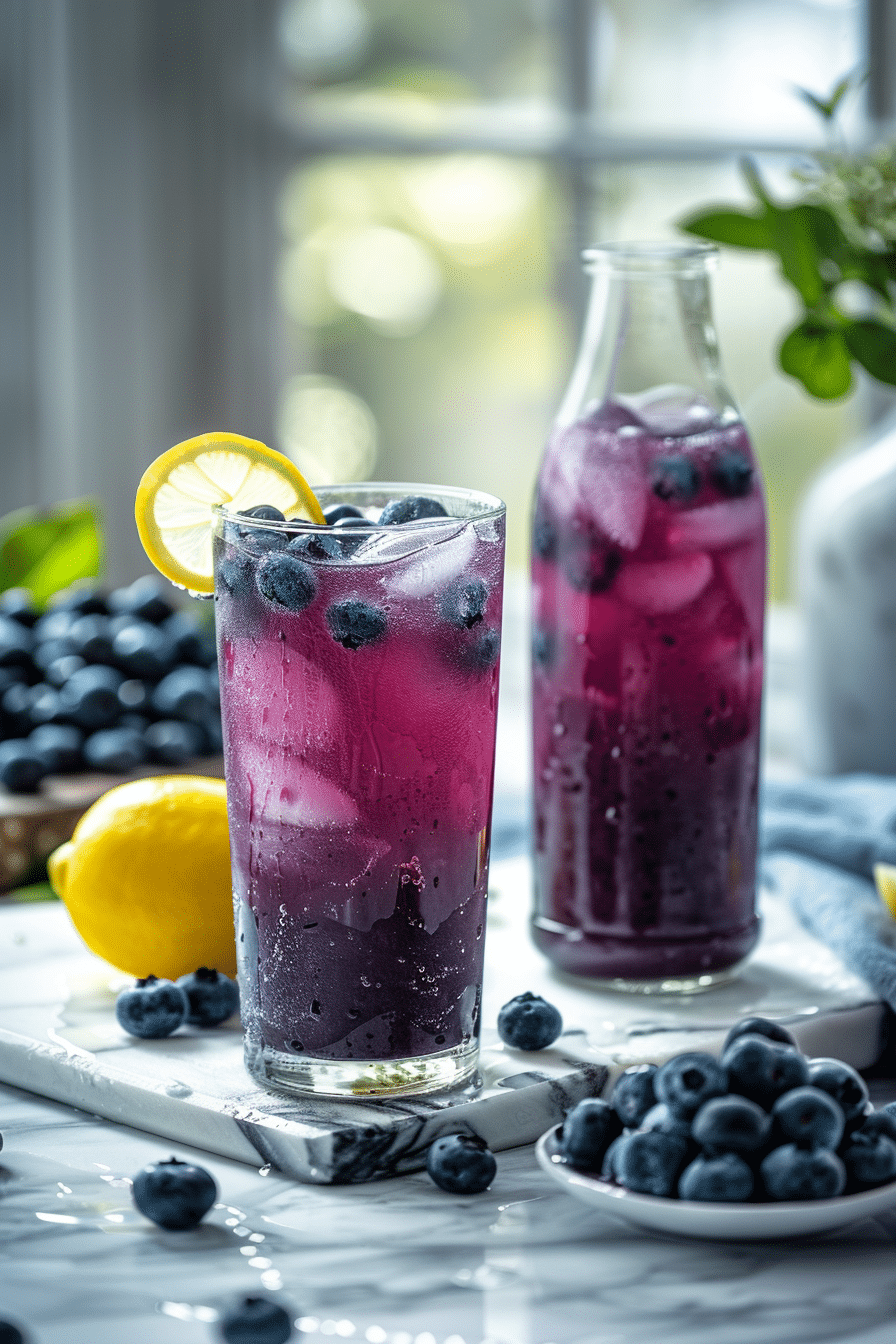
Blueberry Juice Benefits, Recipes, and Healthy Hacks You’ll Love
Blueberry juice is more than a pretty purple drink; it’s a powerful way to pack antioxidants, vitamins, and bright flavor into your day. Whether you already love fresh blueberries or you simply want to upgrade your morning routine, learning how to make, flavor, and store blueberry juice can transform how you think about healthy beverages. Because blueberries pair well with many fruits and greens, you can easily build them into smoothies, wellness shots, and vibrant salads for a full day of nourishing meals.
For example, if you already enjoy nutrient-dense recipes like this wellness shot juice guide, blueberry juice will fit right into your routine. In this guide, you’ll discover the science-backed health benefits of blueberry juice, the best ingredients to combine it with, and simple methods for making it at home with or without a juicer. You’ll also get ideas for pairing blueberry juice with balanced meals, troubleshooting common problems, and storing it safely so nothing goes to waste. By the end, you’ll know exactly how to use blueberry juice as a delicious tool for wellness, not just another sugary drink.
Table of Contents
Blueberry Juice Basics: What It Is and Why It Matters
What Exactly Is Blueberry Juice?
This is the liquid extracted from fresh or frozen blueberries, enjoyed straight or blended with other fruits, herbs, or veggies. At its simplest, you blend or press the berries, strain out the skins, and drink the deep purple-blue juice. Because blueberries are naturally sweet-tart, blueberry juice offers bold flavor without the heavy sugar content of many store-bought fruit drinks. However, not all blueberry juice is created equal. Some commercial options contain added sugars, concentrates, or artificial flavors that dilute the benefits.
That’s why understanding the basics matters before you pour your next glass. When you make blueberry juice at home, you control the ingredients, sweetness, and thickness. You can choose organic berries, combine them with lemon or orange for extra vitamin C, or blend them with leafy greens for even more nutrients. You can also decide whether you want a clear juice, a pulpy drink, or a smoothie-style blend with fiber intact. This flexibility means blueberry juice can adapt to almost any diet, from low-sugar to plant-forward, while still giving you the signature color and flavor that make it so satisfying to sip regularly.
Why this Juice Has Become a Wellness Staple
Blueberry juice has earned a permanent place in the wellness world because it delivers a rare combination: convenience, taste, and impressive nutrition. People who struggle to eat enough fruit or who don’t love raw berries often find that a chilled glass of blueberry juice fits more naturally into their day. Plus, it blends beautifully with other healthy recipes you might already enjoy, such as a morning strawberry banana smoothie or a lunchtime salad. Health-conscious eaters value blueberry juice for its antioxidant power. The deep blue color comes from anthocyanins, compounds associated with reduced oxidative stress, heart protection, and potential brain benefits.
B.juice is easy to sip, it can be a practical way to increase your intake of these compounds, especially on busy days. Meanwhile, the tart sweetness satisfies cravings for something flavorful without requiring refined sugar. Additionally, blueberry juice works well across seasons. In summer, it’s refreshing over ice with a splash of sparkling water. In colder months, you can warm it gently with spices for a cozy drink. This year-round versatility helps explain why blueberry juice is showing up in wellness shots, smoothie bars, meal prep routines, and even as a colorful base for healthier mocktails.
Print
Homemade Blueberry Juice (Blender or Juicer)
Description
This homemade blueberry juice is fresh, antioxidant-rich, and easy to make with a blender or juicer. Perfect for healthy mornings, smoothies, and wellness drinks.
Ingredients
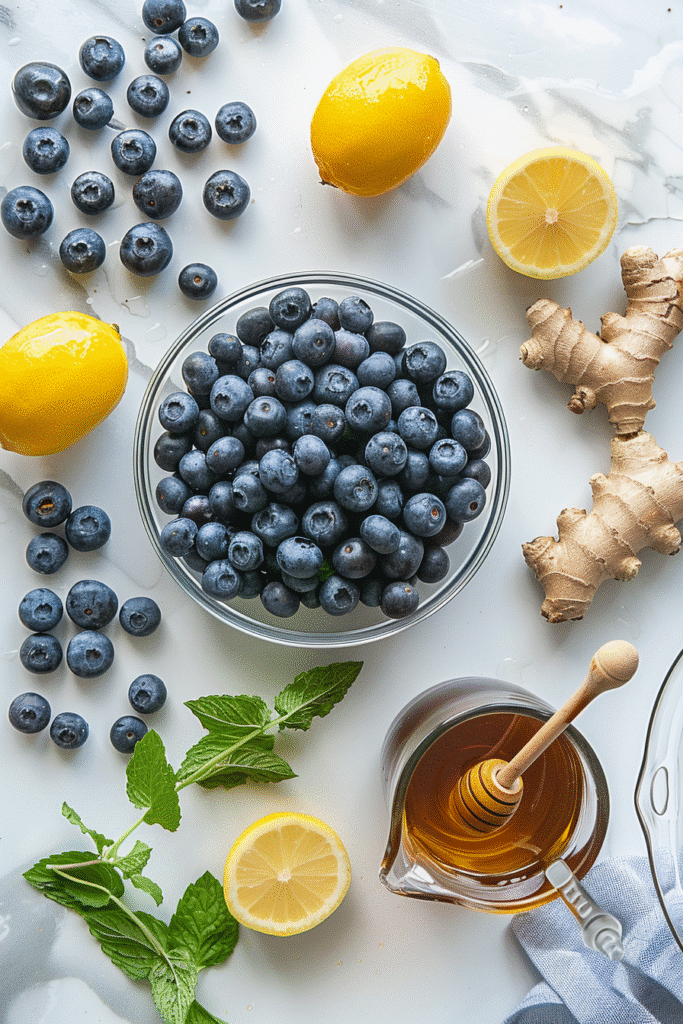
2 cups fresh blueberries (or thawed frozen blueberries)
1/2 to 1 cup cold water (adjust for thickness)
1 to 2 tablespoons fresh lemon juice (optional)
1 to 2 teaspoons honey or maple syrup (optional)
Pinch of salt (optional, enhances flavor)
Ice, to serve
Optional add-ins: grated ginger, mint leaves, cucumber, apple
Instructions
Add blueberries and water to a blender.
Blend on high until completely smooth.
For a pulpy drink, serve as-is.
For clearer juice, strain through a fine-mesh strainer or nut milk bag.
Stir in lemon juice, salt, and sweetener if using.
Pour over ice and serve immediately.
Notes
Use frozen blueberries for a colder, thicker juice.
Store homemade blueberry juice in an airtight glass jar.
Refrigerate up to 2–3 days or freeze in ice cube trays.
Nutritional Power of B.Juice
Key Nutrients Hiding in That Purple Glass
Behind the vivid color of blueberry juice is a surprisingly complex nutritional profile. While whole blueberries contain more fiber than strained juice, the liquid still provides a meaningful supply of vitamins, minerals, and phytochemicals. Most notably, blueberry juice is rich in vitamin C, manganese, and a variety of polyphenols including anthocyanins and flavonols. Vitamin C supports immune function and collagen production, while manganese plays a role in bone health and metabolism.
Even though blueberry juice does contain natural sugars, its glycemic impact is often gentler when consumed alongside a balanced meal or snack. You can further modify the nutrition by blending, not straining, to keep more fiber and micronutrients. To see a quick overview, consider this approximate breakdown for 1 cup (240 ml) of unsweetened blueberry juice made from whole berries:
| Nutrient | Approx. Amount | Why It Matters |
|---|---|---|
| Calories | 110–130 kcal | Provides quick energy |
| Vitamin C | 10–15 mg | Supports immune & skin health |
| Manganese | 0.3–0.5 mg | Bone and metabolic support |
| Fiber* | 1–3 g | Helps digestion (higher if unstrained) |
| Anthocyanins | Varies by berry & method | Powerful antioxidants |
*Higher fiber content if you blend instead of fully straining the juice.
Antioxidants, Brain Health, and Heart Support
One of the biggest reasons people reach for blueberry juice is its antioxidant capacity. Anthocyanins, the pigments that color blueberries, help neutralize free radicals, unstable molecules that can damage cells over time. Research suggests that consistent intake of anthocyanin-rich foods may support healthier aging, especially for the brain and heart. For example, some studies have linked blueberry consumption to improved memory and cognitive performance, likely due to better blood flow and reduced inflammation in the brain.
When you drink it regularly, you deliver those compounds in a concentrated, easy-to-absorb form. For heart health, blueberry juice may help support healthy blood pressure and cholesterol balance when part of an overall nutritious diet. The polyphenols can influence how blood vessels relax and respond, which may contribute to improved circulation.
However, it’s important to pair b.juice with fiber-rich foods and lean proteins to keep blood sugar stable and maximize benefits. Enjoying your juice alongside a hearty salad such as a kale salad loaded with textures and healthy fats is one practical way to do that. Together, the fiber, healthy fats, and antioxidants create a synergistic effect that supports long-term wellness rather than just offering a one-time antioxidant “hit.”
How to Make Blueberry Juice at Home (With or Without a Juicer)
Simple Blueberry Juice Method Using a Blender
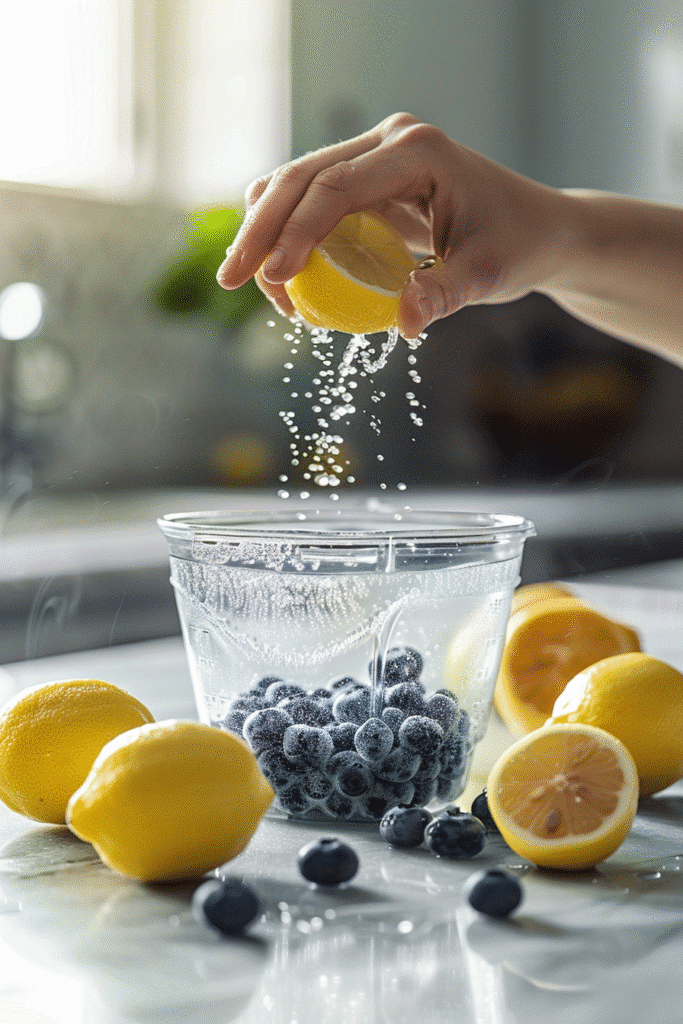
You don’t need an expensive juicer to enjoy fresh blueberry juice at home. A basic blender, fine-mesh strainer, and a few minutes of prep work are enough. Start with 2 cups of fresh or thawed frozen blueberries. Rinse them well if fresh, then add them to your blender with ½ to 1 cup of cold water, depending on how concentrated you like your juice. Blend on high until the mixture looks completely smooth and evenly colored.
At this point, decide if you want a pulpy drink or a clear juice. For a smoother result, set a fine strainer or nut milk bag over a large bowl and pour in the blended mixture. Use a spoon or spatula to press the pulp, extracting as much liquid as possible. Taste and adjust: you might squeeze in a bit of lemon for brightness or add a small drizzle of honey if you prefer a sweeter drink. Transfer the juice to a glass bottle or jar, chill, and enjoy within 2–3 days for best flavor and nutrition.
Juicer Method and Pro Tips for Maximum Flavor
If you own a juicer, making blueberry juice becomes even more streamlined. For centrifugal or masticating juicers, start with 3–4 cups of fresh blueberries. Rinse and drain them well, then feed them through the juicer slowly, alternating with water-rich ingredients like cucumber or apple if your machine struggles with softer fruits. This not only helps extraction but also layers in subtle flavor complexity.
Because juicers often separate more fiber, the resulting blueberry juice will be smoother and clearer than blended versions. However, you can stir some of the pulp back in if you want a slightly thicker drink. To intensify flavor, chill the blueberries before juicing and add a pinch of salt to the finished juice; this small touch enhances natural sweetness and depth.
For a more elaborate beverage, mix your fresh blueberry juice with a splash of citrus and serve alongside a wholesome meal, like a citrus fennel avocado winter salad. As a final tip, always clean your juicer promptly after making blueberry juice because pigments can stain plastic parts if left too long.
Flavor Pairings: What Goes Well with Blueberry Juice
Fruit, Herb, and Spice Combinations to Try
Because blueberry juice has a pleasant balance of sweetness and tang, it pairs beautifully with many other ingredients. Citrus fruits are some of the best companions. A splash of lemon, lime, or orange juice brightens the flavor and adds extra vitamin C. Apples and pears mellow out the tartness and make blueberry juice more kid-friendly. Grapes contribute natural sweetness without the need for added sugar. For a more aromatic twist, herbs like mint, basil, and rosemary bring sophistication.
Gently muddling a few herb leaves in your glass before pouring in it can transform a simple drink into a refreshing mocktail. Spices also create interesting layers. A pinch of cinnamon or cardamom warms the flavor and works especially well in cooler weather or in infused blueberry beverages served warm. Ginger adds a spicy kick and pairs nicely with blueberries in wellness-oriented drinks, especially when you want something that feels both soothing and energizing. By experimenting with these combinations, you can adapt blueberry juice to any mood or season without losing its core identity.
Vegetable, Green, and Functional Add-Ins
Blueberry juice also plays surprisingly well with vegetables and leafy greens, especially in blended juice or smoothie-style drinks. Spinach and kale are classic choices because their flavors stay relatively mild when balanced by sweet-tart fruit. You can create a nutrient-dense beverage by blending blueberries, a handful of greens, water, and perhaps half a banana for creaminess. This approach delivers more fiber, iron, and magnesium than juice alone. Cucumbers add hydration and a light, clean finish, ideal for summer.
Carrots contribute earthy sweetness and beta-carotene, while beets intensify the color and bring additional antioxidants. For functional add-ins, consider chia seeds or ground flax for extra omega-3 fats and fiber; just remember they thicken the drink as they sit. A scoop of unsweetened yogurt can convert blueberry juice into a light breakfast beverage or snack.
For a full, balanced meal, pair your blueberry juice-based drink with a hearty grain or legume salad, such as a warm lentil and roasted vegetable salad. The combination of plant-based protein, complex carbs, and antioxidant-rich juice can keep you energized for hours.
Juicy Blueberry in Smoothies, Bowls, and Breakfasts
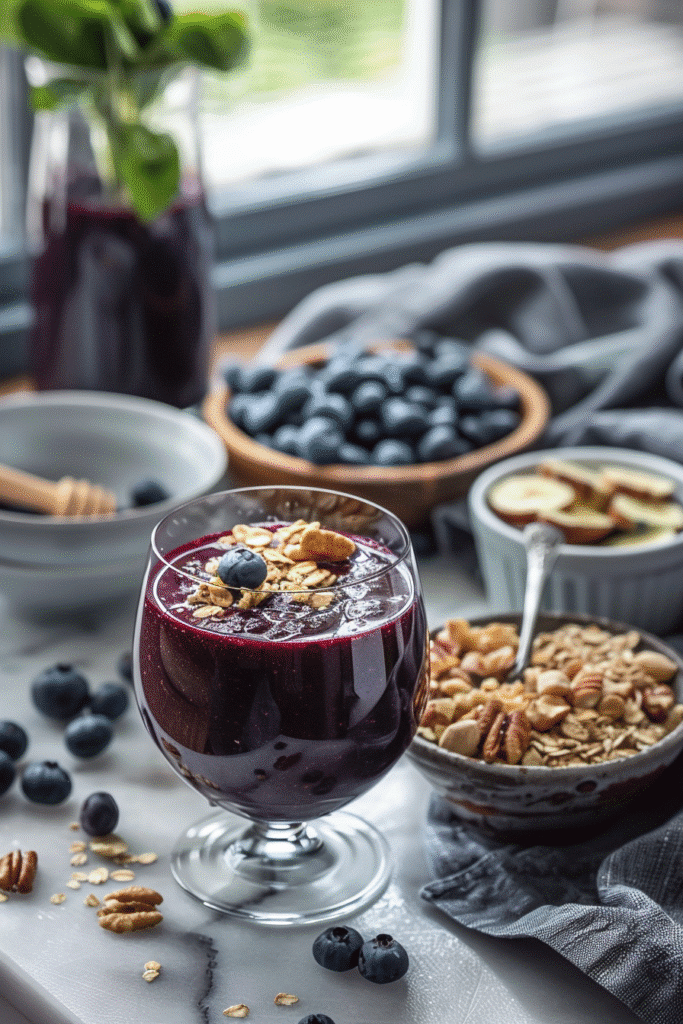
Blueberry Juice Smoothie Ideas for Busy Mornings
Blueberry juice can act as a flavorful liquid base in many smoothie recipes, replacing plain water or juice blends with added sugars. When you use it instead of orange or apple juice, you get color, flavor, and antioxidants without overwhelming the drink’s sugar content. A simple breakfast smoothie might include ½ cup blueberry juice, ½ frozen banana, a small handful of oats, and a spoonful of nut butter for healthy fats and protein.
Blend until creamy and you have a satisfying meal in a glass. Another option is to combine blueberry juice with strawberries and yogurt for a tangy, protein-rich drink that kids often love. Because b.juice mixes easily, you can pour a little into prepped freezer smoothie packs; then in the morning, just add extra water or milk and blend. If you already enjoy fruit-based beverages like a classic strawberry banana blend, swapping in some blueberry juice will instantly change the flavor profile and visual appeal while keeping the prep time short.
Bowls, Overnight Oats, and Breakfast Toppings
Beyond smoothies, blueberry juice shines in breakfast bowls and overnight oats. Instead of soaking your oats only in milk or water, stir in a portion of blueberry juice to infuse color and flavor throughout. For example, mix rolled oats with a combination of unsweetened yogurt, a splash of blueberry juice, chia seeds, and a touch of maple syrup. Let it sit overnight, and in the morning you’ll have naturally tinted oats with a fruity fragrance. You can also drizzle a bit of concentrated blueberry juice over yogurt bowls or chia puddings as a vibrant sauce.
To make a quick reduction, gently simmer blueberry juice in a small saucepan until it thickens slightly, then cool and store in the fridge. Use this as a topping for pancakes, waffles, or whole-grain toast. When you build a full breakfast plate, consider adding a small glass of blueberry juice next to fiber-rich dishes or a protein-heavy scramble. Or enjoy it alongside a colorful, nutrient-packed salad like a panzanella salad full of vegetables and bread cubes. This balance of macronutrients helps moderate the glycemic impact of the juice, making it an energizing start that doesn’t lead to mid-morning crashes.
Blueberry Juice for Immune and Gut Health
Supporting Immunity with Blueberries and Citrus
Your immune system thrives on consistent intake of antioxidants, vitamins, and whole-food nutrients, and blueberry juice can contribute meaningfully to that pattern. Vitamin C in blueberries, especially when paired with citrus juices like lemon or orange, helps support normal immune function and protect cells from oxidative damage. Anthocyanins also play a role, as they may help modulate inflammation and support healthy blood vessel function, which indirectly benefits immune response.
To build an immune-focused drink, combine blueberry juice with fresh lemon or orange, a bit of grated ginger, and a tiny drizzle of honey if desired. Sip this mixture at the first sign of seasonal sniffles or simply keep it in rotation during colder months. Pairing blueberry juice with other antioxidant-rich foods amplifies its benefits. For instance, serving it alongside a salad full of cruciferous vegetables, nuts, and seeds offers a spectrum of protective compounds.
A creative option is to pour a small shot of concentrated blueberry juice and serve it before a meal featuring roasted vegetables or a balanced grain salad, encouraging a ritual that feels both nourishing and intentional.
Gut Health, Fiber, and Fermented Pairings
While clear blueberry juice contains less fiber than whole berries, it can still play a role in gut health when paired strategically. If you prefer to keep more fiber, blend whole berries with a smaller amount of water and only partially strain, leaving some pulp in the drink. This fibers the juice and supports digestion, provides fuel for beneficial gut bacteria, and helps slow sugar absorption. You can also use blueberry juice as a base for gut-friendly concoctions.
For example, mix a small amount of b. juice with plain kefir or unsweetened yogurt to add flavor without too much sweetness. The live cultures in fermented dairy or plant-based yogurts work synergistically with the polyphenols in blueberries, potentially enhancing microbial diversity in the gut. Another strategy is to drink blueberry juice with fiber-rich meals that feature legumes, whole grains, or sturdy vegetables.
Combining a glass of juice with a quinoa-based dish, or even a hearty salad such as a cranberry apple quinoa winter salad, allows the fiber to offset any blood sugar spikes and supports more stable digestion. Over time, these pairings create a pattern of eating that nurtures your microbiome rather than just delivering isolated nutrients.
Cooking and Baking with Blueberry Juice
Sauces, Glazes, and Savory Uses
Although many people think of blueberry juice as a beverage only, it also works beautifully in savory recipes. You can reduce it into a glossy sauce or glaze for poultry, pork, or roasted vegetables. Start by simmering blueberry juice in a saucepan with a bit of balsamic vinegar, minced garlic, and a touch of honey or maple syrup. As the liquid reduces, it thickens and concentrates in flavor, creating a balanced sweet-savory sauce. Brush this glaze over chicken in the final minutes of roasting, or drizzle it over roasted carrots and Brussels sprouts for an unexpected twist.
It can also form the base of unique vinaigrettes. Whisk it with olive oil, mustard, lemon juice, salt, and pepper to create a dressing that’s delicious over dark leafy greens or grain salads. Its deep color and fruity tang complement bitter greens and toasted nuts very well. When you serve salads like a Brussels sprout salad with crisp textures, adding a hint of blueberry in the dressing can elevate the entire dish. Just keep the quantity modest so the dressing enhances the vegetables rather than overpowering them.
Desserts, Baking, and Natural Coloring
Blueberry juice shines in desserts as both a flavoring and a natural dye. You can swirl it into cheesecake batter, blend it into pudding, or use it to tint frostings naturally instead of relying on artificial colorings. To avoid watering down baked goods, reduce blueberry juice on the stove first until it becomes syrupy. This intensifies flavor and color while evaporating excess water. Use this concentrated syrup to flavor cake layers, muffins, or quick breads.
It also works in gelatin-based desserts, popsicles, and granitas. For an easy summer treat, mix blueberry juice with a bit of honey and lemon, pour into popsicle molds, and freeze. The result is a refreshing snack with more nutrients than most store-bought options. You can also use a small amount of blueberry juice as a finishing drizzle over simple desserts like vanilla ice cream, yogurt parfaits, or pound cake. Its natural purple hue looks striking and pairs well with creamy textures. When you think of blueberry juice as an ingredient rather than just a drink, your dessert and baking possibilities expand dramatically.
Buying, Storing, and Safety Tips for Blueberry Juice
How to Choose the Best Store-Bought Blueberry Juice
When you don’t have time to make blueberry juice from scratch, store-bought options can be convenient but labels matter. Look for products labeled “100% blueberry juice” or “100% juice” with blueberries featured prominently in the ingredient list.
Avoid juices that list sugar, corn syrup, or artificial flavors among the first ingredients, as these often function more like fruit-flavored drinks than true juice. Cold-pressed or not-from-concentrate options typically retain more of the berries’ original flavor and phytonutrients, although they may cost more. Short, recognizable ingredient lists are usually best. If you find blends that include other fruits, such as apple or grape, that’s fine as long as you understand they may raise the overall sweetness.
Some people prefer organic b.juice to minimize pesticide exposure, particularly if they drink it regularly. Glass bottles can help protect flavor and reduce potential off-notes from plastic. Pay attention to expiration dates and storage instructions, and always refrigerate opened juice promptly. If you plan to use blueberry juice as a base in smoothies or cooking, you can choose a slightly less expensive option and then enhance it with fresh ingredients and spices at home.
Storage, Shelf Life, and Food Safety
Proper storage keeps blueberry juice fresh, flavorful, and safe to drink. Fresh homemade juice typically lasts 2–3 days in the refrigerator when stored in an airtight glass container. Because it’s free from preservatives, its flavor and nutrient content decline quickly, so making small batches on rotation often works best. To extend its shelf life, you can freeze blueberry juice in ice cube trays or small containers.
Once frozen, store the cubes in freezer-safe bags for up to 3 months. These cubes are handy for chilling drinks, adding to smoothies, or enriching sauces without thawing a full batch. Store-bought pasteurized blueberry juice usually lasts longer, often a week or more after opening if refrigerated, but always follow the manufacturer’s guidelines. Discard juice that smells off, tastes fermented when it should not, or shows signs of mold around the cap.
Avoid leaving juice at room temperature for extended periods, especially in warm environments, to reduce the risk of spoilage. When serving blueberry juice with meals, for instance, at a gathering where you might also have a chicken taco salad dinner, keep pitchers on ice or return them to the fridge between refills. These simple steps preserve both your juice and your guests’ comfort.
Blueberry Juice in Everyday Meal Planning
Pairing Blueberry Juice with Balanced Meals and Snacks
To get the most from blueberry juice, treat it like a supportive side rather than the main event. Pairing it with balanced meals helps you enjoy its flavor and antioxidants without turning it into a sugar-heavy centerpiece. At breakfast, drink a small glass alongside protein-rich foods like eggs, Greek yogurt, or nut butter toast.
For lunch, serve blueberry juice as a colorful contrast to hearty salads, plant-based bowls, or grain dishes. A smart example is enjoying a modest portion of juice next to a salad full of healthy fats and fiber, such as a robust kale salad loaded with seeds and avocado. This combination slows digestion and keeps energy levels steady. For snacks, pair blueberry juice with nuts, seeds, or cheese to balance the natural sugars.
A handful of almonds or a slice of cheddar brings protein and fat to the table, helping maintain satiety. You can also dilute blueberry juice with water or sparkling water when you want something sippable over a longer period without consuming too many calories or grams of sugar at once.
Planning Weekly Menus and Batch Prep with Blueberry Juice
Incorporating blueberry juice into your weekly meal plan is easier when you think ahead. On one day, make a concentrated batch of homemade blueberry juice and divide it into small jars or bottles for quick grab-and-go options. Use some as a morning drink, some as smoothie bases, and some for cooking or baking projects.
Map out how you’ll use each portion: maybe blueberry juice in Monday’s breakfast smoothies, a blueberry-infused vinaigrette for Tuesday’s dinner salad, and a small dessert sauce for the weekend. This planning helps reduce waste and ensures you enjoy the juice at peak freshness. It also nudges you to build more fruits and vegetables into your menus. For instance, you might schedule a night for a big salad-focused dinner featuring dishes like a green bean casserole-style side and a colorful grain salad, with blueberry juice served lightly diluted over ice.
Thinking of blueberry juice as a versatile ingredient across meals, rather than just as a stand-alone beverage, maximizes its value, keeps your menu interesting, and supports a consistent pattern of healthy eating.
FAQ About Blueberry Juice
Is blueberry juice healthy to drink every day?
Blueberry juice can be healthy to drink daily when you enjoy it in moderation and as part of a balanced diet. It offers antioxidants, vitamin C, and other beneficial plant compounds that may support heart, brain, and immune health. However, like all fruit juices, it contains natural sugars and relatively few proteins or fats, so portion size matters. Aim for a small glass—about 4–6 ounces—rather than multiple large servings. Whenever possible, pair your blueberry juice with fiber-rich foods like salads, whole grains, or nuts to help stabilize blood sugar levels. Choosing unsweetened or homemade versions without added sugar keeps it more nutritious. If you have diabetes or need to watch your carbohydrate intake, consult a healthcare provider about the right amount for your specific situation.
Is blueberry juice better than eating whole blueberries?
Blueberry juice and whole blueberries both offer benefits, but they’re not interchangeable. Whole blueberries contain all the fiber from the skins and flesh, which supports digestion, helps regulate blood sugar, and contributes to fullness. When you turn berries into juice and strain out the pulp, you lose much of that fiber while concentrating the natural sugars. On the other hand, blueberry juice can be easier to consume quickly, which may make it practical for people who struggle to eat enough fruit. It also works well in smoothies, sauces, and dressings. Ideally, you don’t choose one or the other exclusively. Use blueberry juice as a convenient addition to your diet, but still prioritize whole fruits whenever possible. If you do make juice at home, consider blending and keeping some of the pulp for a fiber-friendlier drink.
Can I make blueberry juice from frozen blueberries?
Yes, frozen blueberries work extremely well for homemade blueberry juice and often offer consistent flavor and quality. Freezing preserves berries at peak ripeness, so you still get robust color and antioxidants. To use frozen blueberries, allow them to thaw slightly or rinse them under cool water to remove excess frost, then blend or juice them just as you would fresh berries. Because frozen berries release a bit more water as they thaw, you might need less added liquid to achieve your preferred consistency. Another advantage is convenience: you can keep frozen blueberries on hand for months, making it easy to whip up blueberry juice anytime without worrying about spoilage. This approach can also be more budget-friendly, especially when fresh berries are out of season or expensive.
How long does homemade blueberry juice last in the fridge?
Homemade blueberry juice generally stays fresh for about 2–3 days in the refrigerator when stored in a tightly sealed glass container. Because it doesn’t contain added preservatives, its flavor, color, and nutrient levels degrade relatively quickly. For best quality, make smaller batches you know you’ll finish within that time frame. If you notice any off smells, unusual fizzing, or changes in color or texture, it’s safer to discard the juice. To extend shelf life, many people freeze portions of blueberry juice in ice cube trays, then transfer the cubes to freezer bags. These can last up to about 3 months and are perfect for quickly chilling drinks, blending into smoothies, or stirring into sauces. Always label containers with the date so you don’t lose track of how long they’ve been stored.
Can blueberry juice help with weight loss?
Blueberry juice alone will not cause weight loss, but it can support a weight-management plan when used thoughtfully. It’s lower in calories than many sugary soft drinks and often more satisfying because of its tangy flavor and nutrient density. However, it still contains natural sugars and calories, so portion control remains important. Replacing soda or heavily sweetened beverages with modest servings of unsweetened blueberry juice can help reduce overall sugar intake. For weight loss, focus on combining blueberry juice with a diet rich in vegetables, lean proteins, healthy fats, and whole grains, and keep your total calorie intake in a gentle deficit. Drinking a small portion of blueberry juice alongside a high-fiber meal or snack may also help keep cravings in check while still feeling like a treat. Always consider your broader eating patterns instead of relying on one food or drink for results.
Conclusion: Making Blueberry Juice a Smart, Enjoyable Habit
Blueberry juice can be a vibrant, nutrient-rich addition to your daily routine when you use it with intention. From supporting heart and brain health with anthocyanin-rich antioxidants to brightening smoothies, breakfasts, sauces, and even savory dishes, it offers far more than a simple sweet drink. The key is to enjoy it in balanced portions, pair it with fiber and protein, and choose unsweetened, minimally processed versions whenever possible.
Experiment with homemade methods, from blender-style juices to reduced blueberry syrups for desserts and dressings, until you find the textures and flavors that fit your life best. Then weave blueberry juice into a broader pattern of colorful, whole-food meals, vibrant salads, nourishing bowls, and antioxidant-packed wellness drinks that keep your menu exciting and your body supported. For more inspiration on building a wellness-focused kitchen with juices and nutrient-dense recipes, explore this in-depth wellness shot juice recipe and benefits guide. With a little planning and creativity, blueberry juice becomes not just a beverage, but a flexible tool in your long-term healthy eating strategy.