
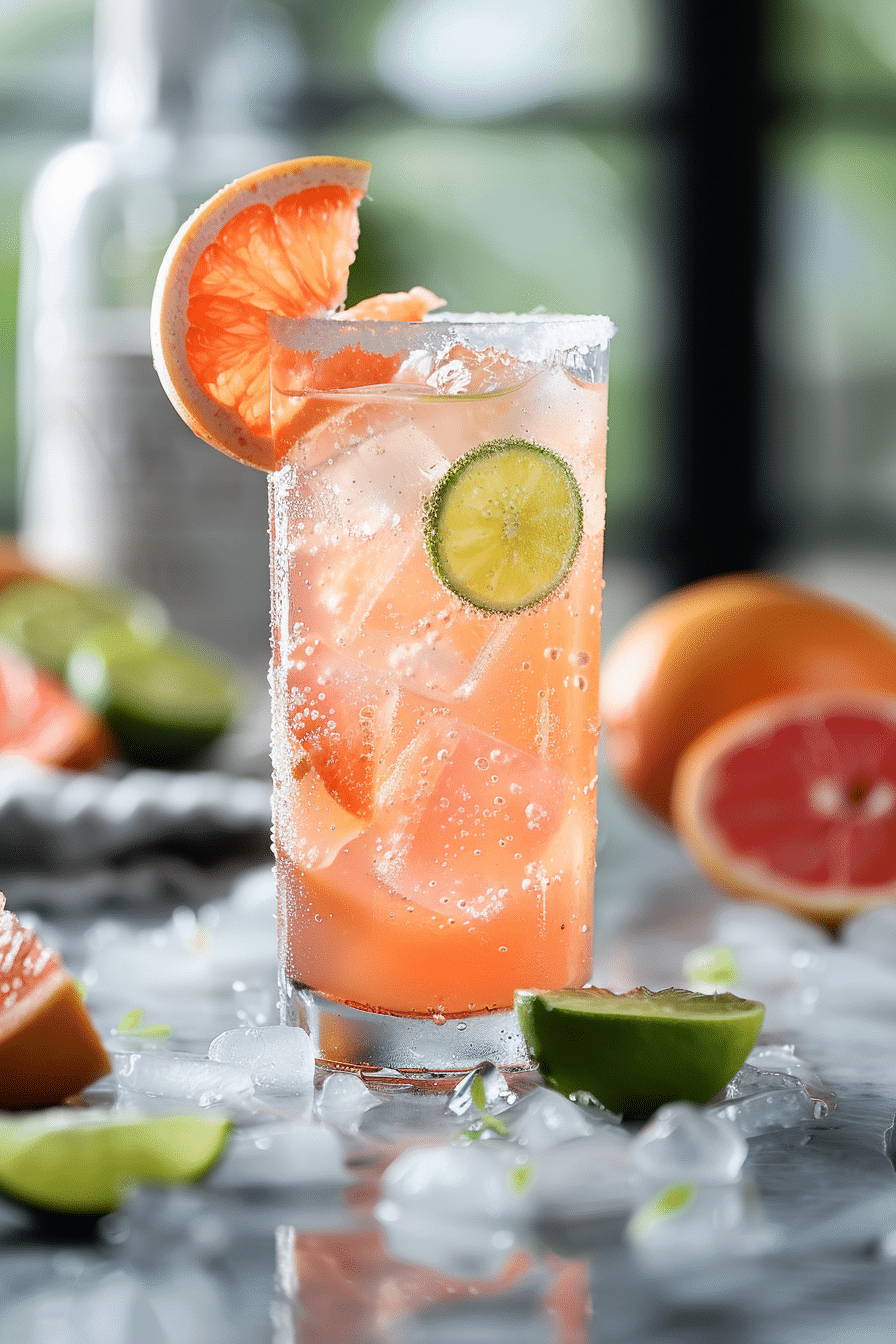
Paloma Cocktail Perfection: Easy, Refreshing, and Completely Foolproof
A Paloma cocktail is one of the most refreshing drinks you can make at home, yet it often takes a back seat to the more famous margarita. That is a shame, because the Paloma cocktail delivers bright, zesty citrus flavor, gentle bitterness from grapefruit, and a bubbly, thirst‑quenching finish that feels perfect for warm evenings, weekend brunches, or any casual gathering. In its simplest form, this Mexican classic combines tequila, fresh lime, grapefruit soda, and salt, but there are endless twists you can explore once you master the basics. While some cocktails require expensive tools and complex techniques, the Paloma stays friendly, flexible, and budget‑conscious, which makes it ideal for beginners and seasoned home bartenders alike.
You can batch a Paloma cocktail for parties, turn it into a low‑sugar sipper, or build an elegant version with fresh grapefruit juice and sparkling water. And because its citrus base pairs well with fresh foods, it goes beautifully with light salads, veggie dishes, and even wholesome smoothies like this strawberry banana smoothie recipe. In the guide below, you will learn the traditional recipe, common mistakes to avoid, smart ingredient swaps, how to batch and store it safely, plus creative garnish and food pairing ideas. By the end, you will be able to pour a Paloma cocktail that tastes bar‑quality or better, without leaving your kitchen.
Table of Contents
What Is a Paloma Cocktail and Why It Deserves a Spot in Your Recipe Repertoire
The Paloma Cocktail Explained: Origins, Flavor, and Core Ingredients
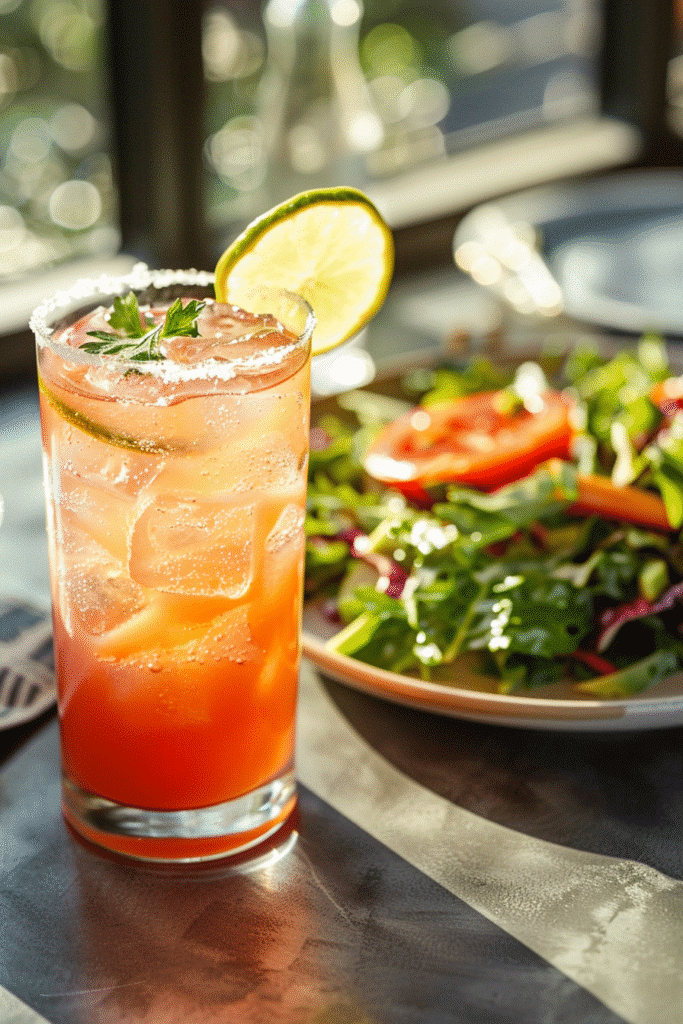
The Paloma cocktail is a classic Mexican highball that combines tequila with grapefruit soda and lime over ice, served in a tall glass with a salted rim. Many people assume the margarita is Mexico’s national cocktail, yet in everyday bars and homes across the country, the Paloma often shows up more frequently because it is easier to drink, lower in alcohol per sip, and faster to make.
Its flavor profile balances three key notes: citrusy tartness from lime and grapefruit, a touch of sweetness from the soda or simple syrup, and savory brightness from the salt. While the drink may look simple, each component plays a precise role. Tequila brings earthy, peppery agave character; grapefruit adds bitterness and high‑pitched citrus; lime connects everything with sharp acidity, and soda water or grapefruit soda adds effervescence that keeps the cocktail light instead of heavy or cloying.
Historically, bartenders used Mexican grapefruit sodas such as Jarritos or Squirt, which offer built‑in sweetness and carbonation. However, as home mixology has grown more sophisticated, many people now prefer to use fresh grapefruit juice plus sparkling water for more control over flavor and sugar. This flexibility is part of why the Paloma endures: it adapts to different palates and diets while always staying crisp, zesty, and deeply refreshing.
How the Paloma Differs from a Margarita (And When to Choose Each)
Although both the Paloma cocktail and margarita rely on tequila and lime, they feel completely different in the glass. A traditional margarita uses tequila, orange liqueur, and lime juice, usually shaken and served in a short glass, either up or on the rocks. It delivers a strong, concentrated flavor and a higher perceived alcohol punch per sip.
The Paloma, by contrast, stretches tequila with a larger volume of mixer and ice, creating a tall, sparkling drink with lower alcohol intensity and more hydration. You will also notice that grapefruit introduces a gentle bitterness and a slightly savory edge that many people find more refreshing than the sweeter orange notes in a margarita. Because of this profile, a Paloma cocktail shines at daytime events, outdoor barbecues, and long social gatherings where guests want to sip over time instead of downing heavy rounds of strong drinks.
Furthermore, the Paloma’s built‑in carbonation keeps your palate refreshed between bites of salty or spicy food, which makes it a smart partner for tacos, grilled shrimp, and even hearty salads. When you crave a slow, bubbly sipper rather than a sharp, cocktail‑style drink, choose the Paloma. Once you learn the base structure, you can adjust it to be ultra‑light for wellness‑minded guests or richer and fruit‑forward for those who prefer a bolder experience.
Print
Paloma Mocktail (Grapefruit Lime Sparkler)
Description
This paloma mocktail is crisp, bubbly, and completely foolproof. Made with grapefruit, fresh lime, sparkling water, and a salted rim for that classic Paloma vibe—without alcohol.
Ingredients
2 oz fresh grapefruit juice (or 100% grapefruit juice, chilled)
1/2 to 1 oz fresh lime juice (to taste)
1/2 oz simple syrup or agave (optional, to balance tartness)
4 to 6 oz sparkling water or club soda (chilled)
Sea salt or kosher salt (for rim)
Ice cubes
Garnish: grapefruit wedge or wheel, lime wheel (optional)
Optional: grapefruit soda (swap for sparkling water for a sweeter version)
Instructions
Salt the rim: run a lime wedge around the glass edge, then dip into salt.
Fill a tall glass with plenty of ice.
Add grapefruit juice and lime juice.
Add simple syrup/agave if using and stir 10–15 seconds.
Top with sparkling water (or grapefruit soda) and stir very gently.
Garnish with grapefruit and lime. Serve immediately.
Notes
Too tart? Add 1 tsp more syrup. Too sweet? Add more lime or extra sparkling water.
For a low-sugar version, use sparkling water (not grapefruit soda) and sweeten lightly.
Batch tip: mix grapefruit + lime + syrup ahead; add sparkling water right before serving.
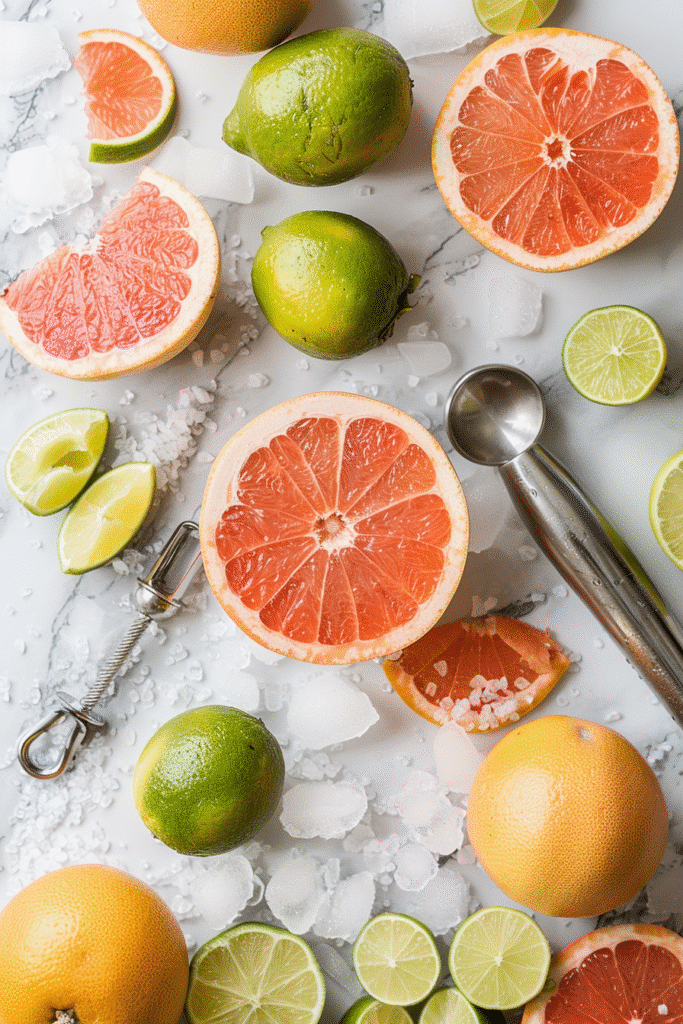
Core Ingredients for the Perfect Paloma Cocktail
Choosing the Right Tequila: Blanco vs Reposado and Quality Tips
Tequila forms the backbone of any Paloma cocktail, so the quality you choose will dramatically influence the final flavor. In most cases, a blanco (also called silver) tequila works best. Blanco tequila offers clean, bright agave notes with hints of pepper, citrus, and herbs, which harmonize naturally with grapefruit and lime.
When selecting a bottle, always look for “100% de agave” on the label; cheaper mixto tequilas blend agave with other sugars, often leading to harsh flavors and unpleasant hangovers. However, if you prefer a slightly richer, rounder Paloma, you can experiment with a reposado tequila, which spends a short time aging in oak barrels.
Reposado adds soft vanilla, caramel, and spice notes that play warmly against the grapefruit’s bitterness. Just keep in mind that too much barrel character can overshadow the cocktail’s bright, zippy personality, so avoid heavily aged anejos for this drink. Aim for mid‑shelf brands that bartenders commonly use, and do not worry about ultra‑premium bottles; the mixers will mask some of their nuance. Always taste your tequila neat before building your drink.
If it burns harshly at room temperature, it will not magically taste smooth when diluted. Tequila quality is one of the most important investments you can make for consistently excellent Palomas.
Grapefruit, Lime, and Sweetness: Getting the Citrus Balance Right
Citrus balance determines whether your Paloma cocktail tastes bright and refreshing or flat and cloying. Traditionally, Mexican bartenders built the drink with grapefruit soda such as Squirt, which delivers grapefruit flavor, sugar, and carbonation in one easy pour. This option still works very well, especially for large groups. However, if you prefer a fresher, more natural cocktail, use freshly squeezed grapefruit juice plus sparkling water or club soda. Fresh juice offers vibrant aroma and less processed sweetness, but it does require you to add your own sweetener, such as simple syrup, agave nectar, or even a touch of honey.
Lime juice is non‑negotiable; it sharpens the drink and keeps grapefruit’s bitterness in check. Always use freshly squeezed lime juice rather than bottled versions, which often taste dull or acidic in an artificial way. Sweetness should never dominate. Instead, aim for a balance where the first impression is citrusy and slightly tart, followed by a gentle sweetness that softens the edges. Taste as you build, and remember that cold and carbonation both mute flavor perception, so a mixture that seems slightly strong at room temperature will mellow once chilled over ice. Adjust one variable at a time, either add a little more lime for brightness or a teaspoon more sweetener, until the sip feels complete.
Classic Paloma Cocktail Recipe (Step‑by‑Step)
Ingredients and Measurements for an Authentic Paloma
To make a classic Paloma cocktail, you need only a short list of ingredients and basic tools. For one drink, start with 2 ounces of blanco tequila, ½–1 ounce of freshly squeezed lime juice, and either 4 ounces of grapefruit soda or a mix of 2 ounces fresh grapefruit juice plus 2–3 ounces sparkling water. Add ¼–½ ounce of simple syrup or agave nectar if you are using fresh juice instead of soda. You will also want coarse kosher salt or flaky sea salt for the rim, along with ice cubes and, ideally, a highball or Collins glass.
Optionally, you can add a grapefruit wedge or wheel and a lime wheel for garnish, and a pinch of salt inside the drink to enhance flavor. Bar tools like a jigger, citrus juicer, and bar spoon help, but a measuring tablespoon and any handheld juicer will work in a pinch. The magic of the Paloma cocktail lies less in fancy gear and more in paying attention to proportions and tasting as you go. If you enjoy a slightly stronger drink, lean closer to 2 ½ ounces of tequila and the lower end of the sweetener range. For a gentler daytime sipper, keep the 2‑ounce tequila pour and stretch the drink with extra sparkling water or soda.
Method and Technique: Building, Stirring, and Salting the Rim
To build a Paloma cocktail, begin by salting the rim of your glass. Run a lime wedge around the outer edge, then dip the rim into a shallow plate of salt, turning gently so the salt adheres in an even ring. Tap off any excess to prevent clumps. Next, fill the glass with ice cubes; more ice actually keeps the drink colder and less diluted, so do not be shy. Add your tequila and lime juice directly over the ice. If using fresh grapefruit juice, also add it now along with your chosen sweetener.
Use a bar spoon to stir everything together for about 10–15 seconds, allowing the ice to chill and slightly dilute the mixture. Finally, top with grapefruit soda or sparkling water, pouring slowly to preserve the bubbles. Give the drink a very gentle final stir so carbonation remains lively. Garnish with a wedge or wheel of grapefruit and lime, placing them on the rim or tucking them into the glass. Taste and adjust if needed: you can squeeze in an extra lime wedge for added brightness or add a dash more soda for a lighter body.
While shaking is common in many citrus cocktails, the Paloma traditionally uses a built‑in approach in the glass, which keeps preparation fast and cleanup minimal, especially when you plan to serve several drinks in a row.
Flavor Variations to Elevate Your Paloma Cocktail
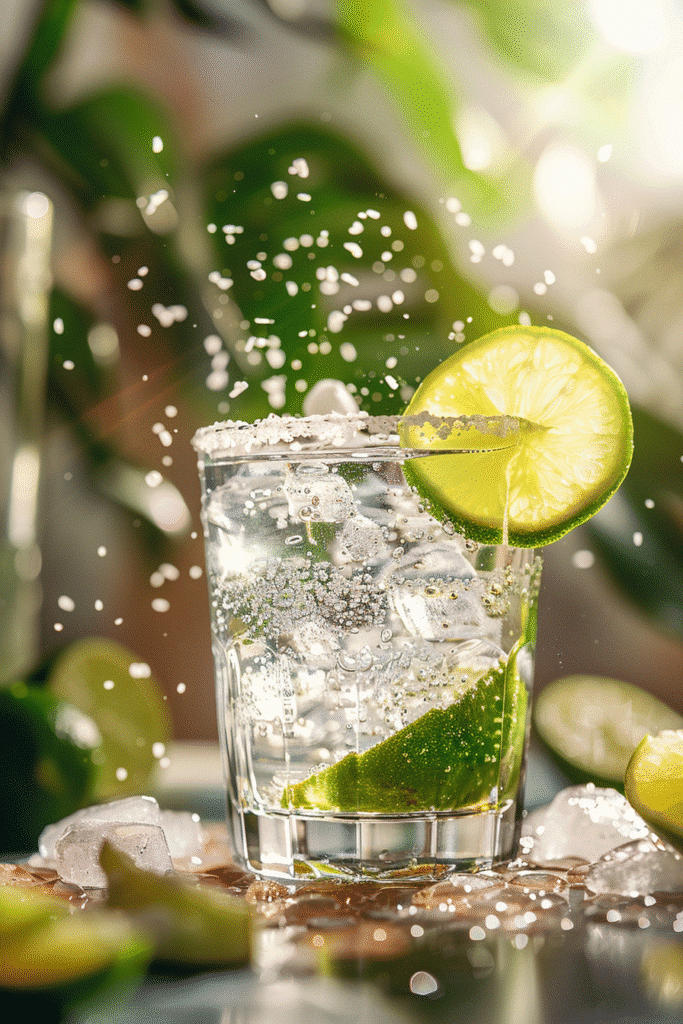
Fresh Fruit and Herbal Twists: From Spicy to Floral Palomas
Once you master the classic Paloma cocktail, you can start layering flavors with fresh fruit and herbs. One easy upgrade involves muddling a few slices of jalapeño or serrano pepper in the bottom of the glass before adding ice. This creates a spicy Paloma with a slow, gentle burn that pairs beautifully with tacos, grilled corn, or flavorful salads like a zesty chicken taco salad dinner recipe. For a fruitier direction, muddle a few raspberries, strawberries, or even a slice of ripe peach with lime juice, then strain before adding tequila and grapefruit.
The fruit adds sweetness and aroma, meaning you can slightly reduce added sugar. Herb lovers can enjoy a Paloma with muddled basil, thyme, or cilantro for a savory edge, or use fresh mint for a mojito‑like vibe but with grapefruit and tequila as the stars. If you prefer floral notes, add a small splash of elderflower liqueur or infuse your simple syrup with dried hibiscus, lavender, or chamomile. Always start with modest amounts, taste, and gradually increase; it is much easier to add more flavor than to fix an overpowered drink.
To keep these variations balanced, remember the original Paloma structure: tequila, citrus, a touch of sweetness, carbonation, and salt. You can change the accent ingredients, but the core architecture should stay intact.
Low‑Sugar, Low‑Alcohol, and Zero‑Proof Paloma Options
Not everyone wants a full‑strength cocktail, and the Paloma cocktail adapts gracefully to lighter and alcohol‑free versions. For a low‑sugar option, skip commercial grapefruit sodas and use freshly squeezed grapefruit and lime juice topped with unflavored sparkling water or a naturally flavored seltzer. Sweeten sparingly with a small amount of agave nectar, stevia simple syrup, or another low‑calorie sweetener. This approach keeps the drink bright while significantly reducing total sugar.
To create a low‑alcohol Paloma, cut the tequila down to 1 ounce and increase the volume of sparkling water or soda, keeping all other ingredients the same. You still enjoy the flavor of tequila, but each drink has less alcohol, which works well for long afternoons or mindful sipping. For a zero‑proof Paloma, you can rely on non‑alcoholic tequila alternatives or simply omit the spirit and build a flavorful grapefruit mocktail. Combine grapefruit juice, lime juice, sparkling water, and a pinch of salt, then sweeten lightly. Add muddled herbs, chili, or fruit to give the drink a grown‑up complexity so it feels like more than just juice and soda.
These inclusive options ensure everyone at your gathering can enjoy a refreshing glass, even those avoiding alcohol or managing sugar intake, without feeling like they missed the main event.
Pairing Food with Your Paloma Cocktail
Best Savory Pairings: Tacos, Salads, and Snack Boards
The Paloma cocktail’s bright citrus and underlying bitterness make it a versatile partner for savory dishes. Classic pairings include carne asada tacos, grilled fish, ceviche, or shrimp skewers, where the drink’s acidity cuts through richness and lifts delicate flavors. However, you are not limited to Mexican food. The Paloma also pairs wonderfully with salty snacks like tortilla chips and guacamole, spiced nuts, or charcuterie boards with tangy cheeses and cured meats.
Because the drink stays relatively light on the palate, it will not compete with your food in the way that heavy, sugary cocktails can. Vibrant salads make outstanding companions as well. Try serving Palomas with a colorful panzanella salad recipe full of juicy tomatoes and crusty bread, or alongside a bright citrus fennel avocado winter salad where the grapefruit notes in the drink echo the citrus in the dish. The high acidity and bubbles help cleanse your palate between bites of rich cheese or olive oil‑dressed greens, making every mouthful taste as vivid as the first.
Lighter and Wellness‑Oriented Pairings: Veggie Dishes and Fresh Bites
If you lean toward lighter meals or wellness‑focused gatherings, the Paloma cocktail still fits beautifully. Its citrus flavor complements vegetable‑forward plates, grain bowls, and plant‑based mains that rely on herbs, nuts, and bright dressings rather than heavy cream or butter. Consider pairing a Paloma with a kale salad recipe full of crunchy seeds and lemony dressing, or with roasted vegetable dishes where caramelization adds gentle sweetness that the cocktail can balance.
Even when you focus on nutritious options, a thoughtfully made Paloma does not have to derail your goals; by choosing fresh juice and moderating sweeteners, you can align the drink with a more wholesome menu.
As a contrast to alcohol, you might also offer non‑alcoholic wellness drinks such as ginger‑turmeric shots or homemade tonics; inspiration from guides like wellness shot juice recipes can spark ideas for creative garnishes or ingredient infusions in your Palomas as well. Just as you might enjoy a nutrient‑dense wellness shot juice before a meal, you can treat the Paloma as a special, mindful indulgence that respects your taste and your overall approach to health. Serve modest portions in tall glasses with plenty of ice, and let the conversation and food remain the true focus.
Common Mistakes and Troubleshooting Your Paloma Cocktail
Overly Sweet, Too Bitter, or Flat? How to Fix Flavor Imbalances
Even with a simple drink like the Paloma cocktail, it is easy to run into issues with balance. One frequent mistake is making the drink too sweet by relying on very sugary grapefruit soda and then adding extra simple syrup out of habit. To correct this, squeeze in more lime juice and top with a splash of club soda to dilute sweetness while preserving flavor. On the other hand, if your Paloma tastes too bitter, often the case when using fresh grapefruit with thick pith, add a modest amount of sweetener, stir, and taste again. A pinch of salt directly in the drink can also round out bitterness and sharpen other flavors.
Flatness presents another common problem. If the cocktail tastes dull or lifeless, you may lack acidity or carbonation. Add a small squeeze of lime, then top up with fresh sparkling water opened just before serving. Avoid stirring too aggressively after adding bubbles, because that will cause carbonation to escape quickly. Always build the drink in a chilled glass with plenty of ice; lukewarm ingredients can dull flavors and make sweetness feel heavy. With a little tasting and tweaking, you can rescue almost any imperfect Paloma and bring it back into crisp, nuanced balance.
Ice, Glassware, and Garnish: Small Details with Big Impact
Subtle details in preparation can significantly elevate your Paloma cocktail. Ice, for example, matters more than many home bartenders realize. Use large, solid cubes whenever possible; they melt slowly and prevent rapid dilution, which keeps flavors vivid from first sip to last. Avoid tiny, hollow ice from old refrigerator machines, which can water down your drink within minutes.
Glassware also shapes the experience. A tall highball or Collins glass not only looks classic but also supports a good ratio of liquid to ice, encouraging slow sipping. Chilling the glass in the freezer for a few minutes before building the drink helps maintain a frosty, refreshing temperature.
Garnishes should do more than decorate. A wedge of grapefruit provides an opportunity for your guests to adjust acidity to their taste with an extra squeeze. Lime wheels or wedges serve the same function. If you use herbs, lightly slap them between your hands before garnishing to release aromatic oils. A well‑applied salt rim, using coarse kosher or flaky sea salt, frames the citrus flavors and makes each sip feel complete. These small, thoughtful touches require almost no extra effort, yet they transform a basic mixed drink into something that feels crafted, intentional, and memorable.
Batching and Serving Paloma cocktail for a Crowd
How to Scale the Paloma Cocktail Recipe for Parties
The Paloma cocktail shines at parties because it scales beautifully into pitchers or self‑serve dispensers. To batch a classic version using grapefruit soda, decide how many servings you need, then multiply your ingredients. For example, for 8 drinks, combine 16 ounces (2 cups) of blanco tequila with 6–8 ounces of fresh lime juice and about 32 ounces (4 cups) of chilled grapefruit soda. If you prefer a fresher style with real juice, mix 16 ounces of tequila, 6–8 ounces of lime juice, and 16 ounces of grapefruit juice in a large pitcher.
Shortly before serving, add 16–24 ounces of chilled sparkling water and sweeten to taste with 4–6 ounces of simple syrup or agave nectar. Always keep the pitcher or dispenser in the refrigerator until guests arrive, and fill glasses with ice rather than adding a lot of ice to the batch itself, which would dilute flavor over time. Provide a small spoon or ladle in the pitcher so people can give the mixture a quick stir before pouring. You can also pre‑salt some glasses and arrange them on a tray with grapefruit and lime wedges, turning the drink station into a visually appealing part of your party setup.
Safe Storage, Make‑Ahead Tips, and Keeping Bubbles Lively
When preparing Paloma cocktails ahead of time, timing and storage make a big difference in quality. You can combine tequila, grapefruit juice, and lime juice up to a day in advance and store this base mixture in an airtight container in the refrigerator. However, wait to add sparkling water, soda, and most of the sweetener until just before serving. Carbonation begins to fade as soon as it meets air, so you want those bubbles as fresh as possible. If you absolutely must pre‑batch with sparkling components, such as for a large, timed event, use a sealed beverage container or swing‑top bottles and keep them very cold.
Expect some loss of fizz, but you can top individual glasses with a quick splash of fresh sparkling water to revive them. As for leftovers, a Paloma base without bubbles keeps well in the fridge for about 24–36 hours; beyond that, citrus flavor can dull. To maintain food safety, always store the mixture chilled and avoid leaving large batches at room temperature for long stretches. If you notice separation, simply stir or gently shake the container before using. These habits help you deliver crisp, lively Palomas even when you prepare much of the work ahead, ensuring that big gatherings feel smooth and stress‑free instead of chaotic.
Nutrition, Health Considerations, and Better‑For‑You Tweaks
Calories, Sugar, and Alcohol Content in a Typical Paloma
Understanding the nutrition profile of a Paloma cocktail allows you to make informed choices. A standard recipe with 2 ounces of tequila and about 4 ounces of grapefruit soda typically delivers around 180–230 calories per serving, depending on the brand of soda and how much sweetener you add. Most of those calories come from alcohol and sugar. Tequila contributes roughly 96 calories per 1.5 ounces, so a 2‑ounce pour sits around 128 calories from alcohol alone.
Grapefruit soda can bring another 60–100 calories, largely as added sugar, plus any extra from syrups. The Paloma generally contains less sugar than very sweet daiquiris or frozen cocktails, yet it still adds up, especially over multiple rounds. Alcohol by volume in the finished drink usually falls in the 8–12% range, lower than many straight spirits or strong cocktails but roughly similar to or slightly stronger than wine.
Because the drink tastes so refreshing and easygoing, it can be tempting to underestimate how much you consume. Being mindful of serving size, pacing your drinks, and alternating with water can help you enjoy Palomas without unwanted next‑day sluggishness.
Healthier Paloma Swaps and Mindful Drinking Practices
You can adjust the Paloma cocktail to better support your health goals without losing its charm. Replacing commercial grapefruit soda with fresh grapefruit juice plus sparkling water significantly cuts processed sugars and allows you to control sweetness more precisely. Using agave nectar or a modest amount of honey instead of heavy syrups also keeps flavors more natural, though they still contribute calories. For those tracking sugar closely, consider a sugar‑free grapefruit soda or a flavored seltzer and sweeten with a zero‑calorie sweetener like stevia or monk fruit.
Reducing tequila to 1–1.5 ounces per drink further trims calories and alcohol content, which may suit weeknight dinners or long brunches. You can also alternate alcoholic Palomas with alcohol‑free versions, giving your body a break while maintaining the same festive flavor profile.
Pairing your Paloma cocktail with nutrient‑dense foods, such as hearty salads, lean proteins, and whole grains like those in a cranberry apple quinoa winter salad, helps keep blood sugar steadier and balances indulgence with nourishment. Ultimately, mindful drinking means noticing why and how you drink, savoring each glass, and giving your body time to process alcohol. A thoughtfully built Paloma can absolutely fit into a balanced lifestyle when you approach it with awareness.
Seasonal and Creative Paloma Cocktail Ideas
Winter, Spring, Summer, and Fall: Seasonal Paloma Variations
The Paloma cocktail responds beautifully to seasonal ingredients, which means you can keep it fresh and exciting all year long. In spring, lean into herbs and delicate fruits: try a Paloma with muddled strawberries and basil, or infuse your simple syrup with fresh thyme.
As summer arrives, take advantage of peak citrus and stone fruits. Add a slice of ripe peach or nectarine to the glass, or mix in watermelon juice for a sunny, party‑ready twist. Summer also calls for outdoor grilling, where a chilly Paloma balances smoky flavors and heat. In fall, when grapefruit begins to share space with apples and pears, you can riff with a splash of spiced pear syrup or a cinnamon‑infused agave nectar, keeping the base bright while introducing warm spice.
For winter, pair the Paloma cocktail with hearty, cozy salads like a warm lentil and roasted vegetable salad or a green bean casserole recipe for holiday gatherings. Adding a small amount of fresh rosemary or a cinnamon stick garnish brings a seasonal aroma without overwhelming the grapefruit. These changes keep the drink aligned with what is fresh and comforting in each season, while always preserving its essential tequila‑citrus‑sparkling heart.
Presentation, Hosting Touches, and Creating a Signature House A Paloma cocktail
If you enjoy hosting, you can turn the Paloma cocktail into your personal signature drink. Start by choosing a house tequila that you consistently stock and truly enjoy. Then, decide on a base style, classic soda‑based, fresh‑juice, or a lightly flavored variation such as a hibiscus or chili Paloma. Develop a standard garnish that guests will recognize as yours, such as a thin grapefruit wheel tucked inside the glass, a tiny sprig of rosemary, or a chili‑salt rim.
Presentation matters, so invest in a set of matching highball glasses and perhaps a simple, clear glass pitcher for batching. Arrange garnishes on a small board, much like a mini garnish bar, so friends can customize their drinks slightly while still staying within your chosen recipe. You might even print a small “house Paloma” card for parties, listing the ingredients and encouraging guests to try it. Over time, people will associate your gatherings with this refreshing, reliable cocktail, just as they might remember a favorite salad or dessert you always make.
By refining one drink, you reduce stress when hosting, knowing you can always offer something polished and crowd‑pleasing without reinventing your bar menu every time.
FAQ: Paloma Cocktail Questions Answered
What is the difference between a Paloma and a margarita?
A Paloma cocktail and a margarita both feature tequila and lime, but they differ in structure, flavor, and strength. A margarita typically combines tequila with orange liqueur and lime juice, shaken and served in a short glass, leading to a more concentrated, spirit‑forward drink. It usually tastes tangy, slightly sweet, and fairly strong.
The Paloma cocktail, by contrast, stretches tequila with grapefruit soda or grapefruit juice plus sparkling water, served in a tall glass over plenty of ice. This creates a lighter, more refreshing, and bubbly drink with a gentler perceived alcohol kick. Flavor‑wise, the Paloma highlights grapefruit’s mild bitterness and brightness, while the margarita leans on orange and lime. For long, relaxed sipping or warm‑weather gatherings, the Paloma often feels more approachable, while the margarita works when you want a classic cocktail punch.
Can I make a A Paloma cocktail without grapefruit soda?
You can absolutely make a Paloma cocktail without grapefruit soda, and many people prefer this fresher style. Instead of soda, combine freshly squeezed grapefruit juice, lime juice, tequila, and a touch of sweetener such as agave nectar or simple syrup. Then top the mixture with chilled sparkling water or club soda to provide carbonation.
This approach gives you greater control over sweetness and lets the natural grapefruit flavor shine without artificial additives. Start with roughly equal parts grapefruit juice and sparkling water, then adjust until the drink feels balanced and refreshing. The result will be slightly less sweet and more aromatic than a soda‑based Paloma, making it ideal for those who want a more natural, less sugary cocktail.
Which tequila is best for a Paloma cocktail?
For most Paloma cocktails, blanco (silver) tequila made from 100% blue agave works best. Blanco tequila offers a clean, bright agave flavor with peppery and citrusy notes that harmonize naturally with grapefruit and lime. Reposado tequila, aged briefly in oak barrels, can also work if you enjoy a slightly richer, vanilla‑tinged profile, but it may soften the drink’s crispness. Avoid heavily aged anejo tequilas here; their deep caramel and oak flavors tend to compete with the cocktail’s light, zesty character. Look for mid‑priced, reputable brands often used in bars, these offer good quality without wasting nuanced premium spirits that mixers will partially obscure. Always taste your tequila neat; if it burns harshly or tastes overly chemical, it will not improve when diluted in a Paloma.
How can I make a spicy Paloma cocktail?
To make a spicy Paloma cocktail, you can infuse heat in several simple ways. The easiest method is to muddle a few slices of fresh jalapeño, serrano, or even habanero (use carefully) at the bottom of the glass with lime juice before adding ice and the other ingredients. This releases capsicum oils, giving the drink a warm, lingering heat. Alternatively, you can infuse your tequila by soaking sliced chilies in it for 12–24 hours, then straining; this spicy tequila becomes your base spirit. Another option is to rim the glass with chili‑salt, combining coarse salt with chili powder or Tajín seasoning. Whichever method you choose, start with a conservative amount of chili and taste as you go, because spice intensity can increase as the drink sits. The goal is a bright, balanced Paloma with a pleasant kick, not overwhelming fire.
Can I batch Palomas ahead of time for a party?
Yes, Paloma cocktails batch beautifully, making them ideal for parties and gatherings. To prepare ahead, mix tequila, fresh grapefruit juice, and lime juice in a large pitcher and store this base covered in the refrigerator for up to a day. Wait to add sparkling water, grapefruit soda, and most of your sweetener until just before serving to preserve carbonation and brightness. When guests arrive, top the chilled base with cold soda or sparkling water, stir gently, and taste for balance. Serve over plenty of ice in salted‑rim glasses, garnished with grapefruit and lime wedges. If you expect the batch to sit out for a while, keep the pitcher or dispenser in an ice bucket or the fridge to maintain temperature and flavor. You can even make multiple smaller batches to refresh the station over the course of the event.
Conclusion: Bringing the Paloma Cocktail into Your Everyday Entertaining
The Paloma cocktail offers a rare combination of simplicity, versatility, and pure refreshment. With only a few ingredients, tequila, grapefruit, lime, bubbles, and salt, you can create a drink that feels special enough for celebrations but relaxed enough for any weeknight dinner. Once you learn the classic recipe, you can tailor it with fresh juice, spice, herbs, or seasonal fruits, or lighten it for wellness‑minded friends by cutting sugar and alcohol. It plays nicely with a wide range of foods, from tacos and grilled vegetables to hearty salads and comfort dishes.
As you refine your personal version, the Paloma cocktail can become a signature part of your hosting style, just like a favorite salad or side. Whether you are pouring drinks for two or batching for a crowd, the Paloma’s balanced, citrus‑forward profile never feels heavy or fussy. For more fresh, vibrant recipes to round out your menu, like crisp salads, flavorful sides, and wholesome drinks, explore options such as this Brussels sprout salad recipe guide, and build a table that matches your new favorite cocktail’s bright, joyful energy.