
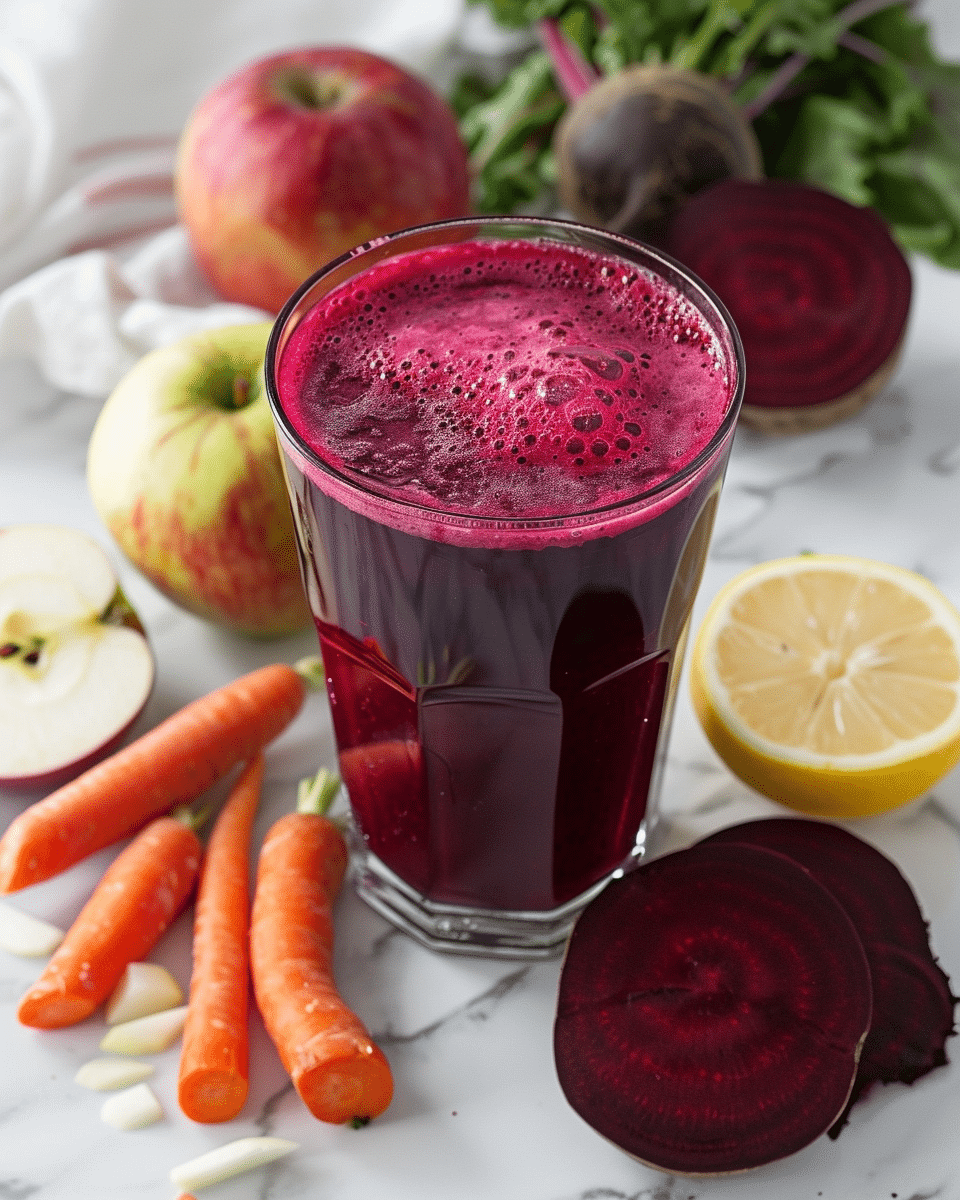
Beet Juice Benefits & Recipes: The Bright Superfood Drink Guide
Beet juice is one of the most powerful, colorful, and underrated wellness drinks you can add to your routine. In just one glass, beet juice delivers natural nitrates for circulation, antioxidants for cellular protection, and a surprising amount of essential vitamins and minerals. Because it has a naturally earthy flavor, many people feel unsure about how to enjoy it on a daily basis..
However, with the right combinations, you can turn this vibrant red drink into a crave‑worthy staple that supports energy, exercise performance, digestion, and heart health.
If you already love nutrient‑dense drinks like smoothies or wellness shots, such as the recipes shared in this site’s wellness shot juice recipes and benefits, you will find beet juice fits right in with your healthy lifestyle. In this long‑form guide, you will learn what makes beet juice unique, how to juice and store it properly, the science behind its benefits, and several flavor‑boosting combinations. By the end, you will know exactly how to make beet juice part of your daily routine in a practical and delicious way.
Table of Contents
What Is Beet Juice? Origins, Types, and Nutrition
Understanding Beet Juice and Why It Stands Out
Beet juice comes from the root vegetable beetroot, usually the red or dark purple variety known simply as “beets” in American grocery stores. When you juice raw beets, you separate the fiber from a deeply pigmented liquid rich in betalains, nitrates, potassium, folate, vitamin C, and manganese. Unlike many fruit juices that mainly provide sugar, beet juice delivers a more complex nutrition profile that supports cardiovascular and metabolic health.
Historically, people used beets both as food and medicine; ancient Romans consumed beets for digestion and blood‑related issues, while Eastern European cuisine often includes beets in soups and fermented drinks. Today, this juice appears in wellness bars, juice cleanses, and functional beverages aimed at athletes and health‑conscious consumers. Because beet juice is concentrated, a small serving, often 4 to 8 ounces, is enough to feel the benefits without overwhelming your palate. You can juice red, golden, or even striped Chioggia beets, but red beet juice remains the most studied and widely used for health benefits.
Key Nutrients and Beetroot Juice Variations
Nutritionally, this juice stands out because it offers natural dietary nitrates that convert into nitric oxide in the body. This compound helps relax blood vessels, which may support healthy blood pressure and better circulation. In addition, beet juice contains betalain pigments, especially betacyanins, which act as potent antioxidants with anti‑inflammatory potential.
While exact values vary with beet size and variety, a typical 8‑ounce serving offers about 100 calories, 20–25 grams of carbohydrates, and small but meaningful amounts of potassium, folate, magnesium, iron, and vitamin C. Some people choose pure beet juice, while others mix it with carrot juice, apple juice, or citrus to balance the earthy taste. You can also find fermented beet beverages like beet kvass that offer probiotic benefits, or powdered beet juice concentrates commonly used in pre‑workout supplements and wellness shots.
These variations make beet juice flexible: you can sip it straight, blend it into smoothies, or combine it with other vegetables and fruits for a more complex flavor, similar to how you might build layers of taste in salads like a citrus fennel avocado winter salad.
Beet Juice Health Benefits – What Science Says
Circulation, Blood Pressure, and Heart Health
One of the most researched benefits of beet juice involves cardiovascular health. The naturally occurring nitrates in beets convert into nitric oxide in your body, which helps dilate blood vessels and improve blood flow. Several controlled studies show that drinking beet juice can lead to modest but measurable reductions in blood pressure, particularly in people with elevated but not yet medicated hypertension. Because better circulation means more oxygen and nutrients delivered to tissues, beet juice may support heart efficiency and long‑term vascular health.
The potassium in it further supports normal blood pressure and fluid balance, while its antioxidants help fight oxidative stress that can damage blood vessels over time. Of course, beet juice does not replace medications or a balanced diet, but it can act as a powerful supportive food. When enjoyed alongside other high‑fiber, plant‑forward meals, like a warm lentil and roasted vegetable salad, beet juice fits well into a heart‑smart lifestyle.
Energy, Endurance, and Exercise Performance
Beet juice also attracts athletes and fitness enthusiasts because of its potential performance‑enhancing effects. The same nitric‑oxide‑boosting action that supports cardiovascular health also improves how efficiently your body uses oxygen during exercise. Research suggests that consuming it 90 minutes to 3 hours before endurance activities can lower the oxygen cost of exercise, helping you maintain the same pace with less perceived effort.
Runners, cyclists, and swimmers often experiment with beet juice shots or concentrated beetroot juice drinks as a natural alternative to synthetic pre‑workout products. Beyond endurance, better blood flow may support faster recovery by delivering nutrients and clearing metabolic byproducts more effectively. The carbohydrates in this juice also provide a quick source of fuel, while its antioxidants may help counter some exercise‑induced oxidative stress. While not everyone responds the same way, many athletes report feeling improved stamina and “cleaner” energy when they incorporate beet juice regularly, especially when combined with a nutrient‑dense diet full of vegetables, whole grains, and balanced protein.
Print
Everyday Beet Juice (Beet + Carrot + Apple + Lemon)
Description
This everyday beet juice recipe is bright, refreshing, and easy to love—made with beets, carrots, apple, and lemon for a balanced flavor and a wellness-friendly boost.
Ingredients
2 medium beets (scrubbed, peeled if desired)
2 medium carrots (washed)
1 crisp apple (cored)
1–2 tablespoons fresh lemon juice
Optional: 1-inch piece fresh ginger
Optional (blender method): 1/2 to 3/4 cup water
Instructions
Juicer method: Cut beets, carrots, and apple into chunks that fit your juicer.
Juice the beets, carrots, and apple according to your machine instructions.
Stir in fresh lemon juice (and ginger juice if using).
Pour into a glass and serve immediately, or chill briefly.
Blender method: Chop ingredients small and add to blender with water.
Blend until completely smooth, then strain through a nut milk bag or fine mesh sieve.
Stir in lemon juice, pour, and serve.
Notes
Start with a small serving (4 oz) if you’re new to beet juice, then increase up to 8 oz.
Store in a sealed glass jar in the fridge up to 24 hours for best flavor and color.
Expect natural pink/red urine or stool (beeturia)—it’s usually harmless.
How to Make Beet Juice at Home, Methods and Tools
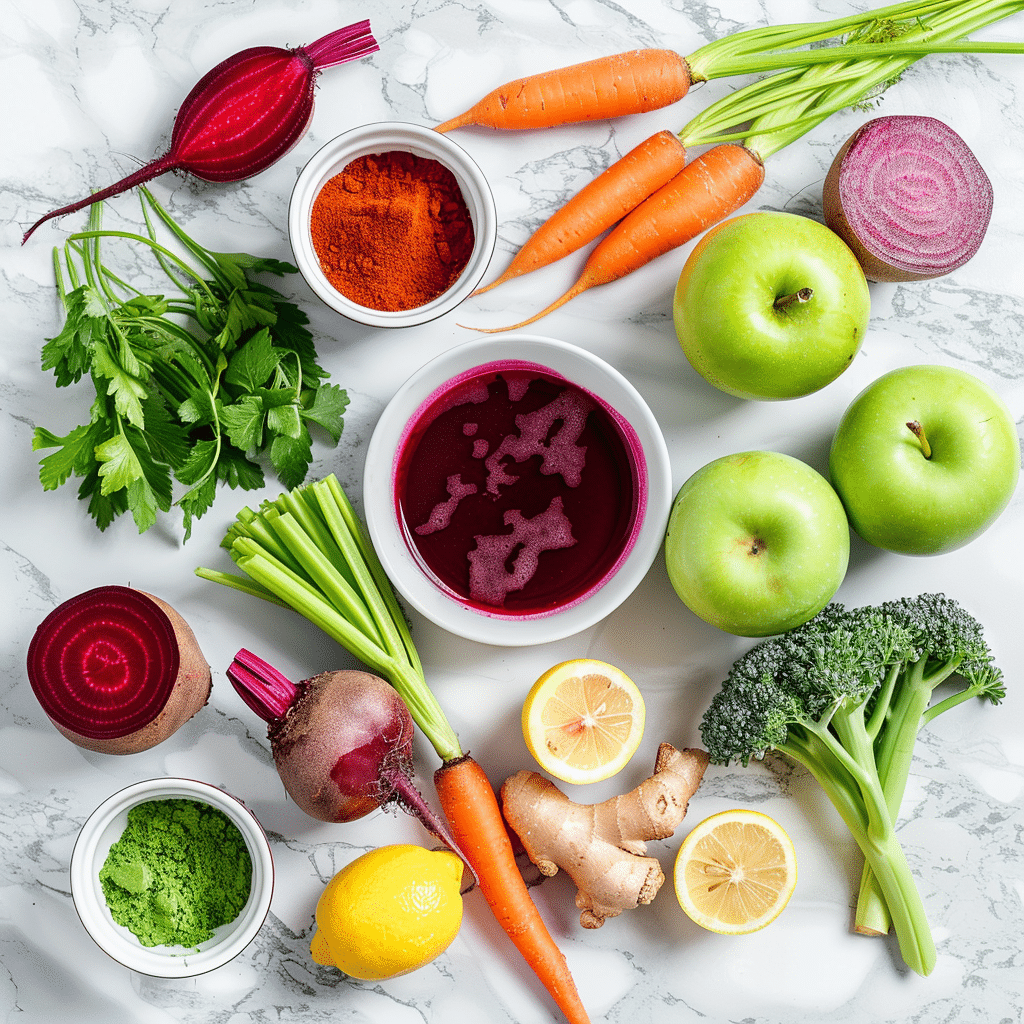
Juicer vs. Blender: Best Ways to Extract Beet Juice
You can make it at home with either a juicer or a blender, and both methods work well if you follow a few key tips. A masticating or slow juicer tends to yield more juice and preserve delicate nutrients because it produces less heat and oxidation. You simply scrub or peel the beets, cut them into chunks, and feed them through the machine. The juicer separates the pulp from the liquid, leaving you with a smooth, concentrated beetroot juice that you can drink straight or mix with other juices. If you only own a blender, you can still create excellent beet juice.
Chop raw beets into small pieces, then blend with a bit of water, apple, or carrot to help the blades move. Once you have a thick puree, strain the mixture through a nut‑milk bag, fine mesh strainer, or cheesecloth to remove most of the fiber. This extra step takes a bit more time but lets you enjoy beet juice without purchasing new equipment.
Preparing, Peeling, and Combining Ingredients
Before juicing, always wash beets thoroughly to remove dirt and grit. You can leave the thin skin on if the beets are organic and well‑scrubbed, but peeling reduces bitterness and any earthy aftertaste. Trim off the tops and stringy root ends. If the beet greens look fresh and vibrant, save them for sautéing or blending into green smoothies for extra nutrients. When you first start making beet juice, it helps to combine beets with sweeter or more aromatic ingredients. Apples, oranges, lemons, carrots, ginger, and celery all blend beautifully with beets and can create more balanced flavors.
For example, a simple starter combination could include 2 medium beets, 2 carrots, 1 apple, and a small knob of ginger. This mix delivers natural sweetness, a touch of spice, and layered nutrition. Chop everything into similar‑sized pieces so your juicer or blender handles the ingredients evenly. Because beet pigments stain easily, consider wearing an apron and wiping down surfaces promptly after juicing to keep cleanup manageable.
Flavor Pairings, Making Beet Juice Taste Amazing
Balancing Earthiness with Fruits, Citrus, and Herbs
The biggest obstacle for many people is the earthy, slightly “rooty” flavor of pure beet juice. However, you can transform that flavor profile quickly with the right pairings. Sweet fruits like apples, pears, pineapple, and oranges help mellow the earthiness and add a bright, familiar taste. Citrus juices, especially lemon and lime, cut through any heaviness and amplify freshness, much like the way citrus lifts the flavors in salads such as a panzanella salad recipe.
For an aromatic twist, you can add mint, basil, or even a little rosemary to your juice. These herbs bring a cooling or savory note that makes the drink feel more refined than a simple vegetable juice. If you prefer subtle sweetness, carrots or sweet potatoes also integrate well with beet juice. As you experiment, keep a rough ratio of 1 part beet to 2 or 3 parts milder ingredients, then adjust based on your taste preference.
Spices, Roots, and Functional Add‑Ins
Beyond fruits and herbs, spices and roots deepen the complexity of beet juice and provide extra health benefits. Fresh ginger root is a classic partner: it adds warmth, helps digestion, and gives a pleasant kick that balances sweetness. Turmeric root or powder contributes a golden hue and anti‑inflammatory properties, although you will want to add a pinch of black pepper to maximize turmeric’s active component, curcumin.
You can also experiment with cinnamon, cardamom, or a dash of cayenne pepper for a subtle heat. For functional add‑ins, consider chia seeds or ground flax after juicing; they add omega‑3 fats and fiber while slightly thickening the drink. A splash of coconut water lightens the flavor and adds electrolytes, particularly useful after workouts. If you enjoy smoothies, you can blend beet juice with banana and berries for a creamy, nutrient‑dense drink, similar to a more vegetable‑forward twist on a strawberry banana smoothie recipe. These add‑ins help make beet juice an enjoyable daily ritual rather than just a “health shot” you have to force down.
Step‑By‑Step Beet Juice Recipes and a Nutrition Snapshot
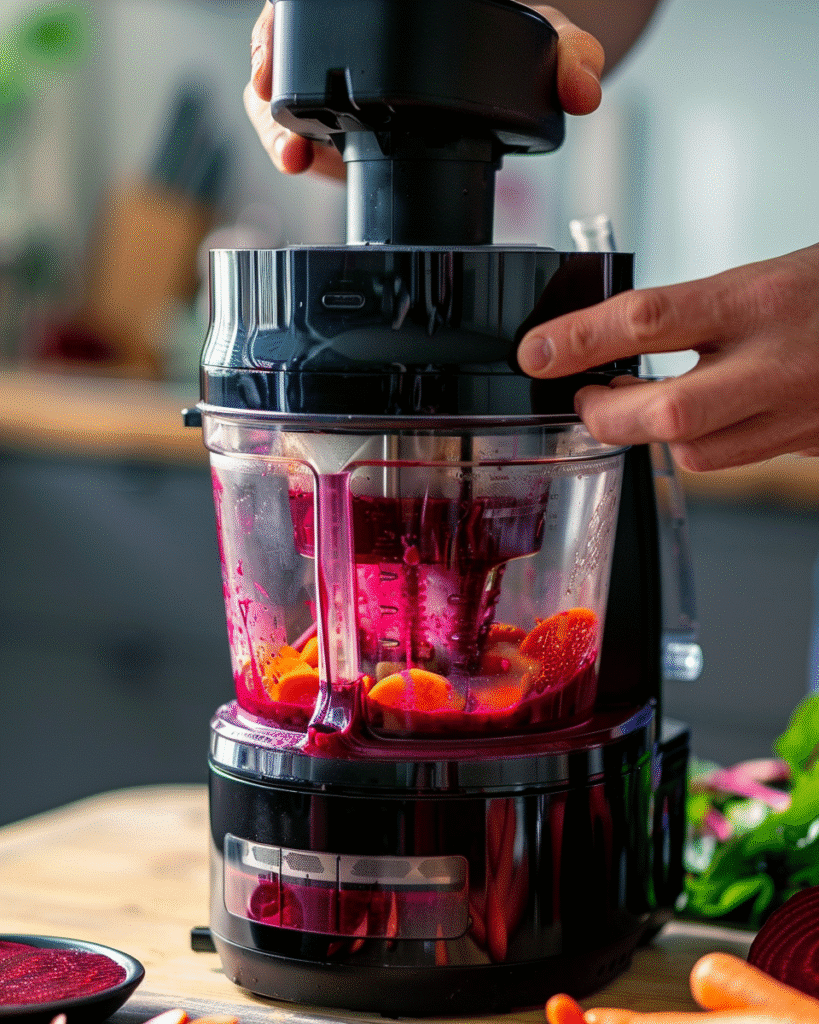
Simple Everyday Beet Juice Recipe
To make beet juice part of your routine, it helps to start with a reliable base recipe you can tweak as needed. Here is a straightforward everyday blend: 2 medium beets (peeled if desired), 2 medium carrots, 1 crisp apple, and 1–2 tablespoons of fresh lemon juice. If using a juicer, process the beets, carrots, and apple according to your machine’s instructions, then stir in the lemon juice at the end.
If using a blender, combine all ingredients with ½–¾ cup water, blend until smooth, then strain. This recipe yields about 12–16 ounces, enough for one large or two small servings. You can refrigerate leftovers in a sealed glass jar for up to 24 hours, though the flavor and nutrient profile shine brightest when consumed fresh. Over time, you can adjust the ratio: add more beet for stronger color and earthiness, or more apple and lemon for a brighter juice. Once you feel comfortable, try variations with ginger, orange, or celery to suit seasonal preferences.
Beet Juice Nutrition Table and Serving Ideas
To better understand what you get per glass, here is an approximate nutrient snapshot for an 8‑ounce serving of mixed beetroot juice (beet, carrot, apple, lemon). Values can vary by produce size and juicing method, but this gives a general idea:
| Nutrient | Approx. Amount per 8 oz | Key Benefit |
|---|---|---|
| Calories | 90–110 kcal | Quick energy source |
| Total Carbohydrates | 22–26 g | Fuel for brain and muscles |
| Potassium | 350–450 mg | Supports blood pressure balance |
| Folate | 80–120 mcg | Cell growth and repair |
| Vitamin C | 8–15 mg | Immune and skin health |
| Dietary Nitrates | 250–400 mg | Improved circulation, nitric oxide |
You can enjoy this beet juice in the morning to kickstart your day, as a mid‑afternoon pick‑me‑up, or 1–3 hours before exercise to support performance. Pair it with a hearty salad or grain bowl for a balanced meal, or sip it alongside plant‑rich dishes like a cranberry apple quinoa winter salad for a colorful, nutrient‑dense plate.
When and How Much Beet Juice to Drink Safely
Ideal Timing for Beet Juice During the Day
The best time to drink beet juice depends on your goals and how your body responds. If you want general wellness benefits like better circulation and antioxidant support, morning works well because you start the day hydrated and energized. Many people enjoy beet juice on an empty or semi‑empty stomach, then follow with a balanced breakfast about 20–30 minutes later. If your focus is exercise performance, aim to drink beet juice 90 minutes to 3 hours before your workout.
This window allows time for dietary nitrates to convert into nitric oxide and produce measurable effects on blood flow and endurance. For people who are sensitive to sugar or experience energy crashes, pairing beet juice with a snack containing protein and healthy fats, like a handful of nuts, can moderate blood sugar response. Evening consumption works too, but avoid large servings right before bed if you tend to wake up at night to use the bathroom, since beet juice adds extra fluids.
Recommended Serving Sizes and Safety Considerations
Most research on beet juice uses servings between 4 and 16 ounces per day. For general use, starting with 4 ounces (about 120 ml) and gradually increasing up to 8 ounces (about 240 ml) allows you to monitor your body’s response without overdoing it. Because beet juice is concentrated and naturally high in oxalates, people prone to kidney stones or with specific kidney concerns should talk with a healthcare professional before making it a daily habit.
Also, beet juice can temporarily turn urine or stools pink or reddish, this harmless effect, called beeturia, can surprise you if you do not expect it. Those with low blood pressure or on medications that affect blood pressure should also use caution, since beet juice may further reduce blood pressure. If you feel lightheaded, dizzy, or unwell after drinking beet juice, reduce your serving size or frequency. Listening to your body and consulting your doctor when in doubt is the safest way to enjoy beet juice as part of a long‑term wellness routine.
Storing, Freezing, and Meal‑Prepping Beet Juice
Short‑Term Storage for Freshness and Flavor
Fresh beet juice tastes best and retains the most active nutrients when you drink it soon after preparation, but life does not always allow daily juicing. For short‑term storage, pour your juice into airtight glass containers, leaving as little air space as possible to reduce oxidation. Mason jars or glass bottles with tight‑fitting lids work well. Store them in the coldest part of your refrigerator rather than in the door, which experiences more temperature fluctuations.
Generally, beet juice keeps good quality for 24 hours, and up to 48 hours if your juicer minimizes heat and air exposure. Shake or stir the juice before drinking to redistribute any settled components. To limit nutrient loss from light exposure, choose amber or opaque bottles when available. If you plan to store juice regularly, consider prepping smaller portions so you can open only what you need each time, which helps maintain taste and color. Always check for off smells, bubbling, or separation that looks unusual before drinking, and discard if you have any doubt.
Freezing Beet Juice and Batch Prep Strategies
For longer storage, freezing beet juice can be very effective. After juicing, pour the liquid into silicone ice cube trays or small freezer‑safe containers, leaving a bit of room at the top for expansion. Once frozen, transfer beet juice cubes to labeled freezer bags. These cubes keep for 1–3 months without major quality loss and give you flexible portions for smoothies, quick wellness shots, or recipe add‑ins.
To use, simply thaw in the refrigerator overnight or drop a few cubes directly into a blender with fruit and liquid. Batch prepping once or twice a week can also streamline your routine. You might, for example, juice a mix of beets, carrots, and apples on Sunday, refrigerate a 1‑day supply, and freeze the rest in cubes for later in the week. This approach saves time while still offering most of the nutritional benefits of fresh juice. As you plan your meals, think of beet juice just like a prepared sauce or broth, ready to pour into your day whenever you need a bright, nourishing boost.
Beet Juice in Recipes, Beyond the Glass
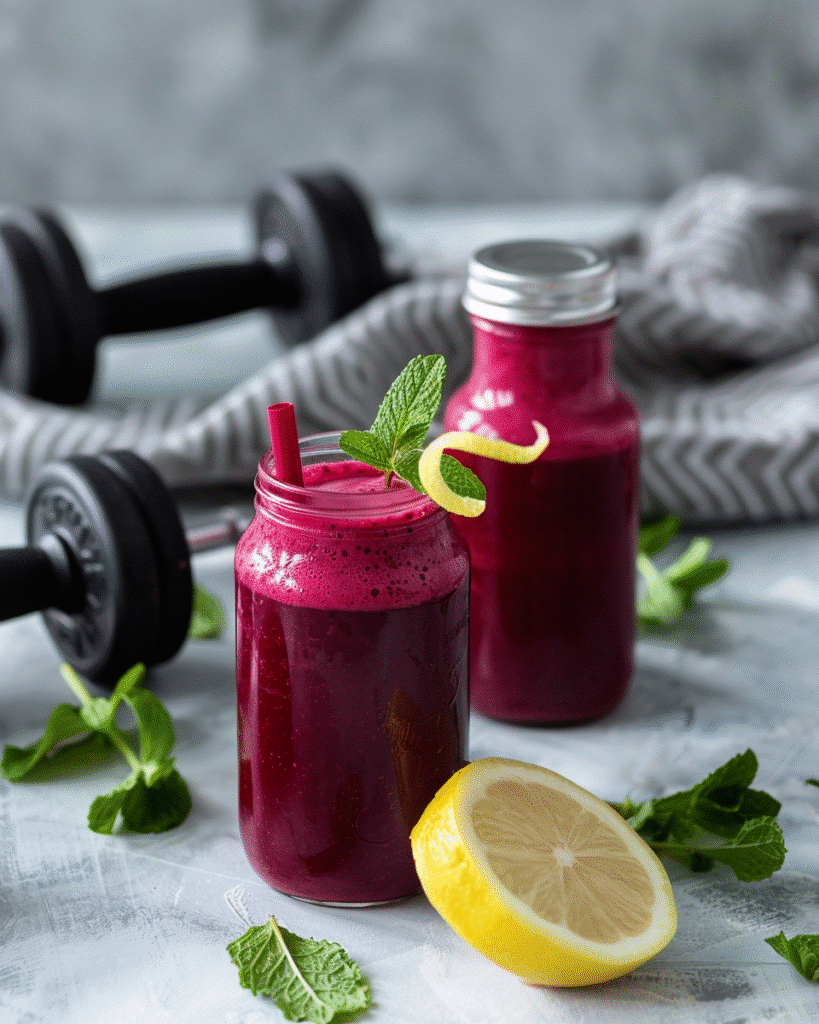
Smoothies, Bowls, and Creative Breakfast Ideas
Beet juice does not need to stay in a plain glass. You can use it to upgrade smoothies, breakfast bowls, and even oatmeal. Adding ¼ to ½ cup of beet juice to a fruit smoothie intensifies color and nutrition without overpowering flavor, especially if you combine it with berries, banana, or mango. For instance, you can create a vibrant pink smoothie by blending beet juice with frozen strawberries, banana, Greek yogurt, and a little honey.
This approach mirrors the creamy, satisfying feel of a traditional smoothie like a kale salad recipe pairs greens with rich toppings, but in sip form with more beets. You can also cook rolled oats in a mixture of water and beet juice, then top with nuts, seeds, and sliced fruit. The oats turn a beautiful rosy color and gain a subtle sweetness. Beet juice can even serve as a base for chia pudding, where you mix it with plant‑based milk and chia seeds, then chill until thickened. These breakfast options help you front‑load your day with antioxidants and natural energy.
Sauces, Dressings, and Savory Dishes with Beet Juice
Beyond sweet recipes, beet juice fits many savory applications. Its deep color and earthiness make it a striking base for salad dressings, grain bowl drizzles, and even light sauces for roasted vegetables. You can whisk beet juice with olive oil, lemon juice, Dijon mustard, garlic, salt, and pepper to create a bright vinaigrette that pairs perfectly with sturdy greens, roasted root vegetables, or whole‑grain salads. The result echoes the kind of colorful, nutrient‑dense combinations found in dishes like a Brussels sprout salad recipe guide.
Beet juice also enhances hummus and yogurt dips: just stir a few tablespoons into your favorite recipe for a pink hue and extra nutrients. For grain dishes, cook quinoa or couscous in a mixture of water and beet juice to infuse color and subtle flavor, then toss with herbs, citrus, and toasted nuts. Even marinades can benefit; combining beet juice with vinegar, garlic, and spices can help tenderize lean proteins like chicken or tofu while adding natural sweetness and color.
Troubleshooting Beet Juice, Common Mistakes and Fixes
Taste, Texture, and Digestive Discomfort Issues
When you first start with beet juice, you might encounter problems like overly earthy flavor, thick texture, or mild digestive discomfort. If the taste seems too strong, dilute the juice with water or coconut water, or increase the proportion of apples, carrots, or citrus until you adjust. You can always slowly add more beet as your palate adapts. For texture issues, especially if using a blender, make sure you strain the mixture thoroughly through a fine sieve or nut‑milk bag, squeezing gently to extract liquid while leaving fibrous pulp behind.
If you feel mild bloating or stomach discomfort, reduce your serving size to 2–4 ounces at a time and drink it more slowly, ideally with or shortly after a small snack. Sometimes the combination of concentrated natural sugars and low fiber can feel intense for sensitive stomachs, so gradual introduction works best. Staying well‑hydrated throughout the day also helps your body process the additional nutrients and natural compounds in beet juice more comfortably.
Staining, Storage Failures, and Overuse Concerns
Beet juice’s rich pigment can stain countertops, cutting boards, clothes, and even skin, but quick cleanup and simple prevention reduce the mess. Use a dedicated cutting board for beets, preferably darker or plastic, and rinse knives and tools immediately after use. Wearing an apron or darker clothing while juicing protects against splashes. For containers, glass washes clean easily, while some plastic bottles may retain a pink tint over time. Storage failures usually come from leaving juice at room temperature too long or not sealing containers tightly.
Always refrigerate promptly and discard any juice that smells sour or fermented unless you intentionally created a probiotic beverage. Overuse of this juice can cause issues like digestive upset, increased oxalate load, or excessively low blood pressure in susceptible people. Treat beet juice as a potent functional drink rather than an all‑you‑can‑drink beverage. Rotating it with other nutritious options, like vegetable‑packed salads, wholesome casseroles such as a green bean casserole recipe, and balanced main dishescreates a more sustainable, varied, and enjoyable approach to wellness.
For more seasonal salad inspirations, check out my Pinterest.
Frequently Asked Questions About this Juice
Is it OK to drink beet juice every day?
Daily juice can be safe and beneficial for many people, as long as you pay attention to portion size and your personal health context. Most experts suggest starting with 4 ounces per day and gradually increasing to 8 ounces if you tolerate it well. This amount offers a meaningful dose of nitrates, antioxidants, and potassium without overloading your system. However, individuals with kidney issues, a history of kidney stones, or those on certain medications, especially for blood pressure, should speak with a healthcare provider before turning daily beet juice into a habit. Also, monitor how you feel: if you notice digestive discomfort, fatigue, or dizziness, reduce your intake and see if symptoms improve. Combined with a diverse, plant‑rich diet, moderate daily beet juice can support heart health, circulation, and energy as part of an overall lifestyle.
Who should not drink beet juice?
Some groups need to be cautious or avoid this juice entirely. People with chronic kidney disease or a history of calcium oxalate kidney stones may need to limit high‑oxalate foods, including beets, since concentrated juice can increase oxalate load. Individuals with very low blood pressure or those taking medications like nitrates or blood pressure drugs should use it carefully because it may further lower blood pressure. If you have diabetes or blood sugar concerns, you may still enjoy it in moderation, but you should monitor glucose levels and avoid large servings due to its natural sugars. Anyone with a known allergy to beets or related plants should obviously avoid beet juice. Pregnant and breastfeeding individuals can often enjoy beet juice as part of a balanced diet, but talking with a healthcare professional about the appropriate amount is wise, particularly if you plan to drink it frequently.
How much beet juice is safe to drink per day?
For most healthy adults, 4–8 ounces (120–240 ml) of beet juice per day falls within a generally safe and effective range. Research on blood pressure and exercise performance often uses 8–16 ounces, but such higher doses are usually short term and closely monitored. If you are new to beet juice, start with 2–4 ounces to see how your body responds, then gradually increase to your preferred amount. You do not need a very large volume to benefit from the natural nitrates and antioxidants. Spreading your intake throughout the week instead of consuming huge quantities in one day also supports better balance. If you have medical conditions, especially kidney issues, cardiovascular disease, or blood pressure concerns, consult your doctor about a personalized safe amount. Remember that beet juice should complement, not replace, other nutrient‑dense foods like vegetables, whole grains, and protein sources.
Should you drink beet juice on an empty stomach?
Many people like to drink it on an empty stomach in the morning because it feels energizing and may be absorbed more quickly. This approach can work well for those with robust digestion, especially if the serving size stays in the 4–8 ounce range. However, some individuals experience mild nausea, cramping, or lightheadedness when they drink concentrated juices without food. If that happens to you, try enjoying this juice after a small snack, such as nuts, yogurt, or whole‑grain toast. Pairing it with a bit of protein and fat can steady blood sugar and help your body handle the natural sugars more comfortably. For exercise purposes, drinking beet juice 1–3 hours before your workout, with or without a light snack depending on your tolerance, often provides the best combination of performance support and digestive comfort.
Can I drink beet juice at night?
You can drink it at night, but it may or may not suit your routine. It does not contain caffeine, so it will not stimulate your nervous system like coffee or tea. However, its natural sugars and energizing effect can make some people feel more alert temporarily. If you are sensitive, you might prefer to finish your juice at least a couple of hours before bedtime. Because it adds extra fluid, late‑night servings can increase nighttime bathroom trips, which might disrupt sleep. If you want the circulation and recovery benefits after an evening workout, consider a smaller amount, around 4 ounces, combined with a balanced dinner that includes protein, healthy fats, and fiber. This way, you can support muscle repair and blood flow without overwhelming your system right before sleep. As always, observe how your body responds and adjust timing accordingly.
What happens if you drink beet juice every day?
Drinking it daily, in moderate amounts, can lead to several noticeable changes. Some people report improved stamina, easier workouts, and better recovery, likely due to enhanced circulation and oxygen utilization. Others notice more regular digestion and a general boost in vitality, which may come from consistent antioxidant and micronutrient intake. You might also see a natural pink or reddish tint in urine or stools, known as beeturia; this is usually harmless but can be surprising. Over time, daily juice may contribute to modest blood pressure improvements in people with elevated readings, especially when combined with a heart‑healthy diet. However, drinking too much can cause digestive upset, increase oxalate exposure, or interact with medications. Keeping your daily serving to around 4–8 ounces and pairing beet juice with diverse, whole foods allows you to harvest benefits while minimizing potential downsides.
Is beet juice better than eating whole beets?
this juice and whole beets each have advantages, and neither is strictly “better.” it provides a concentrated, easily absorbed dose of nutrients and dietary nitrates without the bulk of fiber. This concentration makes it particularly effective for short‑term goals like exercise performance or targeted blood pressure support. On the other hand, whole beets supply fiber that supports digestion, satiety, and blood sugar balance. Fiber also feeds beneficial gut bacteria, which play a major role in overall health. When you eat roasted, steamed, or raw beets in salads and grain bowls, you gain a slow, steady release of energy and longer‑lasting fullness. Ideally, you can incorporate both juice and whole beets into your diet. Use beet juice as a potent functional drink a few times a week and enjoy whole beets in meals like salads, side dishes, or even main courses for fiber and broader nutritional benefits.