
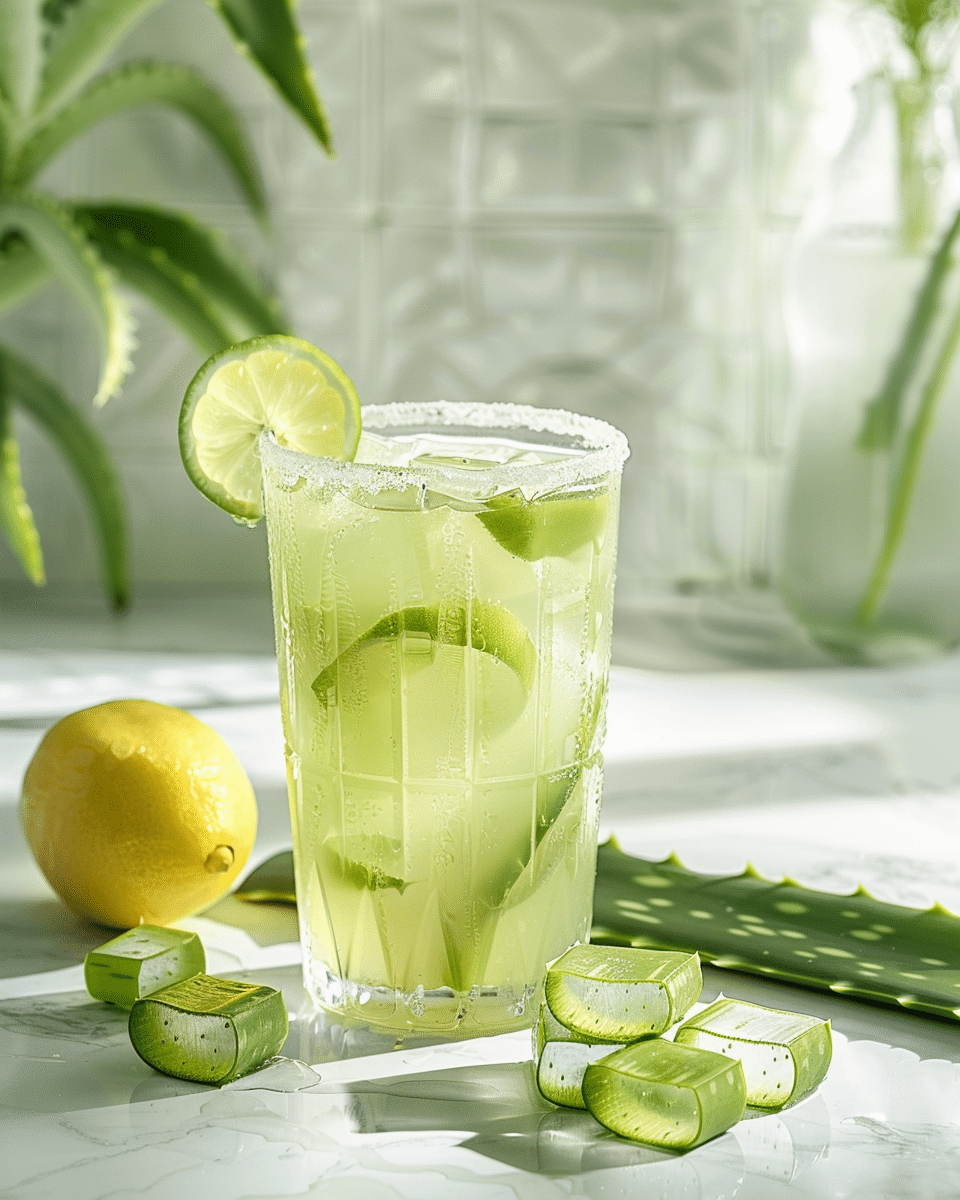
Aloe Vera Juice Benefits, Uses, and Recipes You’ll Love
Aloe vera juice has moved from the wellness fringe into the everyday kitchens of people who want simple, natural ways to support digestion, hydration, and skin health from the inside out. This refreshing, slightly tangy drink comes from the inner gel of the aloe leaf, and you can enjoy it on its own or mixed into smoothies, wellness shots, and even salad-friendly drinks. Because aloe vera juice fits so easily into a real-food lifestyle, it pairs well with recipes you might already love, such as a bright wellness shot juice or a fruity breakfast smoothie.
While many people know aloe as the “sunburn plant,” drinking aloe vera juice offers a different set of benefits. It may help soothe the digestive system, support gentle detox, and contribute to glowing skin by keeping you hydrated and nourished. At the same time, aloe is powerful, so you must choose high-quality juice, understand how much to drink, and know who should avoid it. In this complete guide, you’ll learn what aloe vera juice is, how it works in the body, the science-backed benefits, potential side effects, how to choose the best products, and exactly how to use it in everyday recipes and routines.
Table of Contents
What Is Aloe Vera Juice?
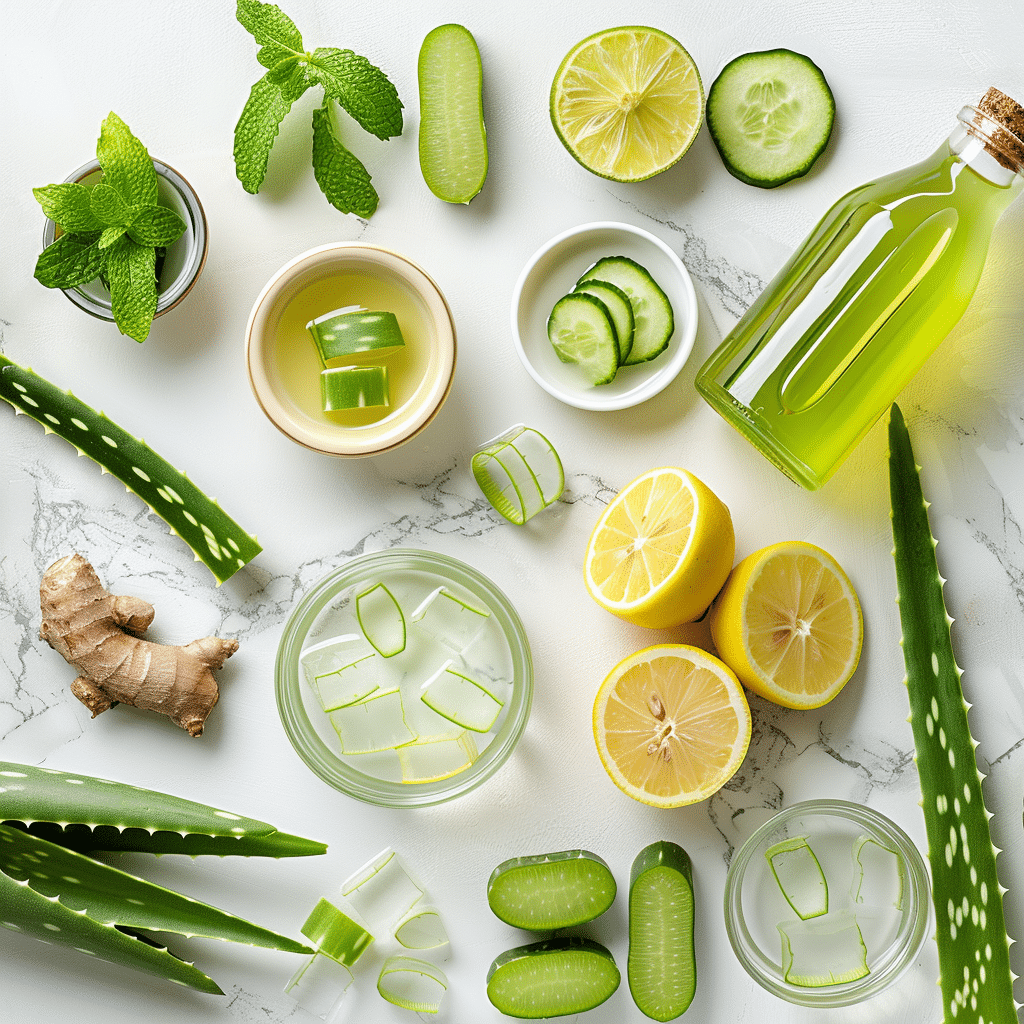
Aloe Vera Juice Explained: From Plant to Glass
Aloe vera juice comes from the thick, fleshy leaves of the Aloe barbadensis miller plant, a succulent that stores water in its leaves. Inside each leaf, there are three main parts: the outer green rind, the bitter yellow latex layer just beneath it, and the clear inner gel. Aloe vera juice usually comes from that inner gel, which manufacturers press, filter, and sometimes pasteurize into a drinkable liquid. When made correctly, aloe vera juice contains vitamins, minerals, amino acids, and plant compounds such as polysaccharides that may support overall health.
Not all aloe products are the same, though. Some include part of the latex layer, which contains anthraquinones like aloin. These compounds can act as harsh laxatives and may cause cramping or diarrhea. Because of this, reputable brands usually remove or filter out the latex and label their products as “decolorized” or “purified.” As you explore aloe vera juice, always look for brands that publish lab testing and confirm low aloin content. This gives you the gentle hydration and digestive support many people want without the strong laxative effect that creates most of the horror stories around aloe drinks.
Aloe Vera Gel vs Aloe Vera Juice: Key Differences
People often confuse aloe vera gel and aloe vera juice, but they serve different purposes. Aloe gel is typically thicker and used topically on the skin, especially for burns, irritation, or dryness. You can also buy drinkable gels, but they maintain a more viscous texture and sometimes contain added thickeners. Aloe vera juice, on the other hand, is a more fluid liquid that you can sip like water or mix into smoothies, mocktails, or wellness shots. It usually has a mild, slightly bitter taste and a thin consistency that blends easily with other ingredients.
Another key difference lies in processing. Aloe vera juice is often filtered, decolorized, and pasteurized for stability, while topical aloe gel may include stabilizers, preservatives, or added fragrances that you should never drink. To stay safe, only consume products clearly labeled as food-grade aloe vera juice or drinking gel. You will also notice that aloe vera juice tends to appear in larger bottles labeled “inner fillet” or “whole leaf, filtered,” while skin gels come in tubes or cosmetic-style containers. Understanding these differences helps you confidently choose the right product for internal or external use and avoid accidentally drinking a cosmetic gel that contains non-edible ingredients.
Print
Aloe Vera Juice Cooler (Lemon + Ginger + Mint)
Description
This aloe vera juice cooler is light, refreshing, and easy to love—made with food-grade aloe juice, fresh lemon, ginger, and mint for a simple daily hydration and digestion-friendly drink.
Ingredients
6–8 oz food-grade aloe vera juice (latex-free / decolorized)
6–8 oz cold filtered water (or sparkling water)
1–2 tablespoons fresh lemon or lime juice
1/2 teaspoon freshly grated ginger (or 1/4 teaspoon ginger powder)
Ice, as needed
Fresh mint leaves, optional
Pinch of sea salt, optional (electrolyte boost)
Optional “Wellness Shot” version:
1 oz aloe vera juice
1 oz lemon juice
1/2 teaspoon grated ginger
1 teaspoon honey (optional)
Instructions
Add aloe vera juice, water (or sparkling water), and lemon juice to a glass or jar.
Stir in grated ginger until well mixed.
Add ice and a few mint leaves if desired.
Taste and adjust: add more lemon for brightness or a pinch of salt for electrolytes.
Serve immediately.
Wellness shot option:
Combine aloe juice, lemon juice, and ginger in a small glass.
Stir well and sip slowly.
Notes
Start small: many people begin with 1–2 oz aloe juice daily, then increase only if well tolerated.
Choose latex-free / decolorized aloe juice (low aloin) to avoid strong laxative effects.
Refrigerate opened aloe juice and use within the label’s timeframe.
If you feel cramping or loose stools, reduce the amount or stop.
Nutritional Profile of Aloe Vera Juice
Vitamins, Minerals, and Plant Compounds in Aloe Vera Juice
While aloe vera juice is low in calories, it still offers an interesting variety of micronutrients and plant compounds. A typical serving contains trace amounts of vitamins A, C, E, and some B vitamins, along with minerals like calcium, magnesium, potassium, and zinc. Although the amounts per serving may not replace a full multivitamin, they contribute to your daily intake and work alongside other nutrients in a well-rounded diet. More importantly, aloe vera juice contains polysaccharides such as acemannan, which researchers associate with immune and gut-supportive properties.
In addition to polysaccharides, aloe vera juice provides phytonutrients including antioxidants that may help combat oxidative stress. These compounds work in the background, potentially reducing the damage from everyday free radicals that come from pollution, stress, and normal metabolism. Aloe vera also contains small amounts of amino acids and enzymes that can support digestion. However, because processing varies, the exact nutrient profile differs from brand to brand. Cold-processed, minimally heated juices tend to preserve more of aloe’s natural components compared with heavily pasteurized or highly filtered products, so it pays to read labels and choose thoughtfully.
How Aloe Vera Juice Supports Hydration and Electrolytes
Hydration is one of the simplest yet most overlooked wellness tools, and aloe vera juice can support it in a gentle way. Since the aloe plant naturally stores water, the juice mimics that high-water content and offers a refreshing alternative to plain water. Many commercial aloe drinks contain electrolytes such as potassium, calcium, and magnesium, which play important roles in nerve signaling, muscle function, and fluid balance. These minerals can help your body retain water in the right places rather than just flushing it out quickly.
When you add aloe vera juice to your routine, you essentially drink structured water that carries trace minerals and plant compounds. This can be especially helpful in warm weather, after a sweaty workout, or if you follow a high-fiber diet that demands adequate fluids. However, you should still build your hydration foundation with water and use aloe vera juice as an add-on rather than a replacement. By pairing aloe drinks with hydrating foods like cucumbers, leafy greens, and juicy fruits, think recipes such as a crisp citrus fennel avocado winter salad, you create a hydrating pattern that works from both your plate and your glass.
Aloe Vera Juice and Digestive Health
Soothing the Gut: Potential Benefits for Digestion
One of the most common reasons people start drinking aloe vera juice is to support digestion. Aloe’s inner gel has a naturally soothing texture, and many people find that sipping a small amount before or after meals feels calming to the stomach. Studies suggest that aloe vera juice may help support the intestinal lining and promote a balanced inflammatory response in the gut. This can be particularly helpful if your digestion feels easily irritated by stress, spicy foods, or inconsistent eating habits.
Aloe vera juice may also support regularity when used correctly. While the latex-derived compounds act as strong laxatives and should generally be avoided, purified aloe vera juice without significant aloin tends to work more gently. It may help soften stools and encourage smoother bowel movements simply by increasing fluid intake and offering a mild, soothing effect in the digestive tract. If you experiment with aloe for digestion, start with a small serving, like 2 to 4 ounces, and see how your body responds before increasing. Always listen to your gut reactions, since everyone’s tolerance differs.
Aloe Vera Juice for Bloating, Constipation, and Acid Balance
Many people struggle with bloating after meals, occasional constipation, or mild acid discomfort. Aloe vera juice may support all three issues when used strategically. Its hydrating, slightly alkaline nature can help dilute stomach acid in some individuals, which may relieve gentle heartburn sensations. In addition, the polysaccharides in aloe appear to support mucosal health, which can indirectly promote more comfortable digestion and reduce that heavy, “stuck” feeling after a big meal.
For constipation, aloe vera juice works best when you combine it with lifestyle changes. Pair a small daily serving with fiber-rich foods such as lentils, leafy greens, and whole grains. A hearty dish like a warm lentil and roasted vegetable salad offers fiber and minerals, while aloe juice provides added fluid and gentle gut support. You should also move your body daily and stay well-hydrated overall. If you tend toward loose stools, on the other hand, use even smaller servings and confirm that your aloe juice is free from latex-derived laxative components. As always, persistent digestive symptoms deserve personalized guidance from a health professional, especially if you plan to use aloe vera juice regularly.
Skin, Hair, and Beauty Benefits from Within
Aloe Vera Juice for Glowing Skin and Clear Complexion
You probably know aloe as a miracle gel for sunburns, but drinking aloe vera juice can support your skin from the inside as well. Because aloe provides hydration, antioxidants, and small amounts of vitamins C and E, it can contribute to a more radiant, plump complexion over time. Hydrated skin often looks smoother and more even-toned, and when you combine aloe juice with a colorful, plant-rich diet, your body gains the raw materials it needs for collagen maintenance and skin repair.
Aloe vera juice may also support a balanced inflammatory response, which plays a role in many common skin issues such as redness, irritation, and dullness. By soothing the digestive tract, aloe may indirectly benefit skin clarity, since gut health and skin health are closely linked. Many people notice that when their digestion runs smoothly and they stay hydrated, their skin becomes less reactive and more luminous. For a beauty-forward routine, you might enjoy a morning aloe drink followed by a nourishing salad like a vibrant kale salad recipe topped with seeds, avocado, and citrus for extra vitamin C.
Hair and Scalp Health with Aloe Vera Juice
A healthy scalp lays the foundation for healthy hair growth, and aloe vera’s nutrients may support both when consumed regularly as part of a balanced diet. Aloe contains trace minerals like zinc and magnesium that your body uses in hair and skin maintenance. Additionally, better hydration and improved digestion mean nutrients travel more efficiently throughout your body, including to hair follicles. Over time, this can translate into stronger strands, a better-moisturized scalp, and less flakiness.
While topical aloe scalp masks are popular, internal aloe vera juice adds another dimension. When your gut absorbs aloe’s polysaccharides and antioxidants, they support whole-body wellness rather than only acting on the skin’s surface. Some people report less itchy scalp and more manageable hair when they combine aloe drinks with a nutrient-dense eating pattern full of leafy greens, lentils, and healthy fats. Just remember that aloe vera juice alone cannot overcome poor nutrition or harsh styling practices. Use it as a supportive booster while adopting gentle hair care, regular trims, and a diet rich in protein, omega-3 fats, and colorful produce.
Immune, Anti-Inflammatory, and Detox Support
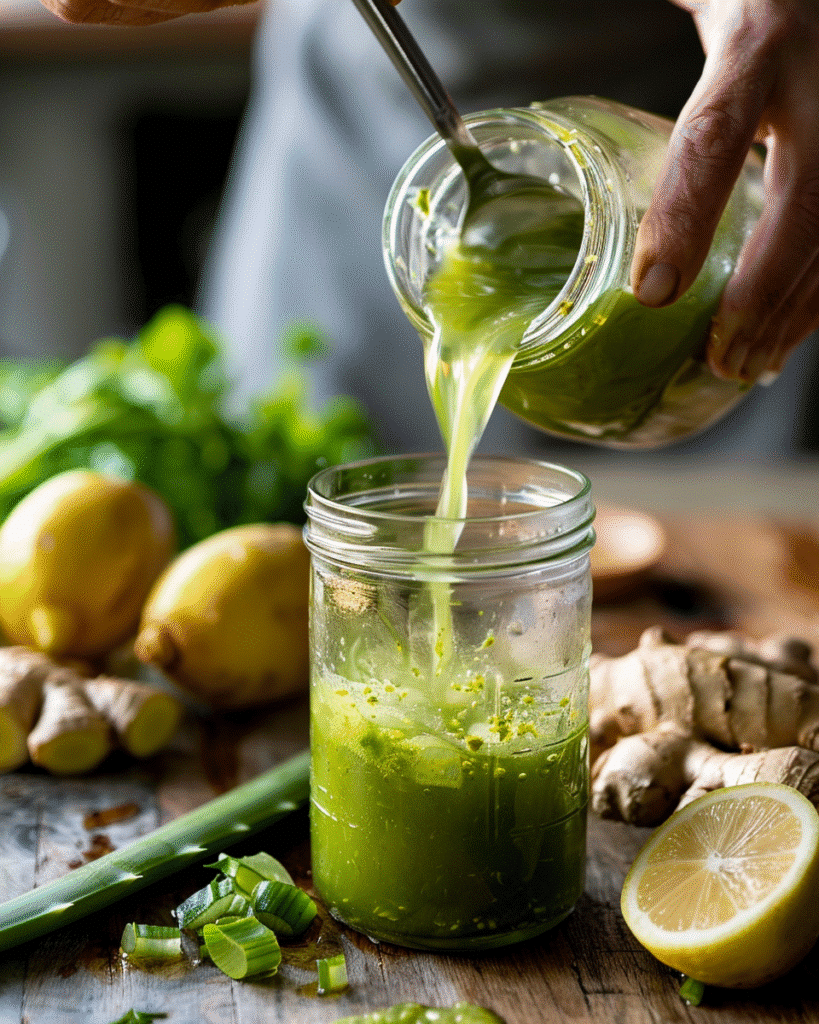
Aloe Vera Juice and Immune System Balance
Your immune system constantly scans your environment, and the choices you make in your kitchen can nudge it toward balance or overwhelm. Aloe vera juice contains bioactive compounds, especially acemannan, that researchers associate with immune-modulating effects. Instead of simply “boosting” immunity in a vague way, these compounds may help your body regulate immune responses more intelligently, supporting both defense and calm, depending on what you need in the moment.
Drinking aloe vera juice regularly, in moderate amounts, can become part of a broader immune-supportive lifestyle that includes sleep, movement, and nutrient-dense meals. Combine aloe with vitamin C–rich fruits, garlic, ginger, and leafy greens to supply the raw materials your immune cells rely on. For example, you could drink a small aloe shot in the morning and enjoy a salad packed with herbs and vegetables at lunch, like a refreshing panzanella salad recipe. Over time, this pattern supports resilience rather than relying on single “miracle” ingredients.
Gentle Detox and Liver Support with Aloe Vera Juice
Your body naturally detoxifies every day through the liver, kidneys, digestive tract, skin, and lungs. Aloe vera juice may support this process indirectly by promoting hydration, regular bowel movements, and a calmer gastrointestinal environment. When waste moves through your system efficiently and your cells stay hydrated, your liver and kidneys work with less friction. Aloe’s antioxidant content also helps neutralize free radicals that can damage liver cells over time.
Some people turn to aloe vera juice as part of short detox routines, but you do not need extreme cleanses to support your body. Instead, combine small servings of aloe juice with high-fiber, antioxidant-rich meals and plenty of water. Think of dishes like a cranberry apple quinoa winter salad that delivers fiber, phytonutrients, and complex carbs. Aloe then acts more like a gentle assistant, helping sustain hydration and digestive flow. If you have liver, kidney, or serious metabolic conditions, always check with a healthcare provider before adding concentrated aloe products, since your detox pathways may already be under medical supervision.
How to Choose, Store, and Use Aloe Vera Juice
Choosing High-Quality Aloe Vera Juice: Labels and Types
Not all aloe vera juice products offer the same quality or safety, so smart label reading is essential. First, decide between “inner fillet” and “whole leaf” juice. Inner fillet products come only from the clear gel, while whole leaf versions include the leaf rind but should be carefully filtered to remove latex. For everyday use, many people prefer inner fillet aloe juice to minimize any laxative compounds. Look for phrases such as “decolorized,” “purified,” or “latex removed,” and check that aloin levels meet safety guidelines.
Also examine the ingredient list. The cleanest aloe vera juice usually contains aloe, water, and possibly a mild preservative like citric acid. Avoid drinks loaded with added sugar, artificial flavors, or synthetic colors, especially if you plan to sip them daily. Organic certification can be a plus because aloe plants absorb what grows in their environment. Finally, choose brands that provide third-party testing or quality seals and store the bottles in the refrigerated section when required. If you enjoy making creative drinks, a plain, unsweetened aloe vera juice offers the most flexibility, allowing you to pair it with fruits, herbs, or vegetable juices.
Storing Aloe Vera Juice and Everyday Usage Tips
Proper storage keeps aloe vera juice safe and potent. Once you open a bottle, refrigerate it immediately, tightly sealed, and use it within the time frame listed on the label, often 30 to 60 days. Shake the bottle gently before each use, since natural separation can occur. Never drink aloe juice that smells sour, has changed color dramatically, or passes its expiration date. Because aloe is a natural product, fresher is always better.
In terms of daily use, start small. Many people begin with 1–2 ounces (2–4 tablespoons) mixed with water, then gradually build up to 4–8 ounces per day if tolerated and approved by their healthcare provider. You can drink aloe vera juice plain, but many people prefer mixing it into smoothies, wellness shots, or citrusy drinks to soften its slightly bitter flavor. Try pairing it with ingredients like lemon, ginger, mint, cucumber, or berries. It also blends well with breakfast recipes like a creamy strawberry banana smoothie, where the fruit sweetness masks any bitterness while you still enjoy aloe’s benefits.
Aloe Vera Juice Recipes and Serving Ideas
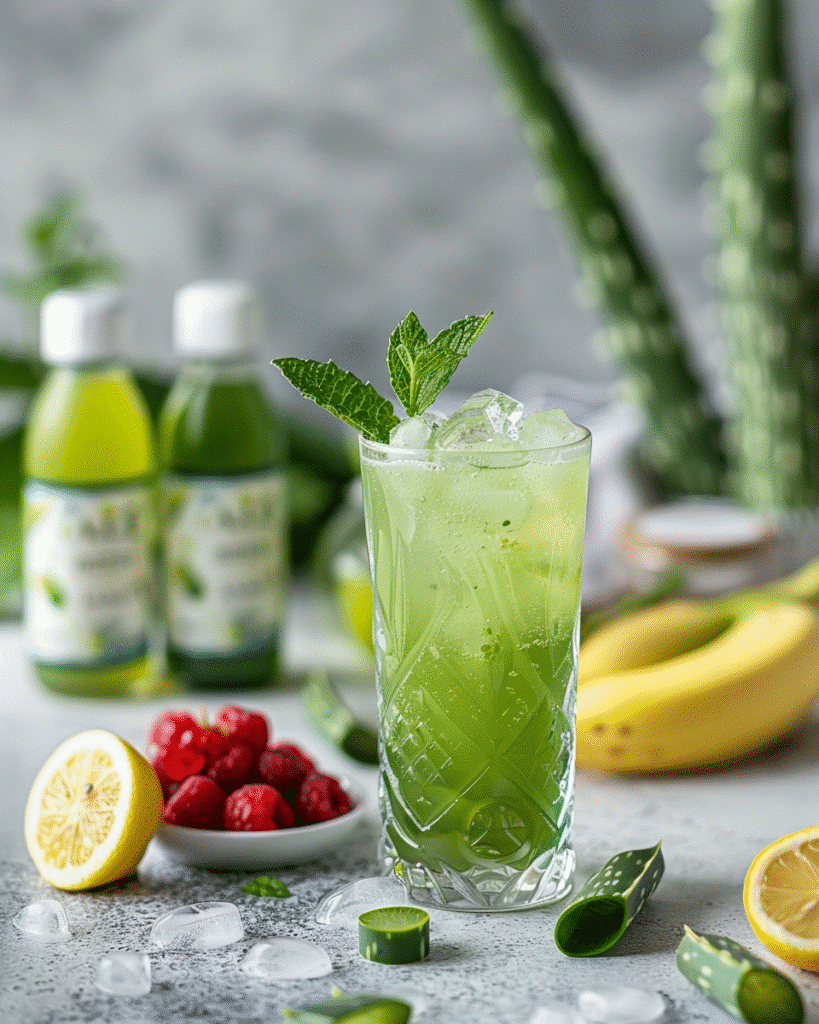
Simple Aloe Vera Juice Drinks, Mocktails, and Wellness Shots
You do not need complicated recipes to enjoy aloe vera juice. For a basic daily drink, combine 2 ounces of aloe juice with 6 to 8 ounces of filtered water, a squeeze of lemon, and a few mint leaves. Let it chill in the fridge for 10–15 minutes so the flavors meld, then sip slowly. This combination tastes bright and refreshing while staying low in sugar and calories. You can also create a hydrating mocktail by blending aloe juice with sparkling water, fresh lime, and a splash of 100% pineapple or orange juice.
Aloe works well in wellness shots too. Mix 1 ounce of aloe vera juice with 1 ounce of fresh lemon juice and a bit of grated ginger. If you prefer something slightly sweeter, add a tiny drizzle of raw honey. Drink this shot before breakfast a few times a week to wake up your digestion and support hydration. For inspiration, adapt ideas from your favorite wellness shot juice recipes by swapping part of the base liquid for aloe. The key is balance: use bold flavors like citrus and ginger to complement aloe’s earthiness rather than trying to overpower it with sugar.
Adding Aloe Vera Juice to Smoothies and Meal-Friendly Drinks
Aloe vera juice blends seamlessly into smoothies, adding hydration without overpowering the flavor. Use it as part of your liquid base, replacing some or all of the water or milk. For example, in a classic strawberry-banana blend, you might use half aloe vera juice and half water. The fruit and any yogurt or nut butter you add will mask aloe’s taste while you still benefit from its soothing properties. This method makes it easy to build aloe into your routine without thinking about it.
You can also serve aloe-based drinks alongside savory meals. For a fiber-rich lunch or dinner, like a hearty chicken taco salad, pair your plate with an aloe cooler made from aloe juice, cucumber slices, lime, and a pinch of sea salt. The added electrolytes support digestion and hydration as you enjoy a satisfying meal. Over time, experiment with different herbs (basil, cilantro, rosemary), fruits (berries, citrus, melon), and vegetables (celery, spinach) to create a rotation of aloe drinks that never feel boring.
Safety, Side Effects, and Who Should Avoid Aloe Vera Juice
Potential Side Effects and How to Use Aloe Vera Juice Safely
Although aloe vera juice offers many potential benefits, it also carries risks if misused. The most common side effects include cramping, diarrhea, and stomach discomfort, especially with products that contain significant latex or when people drink large amounts. These reactions can cause dehydration and electrolyte imbalances, which defeat the purpose of taking aloe for digestive support. To minimize risk, always choose decolorized, latex-free aloe juice and start with small servings. If you notice loose stools or sharp cramping, reduce your dose or stop altogether.
Another concern arises from long-term use of non-decolorized aloe products, which some studies link to potential liver stress or increased cancer risk in animals. While purified aloe vera juice appears safer, this research reminds you that more is not always better. Pregnant or breastfeeding women should avoid internal aloe products unless their doctor specifically approves them. Children also require extra caution. Consider aloe vera juice as a supplement to a healthy lifestyle, not a cure-all or daily megadose beverage. Respect its potency in the same way you would approach herbal medicines.
Medication Interactions and When to Talk to Your Doctor
Because aloe vera juice can affect digestion, hydration, and electrolyte balance, it may interact with certain medications. People who take drugs for blood sugar regulation, blood thinning, heart conditions, or kidney issues should consult their healthcare provider before drinking aloe regularly. Aloe’s laxative potential (especially in non-decolorized forms) may alter how quickly medications move through the gut, which can change absorption levels. In some cases, this makes drugs less effective; in others, it can increase their impact.
Always share your supplement and drink habits with your doctor or pharmacist, including aloe vera juice. If you undergo surgery or medical procedures, you may be asked to stop herbal supplements, including aloe, ahead of time. Listen to these instructions carefully. For individuals with inflammatory bowel diseases, severe digestive disorders, or chronic liver or kidney disease, professional guidance is non-negotiable. A clinician can help you weigh the potential benefits against your unique health picture and monitor any lab changes if you both decide aloe vera juice fits into your care plan.
Aloe Vera Juice in a Balanced Lifestyle
Pairing Aloe Vera Juice with Real Food Recipes
Aloe vera juice works best when it supports, rather than replaces, a nourishing eating pattern. Instead of drinking it on an empty stomach while your meals stay ultra-processed, pair aloe with colorful, whole-food recipes that deliver fiber, antioxidants, and healthy fats. For example, enjoy a small glass of aloe and citrus water before a crunchy Brussels sprout salad or a comforting green bean casserole made with plenty of real vegetables. This combination supports digestion, satiety, and balanced energy.
You can also use aloe drinks as a bridge between meals to prevent energy crashes. Instead of reaching for sugary sodas, sip aloe infused with cucumber and herbs during your mid-afternoon slump. When you crave variety, rotate aloe smoothies, mocktails, and wellness shots throughout the week. Over time, aloe vera juice simply becomes one tool in your nourishing kitchen, no more or less special than your favorite leafy greens, lentils, or spices. This grounded perspective prevents obsession and keeps wellness simple, sustainable, and enjoyable.
Building a Daily Routine with Aloe Vera Juice
If you decide aloe vera juice fits your life, create a gentle, flexible routine rather than strict rules. Many people enjoy 2–4 ounces of aloe in the morning, either on its own or blended into a light smoothie, to wake up digestion and hydrate after sleep. Others prefer a pre-lunch aloe cooler to support midday meals or a small evening serving to calm the stomach after a long day. Experiment to see which timing feels best for your body.
To track your response, note changes in digestion, skin clarity, energy, and cravings over 2–4 weeks. Also pay attention to any negative reactions, like loose stools or cramping, and adjust accordingly. Combined with habits such as regular movement, stress management, and home-cooked meals, aloe vera juice can become a quiet ally in your wellness routine. The goal is not perfection but consistency. A few simple daily rituals, drinking aloe, eating vegetables, staying hydrated, and sleeping enough, often create more lasting change than chasing the newest trends or extreme detox plans.
FAQ About Aloe Vera Juice
Is it safe to drink aloe vera juice every day?
Daily aloe vera juice can be safe for many healthy adults when you choose a high-quality, decolorized product and keep your serving moderate. Typical recommended amounts range from 2 to 8 ounces per day, but you should start on the low end and see how your body responds. Pay attention to your digestion: if you experience cramping, diarrhea, or discomfort, reduce your intake or stop. Also consider your total lifestyle. Aloe vera juice works best as part of a balanced routine that includes fiber-rich foods, adequate water, movement, and sleep. If you take medications, are pregnant, breastfeeding, or have chronic health conditions, talk to your healthcare provider before using aloe daily, since it may interact with certain drugs or be inappropriate for specific conditions.
What are the main benefits of aloe vera juice?
Aloe vera juice offers several potential benefits when used correctly. Many people drink it to soothe the digestive system, support regular bowel movements, and reduce occasional bloating. Its high water content and trace minerals help with hydration and electrolyte balance, while antioxidants and polysaccharides like acemannan may support immune function and a balanced inflammatory response. Internally, aloe may also promote skin health and a more radiant complexion by supporting hydration, gut balance, and nutrient delivery. Some people use aloe as part of gentle detox routines because it can support liver and kidney function indirectly through better hydration and regularity. However, benefits vary by person, and aloe should complement—not replace—nutrient-dense food, sleep, and medical care.
When is the best time to drink aloe vera juice?
The best time to drink aloe vera juice depends on your goals and how your body reacts. Many people like taking a small serving in the morning, about 15–30 minutes before breakfast, to wake up digestion and rehydrate after sleep. Others prefer drinking it before main meals to support digestion or between meals as a refreshing, low-sugar beverage. If you notice that aloe makes your stomach sensitive on an empty stomach, try taking it with a light snack or blended into a smoothie. For those using aloe for occasional heartburn relief, sipping a small amount after a heavy or spicy meal may feel soothing. Whatever schedule you choose, consistency matters more than exact timing, and you should always start with a low dose to test your tolerance.
How much aloe vera juice should I drink per day?
For most healthy adults, a conservative range of 2–8 ounces of aloe vera juice per day is common, but it’s wise to start at the lowest dose. Begin with 1–2 ounces (roughly 2–4 tablespoons) diluted in water or mixed into a smoothie. Stay at that level for several days to see how your body responds. If you feel fine and want additional support, you can gradually increase toward 4–8 ounces per day, divided into one or two servings. Avoid drinking large quantities, especially of non-decolorized products, because this raises the risk of diarrhea, cramping, dehydration, and potential long-term issues. Children, pregnant or breastfeeding women, and people with chronic conditions should only use aloe under professional guidance, and in many cases, smaller or no doses are recommended.
Can aloe vera juice help with weight loss?
Aloe vera juice is not a magic weight loss drink, but it can play a small supportive role in a well-rounded plan. Because it’s low in calories and often replaces sugary beverages, it may help reduce overall calorie intake when used instead of soda or sweetened juices. Aloe’s hydrating properties and potential to support digestion and regularity can make you feel lighter and less bloated, which some people interpret as weight loss. However, long-term fat loss still depends on consistent habits: eating whole, minimally processed foods, managing portions, moving your body regularly, sleeping well, and managing stress. Aloe vera juice can support these patterns by keeping you hydrated and more comfortable, but it cannot override an imbalanced diet or sedentary lifestyle.
Does aloe vera juice help with constipation?
Aloe vera has a long history of use for constipation, mainly because the latex layer in the leaf contains strong laxative compounds like aloin. However, modern guidance recommends caution with these latex-containing products due to potential side effects and safety concerns. Purified, decolorized aloe vera juice—with most latex removed—may still support regularity more gently by hydrating the colon and soothing the digestive tract. When combined with adequate water, fiber-rich foods, and movement, small amounts of latex-free aloe juice can help soften stools and encourage easier bowel movements for some people. Start with a very small serving and increase gradually, watching for any signs of cramping or diarrhea. For persistent constipation or if you rely on laxatives regularly, consult a healthcare professional before using aloe or any other remedy.
Can I drink aloe vera juice on an empty stomach?
Many people do drink aloe vera juice on an empty stomach, especially in the morning, to support digestion and hydration. For some, this feels soothing and refreshing. However, others with sensitive stomachs may experience mild discomfort if they take aloe without food. To test your response, begin with a small amount—1–2 ounces diluted in water—first thing in the morning. If you feel fine, you can continue or slowly increase the dose. If you notice cramping, queasiness, or burning, try taking aloe with a snack, blended into a smoothie, or later in the day. Everyone’s system is different, and factors like stress levels, other supplements, and medication timing can affect how aloe feels on an empty stomach.
What does aloe vera juice taste like, and how can I make it taste better?
Plain aloe vera juice usually tastes slightly bitter, mildly sour, and a bit grassy or herbal. Some people compare it to very diluted grapefruit with an earthy undertone. If you find the flavor challenging, you have plenty of ways to make it more enjoyable. Dilute aloe with cold water and add a squeeze of lemon or lime and fresh mint for a spa-style drink. Blend it into fruit smoothies, where banana, berries, or mango easily mask aloe’s taste. You can also mix aloe juice with a splash of 100% fruit juice—such as pineapple or orange—plus sparkling water for a light mocktail. Over time, many people become accustomed to aloe’s flavor, especially when they focus on light, fresh combinations rather than very sweet mixes.
Is store-bought aloe vera juice better than homemade?
Store-bought aloe vera juice is generally safer and more consistent than homemade versions, especially if you are not experienced in handling fresh aloe leaves. Commercial producers follow specific processes to separate the inner gel from the latex layer, filter or decolorize it, and test for contaminants. This reduces the risk of ingesting too much aloin or other undesirable compounds. Homemade aloe juice can be appealing if you grow your own plants, but you must carefully peel away all the green rind and yellow latex, then blend the clear gel with water. Even slight mistakes can lead to bitterness, stomach upset, or laxative effects. For most people, a trusted, food-grade bottled aloe vera juice with clear labeling is the best starting point. If you later experiment with fresh aloe, learn safe preparation techniques from reliable sources and start with very small servings.
Conclusion: Is Aloe Vera Juice Right for You?
Aloe vera juice can be a powerful yet gentle addition to a modern, whole-food lifestyle. It may support digestion, hydration, skin glow, immune balance, and gentle detox, especially when paired with nutrient-dense meals and consistent daily habits. However, aloe is not a cure-all, and it deserves the same respect you’d give any herbal supplement. Choosing high-quality, decolorized products, starting with small servings, and staying in conversation with your healthcare provider are the keys to safe, effective use.
If you enjoy experimenting in the kitchen, you can fold aloe vera juice into smoothies, wellness shots, or simple hydrating drinks that sit beautifully alongside vibrant salads, nourishing mains, and seasonal sides. Explore recipes like creative salads or balanced mains to round out your routine, then let aloe play a supporting role rather than the star. Used wisely, aloe vera juice becomes one more tool in your wellness toolkit, grounded, practical, and refreshingly simple.
For more inspiration on hydrating, nutrient-rich meals to pair with your aloe drinks, explore recipes like this crisp kale salad recipe that celebrates whole, colorful ingredients.
For more juice & mocktail inspiration, visit our Pinterest collection and save your favorite drinks!