
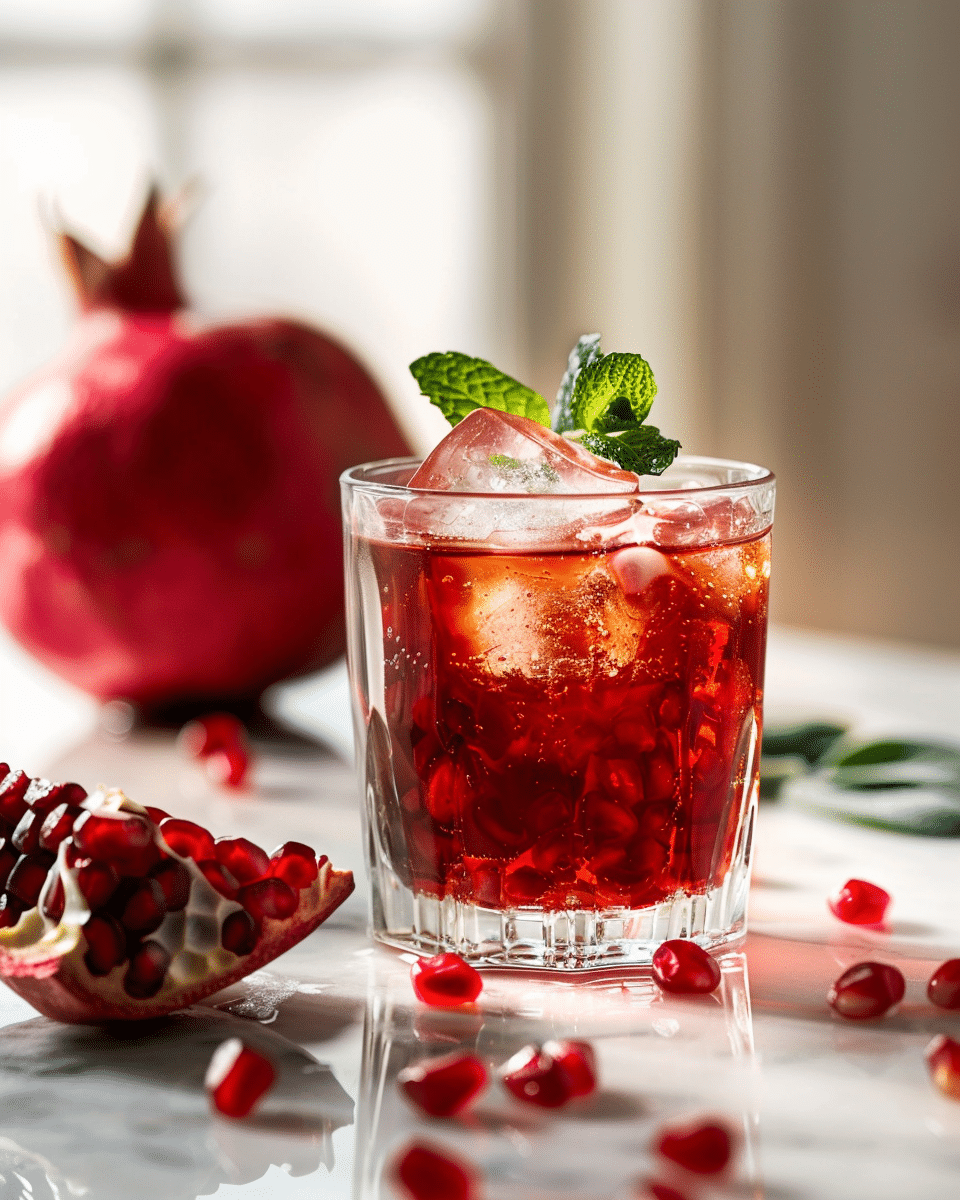
Pomegranate Juice Benefits & Recipes: A Delicious Wellness Upgrade
Pomegranate juice is one of the most vibrant, antioxidant-rich drinks you can add to your day. Whether you sip it straight, mix it into smoothies, or whisk it into salad dressings, pomegranate juice delivers bold flavor and impressive health benefits. From heart health to glowing skin, this ruby-red drink earns its reputation as a superfood. If you already enjoy refreshing fruit-based recipes like this strawberry banana smoothie, pomegranate juice will quickly become another staple in your wellness routine.
In this guide, you’ll discover what makes pomegranate juice so special, how to choose the best kind, and simple ways to use it in everyday meals. You’ll also learn when to drink it, how much is ideal, and what to watch out for with sugar and medications. By the end, you’ll feel confident creating your own pomegranate juice drinks and dishes that taste amazing and support your long-term health at the same time.
Table of Contents
What Makes Pomegranate Juice So Special?
Antioxidant power: why pomegranate juice stands out
Pomegranate juice is often compared to red wine and green tea, but its antioxidant profile sets it apart. The deep ruby color comes from powerful plant compounds called polyphenols, especially punicalagins and anthocyanins. These act as antioxidants, helping neutralize unstable molecules (free radicals) that can damage cells over time. Studies show that 100% pomegranate juice can have more antioxidant activity than many other popular juices, including orange and cranberry.
Because of this, regular intake may help protect blood vessels, support healthy aging, and reduce oxidative stress caused by pollution, stress, and poor diet. However, not all pomegranate juice is equal. You get the most benefit from pure, unsweetened juice made from the whole fruit, not blends flavored with pomegranate concentrate. Cold-pressed juice retains more fragile nutrients, while heavy heat processing can reduce some antioxidant levels. For people who don’t love eating the seeds (arils), pomegranate juice offers a convenient way to enjoy these compounds every day. When you combine it with a balanced diet rich in vegetables, whole grains, and healthy fats, pomegranate juice becomes a powerful ally in your overall wellness plan.
Nutrition profile: calories, vitamins, and natural sugars
Beyond antioxidants, pomegranate juice provides a compact package of important nutrients. An 8-ounce (240 ml) serving of 100% pomegranate juice generally contains around 130–150 calories, almost all from natural fruit sugars. It delivers about 30–35 grams of carbohydrate, with fiber mostly removed during juicing, so portion awareness matters if you watch your blood sugar. However, that same glass provides a good amount of vitamin K (important for blood clotting and bone health) and vitamin C, as well as small amounts of potassium and folate.
Potassium supports normal blood pressure and muscle function, which is one reason pomegranate juice appears in many heart-healthy eating plans. The juice also contains plant compounds that may support healthy cholesterol balance and blood vessel function. While it doesn’t offer much protein or fat, it pairs well with foods that do, such as nuts, yogurt, or seeds. When you compare it to sugary sodas or artificially flavored drinks, pomegranate juice clearly wins. You get natural sweetness plus real nutrition instead of empty calories. If you want to keep sugars in check, try diluting pomegranate juice with water or sparkling water, or using it as a flavor booster in recipes rather than relying on large glasses as your main beverage.
Print
Pomegranate Juice (DIY) + Easy Spritzer, Smoothie & Vinaigrette
Description
Learn how to make fresh pomegranate juice at home (mess-free), plus 3 easy ways to use it: a refreshing spritzer, a smoothie booster, and a bright pomegranate vinaigrette for salads.
Ingredients
DIY Pomegranate Juice:
4 large pomegranates (or ~4 cups arils)
1/2 cup water (optional, for blending)
Optional Flavor Boosters:
1–2 teaspoons fresh lemon juice (brightness)
1/2 teaspoon grated ginger (kick)
1 teaspoon honey or maple (optional)
Pomegranate Spritzer (1 serving):
1/2 cup pomegranate juice (100% unsweetened)
1 cup sparkling water
Lime wedge + mint or rosemary
Ice (or pomegranate ice cubes)
Smoothie Booster (1 smoothie):
1/2 cup pomegranate juice
1 frozen banana
1 cup frozen mixed berries (or cherries)
1 handful spinach (optional)
1/2 cup Greek yogurt (or plant yogurt)
1 tablespoon chia or flax (optional)
Pomegranate Vinaigrette:
3 tablespoons olive oil
2 tablespoons pomegranate juice
1 tablespoon lemon juice (or red wine vinegar)
1 teaspoon Dijon mustard
1 teaspoon honey (optional)
Salt + black pepper
Instructions
DIY Juice (Mess-Free Method):
1) Seed the pomegranates: Score the fruit, break into sections, and submerge in a bowl of water. Roll arils away from pith. Skim pith off the top; strain arils.
2) Blend: Add arils to a blender. Pulse 10–15 seconds (avoid over-blending to prevent bitterness from crushed seed cores). Add a splash of water if needed.
3) Strain: Pour through a fine mesh sieve or nut milk bag. Press gently with a spoon to extract juice.
4) Chill: Store in a glass jar and refrigerate. Shake before serving.
Spritzer:
1) Fill a glass with ice. Add pomegranate juice and top with sparkling water.
2) Garnish with lime + mint/rosemary.
Smoothie:
1) Blend pomegranate juice, banana, berries, yogurt, and optional spinach/chia until creamy.
Vinaigrette:
1) Whisk olive oil, pomegranate juice, lemon/vinegar, Dijon, salt, pepper (and honey if using). Drizzle on salads.
Notes
Portion tip: Enjoy 4–8 oz (120–240 ml) of 100% pomegranate juice per day, or dilute for lower sugar.
Storage: Homemade juice is best within 2–4 days refrigerated. Store-bought opened juice: ~5–7 days.
Freezing hack: Freeze into ice cubes for smoothies, spritzers, and quick sauces.
Medication note: If you take blood pressure/cholesterol meds, ask your clinician before drinking daily (possible interactions in some cases).
Health Benefits of Pomegranate Juice
Heart health and blood pressure support
Pomegranate juice has attracted a lot of attention for its potential cardiovascular benefits. Several studies suggest that regular intake may help reduce systolic blood pressure in some people, thanks in part to its antioxidant and anti-inflammatory compounds. These compounds support the inner lining of blood vessels, called the endothelium, which plays a vital role in keeping blood flowing smoothly.
By reducing oxidative stress and supporting nitric oxide availability, pomegranate juice may help blood vessels stay more flexible. Additionally, some research indicates that pomegranate juice might help improve cholesterol profiles by reducing oxidized LDL (“bad” cholesterol), a form more likely to contribute to plaque buildup. While these effects are not a magic cure, they complement a heart-conscious lifestyle that includes regular exercise, stress management, and whole-food-based meals.
Instead of thinking of pomegranate juice as a standalone remedy, treat it like one helpful piece of the larger puzzle. For example, pair a small glass with a fiber-rich salad such as a citrus fennel avocado winter salad to create a heart-smart meal with healthy fats, vitamins, and plant diversity. Over time, these small daily choices can contribute significantly to your cardiovascular health.
Anti-inflammatory, immune, and skin benefits
Chronic, low-grade inflammation is linked to many modern health issues, from joint pain to metabolic disorders. Pomegranate juice contains bioactive compounds that may help down-regulate inflammatory pathways in the body. These same compounds also support immune function by protecting cells from oxidative stress and environmental toxins. Because of its vitamin C content and polyphenols, pomegranate juice can be a gentle daily boost for your immune system, especially in colder months when fresh fruit intake often drops. Additionally, antioxidants in pomegranate juice may benefit skin health from the inside out. They help shield skin cells from damage caused by UV rays and pollution, which contribute to premature aging, dullness, and uneven tone.
Some studies suggest pomegranate extract may support collagen production and skin repair, although most of that research uses concentrated forms. While a glass of juice won’t replace sunscreen or good skincare habits, it can complement them. You might notice more radiant skin when you combine pomegranate juice with plenty of water, leafy greens, and healthy fats like avocado and olive oil. For a beauty-from-within approach, enjoy pomegranate juice alongside salads, whole grains, and lean proteins, turning each meal into an opportunity to nourish your skin, immune system, and overall vitality.
How to Choose the Best Pomegranate Juice
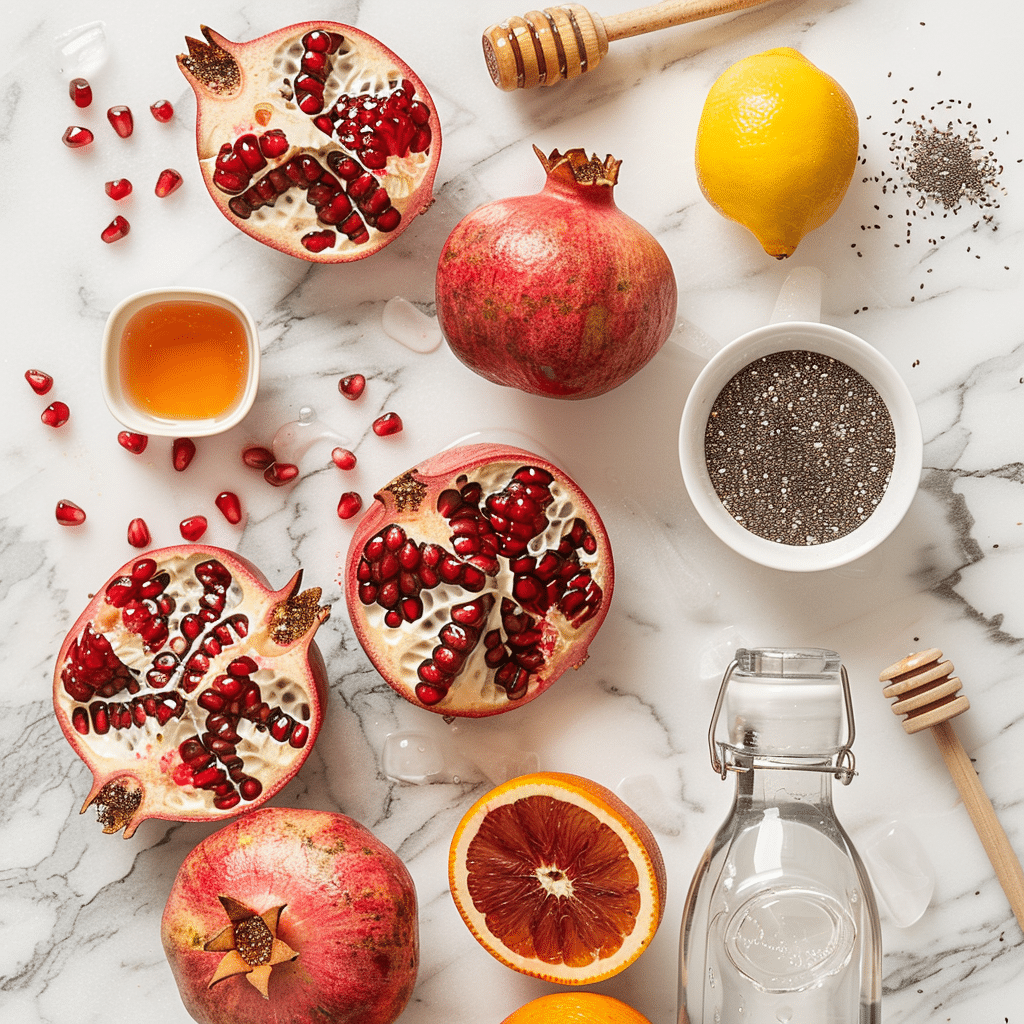
Reading labels: 100% juice vs blends and concentrates
When you walk down the juice aisle, the selection can feel overwhelming. To get the full benefits of pomegranate juice, you need to know how to read labels. Start by looking for “100% pomegranate juice” on the front and then confirm by checking the ingredient list. Ideally, the only ingredient should be pomegranate juice, not “pomegranate-flavored juice blend” or “juice cocktail.” Many commercial drinks add apple, grape, or pear juice as fillers because they are cheaper and sweeter.
While these blends may still taste good, they dilute the unique nutrients and antioxidant levels of true pomegranate juice. Next, notice whether the juice is from concentrate or not from concentrate. Juice from concentrate is made by removing water, shipping the concentrated product, then re-adding water. This is not inherently bad, but some sensitive compounds may degrade during processing. Cold-pressed or minimally processed juice often preserves more of the delicate polyphenols. Also scan for added sugars, corn syrup, or artificial flavors.
These ingredients work against your health goals and turn a functional drink into another source of empty calories. Finally, consider glass over plastic bottles when possible, and store your juice refrigerated. Once opened, use it within a week for the best flavor and potency.
Organic, fresh-pressed, and DIY options
Beyond standard grocery store bottles, you have other great options for getting quality pomegranate juice. Organic pomegranate juice may be preferable if you want to reduce pesticide exposure, especially if you drink it often. While most pesticides stay on the peel, choosing organic can provide extra peace of mind. Fresh-pressed juice, often sold in the refrigerated section or at juice bars, tastes brighter and may retain more vitamin C and heat-sensitive compounds.
However, it usually costs more and has a shorter shelf life. If you have access to fresh pomegranates, making your own juice at home offers the best control over freshness and ingredients. You can remove the arils and run them through a juicer, or blend them and strain through a fine mesh sieve or cheesecloth. This allows you to leave a small amount of pulp for extra nutrients if you like.
Homemade juice also lets you control the intensity: you can dilute with water, add a squeeze of lemon, or mix in herbs like mint for extra freshness. If you already enjoy making nutrient-packed drinks like wellness shots or smoothies, DIY pomegranate juice fits easily into your kitchen routine and lets you tailor each batch to your taste.
How to Make Pomegranate Juice at Home
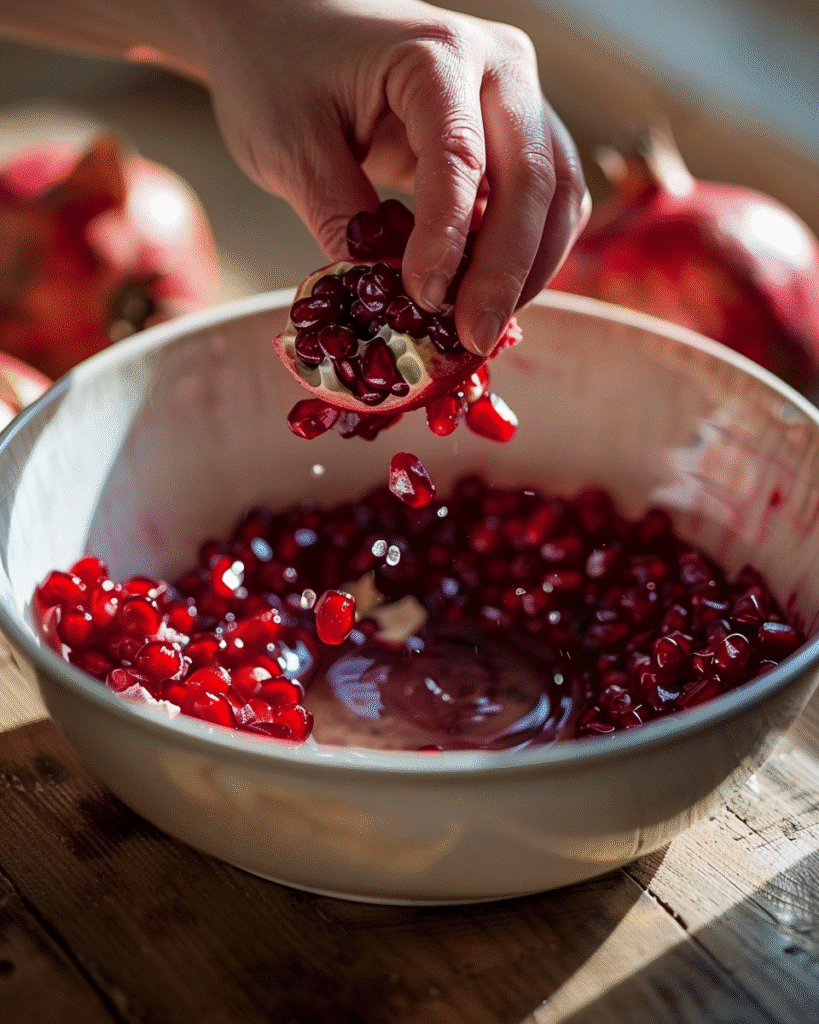
Step-by-step: seeding, juicing, and straining
Making pomegranate juice at home might look intimidating because of the fruit’s tough exterior and many seeds, but the process becomes simple with the right method. Start by choosing heavy, firm pomegranates with rich color; weight often indicates juiciness. Cut off the crown (top) of the fruit, then score the skin along the natural ridges from top to bottom. Gently pull the sections apart over a large bowl.
To reduce mess, submerge the sections in a bowl of water and use your fingers to roll the arils (seeds) away from the white pith. The arils sink while the pith floats, so you can skim off the pith and strain out the seeds. Once you collect the arils, you can juice them in a few ways. A slow masticating juicer works well and keeps foam low, while a high-speed blender quickly breaks them down.
After blending, pour the mixture through a fine mesh strainer or nut milk bag, pressing gently with a spoon to extract as much liquid as possible. Avoid squeezing too hard, since this can introduce bitterness from the crushed seed cores. Chill the juice and enjoy immediately, or store in an airtight glass jar in the refrigerator for up to 3–4 days.
Tools, tips, and variations for homemade pomegranate juice
You don’t need fancy equipment to enjoy homemade pomegranate juice, but certain tools make the process easier and cleaner. A large mixing bowl, a fine mesh sieve, and a sturdy cutting board form the basic setup. If you juice often, investing in a masticating juicer can be worthwhile because it handles pomegranate arils, leafy greens, and other produce efficiently, often with higher yields.
For those who prefer using a blender, choose one with enough power to break down seeds smoothly. To enhance flavor and nutrition, you can combine pomegranate arils with other fruits and vegetables while juicing. For example, pomegranate and orange create a bright, tangy juice loaded with vitamin C, while pairing pomegranate with beets and carrots yields a deep, earthy, energizing drink.
You might also add ginger for a spicy kick or mint for a cooling, refreshing note. If you like functional wellness drinks, experiment by blending pomegranate juice with lemon, turmeric, and a pinch of black pepper, similar to recipes you’d find in wellness shot juice collections. For lighter everyday sipping, dilute 1 part juice with 2 parts sparkling water and a squeeze of lime to create a homemade pomegranate spritzer that feels special without too much sugar.
Pomegranate Juice in Smoothies and Breakfasts
Energizing smoothie ideas with pomegranate juice
Pomegranate juice makes an excellent base for nutrient-packed smoothies, offering both flavor and antioxidants in every sip. Because it has a naturally tangy-sweet taste, it pairs beautifully with creamy fruits like banana, mango, and avocado. For a balanced breakfast smoothie, combine ½ cup pomegranate juice, ½ cup water, 1 frozen banana, a handful of spinach, and a scoop of Greek yogurt or plant-based protein.
This combination delivers carbs, protein, and healthy fats, so you stay satisfied longer. If you like classic fruit combinations, use pomegranate juice instead of milk or water in your favorite berry or strawberry banana smoothie recipe. This swap intensifies the color and boosts polyphenol content. For an extra fiber kick, add chia seeds, ground flax, or oats, which help slow the absorption of natural sugars.
You can also create post-workout smoothies by blending pomegranate juice with frozen cherries, a spoonful of nut butter, and protein powder. This combo supports muscle recovery while satisfying sweet cravings. When building smoothies, remember that pomegranate juice is already sweet, so you usually don’t need added honey or syrups. Taste before sweetening, then adjust with a small date or a drizzle of maple syrup only if necessary.
Breakfast bowls, overnight oats, and yogurt with pomegranate juice
Beyond smoothies, pomegranate juice shines in breakfast bowls and make-ahead options like overnight oats. Instead of soaking oats in just milk, try a mix of half pomegranate juice and half milk or yogurt. The oats absorb the juice overnight, turning lightly pink and picking up a fruity flavor. In the morning, top your oats with fresh pomegranate arils, nuts, and a spoonful of Greek yogurt for extra protein.
Similarly, you can stir a few tablespoons of pomegranate juice into plain yogurt to create a naturally flavored swirl without added refined sugar. Top with granola, seeds, and seasonal fruit for a balanced, colorful bowl. Another idea is to use pomegranate juice when cooking quinoa for breakfast. Replace part of the cooking water with juice, then simmer as usual.
The grains absorb the flavor and take on a subtle pink hue. Serve your pomegranate quinoa warm with almond milk, cinnamon, and crushed pistachios, or cool as part of a breakfast parfait. These small tweaks transform familiar breakfast staples into something new and exciting. Plus, by incorporating pomegranate juice into foods that also contain fiber, protein, and healthy fats, you help balance the natural sugars and support steady energy throughout your morning.
Savory Ways to Use Pomegranate Juice in Cooking
Dressings, marinades, and glazes with pomegranate juice
Pomegranate juice is not just for sweet recipes; it adds depth, acidity, and natural sweetness to savory dishes as well. One of the easiest ways to use it is in homemade salad dressings. Whisk together pomegranate juice, extra virgin olive oil, Dijon mustard, a touch of honey or maple syrup, and salt and pepper.
This dressing pairs especially well with hearty greens like kale or mixed into grain-based salads. Drizzle it over a panzanella salad to add a bright, fruity twist to the classic bread-and-tomato combination. For marinades, combine pomegranate juice with garlic, herbs, and a splash of vinegar for chicken, tofu, or salmon. The natural acids in the juice help tenderize proteins while infusing them with flavor.
When reduced in a saucepan, pomegranate juice transforms into a glossy glaze that works beautifully on roasted vegetables, poultry, or even plant-based roasts. Simply simmer the juice with a bit of balsamic vinegar and a sweetener until thickened, then brush onto food during the final minutes of roasting. This technique creates a sticky, jewel-toned coating that looks as good as it tastes.
Pairing pomegranate juice with salads, grains, and vegetables
Pomegranate juice and its fresh seeds are a natural match for vegetable-forward meals. You can use the juice to lightly dress roasted vegetables, adding brightness to richer flavors like squash, carrots, and Brussels sprouts. For instance, toss roasted root vegetables in a warm pomegranate reduction right after they come out of the oven to boost both color and flavor. In grain salads, pomegranate juice-based vinaigrettes bring life to ingredients like quinoa, farro, or bulgur.
Try combining cooked grains with roasted vegetables, nuts, herbs, and a pomegranate dressing similar to what you might use in a warm lentil and roasted vegetable salad. The contrast of chewy grains, crunchy nuts, and sweet-tart dressing creates a satisfying dish that works for lunches or light dinners. Pomegranate juice also works well with creamy elements like avocado, feta, or goat cheese.
The acidity cuts through richness, while the sweetness balances slight bitterness in greens such as arugula or radicchio. You can even splash a little pomegranate juice into pan sauces for sautéed vegetables or stir it into yogurt-based sauces to serve over roasted cauliflower or eggplant, giving your usual recipes a Mediterranean-inspired twist.
When and How Much Pomegranate Juice to Drink
Ideal portions and timing for everyday health
Although pomegranate juice is healthy, more is not always better, especially because of its natural sugar content. For most adults, a reasonable daily portion ranges from 4 to 8 ounces (120 to 240 ml) of 100% juice. This amount lets you benefit from antioxidants without turning your drink into a sugar overload. You can drink your portion all at once or spread it throughout the day, depending on preference.
Many people enjoy pomegranate juice in the morning as part of breakfast, when the body is ready to use the carbohydrates for energy. Others like it post-workout, since the natural sugars help replenish glycogen stores while antioxidants may help reduce exercise-induced oxidative stress. If you’re watching your blood sugar, consider pairing pomegranate juice with a meal that contains protein, fiber, and healthy fats, which slow digestion and blunt glucose spikes.
For example, sip a small glass alongside a salad rich in beans, nuts, and leafy greens instead of drinking it alone on an empty stomach.
Considerations for blood sugar, digestion, and medications
People with diabetes, prediabetes, or insulin resistance should take a more targeted approach with pomegranate juice. Because juicing removes much of the fruit’s fiber, the natural sugars absorb more quickly than when you eat the seeds whole. If you fall into this group, work with a healthcare provider or dietitian to determine an appropriate serving size and timing. You might tolerate 2–4 ounces diluted with water better than a full glass. Some individuals experience mild digestive changes, such as loosened stools, when they suddenly add more fruit juice to their diets.
To minimize discomfort, start with smaller servings and increase gradually. Additionally, pomegranate and its juice can interact with certain medications, particularly some blood pressure and cholesterol drugs, in ways similar to grapefruit. The juice may influence how your liver processes these medications, potentially changing their effective dose. If you take prescription drugs regularly, discuss pomegranate juice with your doctor or pharmacist before making it a daily habit. Pregnant or breastfeeding individuals typically can enjoy moderate amounts as part of a balanced diet, but personalized guidance is always best. By staying mindful of your unique needs, you can enjoy pomegranate juice safely and comfortably.
Storing, Freezing, and Preserving Pomegranate Juice
Refrigeration, shelf life, and quality tips
Proper storage helps preserve both flavor and nutrients in pomegranate juice. Once opened, store commercial 100% pomegranate juice in the refrigerator and aim to finish it within 5–7 days for peak quality. Keep the cap tightly closed and avoid leaving the bottle out at room temperature for long periods, which can promote spoilage and flavor loss. If you make fresh pomegranate juice at home, transfer it immediately to a clean glass jar with a tight-fitting lid.
Because homemade juice lacks preservatives, it usually stays at its best for 2–4 days in the fridge. You may notice some separation as the juice sits; this is normal. Just shake well before serving. Exposure to light, air, and heat can gradually degrade certain antioxidants and vitamins, so store juice in an opaque or dark glass container when possible. If your juice develops off smells, fizzing, or mold, discard it rather than taking a risk. Although it’s tempting to buy very large bottles on sale, smaller containers may be more practical unless you have a big household or plan to cook with the juice regularly throughout the week.
Freezing, cubes, and long-term preservation
If you find yourself with more pomegranate juice than you can drink within a few days, freezing is an excellent option. Pour the juice into ice cube trays, leaving a little space at the top of each well for expansion as it freezes. Once solid, pop the cubes out and transfer them to a labeled freezer bag or container.
These pomegranate cubes keep for several months and make it easy to add flavor to water, smoothies, or sauces. Drop a cube or two into sparkling water for a colorful, lightly flavored drink, or blend frozen cubes directly into smoothies to replace some of the regular ice. You can also freeze small portions of pomegranate juice specifically for cooking. For example, keep tablespoon-sized portions on hand for quick pan sauces, salad dressings, and glazes without opening a new bottle.
If you enjoy making jams or compotes, use defrosted pomegranate juice as a base to cook down with berries or apples, adjusting sweetness as needed. While freezing may slightly alter texture in some uses, it preserves most of the nutritional value. Just remember to use frozen juice within 3–6 months for best quality and flavor, and avoid refreezing once thawed.
Pomegranate Juice in Seasonal and Holiday Cooking

Festive drinks and mocktails with pomegranate juice
Pomegranate juice naturally fits into festive occasions thanks to its jewel-like color and bright, tangy flavor. It makes an ideal base for non-alcoholic mocktails that feel grown-up and special. For an easy party drink, combine equal parts pomegranate juice and sparkling water, then add a splash of orange juice and a squeeze of lime. Serve over ice with fresh pomegranate seeds and citrus slices for garnish.
You can also build more complex flavor layers by including herbs like rosemary or thyme and a touch of ginger. If you serve cocktails, pomegranate juice mixes well with sparkling wine, gin, or vodka, but always remember to offer a non-alcoholic version as well. For winter gatherings, warm pomegranate punch can be a cozy alternative to traditional mulled wine.
Simmer pomegranate juice with cinnamon sticks, star anise, and slices of orange, sweetening lightly with honey or maple syrup. Keep the mixture warm in a slow cooker so guests can help themselves. Because pomegranate juice pairs well with many seasonal fruits and spices, you can experiment freely with combinations to match your menu and preferences.
Holiday salads, sides, and mains enhanced with pomegranate
During the holiday season, pomegranate juice and seeds add color, flavor, and nutrition to many classic dishes. Drizzle pomegranate vinaigrette over hearty salads featuring kale, roasted squash, or Brussels sprouts. For example, a dish inspired by a Brussels sprout salad recipe becomes even more festive when you toss in fresh pomegranate arils and walnuts, then finish with a pomegranate juice-based dressing.
Grain salads that include quinoa, wild rice, or farro gain extra brightness from a splash of pomegranate juice in the dressing, much like a cranberry apple quinoa winter salad. On the savory side, you can glaze roasted vegetables or main dishes with reduced pomegranate juice to achieve a glossy, tangy finish that complements richer flavors like sweet potatoes or poultry. Pomegranate molasses, a thick syrup made from reduced juice, is a staple in Middle Eastern cooking and works wonderfully in marinades, braises, and roasted dishes.
Even traditional comfort foods, such as a creamy green bean casserole, can get a modern twist with a touch of pomegranate on top, either through a light drizzle of juice reduction or a sprinkle of seeds for brightness and crunch. In every case, pomegranate juice helps balance the richness typical of holiday meals, making dishes feel fresher and lighter while still indulgent.
Frequently Asked Questions About Pomegranate Juice
Is it good to drink pomegranate juice every day?
Drinking pomegranate juice every day can be beneficial, as long as you pay attention to portion size and overall diet. Daily intake of 4–8 ounces of 100% pomegranate juice can provide a steady supply of antioxidants, including polyphenols that support heart and vascular health. Many people find that a small daily serving helps them reduce their reliance on sugary sodas or artificially flavored drinks. However, because pomegranate juice contains natural sugars and limited fiber, you’ll want to treat it as a nutrient-dense addition, not a free-for-all beverage. Pairing it with meals, especially those containing protein and fiber, helps modulate its impact on blood sugar. If you take medications or have specific health conditions, check with your healthcare provider before making pomegranate juice a daily habit.
What happens if we drink pomegranate juice daily?
When you drink it daily in moderate amounts, you may notice several positive changes over time. The consistent antioxidant intake can support your cardiovascular system, helping to protect blood vessels from oxidative stress and potentially contributing to healthier blood pressure and cholesterol patterns when combined with a balanced lifestyle. Some people report improved skin radiance and more stable energy, especially when they use pomegranate juice to replace less healthy drinks. You might also experience better hydration if you consume it as part of a daily fluid routine. On the flip side, drinking large quantities, especially in place of water, can increase your overall sugar intake and potentially affect weight or blood sugar balance. There is also the potential for interactions with certain medications. As with most foods, the best effects appear when daily pomegranate juice is part of a broader pattern of whole foods, regular movement, and adequate sleep.
What is the best time to drink pomegranate juice?
The best time to drink it depends on your goals and how your body responds to fruit sugars. Many people enjoy it with breakfast, where the natural carbohydrates help fuel the morning and pair well with protein-rich foods like eggs, yogurt, or nut butter. Others prefer it as a mid-morning or afternoon pick-me-up in place of coffee or soda. If you exercise regularly, having it shortly before or after a workout can be helpful. The sugars provide quick energy, and antioxidants may assist in recovery by counteracting exercise-induced oxidative stress. People who are sensitive to blood sugar spikes might do better consuming it with a meal instead of on an empty stomach. There’s no strict rule; experiment with timing to see when it feels best. Just avoid relying on pomegranate juice right before bed if you find that late-night sugar affects your sleep.
Is pomegranate juice high in sugar?
Juice does contain a notable amount of natural sugar. An 8-ounce (240 ml) serving typically provides around 30–35 grams of carbohydrates, most of which come from natural fruit sugars like fructose and glucose. While these sugars are not added or refined, they can still impact blood sugar levels, especially when the juice is consumed without accompanying fiber, protein, or fat. However, pomegranate juice also delivers valuable nutrients and antioxidants that you don’t get from sugary sodas or many sweetened beverages. The key is moderation and context. If you stay within a 4–8 ounce serving and pair it with meals rich in fiber and protein, most healthy individuals can enjoy pomegranate juice without issues. If you have diabetes, prediabetes, or metabolic concerns, consult your healthcare provider and consider smaller, diluted portions as part of your personalized plan.
Is pomegranate juice better than eating the fruit?
Juice and whole pomegranate fruit each have advantages, and the “better” choice depends on your needs. Whole pomegranate arils provide fiber, which slows sugar absorption and supports digestive health. Chewing the seeds also offers a small amount of healthy fats and adds satiety, so you’re less likely to overconsume. In contrast, pomegranate juice delivers a concentrated dose of antioxidants and nutrients in an easy-to-drink form, which can be convenient for people who dislike dealing with the seeds or want a quick addition to smoothies and recipes. However, juicing removes much of the fiber and can make it easier to consume more sugar in a short time. Ideally, you can include both in your diet: enjoy whole pomegranate seeds as snacks or toppings for salads and yogurt, and use moderate amounts of 100% juice for beverages, marinades, and dressings. This combined approach maximizes the strengths of each form.
Conclusion: Making Pomegranate Juice Part of Everyday Wellness
Pomegranate juice offers a rare combination of bold flavor, rich color, and evidence-backed health benefits. By understanding how to choose a high-quality 100% juice, use it creatively in drinks and recipes, and enjoy it in portions that fit your lifestyle, you can turn this ancient fruit into a modern wellness staple. Whether you blend it into smoothies, whisk it into salad dressings, or freeze it into cubes for refreshing drinks, pomegranate juice can easily slide into your existing eating habits.
Pair it with vegetable-rich meals, vibrant salads, and nourishing sides, many like those featured throughout Olivia Maze’s recipe collection, to build a pattern of eating that feels indulgent yet supports long-term health. As you experiment, keep your own body’s responses, health conditions, and preferences in mind. With a little creativity and attention, pomegranate juice becomes more than just a beverage; it turns into a versatile ingredient that elevates meals, celebrates seasons, and helps you care for your heart, skin, and overall vitality from the inside out. For more inspiration on balancing flavor and nutrition in everyday cooking, explore dishes like this versatile kale salad recipe and adapt them with a pomegranate twist.
For more seasonal juices inspirations, check out my Pinterest.