
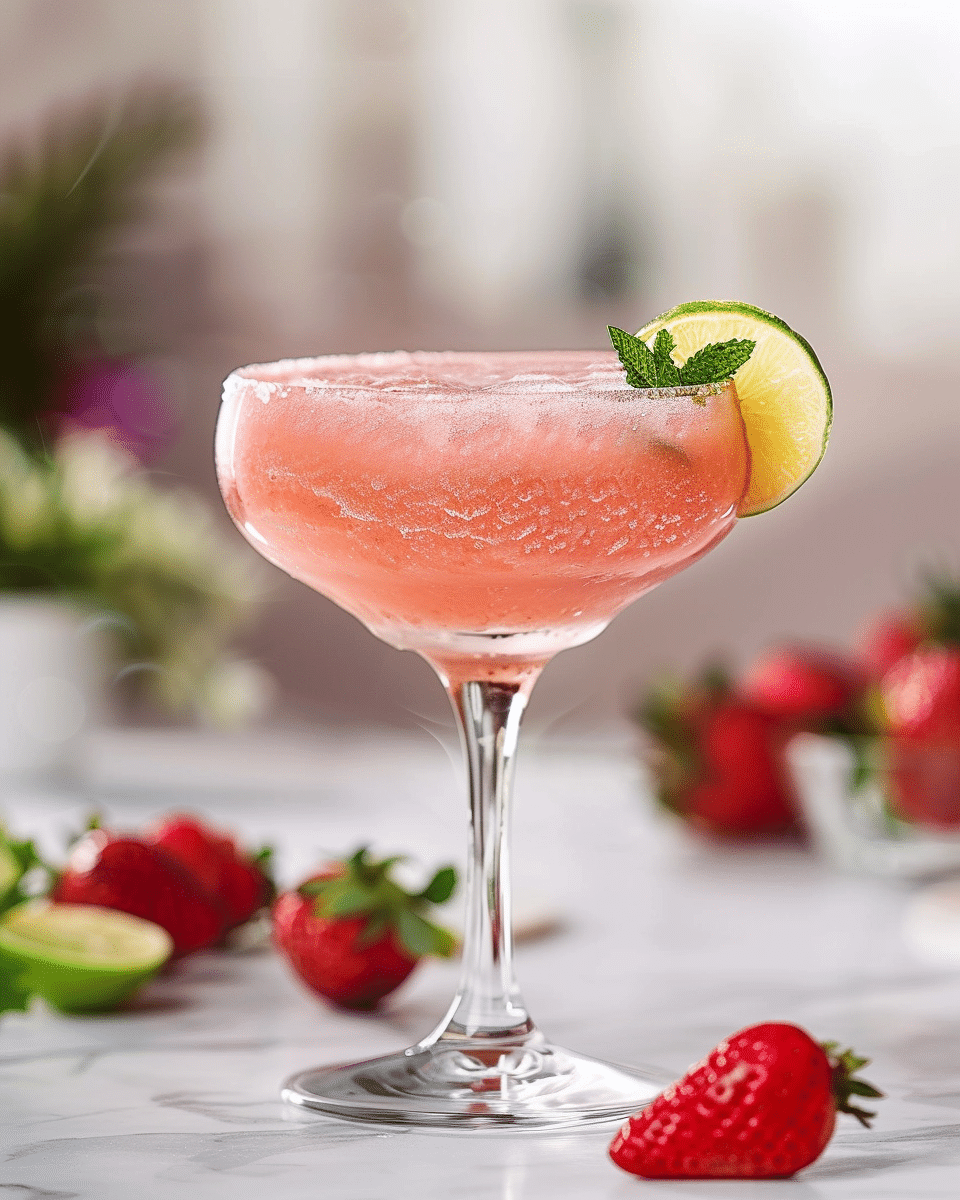
Virgin Daiquiri Magic: The Ultimate Refreshing Mocktail Guide
A virgin daiquiri is the perfect answer when you crave a bright, icy, and refreshing drink without any alcohol. This classic mocktail keeps all the tangy, fruity charm of a traditional daiquiri but swaps the rum for more juice, fresh fruit, and sparkling personality. Whether you serve a virgin daiquiri at a family cookout, a baby shower, or just as a weeknight treat, it feels like a mini vacation in a glass. Because this drink relies so much on fresh flavors, details like the type of citrus, the level of sweetness, and even the size of your ice cubes really matter.
You can also pair it with fresh, vibrant dishes like a light strawberry banana smoothie at brunch or a crisp salad at dinner. In this guide, you will learn how to make the perfect virgin daiquiri from scratch, how to customize it for different fruits and seasons, and how to troubleshoot common mistakes like watery, bland, or overly sweet drinks. By the end, you will know exactly how to shake, blend, and garnish your way to mocktails that impress everyone.
Table of Contents
What Is a Virgin Daiquiri?
Classic Mocktail Roots and Flavor Profile
A virgin daiquiri is a non-alcoholic twist on the iconic daiquiri cocktail, which originally combines rum, lime juice, and sugar. In the alcohol-free version, you still keep the backbone of fresh citrus and sweetness, but you replace the rum with extra juice, water, or sparkling components. As a result, the flavor stays bright and zesty instead of boozy. The key idea behind a virgin daiquiri is balance. You want the sharpness of lime or lemon to cut through the sweetness of sugar or simple syrup.
At the same time, you want real fruit, often strawberries, mango, pineapple, or mixed berries, to bring body, natural sweetness, and color. Many people also enjoy a frozen virgin daiquiri, which uses a blender and plenty of ice to create a thick, slushy texture. This version feels more like a dessert and pairs well with grilled dishes, salty snacks, or summery salads. Because it has no alcohol, everyone can enjoy it, including kids, pregnant guests, and anyone avoiding spirits but still wanting a festive glass in their hand.
Why Virgin Daiquiris Are So Popular Today
Virgin daiquiris fit perfectly into today’s wellness-forward, social lifestyle. More people want to take breaks from alcohol or cut back without feeling left out when friends order cocktails. A virgin daiquiri delivers the same celebratory vibe while staying lighter and often more hydrating. You can even lean into fresh fruit and natural sweeteners to build a more nutrient-dense drink that fits into a balanced diet. For hosts, virgin daiquiris solve a big problem: how to give every guest something special, no matter their drinking choices.
Since you can batch the mix in a large pitcher, it works beautifully for parties and potlucks. It also pairs well with veggie-heavy recipes such as a crisp citrus fennel and avocado winter salad or grilled meats and seafood. Another reason for the drink’s rise in popularity is social media. Frozen mocktails with vibrant colors and dramatic garnishes photograph beautifully. People love sharing pictures of layered strawberry lime slushies or pineapple coconut versions. This has encouraged home cooks to experiment with flavors, textures, and garnishes, making the virgin daiquiri a creative canvas instead of a simple, one-note drink.
Print
Virgin Daiquiri Mocktail
Description
This virgin daiquiri is bright, fruity, icy, and refreshing. Made with fresh lime, strawberries, simple syrup, and ice, it’s the perfect alcohol-free mocktail for parties, brunch, or warm-weather sipping.
Ingredients
Frozen Strawberry Virgin Daiquiri:
1 1/2 cups fresh or frozen strawberries
1/4 cup fresh lime juice
3 to 4 tablespoons simple syrup
2 to 2 1/2 cups ice
1 to 2 tablespoons cold water if needed
Optional variations:
1/2 cup mango for a tropical twist
1/2 cup pineapple for a sweeter tropical flavor
A few mint leaves for freshness
Sparkling water for a lighter finish
Simple Syrup:
1/4 cup sugar
1/4 cup hot water
For garnish:
Lime wheel
Strawberry
Mint sprig
Optional sugar rim
Instructions
Make the simple syrup by stirring sugar and hot water together until dissolved. Let it cool.
Add strawberries, lime juice, simple syrup, and ice to a blender.
Blend on low, then high, until thick and slushy.
If needed, add 1 to 2 tablespoons of cold water to help the blender move.
Taste and adjust with more lime juice if too sweet or more syrup if too tart.
Pour into chilled glasses.
Garnish with a lime wheel, strawberry, or mint.
Serve immediately.
For a shaken virgin daiquiri:
Fill a shaker with ice.
Add 2 ounces fresh lime juice, 1 ounce simple syrup, and 2 to 3 ounces cold water or coconut water.
Shake hard for 15 to 20 seconds and strain into a chilled glass over fresh ice.
Notes
Use fresh lime juice for the best flavor.
Frozen fruit makes the drink thicker and colder without watering it down.
For a tropical version, add mango or pineapple.
For parties, batch the citrus and syrup ahead of time, then blend with fruit and ice just before serving.
If your drink turns watery, blend in more frozen fruit instead of more ice.
Essential Ingredients for the Perfect Virgin Daiquiri
Choosing the Best Fruit, Citrus, and Sweetener
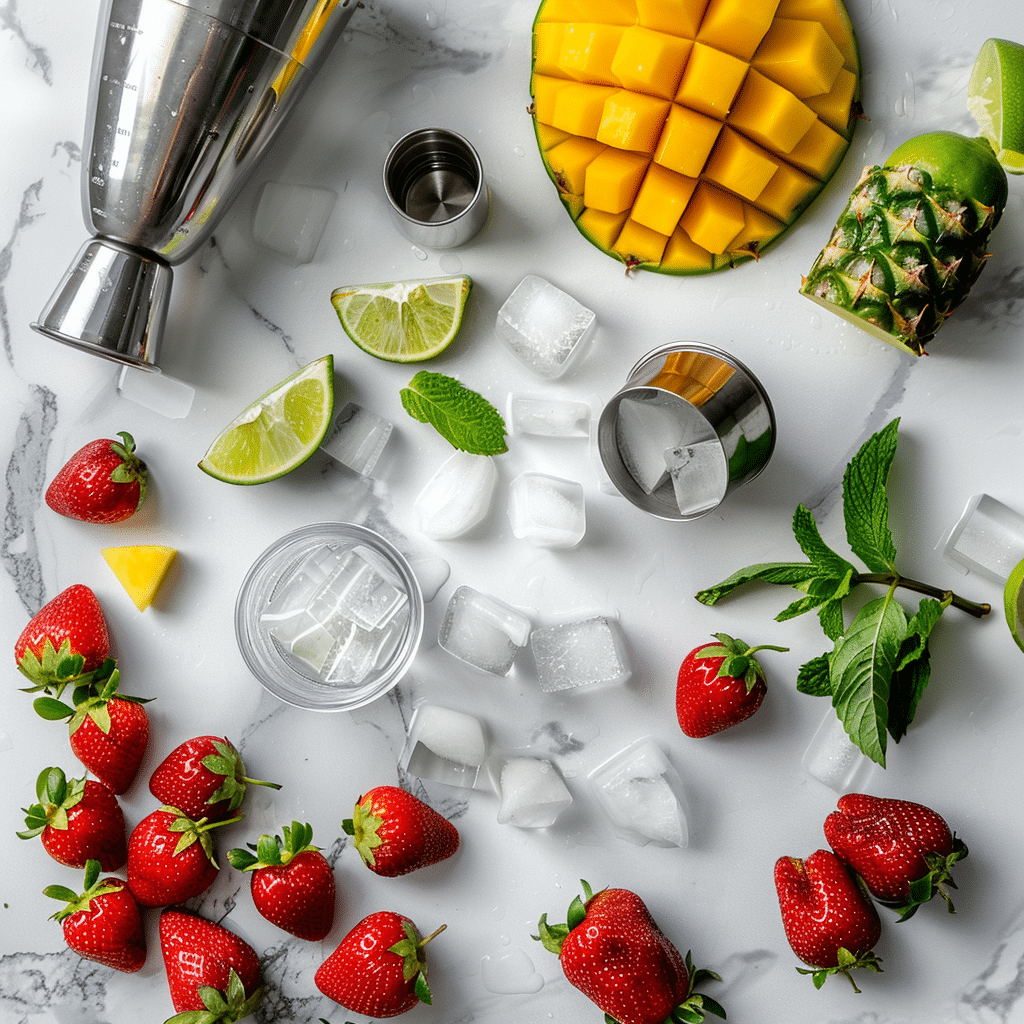
The heart of a fantastic virgin daiquiri is quality fruit. Fresh strawberries, ripe mango, juicy pineapple, and tart raspberries all bring different personalities to the glass. Whenever possible, choose ripe, in-season fruit with a sweet fragrance and bright color. For example, summer strawberries turn a basic strawberry virgin daiquiri into something rich and jammy, while off-season berries may taste watery. Citrus is equally important, especially lime.
Freshly squeezed lime juice has fragrant oils and a sharp, clean acidity that bottled juice usually lacks. Consider mixing lime and a bit of lemon for a slightly more complex tang. As for sweeteners, classic granulated sugar works, but simple syrup dissolves better and blends smoothly into both shaken and frozen versions. You can also try honey syrup, agave, or even coconut sugar syrup for a deeper flavor. Just remember that every fruit brings its own sweetness, so always taste and adjust. What works for a tart raspberry blend might be too much for a sweet mango version.
Ice, Liquids, and Optional Enhancers
In any virgin daiquiri, ice is more than a way to cool the drink; it shapes the entire texture. For a frozen drink, you want enough ice to build a thick, spoonable slush without watering down the flavor. Smaller ice cubes or crushed ice blend faster and create a smoother consistency. For a shaken version served over ice, use large cubes that melt slowly. As a liquid base, you can use cold water, coconut water, sparkling water, or even a splash of juice like pineapple or orange.
Coconut water adds electrolytes and a gentle tropical flavor, while sparkling water creates a lighter, bubbly effect that feels refreshing and less dense. To add complexity, consider optional enhancers. A few mint leaves can brighten the flavor and smell. A small pinch of salt lifts the fruit notes the way it does in desserts. You can also add a touch of vanilla extract or a few drops of bitters that contain no alcohol, as long as the ingredients fit your needs. Some people even blend in a spoonful of yogurt or coconut cream for extra body in dessert-style drinks. Every choice shifts the character of your virgin daiquiri, so play with combinations until you find a formula you love.
Classic Virgin Daiquiri Recipe (Lime & Strawberry)
Step-by-Step Frozen Virgin Daiquiri Instructions
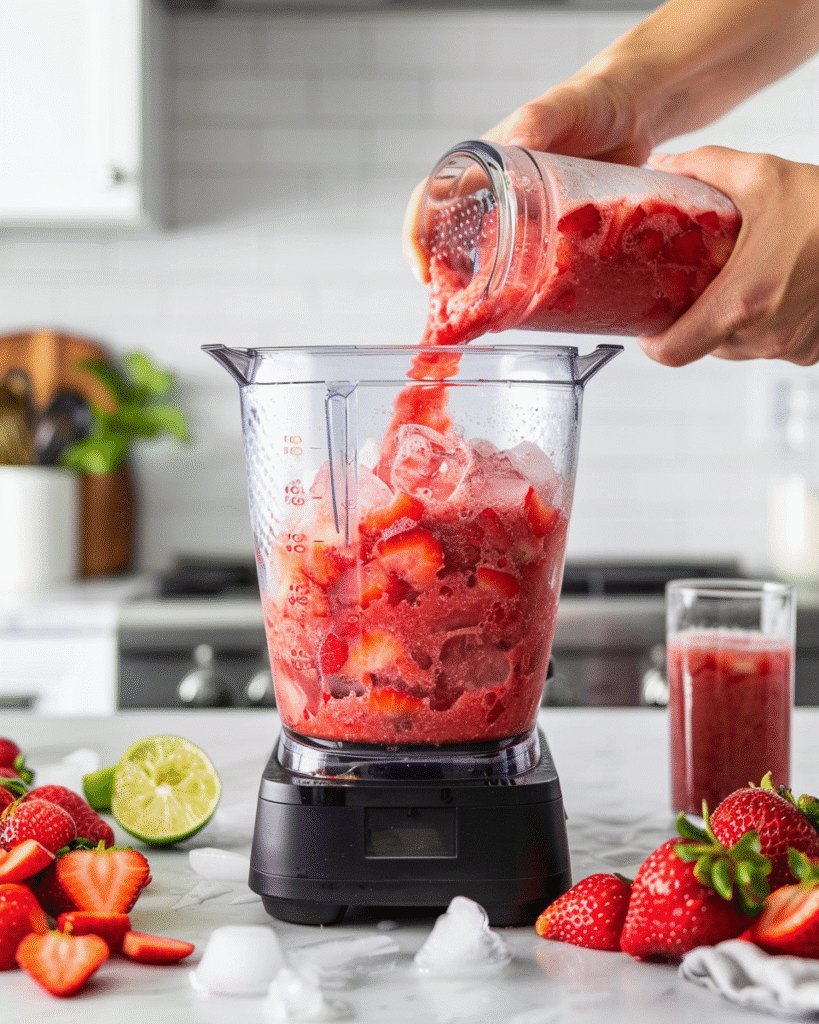
A frozen virgin daiquiri feels like a cross between a slushie and a sorbet in a glass. To make a classic strawberry-lime version, start by prepping your ingredients. Hull about 1½ cups of fresh strawberries and slice them. Squeeze 2–3 fresh limes to get around ¼ cup of juice. Next, prepare your sweetener: combine equal parts sugar and hot water to make simple syrup, then cool it.
In a blender, add the strawberries, lime juice, 3–4 tablespoons of simple syrup, and about 2–2½ cups of ice. Blend on high until thick and smooth. If the blender struggles, add a splash of cold water to help it along. Taste and adjust—if it seems too tart, blend in another tablespoon of syrup; if too sweet, add a bit more lime juice or ice. Pour immediately into chilled glasses, leaving room for garnish. Serve with a lime wheel, a strawberry on the rim, or a small sprig of mint. This straightforward process gives you a base formula you can rework with any fruit you like.
Shaken Virgin Daiquiri for a Lighter, Cocktail-Style Drink
For a lighter, more classic-style virgin daiquiri served over ice rather than blended, you can use a cocktail shaker. This version lets the citrus shine more clearly and feels closer to the original daiquiri format, just alcohol-free. Fill a shaker halfway with ice. Add 2 ounces of fresh lime juice, 1 ounce of simple syrup, and 2–3 ounces of cold water or coconut water. If you want a hint of strawberry or other fruit without the thickness of a smoothie, add 1–2 tablespoons of strained fruit puree.
Shake vigorously for 15–20 seconds until the outside of the shaker feels very cold. Strain into a chilled coupe glass or a rocks glass filled with fresh ice. This technique creates a drink with a silky texture due to tiny ice shards and some aeration. You can garnish with a lime twist to release fragrant oils on the surface. Because this style is more tart and less sweet, it pairs well with richer dishes like a warm lentil and roasted vegetable salad or a creamy dip. Once you master this basic shaken method, you can layer in herbs, flavored syrups, or different citrus combinations while keeping the drink clean and bright.
Flavor Variations for Every Season
Tropical Virgin Daiquiri Twists (Mango, Pineapple, Coconut)
If you want your virgin daiquiri to feel like a beach vacation, tropical fruit variations deliver instant paradise. Mango brings a naturally velvety texture that blends into a smooth, creamy slush without dairy. Combine fresh or frozen mango chunks with lime juice, a splash of orange juice, and just enough simple syrup to balance. Pineapple, on the other hand, adds a bold, tangy sweetness and foamy top when blended.
It also pairs perfectly with coconut water or a spoonful of coconut cream for a piña-colada-style virgin daiquiri. In fact, you can create a layered drink by pouring a pineapple-coconut blend into the glass first and then spooning a strawberry-lime blend over the top for a colorful, two-tone mocktail. Tropical variations also work well in large batches, making them excellent for parties. Just remember that both pineapple and mango can be quite sweet, so add your syrup slowly and taste often.
Berry, Citrus, and Herbal Virgin Daiquiri Ideas
Beyond the tropics, you can lean into berry and citrus combinations for all-year versatility. Mixed berries—strawberries, raspberries, blueberries, and blackberries—create a jewel-toned virgin daiquiri with deeper, jammy flavors. Because berries can be tart, they love partners like orange juice or a splash of apple juice to round them out. Citrus lovers can experiment with lime, lemon, and even grapefruit. A grapefruit virgin daiquiri, sweetened with honey syrup and brightened with lime, feels sophisticated and slightly bitter in a pleasant way. Herbs add a fresh twist without much effort. Muddling mint leaves before you blend or shake adds a mojito-style freshness.
Basil partners surprisingly well with strawberry or watermelon, while rosemary pairs with citrus blends for a more grown-up flavor profile. All of these variations allow you to build a drink that matches the season: bright berry mixes in summer, blood orange or grapefruit in winter, and fresh herbs during spring. You can even pair them with seasonal salads like a colorful panzanella salad to build a cohesive menu.
Nutrition and Wellness Benefits
Light, Hydrating, and Alcohol-Free Enjoyment
A virgin daiquiri offers several benefits, especially compared with a sugary soda or a traditional cocktail. Since it uses fresh fruit and citrus, it provides small amounts of vitamin C, antioxidants, and hydration. You also avoid alcohol, which can dehydrate your body and interfere with sleep quality. By choosing coconut water or sparkling water as a base, you add electrolytes and reduce the overall calorie density.
This makes a virgin daiquiri a smart choice when you want something special but still care about balance. At social events, having an appealing alcohol-free drink helps people pace themselves, drink more fluids, and feel included even if they skip wine or beer. If you already enjoy nutrient-focused drinks or wellness shot juice recipes, a thoughtfully made virgin daiquiri fits easily into that mindset.
Reducing Sugar and Boosting Nutrient Density
While a virgin daiquiri can be lighter than many cocktails, it can also become a sugar bomb if you add too much syrup or use sweetened mixers. Fortunately, you can control this easily at home. First, rely more on ripe fruit for natural sweetness. Frozen fruit works very well and often tastes sweeter than off-season fresh produce. Second, use a modest amount of simple syrup and add it gradually while tasting.
You can even make a lower-sugar syrup by cutting the sugar in half. Another trick is to substitute part of the fruit with vegetables that blend well, such as a small chunk of cucumber for freshness or a bit of beet for color and antioxidants when paired with berries. Adding herbs like mint or basil gives you flavor without extra calories. If you want more protein or staying power, blend in a spoonful of Greek yogurt or silken tofu, especially in creamy fruit combinations like strawberry-banana. Overall, you can tailor your virgin daiquiri so it fits your health goals: lighter on sugar, higher on whole fruit, and rich in refreshing hydration.
Equipment and Technique Tips
Choosing the Right Blender, Shaker, and Glassware
Good equipment makes a big difference in the quality of your virgin daiquiri. For frozen versions, a high-powered blender creates the smoothest, most consistent texture. However, even a basic blender can work if you blend longer and pause to stir. Using smaller ice cubes or crushed ice also helps weaker motors. For shaken daiquiris, a standard cocktail shaker, either a Boston shaker or a cobbler shaker, does the job. If you do not have one, a large mason jar with a tight lid can substitute in a pinch.
Glassware also shapes the experience. A classic coupe or martini glass elevates a simple lime virgin daiquiri and gives it a cocktail-bar feel. Frozen versions look great in hurricane glasses or stemmed goblets, especially with colorful garnishes. Serving children? Use sturdy tumblers and skip tall stems. Thoughtful choices around tools and glassware transform an easy mocktail into something that feels worthy of a special occasion.
Blending, Shaking, and Adjusting Texture Like a Pro
Technique separates a decent virgin daiquiri from a truly memorable one. For frozen drinks, always add liquids first, then fruit, then ice on top. This layering pattern helps the blades catch and pull everything down smoothly. Start on a low speed to break up the ice, then move to high speed until no chunks remain. If the mixture seems too thick and the blender struggles, add a small splash of water or juice.
If it looks too thin, add more ice or a bit more frozen fruit. For shaken drinks, fill the shaker with ice at least halfway before adding other ingredients. Shake hard and fast; timid shaking leads to uneven chilling and dilution. Strain into a chilled glass to maintain the temperature longer. As you practice, you will recognize the ideal texture: thick but pourable for frozen variants, and silky with tiny ice crystals for shaken ones. By noticing how a few seconds more blending or a bit more ice changes the drink, you gain control and can adjust each batch to your preference.
Serving, Pairing, and Presentation
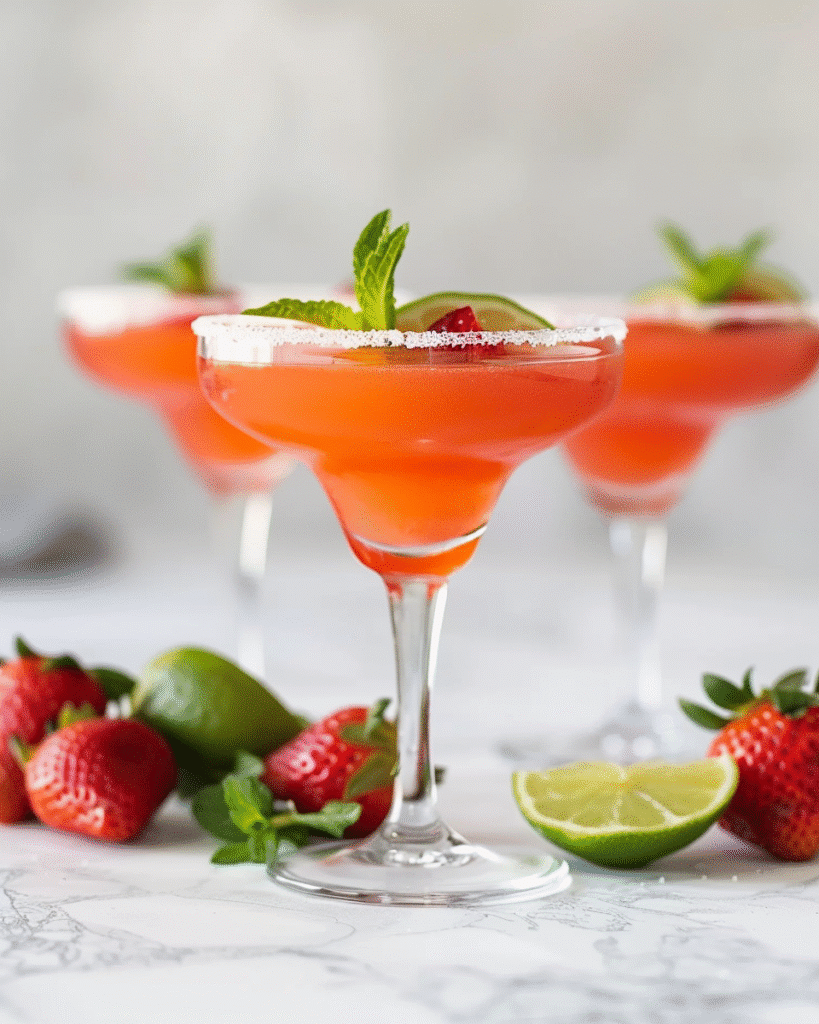
Garnishes, Rims, and Party Presentation Ideas
A virgin daiquiri already tastes bright and exciting, but presentation turns it into a showpiece. Garnishes do more than decorate; they add aroma and small bursts of flavor. Lime or lemon wheels, strawberry fans, pineapple wedges, and fresh mint sprigs all work beautifully. For extra drama, you can rim the glass. Run a lime wedge around the rim, then dip it into sugar, toasted coconut flakes, or even a mixture of sugar and finely grated lime zest. This adds a sweet crunch with each sip.
When hosting a party, create a DIY virgin daiquiri bar. Set out different purees, citrus juices, simple syrups, and garnishes, along with instructions for a base formula. Guests can customize their own blends, which keeps everyone engaged and reduces your workload. You can even prepare a large batch of a base mix—like lime, water, and syrup—and offer bowls of frozen fruits for blending to order.
Pairing Virgin Daiquiris with Meals and Snacks
Because virgin daiquiris are citrusy and refreshing, they pair well with many foods. The acidity helps cut through rich dishes, while the fruitiness complements lighter fare. For a summer lunch, serve strawberry or mango virgin daiquiris with grilled chicken, fish tacos, or fresh salads. A hearty steak salad works especially well with a lime-forward shaken version, which acts almost like a bright sauce between bites.
For vegetarian menus, consider pairing frozen berry daiquiris with a robust kale or grain salad, or even a kale salad recipe full of textures and nuts. Salty snacks like chips, popcorn, or charcuterie also benefit from the palate-cleansing effect of citrus. At brunch, a lighter, not-too-sweet virgin daiquiri can stand in for mimosas and pairs nicely with egg dishes, baked goods, and fruit platters. The goal is contrast: pair sweeter, fruit-heavy drinks with savory or spicy foods, and tarter, leaner drinks with richer or creamier dishes.
Common Mistakes and How to Fix Them
Avoiding Watery, Bland, or Overly Sweet Drinks
Several issues can undermine your virgin daiquiri, but each has a simple fix. A watery drink usually comes from too much ice or not enough fruit. To correct this, add more frozen fruit and blend again, which boosts flavor and thickness without huge extra dilution. A bland drink often needs more acid. A squeeze or two of additional lime juice can suddenly wake up the flavors and make the sweetness pop. Overly sweet drinks require balance, not just more water.
Add citrus or a small pinch of salt to tame the sugar. You can also blend in a bit of unsweetened frozen fruit like raspberries or a few extra ice cubes. Remember that sweetness perception changes with temperature; very cold drinks taste less sweet, so always chill your ingredients and glasses before final adjustments.
Storage, Make-Ahead Tips, and Batch Preparation
Virgin daiquiris taste best fresh, but you can still prepare parts of the recipe ahead. Simple syrup keeps in the refrigerator for up to a month, so make a large batch and use it as needed. You can also portion and freeze fruit ahead of time in recipe-sized bags. For frozen daiquiris, blend just before serving for the best texture. If you must store leftover slush, pour it into a freezer-safe container.
It will harden, so when you want to serve it again, let it soften slightly at room temperature, then re-blend with a splash of liquid. For parties, prepare a big batch of the base (citrus, water, and syrup) and chill it in the fridge. When guests arrive, pour portions into the blender with frozen fruit and ice for individual flavor combinations. Shaken versions are even easier to batch: mix the citrus, syrup, and water in a large pitcher, chill thoroughly, and then shake portions with ice to order. This strategy gives you speed, consistency, and the ability to keep every glass tasting bright and fresh.
Advanced Twists and Creative Mocktail Ideas
Layered, Spiced, and Dessert-Style Virgin Daiquiris
Once you master the basics, you can turn the simple virgin daiquiri into a playground of textures and flavors. Layered drinks look impressive and are surprisingly easy. Blend two different flavors separately—for example, a mango-coconut base and a strawberry-lime base. Pour the thicker mixture into the glass first, then gently spoon the second on top. The difference in density keeps them distinct.
Spiced versions add depth without heat. Try simmering cinnamon sticks, cloves, or star anise in water, then using this spiced water as part of your liquid base. This trick works beautifully in fall or winter, especially with apple or cranberry fruit blends. Dessert-style daiquiris lean on creaminess. Blend in coconut cream, vanilla yogurt, or even a small scoop of dairy-free ice cream with fruit like banana or mango. These versions almost replace dessert and pair nicely with simple sides like a light cranberry apple quinoa winter salad.
Creating a Signature House Virgin Daiquiri
If you entertain often, consider designing a signature virgin daiquiri that friends associate with your home. Start by choosing a fruit or combination that feels like “you”—maybe strawberries and basil, pineapple and mint, or mixed berries with a hint of orange. Then fine-tune the citrus balance, sweetener type, and texture preference. Do you like it ultra-thick and spoonable, or sleek and sippable over ice? Decide on a consistent garnish, such as a basil sprig and a sugar rim, so it looks the same every time.
You might even print a small recipe card to keep near your bar tools. Over time, you can offer seasonal riffs on your house version: switch to blood orange in winter, add fresh herbs in summer, or use frozen fruit in colder months. This approach turns the virgin daiquiri from a one-off mocktail into part of your personal hosting style, making guests feel expected and welcomed as soon as they spot your familiar, beautifully garnished glass.
FAQ About Virgin Daiquiri
What is a virgin daiquiri made of?
A virgin daiquiri usually includes three main building blocks: citrus juice, a sweetener, and fruit, mixed with ice and sometimes water or sparkling water. Fresh lime juice forms the core of the flavor, just like in a traditional daiquiri. You then add a sweetener, commonly simple syrup made from sugar and water, honey syrup, or agave. Most people include fruit such as strawberries, mango, pineapple, or mixed berries, either fresh or frozen. Ice shapes the texture: you use more ice for a thick, frozen slush and less for a shaken version over ice. Some recipes also use coconut water, fruit juice, or herbs like mint to add depth and hydration while keeping the drink alcohol-free.
Does a virgin daiquiri contain alcohol?
No, a virgin daiquiri does not contain alcohol. The term “virgin” in the drink world always means the recipe omits all spirits and liqueurs. In a traditional daiquiri, rum provides the alcoholic base. In a virgin version, you leave out the rum entirely and replace it with more juice, water, sparkling water, or coconut water. Because there is no alcohol, this drink suits children, pregnant guests, designated drivers, and anyone who simply prefers not to drink. When ordering at a restaurant or bar, specify “virgin daiquiri” or “non-alcoholic daiquiri” to ensure the bartender skips all spirits. You still get the refreshing, tangy, fruity experience of the classic cocktail, but with none of the effects of alcohol.
Is a virgin daiquiri just juice?
A virgin daiquiri is more complex than “just juice.” While it uses fruit juice and sometimes fruit purees, it follows the structure of a cocktail: a balance of acid, sweetness, and dilution. Juice alone often tastes flat or overly sweet. A good virgin daiquiri uses fresh lime or lemon juice to add acidity, sweetener to balance the tartness, and controlled amounts of water and ice for proper texture. When blended frozen, it turns into a slush that feels closer to a crafted mocktail than a glass of juice. Many recipes also include herbs, coconut water, or sparkling water to create depth and structure. So, while juice plays a key role, the technique and balance elevate the drink beyond a simple pour from a carton.
Are virgin daiquiris healthier than regular daiquiris?
Virgin daiquiris can be healthier than regular daiquiris, especially because they omit alcohol. Alcohol adds calories, can dehydrate you, and may strain your liver when consumed often or in large amounts. By skipping rum, you remove that burden and focus on hydration, fruit, and citrus. However, virgin daiquiris can still contain significant sugar if you rely heavily on syrups and sweetened juices. To keep them lighter, use ripe fruit for natural sweetness, limit added sugar, and choose bases like water or coconut water instead of soda. Compared with a typical bar daiquiri, which might use premade mixes and multiple ounces of rum, a thoughtfully made virgin version can fit more comfortably into a balanced lifestyle. Ultimately, the healthfulness depends on your ingredients and portion sizes.
Can you make a virgin daiquiri without a blender?
Yes, you can absolutely make a virgin daiquiri without a blender. In that case, you lean on the shaken style rather than the frozen slush. Fill a cocktail shaker or a lidded jar halfway with ice. Add fresh lime juice, a sweetener like simple syrup, and a bit of cold water or coconut water. For fruit flavor without blending, use strained fruit purees or high-quality, not-from-concentrate juices such as strawberry, pineapple, or mango. Shake vigorously for about 20 seconds until very cold, then strain into a chilled glass with fresh ice. You will not get the thick, slushy texture of a blender drink, but the result will still be bright, tangy, and refreshing. This method works especially well when you want a cleaner, more cocktail-like mocktail with clear, layered flavors.
Conclusion: Enjoying Virgin Daiquiri Any Time, Any Season
The virgin daiquiri proves that you do not need alcohol to enjoy a festive, flavorful drink. With a few simple ingredients, citrus, fruit, sweetener, and ice, you can build endless variations that match your mood, the season, and your menu. From tropical pineapple-coconut blends to sharp lime-forward shaken versions, each glass offers a balance of tart, sweet, and refreshing elements. You can pair these mocktails with fresh salads, hearty mains, or snacks, and they fit naturally alongside nourishing dishes like a vibrant kale salad recipe.
Because you control the sweetness and ingredients, you can keep them light, hydrating, and aligned with your health goals. As you experiment with different fruits, herbs, and presentation ideas, you may even create a signature house virgin daiquiri that guests look forward to every time they visit. With these techniques and tips, you are ready to shake or blend your way to mocktails that feel both special and everyday-friendly, inviting everyone to raise a glass, any time, any season.
For more seasonal Mocktails inspirations, check out my Pinterest.