
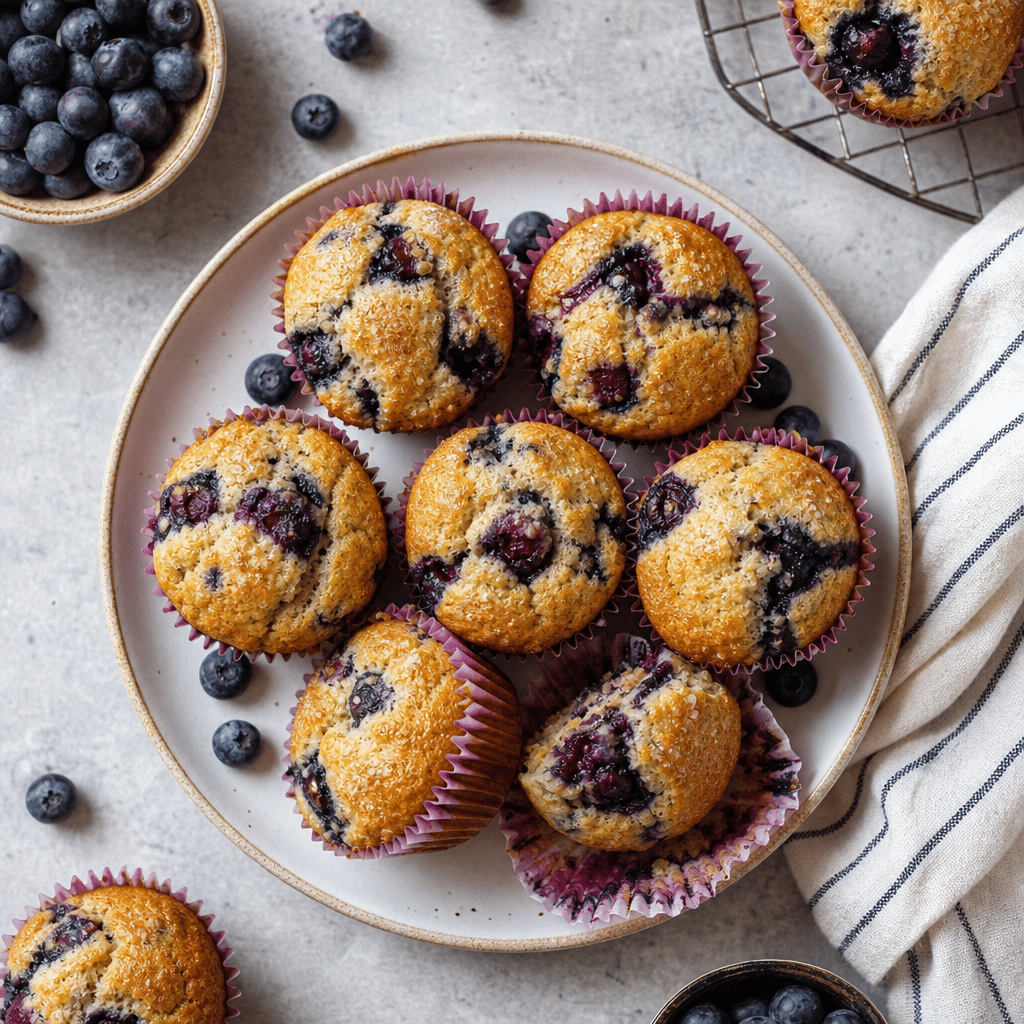
There is nothing quite like the smell of a fresh blueberry muffin baking in the oven on a quiet weekend morning. That golden, slightly crackled top hiding a soft, tender crumb studded with juicy berries is the kind of thing that turns an ordinary breakfast into something a little more special. Whether you grew up buying them from a corner bakery or you have only ever had the boxed mix version, this blueberry muffin recipe is designed to give you that true bakery-style result right from your own kitchen.
We are going deep here, covering not just the basic steps but also the substitutions, troubleshooting, and storage tricks that most recipes skip entirely. If muffins are already a favorite in your house, you might also enjoy our High Fiber Muffins Recipe: Soft, Wholesome, and Naturally Sweet for a heartier, gut-friendly spin on the same comforting format. By the end of this guide, you will understand exactly why your blueberry muffin turns out dense, dry, or perfectly fluffy, and you will have every tool you need to bake with confidence every single time.
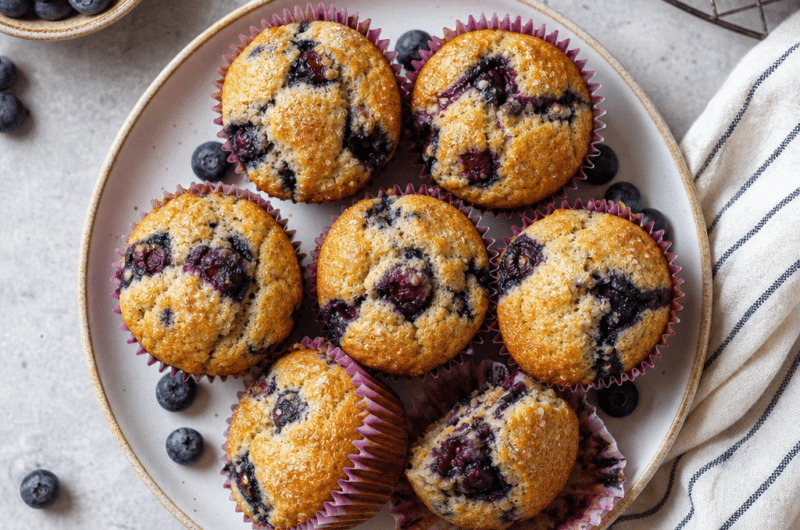
Blueberry Muffin Recipe: The Foolproof Method for Bakery-Style Perfection
Course: Dessert4
servings30
minutes40
minutes300
kcalIngredients
2 1/2 cups all-purpose flour
1 tablespoon baking powder
1/2 teaspoon salt
1 cup granulated sugar, plus extra for topping
1/2 cup unsalted butter, melted and slightly cooled
2 large eggs, room temperature
1 cup whole milk
1/3 cup sour cream
2 teaspoons vanilla extract
1 1/2 cups fresh or frozen blueberries
1 tablespoon all-purpose flour, for tossing the blueberries
Directions
- Preheat the oven to 425°F (220°C) and line a 12-cup muffin pan with paper liners or grease it well.
- In a large bowl, whisk together the flour, baking powder, and salt until evenly combined.
- In a separate bowl, whisk the sugar and melted butter together, then add the eggs one at a time, mixing until smooth.
- Stir in the milk, sour cream, and vanilla extract until the mixture is fully combined.
- Pour the wet ingredients into the dry ingredients and stir gently just until no dry streaks remain; the batter should still look slightly lumpy.
- Toss the blueberries with the extra tablespoon of flour, then gently fold them into the batter using a spatula.
- Divide the batter evenly among the muffin cups, filling each nearly to the top, and sprinkle with a little extra sugar if desired.
- Bake at 425°F for 5 minutes, then lower the oven temperature to 350°F (175°C) without opening the door, and continue baking for 15 to 18 minutes, or until a toothpick inserted in the center comes out clean.
- Let the muffins cool in the pan for 5 minutes, then transfer to a wire rack to cool completely before storing.
Why This Blueberry Muffin Recipe Works
A great blueberry muffin comes down to balance. You want a crumb that is soft and moist without being greasy, a top that domes and cracks slightly, and berries that stay suspended throughout the batter instead of sinking to the bottom. This recipe achieves that balance by using a slightly higher ratio of butter to flour, a touch of sour cream for tenderness, and a careful mixing method that keeps the gluten relaxed.
Many home bakers overmix their batter because they are chasing a perfectly smooth texture, but that is actually the enemy of a good muffin. The goal is a batter that still looks a little lumpy right before the blueberries go in. That small adjustment alone can be the difference between a muffin that is chewy and tough versus one that is light and pillowy.
This method also leans into the classic American bakery style, which typically uses a hot oven start for a big rise and a crackly sugared top. It is a small trick, but it makes a noticeable difference in both texture and presentation.
Ingredients You Will Need
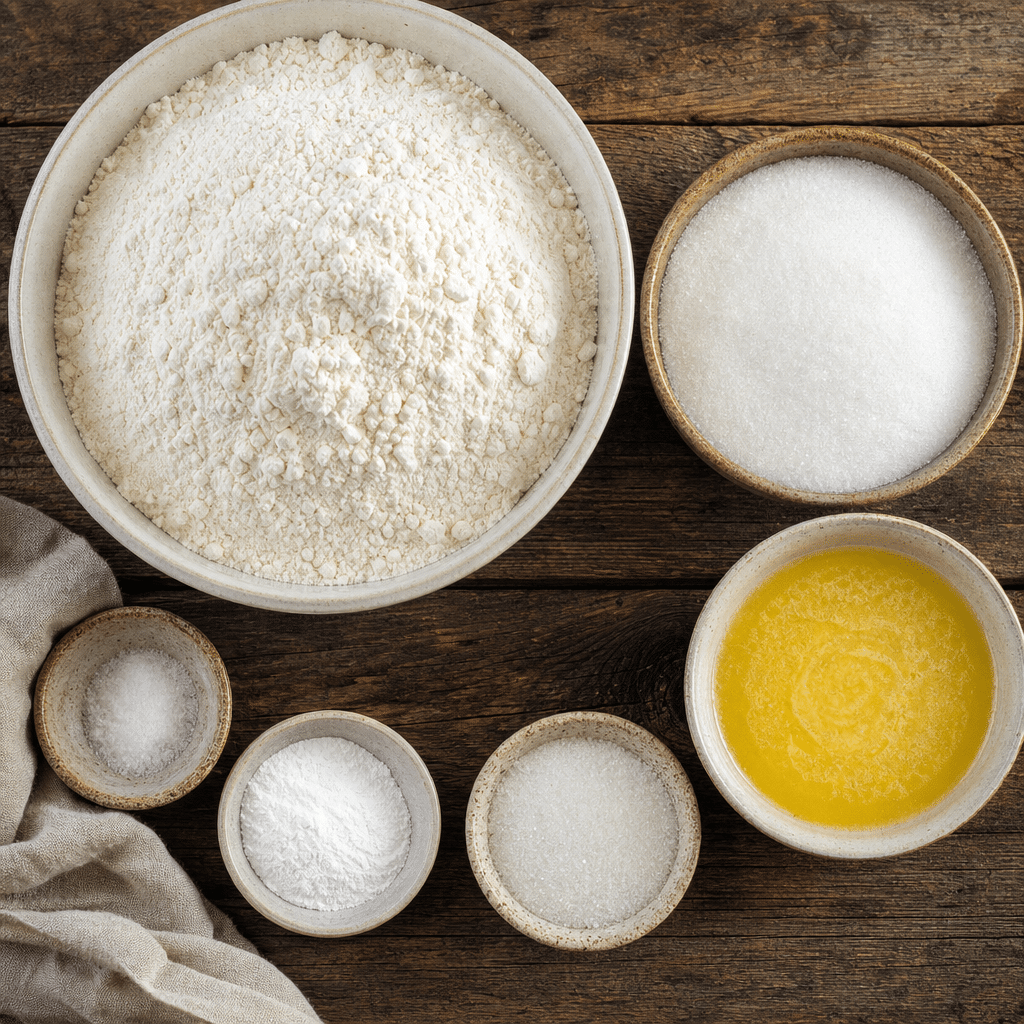
The ingredient list for a classic blueberry muffin is short, but each item plays an important role in the final texture. Below is what you will need, along with a few notes on why certain choices matter.
All-purpose flour forms the structure, while baking powder provides the lift that gives muffins their signature dome. Granulated sugar sweetens the batter and helps create that slightly crisp top edge. Unsalted butter, melted and slightly cooled, adds richness without making the crumb greasy.
Eggs bind everything together and add structure, while whole milk or sour cream keeps the crumb moist for days. Vanilla extract rounds out the flavor, and a pinch of salt balances the sweetness. Fresh or frozen blueberries are the star, and either works beautifully as long as you handle them correctly, which we will cover in the instructions.
Ingredient Substitutions And Dietary Variations
If you need a gluten-free blueberry muffin, a one-to-one gluten-free flour blend works well as a direct swap for the all-purpose flour, though the crumb will be slightly denser. For a dairy-free version, swap the butter for a neutral oil like melted coconut oil, and use unsweetened oat milk in place of dairy milk or sour cream.
Vegan bakers can replace each egg with a flax egg, made from one tablespoon of ground flaxseed mixed with three tablespoons of water, left to gel for five minutes. The texture will be a touch more tender and slightly less airy, but the flavor remains just as satisfying.
For a lower sugar option, you can reduce the granulated sugar by up to a quarter without significantly affecting the structure, though the tops will not caramelize quite as much. These small swaps mean nearly anyone can enjoy a warm blueberry muffin, regardless of dietary needs.
Equipment Recommendations
A standard twelve-cup muffin pan is really all you need, but the material matters more than most people realize. Light-colored aluminum pans bake more evenly and produce a softer crust, while dark nonstick pans tend to brown the bottoms and edges faster, which can lead to a drier muffin if you are not watching the clock closely.
Paper liners are helpful for easy cleanup and neat presentation, but greasing the pan directly with butter or nonstick spray gives you that slightly crispier, more bakery-style edge that many people love. If you bake muffins often, a light-colored metal pan with a nonstick coating is a solid middle-ground investment.
A large cookie scoop or a quarter-cup measuring cup makes portioning the batter fast and consistent, which matters because evenly sized muffins bake at the same rate and are less likely to end up over or underdone.
How To Make Blueberry Muffins Step By Step
Making a great blueberry muffin is a fairly quick process from start to finish, and most of the work happens in just two bowls. Follow these steps closely, especially the mixing and folding stages, since that is where most texture problems begin.
Start by preheating your oven and preparing your pan before you even measure your dry ingredients. This keeps your batter from sitting around too long, which can deflate the baking powder’s leavening power before it even hits the heat.
Once your batter is mixed and your blueberries are folded in gently, fill each muffin cup generously, almost to the top, for that classic tall, domed bakery look. A hot oven for the first several minutes helps set that shape quickly before the temperature is lowered slightly to finish baking through.
Troubleshooting Guide For Common Muffin Baking Failures
Even experienced bakers run into muffin problems from time to time, and most issues trace back to just a handful of causes. Understanding these will help you fix your blueberry muffin recipe on the fly, no matter which version you are using.
Muffins Sank In The Middle
This usually happens when the oven door is opened too early, causing a sudden temperature drop before the structure has set. It can also happen if your baking powder is old or if the batter was overmixed, weakening its ability to hold air.
Blueberries Sank To The Bottom
Tossing your blueberries in a tablespoon of flour before folding them into the batter helps them grip the mixture instead of sliding downward as the batter bakes. Using frozen berries straight from the freezer, rather than thawed, also helps prevent this issue.
Muffins Are Dry Or Dense
Overbaking is the most common culprit, so start checking for doneness a few minutes before the recipe’s suggested time. Overmixing the batter is the second most common cause, since it develops too much gluten and results in a chewy, tough crumb instead of a tender one.
Flavor Variations And Mix-In Ideas
While a classic blueberry muffin never goes out of style, a few simple additions can completely change the character of the recipe. A teaspoon of lemon zest brightens the batter and enhances the natural tartness of the berries beautifully.
For a warmer, more autumn-leaning version, add a half teaspoon of cinnamon and swap some of the blueberries for chopped pecans. A streusel topping made from butter, flour, and brown sugar adds crunch and turns your muffin into something closer to a coffee cake in miniature form.
If you want an extra indulgent version, fold in a handful of white chocolate chips alongside the blueberries for a sweeter, dessert-style muffin that still keeps the fruit front and center.
How Blueberry Muffins Compare To Other Blueberry Treats
Blueberry muffins often get compared to blueberry scones or blueberry coffee cake, and while they share an ingredient, the results are quite different. Scones rely on cold butter cut into the flour, which creates a flakier, denser texture that is meant to be split and spread with butter or jam.
Blueberry coffee cake, on the other hand, is baked in a single pan and usually layered with a streusel or crumb topping, making it more of a sliceable dessert than a grab-and-go breakfast item. A blueberry muffin sits comfortably between the two, offering individual portions with a soft, cake-like interior that is easy to pack for breakfast or a snack on the go.
If you are torn between formats, muffins are generally the most practical choice for busy mornings, since they store well individually and require no slicing or extra utensils.
Storage And Make-Ahead Instructions
Once your blueberry muffins have cooled completely, store them at room temperature in an airtight container for up to two days, or in the refrigerator for up to five days if your kitchen runs warm. Placing a paper towel at the bottom of the container helps absorb excess moisture and keeps the tops from getting sticky.
For longer storage, blueberry muffins freeze exceptionally well for up to three months. Wrap each one individually in plastic wrap, then place them in a freezer bag to prevent freezer burn and protect their texture.
To reheat from frozen, let the muffin sit at room temperature for about twenty minutes, then warm it in a low oven or microwave for thirty seconds until soft again. You can also prepare the batter a day ahead and refrigerate it covered, then scoop and bake fresh the next morning for that just-baked aroma.
Nutritional Information
A standard blueberry muffin made from this recipe comes in at roughly 210 calories per serving, with a balance of carbohydrates from the flour and sugar, moderate fat from the butter, and a small amount of protein from the eggs and milk. Using fresh blueberries adds a modest boost of fiber and antioxidants compared to versions made with jam or extract-flavored fillings.
If you are watching sugar intake, reducing the granulated sugar slightly or using a natural sweetener alternative can lower the calorie count without dramatically changing the final texture. Pair a warm blueberry muffin with a protein source like Greek yogurt or a boiled egg to make it a more balanced breakfast rather than a purely sweet treat.
Recipe Tips For The Best Results
Room temperature ingredients blend more evenly, so pull your eggs and any dairy out of the fridge about thirty minutes before you start baking. This small step helps your batter come together smoothly without overmixing.
Sprinkling a bit of coarse sugar on top of each muffin before baking gives you that classic bakery-style sparkle and crunch. It is a small finishing touch, but it makes a noticeable difference in presentation.
Finally, resist the urge to peek too often while baking. Every time the oven door opens, heat escapes, and that can affect how evenly your blueberry muffin rises and sets.
FAQ
Why Did My Blueberry Muffin Turn Out Dense Instead Of Fluffy?
Dense muffins result from overmixing, which develops too much gluten. Stir just until dry ingredients are moistened, leaving small lumps for the fluffiest texture.
Can I Use Frozen Blueberries Instead Of Fresh In A Blueberry Muffin Recipe?
Yes, frozen blueberries work great and often bleed less color than fresh. Add them straight from the freezer without thawing, or toss lightly in flour to prevent sinking.
How Do I Keep The Blueberries From Sinking To The Bottom Of The Muffin?
Coat berries in a small amount of flour before folding into batter. Thick batter and avoiding overmixing also help keep fruit evenly distributed throughout.
How Long Do Homemade Blueberry Muffins Stay Fresh?
At room temperature in an airtight container, they stay fresh about two days or up to five days refrigerated. Freeze individually wrapped for up to three months.
What Is The Best Way To Reheat A Frozen Blueberry Muffin?
Thaw at room temperature for about twenty minutes, then warm in a low oven for a few minutes or microwave thirty seconds until soft and warm.
Loved this recipe? Follow along and save your favorites on Pinterest for more delicious ideas!