
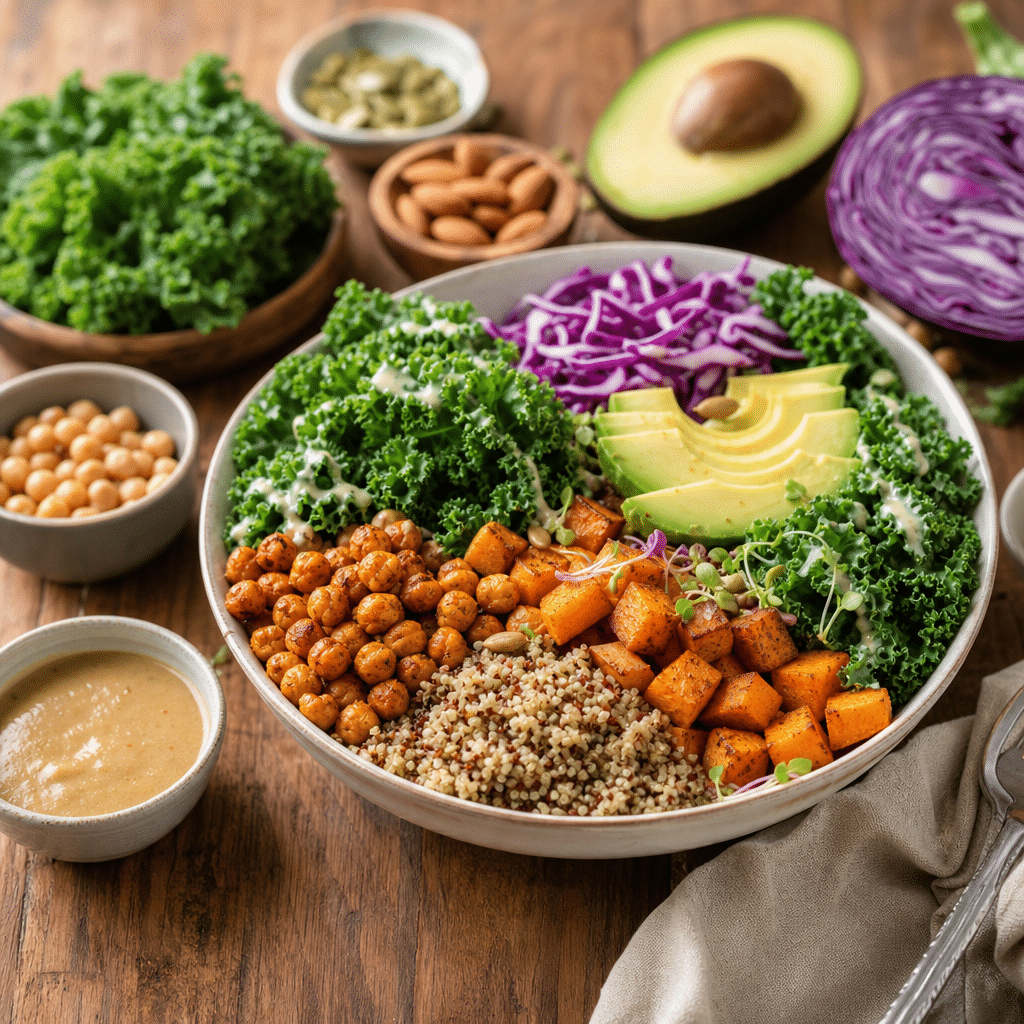
If your social feed has been flooded with people talking about their fiber goals lately, you have already met the fibermaxxing trend. Fibermaxxing recipes are exactly what they sound like: meals and snacks intentionally packed with as much fiber as possible, without sacrificing flavor or comfort. This is not about bland diet food or choking down bran flakes out of obligation. It is about building a plate that keeps you full, supports your gut, and still tastes like something you actually want to eat.
In this guide, we are breaking down everything you need to start fibermaxxing with confidence, from the best high-fiber ingredients to stock in your pantry to quick fibermaxxing recipes you can throw together on a busy weeknight. We will also cover common mistakes people make when ramping up fiber too fast, plus budget-friendly swaps that make this way of eating accessible no matter your grocery budget. By the end, you will have a real plan, not just a trendy hashtag, for making fiber a natural part of your everyday cooking.
What Exactly Is Fibermaxxing?
Fibermaxxing is a nickname for a very old idea wearing a new outfit. It simply means prioritizing fiber-rich ingredients at every meal, rather than treating fiber as an afterthought. Instead of asking what protein you are having for dinner, fibermaxxing flips the question to what fiber sources are on your plate.
The appeal is easy to understand once you try it. Fiber slows digestion, which means steadier energy and fewer mid-afternoon crashes. Most fibermaxxing recipes lean on real, whole foods like beans, oats, lentils, and produce, so the approach naturally nudges you toward less processed eating.
What makes this trend stick, rather than fade like so many others, is how livable it actually is. You are not eliminating entire food groups or counting every gram. You are simply choosing the higher-fiber version of foods you already enjoy, one swap at a time.

Why A High-Fiber Diet Matters
Most American adults fall well short of the recommended 25 to 38 grams of fiber per day, and that gap has real consequences. Understanding why fiber matters can make it much easier to stay consistent with fibermaxxing recipes long term, rather than treating it as a short-lived phase.
Digestive Health And Gut Support
Fiber acts like a broom for your digestive system, helping keep things moving smoothly and consistently. It also feeds the beneficial bacteria in your gut, which play a role in everything from immunity to mood regulation. A diet rich in fiber-forward meals tends to correlate with fewer digestive complaints overall.
Heart Health And Blood Sugar Balance
Soluble fiber, the kind found in oats, beans, and apples, helps bind to cholesterol particles and carry them out of the body. This same type of fiber slows the absorption of sugar into the bloodstream, which helps prevent the sharp spikes and crashes that leave you reaching for more snacks. That is one reason so many people managing blood sugar concerns are drawn to high-fiber eating patterns.
Weight Management And Satiety
Fiber expands in the stomach and slows gastric emptying, which is a fancy way of saying it helps you feel full longer on fewer calories. This is a big part of why fibermaxxing recipes tend to be so satisfying even when they are relatively light. Feeling satisfied after a meal makes it much easier to avoid unnecessary snacking later in the day.
The Building Blocks: High-Fiber Foods To Keep On Hand
Before diving into specific fibermaxxing recipes, it helps to know which ingredients give you the biggest fiber return for your grocery dollar. Stocking a handful of these staples makes it easy to build a fiber-rich meal on almost any night of the week.
Legumes And Beans
Black beans, lentils, and chickpeas are some of the most efficient fiber sources you can buy, often delivering seven to ten grams per cooked cup. They are inexpensive, shelf-stable in dried or canned form, and endlessly flexible in soups, salads, and grain bowls. Lentils in particular cook quickly and do not require soaking, which makes them a weeknight favorite for fibermaxxing recipes.
Whole Grains And Oats
Oats are a fibermaxxing staple for good reason, offering both soluble and insoluble fiber in one affordable package. Swapping white rice for brown rice, quinoa, or farro in your regular dinners is another simple way to raise your daily total without much effort. Whole wheat pasta and barley are worth keeping in the pantry too, since they slide into familiar recipes with almost no adjustment.
Fruits And Vegetables
Avocado is a quiet fiber powerhouse, packing around ten grams into a single fruit along with healthy fats that help you absorb nutrients. Blueberries bring fiber along with a serious dose of antioxidants, making them a natural fit for high-fiber breakfasts and snacks. Leafy greens, broccoli, and raspberries round out a well-stocked, fiber-forward produce drawer.
Fibermaxxing Recipes By Meal Type
One of the easiest ways to make fibermaxxing sustainable is to think in terms of meals, rather than trying to overhaul your entire day at once. Here is how to bring more fiber into breakfast, lunch, dinner, and snack time without feeling like you are following a restrictive plan.
Breakfast
Mornings are the perfect place to start fibermaxxing recipes, since oats, chia, and fruit combine so naturally in this part of the day. Our High Fiber Muffins Recipe: Soft, Wholesome, and Naturally Sweet is a grab-and-go option that still feels like a treat, thanks to warm spices and naturally sweet add-ins. If you prefer something you can drink on your commute, the High Fiber Smoothie Recipe: The Ultimate Gut-Friendly Breakfast Blend blends fruit, oats, and seeds into a creamy, gut-friendly start to the day.
Lunch
Lunchtime is where fiber-rich grain bowls, hearty salads, and bean-based soups really shine. The Best High Fiber Salad Recipe: 5 Delicious Ways to Boost Your Fiber Intake offers a handful of variations that mix legumes, whole grains, and crunchy vegetables into a genuinely filling midday meal. Building your lunch around a base of lentils or chickpeas, then layering in roasted vegetables and a simple vinaigrette, is a reliable formula worth repeating.
Dinner
Dinner is a great place to lean on lentil stews, bean chilis, and vegetable-packed pasta dishes made with whole grain noodles. Try tossing extra black beans or lentils into a favorite taco filling or grain bowl to boost fiber without changing the flavor profile you already love. Even a simple sheet pan dinner becomes a proper fibermaxxing recipe once you add roasted broccoli, sweet potato, and a scoop of quinoa alongside your protein.
Snacks
Snack time is often where fiber falls apart, since so many packaged snacks are stripped of it entirely. Keep things simple with roasted chickpeas, apple slices with almond butter, or a small bowl of berries and oats. These small, consistent choices add up quickly and keep your fiber momentum going between meals.
Quick Fibermaxxing Recipes Under 30 Minutes
Busy schedules do not have to get in the way of eating well, and plenty of fibermaxxing recipes come together in half an hour or less. A lentil and spinach soup can simmer to tender perfection in about twenty-five minutes using canned lentils and a bag of pre-washed greens. Overnight oats require zero cook time at all, since you simply combine oats, chia seeds, and milk the night before and let the fridge do the work.
A black bean and avocado bowl over quick-cooking quinoa is another reliable option, ready in under twenty minutes from start to finish. For dinner, a stir-fry loaded with broccoli, edamame, and brown rice noodles takes roughly the same amount of time as ordering delivery, but delivers far more fiber. Keeping a few of these fast options in your regular rotation makes it much easier to stay consistent with fibermaxxing recipes even on your busiest weeknights.
Fiber Content Comparison: How Common Foods Stack Up
Seeing the numbers side by side can be surprisingly motivating when you are trying to increase fiber intake. Here is a quick comparison of fiber grams in some everyday foods, based on standard serving sizes.
Lentils, cooked, one cup: about 15.5 grams. Black beans, cooked, one cup: about 15 grams. Avocado, one medium fruit: about 10 grams. Old-fashioned oats, one cup cooked: about 4 grams. Blueberries, one cup: about 3.6 grams. White rice, one cup cooked: less than 1 gram.
This kind of comparison makes it obvious why legumes and lentils show up so often in fibermaxxing recipes; gram for gram, they simply outperform many other pantry staples. Even small substitutions, like choosing lentils over white rice as a base for a bowl, can meaningfully move your daily total.
Common Mistakes When Increasing Fiber Intake
Jumping into fibermaxxing too aggressively is one of the most common ways people end up quitting within a week. Ramping up fiber intake too quickly, without also increasing water, often leads to bloating, gas, and general discomfort. The fix is simple: increase your fiber gradually over one to two weeks and drink plenty of water alongside it.
Another frequent mistake is relying too heavily on fiber supplements or bars instead of whole foods. While these products have their place, whole food sources like beans, oats, and vegetables bring along additional vitamins, minerals, and satiety that isolated fiber powders simply cannot match. Real fibermaxxing recipes built from whole ingredients will always outperform a shortcut in the long run.
Finally, many people forget that not all fiber behaves the same way. Balancing soluble fiber from oats and fruit with insoluble fiber from vegetables and whole grains gives you the most well-rounded digestive benefit, rather than overloading on just one type.
Meal Prep, Storage, And Make-Ahead Tips
Fibermaxxing becomes so much easier once you build a rhythm around batch cooking. Cook a large pot of lentils or black beans at the start of the week, then portion them into containers to drop into salads, bowls, and soups as needed. Most cooked legumes hold well in the refrigerator for four to five days, or in the freezer for up to three months.
Oats are another excellent make-ahead ingredient, whether you are prepping overnight oats in individual jars or baking a batch of high-fiber muffins to freeze. Chopped vegetables like broccoli and bell peppers can be prepped in advance and stored in airtight containers, ready to roast or stir-fry at a moment’s notice. Having these building blocks ready in your fridge and freezer removes the biggest barrier to consistent fibermaxxing recipes: last-minute decision fatigue.
When storing anything with avocado, add a squeeze of lemon or lime juice and press plastic wrap directly against the surface to slow browning. Grain bowls and salads generally taste best when dressing is added just before eating, so store dressings separately in small containers.
Budget-Friendly Fibermaxxing Swaps
One of the best-kept secrets about fibermaxxing recipes is how affordable they can be. Dried beans and lentils cost only a fraction of what meat does per serving, and they stretch impressively far in soups, stews, and grain bowls. Buying oats, rice, and whole wheat pasta in bulk also keeps costs down while still supporting your fiber goals.
Frozen fruits and vegetables are just as nutritious as fresh, and often significantly cheaper, especially for berries and broccoli. Canned beans, while slightly pricier than dried, offer a convenient middle ground for anyone short on prep time. A weekly plan built around these staples proves that eating for fiber does not require a specialty grocery budget.
FAQ
What is fibermaxxing, exactly?
Fibermaxxing is intentionally maximizing fiber in meals by prioritizing beans, lentils, oats, and produce at every meal rather than treating fiber as an afterthought.
How much fiber should I aim for each day?
Most health guidelines recommend around 25 grams daily for women and 38 grams for men, though needs vary based on age and activity level.
Can fibermaxxing recipes cause bloating?
Increasing fiber too quickly can cause temporary bloating or gas. Raise your intake gradually over one to two weeks while drinking plenty of water to minimize discomfort.
Are fibermaxxing recipes suitable for people with digestive conditions like IBS?
Many high-fiber foods are beneficial, but sensitive digestive systems may need slower introduction and gentler sources like oats and cooked vegetables. Consult a healthcare provider.
What are the easiest foods to start fibermaxxing with?
Oats, canned beans, lentils, and avocado are simplest to start with—they require minimal prep and fit into meals you likely already make.
Loved this recipe? Follow along and save your favorites on Pinterest for more delicious ideas!