
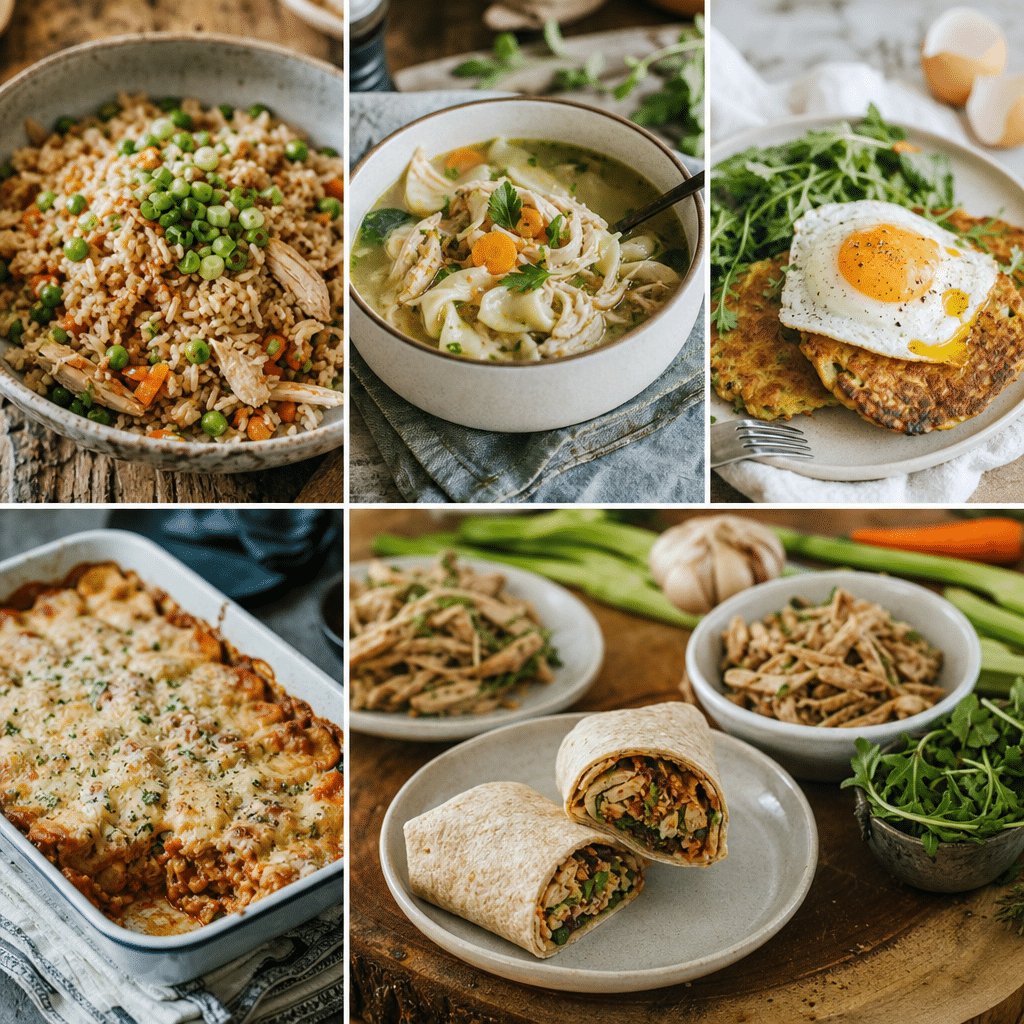
There is a special kind of kitchen magic in taking yesterday’s roast chicken, half a pot of rice, or a forgotten container of vegetables and turning them into something you actually crave. That is the heart of leftover recipe transformations: the art of looking at what is already in your fridge and seeing possibility instead of a chore. Instead of reheating the same plate twice, you rework textures, add a new sauce, or swap a cuisine entirely, and suddenly Tuesday’s dinner becomes Thursday’s surprise favorite.
This approach is not just a clever trick for busy home cooks, it is also a genuinely smart way to save money, cut down on food waste, and keep your weeknight meals exciting without extra grocery runs. In this guide, we will walk through the flavor principles, ingredient strategies, storage rules, and simple systems that make leftover recipe transformations second nature, so you never look at a container of extra chicken or rice the same way again.
Why Leftover Recipe Transformations Matter
It is easy to underestimate how much food, money, and time gets wasted when leftovers sit untouched at the back of the fridge. Learning to embrace leftover recipe transformations changes that story completely, turning what would have been trash into tomorrow’s lunch or dinner. Beyond the practical side, there is something deeply satisfying about stretching a single cooking session into two or three completely different meals.
The Real Cost Savings
Groceries are expensive, and every ingredient that gets thrown away is money down the drain. When you build a habit of leftover recipe transformations, you are essentially getting a second or third meal out of ingredients you already paid for. A roasted chicken can become soup, tacos, and a rice bowl, which means one grocery trip stretches across an entire week.
The Sustainability Angle
Food waste is one of the biggest, and most overlooked, contributors to household environmental impact. Every time you repurpose extra vegetables or grains instead of tossing them, you are shrinking your kitchen’s footprint in a very tangible way. Small daily choices, like reworking leftovers into a new dish, add up to a meaningful reduction in what ends up in landfills.
Time-Saving Meal Prep Efficiency
Cooking from scratch every single night is exhausting, and that is exactly where leftover recipe transformations shine. If half of tonight’s dinner is already cooked, you are working with a serious head start, which can cut your active cooking time in half. This is especially useful on busy weeknights when the idea of chopping, seasoning, and simmering from zero feels impossible.
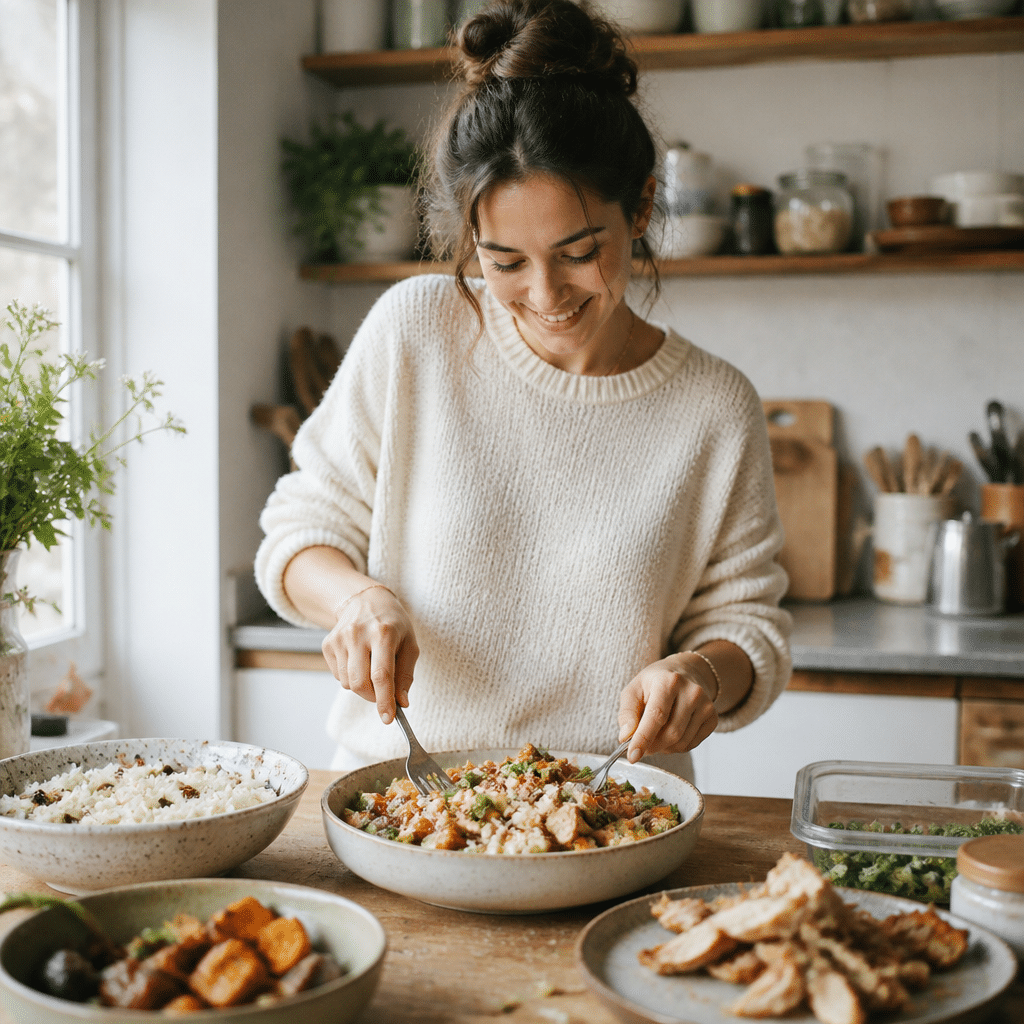
The Flavor Principles Behind Great Leftover Transformations
The difference between a sad reheated plate and an exciting new meal usually comes down to a few simple flavor and texture tricks. Once you understand these principles, you can apply leftover recipe transformations to almost anything sitting in your fridge, regardless of what the original dish was.
Building New Textures
One of the fastest ways to make leftovers feel brand new is to change their texture entirely. Soft roasted vegetables can be crisped up in a hot skillet or air fryer, while shredded meat can be pan-fried until the edges turn golden and slightly crunchy. That contrast between soft and crispy tricks your brain into feeling like you are eating something completely different.
Balancing Familiar And Fresh Flavors
A great transformation keeps a little bit of the original dish’s identity while introducing something unexpected. Leftover taco meat, for example, can slide beautifully into a baked pasta dish if you add marinara, mozzarella, and a handful of fresh basil. The key is layering in at least one fresh element, whether that is a squeeze of citrus, a chopped herb, or a spoonful of yogurt sauce, so the dish tastes revived rather than repeated.
Leftover Recipe Transformations By Ingredient Type
Different ingredients lend themselves to different kinds of makeovers, and knowing these patterns makes it much easier to improvise on a busy night. Below are some of the most common categories home cooks deal with, along with practical ideas for reworking them.
Proteins: Chicken, Beef, And Pork
Cooked proteins are probably the most versatile leftovers in any kitchen. Shredded chicken can go straight into a creamy enchilada bake, like the one in our Chicken Enchilada Skillet: The Cozy One-Pan Mexican Dinner You’ll Make on Repeat, where it soaks up sauce and cheese for a completely different personality than the original roasted dish. Leftover steak or pork can be sliced thin and tossed into a stir-fry, folded into a hearty soup, or layered onto a sandwich with a punchy sauce. The goal with protein-based leftover recipe transformations is usually to add moisture and a new seasoning profile, since reheated meat can dry out quickly.
Grains And Starches
Rice, quinoa, pasta, and potatoes are some of the easiest leftovers to transform because they act like a blank canvas. Day-old rice is actually ideal for fried rice, since the slightly dried-out grains crisp up beautifully in a hot pan instead of turning mushy. If you have extra cooked rice and some protein on hand, our Fried Rice Bowls with Protein: The Ultimate Easy Recipe is a perfect template to follow, and it comes together in well under twenty minutes. Leftover mashed potatoes can be shaped into crispy patties, while extra pasta can be baked into a cheesy casserole with almost no additional effort.
Vegetables And Roasted Sides
Roasted or steamed vegetables often get sadder every day they sit in the fridge, but a quick transformation can bring them right back to life. Blitzing leftover vegetables into a soup base with broth and cream is one of the simplest fixes, and it works with almost any combination you have on hand. You can also fold chopped vegetables into a frittata, a grain bowl, or even a quesadilla, where melted cheese hides any textural changes and adds richness.
Specific Recipe Examples To Try Tonight
Sometimes the easiest way to get started is to have a few go-to formulas ready in your back pocket. These ideas work especially well when you have small amounts of several different leftovers rather than one large batch of a single dish.
The Rice Bowl Reset
If you have leftover cooked chicken or beef along with a scoop of rice, you are basically halfway to a full meal already. Our The Best Chicken Rice Bowl Recipe for a Delicious Meal at Home shows how a simple sauce, some quick-pickled vegetables, and a soft egg can turn plain leftovers into a restaurant-style bowl in minutes. This kind of leftover recipe transformation is especially handy for lunch, since it requires almost no active cooking.
The Soup Shortcut
Nearly any combination of leftover meat, vegetables, and grains can be simmered in broth with a few aromatics to create a comforting soup. Add a splash of cream or coconut milk if you want something richer, or keep it brothy and light with a squeeze of lime at the end. Soups are forgiving, which makes them one of the most reliable leftover recipe transformations for beginners.
The Handheld Makeover
Turning leftovers into tacos, quesadillas, or wraps is one of the quickest ways to make a meal feel fresh again. Warm tortillas, a quick slaw, and a spoonful of sauce can completely change the personality of whatever protein or vegetables you have leftover. This method also works well for portioning out smaller amounts of several different leftovers into one cohesive meal.
Food Safety And Storage Basics For Leftovers
None of these transformation ideas matter if the leftovers were not stored safely in the first place. Understanding a few basic food safety rules keeps your reworked meals just as safe as they are delicious.
Cooling And Refrigeration
Leftovers should go into the refrigerator within two hours of cooking to avoid bacteria growth in what food safety experts call the danger zone. Dividing large batches of food into smaller, shallow containers helps them cool faster and more evenly. Always store leftovers at or below 40 degrees Fahrenheit to keep them safe for future leftover recipe transformations.
Freezing For Later
If you know you will not use a leftover within a few days, freezing is your best friend. Cooked meats, grains, soups, and even some sauces freeze beautifully in airtight containers or heavy-duty freezer bags, with most staying good for two to three months without a major drop in quality. Label everything with the date and contents so you are not left guessing what is inside a mystery bag six weeks later.
How Long Leftovers Really Last
As a general rule, most cooked leftovers are safe to eat for three to four days when stored properly in the refrigerator. After that window, quality and safety both start to decline, even if the food looks and smells fine. Building your leftover recipe transformations into your weekly routine within that timeframe keeps both flavor and safety on your side.
Building A Leftover Recipe Transformation System At Home
Turning leftovers into new meals becomes far easier when you have a simple system in place rather than relying on memory alone. A little bit of organization goes a long way toward making leftover recipe transformations feel automatic instead of overwhelming.
Organizing Your Fridge
Designate one shelf or bin specifically for leftovers so they are visible every time you open the fridge door, rather than hidden behind other groceries. Clear glass containers are especially helpful here, since you can see exactly what is inside without opening every lid. This small habit alone dramatically reduces the number of forgotten containers that end up in the trash.
The Weekly Leftover Audit
Pick one day each week, maybe the night before your grocery shopping trip, to do a quick scan of what leftovers are still hanging around. This is the perfect moment to plan a transformation meal using whatever needs to be used up first. Treating this audit as a fun challenge rather than a chore makes the whole process feel less like cleanup and more like creative cooking.
Labeling And Container Tips
Stackable, airtight containers in a few standard sizes make storage far more efficient than a mismatched collection of random takeout containers. Adding a piece of masking tape with the date and contents takes only a few seconds but saves you from playing a guessing game later in the week. Investing in good containers is a small upfront cost that pays off constantly once leftover recipe transformations become part of your routine.
Seasonal And Cultural Approaches To Repurposing Leftovers
Cooks around the world have been transforming leftovers into new dishes for generations, long before it became a trendy topic online. Fried rice itself grew out of a need to use up day-old rice rather than waste it, and the same resourceful spirit shows up in dishes like Italian panzanella, made from stale bread, or Mexican chilaquiles, built around leftover tortillas. Leaning into these traditions is a wonderful way to think about leftover recipe transformations, since they prove that some of the most beloved comfort foods started as clever solutions to avoid waste.
Cold Weather Comfort Transformations
During colder months, leftovers naturally lend themselves to soups, stews, and baked casseroles that bring warmth to the table. A little extra roasted chicken and vegetables from earlier in the week can become the base of a cozy pot pie filling or a creamy baked rice dish, similar in spirit to our The Best Baked Chicken and Rice Recipe for a Delicious Dinner Fix. These heartier transformations are especially satisfying when the weather turns chilly.
Warm Weather Light Transformations
In the summer, leftovers work beautifully in cold grain salads, wraps, and quick stir-fries that do not require turning on the oven for long. Chopped leftover vegetables and protein tossed with a bright vinaigrette can turn into a refreshing lunch in just a few minutes. This lighter approach to leftover recipe transformations keeps meals feeling appropriate for the season instead of heavy and out of place.
FAQ
How long can leftovers safely sit in the refrigerator?
Most cooked leftovers stay safe for three to four days when stored properly in an airtight container below 40 degrees Fahrenheit.
Can you freeze leftovers for future transformations?
Yes, most cooked meats, grains, and soups freeze well for two to three months in airtight containers or freezer bags.
What is the easiest way to transform leftover chicken?
Shred it into tacos, fold it into a rice bowl, or bake it into an enchilada-style dish with sauce and cheese for a fresh flavor.
Is it safe to reheat leftover rice more than once?
It is best to reheat rice only once, and to cool and store it quickly after cooking to reduce the risk of bacterial growth.
How do you make leftovers taste completely different?
Change the texture, add a fresh sauce or herb, and consider switching the cuisine style entirely, like turning roast chicken into tacos.
Loved this recipe? Follow along and save your favorites on Pinterest for more delicious ideas!