
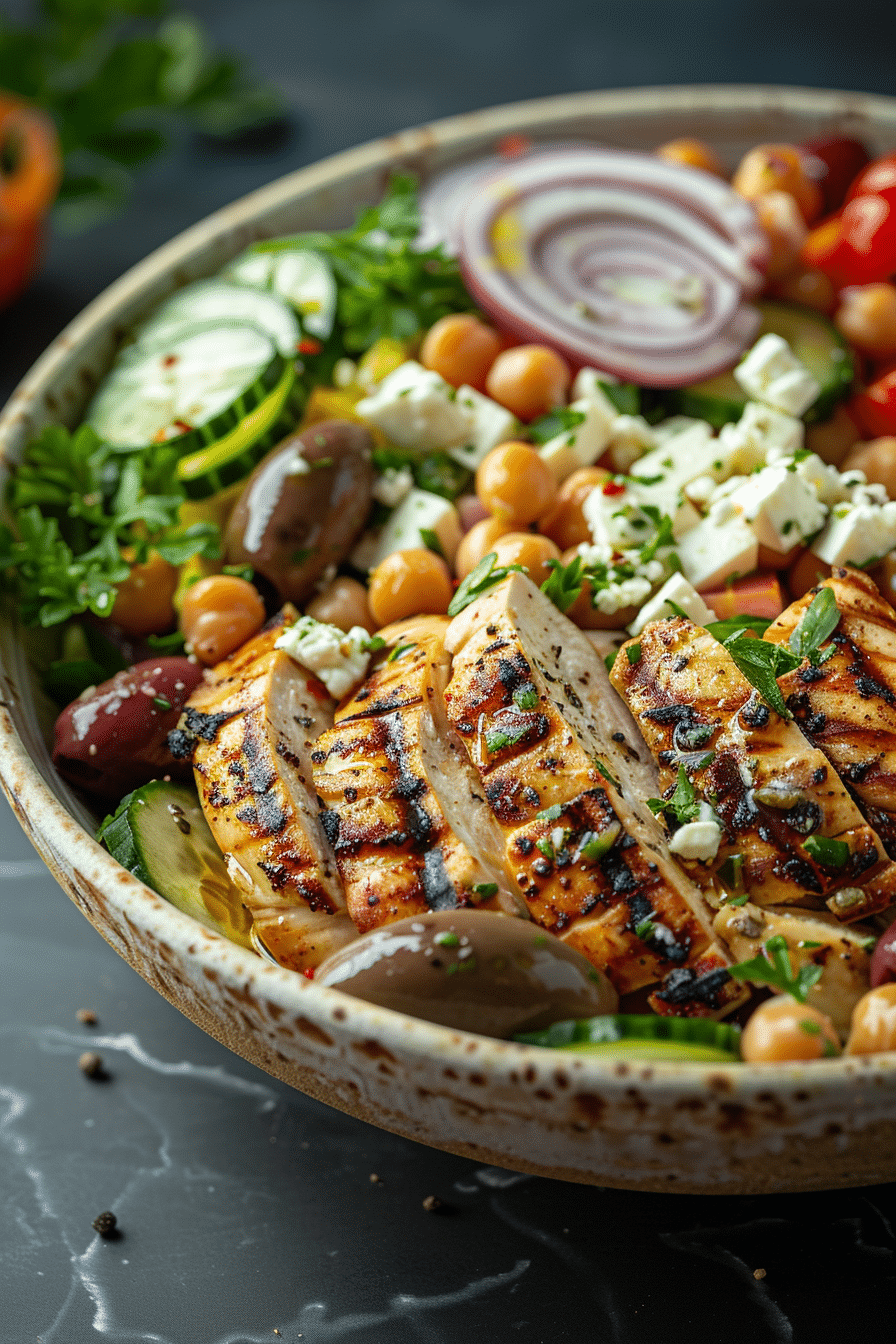
High Protein Greek Salad You’ll Crave Every Weeknight
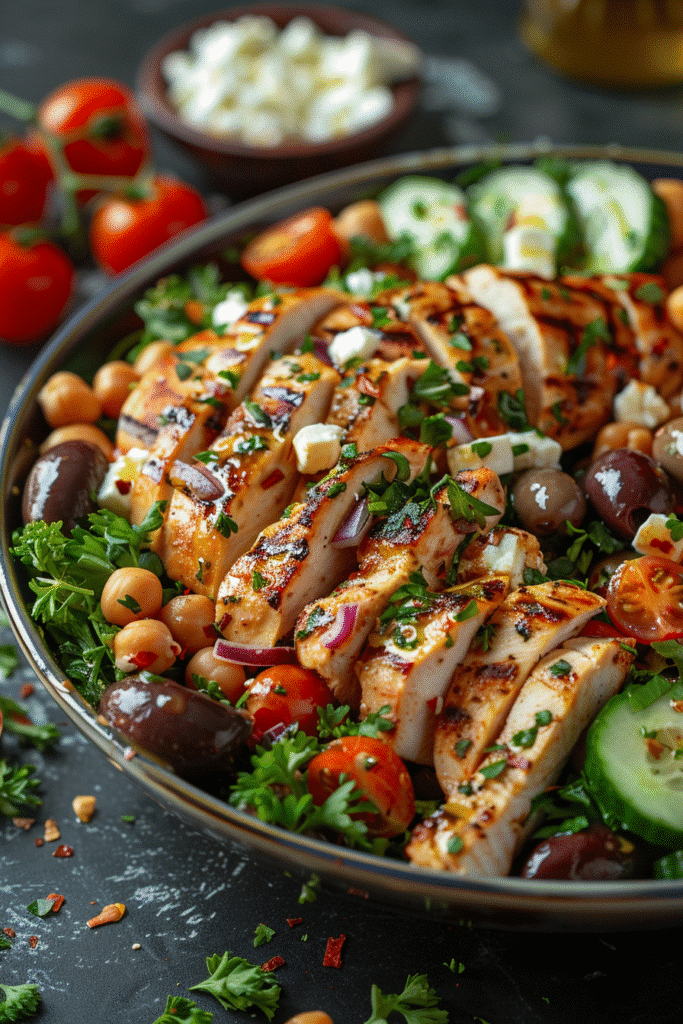
A High Protein Greek Salad is one of the easiest ways to turn classic Mediterranean flavors into a truly satisfying, macro-friendly meal. In fact, this high protein twist on a traditional Greek salad delivers everything you want: crisp vegetables, creamy tangy cheese, briny olives, and a zesty dressing, plus enough protein to keep you full for hours.
If you love quick, colorful meals that actually support your health goals, this recipe belongs in your weekly rotation. You can enjoy it as a hearty lunch, a light but filling dinner, or even a make-ahead meal prep option. And if you already enjoy vibrant salad recipes like a citrus fennel avocado winter salad or grain-based bowls, this upgraded Greek salad is a natural next step to explore new textures and flavors while staying aligned with your nutrition goals.
Table of Contents
Why a High Protein Greek Salad Belongs in Your Meal Plan
A modern spin on a classic Greek salad
A traditional Greek salad, or horiatiki, usually features tomatoes, cucumbers, red onion, olives, and feta cheese dressed with olive oil and oregano. While that classic is delicious, it often falls a bit short in the protein department, especially if you eat it as a main course. By transforming it into a High Protein Greek Salad, you keep the bright Mediterranean flavors but upgrade it into a balanced, complete meal. The key is to layer multiple protein sources, such as grilled chicken, chickpeas, or Greek yogurt-based dressing, into the same bowl.
This ensures the salad doesn’t just taste refreshing but also offers real staying power. Combined with high-fiber vegetables and heart-healthy fats from olive oil and olives, you end up with a nutrient-dense dish that supports better energy, more stable blood sugar, and easier weight management, all while feeling indulgent and satisfying.
Benefits of making your Greek salad high protein
Boosting the protein content in your Greek salad changes how your body responds to the meal. Protein slows digestion, which can keep you satisfied longer and help you avoid mid-afternoon cravings. It also supports lean muscle maintenance, especially if you’re active or trying to lose fat without feeling deprived.
A High Protein Greek Salad can easily deliver 25–40 grams of protein per serving depending on your choice of toppings and dressing. When you pair this with the antioxidants in tomatoes, vitamin C in peppers, and fiber in cucumbers and onions, you get a meal that nourishes your body on multiple levels. Plus, protein helps stabilize blood sugar, which can reduce energy crashes and brain fog after lunch. Over time, regularly eating high protein, veggie-rich meals may even support a healthier metabolism.
This combination of taste and function makes a protein-rich Greek salad ideal for busy professionals, athletes, and anyone wanting to eat more real food without spending hours in the kitchen.
Print
High Protein Greek Salad
Description
This high protein Greek salad is a fresh Mediterranean-inspired meal made with grilled chicken, chickpeas, feta cheese, and a light Greek yogurt dressing. Perfect for lunch, dinner, or meal prep.
Ingredients
4 oz grilled chicken breast, sliced
1/2 cup chickpeas, rinsed and drained
1 cup cherry tomatoes, halved
1 cup cucumber, chopped
1/4 cup red onion, thinly sliced
1/4 cup kalamata olives
1 oz feta cheese, cubed
2 tablespoons extra-virgin olive oil
1 tablespoon lemon juice
1/4 cup plain Greek yogurt (optional dressing boost)
1/2 teaspoon dried oregano
Salt and black pepper, to taste
Instructions
Wash and dry all vegetables thoroughly.
Chop cucumbers, tomatoes, and red onion; place in a large bowl.
Add chickpeas, olives, and feta cheese.
Top with sliced grilled chicken.
Whisk olive oil, lemon juice, Greek yogurt, oregano, salt, and pepper.
Drizzle dressing over salad and toss gently.
Serve immediately or store components separately for meal prep.
Notes
Swap grilled chicken for shrimp, salmon, or tofu for variation.
For vegetarian version, add extra chickpeas or lentils.
Store dressing separately to keep salad fresh.
Essential Ingredients for the Best High Protein Greek Salad
Building a flavorful high protein Greek base
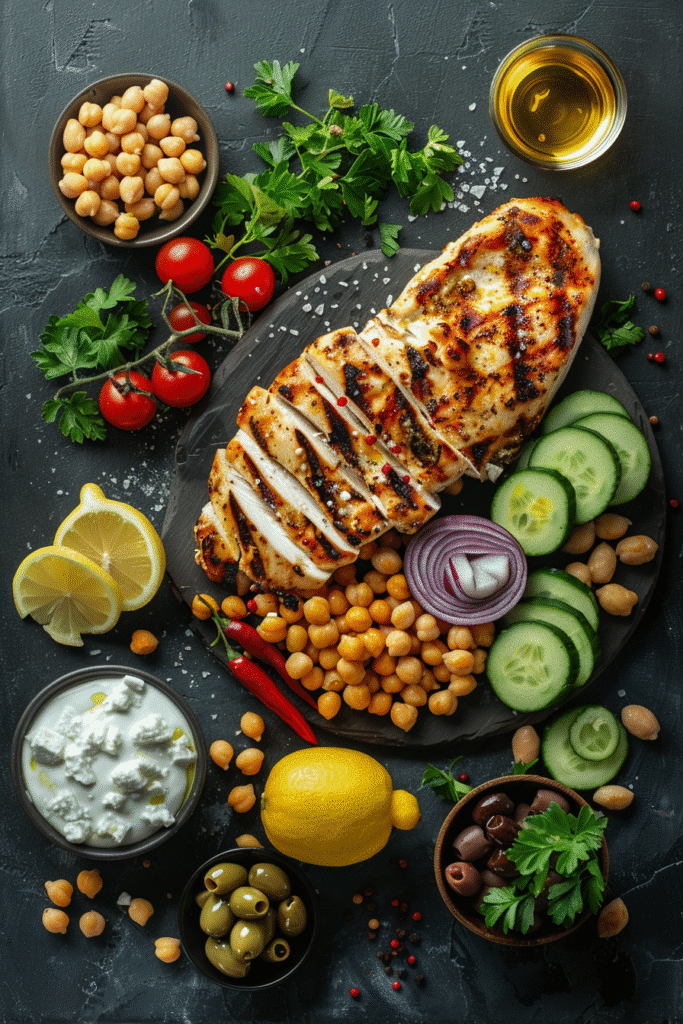
To create the best High Protein Greek Salad, start by perfecting the vegetable and flavor base. Use ripe cherry or grape tomatoes for sweetness and juiciness; they hold their shape better than larger tomatoes and don’t water down the salad. Crisp cucumbers add refreshing crunch; Persian or English cucumbers work especially well because they have thinner skins and smaller seeds. Red onion offers a mild bite and beautiful color, while bell peppers bring extra vitamin C and texture.
Kalamata olives provide briny depth and healthy fats, and a block of good-quality feta cheese adds creaminess and tang. Always choose feta packed in brine rather than pre-crumbled; it stays moist and more flavorful. Finish the base with a generous splash of extra-virgin olive oil, dried oregano, sea salt, and freshly cracked black pepper. This traditional foundation sets the stage for the protein upgrades so the salad feels authentic while still being nutritionally elevated.
Choosing and layering your protein sources
The magic of a High Protein Greek Salad lies in thoughtfully layering several protein sources instead of relying on just one. Grilled chicken breast is a classic choice; it’s lean, mild, and soaks up Greek-inspired marinades like lemon, garlic, and oregano. For a pescatarian twist, grilled shrimp or flaky salmon works beautifully with the bright flavors and adds omega-3 fats. For plant-based eaters, chickpeas, lentils, or even marinated tofu bring plenty of protein and hearty texture.
You can also increase protein subtly by swapping a regular vinaigrette for a Greek yogurt-based dressing, which adds creaminess without heavy oils or mayo. Feta cheese and even a sprinkle of toasted pumpkin seeds or almonds add smaller but meaningful boosts. When you combine two or three of these protein elements in one salad, you easily raise the protein content to main-meal levels while keeping the bowl colorful, balanced, and deeply satisfying rather than monotonous.
Sample ingredient table
| Ingredient | Role in Salad | Protein (approx. per serving) |
|---|---|---|
| Grilled chicken breast (4 oz) | Main lean protein | 26 g |
| Chickpeas (1/2 cup) | Plant-based protein, fiber | 7 g |
| Feta cheese (1 oz) | Creamy, tangy accent | 4 g |
| Greek yogurt dressing (1/4 cup) | High protein creamy dressing | 5–6 g |
Step-by-Step: How to Make a High Protein Greek Salad
Prepping vegetables and proteins the smart way
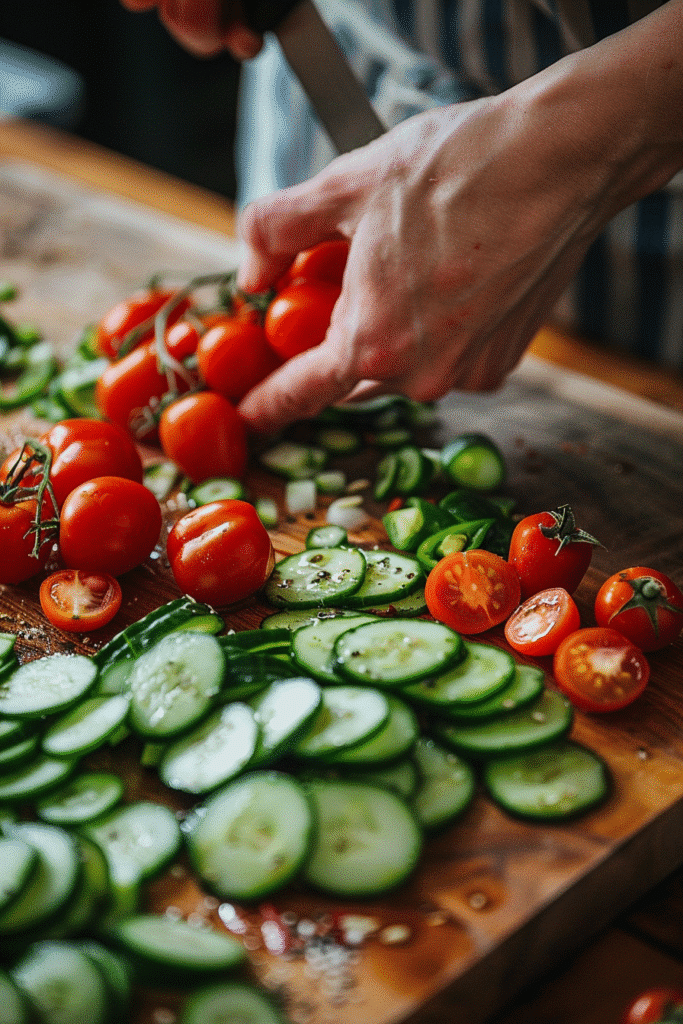
Efficient prep turns a High Protein Greek Salad into a realistic weeknight meal instead of a special-occasion project. Start by washing and drying all produce thoroughly; excess water can dilute your dressing and make the salad soggy. Cut cucumbers into half-moons or chunks, slice cherry tomatoes in half, and thinly slice red onions.
To mellow their sharpness, you can soak onion slices in cold water for ten minutes, then pat dry. Slice bell peppers into bite-sized strips. Prepare your Kalamata olives by pitting them if needed, and cube your feta cheese rather than crumbling it so it stays firm. Meanwhile, cook or reheat your protein. Grill or pan-sear chicken breast with olive oil, lemon juice, garlic, and oregano, then let it rest before slicing to keep it juicy. If using chickpeas, drain, rinse, and dry them; for extra flavor, quickly roast them in the oven with olive oil, smoked paprika, and sea salt for a crispy texture that holds up well in the salad.
Assembling and dressing for maximum flavor
Once everything is prepped, you can assemble your High Protein Greek Salad in layers to ensure each bite is balanced. Start with a large bowl and add your chopped cucumbers, tomatoes, red onion, and bell peppers. Sprinkle lightly with salt and toss; this draws out just a bit of moisture and seasons the vegetables from the start. Add your olives and cubed feta next. Then fold in your main protein elements, such as sliced grilled chicken and chickpeas, being careful not to break up the feta too much.
Whisk together a simple dressing of extra-virgin olive oil, fresh lemon juice, red wine vinegar, garlic, dried oregano, salt, and pepper. For an even higher protein version, swap part of the oil with plain Greek yogurt to create a creamy, tangy coating. Pour the dressing over the salad right before serving and toss gently from the bottom up. Garnish with fresh parsley or dill and a final squeeze of lemon. Serve immediately so the vegetables stay crisp and the textures contrast beautifully.
Nutrition Breakdown of a High Protein Greek Salad
Macronutrients: protein, carbs, and healthy fats
A well-composed High Protein Greek Salad offers a remarkably balanced macronutrient profile. The lean protein from chicken, chickpeas, or tofu forms the backbone, supporting muscle repair and satiety. Depending on your exact portions, a typical serving might deliver around 30 grams of protein, 20–30 grams of carbohydrates, and 15–20 grams of healthy fats. The carbohydrates mainly come from non-starchy vegetables and legumes, which means the meal remains relatively low in net carbs but high in fiber.
This combination helps keep blood sugar response moderate. Meanwhile, fats come primarily from extra-virgin olive oil, olives, and feta cheese, all of which align with Mediterranean diet principles associated with heart health. You can customize these macronutrients by adjusting dressing quantity, cheese amount, or the ratio of legumes to animal protein. Because everything is visible in the bowl, it’s easy to eyeball your portions and tweak them to match your calorie or macro goals.
Micronutrients, fiber, and Mediterranean health benefits
Beyond macros, a High Protein Greek Salad supplies a powerful mix of vitamins, minerals, and antioxidants. Tomatoes provide lycopene, a carotenoid studied for its potential support of heart and skin health. Red onions and garlic bring sulfur compounds and flavonoids, while bell peppers offer hefty doses of vitamin C and vitamin A. Cucumbers contribute hydration and small amounts of potassium, and olives add vitamin E along with polyphenols.
Chickpeas and other legumes supply iron, magnesium, and B vitamins, while leafy herbs like parsley or dill add vitamin K and fresh phytonutrients. Fiber content in this salad can easily reach 8–12 grams per serving, especially if you include legumes and plenty of vegetables. This supports digestive health and helps keep you full. Combined with olive oil’s monounsaturated fats, the salad mirrors many of the core strengths of a Mediterranean eating pattern, which research links with reduced risk of cardiovascular disease and better long-term metabolic health.
Sample nutrition snapshot
| Nutrient (per serving, approx.) | Amount |
|---|---|
| Calories | 450–550 kcal |
| Protein | 28–35 g |
| Carbohydrates | 25–30 g |
| Fiber | 8–12 g |
| Fat | 18–22 g |
Protein Options and Variations for Every Lifestyle
High protein Greek salad with meat and seafood
If you eat animal protein, you have plenty of delicious options to customize your High Protein Greek Salad. Grilled chicken breast is the most common choice; marinate it with lemon juice, garlic, oregano, and a splash of olive oil for at least 30 minutes to lock in flavor. Sliced steak, especially lean sirloin, also works well and adds a heartier feel.
For seafood lovers, grilled shrimp cooks in minutes and pairs beautifully with lemony dressing and briny olives. Salmon offers extra omega-3 fats and a rich flavor that complements the brightness of the vegetables. You can even use leftover rotisserie chicken or turkey breast to save time; just remove the skin to keep the salad lighter. By rotating different proteins across the week, you prevent flavor fatigue and keep the dish interesting, all while maintaining a consistently high protein content that supports your health and fitness goals.
Vegetarian and vegan high protein Greek salad ideas
You can easily adapt a High Protein Greek Salad for vegetarian or vegan diets without sacrificing protein. Chickpeas, lentils, or white beans make excellent plant-based protein bases and blend seamlessly with Greek flavors. For more chew and substance, add grilled or baked tofu marinated in lemon, olive oil, garlic, and oregano. Tempeh also works well and brings a nutty profile. Vegetarians can keep feta cheese and Greek yogurt dressing to add extra protein and creaminess.
Vegans, however, can swap feta for marinated tofu “feta” or a crumbly almond-based cheese. They can also use a tahini-lemon dressing instead of yogurt-based dressings for richness and extra plant protein. Quinoa, while not traditionally Greek, adds a grain-based protein boost and extra fiber, similar to what you might enjoy in a cranberry apple quinoa winter salad, while still harmonizing with the Mediterranean herbs and vegetables. With a few thoughtful swaps, the salad becomes a fully plant-powered meal that remains colorful, fresh, and deeply satisfying.
Dressing and Seasoning a High Protein Greek Salad
Classic vinaigrette vs. Greek yogurt dressing
Your choice of dressing can meaningfully influence the protein content and overall feel of your High Protein Greek Salad. A traditional Greek vinaigrette uses extra-virgin olive oil, red wine vinegar, lemon juice, garlic, oregano, salt, and pepper. This version emphasizes healthy fats and bright acidity, and it coats the vegetables lightly without weighing them down. However, if you want to add even more protein and a creamy texture, a Greek yogurt-based dressing is a fantastic alternative.
Mix plain Greek yogurt with lemon juice, olive oil, Dijon mustard, garlic, dried oregano, salt, and a touch of honey if you like a hint of sweetness. The yogurt adds tang and richness while boosting protein and reducing the total oil content. You can even blend in some fresh cucumber and dill for a tzatziki-inspired dressing. By alternating between these two dressing styles, you can keep the salad fresh and exciting from week to week while always hitting your protein target.
Herbs, spices, and flavor boosters
Seasoning is what transforms a basic bowl of vegetables and protein into a memorable High Protein Greek Salad. Dried oregano remains the star herb in Greek cuisine, so be generous with it in both the salad and dressing. Fresh herbs like parsley, dill, mint, or basil add dimension and freshness; simply chop them finely and fold them in right before serving. Garlic, whether minced fresh or used in powder form, deepens the savory notes. Cracked black pepper, sea salt, and a pinch of red pepper flakes bring gentle heat.
You can also add a splash of red wine vinegar or sherry vinegar just before serving to brighten the flavors without more oil. For extra umami and complexity, toss in a few sun-dried tomatoes or capers, which echo the briny quality of the olives. Because the ingredients are simple, each small seasoning choice stands out, so taste as you go and adjust salt or acid until the salad tastes vivid and lively rather than flat.
Meal Prep and Storage Tips for High Protein Greek Salad
How to prep components in advance
A High Protein Greek Salad becomes a weekday hero when you meal-prep its components. Start by chopping cucumbers, bell peppers, and red onions, then store them separately in airtight containers lined with a paper towel to absorb moisture. Keep tomatoes whole or only slice them the day you plan to eat for best texture. Grill or bake your chicken, shrimp, or tofu ahead of time, then cool and slice it before refrigerating.
Store proteins in separate containers so they don’t wilt the vegetables. Prepare your dressing and refrigerate it in a jar; oil-based dressings can stay good for up to a week, while yogurt-based versions usually last 3–5 days. When you’re ready to eat, combine the desired portion of vegetables, add protein, top with olives and feta, and then dress the salad. By keeping everything separate until serving, you maintain crisp textures and fresh flavors while still saving serious time on busy days.
Storing leftovers and keeping texture fresh
If you need to store a fully assembled High Protein Greek Salad, you can still enjoy it later with a few precautions. First, use a slightly larger container than you think you need to prevent compression, which can bruise delicate vegetables. If possible, add only a portion of the dressing before storing and keep the rest on the side; too much dressing encourages sogginess.
Most assembled salads with protein hold well in the refrigerator for about 24 hours, though the vegetables may soften slightly. Legume-based salads, like those with chickpeas or lentils, often fare even better because the beans absorb flavor without losing structure. If the salad seems a bit flat when you pull it out, refresh it with a squeeze of lemon, a drizzle of olive oil, and a sprinkle of fresh herbs. For variety throughout the week, you might alternate this salad with other make-ahead options like a hearty warm lentil and roasted vegetable salad or a cozy green bean casserole recipe for baked comfort meals.
Simple meal-prep planning table
| Component | Prep in Advance | Fridge Life |
|---|---|---|
| Chopped veggies (cucumber, pepper, onion) | Store separately, dry | 3–4 days |
| Cooked protein (chicken, tofu, chickpeas) | Cool completely before storing | 3–4 days |
| Dressing (vinaigrette) | Store in jar, shake before use | 5–7 days |
Serving Ideas and Pairings for Your High Protein Greek Salad
Turning the salad into a complete meal
A High Protein Greek Salad already functions as a full meal, but small additions can make it more satisfying for different appetites or occasions. For a heartier dinner, serve it with a slice of toasted whole grain or sourdough bread to soak up the dressing. You can also spoon the salad over a bed of warm quinoa or farro, similar to how you might enjoy a grain-based bowl, to increase fiber and slow-digesting carbs for active days.
If you want a lighter option, simply pile the salad over a bed of mixed greens, romaine, or chopped kale for extra bulk without many additional calories. You might also tuck leftovers into a whole-wheat pita or wrap with extra lettuce and a drizzle of yogurt dressing for an easy handheld lunch. Because the flavors are bold and balanced, the salad easily stands alone yet remains versatile enough to adapt to different hunger levels and serving styles.
Pairing with drinks, soups, and sides
Thoughtful pairings can turn your High Protein Greek Salad into a restaurant-worthy spread. For beverages, sparkling water with lemon or lime keeps the Mediterranean vibe fresh and hydrating.
If you enjoy smoothies in the morning and salads at lunch, a strawberry banana smoothie recipe can round out your day with a touch of natural sweetness and extra fruit. On cooler days, pair the salad with a light vegetable soup or broth-based chicken soup for warmth while still keeping the meal balanced and not overly heavy. As a side, grilled vegetables like zucchini, eggplant, or asparagus echo the charred notes from grilled proteins and boost your overall vegetable intake.
For gatherings, you might serve this salad as the main dish alongside a rustic panzanella salad recipe for a bread-heavy side, plus perhaps a small plate of hummus and pita. The goal is to keep the overall meal colorful, varied in texture, and aligned with your nutrition needs without feeling restrictive or repetitive.
Common Mistakes and Expert Tips for a Perfect High Protein Greek Salad
Mistakes that ruin texture or flavor
Several easy-to-make mistakes can turn a promising High Protein Greek Salad into a soggy or bland bowl, but you can avoid them with a few simple strategies. Overdressing the salad is the most common issue; too much dressing drowns the vegetables and causes them to wilt quickly.
Always start with less dressing than you think you need and add more gradually, tossing and tasting in between. Another mistake is cutting vegetables too far in advance or storing them wet, which encourages limp textures and diluted flavor. Also, avoid low-quality feta or olives packed in overly salty brine without nuance; they can make the entire salad taste one-note and overly salty.
Finally, many people under-season their salad or skip fresh acid at the end. Even a perfectly balanced dressing can lose punch after refrigeration, so a final squeeze of lemon or a splash of vinegar right before serving can revive flavors dramatically and keep the salad lively and bright.
Expert hacks to level up your high protein Greek salad
To take your High Protein Greek Salad from good to exceptional, adopt a few expert hacks. First, marinate your protein in some of the dressing you plan to use on the salad; this creates a cohesive flavor profile and makes the protein juicier. Second, layer textures by roasting a portion of your vegetables, like cherry tomatoes or peppers, for concentrated sweetness, then mixing them with fresh raw ones.
You can also briefly toast your dried oregano in a dry pan to coax out its aroma before adding it to the dressing. For added protein and crunch, sprinkle toasted seeds or nuts like pumpkin seeds or slivered almonds on top just before serving. If you enjoy nutrient-dense wellness habits, pairing your salad with something like wellness shot juice recipes can further support your immune system and hydration.
Lastly, always taste the finished salad and adjust salt, acid, or herbs at the end. That final seasoning pass is what separates a restaurant-quality bowl from an average home salad.
FAQ: High Protein Greek Salad
How much protein is in a typical high protein Greek salad?
The exact protein content depends on your ingredient choices, but a well-built High Protein Greek Salad usually contains 25–40 grams of protein per serving. For example, four ounces of grilled chicken breast provide about 26 grams of protein. Add half a cup of chickpeas for roughly 7 more grams, one ounce of feta for about 4 grams, and a quarter cup of Greek yogurt-based dressing for another 5–6 grams. Altogether, you can easily reach 35 grams of protein without making the bowl huge. Even vegetarian or vegan versions using legumes, tofu, and seeds can deliver over 20 grams of protein when portions are generous and thoughtfully layered.
Can I make a vegan high protein Greek salad?
Yes, you can absolutely make a vegan High Protein Greek Salad with a few smart swaps. Replace feta cheese with a plant-based feta alternative or marinated tofu cubes seasoned with lemon, garlic, and oregano. Instead of using Greek yogurt dressing, choose a tahini-lemon or cashew-based dressing, which both add creaminess and extra plant protein. Rely on chickpeas, lentils, white beans, or grilled tofu as your main proteins, and feel free to incorporate quinoa for additional complete protein and texture. Keep the classic Greek base, tomatoes, cucumbers, red onions, peppers, and olives, so the salad still tastes familiar and fresh. With these changes, your salad remains high in protein, rich in fiber, and fully aligned with a vegan lifestyle.
Is a high protein Greek salad good for weight loss?
A High Protein Greek Salad can be very supportive of weight loss goals when you build it thoughtfully. The high protein content increases satiety, which may reduce the urge to snack between meals. At the same time, the salad is naturally rich in vegetables and fiber, which add volume and texture without excessive calories. To keep the dish weight-loss friendly, focus on lean proteins like grilled chicken breast, shrimp, tofu, or chickpeas, and use moderate amounts of feta and olives. Pay particular attention to the dressing, because oils are calorie-dense; measure instead of pouring straight from the bottle. Choosing a Greek yogurt-based dressing can help reduce calories while still adding creaminess and protein. Overall, this type of salad supports a nutrient-dense, lower-energy eating pattern that feels satisfying rather than restrictive.
Can I meal prep high protein Greek salad for the week?
You can meal prep components of a High Protein Greek Salad very successfully, although fully dressed salads are best eaten within a day. To prep for the week, chop sturdier vegetables like cucumbers, bell peppers, and red onions and store them separately in airtight containers. Cook your proteins, chicken, tofu, or chickpeas, and refrigerate them in their own containers. Keep olives and feta in small containers as well, ideally in a bit of their brine for freshness. Prepare your dressing and store it in a jar. When it’s time to eat, simply combine a portion of each component and dress the salad right before serving. This approach keeps textures crisp and flavors bright throughout the week while still giving you grab-and-go convenience.
What can I serve with a high protein Greek salad?
A High Protein Greek Salad pairs well with a variety of sides depending on your appetite and the occasion. For a more substantial meal, serve it with warm whole-grain pita or rustic sourdough bread to soak up the dressing. You can also pair it with a simple vegetable soup or light chicken broth-based soup for added warmth on cooler days. If you enjoy multiple salads on a spread, consider adding a kale salad recipe or a crunchy brussels sprout salad recipe guide to complement the softer textures in the Greek salad. For a refreshing contrast, a small fruit-based dessert or smoothie provides natural sweetness after the savory meal. No matter what you choose, keep flavors simple and fresh so they complement rather than overshadow the bold, Mediterranean notes of the salad.
Conclusion: Make High Protein Greek Salad a Weekly Staple
A High Protein Greek Salad offers almost everything you want in one vibrant bowl: generous protein, crisp vegetables, healthy fats, and Mediterranean flavors that never get old. By layering lean meats or plant proteins, quality feta, and optionally a Greek yogurt dressing over a base of tomatoes, cucumbers, onions, peppers, and olives, you create a meal that feels indulgent yet deeply nourishing. It works as a quick solo lunch, a colorful family dinner, or a balanced addition to a larger spread alongside dishes like chicken taco salad dinner recipe or other fresh salads.
With smart prep, you can keep components ready in your fridge and assemble a complete, protein-rich meal in minutes. Over time, this salad can become one of your most reliable, flexible recipes equally friendly to your schedule, taste buds, and long-term health goals.
For more seasonal salad inspirations, check out my Pinterest.