
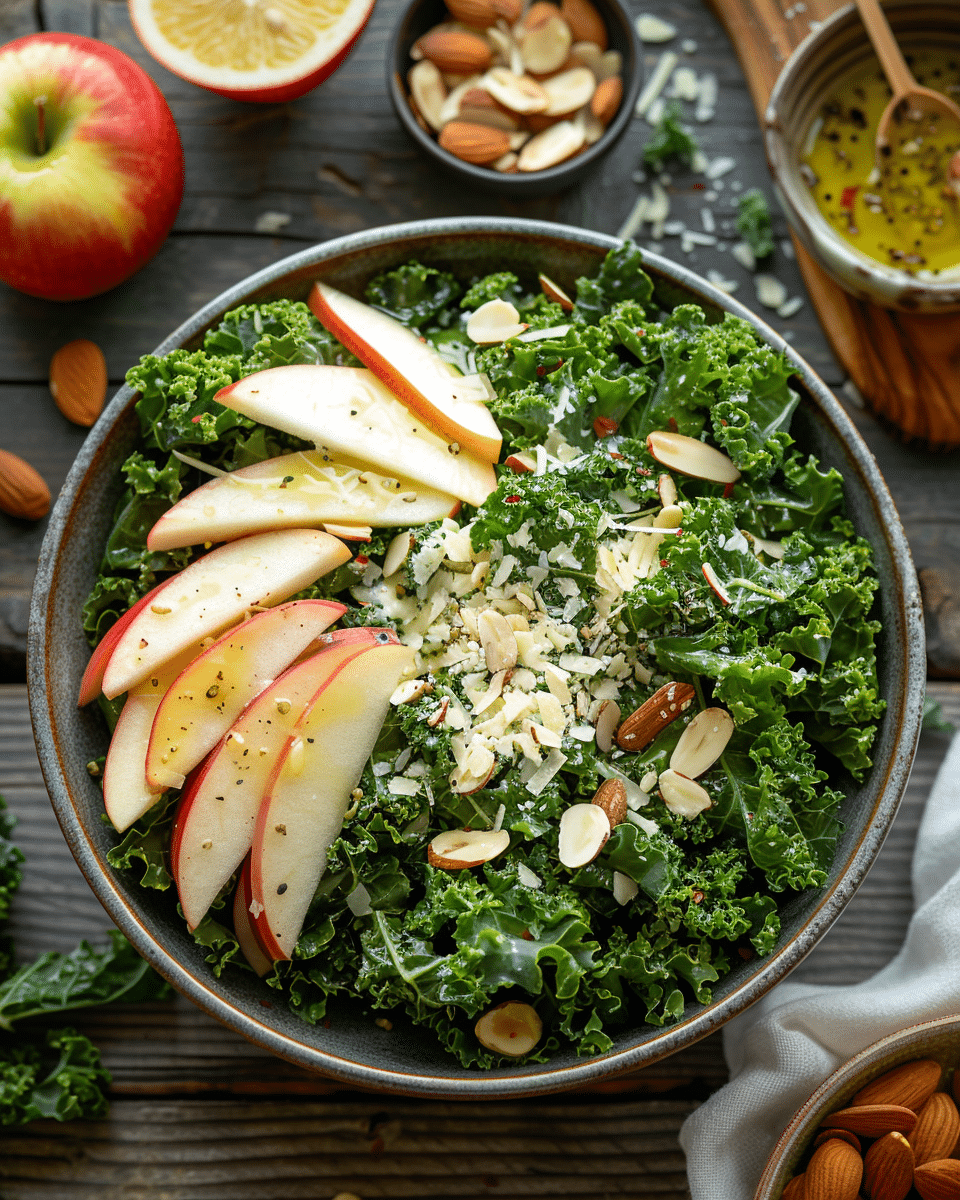
Kale Salad Recipe You’ll Crave Every Weeknight
A truly great kale salad recipe can turn this humble leafy green into the star of your table. When kale is sliced correctly, massaged just enough, and paired with the right dressing and toppings, it becomes tender, flavorful, and surprisingly comforting.
In this guide, you’ll learn not only one foolproof kale salad recipe, but also core techniques you can use to build endless variations that fit your tastes and dietary needs. Because kale holds up so well, it’s also one of the best make-ahead salads for meal prep, potlucks, and busy weeknights.If you enjoy fresh, produce-forward recipes like a crisp cucumber salad or a vibrant seafood salad, you’ll love how versatile kale can be in your salad rotation.
While many people think of kale as tough or bitter, you’ll see how simple steps, like removing the ribs, slicing it thinly, and using the right acid and fat balance, completely transform both the flavor and texture. By the end of this article, you’ll know how to select the best kale, prep it like a pro, choose beautiful mix-ins, and store your salad for maximum freshness. You’ll also see how to adapt this base kale salad recipe for seasons, special diets, and even party-worthy presentations.
Table of Contents
The Best Everyday Kale Salad Recipe (Base Formula)
The Ultimate Everyday Kale Salad Recipe
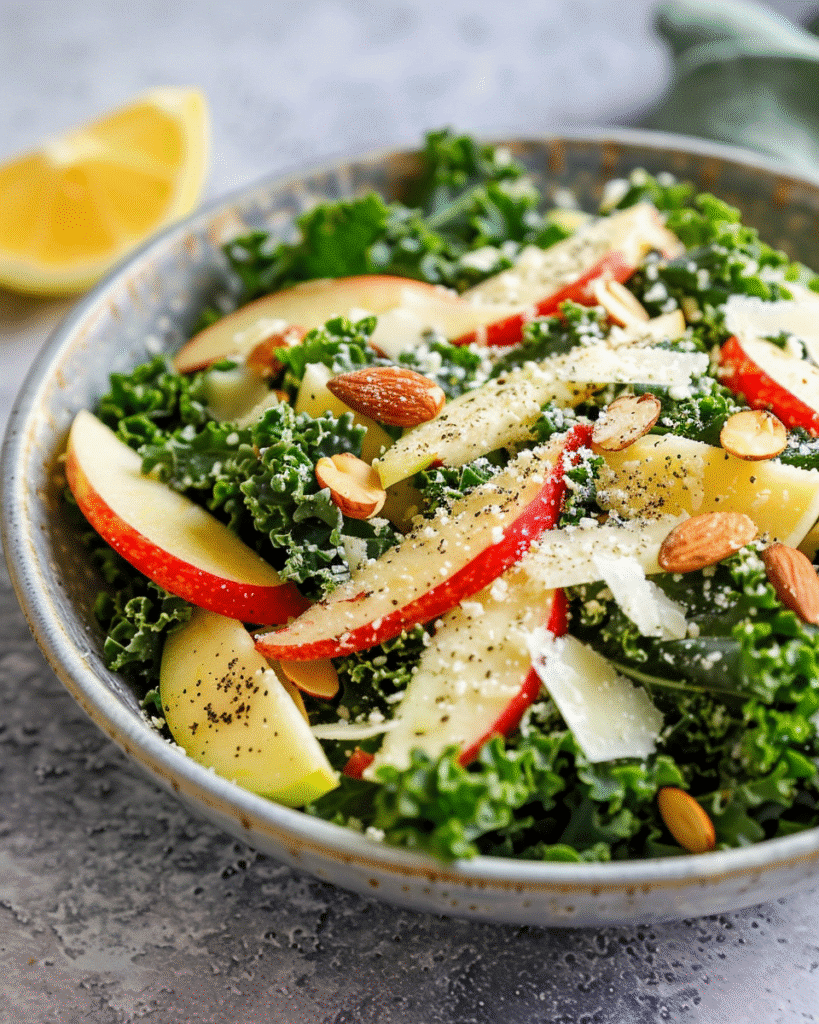
This everyday kale salad recipe is built around a flexible formula that you can adapt over and over without getting bored. At its core, the salad combines finely sliced curly kale (or lacinato/Tuscan kale), a bright lemony dressing, a crunchy nut or seed, a salty cheese, and something sweet like apple or dried cranberry.
Because kale is sturdier than lettuce, the salad stays crisp for hours and even tastes better after a short rest. To make the base version, start by washing and drying one large bunch of kale thoroughly. Strip the leaves from the stems, stack them, and slice them into very thin ribbons. This step is crucial because the smaller the pieces, the more quickly they soften and absorb flavor, turning what could be a rough texture into a tender one.
For the kale salad recipe dressing, whisk together extra-virgin olive oil, fresh lemon juice, a bit of Dijon mustard, honey or maple syrup, minced garlic, salt, and black pepper. Toss the kale with half the dressing, then massage it with clean hands for one to two minutes until it darkens and slightly wilts. Next, add thinly sliced apple, toasted almonds or walnuts, and shaved Parmesan or crumbled feta.
Gently toss with more dressing until it’s glossy but not soggy. Taste and adjust salt, acidity, or sweetness. This recipe works beautifully alongside simple mains or with a refreshing drink like a nonalcoholic Shirley Temple or a sparkling mocktail.
Print
The Best Kale Salad Recipe: How to Make a Delicious and Nutritious Dish at Home
- Total Time: 10 min
- Yield: 4 servings 1x
Description
This kale salad recipe transforms everyday kale into a tender, flavorful, crave-worthy dish. Thinly sliced kale is massaged with a bright lemon dressing, then tossed with apples, nuts, and cheese for the perfect balance of crunch, sweetness, and creaminess.
Ingredients
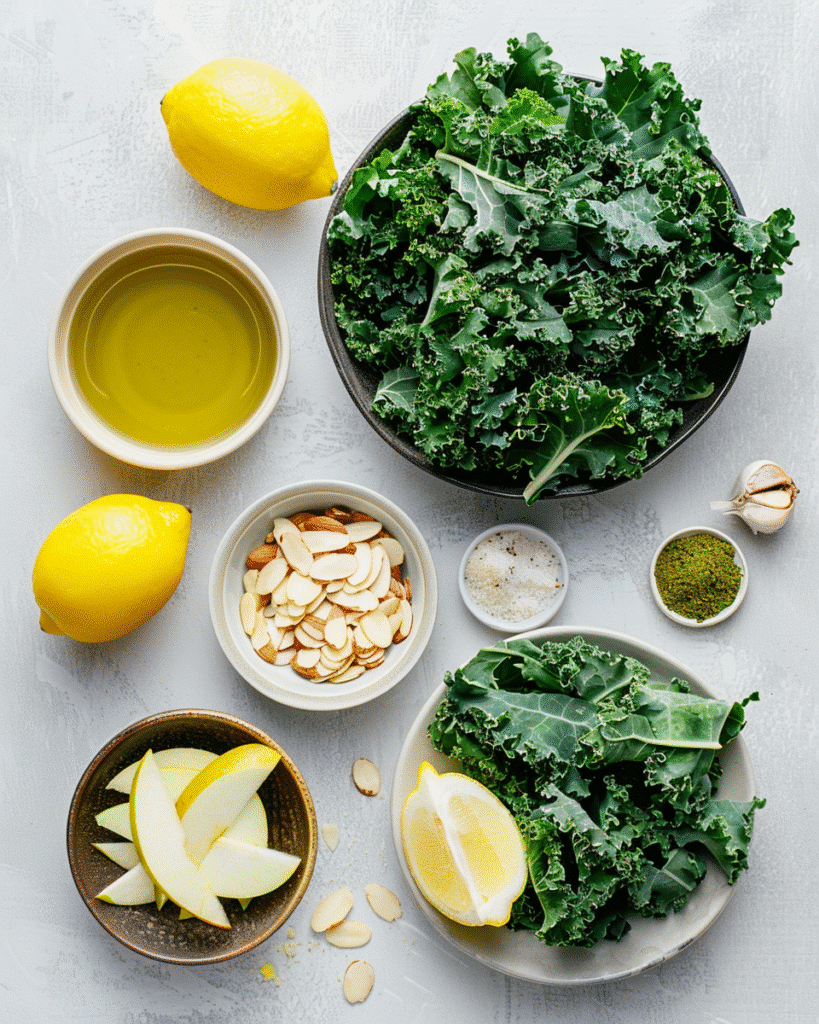
1 large bunch curly or lacinato kale
1 apple, thinly sliced
1/3 cup toasted almonds or walnuts
1/4 cup shaved Parmesan or crumbled feta
3 tbsp olive oil
1 tbsp lemon juice
1 tsp Dijon mustard
1 tsp honey or maple syrup
1 small garlic clove, minced
Salt and black pepper to taste
Instructions
1. Wash, dry, and de-stem the kale
2. Slice kale into very thin ribbons (chiffonade)
3. Whisk dressing: olive oil, lemon juice, Dijon, honey, garlic, salt, pepper
4. Add half the dressing to kale and massage 1–2 minutes until tender
5. Add sliced apple, nuts, cheese, and remaining dressing
6. Toss until glossy, taste and adjust seasoning
Notes
Massage kale to reduce bitterness and improve texture
Swap apples for pears, strawberries, or dried cranberries
Use feta, goat cheese, or Parmesan depending on flavor profile
Perfect for meal prep—kale stays fresh even when dressed
- Prep Time: 10 min
- Cook Time: 0 min
- Category: Salad
- Method: No-cook
- Cuisine: American / Mediterranean
Nutrition
- Serving Size: 1 bowl
- Calories: approx. 220
- Sugar: 6g
- Sodium: 180mg
- Fat: 15g
- Saturated Fat: 3g
- Unsaturated Fat: 11g
- Trans Fat: 0g
- Carbohydrates: 16g
- Fiber: 3g
- Protein: 6g
- Cholesterol: 8mg
Ingredient Ratios and Simple Variations
To master this kale salad recipe, think in terms of ratios rather than fixed amounts. For every 4 packed cups of sliced kale, you’ll want about 1/4 cup of dressing, 1 cup of crunchy or sweet add-ins, and 1/4 to 1/3 cup of cheese or protein. This keeps the salad balanced so it’s not too heavy yet still feels satisfying as a meal.
The dressing ratio that works well is three parts fat to one part acid, with a small spoonful of sweetener and mustard to emulsify. Once you know this, you can swap flavors freely: olive oil with cider vinegar and maple syrup for fall, or olive oil with lime juice and a touch of agave for a more tropical feel.
Instead of apples and almonds, try strawberries and pecans for a flavor profile similar to a strawberry spinach salad, or use roasted beets and goat cheese if you want something earthier.
You can even take inspiration from a Greek salad by adding cucumber, tomato, kalamata olives, and a bit of red onion, then switching the dressing to a red wine vinegar base. For a seafood twist reminiscent of a frutti di mare seafood salad, top your kale with grilled shrimp or seared scallops and keep the dressing citrusy. The key is keeping the core structure—well-prepped kale, bold dressing, crunch, and a salty accent—so every variation feels deliberate and delicious.
Choosing and Prepping Kale for the Perfect Salad
How to Select the Best Kale at the Store or Market
The quality of your kale salad recipe starts with the bunch you bring home. When you shop, look for kale leaves that are firm, crisp, and deeply colored. Curly kale should be bright or dark green with tight, frilly edges. Lacinato (also called Tuscan or dinosaur kale) should have slightly bumpy, spear-shaped leaves in a deep, almost blue-green hue.
Avoid any bunch with yellowing spots, limp stems, or slimy patches, as those are signs of age and poor storage. Smaller leaves usually taste milder and are easier to chew, making them ideal for raw salads, whereas very large leaves can be a bit tougher and better for cooking.
If you shop at a farmers’ market, ask growers which variety they recommend for raw salads. Lacinato kale is often a favorite because of its flatter leaves and tender texture, but curly kale works beautifully when sliced thin enough. Always check the stems: they should snap cleanly when bent and not feel woody.
Because kale is a hardy green, you can often buy a few bunches at once and store them unwashed in the fridge for up to a week, making it a great base ingredient for quick salads, green juices, or sides. When storing, tuck kale into a produce bag with a paper towel to absorb extra moisture and prevent sliminess, much like you would with spinach or other leafy greens.
Cleaning, De-stemming, and Slicing for the Right Texture
Once you’ve chosen fresh kale, proper prepping makes all the difference in your salad’s texture. Start by rinsing the leaves in cold water to remove dirt, sand, or bugs hidden in the curls. A large bowl of water works well; submerge the leaves, swish them around, then lift them out so any grit falls to the bottom.
Pat the leaves dry with a clean towel or spin them in a salad spinner. Drying is important because extra water will dilute your dressing and make the salad less flavorful. Next, remove the tough ribs. Hold the stem with one hand and strip the leaves away in one quick motion with the other hand, or lay the leaf flat and slice out the stem with a knife.
After de-stemming, stack several leaves, roll them lengthwise into a tight bundle, and slice across into very thin ribbons (a technique called chiffonade).
Thin slices let the dressing penetrate more easily and reduce the chewiness that sometimes turns people off from kale. You can even chop the ribbons a bit more if you prefer bite-sized pieces. At this point, your kale is ready for massaging, which is crucial for a raw kale salad recipe. But you can also prep kale ahead of time and store it, dry and sliced, in an airtight container for up to three days. This trick turns a last-minute salad into a five-minute task, especially handy if you also keep a jar of homemade dressing in the fridge.
The Science and Technique of Massaging Kale
Why Massaging Kale Matters for Flavor and Digestibility
Massaging kale might sound like an unnecessary extra step, but it transforms the leaves. Raw kale contains tough cellulose fibers and can taste bitter when not handled correctly. When you massage kale with a little oil, acid, and salt, you physically break down these fibers and help the dressing penetrate more deeply.
As a result, the leaves darken slightly, become more tender, and taste milder and more complex. This process makes the kale salad recipe more enjoyable, especially for people who think they “don’t like kale.” In addition, massaged kale can be easier on your digestion because those fibrous cell walls are partially broken down before you eat them.
From a nutritional standpoint, kale remains a superfood even after massaging. It stays rich in vitamins A, C, and K, as well as minerals like calcium and potassium.
Unlike delicate lettuce, kale retains much of its nutrient density even if dressed in advance, which is why kale salads work so well for meal prep. Compare that to other greens that quickly wilt or turn soggy in the fridge. With kale, you can massage and dress the leaves a few hours before serving and they’ll still taste fresh. This technique also pairs nicely with other elements like sweet fruit or salty cheese, because the softened leaves cling to those toppings and create a cohesive bite.
Step-by-Step: How to Massage Kale for Perfect Texture
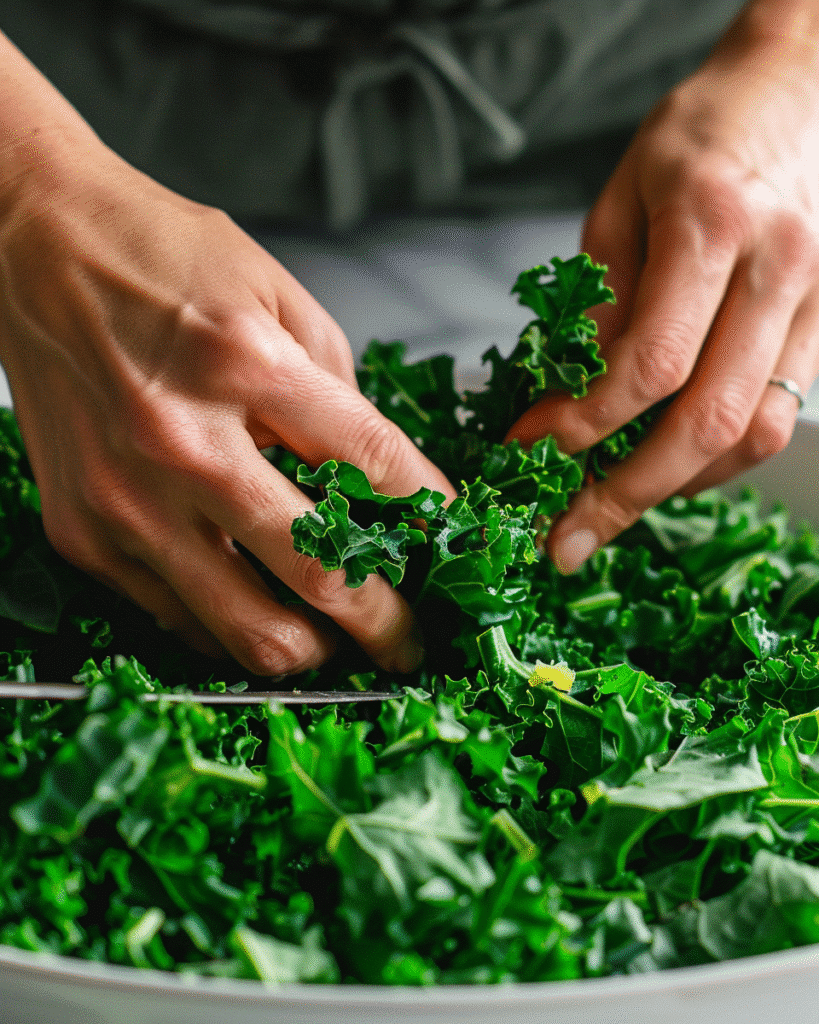
To massage kale for your salad, start with your cleaned, de-stemmed, and sliced leaves in a large bowl. Drizzle them with a small amount of your dressing, usually one to two tablespoons for a medium bunch—and sprinkle with a pinch of salt. You can also use just olive oil and lemon juice if you prefer to finish the salad with more dressing later.
With clean hands, reach into the bowl, gently grab handfuls of kale, and rub them between your fingers, folding and squeezing the leaves. Continue this motion for one to three minutes, rotating the kale in the bowl so every piece gets attention.
You’ll notice the kale change as you go: the volume will reduce, the color will deepen, and the texture will become more pliable.
Taste a piece after a minute and decide whether it needs more time. You want the leaves to feel tender but still have some bite, not mushy. Once you’re happy with the texture, you can add the rest of your dressing, along with nuts, seeds, fruits, and cheese.
If you want to add juicy vegetables like cucumber or tomato, do that toward the end so they don’t get crushed. This simple technique is powerful enough to convert kale skeptics, and once you master it, you can use it in other greens like collards or chard as well. It’s especially effective if you serve the salad alongside lighter dishes or drinks such as strawberry juice or a bright cucumber-based beverage.
Building Flavor: Dressings That Love Kale
Classic Lemon-Garlic Vinaigrette for Kale Salad
A strong, bright dressing is essential to a great kale salad recipe. Kale’s sturdy leaves can handle bold flavors that might overwhelm more delicate greens. A classic lemon-garlic vinaigrette is a perfect match.
To make it, whisk together three tablespoons of extra-virgin olive oil, one tablespoon of fresh lemon juice, one teaspoon of Dijon mustard, one clove of minced garlic, and one teaspoon of honey or maple syrup. Season with 1/4 teaspoon of salt and a few grinds of black pepper.
This simple mixture brings acidity, richness, and a touch of sweetness that balances kale’s natural bitterness.
When you dress kale, start with less vinaigrette than you think you need. Toss and massage the leaves, then add more dressing gradually until every ribbon is lightly coated. You want the kale glossy, not swimming in vinaigrette. Overdressing will weigh it down and mask the other flavors in your salad.
This classic dressing pairs well with toppings like shaved Parmesan, toasted almonds, and sliced apples or pears. It also works nicely with Mediterranean-inspired mix-ins such as olives, chickpeas, and cucumber. If you already enjoy a Greek salad with red wine vinegar, this lemon version will feel familiar yet tailored specifically to kale’s sturdiness and flavor.
Creamy, Tangy, and Global-Inspired Dressing Ideas
Beyond basic vinaigrettes, kale can handle creamier or more globally inspired dressings. For a creamy option that’s still light, whisk together Greek yogurt, olive oil, lemon juice, minced garlic, salt, pepper, and a bit of grated Parmesan. This creates a Caesar-like dressing that clings beautifully to kale’s textured surface.
Top with whole-grain croutons, more Parmesan, and maybe some grilled chicken for a complete meal. Another excellent option is a tahini dressing: blend tahini with lemon juice, warm water, garlic, cumin, and a drizzle of maple syrup. The nuttiness of tahini pairs especially well with toasted seeds and roasted vegetables like carrots or sweet potatoes.
If you like bolder flavors, try an Asian-inspired dressing with soy sauce or tamari, rice vinegar, sesame oil, grated ginger, and a touch of honey. This works wonderfully with shredded carrots, edamame, toasted sesame seeds, and sliced green onion tossed into your kale salad recipe.
The key to success with any dressing is balance: include an acid (lemon, vinegar, lime), a fat (olive oil, yogurt, tahini, nut butter), a flavor booster (garlic, mustard, herbs, spices), and a tiny bit of sweetness to round off any bitterness. Because kale holds up so well, you can dress it ahead and still enjoy a bright, flavorful salad hours later—a huge advantage if you prep your lunches while sipping on a refreshing drink like a nonalcoholic strawberry margarita.
Toppings, Mix-Ins, and Texture Play
Crunch, Cream, and Sweetness: The Perfect Kale Topping Combo
A satisfying kale salad recipe balances flavors and textures: crunchy, creamy, salty, and sweet. Kale itself brings chew and a slightly earthy note, so you’ll want to layer on contrasting components. For crunch, think toasted nuts (almonds, pecans, walnuts), seeds (pumpkin, sunflower, sesame), or crispy chickpeas. Toasting nuts and seeds first intensifies their flavor and gives your salad a gourmet touch.
Add them just before serving to keep them crisp. For creaminess, cheese is a natural choice: crumbled feta, goat cheese, blue cheese, or shaved Parmesan all work beautifully. If you avoid dairy, mashed avocado or a creamy hummus dressing can stand in.
Sweet ingredients help balance kale’s slight bitterness. Thinly sliced apples, pears, strawberries, grapes, or dried fruits like cranberries and raisins all complement the greens. For example, a kale salad with strawberries, toasted almonds, and goat cheese feels similar in spirit to a strawberry spinach salad but heartier and more robust.
When you assemble your toppings, aim for at least one item from each category—crunch, cream, and sweet, so every bite feels complex and interesting. This approach makes your salad feel like a composed dish rather than just a bowl of greens tossed together at the last minute.
Protein Add-Ins to Turn Kale Salad into a Full Meal
To make your kale salad recipe a complete meal, add a good source of protein. This not only makes the salad more filling but also supports steady energy and stable blood sugar. Lean animal proteins like grilled chicken, roasted turkey, sautéed shrimp, or seared salmon work well. For something special, top your kale with a seafood mix similar to a frutti di mare seafood salad: think tender shrimp, calamari, and mussels dressed in lemon and olive oil, then piled onto massaged kale with cherry tomatoes and olives.
The greens help lighten the dish while soaking up all the delicious seafood juices.
Plant-based eaters have plenty of options too. Toss in canned chickpeas, roasted tofu, tempeh, or lentils. Toasted nuts and seeds can also contribute meaningful protein, especially when combined with beans or grains like quinoa and farro.
For a hearty, filling bowl, try a kale salad with quinoa, black beans, roasted sweet potato, avocado, and a creamy lime dressing. This kind of salad holds up well in the fridge, making it perfect for lunch meal prep. Because kale maintains its structure, it won’t collapse under the weight of your toppings the way tender lettuce might, so you can confidently pack it along with a fruity drink like Apple juice or a refreshing cucumber-based beverage for a balanced, portable meal.
Nutrition Benefits of Kale Salad (Backed by Science)
Vitamins, Minerals, and Antioxidants in Kale
Kale has earned its superfood status for good reasons, and a well-made kale salad recipe is one of the tastiest ways to enjoy its benefits. Kale is rich in vitamins A, C, and K. Vitamin A supports eye health and immune function, vitamin C plays a role in collagen production and antioxidant defense, and vitamin K is essential for blood clotting and bone health. Kale also provides minerals like calcium, manganese, and potassium, all of which are important for strong bones, metabolism, and healthy blood pressure.
Because you eat kale raw in a salad, many of these nutrients stay intact and available.
Additionally, kale contains compounds called glucosinolates, which the body converts into biologically active substances that may support cellular health. The deep green color signals high levels of chlorophyll and carotenoids such as lutein and zeaxanthin, which are associated with eye health. When you pair kale with a source of healthy fat, like olive oil, nuts, or seeds, the body absorbs fat-soluble vitamins A and K more efficiently.
This means your salad’s dressing is not just about taste; it’s also helping unlock nutrition. Combining kale with vitamin C-rich fruits such as strawberries, oranges, or apples can further complement the nutrient profile and brighten the flavor at the same time.
Fiber, Fullness, and Blood Sugar Balance
Beyond its vitamins and minerals, kale offers a generous amount of dietary fiber. Fiber supports digestion, feeds beneficial gut bacteria, and helps you feel full and satisfied after a meal. When you build your kale salad recipe with fiber-rich add-ins like beans, whole grains, nuts, and seeds, you create a meal that digests slowly and keeps you energized longer.
This can reduce the urge to snack on less nutritious options later in the day. Fiber also plays a role in stabilizing blood sugar by slowing the absorption of carbohydrates. If you’re adding sweet elements like fruit or dried cranberries, kale’s fiber helps balance their impact.
For people mindful of heart health, a kale salad is an excellent choice. The combination of fiber, antioxidants, and healthy fats from olive oil or avocado supports healthy cholesterol levels and may benefit overall cardiovascular health. Compared with heavier dishes or refined-grain sides, a robust salad keeps a meal feeling light but substantial.
Pairing your salad with beverages like beet juice or carrot juice can further increase your intake of plant-based nutrients, though you’ll want to be mindful of juice portions if you’re watching your blood sugar. The beauty of kale salad lies in its flexibility: you can tailor it for lighter days, post-workout recovery, or more indulgent meals with richer toppings while still benefiting from the green foundation.
Seasonal Kale Salad Recipe Variations
Spring and Summer Kale Salads: Fresh and Fruity
Kale might seem like a winter green, but your kale salad recipe can feel bright and sunny all year with the right seasonal twists. In spring and summer, lean into fresh, juicy produce. Toss massaged kale with sliced strawberries, blueberries, or peaches, along with crumbled goat cheese or feta and toasted almonds or pistachios. A simple lemon or orange vinaigrette brings everything together.
This type of salad tastes vibrant and pairs beautifully with grilled chicken, seafood, or veggie skewers. It also works well alongside lighter drinks and mocktails, creating a refreshing warm-weather meal.
For a more Mediterranean feel, combine kale with cherry tomatoes, cucumbers, red onion, kalamata olives, and chunks of feta. Dress it with olive oil, red wine vinegar, garlic, and oregano for a Greek-inspired kale salad.
You can look to a classic Greek salad for flavor cues but use kale instead of lettuce to make the dish more robust and meal-prep friendly. Adding a spoonful of cooked farro or quinoa makes this a complete lunch. In hot weather, this salad tastes especially good served slightly chilled. Enjoy it with a cool cucumber-based drink or a light nonalcoholic cocktail for a refreshing, hydrating combination.
Fall and Winter Kale Salads: Cozy and Hearty
In cooler months, shift your kale salad recipe toward heartier ingredients and warming flavors. Think roasted vegetables, nuts, and deeper dressings. A classic fall kale salad might feature roasted butternut squash or sweet potato, toasted pecans or walnuts, dried cranberries, and shaved Parmesan, all tossed with a maple-Dijon vinaigrette.
The sweetness of the roasted vegetables and dried fruit complements kale’s earthiness, while the nuts add satisfying crunch. This salad works well as a side for roasted chicken or as a main when you include chickpeas or lentils for extra protein.
For winter, try a version with roasted beets, orange segments, and goat cheese dressed in an orange-balsamic vinaigrette. The vibrant colors make it a beautiful addition to holiday tables. Because kale is so sturdy, it holds up even when paired with warm toppings; you can pile freshly roasted vegetables straight onto the greens and let the residual heat soften them slightly, creating a satisfying contrast between warm and cool.
Serve these cold-weather salads with richer, deeper drinks or alongside a warm dish like soup. If you like beet juice or carrot juice, you can echo those flavors in your topping choices, making the whole meal feel thoughtful and cohesive without being heavy.
Make-Ahead Tips, Storage, and Meal Prep
How to Prep Kale Salad Ahead Without Losing Quality
One of the biggest advantages of a kale salad recipe over traditional lettuce salads is how well it keeps. With a few techniques, you can prep ingredients days ahead and assemble salads in minutes. Start by washing, de-stemming, and slicing your kale, then thoroughly drying it. Store the dry ribbons in an airtight container or zip-top bag lined with a paper towel to absorb moisture. In this state, the kale will keep for about three days.
You can also pre-toast nuts and seeds, crumble cheese, and chop sturdy vegetables like carrots or bell peppers, storing each component separately.
For the dressing, make a larger batch and keep it in a jar in the fridge for up to a week. Shake before using to re-emulsify. When you’re ready to build a salad, add kale to a bowl, drizzle with dressing, and massage just before eating.
If you want true grab-and-go convenience, you can pre-massage and dress the kale up to a day in advance. The leaves actually improve in flavor and tenderness as they sit. Add more delicate toppings like sliced fruit or avocado closer to serving time so they don’t brown or soften too much. This approach lets you enjoy a fresh-tasting salad at work, school, or on the road with minimal effort.
Storing Leftover Kale Salad and Safety Tips
Leftover kale salad holds up far better than lettuce-based salads, but you still want to store it correctly. Transfer any extra salad to an airtight container and refrigerate it as soon as possible, ideally within two hours of serving.
Most kale salads keep well for 24 hours, and some even taste better the next day as the flavors meld. However, the texture of certain toppings can change: nuts may soften, croutons lose their crunch, and fruits can release their juices. If you plan for leftovers, consider storing crunchy toppings separately and adding them fresh right before you eat.
Here’s a quick reference table for how long common kale salad components last in the fridge:
| Component | Storage Time | Best Storage Method |
|---|---|---|
| Dry, prepped kale | Up to 3 days | Airtight container, paper towel inside |
| Fully dressed kale salad | 1–2 days | Airtight container, keep very cold |
| Toasted nuts/seeds | 1–2 weeks | Jar or sealed bag, pantry or fridge |
| Homemade dressing | 5–7 days | Jar with lid, refrigerator |
Always use your senses: if the salad smells off, looks slimy, or tastes strange, discard it. When salads include seafood, chicken, or dairy, be especially strict about refrigeration and consume within one day for best safety and quality.
Serving Ideas, Pairings, and Menu Planning
What to Serve with Kale Salad: From Everyday to Special Occasions
A versatile kale salad recipe can fit into almost any menu, from simple weeknight dinners to more elaborate gatherings. For a casual meal, serve it alongside grilled chicken, baked salmon, or roasted vegetables. The freshness of the salad cuts through richer mains and balances comfort foods like pasta or casseroles.
You can also use a hearty kale salad as the base for a “salad night,” laying out toppings such as roasted chickpeas, nuts, cheese, and fruits so everyone at the table builds their own custom bowl. This works especially well for families with varied tastes or dietary needs.
At special occasions, kale salad can act as both a colorful side and a conversation starter. A version loaded with roasted squash, pomegranate seeds, and toasted pepitas looks festive on holiday tables. For a brunch menu, pair a fruit-forward kale salad with a cucumber salad or a Greek-inspired salad to create a spread of bright, fresh dishes.
On warm days, these combinations feel especially vibrant and pair nicely with nonalcoholic cocktails like a Shirley Temple drink or other sparkling mocktails. Since kale holds up well, you can dress the salad a bit ahead of time without worrying it will wilt before guests arrive, freeing you up to focus on other dishes.
Beverage Pairings: Juices and Mocktails That Complement Kale
Because kale has a slightly earthy, sometimes peppery flavor, drinks that are crisp, fruity, or lightly sweet pair best. Fresh juices are an excellent match. Apple juice highlights a classic apple-and-kale salad combo, while carrot juice or beet juice add sweet, earthy notes that complement kale’s own character.
If you enjoy juicing at home, you might already know the benefits of cucumber juice; its cooling, hydrating qualities make it a perfect partner for a hearty kale salad. Sipping something refreshing alongside the greens lightens the whole meal experience.
Below is a small pairing guide for inspiration:
| Kale Salad Style | Recommended Drink |
|---|---|
| Apple, walnut, Parmesan kale salad | Chilled apple juice or light white grape juice |
| Strawberry and goat cheese kale salad | Fresh strawberry juice or a strawberry mocktail |
| Mediterranean kale with olives and feta | Lemon sparkling water or citrus mocktail |
| Hearty winter kale with roasted beets | Beet-carrot juice blend or pomegranate spritzer |
Nonalcoholic cocktails like a Shirley Temple drink or a cosmopolitan-style mocktail work beautifully when you want something festive without alcohol. Their bright, citrusy notes and gentle sweetness balance the greens and make even a simple kale salad feel restaurant-worthy.
FAQ: Kale Salad Recipe Questions Answered
How do I make kale salad less bitter?
To make a kale salad recipe less bitter, focus on three things: variety, prep, and balance. Lacinato (Tuscan) kale usually tastes milder than curly kale, so start with that if you’re sensitive. Remove the tough stems and slice the leaves very thin; large pieces taste more intense.
Massaging the kale with a bit of oil, lemon juice, and salt for one to three minutes physically breaks down fibers and softens flavors. Finally, build balance into the salad. Use a slightly sweet dressing and include sweet elements like fruit or roasted vegetables, plus something salty like cheese or olives. Together, these layers mellow bitterness without drowning the kale in heavy flavors.
Can I eat kale salad every day?
You can enjoy a kale salad recipe frequently, and many people like it several times per week. Kale is rich in vitamins A, C, and K, as well as fiber and antioxidants, which support overall health. However, like any food, it’s best as part of a varied diet. Because kale is high in vitamin K, people on certain blood-thinning medications should talk with their healthcare provider about consistent intake.
Also, very large amounts of raw cruciferous vegetables may affect thyroid function in susceptible individuals, though this is usually only a concern with extreme consumption. As a general rule, if you rotate your greens, such as spinach, romaine, and arugula, along with kale, you’ll benefit from a wider range of nutrients while keeping your salads interesting.
Is raw kale or cooked kale better for salad?
For a traditional kale salad recipe, raw kale is ideal because it keeps its structure and provides a satisfying chew. Massaging and thinly slicing the leaves makes them tender enough to enjoy without cooking, and raw kale retains more of some heat-sensitive nutrients like vitamin C.
However, lightly cooked or blanched kale can work beautifully in warm grain salads or as a base for roasted vegetables if you prefer a softer texture.
Steaming or sautéing kale briefly can also make it easier to digest for some people. It really comes down to preference: if you enjoy a bit of crunch and want your salad to hold up for meal prep, choose raw massaged kale; if you’d rather something softer, try briefly cooking it and dressing while still warm.
Can I use bagged pre-chopped kale for this recipe?
You can use bagged pre-chopped kale, but a few extra steps will improve your kale salad recipe. Pre-chopped kale often contains thicker stems and larger pieces, which can be tough and fibrous. Start by picking out or trimming any thick stems that remain.
Then give the kale an extra rinse and spin to remove any residual grit. Check the size of the pieces: if they look large, chop them more finely, aiming for thin ribbons. Finally, be thorough with your massaging step, since pre-chopped kale may be slightly drier and tougher. With these adjustments, bagged kale becomes a convenient shortcut while still producing a tender, flavorful salad.
How long does kale salad last in the fridge?
A dressed kale salad recipe usually keeps well in the fridge for 24 hours, sometimes up to 48, depending on the toppings. Kale itself is sturdy and often tastes better after sitting in dressing for a few hours, as it continues to soften and absorb flavor.
However, certain ingredients don’t store as well. Nuts, seeds, and croutons can lose their crunch, and fresh fruits may release juices or turn mushy. For the best results, store the dressed kale separately and keep delicate toppings in separate containers. Add them right before eating. If your salad includes seafood, chicken, or dairy-based dressings, aim to eat it within one day and keep it very cold for food safety.
What protein goes best with kale salad?
Kale pairs well with a wide range of proteins, so your kale salad recipe can match almost any craving. For a light, fresh option, try grilled chicken, roasted turkey, shrimp, or salmon.
The richness of these proteins contrasts nicely with kale’s earthy flavor, especially when dressed with lemon or herb vinaigrettes.
For more gourmet flair, a seafood mix similar to a frutti di mare seafood salad, shrimp, squid, and mussels, works wonderfully over massaged kale with tomatoes and olives.
Plant-based choices include chickpeas, black beans, lentils, roasted tofu, and tempeh. Nuts and seeds add extra protein and healthy fats, especially when combined with beans or grains like quinoa. Choose the protein that fits your meal: lighter seafood for summer, heartier beans or roasted chicken for cooler weather.
Conclusion: Mastering Your Own Signature Kale Salad Recipe
Once you understand how to choose, prep, and flavor kale, a kale salad recipe becomes one of the most adaptable dishes in your kitchen.
By de-stemming and thinly slicing the leaves, massaging them with a bold dressing, and layering in contrasting textures crunchy nuts, creamy cheese, sweet fruit, and satisfying protein you can build an almost endless variety of salads that never feel repetitive. Kale’s sturdiness makes it ideal for meal prep, potlucks, and busy weeknights, while its nutrient density supports a balanced, produce-forward diet.
You can draw inspiration from other salads and drinks you enjoy, like a Greek-style salad, a cucumber salad, or even a fruity strawberry juice, and use those flavor profiles as jumping-off points. Over time, you’ll naturally develop your own “house” kale salad that friends and family request again and again. Whether you’re cooking for one or feeding a crowd, mastering this simple yet powerful dish gives you a reliable, healthy, and delicious option any day of the week.
Discover great ideas like this in Pinterest .