
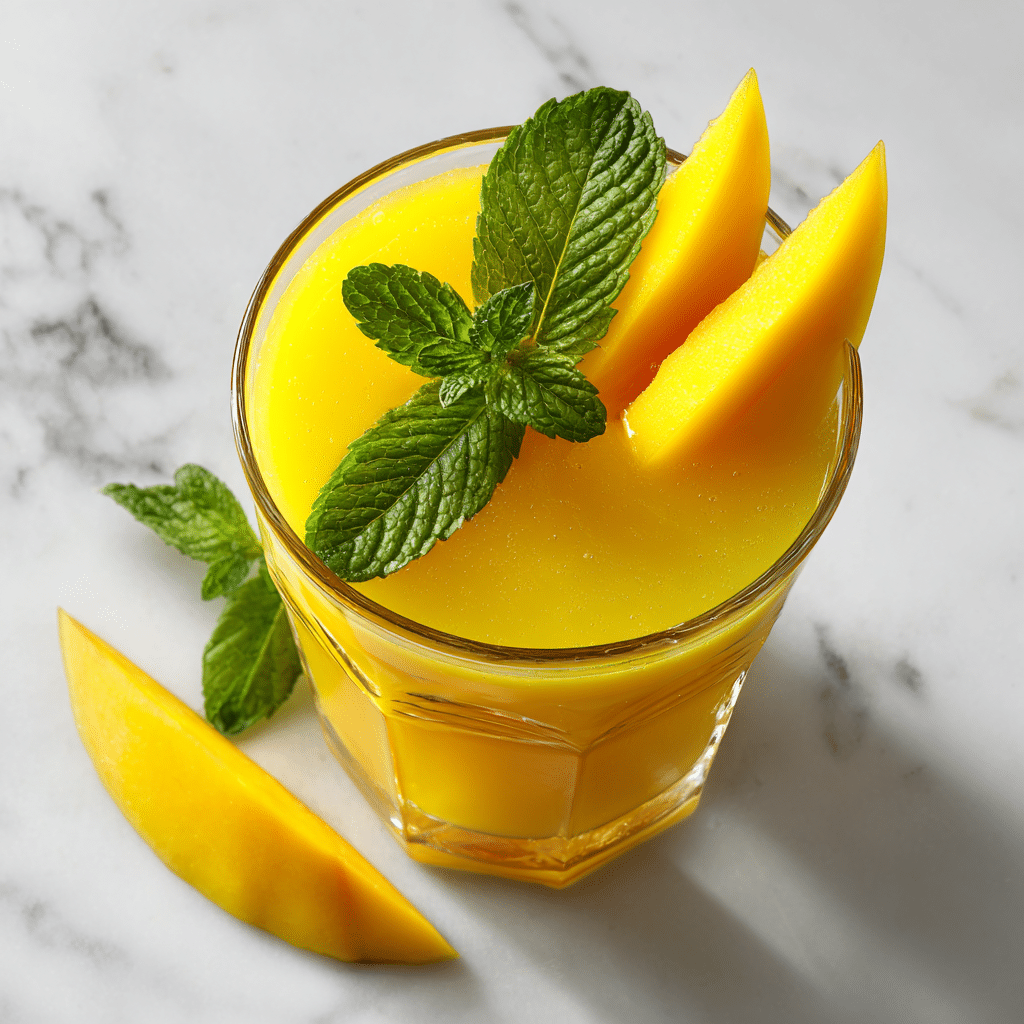
Mango juice is one of the most refreshing fruit drinks enjoyed across the United States, especially during warmer months when hydration and natural sweetness matter most. In this article, we explore everything about it, what it’s made of, how to prepare it at home, which mango varieties taste the best in juice, and whether you should drink it daily. You’ll also learn about digestion benefits, bottled vs fresh juice, serving ideas, and frequently searched questions. If you enjoy fresh and vibrant recipes, Discover great ideas like Strawberry juice.
This guide offers simple language, step-by-step clarity, and evidence-backed insights so you can choose or prepare the perfect mango juice every time.
Table of Contents
Understanding Mango Juice
Mango juice is a naturally sweet beverage made from ripe mangoes, often blended with water for consistency or enhanced with lemon and sweeteners. In the USA, it’s commonly enjoyed as a breakfast drink, a smoothie base, or a summer refreshment. The popularity of mango juice continues to rise because consumers are leaning toward natural, fruit-based beverages instead of artificially flavored drinks.
What Mango Juice Is & How It’s Consumed in the USA
Across American homes, restaurants, and supermarkets, mango juice appears in multiple forms, bottled, canned, freshly extracted, and homemade blends. Most U.S. households use it:
- As a standalone drink
- In smoothies mixed with pineapple or orange
- In summer cocktails and mocktails
- As a natural hydration option post-workout
Because mangoes contain vitamin C, antioxidants, and natural sugars, mango juice provides both energy and nourishment. However, how healthy it remains depends on preparation, fresh juice differs greatly from packaged versions with added sugar.
Why Mango Juice Is One of America’s Favorite Tropical Drinks
The taste of mango juice is sweet, creamy, and tropical, something Americans associate with summer, beaches, and warm weather. Mango grows mainly in tropical climates, but its popularity in the U.S. comes from imported fruit and year-round availability through commercial juice brands.
Taste, nutrition, and versatility explain its enduring appeal. You can enjoy it plain, mixed with citrus for acidity, or blended into a smoothie for meal replacement. In short, this juice isn’t just a drink, it’s a flavor experience.
Print
Mango Juice, Complete Guide to Benefits, Recipe, Nutrition & Best Mangoes
- Total Time: 10 mins
- Yield: 2 cups 1x
Description
Fresh mango juice made from ripe mangoes blended smooth without preservatives.
Ingredients
2 large ripe mangoes (peeled and cubed)
1/2–1 cup cold water
1–2 tsp lemon juice (optional)
1 tsp honey (optional)
Ice cubes
Instructions
1. Peel and slice mangoes.
2. Add mango chunks to blender.
3. Pour cold water and blend until smooth.
4. Taste and adjust sweetness.
5. Strain for a thinner texture.
6. Serve chilled over ice.
Notes
Use ripe mangoes for best flavor.
Add pineapple or carrot for variations.
Best consumed within 24 hours.
- Prep Time: 10 mins
- Category: Beverage
- Method: Blended
- Cuisine: Tropical / American
Nutrition
- Serving Size: 1 cup
- Calories: 140
- Sugar: 28g (natural fruit sugar)
- Sodium: 5mg
- Fat: 0.5g
- Saturated Fat: 0g
- Unsaturated Fat: 0.4g
- Trans Fat: 0g
- Carbohydrates: 34g
- Fiber: 2g
- Protein: 1g
- Cholesterol: 0mg
What Mango Juice Is Made Of
Mango juice is simple at the core but variations change texture, thickness, nutrition, and sweetness. While store-bought juice often contains additives, homemade juice can remain pure, fresh, and free from preservatives. This section explains what typically goes into mango juice and how additional ingredients affect flavor.
Typical Ingredients for Pure Mango Juice
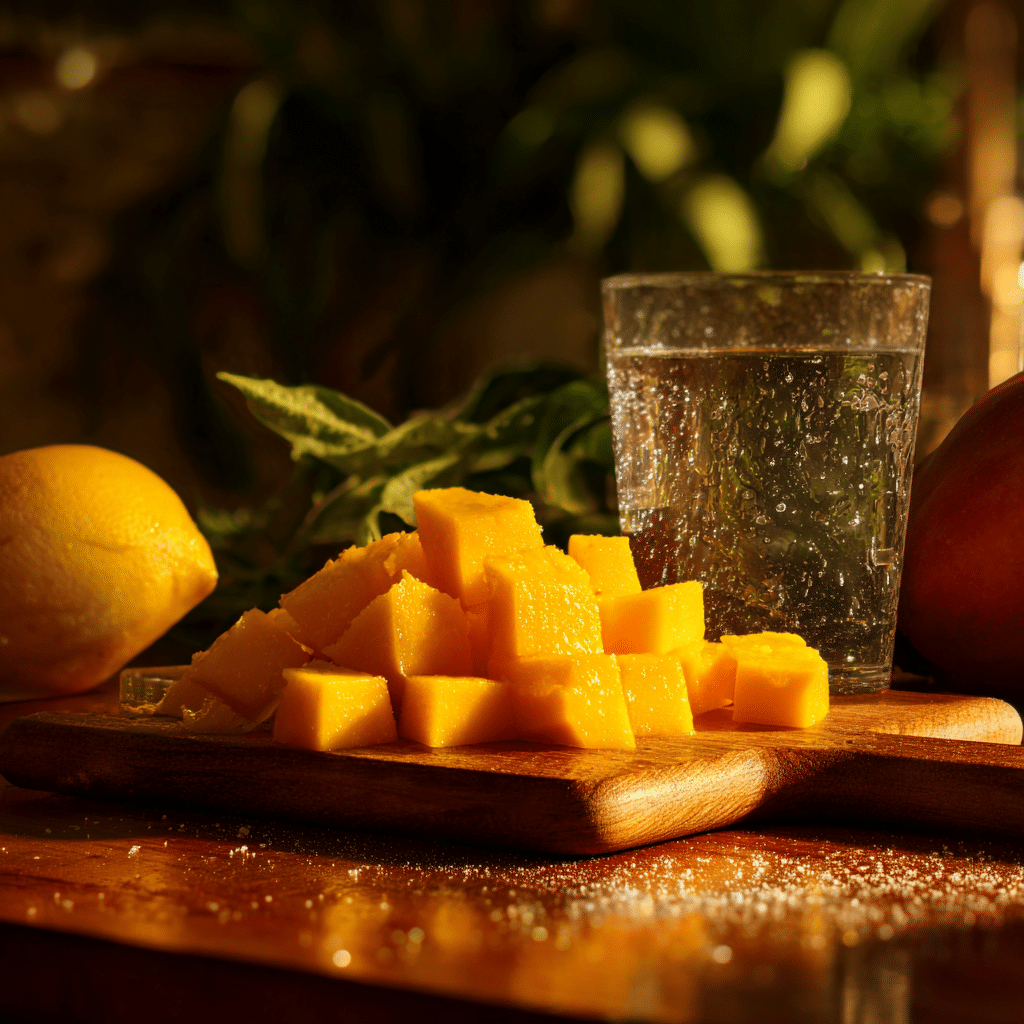
The most traditional mango juice includes just two essential components:
| Ingredient | Purpose |
|---|---|
| Fresh ripe mangoes | Natural sweetness, fiber, and pulp |
| Cold water | To thin the juice to drinkable consistency |
If the mangoes are naturally sweet and juicy, nothing else is needed. This version delivers the pure mango profile consumers love, thick, velvety, and rich in color. Because mangoes vary in sweetness, you may adjust water amount depending on preference.
Natural juice contains vitamins A, C, E, folate, and potassium. When consumed fresh, it provides fiber and digestive enzymes not always present in bottled versions.
Mango Juice with Additions: Sugar, Water, Lemon, Honey, etc.
Many American households add ingredients to adjust flavor balance. Common add-ins include:
- Water (for consistency)
- Lemon or lime (for acidity and freshness)
- Honey or sugar syrup (to boost sweetness if mangoes are bland)
- Ice cubes (creates a colder, lighter drink)
- Ginger or mint (for brightness and antioxidants)
When making mango juice at home, these additions remain optional. The most important factor is fruit quality: ripe mango equals sweet juice with minimal enhancement needed.
If you enjoy fruit-forward drinks, Check out Beet juice recipe.
How to Make Mango Juice at Home
Homemade mango juice offers the freshest flavor, natural sweetness, and complete control over texture. Unlike boxed or bottled juice, which may contain preservatives and added sugars, fresh mango juice relies solely on ripe fruit and water. This section explains how to prepare mango juice using a blender or a juicer, including step-by-step instructions and a comparison to help you choose the right method.
How to Make Fresh Mango Juice in a Blender
Using a blender is the most common way to prepare mango juice in U.S. households, especially when mangoes are available during summer. This method retains pulp, fiber, and natural enzymes that support digestion, making it both nutritious and satisfying.
Steps to Prepare Blender Mango Juice
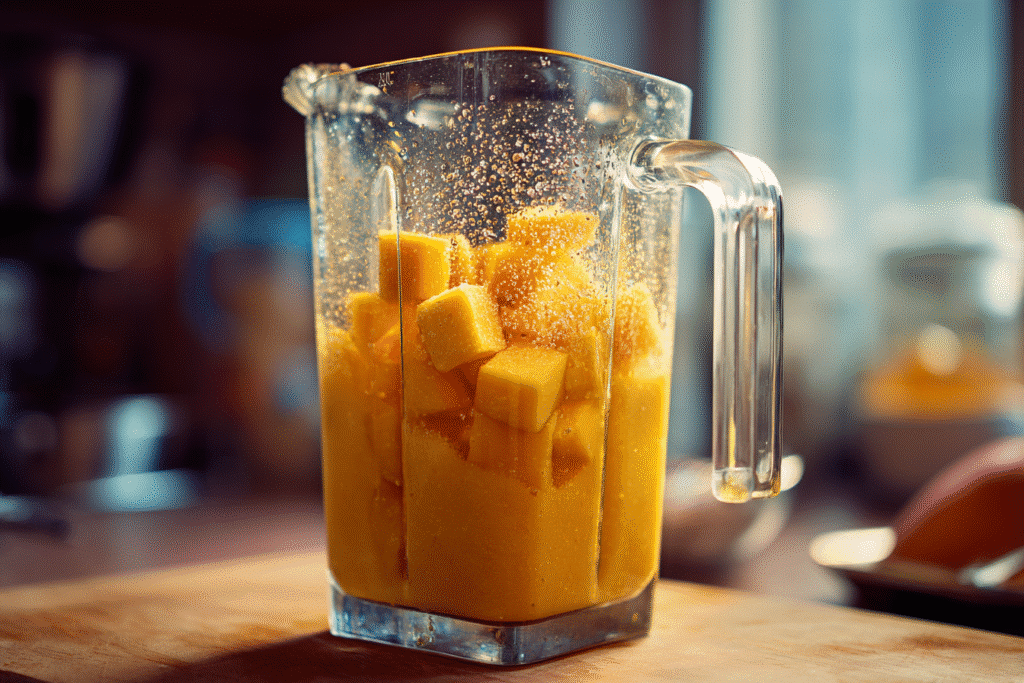
- Wash, peel, and cube ripe mangoes
- Add mango chunks to blender jar
- Pour in half to one cup of cold water depending on thickness
- Blend until smooth and silky
- Taste and adjust sweetness with honey if needed
- Strain if you want a thinner texture, or keep pulp for fiber
- Serve chilled with ice or refrigerate 1 hour for best flavor
This approach preserves the natural mango profile and gives you a drink closer to whole fruit consumption. For thicker juice, reduce water. For a lighter drink, strain pulp and add lemon or ice.
Looking for other refreshing homemade juice ideas?
Check out Carrot juice.
Juicer Method vs Blender Method Comparison Table
A juicer extracts liquid directly while separating pulp. A blender grinds mango flesh into smooth puree. The right choice depends on whether you prefer thick, fiber-rich pulp or clear juice consistency.
| Method | Pros | Cons |
|---|---|---|
| Blender | Retains fiber, thick texture, no waste | May need straining for smoother juice |
| Juicer | Clear liquid, silky mouthfeel | Removes pulp and fiber nutrients |
If you’re seeking freshness similar to smoothie texture, the blender is your best option. A juicer works well if you prefer a thinner consistency with no pulp.
For more fruit-based drinks you can prepare at home, Don’t miss our Cucumber salad.
Is Mango Juice Healthy to Drink Daily?
Mango juice offers more than sweetness. When consumed in moderation, it provides hydration, vitamins, and natural energy. This section breaks down nutritional benefits, the role of antioxidants, and safe daily intake recommendations for U.S. consumers.
Although fresh mango juice is nutrient-rich, portion size matters. Mangoes contain natural sugars, so drinking more than necessary can increase calorie intake. Balance is key and fresh preparation is always better than processed juice loaded with additives.
Health Benefits of Mango Juice
Fresh mango juice contains essential nutrients that support immune function, skin health, and digestion. Below are the most relevant benefits for daily consumption in the United States:
- Rich in vitamin C, which helps immunity and skin brightness
- Contains vitamin A & beta-carotene, important for eye health
- Natural fruit sugars provide quick energy and glucose support
- Enzymes and fiber support gut balance and digestion
- Hydrating due to high water content when blended properly
Americans who enjoy fruit juices at breakfast often choose mango for flavor depth and natural sweetness, which reduces the need for added sugar.
How Much Mango Juice Per Day Is Recommended?
A safe daily intake for most adults is 6–12 ounces of fresh mango juice. This amount provides nutrients without overwhelming the system with sugar.
Higher consumption is acceptable for active individuals, athletes, or those burning calories regularly. However, packaged mango drinks with added sweeteners should be limited to avoid blood sugar spikes.
Homemade juice remains the healthiest option, especially when prepared from ripe fruit and served immediately, which maintains vitamin potency.
For another nutritious fruit-based drink, Looking for inspiration? Try strawberry spinach salad.
Bottled Mango Juice vs Fresh Mango Juice
In the United States, mango juice is widely available in grocery stores, cafés, and convenience coolers. Bottled mango juice is easy to grab on the go, but the nutritional profile often differs from homemade versions. Understanding the pros and cons helps you choose wisely depending on your health goals, taste preference, and how much processing you’re comfortable with.
Fresh mango juice typically contains just mango pulp and water, while commercial products may include preservatives, concentrate, added sugar, and stabilizers. This doesn’t make bottled juice bad, it simply means you need to read the label before purchasing.
Nutritional Differences + Preservatives in Packaged Juice
Store-bought mango juice varies significantly by brand. Some options contain 100 percent real mango with no added sugar. Others use concentrate mixed with corn syrup or cane sugar, which increases calories without adding real nutrients.
Key differences:
| Fresh Mango Juice | Bottled Mango Juice | ||
|---|---|---|---|
| No preservatives added | May contain stabilizers and citric acid | ||
| Rich in enzymes and fiber | Often filtered and fiber-removed | ||
| Short shelf life (24–48 hours) | Shelf-stable for weeks or months | ||
| Natural sweetness only | May include added sugars |
| Mango Variety | Best Qualities for Juice |
|---|---|
| Ataulfo / Honey Mango | Sweet, creamy, low fiber, ideal for pure juice |
| Alphonso (India) | Intense flavor, bright color, premium quality |
| Kent | Juicy and mild, great for blending with citrus |
| Haden | Slightly fibrous but flavorful and aromatic |
Ataulfo mangoes often lead for juicing due to their buttery texture and sweetness. Alphonso is considered the “luxury mango” because of intense aroma and deep orange color. Kent mangoes blend well with pineapple or orange juice, and Haden works best for thicker juice or smoothies.
Flavor, Sweetness, and Juiciness Level Table
| Variety | Sweetness | Juiciness | Best For |
|---|---|---|---|
| Ataulfo | High | High | Straight, thick juice |
| Alphonso | Very High | Medium | Premium-flavor juice |
| Kent | Medium | High | Blends + juice cocktails |
| Haden | Medium | Medium | Smoothies/thicker juice |
Freshness matters more than variety. A ripe mango always produces better juice than an expensive but underripe fruit. When mangoes soften slightly and smell floral, they’re ready for juice extraction.
For another nutrient-rich drink comparison, Check out Shirley temple drink.
Mango Juice for Digestion and Wellness
Mango juice isn’t only appreciated for sweetness. It also supports digestion, gut balance, and enzyme activity. In the United States, many people consume mango juice for hydration benefits during summer or as a natural energy boost in place of sugary sodas. Its nutritional composition, paired with dietary fiber, makes it a wellness-friendly beverage when enjoyed fresh.
However, it performs best when made from ripe fruit. Bottled juices that remove pulp do not offer the same digestive support. Fiber and enzymes are key and both come naturally in freshly blended mango.
Fiber & Enzyme Benefits for Gut Health
Fresh mango juice contains natural digestive enzymes such as amylase, which helps break down carbohydrates for smoother digestion. This enzyme makes mango useful for gut comfort and bowel movement regulation. When juice is blended with pulp, fiber further supports gut health by promoting stool regularity and reducing bloating.
Mango juice may be beneficial for digestion because:
- It contains enzymes that improve starch breakdown
- Fiber supports colon movement and stool formation
- Natural hydration helps maintain gut lubrication
- Vitamin C offers anti-inflammatory benefits
People who experience occasional constipation may benefit from pulp-included juice rather than strained juice. Drinking it alongside breakfast or as a midday refreshment is a common choice among health-conscious U.S. consumers.
Anti-Inflammatory, Vitamin C & Hydration Support
Mangoes are rich in vitamin C, antioxidants, and carotenoids. These strengthen immune response while reducing oxidative stress caused by daily environmental exposure. Mango juice can also help hydrate the body during summer heat, especially when blended with ice or coconut water.
Hydration contributes to digestion, nutrient absorption, and energy efficiency. For people who enjoy fruit as a wellness tool, mango juice becomes a pleasant way to increase daily fluid intake.
Beyond improving hydration, mango antioxidants protect cells from aging and inflammation. When paired with a balanced diet, it becomes a functional beverage rather than just a sweet treat.
For another nourishing fruit experience rich in vitamins,
Discover great ideas like Cosmopolitan non alcoholic cocktail.
Serving Ideas, Mix-Ins & Flavor Variations for Mango Juice
Mango juice is delicious on its own, but its versatility is one of the main reasons it stands out in American kitchens. With the right mix-ins, it can transform into a tropical cooler, breakfast smoothie, cocktail base, or even a refreshing wellness drink. This section shows how to elevate mango juice with other fruits, herbs, spices, and hydration-boosting liquids.
When choosing add-ins, think balance: mango is naturally sweet and creamy, so acidic fruits or watery fruits often pair best. Meanwhile, spices and herbs add aroma and depth without changing the base flavor too aggressively.
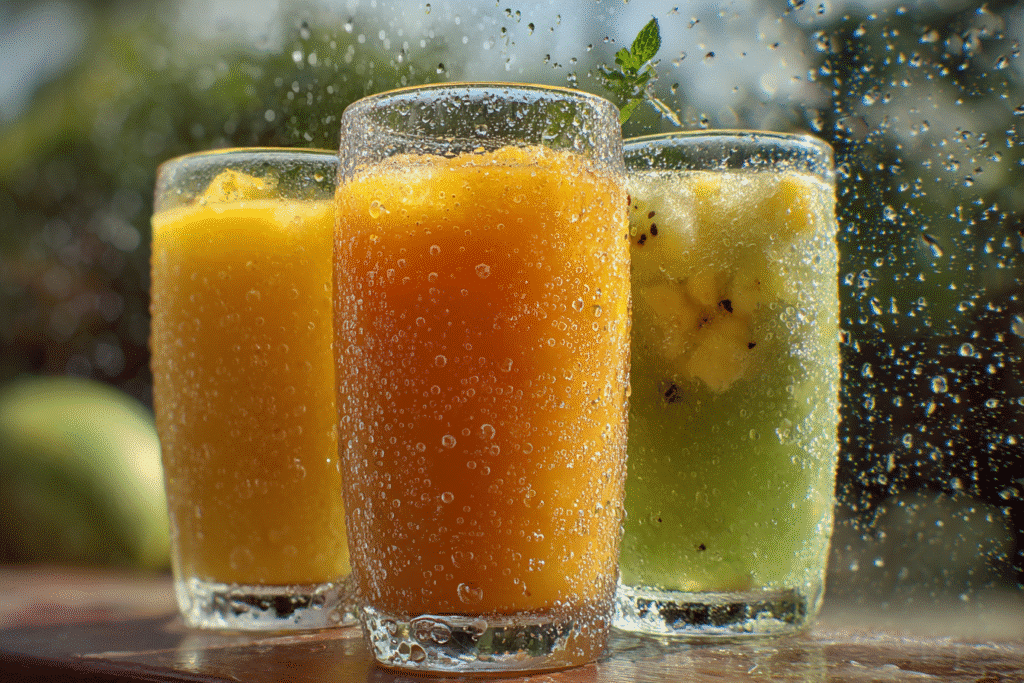
Mango-Orange, Mango-Pineapple & Mango-Carrot Blends
Each variation adds something different, acidity, sweetness, color, or nutrient value. Below is a comparison to help you choose:
| Blend | Taste Profile | Best Use |
|---|---|---|
| Mango-Orange | Bright, citrus-sharp | Breakfast vitamin boost |
| Mango-Pineapple | Tropical & sweet-tart | Summer smoothies & mocktails |
| Mango-Carrot | Smooth, creamy, nutrient-rich | Wellness and digestion-friendly drink |
Mango-orange works well for people who prefer vibrant, tangier beverage profiles. Mango-pineapple tastes like a tropical cooler, great for hot weather or poolside sipping. Mango-carrot offers a thicker texture and gut-friendly fiber, ideal for health-focused drinkers.
If you want to explore more juice-based wellness content later, Discover great ideas like Carrot juice.
Smoothie Version vs Pure Juice Version
Pure juice contains mostly fruit and water. A smoothie uses additional ingredients to make it richer, creamier, and more filling. Understanding the differences helps you choose the right version for your needs.
| Drink Type | Texture | Purpose |
|---|---|---|
| Pure Juice | Light, silky, easy to sip | Hydration, refreshment |
| Smoothie | Thick, creamy, filling | Breakfast or snack meal |
Smoothies can include yogurt, banana, coconut milk, chia seeds, flax, or protein powder. Meanwhile, pure juice remains fast to digest and ideal for hot-weather hydration.
To try another fruit-forward drink base soon, Check out my Pinterest .
Mango Juice FAQs
This section responds to the most commonly searched questions U.S. users ask on Google regarding mango juice. These answers provide clarity on ingredients, daily health use, preparation methods, and best mango types for juicing.
What is mango juice made of?
it is typically made from fresh ripe mangoes blended with water. Some homemade versions may include lemon for acidity and honey for sweetness. Pure mango juice requires no additives unless you prefer lighter texture or enhanced flavor.
Is mango juice healthy to drink daily?
Yes, it can be healthy when consumed in moderation. A recommended serving is 6–12 ounces per day. It’s best fresh because you retain enzymes, vitamins, and fiber. Bottled juice should be limited if it contains added sugar or concentrates.
How do you make fresh mango juice at home?
Peel and cube mangoes, then blend with water until smooth. Add lemon and honey if desired. To reduce fiber, strain the mixture through a fine sieve. Serve chilled or topped with crushed ice.
Is bottled mango juice good for you?
Bottled juice can be convenient and nutritious if labeled as 100 percent juice with no added sugar. However, many commercial brands include preservatives or concentrate, reducing nutrient value compared to fresh juice.
Does mango juice help with digestion?
Yes. it contains digestive enzymes and fiber which support gut movement. Drinking fresh mango juice with pulp may help regulate digestion and reduce constipation.
What is the best mango type for juice?
Honey mangoes (Ataulfo) are ideal due to low fiber and sweet flavor. Alphonso ranks highest in richness. Kent works best when blended with citrus, while Haden suits thick smoothies or purées.