
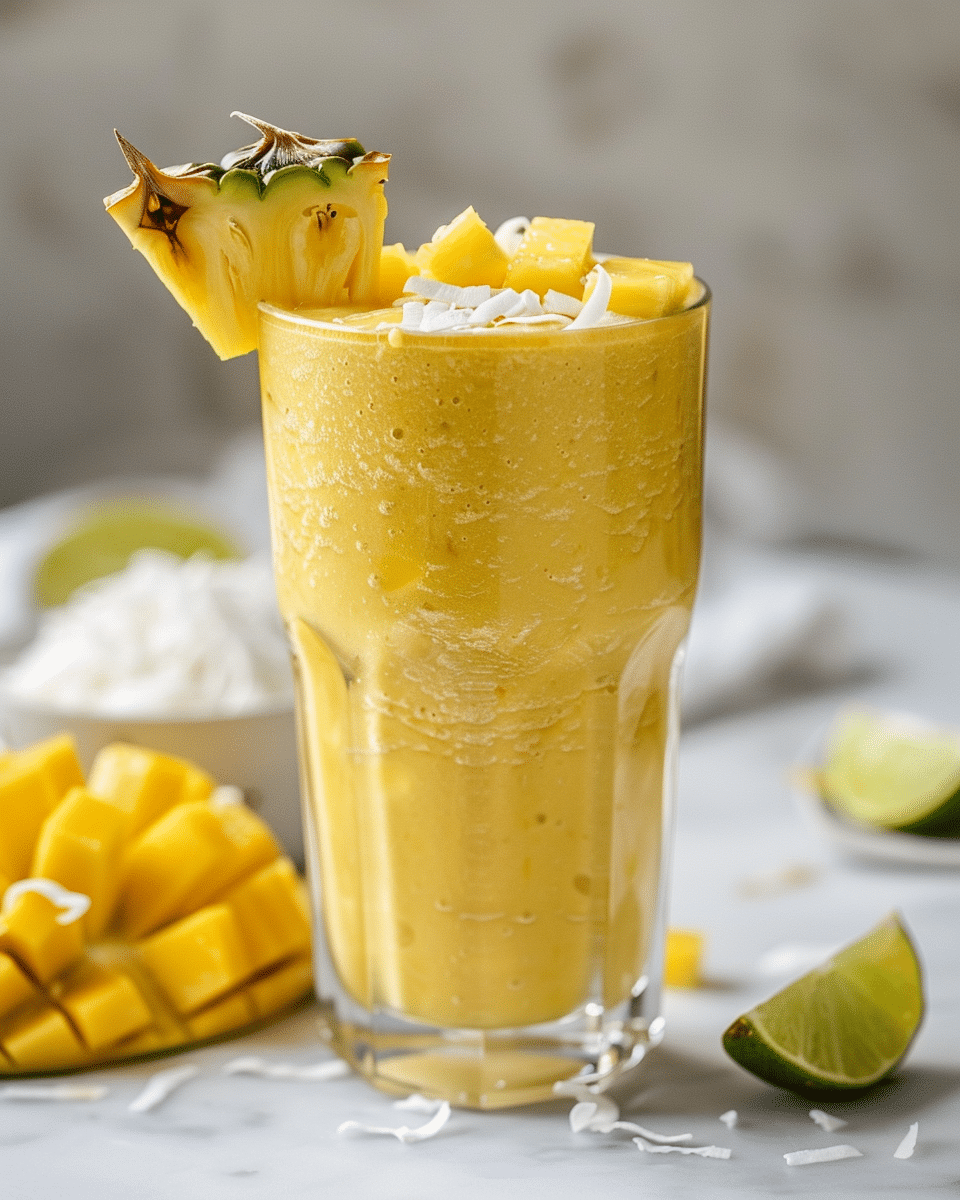
Mango Pineapple Smoothie Bliss: A Bright, Tropical Breakfast
A creamy, sunshine-filled mango pineapple smoothie is one of the easiest ways to start your day feeling refreshed, energized, and a little bit spoiled. Because this blend relies on ripe mango, sweet pineapple, and a few smart add-ins, it delivers bold tropical flavor without loads of added sugar. When you build your mango pineapple smoothie with the right balance of fruit, liquid, and creaminess, you get a thick, sippable drink that tastes like vacation but supports everyday wellness.
If you already enjoy fruity drinks like a classic strawberry banana smoothie, you’ll love how this tropical version adds variety to your morning routine while still staying healthy and satisfying.
In this guide, you’ll learn exactly how to make the best mango pineapple smoothie, plus how to customize it for extra protein, fiber, or immune support. You’ll also discover which ingredients matter most, how to avoid common blending mistakes, and how to adapt this smoothie for kids, athletes, or busy mornings. From nutrition benefits to make-ahead tips, you’ll walk away with everything you need to turn a simple blender drink into a reliable breakfast or snack you’ll crave every day.
Table of Contents
Mango Pineapple Smoothie
Description
This mango pineapple smoothie is creamy, tropical, and naturally sweet. Made with frozen mango, pineapple, yogurt, and a splash of lime, it’s an easy breakfast or snack you can customize with protein, fiber, or greens.
Ingredients
1 cup frozen mango chunks 1 cup frozen pineapple chunks 1/2 to 1 banana 1/2 cup Greek yogurt 3/4 cup unsweetened almond milk 1 tablespoon fresh lime juice Optional: 1 teaspoon honey or maple syrup Optional: 1 tablespoon chia seeds or ground flaxseed Optional: 1 handful spinach for a green smoothie version Optional: coconut flakes for topping
Instructions
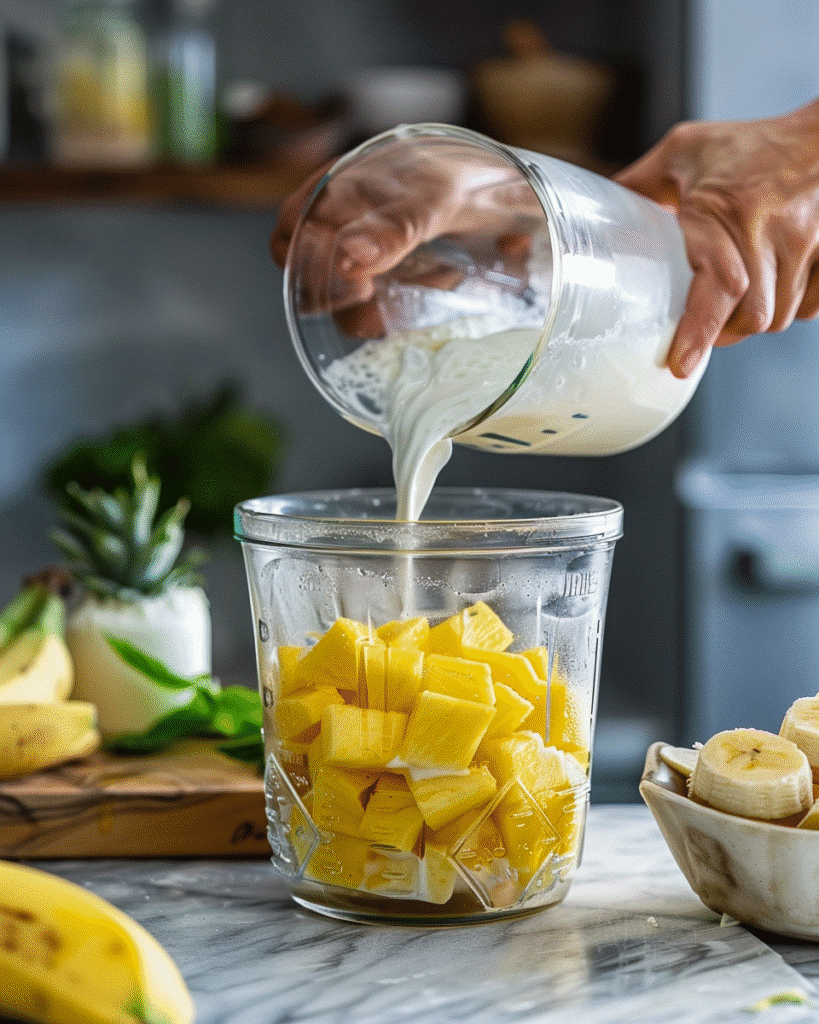
Add the almond milk and Greek yogurt to the blender first. Add the banana and lime juice. Top with frozen mango and frozen pineapple. If using, add chia seeds, spinach, or a little honey. Blend on low first, then increase to high until smooth and creamy. If the smoothie is too thick, add 1 to 2 tablespoons more milk at a time. Taste and adjust sweetness or lime as needed. Pour into chilled glasses and serve immediately.
Notes
For a dairy-free version, use coconut yogurt or another plant-based yogurt. For more protein, add protein powder or extra Greek yogurt. For a thicker smoothie bowl texture, reduce the milk slightly. Store leftovers in an airtight jar in the fridge for up to 24 hours and shake before drinking.
Classic Mango Pineapple Smoothie Recipe
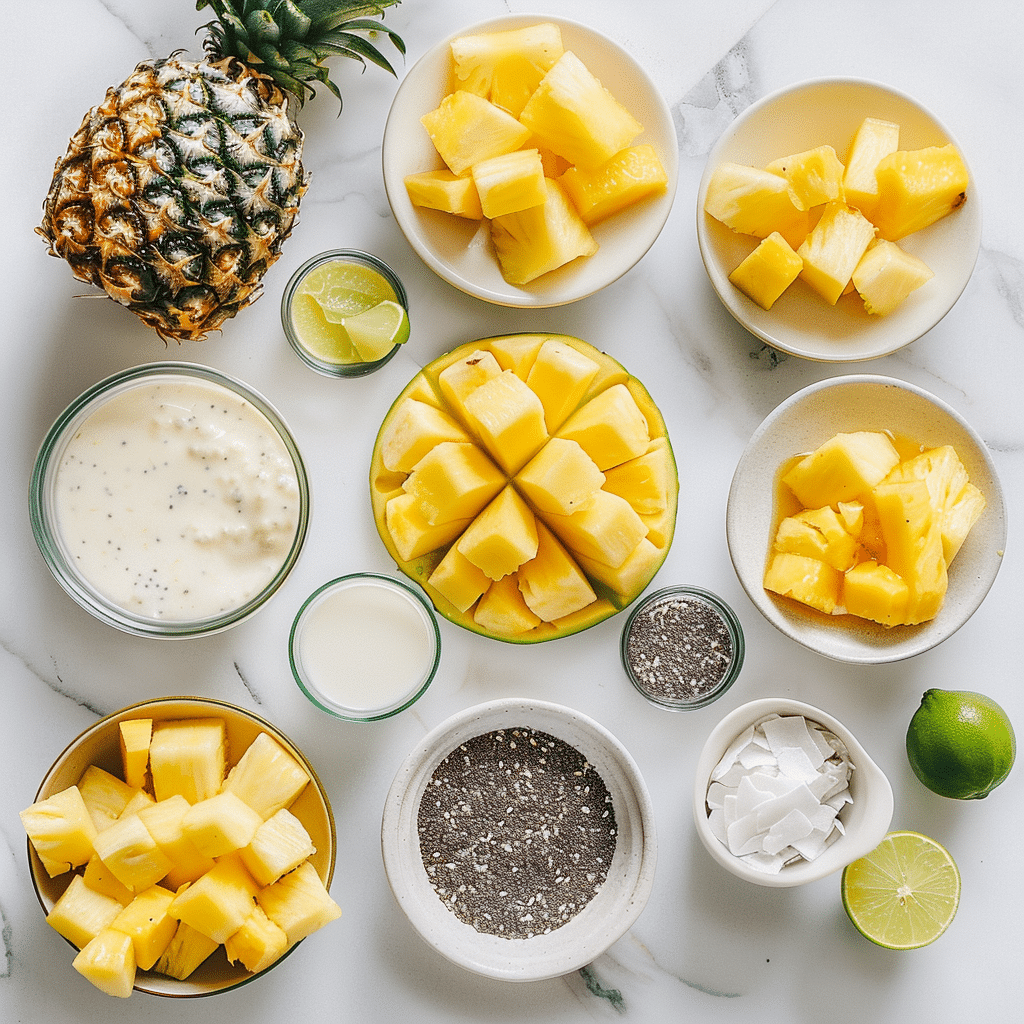
Core ingredients for a perfect tropical blend
A classic mango pineapple smoothie comes down to three main elements: fruit for flavor and sweetness, liquid for blending, and something creamy for body. Start with frozen mango and frozen pineapple; freezing helps create a thick, frosty texture similar to a milkshake without using ice cream. Aim for equal parts of each fruit, such as 1 cup frozen mango and 1 cup frozen pineapple, which keeps the flavor balanced so one fruit doesn’t overpower the other. For the liquid base, unsweetened almond milk or coconut milk works well, but you can use dairy milk or even coconut water if you prefer a lighter, juice-like feel.
Next, add a creamy element, which helps the mango pineapple smoothie feel more like a meal. Greek yogurt adds protein and tang, while a banana adds natural sweetness and a silky texture. You only need half to one whole banana depending on your sweetness preference. A small squeeze of fresh lime juice brightens the flavors and keeps the smoothie from tasting flat. Finally, a teaspoon of honey or maple syrup is optional; often, the natural sugars in ripe mango and pineapple are enough. This simple ingredient list gives you a strong, flavorful base that you can customize in many directions.
Step-by-step method for the best texture
The order in which you load your blender for a mango pineapple smoothie can make or break the final result. Always start by adding liquids first; this includes milk, coconut water, or juice, plus any yogurt. When liquids sit at the bottom, the blender blades can immediately grab them and pull the frozen fruit down, leading to a smoother, faster blend. Then, add soft items like banana or avocado, followed by your frozen pineapple and mango on top. If you are using any seeds, like chia or flax, sprinkle them over the fruit so they distribute evenly.
Begin blending on low speed to slowly break up large chunks, then increase to high for 30–60 seconds until the mixture looks completely smooth. If the smoothie seems too thick or your blender struggles, stop and add 1–2 tablespoons of liquid at a time, blending again until the blades move freely. To keep a thick consistency, resist the urge to pour in too much extra liquid all at once. If the smoothie ends up thinner than you like, toss in a few more pieces of frozen fruit and blend again.
When finished, taste and adjust sweetness with a small drizzle of honey, or add more lime juice if you want extra brightness. Pour into chilled glasses and serve immediately for the creamiest texture and most vibrant flavor.
Health Benefits of a Mango Pineapple Smoothie
Vitamins, minerals, and antioxidants in each sip
A well-crafted mango pineapple smoothie does more than taste good; it provides a powerful mix of vitamins, minerals, and antioxidants that support your overall health. Mango is a rich source of vitamin A, primarily in the form of beta-carotene, which supports eye health, immunity, and skin appearance. Pineapple is loaded with vitamin C, a key antioxidant that helps your body produce collagen and supports wound healing and immune function. Together, they form a nutrient-dense duo that brings color and vitality to your daily routine.
In addition, both fruits provide manganese, copper, folate, and small amounts of B vitamins, which all play roles in energy metabolism and nervous system health. Pineapple contains bromelain, a naturally occurring enzyme that may help with digestion and has anti-inflammatory properties. By using whole frozen fruit in your mango pineapple smoothie instead of juice, you keep the fiber, which helps stabilize blood sugar more than fruit juice alone. When you blend fruit with protein-rich Greek yogurt or a scoop of protein powder, you create a more balanced drink that supports steady energy rather than quick spikes and crashes.
This combination of nutrients makes your smoothie a smart choice for breakfast, post-workout recovery, or an afternoon pick-me-up.
How this smoothie fits into a balanced diet
Even though a mango pineapple smoothie tastes indulgent, you can easily fit it into a balanced lifestyle with a few mindful adjustments. Because fruit contains natural sugars, portion size matters, especially if you monitor your carbohydrate intake. Keeping total fruit to about 1½–2 cups per smoothie provides sweetness and nutrients without going overboard. Pairing that fruit with unsweetened milk, yogurt, or nut butter adds protein and healthy fats, which help you stay full longer and slow down the absorption of sugars. You can think of your smoothie as a mini-meal rather than a sugary beverage.
To increase fiber, add a tablespoon of chia seeds, ground flaxseed, or rolled oats to your mango pineapple smoothie. These ingredients support digestive health and may help with cholesterol and blood sugar control. If you enjoy hearty salads for lunch or dinner, like a citrus fennel avocado winter salad or other vegetable-heavy dishes, a fruit-based smoothie can compliment those meals by adding variety and extra vitamins in a different form. Smoothies also work well on days when you crave something cold and refreshing but still want to stick with whole foods.
As long as you avoid heavy syrups, excess sweeteners, and high-sugar juices, your mango pineapple smoothie can fit comfortably into many eating patterns, from vegetarian to high-protein to Mediterranean-style diets.
Choosing and Preparing Ingredients for Mango Pineapple Smoothies
Fresh vs. frozen fruit: what works best?
When you plan a mango pineapple smoothie, one of the first decisions is whether to use fresh or frozen fruit. Frozen mango and pineapple usually give the best texture because they create thickness and chill without diluting flavor the way ice cubes can. Frozen fruit also offers convenience; it’s prepped, sliced, and ready to go, which saves time on busy mornings. Many brands freeze fruit at peak ripeness, so you still get strong flavor and high nutrient content. For creamy, dessert-like smoothies, frozen fruit is hard to beat.
Fresh fruit, on the other hand, can provide brighter, more fragrant flavor when mangoes and pineapples are in season. If you use fresh fruit, you’ll likely want to add a handful of ice or freeze the chopped fruit on a sheet pan for at least an hour before blending. This step improves the body of your mango pineapple smoothie so it doesn’t turn out thin and watery. The table below compares both options so you can decide what works best for your routine:
| Type | Pros | Cons |
|---|---|---|
| Frozen Mango & Pineapple | Thick texture, convenient, year-round availability | Requires freezer space, sometimes less aromatic |
| Fresh Mango & Pineapple | Bright flavor, peak-season aroma, versatile uses | More prep time, shorter shelf life, can yield thinner smoothies |
Smart add-ins: liquids, sweeteners, and creaminess
Beyond fruit, your choice of liquids and add-ins shapes the flavor and nutrition of every mango pineapple smoothie. For liquids, unsweetened almond milk, oat milk, or soy milk keep things dairy-free while still offering creaminess. Dairy milk adds protein and a familiar taste, while coconut water gives a lighter, more hydrating base with subtle sweetness. Avoid sugary juices as your main liquid, especially if you already use ripe fruit, since that can push the sugar content higher than needed. If you like a stronger tropical note, small amounts of orange juice or pineapple juice work, but use them as a partial, not complete, replacement for milk or water.
Next, think about sweeteners and texture boosters. Often, ripe mango and pineapple provide enough sweetness, especially when combined with banana. Taste your smoothie before adding honey or maple syrup; you may find you don’t need any. For creaminess, Greek yogurt, coconut yogurt, silken tofu, or half an avocado can add body and nutrients without overpowering the fruit. Nut butters like cashew or almond butter offer healthy fats and make the smoothie more filling. Finally, consider flavor enhancers such as vanilla extract, fresh ginger, or a pinch of sea salt.
A little salt can actually heighten sweetness and complexity, making your mango pineapple smoothie taste more rounded and satisfying, much like a carefully seasoned savory dish.
Protein-Packed Mango Pineapple Smoothie Variations
Boosting protein for breakfast and post-workout
Transforming a simple mango pineapple smoothie into a protein-packed meal is easy and doesn’t require sacrificing flavor. Protein helps keep you full, supports muscle repair, and stabilizes blood sugar, which makes it key for both breakfast and post-workout smoothies. Start by swapping regular yogurt for Greek yogurt or skyr, which contain significantly more protein per serving. A ½–¾ cup portion can add 10–20 grams of protein while also thickening your drink. You can also use cottage cheese; it blends smoothly and offers a mild, creamy taste that hides well behind bold tropical fruit.
If you prefer plant-based options, add a scoop of pea, soy, or blended plant protein powder. Look for unsweetened or lightly sweetened powders with minimal additives, so they don’t overpower your mango pineapple smoothie with artificial flavors. Another option is to add 2–3 tablespoons of hemp seeds, which supply both protein and healthy fats. They blend easily and don’t create a gritty texture. For athletes or anyone with higher protein needs, combining protein powder with Greek yogurt and seeds can turn a smoothie into a truly substantial meal. Just remember to adjust liquid slightly when you use powders, since they absorb moisture and can make the mixture thicker than usual.
Balancing macros with healthy fats and fiber
While protein is important, a truly balanced mango pineapple smoothie also includes healthy fats and fiber. These nutrients help you stay full, maintain steady energy, and support long-term health. Healthy fats come from ingredients like avocado, nut butter, chia seeds, or ground flaxseed. Adding just ¼ of an avocado or 1 tablespoon of almond butter offers creaminess along with monounsaturated fats, which support heart health. Chia and flax not only provide omega-3 fatty acids but also thicken the smoothie as they absorb liquid, creating a more luxurious texture over a few minutes.
Fiber plays a major role in digestion and overall metabolic health. While mango and pineapple contain fiber, you can easily increase it with extras like rolled oats or a small scoop of oat bran. These grains give your mango pineapple smoothie a subtle, comforting flavor and prevent it from feeling like a sugary drink. To visualize how a balanced smoothie might look, consider this approximate macro breakdown for a 16-ounce serving that includes fruit, Greek yogurt, a bit of nut butter, and seeds:
| Macronutrient | Approximate Range | Key Sources |
|---|---|---|
| Protein | 15–25 g | Greek yogurt, protein powder, hemp seeds |
| Healthy Fats | 8–15 g | Nut butter, avocado, chia, flax |
| Fiber | 6–10 g | Fruit, oats, chia, flax |
This kind of structure turns your smoothie into a well-rounded mini-meal that fits easily into a day of nutrient-dense eating alongside dishes like hearty salads or vegetable-based main courses.
Green Mango Pineapple Smoothie and Superfood Upgrades
Adding leafy greens without losing tropical flavor
If you want to sneak more vegetables into your day, turning your mango pineapple smoothie into a green smoothie is a simple and delicious strategy. Leafy greens such as baby spinach, kale, or romaine blend well with fruit, especially strong flavors like mango and pineapple. These fruits are sweet and aromatic enough to mask the mild bitterness that greens sometimes bring. For beginners, 1 cup of fresh baby spinach is a great starting point because it has a very mild taste and bright color. You will barely notice it, yet you gain extra vitamin K, folate, and magnesium.
As you grow comfortable, increase the greens to 1½–2 cups, or start experimenting with baby kale or a mix of spinach and romaine. Always wash and dry greens thoroughly to avoid off-flavors and excess water, which can thin your smoothie more than intended. You can also toss in a small handful of fresh herbs like mint or basil to deepen the tropical profile.
When balanced correctly, a green mango pineapple smoothie tastes refreshing rather than “vegetable-heavy,” making it a great fit for those who already enjoy wholesome recipes such as kale salads or roasted vegetable salads but want a fast, drinkable option for busy mornings.
Superfood boosters: seeds, powders, and spices
Beyond greens, superfood boosters can upgrade the nutrition of your mango pineapple smoothie without much effort. Start with simple options like chia seeds and ground flaxseed, which offer fiber and plant-based omega-3 fats. A tablespoon of each blends easily and supports heart and brain health. Hemp hearts provide complete protein and a soft crunch if you choose to sprinkle some on top as a garnish. For gut health, add a spoonful of plain kefir instead of, or in addition to, yogurt to include beneficial probiotics.
You can also experiment with powders and spices. A small piece of fresh ginger or ¼ teaspoon ground ginger adds warmth and can support digestion and reduce feelings of nausea. Turmeric, paired with a pinch of black pepper for absorption, contributes anti-inflammatory properties and a golden hue that works beautifully with yellow mango and pineapple. Spirulina or wheatgrass powders offer a concentrated burst of nutrients, though they have stronger flavors, so start with ½ teaspoon and increase slowly.
Finally, a dash of cinnamon or cardamom gives your mango pineapple smoothie an unexpected twist that feels both comforting and exotic. By layering one or two of these boosters at a time, you keep the drink enjoyable while pushing its nutritional value even higher.
Kid-Friendly and Dessert-Style Mango Pineapple Smoothies
Making it fun and nutritious for kids
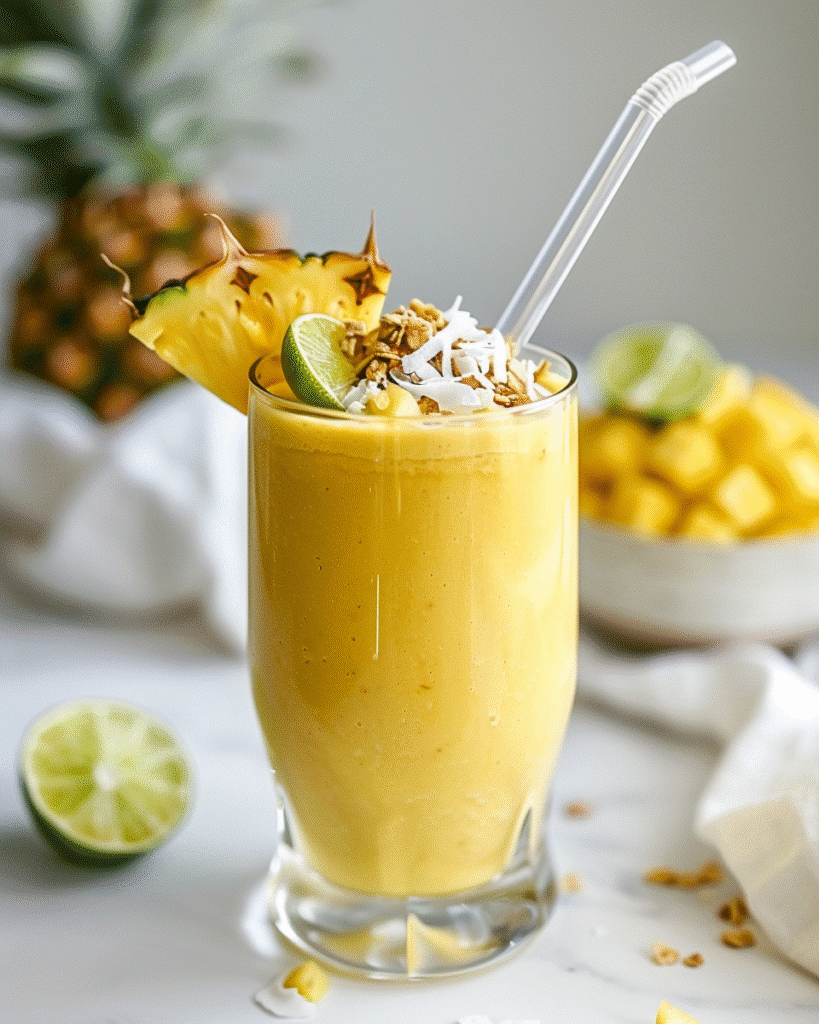
A mango pineapple smoothie is a great way to encourage kids to enjoy fruit and even a few hidden veggies. However, kids often respond first to appearance and texture, so making the drink look appealing matters. Serve smoothies in clear glasses or fun jars so the bright yellow color shows through. You can garnish with a small wedge of pineapple or a colorful straw to make the drink feel special. When blending for children, keep the consistency thick but easy to sip through a straw, and avoid overly tart add-ins that might discourage them.
To boost the nutrition while keeping flavors kid-friendly, add half a banana for extra sweetness and creaminess, plus a small handful of spinach that disappears into the bright yellow hue. Use a mild-tasting milk, such as oat or dairy milk, instead of strong-flavored plant milks. If your child needs more calories or is a picky eater, include a spoonful of peanut or almond butter for healthy fats and protein. You can also pour the mango pineapple smoothie mixture into popsicle molds and freeze them for homemade smoothie pops. This turns the same healthy ingredients into a treat that feels like dessert but still delivers vitamins, minerals, and fiber.
For another refreshing, nutrient-dense drink, you might also enjoy this strawberry banana smoothie recipe.
Turning your smoothie into a decadent dessert
Sometimes, you want your mango pineapple smoothie to taste like dessert, and with a few tweaks, you can easily create a treat-worthy version that still uses whole ingredients. Start with a thicker base by using mostly frozen fruit and only enough liquid to get the blender moving. Next, add richer elements like full-fat coconut milk or a bit of coconut cream. This gives your smoothie a luxurious, creamy mouthfeel similar to soft-serve ice cream. You can swirl in vanilla extract or a small amount of pure coconut extract for a more complex flavor profile reminiscent of tropical desserts.
To make your mango pineapple smoothie feel like a sundae, play with toppings and layers. Pour half the smoothie into a glass, add a sprinkle of granola or crushed nuts, then pour in the rest and top with toasted coconut flakes or dark chocolate shavings. If you’re feeling creative, blend a separate batch of strawberry or berry smoothie and layer the two colors for a visually striking dessert.
A modest drizzle of honey or date syrup can sweeten the top layer if you want something closer to a milkshake. This dessert-style approach works well for dinner parties or special occasions when you want a lighter option than cake or ice cream but still crave a festive, indulgent presentation.
Common Mistakes and Troubleshooting Mango Pineapple Smoothies
Fixing texture problems: too thick, too thin, or icy
Even experienced smoothie lovers run into texture issues from time to time. If your mango pineapple smoothie turns out too thick, it might not pour properly or may be hard to sip. In that case, don’t immediately add a lot of liquid. Instead, start with 1–2 tablespoons of milk or water, blend again, and repeat as needed until you reach a creamy, pourable texture. This gradual adjustment preserves flavor intensity and prevents an accidental watery outcome. Another option is to let the smoothie sit at room temperature for a few minutes; slightly thawed frozen fruit will relax, and the mixture will naturally loosen.
If your smoothie tastes thin or icy, the most common culprit is too much liquid or a heavy hand with ice cubes. To fix it, add more frozen mango or pineapple and a thicker element like yogurt or banana, then blend again. Avoid relying on ice for thickness; as it melts, the drink loses body and tastes watered down. If you prefer a slushier texture, use a smaller amount of ice and combine it with plenty of frozen fruit.
Also, consider your blender. High-speed blenders break down ice and fibrous ingredients more thoroughly, while lower-powered models need smaller, softer pieces to avoid leaving chunky bits. Cut large pineapple pieces into smaller cubes, and don’t overload the blender beyond its rated capacity for the smoothest results.
Balancing sweetness and tartness
Sweetness level can make or break your enjoyment of a mango pineapple smoothie. Both mango and pineapple are naturally sweet, but their flavor varies with ripeness. If your smoothie tastes too sweet, you can balance it by adding a splash of lemon or lime juice. The acidity brightens the drink and cuts through sugariness, making it feel lighter and more refreshing. You can also toss in a few extra ice cubes or a little water to dilute sweetness slightly, though this will thin the texture, so adjust gradually. A pinch of salt sometimes helps bring forward the fruit’s natural complexity while dampening a cloying taste.
On the other hand, if your smoothie feels too tart, especially when you use a lot of pineapple or citrus, there are several easy fixes. Add half a ripe banana or a small drizzle of honey or maple syrup to smooth out sharp edges. Vanilla extract can also create the impression of sweetness without adding much sugar. If you routinely struggle with tartness, consider reducing pineapple and increasing mango or banana in your base blend.
Because everyone’s palate differs, it helps to taste and adjust in small steps. Over time, you’ll learn your ideal fruit ratio, so your mango pineapple smoothie hits the same sweet spot every time you blend it.
Meal Prep, Storage, and Serving Ideas
How to prep mango pineapple smoothie packs for busy days
One of the best ways to ensure you enjoy a mango pineapple smoothie regularly is to prepare freezer packs in advance. Start by portioning out fruit for individual smoothies: measure 1 cup frozen mango and 1 cup frozen pineapple into resealable freezer bags or containers. If you like banana in your smoothies, add sliced banana to each bag as well. You can also include spinach, kale, or other greens, along with seeds like chia or flax, directly in these packs. Label each bag with the contents and date, then store them flat in the freezer to save space.
When you’re ready to make a smoothie, pour the contents of one pack into your blender, add your chosen liquid (milk, coconut water, or yogurt plus water), and blend until smooth. This method saves time in the morning because you avoid chopping fruit and measuring add-ins. It also helps you control portions and maintain consistent nutrition. If you follow other meal prep habits, such as planning salads or grain bowls for the week, smoothie freezer packs fit neatly alongside that routine. They turn an appealing but sometimes time-consuming mango pineapple smoothie into a realistic everyday option, even on your busiest days.
Storing leftovers and creative serving suggestions
Ideally, you should drink your mango pineapple smoothie right after blending for the best texture and flavor. However, if you have leftovers, you can store them in an airtight container in the refrigerator for up to 24 hours. Because ingredients like chia or flax continue to absorb liquid, the smoothie may thicken over time. Before drinking, give it a good shake or stir, and add a splash of water or milk if it feels too thick. For longer storage, pour extra smoothie into ice cube trays and freeze. Later, use these cubes as a base for a new smoothie to avoid waste.
Serving options go far beyond a simple glass. Smoothie bowls have become popular because they allow you to add crunchy toppings, turning a drink into a satisfying meal. Pour your thick mango pineapple smoothie into a shallow bowl, then top it with granola, sliced fruit, coconut flakes, or chopped nuts. This adds texture and slow-digesting nutrients. You can also pair a smaller smoothie with a savory main, such as a chicken taco salad or other protein-rich salad, for a well-rounded lunch or light dinner. For entertaining, offer mini smoothie shots in small glasses as a refreshing starter or palate cleanser. With a little creativity, you can integrate this tropical blend into many types of meals and occasions.
This works particularly well before a meal centered around fresh, colorful dishes, like a roasted beet salad recipe.
Pairing Mango Pineapple Smoothies with Other Dishes
Light meals and salads that complement your smoothie
Because a mango pineapple smoothie brings bright sweetness and acidity to the table, it pairs especially well with savory, crunchy, or lightly salty dishes. For lunch, you might enjoy a smoothie alongside a vibrant salad that includes greens, vegetables, and some protein. A panzanella salad with toasted bread cubes, juicy tomatoes, and herbs offers a satisfying contrast in texture and temperature to the cold, creamy smoothie. The fruit-forward drink acts almost like a fruity dressing in beverage form, refreshing your palate between bites.
Warm salads or roasted vegetable dishes also complement a tropical smoothie. For instance, a warm lentil and roasted vegetable salad brings earthy, hearty flavors that benefit from a bright, citrusy partner. The lentils provide protein and fiber, while the mango pineapple smoothie offers hydration, natural sugars, and a burst of vitamins. This kind of combination feels comforting yet balanced, especially on days when you want lighter, plant-forward meals. When pairing, aim to let the smoothie handle the sweet, fruity role while the plate brings savory, crunchy, or chewy elements for contrast.
All-day pairing ideas: breakfast, snacks, and dinner
A mango pineapple smoothie can fit into any time of day, and thoughtful pairing helps you avoid redundancy or excessive sugar. At breakfast, pair your smoothie with simple protein-rich sides such as scrambled eggs, a slice of whole-grain toast with nut butter, or a small portion of yogurt topped with nuts. This combination keeps your meal balanced by adding more protein and complex carbohydrates to the naturally sweet smoothie. If you already love a strawberry banana smoothie in the morning, rotating in a mango pineapple version lets you enjoy different flavor profiles without changing your routine too much.
For snacks, keep the smoothie portion modest and pair it with something salty or crunchy, like roasted chickpeas or a handful of nuts. In the evening, you can use a smaller mango pineapple smoothie as a light dessert or a palate-cleansing drink after a rich dinner such as a steak salad or a hearty casserole. For wellness-focused days, consider pairing a small smoothie with a wellness shot or juice for an extra boost of antioxidants and anti-inflammatory ingredients, but keep an eye on overall sugar intake. With a bit of planning, this tropical drink can complement everything from quick weekday breakfasts to more elaborate, sit-down dinners, adding color and nourishment to each meal.
For example, you could enjoy the juice before a fiber-rich dish like a citrus fennel avocado winter salad
FAQ: Mango Pineapple Smoothie
Can I make a mango pineapple smoothie without banana?
Yes, you can absolutely make a mango pineapple smoothie without banana. Mango and pineapple themselves provide plenty of sweetness and body. To replace the creaminess of banana, use ½–¾ cup of Greek yogurt, coconut yogurt, or silken tofu. Another option is adding ¼–½ of an avocado, which lends a rich, smooth texture without changing the tropical flavor too much. If you remove banana and the smoothie tastes a bit tart, balance it with a teaspoon of honey or maple syrup. You can also use a splash of orange juice for gentle sweetness while still keeping the drink naturally fruity.
How do I make a dairy-free mango pineapple smoothie?
Making a dairy-free mango pineapple smoothie is easy. Replace cow’s milk with plant-based milk such as almond, oat, soy, or coconut milk. For creaminess, use coconut yogurt or another dairy-free yogurt instead of Greek yogurt. Full-fat canned coconut milk offers a richer, dessert-like texture, while lighter coconut milk or almond milk keeps the drink more refreshing. Make sure any plant-based milk you choose is unsweetened to avoid excessive sugar when combined with fruit. If you want extra protein without dairy, add a scoop of plant-based protein powder, hemp seeds, or silken tofu. These swaps keep the smoothie creamy and satisfying while remaining fully vegan and lactose-free.
Can I use canned pineapple instead of fresh or frozen?
You can use canned pineapple in a mango pineapple smoothie, but choose wisely. Look for pineapple packed in 100% juice rather than heavy syrup, as syrup-based options add unnecessary sugar and can overwhelm the flavor. Drain the pineapple before adding it to the blender, and consider reducing any additional liquids slightly, since canned fruit holds more moisture than frozen fruit. For a thicker smoothie, combine canned pineapple with frozen mango or ice cubes to maintain a frosty texture. Keep in mind that canned pineapple may taste slightly sweeter and less bright than fresh or frozen, so you might want to add a splash of lime juice to restore some acidity and balance.
How can I make my mango pineapple smoothie more filling?
To make your mango pineapple smoothie more filling, focus on adding protein, healthy fats, and fiber. Greek yogurt, cottage cheese, or a scoop of protein powder significantly increases protein, turning the smoothie into a more substantial meal. Add 1 tablespoon of nut butter or a small portion of avocado for healthy fats that keep you full longer. For fiber, incorporate rolled oats, chia seeds, or ground flaxseed; these ingredients slow digestion and help stabilize blood sugar. Combining several of these ideas creates a smoothie that can stand alone as breakfast or a satisfying snack instead of something that leaves you hungry an hour later.
How can I make my mango pineapple smoothie more filling?
To make your mango pineapple smoothie more filling, focus on adding protein, healthy fats, and fiber. Greek yogurt, cottage cheese, or a scoop of protein powder significantly increases protein, turning the smoothie into a more substantial meal. Add 1 tablespoon of nut butter or a small portion of avocado for healthy fats that keep you full longer. For fiber, incorporate rolled oats, chia seeds, or ground flaxseed; these ingredients slow digestion and help stabilize blood sugar. Combining several of these ideas creates a smoothie that can stand alone as breakfast or a satisfying snack instead of something that leaves you hungry an hour later.
Are mango pineapple smoothies good for weight loss?
Mango pineapple smoothies can support weight loss when you build them thoughtfully. Use whole fruit instead of juice, since whole fruit contains fiber that helps you feel full and slows sugar absorption. Keep an eye on portion size; about 1½–2 cups of fruit per serving is usually sufficient. Balance the natural sugars with protein from yogurt or protein powder and healthy fats from nuts or seeds. Avoid adding large amounts of sweeteners, syrups, or high-sugar juices. When combined with a nutrient-dense diet that includes vegetables, lean proteins, and whole grains, a well-constructed mango pineapple smoothie can fit nicely into a calorie-conscious eating plan.
Can I prepare a mango pineapple smoothie the night before?
You can prepare a mango pineapple smoothie the night before, though the texture changes slightly by morning. After blending, pour the smoothie into an airtight jar or bottle, leaving a little space at the top. Store it in the refrigerator for up to 24 hours. Ingredients like chia seeds or oats will continue to thicken the mixture, so you may need to add a splash of water or milk and shake well before drinking. If you prefer a fresher texture, consider prepping smoothie freezer packs with fruit and dry add-ins ahead of time, then blending with liquid right before you drink. This approach gives you maximum convenience with the best flavor and consistency.
What’s the best liquid for a mango pineapple smoothie?
The best liquid for a mango pineapple smoothie depends on your preference and dietary needs, but several options work especially well. Unsweetened almond milk or oat milk provide a neutral backdrop that lets the fruit shine while adding light creaminess. Dairy milk contributes protein and a familiar taste, making it a solid choice for breakfast smoothies. Coconut milk or coconut water intensify the tropical feel; coconut water, in particular, adds electrolytes and a refreshing quality but results in a slightly thinner texture. Try to avoid using only fruit juice as the liquid base, since that can concentrate sugar. You can, however, mix a bit of orange or pineapple juice with milk or water for added brightness.
Can I turn my mango pineapple smoothie into a smoothie bowl?
Yes, a mango pineapple smoothie makes an excellent smoothie bowl with just a few adjustments. Use mostly frozen fruit and reduce the liquid to only what’s necessary to blend smoothly. This creates a thicker, spoonable consistency. Once blended, pour the mixture into a bowl instead of a glass. Top with granola, sliced bananas, fresh berries, coconut flakes, or nuts for added crunch and nutrition. You can also drizzle nut butter or sprinkle chia seeds on top. The toppings add textures that make the meal feel more substantial. Smoothie bowls work well when you want a slower, sit-down breakfast that still celebrates the bright tropical flavors of mango and pineapple.
Conclusion: Enjoying Mango Pineapple Smoothies Your Way
A mango pineapple smoothie offers a versatile, vibrant way to enjoy more fruit, hydration, and nutrients in your daily routine. By choosing a smart balance of ingredients, frozen mango and pineapple, a suitable liquid, and a creamy component, you can tailor this tropical drink to support everything from quick breakfasts to post-workout recovery or light desserts.
You now have strategies to boost protein, add greens and superfoods, troubleshoot texture issues, and pair your smoothie with satisfying meals like hearty salads or warm vegetable dishes. For more inspiration on balanced plates that complement a fruity smoothie, you might explore ideas like a warm lentil and roasted vegetable salad to round out your menu. With these tips, you can confidently blend a mango pineapple smoothie that fits your taste, schedule, and wellness goals, day after day.
For more seasonal juice inspirations, check out my Pinterest.