
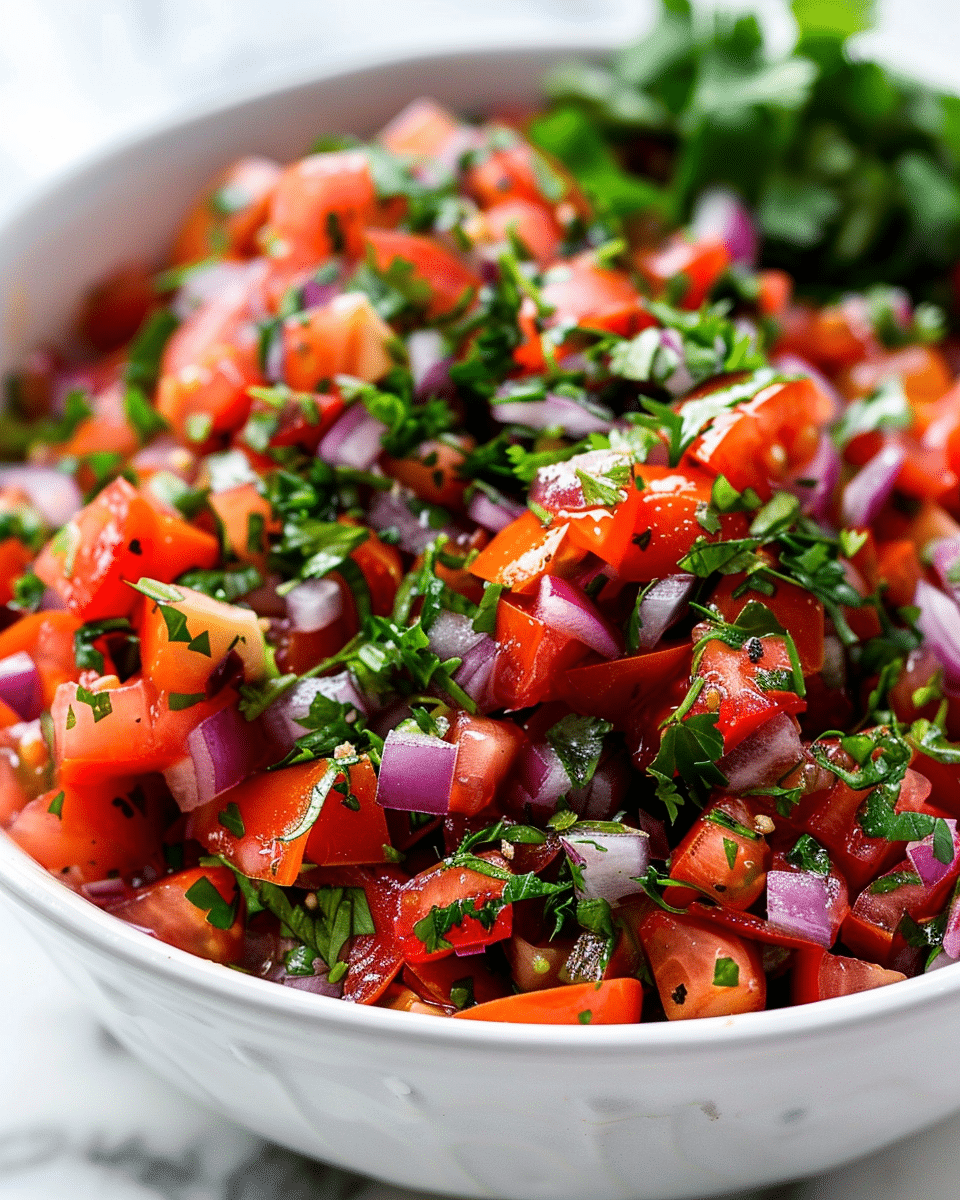
Moroccan Tomato Salad: Fresh, Simple, and Bursting with Flavor
A vibrant Moroccan tomato salad is one of the simplest ways to bring big flavor to your table with very little effort. This refreshing dish combines ripe tomatoes, bright herbs, and a zesty vinaigrette that tastes like sunshine in a bowl. Because Moroccan tomato salad uses everyday ingredients, tomatoes, onion, olive oil, lemon, garlic, and spices, it quickly becomes a go‑to side dish for busy weeknights and relaxed weekend gatherings. In fact, you can pair it with grilled meats, fish, or even a comforting bowl of couscous, and it will always feel right.
While it looks simple, the balance of acidic, sweet, and savory flavors turns this salad into something special. The tomatoes provide juicy sweetness, the lemon and vinegar deliver tang, and cumin adds subtle warmth. As you explore this recipe, you will learn how small tweaks, like the type of tomato or how long you marinate the salad, transform the final dish.
You will also see how a Moroccan tomato salad fits beautifully into a colorful, seasonal meal, especially if you enjoy building menus with flavorful salads like a Mediterranean panzanella or a bright citrus avocado salad, similar to this citrus fennel avocado winter salad. With flexible variations, storage tips, and step‑by‑step guidance, this guide will help you master a salad you’ll crave on repeat.
Table of Contents
What Is Moroccan Tomato Salad?
A Simple Salad with Deep Moroccan Roots
Moroccan tomato salad, often called “shlada maticha,” is a classic North African side dish found in homes, markets, and restaurants across Morocco. At its core, it brings together chopped or sliced tomatoes, onion, fresh herbs like parsley or cilantro, and a lemony olive oil dressing seasoned with salt, pepper, and ground cumin. Many versions add garlic, paprika, or a splash of vinegar for extra complexity. Despite the minimal ingredients, the flavor feels layered and memorable because Moroccans rely on very ripe, seasonal produce and high‑quality olive oil.
You will usually see this salad served alongside a spread of small plates known as mezze or as a refreshing starter before a tagine or grilled kebabs. Because Moroccan cuisine celebrates bold spices and slow‑cooked dishes, this light tomato salad offers a cooling contrast. It cuts through richness and adds brightness to the meal. Over time, home cooks have created countless variations, adding peppers, cucumbers, or even olives, but the soul of Moroccan tomato salad remains the same: ripe tomatoes, sharp onion, fresh herbs, and a punchy dressing that ties everything together.
Why Moroccan Tomato Salad Belongs in Your Weekly Rotation
Although this salad has deep cultural roots, it feels perfectly modern for a busy home kitchen. Moroccan tomato salad requires no special equipment, cooks in zero minutes, and comes together in about 10–15 minutes. The recipe scales easily, so you can make a small bowl for lunch or a big platter for a party. Because it relies on pantry staples—olive oil, lemon juice, garlic, and spices you likely have everything on hand as soon as you bring home tomatoes and herbs. That makes it an ideal choice when you want something fresh without much planning.
This salad is also extremely flexible. You can serve it spooned over grilled chicken or steak, tucked into pita with hummus, or paired with other hearty salads like a warm lentil and roasted vegetable salad for a colorful vegetarian spread. If you enjoy meal prep, you can assemble parts of it in advance and finish with dressing right before serving. Because it relies so heavily on produce quality, Moroccan tomato salad gently encourages seasonal eating and helps you make the most of summer tomatoes, whether they come from your backyard garden or a local farmers market.
Print
Moroccan Tomato Salad
Description
This Moroccan tomato salad is bright, zesty, and irresistibly fresh. Made with ripe tomatoes, red onion, parsley, cilantro, olive oil, lemon, garlic, and cumin, it’s the perfect easy no-cook side dish for weeknights, cookouts, or mezze-style meals.
Ingredients
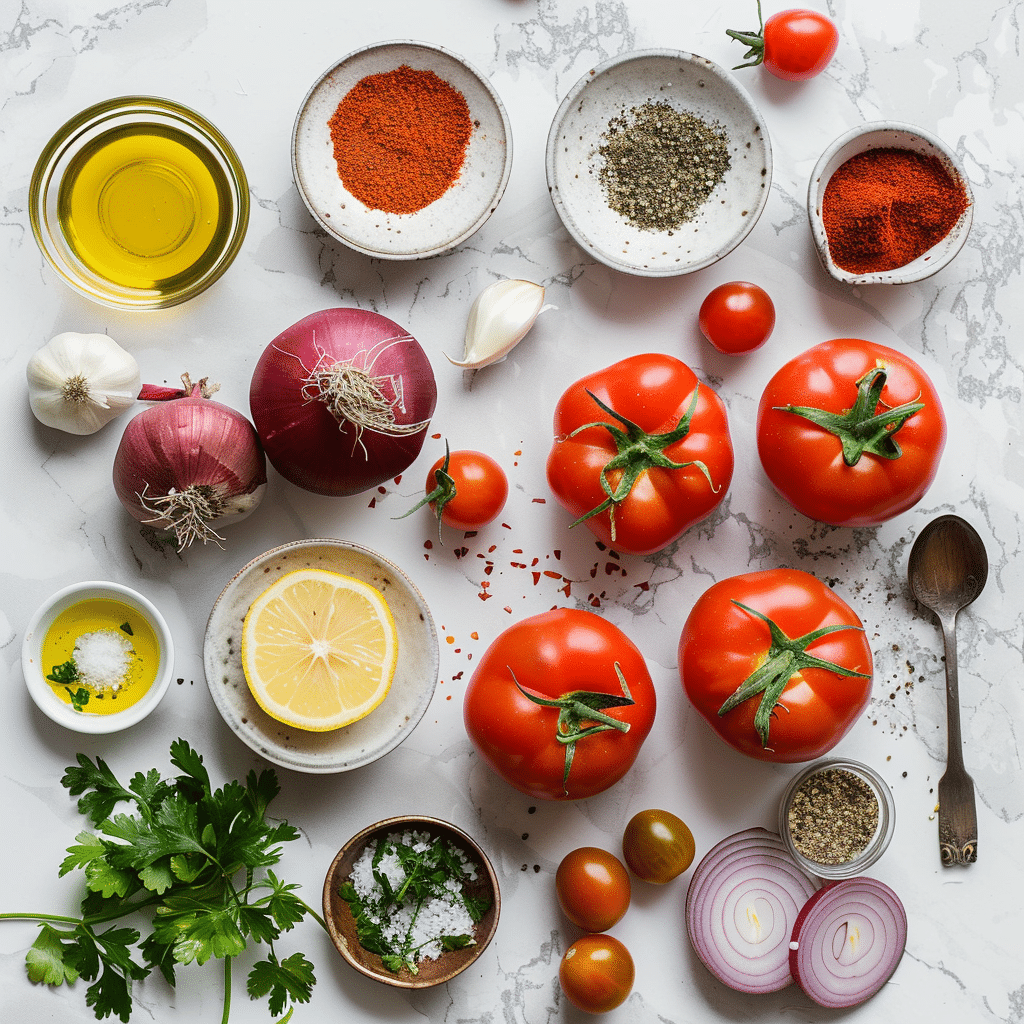
5 medium ripe tomatoes, diced 1/2 medium red onion, finely chopped 1/4 cup fresh parsley, finely chopped 1/4 cup fresh cilantro, finely chopped 1 small garlic clove, finely grated or minced 3 tablespoons extra-virgin olive oil 2 tablespoons fresh lemon juice 1 teaspoon ground cumin 1/2 teaspoon sweet paprika 1/2 teaspoon sea salt, or to taste 1/4 teaspoon black pepper, or to taste Optional: 1 teaspoon red wine vinegar Optional: pinch of cayenne or a little harissa for heat Optional: diced cucumber or green bell pepper for extra crunch
Instructions
Wash and dry the tomatoes well. Dice the tomatoes into even bite-size pieces and place them in a large bowl. Finely chop the red onion, parsley, and cilantro, then add them to the bowl. Add the garlic, olive oil, lemon juice, cumin, paprika, salt, and black pepper. If using, add a small splash of vinegar or a pinch of cayenne.
Toss gently until everything is evenly coated. Let the salad rest at room temperature for 10 to 15 minutes so the flavors can meld. Taste and adjust lemon, salt, or cumin if needed. Serve fresh with grilled meats, fish, couscous, bread, or as part of a mezze spread.
Notes
For milder onion flavor, soak chopped onion in cold water for 5 to 10 minutes, then drain well. Use ripe, flavorful tomatoes for the best results. If making ahead, keep the chopped ingredients and dressing separate, then combine 30 to 60 minutes before serving. Store leftovers in an airtight container in the fridge for up to 2 days.
Core Ingredients for Authentic Moroccan Tomato Salad
Choosing the Best Tomatoes, Herbs, and Aromatics
The heart of any Moroccan tomato salad is, of course, the tomatoes. For the most authentic flavor, choose ripe yet firm tomatoes that feel heavy for their size and smell fragrant at the stem end. Classic globe tomatoes or vine‑ripened tomatoes work well, but you can also use Roma or plum tomatoes, which hold their shape and release less juice. If you have access to heirloom tomatoes, their complex flavors and colors bring extra depth and visual appeal. Cherry tomatoes also work; just cut them in halves or quarters.
Herbs add freshness and a distinct Moroccan character. Most traditional recipes use flat‑leaf parsley, cilantro, or a combination of both. Cilantro lends a slightly citrusy, bold edge, while parsley keeps things grassy and clean. Onion provides sharp bite and crunch; red onion gives a mild sweetness and beautiful color, while white or yellow onions taste stronger. Garlic intensifies the savory notes, but you can adjust the amount to your taste. Finally, use high‑quality extra‑virgin olive oil because it forms the backbone of the dressing and affects both flavor and mouthfeel.
Spices, Acids, and Optional Add‑Ins
Spices transform this simple mixture of vegetables into a true Moroccan tomato salad. Ground cumin is non‑negotiable in many Moroccan kitchens; it adds earthy warmth and a subtle smokiness that pairs beautifully with tomatoes. Sweet paprika introduces gentle color and sweetness, while a pinch of cayenne or hot paprika can give a pleasant kick. Salt and freshly ground black pepper bring everything into balance. For the acidic components, fresh lemon juice is standard, but some cooks also add a small splash of red wine vinegar or white wine vinegar for extra brightness.
You can customize your salad with optional add‑ins without losing its authentic feel. Diced green bell pepper adds crunch and a fresh, slightly bitter note. Chopped cucumber offers coolness and extra juiciness, which works nicely during hot summer days. Pitted olives can introduce briny depth, and a scattering of crumbled feta or fresh goat cheese turns the salad into a more substantial side. If you enjoy exploring salads, you can think of this dish as a cousin to a Mediterranean panzanella or even a roasted beet salad simple ingredients elevated by thoughtful seasoning and textures.
Step‑by‑Step: How to Make Moroccan Tomato Salad
Preparing the Vegetables the Right Way
To create a Moroccan tomato salad with the best texture, take a few moments to prepare your vegetables carefully. Start by washing the tomatoes thoroughly and drying them with a clean towel to remove excess surface moisture. If you use larger tomatoes, core them and slice them into even wedges, or dice them into bite‑size pieces. Aim for pieces that are similar in size so the salad feels cohesive and easier to eat.
For cherry or grape tomatoes, simply halve or quarter them. Removing some of the seeds is optional, but doing so can reduce excess liquid if your tomatoes are especially juicy.
Next, peel and finely chop the onion. To mellow its sharpness, you can soak the chopped onion in cold water for 5–10 minutes, then drain and pat dry. This step helps if you prefer a gentler flavor or if you plan to serve the salad to guests who might not enjoy intense raw onion. Mince the garlic finely or grate it with a microplane so it distributes evenly. Wash and dry the herbs thoroughly, then chop them finely; wet herbs can water down the dressing. Once all the vegetables and herbs are ready, place them in a large mixing bowl so you have enough room to toss the salad gently without crushing the tomatoes.
Mixing the Dressing and Assembling the Salad
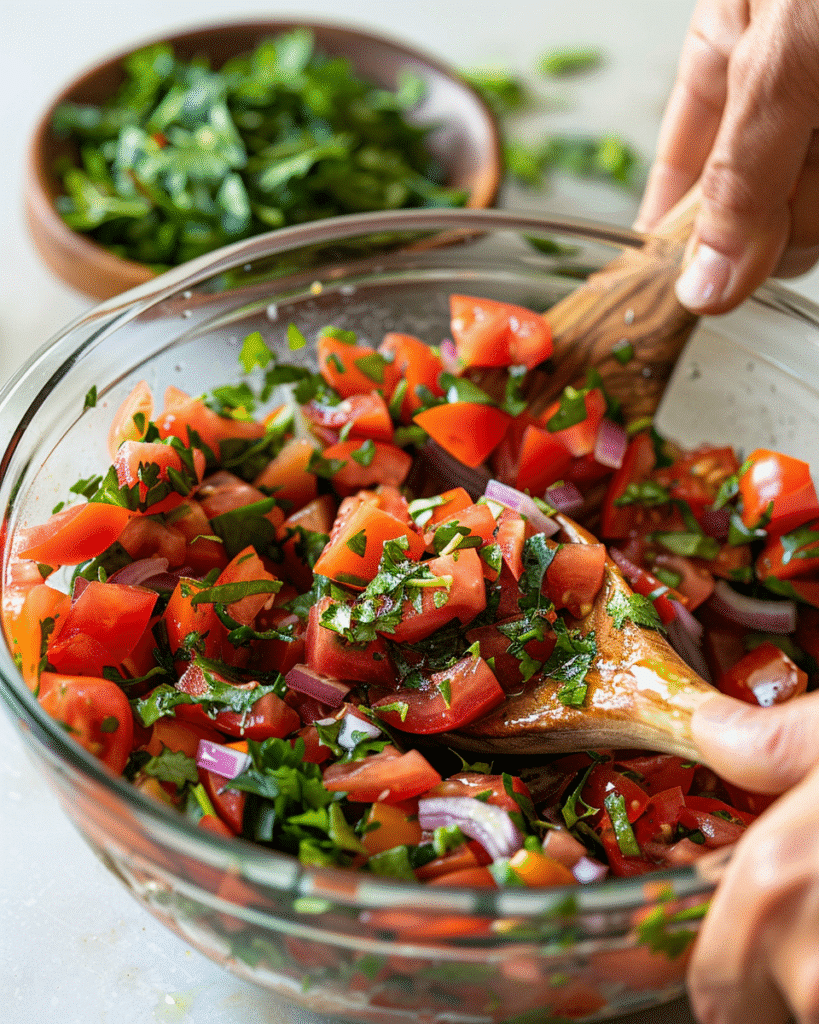
The dressing for a Moroccan tomato salad comes together directly in the bowl. Drizzle extra‑virgin olive oil over the prepared vegetables, then add fresh lemon juice and, if you like, a small splash of vinegar. Sprinkle ground cumin, paprika, salt, and black pepper evenly over the top. At this point, you can taste a tiny tomato piece and adjust the acid or salt before fully mixing. The goal is a tangy but balanced dressing that complements the natural sweetness of the tomatoes. Gently toss the salad with a large spoon or your clean hands, lifting from the bottom so each piece gets coated without breaking down.
Once combined, allow the salad to rest at room temperature for at least 10–15 minutes before serving. This short marinating time lets the flavors meld and softens the onion slightly while the tomatoes release some juice and create a light, flavorful sauce. If you plan to serve the salad later, cover and refrigerate it, but let it come back to room temperature for 10–20 minutes before eating, since cold dulls the flavors. During this rest, you can prep other dishes, such as a protein or another salad like a chicken taco salad if you want a more filling meal.
Right before serving, taste once more, add a final drizzle of olive oil or squeeze of lemon if needed, and garnish with extra chopped herbs for a fresh look.
Nutritional Benefits of Moroccan Tomato Salad
Vitamins, Antioxidants, and Heart‑Healthy Fats
Moroccan tomato salad delivers impressive nutrition for such a simple dish. Tomatoes are rich in vitamin C, which supports immune health and collagen production, as well as vitamin A in the form of beta‑carotene, which benefits vision and skin. They also contain potassium, a mineral that helps regulate blood pressure and fluid balance. Perhaps most famously, tomatoes provide lycopene, a powerful antioxidant that may support heart health and protect cells from oxidative stress. Lycopene becomes more bioavailable when tomatoes are cooked with fat, but raw tomatoes still provide valuable amounts.
Onions and garlic contribute sulfur compounds that may support cardiovascular health and offer mild antimicrobial properties. Fresh herbs like parsley and cilantro add additional vitamin K, vitamin C, and plant antioxidants, making each bite more nutrient‑dense.
The dressing’s extra‑virgin olive oil supplies heart‑healthy monounsaturated fats, which can improve cholesterol balance when used in place of saturated fats. Because the salad relies on whole, minimally processed ingredients, it fits well into many eating patterns, including Mediterranean, flexitarian, and generally health‑conscious diets that emphasize vegetables, healthy fats, and herbs.
Low‑Calorie, High‑Flavor Support for Balanced Eating
One of the great advantages of a Moroccan tomato salad is its low energy density. It offers a lot of volume, texture, and flavor for relatively few calories, making it an excellent side for those who want to manage their weight without feeling deprived. The combination of fiber in the tomatoes and onions with healthy fats from olive oil helps increase satiety. As a result, you feel satisfied longer than you might after a plain lettuce salad with a low‑fat dressing. The salad also contains minimal added sugar and no refined starches, so it avoids blood sugar spikes common with more processed side dishes.
If you are following a lower‑carb or keto‑inspired approach, Moroccan tomato salad can still fit into your plan, especially if you moderate the portion size of tomatoes and pair it with a higher‑protein main dish, similar to how you might enjoy a keto chicken salad. For plant‑forward eaters, this salad offers an easy way to boost daily vegetable intake and can be combined with legumes or whole grains for a balanced meal. Because it tastes bright and satisfying, it can help shift your cravings toward fresh, colorful foods and away from heavy, overly processed options.
Variations on Classic Moroccan Tomato Salad
Adding Seasonal Produce and Global Twists
The beauty of Moroccan tomato salad lies in its adaptability. While the classic version keeps things minimal, you can customize it with seasonal produce or global flavors without losing its core identity. In summer, you might add diced cucumber and green bell pepper for extra crunch and hydration. In late summer or early fall, try mixing in sweet corn kernels or roasted peppers for a smoky edge. When tomatoes are at their peak, use a mix of heirloom varieties in different colors—yellow, orange, and dark purple—to create a visually stunning platter that still tastes authentically Moroccan.
For a Mediterranean twist, add Kalamata or green olives, capers, or crumbled feta. These ingredients introduce briny and creamy elements that make the salad feel almost like a deconstructed bruschetta or Greek salad, yet the cumin and lemon keep it firmly grounded in North African flavors.
If you enjoy spice, experiment with a pinch of harissa paste whisked into the dressing for slow, warm heat. You can also swap part of the lemon juice with preserved lemon rind, finely minced, to add fragrant intensity. Each variation keeps the spirit of the dish, fresh tomatoes, herbs, and bold seasoning, while adding new personality.
Turning the Salad into a Satisfying Meal
With a few adjustments, Moroccan tomato salad can shift from side dish to main course. One straightforward option is to add a protein source. Grilled chicken strips, seared shrimp, or flaked tuna sit beautifully on top of the salad without overwhelming it. If you prefer plant‑based meals, add chickpeas, white beans, or lentils for fiber and protein. You can even pair this salad with a hearty grain like quinoa or couscous, similar in spirit to a cranberry apple quinoa winter salad, for a complete vegetarian lunch.
Another approach is to serve the salad in or on bread. Spoon it into warm pita pockets with hummus or baba ghanoush, or pile it onto toasted bread for an open‑faced sandwich. For a lighter option, serve Moroccan tomato salad over a bed of tender greens like butter lettuce or baby kale. You can adjust the amount of dressing so it coats the greens as well. If you enjoy layered salad bowls, use this tomato salad as a bright topping over grains, leafy greens, and a simple grilled protein, much like you would incorporate other composed salads into a meal prep rotation.
Serving and Pairing Ideas for Moroccan Tomato Salad
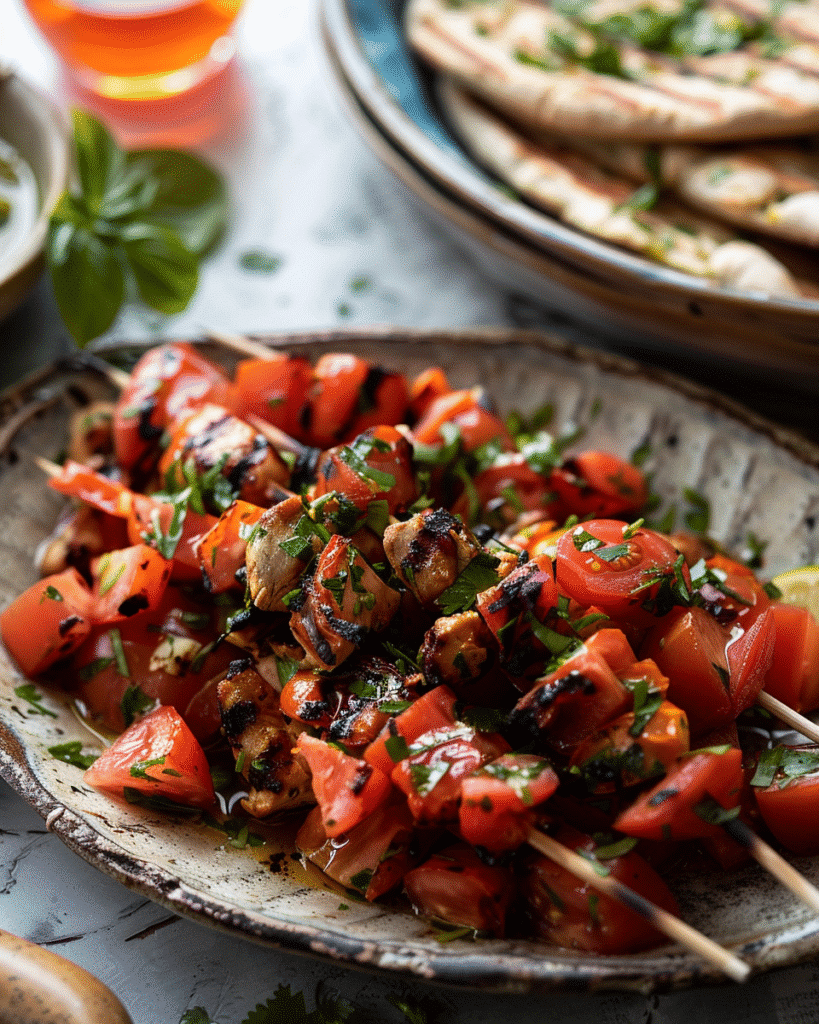
How to Present Moroccan Tomato Salad Beautifully
Presentation elevates Moroccan tomato salad from a simple side to a standout dish on your table. Because the salad is visually appealing on its own, with vibrant reds and bright green herbs, you only need a few small touches. Arrange sliced tomatoes in overlapping layers on a large, shallow platter, then scatter finely chopped onion and herbs over the top before drizzling with dressing. This approach highlights the structure of the tomatoes and gives the salad a restaurant‑style look. Alternatively, serve the salad fully mixed in a white or neutral‑colored bowl so the colors pop.
For special occasions, use a mix of tomato varieties and colors, then finish the salad with a sprinkle of flaky sea salt, a last drizzle of deep green olive oil, and a few reserved whole herb leaves. You might also garnish with thinly sliced radishes or a dusting of smoked paprika for extra visual contrast. Although Moroccan tomato salad is rustic by nature, these details signal care and make guest meals feel more thoughtful. You can set it alongside other composed salads like a kale or Brussels sprout dish to create a beautiful, varied salad spread.
Best Pairings: From Grills to Holiday Feasts
Moroccan tomato salad pairs wonderfully with grilled foods. Serve it with grilled chicken, lamb kebabs, or marinated fish for a refreshing contrast to smoky flavors. It works especially well at summer cookouts, where it can replace heavier mayonnaise‑based salads. For a vegetarian or vegan menu, pair this salad with grilled vegetable skewers, spiced roasted cauliflower, or a bean‑based main. During cooler months, use it to brighten richer dishes like braised meats or roasted chicken, similar to how a crisp green bean casserole balances heavier holiday foods.
Moroccan tomato salad also complements other salads beautifully. You can offer it alongside a hearty kale salad or a composed winter salad to give guests different textures and flavor profiles. Consider combining it with grain salads, lentil dishes, or roasted vegetable plates to build a generous buffet. Because the salad is naturally dairy‑free and gluten‑free, it helps accommodate different dietary needs at gatherings. Finally, for a light lunch, simply enjoy a generous portion of Moroccan tomato salad with good crusty bread to soak up the juices and perhaps a small side of olives or cheese for a complete yet simple meal.
Common Mistakes and How to Fix Them
Avoiding Watery, Bland, or Mushy Tomato Salad
A Moroccan tomato salad should taste bright and lively, not soggy or dull. However, a few common mistakes can reduce its quality. One major issue is using out‑of‑season, under‑ripe tomatoes that lack sweetness and aroma. These tomatoes tend to release water without much flavor, leaving you with a bland salad. To avoid this, select the ripest tomatoes you can find or wait until they are in season. Another frequent problem is over‑salting early in the process, which causes tomatoes to release too much liquid, turning the salad watery. It is better to season lightly at first, then adjust after a brief rest.
Over‑mixing can also break down the tomato pieces, causing a mushy texture. Instead, handle the salad gently, especially when tossing. Additionally, adding too much acid—such as lemon juice or vinegar—can overshadow the natural tomato flavor and make the salad taste harsh. Focus on balance; you can always add more acid at the end if needed. If your salad ends up watery, strain off some of the excess liquid, then add a bit more chopped onion or fresh tomato to restore texture. A pinch of extra cumin or paprika can help revive a bland batch.
Storage, Make‑Ahead Tips, and Food Safety
Moroccan tomato salad tastes best fresh or within a few hours of preparation, but you can store leftovers safely with proper care. Place the salad in an airtight container and refrigerate for up to 2–3 days. Over time, the tomatoes will soften and release more juices, so expect a looser texture on the second day. Some people enjoy this marinated style, spooning it over grilled bread or rice. If you plan to make the salad ahead of time for an event, consider chopping the vegetables and herbs separately and mixing them with the dressing 30–60 minutes before serving to maintain texture.
To reduce sogginess for make‑ahead use, you can salt the chopped tomatoes lightly in a colander and let excess liquid drain for 10–15 minutes before assembling the salad. This technique concentrates their flavor and keeps the final dish from becoming overly watery. From a food safety standpoint, avoid leaving the salad at room temperature for more than 2 hours, especially in warm weather. When serving outdoors, keep the bowl on a bed of ice if possible. Although the salad contains no dairy or meat, proper handling keeps it tasting fresh and reduces spoilage risk, particularly when entertaining guests.
Comparing Moroccan Tomato Salad with Other Salads
How It Differs from Mediterranean and Italian Tomato Salads
At first glance, Moroccan tomato salad might resemble other Mediterranean or Italian tomato salads, but the flavor profile and seasoning technique set it apart. Italian tomato salads like caprese rely on basil, mozzarella, and a drizzle of balsamic vinegar. Greek or Mediterranean tomato salads often lean heavily on oregano, olives, and feta. By contrast, Moroccan tomato salad shifts the spotlight to cumin, paprika, and lemon, which lend a warm, earthy, and citrusy character you will not find in most European versions. The herbs also differ; parsley and cilantro dominate rather than basil or oregano.
Texture and preparation also bring distinctions. Moroccan tomato salad usually features smaller, more finely chopped pieces rather than large, thick slices. This means every bite carries a mix of tomato, onion, herbs, and dressing. The result feels more like a chopped salad or salsa in texture, although it remains firmly in salad territory. While olive oil shines in all these variations, the Moroccan version tends to rely less on cheese or heavy toppings and more on spice. If you enjoy exploring global salads, this dish offers a refreshing contrast to Italian panzanella or the rustic style of a panzanella salad recipe, expanding your repertoire of tomato‑based sides.
Where Moroccan Tomato Salad Fits in a Modern Salad Routine
In a world of complex grain bowls and elaborate salad bars, Moroccan tomato salad stands out for its simplicity and purity of flavor. It can act as a bridge between traditional and contemporary cooking. For someone who usually eats lettuce‑based salads, this dish introduces a new way to think about vegetables—focusing on a single star ingredient, in this case tomatoes, and building flavor around it with herbs and spices rather than lots of extras. That approach resembles other modern, ingredient‑driven salads like kale or Brussels sprout salads, which also highlight one main vegetable.
You can incorporate Moroccan tomato salad into a weekly meal plan alongside smoothies and nutrient‑dense drinks or as part of a broader salad rotation that includes warm, cooked elements and raw, crunchy textures. For example, you might enjoy it early in the week when tomatoes feel freshest, then shift to heartier salads like lentil or roasted vegetable dishes later on. As you experiment, you will see how easily Moroccan tomato salad complements a range of meals, from casual lunches to dinner parties, and how it can coexist with both classic comfort dishes and lighter wellness‑driven recipes.
Advanced Tips, Flavor Boosts, and Ingredient Science
Small Tweaks That Deliver Big Flavor
Once you master a basic Moroccan tomato salad, a few advanced tweaks can help you fine‑tune the flavors. First, consider blooming your spices. Instead of sprinkling ground cumin and paprika directly on the salad, warm them gently in a teaspoon or two of olive oil over low heat until fragrant, then pour this seasoned oil over the tomatoes and herbs. This step unlocks deeper flavor and softens any raw spice edge. You can also experiment with using both lemon juice and zest; the zest adds intense aroma without additional acidity.
Another trick involves handling the garlic carefully. Raw garlic can taste harsh if left in large pieces, so grating it very finely or mashing it with a pinch of salt into a paste helps it dissolve into the dressing. You can also mellow garlic by letting it stand in lemon juice for 5 minutes before adding it to the salad. For texture, mix tomato sizes and shapes—small cherry halves with larger wedges—to create variety in each bite. Finish the salad with a sprinkle of flaky sea salt right before serving; those occasional pops of salt magnify the tomatoes’ natural sweetness and make the dish feel restaurant‑worthy.
Understanding the Science Behind Great Tomato Salad
The success of Moroccan tomato salad rests on a few simple but powerful scientific principles. Salt draws moisture out of tomatoes by osmosis, which explains why a heavily salted salad quickly becomes watery. At the same time, a moderate amount of salt enhances sweetness and overall flavor, so balance matters. Acid from lemon or vinegar brightens the taste by stimulating salivary glands and heightening perception of other flavors. This is why a salad with enough acid feels lively, while an under‑seasoned one tastes flat.
Olive oil plays both structural and flavor roles. As a fat, it carries aromatic molecules from cumin, garlic, and herbs, helping them coat your palate so flavors linger. It also rounds out the sharpness of acid and onion, creating a smoother mouthfeel. The resting time, often 10–20 minutes, allows diffusion to occur; flavors move from areas of higher concentration (the dressing) into the tomato flesh and onion, leading to a more harmonious taste.
Temperature also matters: serving the salad cool but not cold ensures that volatile aromatic compounds from the herbs, spices, and tomatoes can reach your nose, enhancing your perception of flavor. When you understand these simple dynamics, you can adjust seasoning, resting time, and temperature intuitively to create your ideal Moroccan tomato salad every time.
FAQ About Moroccan Tomato Salad
Can I make Moroccan tomato salad ahead of time?
You can make Moroccan tomato salad partially ahead of time, but timing affects texture. For the best results, chop your tomatoes, onion, and herbs a few hours in advance, then store them separately in the refrigerator. Mix the dressing ingredients—olive oil, lemon juice, spices, and garlic—in a small jar and keep it chilled as well. About 30–60 minutes before serving, combine the vegetables and dressing, season with salt and pepper, and let the salad sit at room temperature to allow flavors to meld. If you mix everything too far ahead, the tomatoes release more liquid and soften, which some people enjoy but others find mushy. Leftovers keep for 2–3 days in the fridge, though they become more marinated and saucy over time, ideal for spooning over grilled bread or rice.
Which tomatoes are best for Moroccan tomato salad?
The best tomatoes for Moroccan tomato salad are ripe, flavorful, and firm enough to hold their shape after chopping. Vine‑ripened or good‑quality globe tomatoes usually work very well. Romas or plum tomatoes are another smart choice because they are meatier and less watery, so the salad stays less soupy. During peak tomato season, heirloom varieties offer exceptional flavor and color; just slice them gently to showcase their texture. Cherry or grape tomatoes also make a great option, particularly when larger tomatoes lack flavor; their natural sweetness and small size create a nice bite. Whatever variety you choose, prioritize tomatoes that feel heavy for their size, have a fragrant smell near the stem, and show no large soft spots or green, unripe areas for the best salad experience.
Is Moroccan tomato salad spicy?
Traditional Moroccan tomato salad is more aromatic than spicy. The core seasonings—ground cumin, paprika, lemon, and garlic—create warmth and complexity without intense heat. Sweet paprika gives color and mild flavor, while cumin adds an earthy depth. If you prefer a salad with no heat at all, simply use sweet paprika and skip any cayenne or hot spices. However, if you enjoy a subtle kick, you can add a pinch of cayenne pepper, hot paprika, or a touch of harissa paste to the dressing. This customization lets you dial the heat level up or down to suit your taste or your guests’ preferences without changing the essence of the dish. Overall, Moroccan tomato salad leans more tangy and herbaceous than fiery.
How long does Moroccan tomato salad last in the fridge?
Moroccan tomato salad typically lasts 2–3 days in the refrigerator when stored in an airtight container. On the first day, the tomatoes remain relatively firm, and the flavors feel bright and distinct. By the second day, the tomatoes soften as they continue to release juices, and the salad takes on a more marinated character, which many people enjoy over bread, grains, or grilled proteins. After about three days, the texture often becomes too soft for most preferences, and the flavor starts to decline. Always refrigerate the salad promptly and avoid leaving it out at room temperature for more than 2 hours, especially in warm weather, to maintain freshness and food safety. If the salad develops an off smell, slimy texture, or strange taste, discard it.
Can I use canned tomatoes for Moroccan tomato salad?
Using canned tomatoes for Moroccan tomato salad is not recommended when you want a traditional, fresh version. The salad relies heavily on the firm, juicy texture and bright flavor of raw, ripe tomatoes. Canned tomatoes are typically peeled, cooked, and packed in juice or puree, which changes both their texture and taste. As a result, they tend to be too soft and lack the crisp bite needed for a refreshing salad. However, if fresh tomatoes are completely unavailable or out of season, you could adapt the concept into a cooked tomato side dish by gently simmering canned tomatoes with olive oil, garlic, cumin, and herbs, then cooling and serving at room temperature. That version, though tasty, would be more of a relish or sauce than a classic Moroccan tomato salad.
What can I serve with Moroccan tomato salad?
Moroccan tomato salad pairs beautifully with a wide variety of dishes. It shines alongside grilled meats like chicken, lamb, or beef, adding freshness and acidity to balance smoky flavors. It also works well with grilled or baked fish, especially when seasoned with lemon and herbs. For vegetarian or vegan meals, serve it with couscous, quinoa, or lentil dishes for a complete plate. You can also place it on a mezze table with hummus, baba ghanoush, olives, and warm flatbread. At casual lunches, enjoy the salad with toasted bread or as a topping for grain bowls and green salads. Because it is light yet flavorful, Moroccan tomato salad easily fits into summer cookouts, potlucks, and even holiday spreads where you want a bright, refreshing contrast to richer dishes.
Is Moroccan tomato salad healthy?
Yes, Moroccan tomato salad is generally very healthy. It centers on fresh vegetables—tomatoes, onions, and herbs—dressed with extra‑virgin olive oil, lemon juice, and spices. This combination offers vitamins like C, A, and K, plus antioxidants such as lycopene from tomatoes and beneficial compounds from garlic and onions. Olive oil provides heart‑healthy monounsaturated fats that may support better cholesterol levels when used in place of saturated fats. The salad is naturally free of refined sugars, low in calories, and rich in fiber and water, which can support hydration and satiety. It fits well into Mediterranean, plant‑forward, and many weight‑conscious eating patterns. Of course, if you add cheese or large amounts of salty ingredients, the calorie and sodium content will rise, but the base recipe remains a nutrient‑dense, wholesome choice for regular meals.
Conclusion: Bringing Moroccan Tomato Salad into Your Kitchen
Moroccan tomato salad showcases how a few well‑chosen ingredients can create unforgettable flavor. With ripe tomatoes, fresh herbs, and a bright cumin‑lemon dressing, it delivers a refreshing side that feels at home next to grilled meats, tagines, or simple everyday dinners. Because it is quick to prepare, endlessly flexible, and nutritionally rich, this salad earns a permanent spot in any seasonal cooking routine. You can enjoy it as a side, transform it into a main with added protein or grains, or pair it with other vibrant dishes like a hearty kale salad from this kale salad recipe for a colorful spread.
As you experiment with different tomato varieties, herb combinations, and small tweaks like blooming spices or using preserved lemon, you will shape the salad into your own signature version. The key is balance: enough salt, acid, and spice to support the tomatoes without overwhelming them. Once you find your favorite ratios, Moroccan tomato salad becomes a reliable, refreshing dish you can bring to potlucks, picnics, holiday tables, and weeknight dinners alike, proof that simple recipes often deliver the biggest rewards.
Sample Ingredient and Seasoning Chart
| Ingredient | Typical Amount (for 4 servings) | Notes |
|---|---|---|
| Tomatoes | 4–5 medium (about 1.5 lb) | Ripe, firm, any variety |
| Red onion | 1/2 medium | Soak in water to mellow |
| Parsley/cilantro | 1/2 cup chopped | Use either or both |
| Olive oil | 3–4 tbsp | Extra‑virgin preferred |
| Lemon juice | 2–3 tbsp | Adjust to taste |
| Cumin | 1–1.5 tsp | Ground, lightly heaped |
Example Serving Ideas
| Occasion | Serve Moroccan Tomato Salad With |
|---|---|
| Weeknight dinner | Grilled chicken, rice, and steamed vegetables |
| Summer cookout | Grilled kebabs, flatbread, and hummus |
| Light lunch | Crusty bread, olives, and a green salad |
| Holiday table | Roast meats, green bean dishes, and grain salads |
Quick Flavor Tweaks at a Glance
| Goal | Adjustment |
|---|---|
| More heat | Add cayenne or harissa |
| More freshness | Increase herbs and lemon zest |
| More richness | Drizzle extra olive oil, add olives or feta |
| Less liquid | Use Roma tomatoes, lightly salt and drain first |
For more seasonal salad inspirations, check out my Pinterest.