
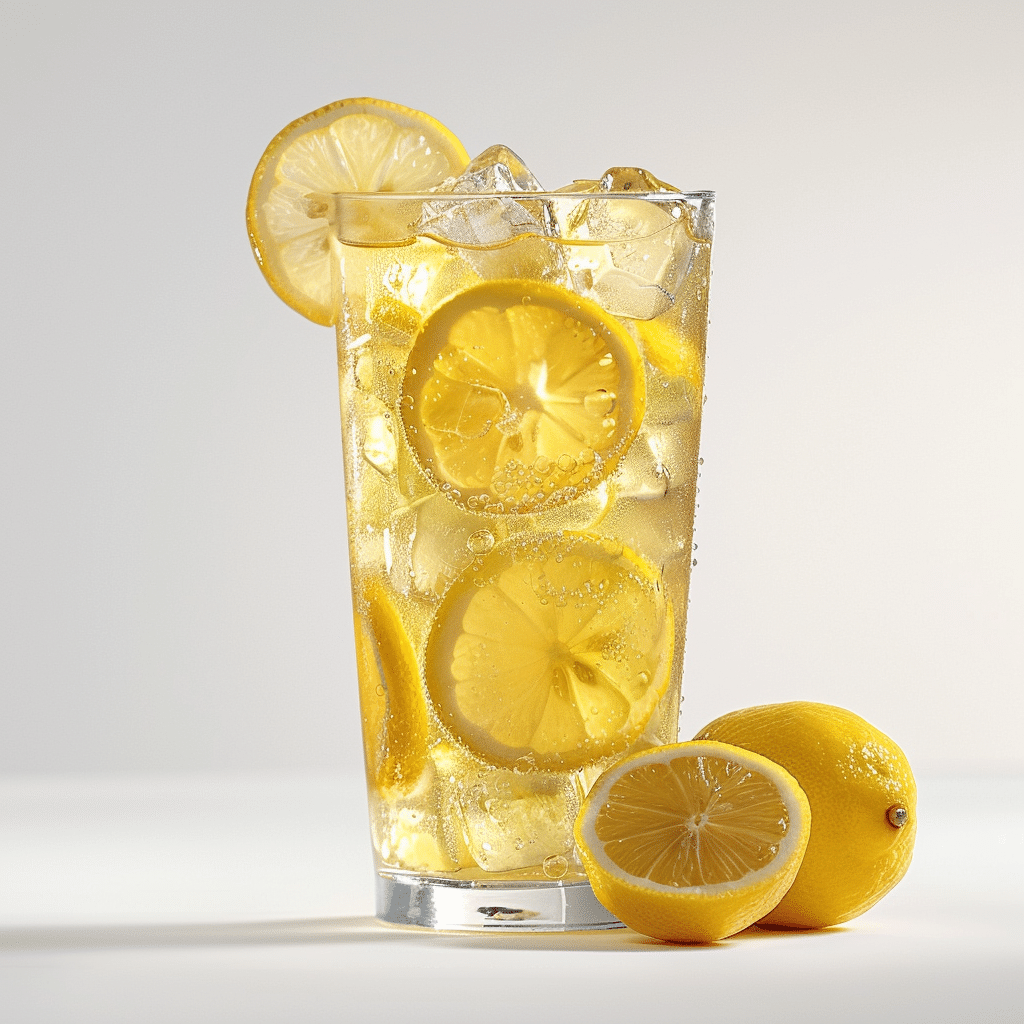
Sparkling Lemonade Mocktail: Refreshing, Bubbly & So Easy
A sparkling lemonade mocktail is the drink you reach for when you want something festive, bright, and completely alcohol‑free without feeling like you’re missing out. This bubbly twist on classic lemonade delivers all the tangy citrus flavor you love, plus a refreshing fizz that makes it perfect for parties, brunches, baby showers, or cozy nights in. Because this mocktail uses simple ingredients and flexible flavor add‑ins, you can make a single glass just for you or scale up for a big crowd with almost no extra effort.
If you already enjoy light and vibrant recipes like this strawberry banana smoothie, you’ll love how customizable this drink can be. In this guide, you’ll learn exactly how to make a perfect sparkling lemonade mocktail from scratch, the best ingredients to choose, and how to tweak everything from sweetness to presentation. You’ll also discover fun flavor variations, make‑ahead tips, and food pairing ideas, along with nutritional benefits and common mistakes to avoid so your mocktail always tastes crisp, balanced, and bar‑worthy.
Table of Contents
What Is a Sparkling Lemonade Mocktail?
A Modern Take on Classic Lemonade
A sparkling lemonade mocktail is essentially an upgraded lemonade that adds carbonation and creative flavor layers while staying completely alcohol‑free. Traditional lemonade features just three ingredients: lemon juice, water, and sugar. When you turn it into a sparkling mocktail, you swap still water for something fizzy like club soda, sparkling water, or lemon‑lime soda.
This creates a bubbly mouthfeel that feels more like a crafted drink than a simple homemade lemonade. Because the base remains straightforward, fresh lemon juice plus a sweetener, you can customize the flavor with herbs, fruit, and even spices. For instance, adding muddled strawberries or raspberries gives your sparkling lemonade mocktail a gorgeous color and subtle berry flavor, while herbs like mint, basil, or rosemary make it feel like a drink you’d order at a nice restaurant. Compared with sugary store‑bought sodas or bottled drinks, a homemade mocktail lets you control every ingredient.
You choose how sweet it is, how tart it tastes, and even which type of bubbles you prefer. As a result, this drink works for kids, adults, and anyone skipping alcohol, while still feeling celebratory and special.
Why This Bubbly Lemonade Is So Popular
The sparkling lemonade mocktail has become popular because it hits a sweet spot between indulgence and wellness. People want drinks that feel exciting but don’t leave them sluggish or dehydrated like many alcoholic cocktails. With this mocktail, you get a bright citrus punch, hydrating water content, and often less sugar than bottled sodas or store‑bought lemonades. Another reason for its popularity is how adaptable it is to different seasons and events.
In summer, you can add fresh berries, watermelon, or cucumber for a cooling drink by the pool. In fall or winter, you can blend it with cranberries, pomegranate arils, or warm spices like ginger to complement hearty dishes or seasonal salads such as this cranberry apple quinoa winter salad. Hosting a brunch? Serve sparkling lemonade mocktails in champagne flutes with lemon twists so they look like mimosas. Planning a baby shower or kids’ party? Offer a build‑your‑own mocktail bar, where guests can add flavored syrups, fresh herbs, or frozen fruit to customize their drinks. Because the base recipe is so simple, you can accommodate different dietary needs, from low‑sugar to vegan, without sacrificing taste or visual appeal.
Print
Sparkling Lemonade Mocktail
Description
This sparkling lemonade mocktail is bright, bubbly, and completely alcohol-free. Made with fresh lemon juice and fizzy water, it’s perfect for parties, brunch, or a refreshing everyday drink.
Ingredients
2 tablespoons fresh lemon juice
1–2 tablespoons simple syrup or sweetener of choice
1/2 to 3/4 cup sparkling water or club soda
Ice cubes
Lemon slices, for garnish
Fresh mint leaves (optional)
Instructions
Fill a tall glass with ice.
Add fresh lemon juice and simple syrup.
Stir well until fully combined.
Top gently with sparkling water.
Stir lightly to preserve carbonation.
Garnish with lemon slices and fresh mint.
Serve immediately.
Notes
Adjust sweetness to taste.
Always add sparkling water last to keep bubbles fresh.
Chill all ingredients before mixing for best results.
Essential Ingredients for the Perfect Sparkling Lemonade Mocktail
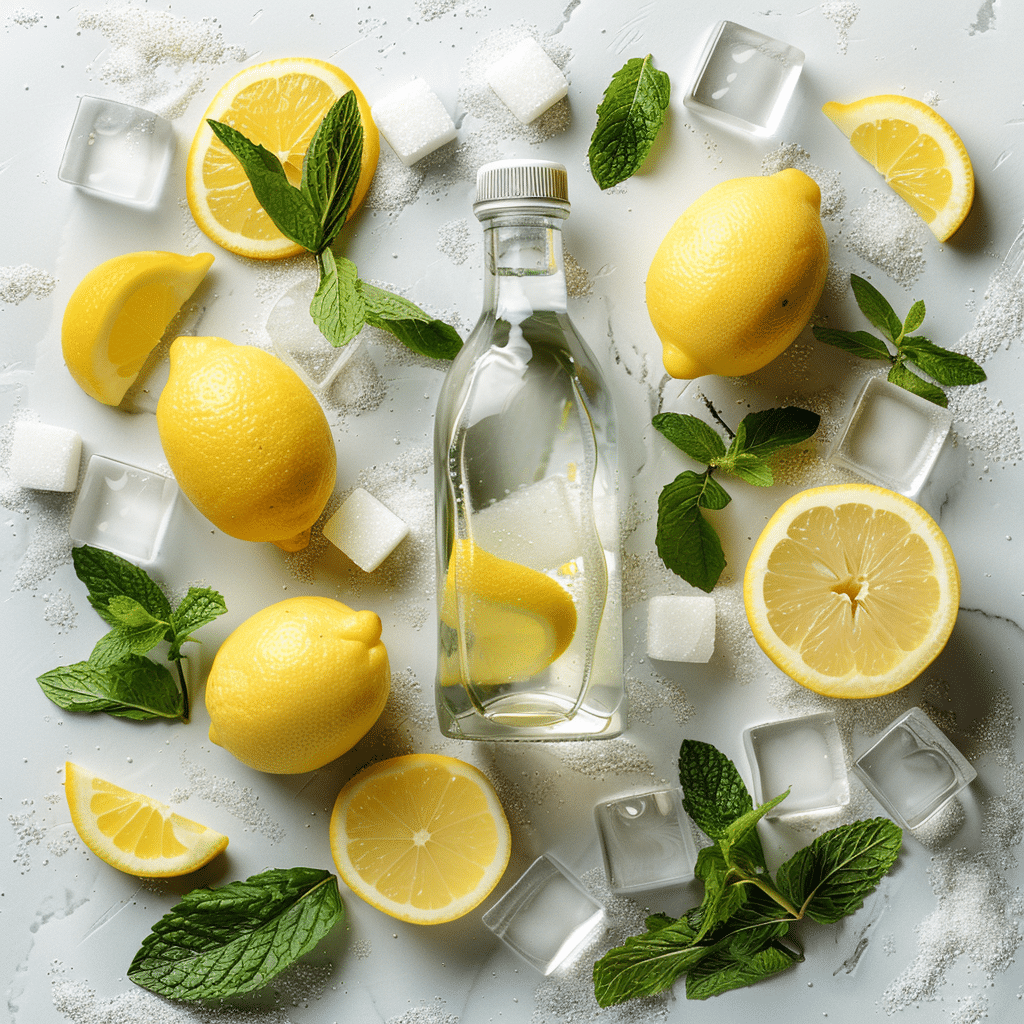
Choosing the Best Lemons, Sweeteners, and Bubbles
The flavor of your sparkling lemonade mocktail depends heavily on the quality of your ingredients. First, focus on the lemons. Freshly squeezed lemon juice is non‑negotiable for bright, clean flavor. Choose lemons that feel heavy for their size and have thin, smooth skin, these usually contain more juice and less bitterness. Meyer lemons offer a slightly sweeter, floral taste, while regular Eureka lemons give you that classic tang. Next, think about your sweetener.
White sugar dissolves easily and gives a neutral sweetness, but you can also use honey, agave syrup, maple syrup, or simple syrup. Liquid sweeteners blend better with cold ingredients, so they’re ideal when you’re mixing directly with ice and sparkling water. For a refined mocktail, consider making a flavored simple syrup, such as lavender, mint, or ginger, to infuse subtle aromatics without overpowering the lemon. Bubbles are your final key ingredient. You can choose club soda, plain sparkling water, or naturally flavored seltzers like lemon or lime. For a slightly sweeter drink, use lemon‑lime soda, but balance it by reducing the added sweetener so the mocktail doesn’t become cloying.
Optional Add‑Ins: Herbs, Fruit, and Flavor Boosters
Once you have your base ingredients, you can transform a simple sparkling lemonade mocktail into a signature drink with optional add‑ins. Herbs like fresh mint, basil, thyme, or rosemary add a botanical note that plays beautifully with citrus. Lightly clap the herbs between your hands before adding them to the glass to release their essential oils. For a fruity twist, muddle strawberries, blueberries, raspberries, or blackberries in the bottom of the glass before pouring in your lemonade base. This not only adds complex flavor, but also creates a gorgeous visual gradient.
For a more tropical mocktail, add a splash of pineapple juice, passion fruit puree, or coconut water. You can also experiment with citrus combinations, such as adding lime or orange juice to the lemon base for a more rounded flavor. If you enjoy a subtle spicy kick, add thin slices of fresh ginger or a tiny pinch of cayenne. Salt may seem unusual in a drink, but a tiny pinch in the lemonade base can enhance flavor and balance bitterness. Because these variations rely on whole foods and natural flavorings, they keep the mocktail feeling fresh and healthful while offering endless combinations for different moods and menus.
Part 3: Step‑by‑Step Recipe for Classic Sparkling Lemonade Mocktail
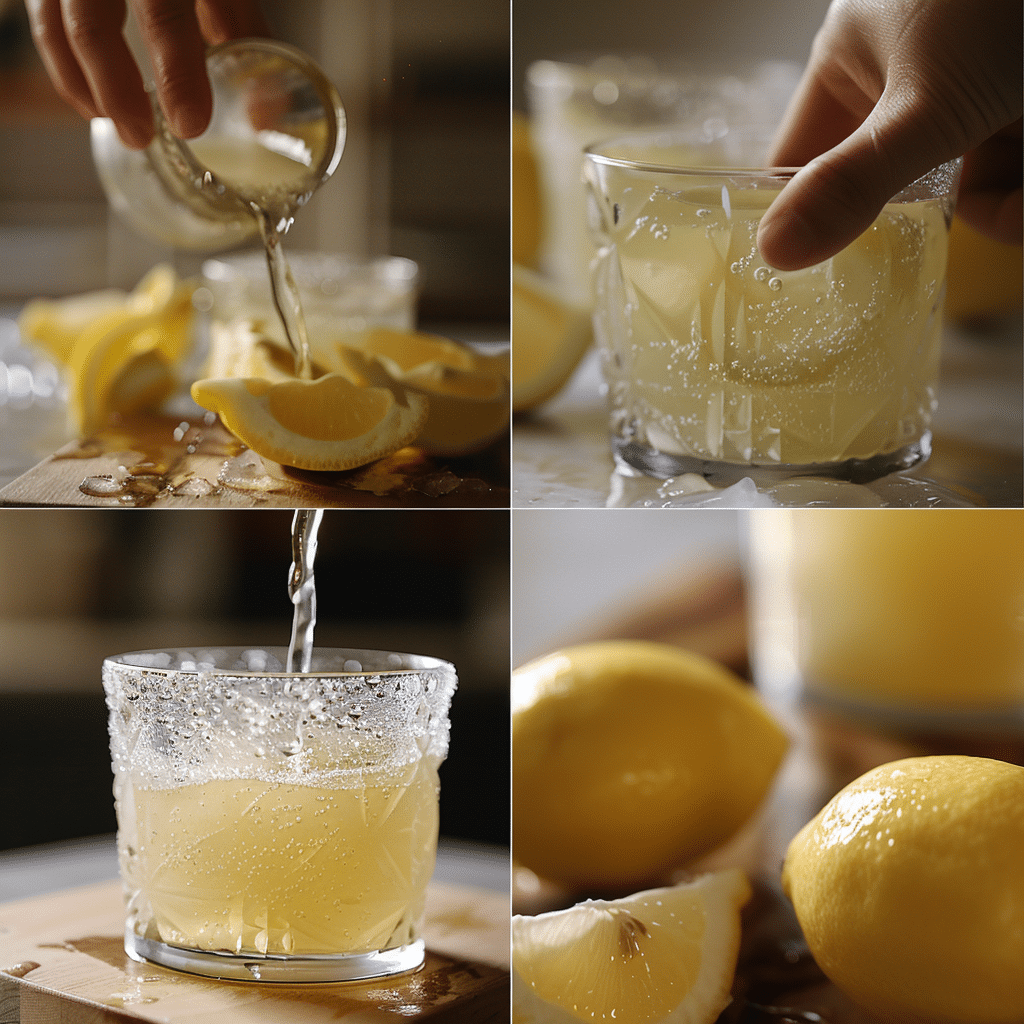
Simple Base Recipe (Single Serving and Pitcher)
To build a reliable sparkling lemonade mocktail, it helps to memorize a simple ratio. For a single serving, use approximately 2 tablespoons (30 ml) fresh lemon juice, 1–2 tablespoons (15–30 ml) simple syrup or chosen sweetener, and ½–¾ cup (120–180 ml) chilled sparkling water or club soda. Fill a tall glass with ice, add lemon juice and sweetener, then stir thoroughly until well combined.
Top with sparkling water, stir gently to preserve carbonation, and garnish with a lemon wheel. For a pitcher serving 6–8 people, scale up: use 1 cup (240 ml) fresh lemon juice, ¾–1 cup (150–200 g) sugar or equivalent sweetener, and 6–7 cups (1.4–1.6 L) sparkling water. First, create a still lemonade base by dissolving sugar into 3 cups of cold water or by mixing lemon juice with liquid sweetener. Chill this base for at least an hour. Just before serving, pour the chilled base into a large pitcher filled with ice, then add sparkling water and stir gently. This method ensures consistent flavor and strong bubbles for every glass.
| Component | Single Glass | Pitcher (6–8 servings) |
|---|---|---|
| Lemon Juice | 2 tbsp (30 ml) | 1 cup (240 ml) |
| Sweetener | 1–2 tbsp | 3/4–1 cup |
| Sparkling Water | 1/2–3/4 cup | 6–7 cups |
Balancing Sweetness, Tartness, and Fizz
The magic of an excellent sparkling lemonade mocktail lies in balance. Too much lemon juice without enough sweetener tastes harsh and acidic, while overly sweet mixes can feel heavy and dessert‑like. Start with the suggested ratio, then adjust in small increments. If it tastes too sour, add a teaspoon of sweetener at a time, stirring and tasting after each addition. If it feels too sweet or flat, add a bit more lemon juice or a splash of chilled sparkling water to brighten the flavor.
Temperature plays a big role as well. Work with very cold ingredients, chilled lemon juice, syrup, and sparkling water—to help the bubbles last longer and the drink taste more refreshing. Always add the sparkling component last and stir gently instead of shaking vigorously, which forces carbonation to escape quickly. If you’re serving a pitcher version, keep extra sparkling water on hand. Some guests may prefer a lighter, less intense lemonade, and topping off their glass allows them to customize the level of fizz. Over time, you’ll learn how your palate likes the balance, whether that means a sharper, more adult‑tasting lemon profile or a softer, sweeter version that children will love.
Creative Variations on Sparkling Lemonade Mocktails
Berry, Herbal, and Tropical Twists
Once you master the classic sparkling lemonade mocktail, you can explore fun variations that match the season or your menu. A berry sparkling lemonade is as simple as adding a handful of fresh or frozen berries to the glass and muddling them lightly before pouring in the lemonade base and sparkling water. Strawberries add vivid color and sweetness, raspberries lend a tangy edge, and blueberries provide a deep purple hue.
For an herbal twist, try a basil lemonade mocktail by infusing your simple syrup with fresh basil leaves, or add muddled mint to the glass before serving. These herbal notes pair well with summer dishes and fresh salads like this panzanella salad recipe that highlight ripe tomatoes and crusty bread. If you want a sunny, tropical spin, stir in a splash of pineapple or mango nectar and garnish with a pineapple wedge.
Seasonal and Holiday‑Inspired Lemonade Mocktails
You can also tailor your sparkling lemonade mocktail to fit the time of year. In spring and summer, cucumber lemonade mocktails with thin cucumber ribbons and mint leaves feel spa‑worthy and ultra refreshing. In autumn, mix lemon juice with a bit of apple cider and garnish with a cinnamon stick for a cider‑lemon fusion that pairs well with cozy dishes. During winter holidays, you can create a cranberry‑sparkling lemonade by simmering cranberries with sugar and water to make a jewel‑toned syrup, then adding that to the lemonade base.
Garnish with rosemary sprigs and citrus wheels for a festive look. For a more complex, adult‑feeling drink, try adding a splash of alcohol‑free bitters or a few drops of vanilla extract to mimic the depth of traditional cocktails. Because every variation still centers on the sparkling lemonade base, you can keep prep simple while still surprising your guests. Rotate through your favorite seasonal twists throughout the year so your mocktail menu always feels fresh and intentional, just like a well‑planned restaurant drinks list.
Nutritional Benefits and Lighter Options
Health Perks of Citrus and Hydration
A well‑balanced sparkling lemonade mocktail can deliver more than just great taste, it can also support hydration and provide a modest nutrient boost. Lemons contain vitamin C, a powerful antioxidant that supports immune function and collagen production. While a mocktail won’t replace a supplement or a plate full of vegetables, it can contribute a bit of extra vitamin C in a very enjoyable form. Additionally, the high water content helps keep you hydrated, especially when served over ice.
If you use freshly squeezed lemon juice and skip artificial syrups, you avoid many additives commonly found in commercial soft drinks. Combining lemon juice with other ingredients like ginger or mint may also help digestion for some people, making this a thoughtful option alongside heavier meals or during festive gatherings. Served with fiber‑rich salads or sides, such as a hearty warm lentil and roasted vegetable salad, this drink completes a satisfying and nourishing spread.
Reducing Sugar and Making Wellness‑Focused Versions
While sparkling lemonade mocktails can be healthier than many sugary beverages, the sweetener still adds calories and can spike blood sugar if you use too much. To keep things lighter, start by cutting the sweetener in the base recipe by 25–50% and rely on the natural flavor of lemon plus the fizz to carry the drink. You can also blend in a small amount of fruit juice, such as orange or apple, for natural sweetness instead of adding more sugar.
If you’re mindful of sugar intake, consider using a small amount of honey or maple syrup for their richer flavor, which can make the drink feel sweet enough with less quantity. Another strategy is to make a more concentrated lemonade base and then dilute it with extra sparkling water right at serving time, which lowers the sugar per glass. For a wellness‑focused twist, pair your mocktail with nutrient‑dense snacks or follow it with something functional, such as a nutrient‑packed beverage from a guide like this wellness shot juice recipes and benefits. This approach lets you enjoy a festive drink while still aligning with your overall health goals.
Presentation, Garnishes, and Glassware
Choosing Glasses and Ice for Maximum Appeal
The way you serve a sparkling lemonade mocktail changes how special it feels. A simple change from a basic tumbler to a tall Collins glass or a stemmed wine glass instantly makes the drink look more elegant. For brunch or celebrations, champagne flutes create a mimosa‑like effect without any alcohol, which is perfect for toasts. Highball glasses work well when you want plenty of room for ice and garnishes.
Ice shape matters more than you might expect. Large cubes or spheres melt slowly and keep the drink colder for longer, while crushed ice creates a slushier texture and extra dilution. For a visual upgrade, use clear ice if possible or freeze edible flowers and citrus peels into ice cubes. Fill the glass at least halfway with ice before adding your lemonade base and sparkling water. This ensures the drink stays crisp and refreshing from the first sip to the last, especially on warm days or at outdoor events.
Garnish Ideas to Elevate Your Mocktail
Garnishes turn a basic sparkling lemonade mocktail into a centerpiece‑worthy drink. Start with simple options like lemon wheels, half‑moons, or twists of lemon peel. You can also add lime or orange slices for color contrast. Fresh herbs such as mint, thyme, or rosemary tucked beside the ice provide a fragrant aroma as you sip. If you’ve added berries or other fruits to the drink, let a few float on top or skewer them on cocktail picks. For special occasions, rim the glass with sugar or a mixture of sugar and finely grated lemon zest.
To do this, rub a lemon wedge around the rim, then dip it into a shallow plate of sugar. Consider color contrast when choosing garnishes: dark berries against pale yellow lemonade, or bright green mint against a pink berry‑infused version. Arranging a tray of prepared glasses with uniform garnishes adds a professional touch that guests notice immediately. If you’re pairing your mocktails with food, maybe a fresh kale salad recipe or other vibrant dishes, mirror some of the same herbs or fruits in both the drink and the meal for a cohesive presentation.
Food Pairings and Menu Planning
Pairing sparkling lemonade mocktail with Light and Fresh Dishes
A sparkling lemonade mocktail’s bright acidity and gentle sweetness make it an ideal pairing for a wide variety of dishes. The citrus notes cut through richness, refresh the palate, and echo the flavors of many salads, grilled vegetables, and seafood dishes. If you’re hosting a light lunch or brunch, pair your mocktail with crisp, fresh salads that feature citrus, herbs, or fruit, such as a citrus‑forward mix with fennel and avocado. The zesty bubbles also balance creamy components like goat cheese, feta, or yogurt‑based dressings.
For a vegetarian‑friendly spread, combine the mocktail with grain salads, vegetable tartines, or Mediterranean‑inspired plates. Because the drink is alcohol‑free and relatively low in heaviness, it won’t overwhelm delicate flavors in your food, allowing both to shine together.
Complementing Heartier Meals and Holiday Menus
Sparkling lemonade mocktails also perform well alongside heartier dishes and holiday menus. The acidity helps cut through the richness of roasted meats, casseroles, and cheesy bakes like a classic green bean casserole. When planning a Thanksgiving or winter feast, a holiday‑spiced version with cranberry or pomegranate makes a festive non‑alcoholic option that suits all ages. For a year‑round dinner idea, pair the mocktail with robust mains and substantial salads such as a flavorful chicken taco salad dinner recipe.
The lemon and carbonation refresh your palate between bites of savory, spiced dishes. At barbecues or grilling parties, a large dispenser of sparkling lemonade with floating citrus slices, mint, and berries can sit beside the main food table as a self‑serve option. Offer a few variations, classic, berry, and herbal, so guests can choose their favorite. Because you can make the base in advance and add fizzy water at the last moment, it’s easy to keep the drinks flowing without spending the whole event behind the counter.
Make‑Ahead Tips, Storage, and Batch Serving sparkling lemonade mocktail
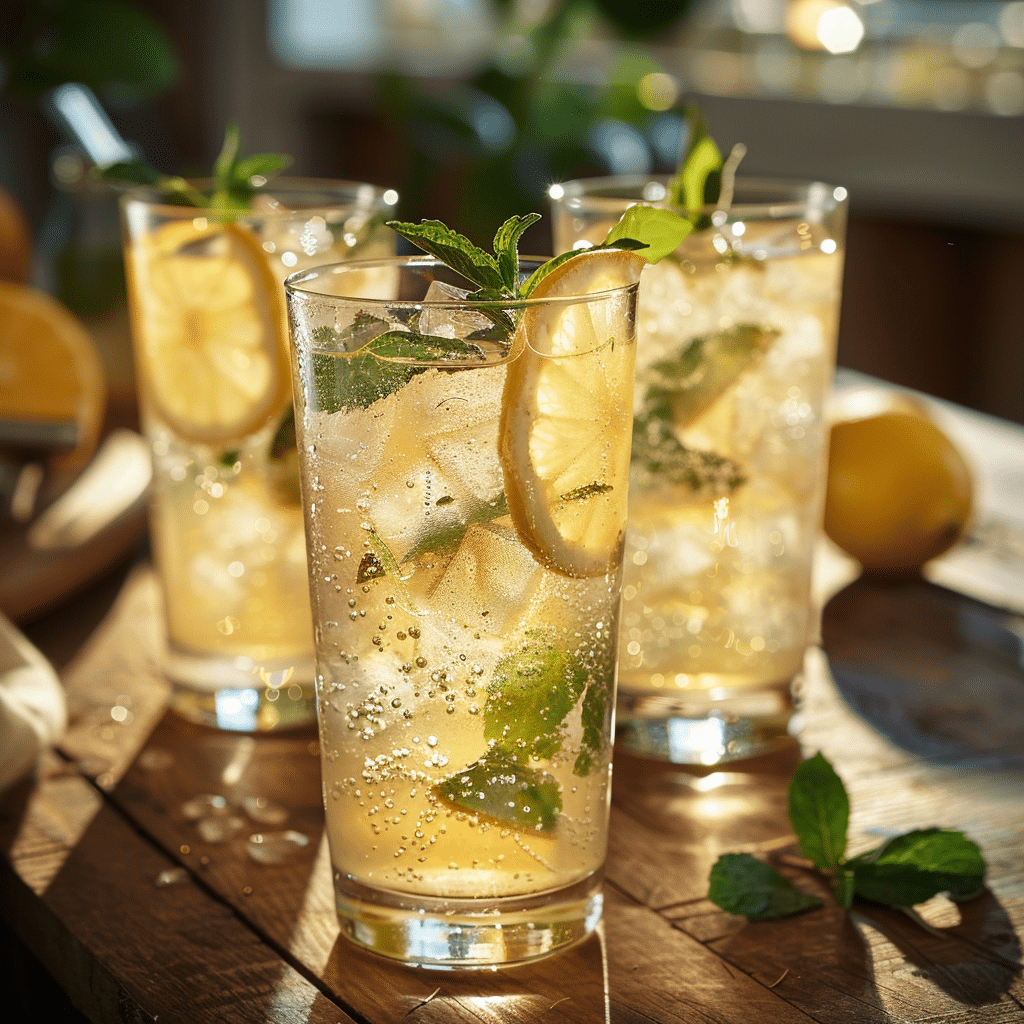
How to Prep the Base in Advance
For stress‑free entertaining, you can prepare most of the components for a sparkling lemonade mocktail ahead of time. The key is to mix and chill the still lemonade base without adding the sparkling element until just before serving. Combine freshly squeezed lemon juice with your chosen sweetener and enough cold water to create a strong lemonade concentrate. Store this base in an airtight container or glass bottle in the refrigerator for up to 3–4 days.
If you’ve made a flavored simple syrup, like mint, basil, or ginger, keep it in a separate bottle and add it to the lemonade base as needed to customize batches. When you’re ready to serve, fill a pitcher or dispenser halfway with ice, pour in the chilled lemonade base, and then top with sparkling water or club soda. Stir gently and garnish with citrus slices and herbs. This method allows you to enjoy perfectly fizzy mocktails without rushing through juicing and mixing tasks right before guests arrive.
Storing Leftovers and Maintaining Fizz
If you end up with leftover sparkling lemonade mocktail that already has the bubbles mixed in, store it in a sealed container in the refrigerator. A swing‑top bottle or tightly capped jar works better than an open pitcher because it slows down the loss of carbonation. However, even in the best container, the drink will gradually go flat, usually within a day. To refresh slightly flat mocktail, pour it over fresh ice and add a splash of new sparkling water, then adjust the flavor with a bit more lemon juice or sweetener if needed.
If you know you won’t serve all of it at once, consider storing extra lemonade base separately and only combining with sparkling water in smaller portions. For larger events, it often works best to set up two containers: one with chilled, concentrated lemonade base and another with sparkling water, allowing guests to mix their own. This not only preserves fizz but also gives each person control over the intensity of sweetness and lemony bite, ensuring everyone gets a glass that suits their taste.
Troubleshooting and Common Mistakes
Avoiding Flat, Overly Sweet, or Harsh Mocktails
Several common mistakes can keep your sparkling lemonade mocktail from reaching its full potential. One of the biggest issues is losing carbonation too quickly. This often happens when you stir too vigorously after adding sparkling water or when the ingredients aren’t chilled, causing bubbles to escape faster. To prevent this, always chill your lemonade base and sweetener ahead of time, add the sparkling component last, and stir gently. Over‑sweetening is another frequent problem.
Because cold drinks can taste slightly less sweet than warm ones, some people compensate by adding too much sugar or syrup. Instead, start with a moderate amount, taste, and adjust in small increments. Finally, an excessively harsh, acidic flavor comes from using too much lemon juice without enough balancing sweetness or water. Remember that different lemons vary in tartness, so treat recipe ratios as a guide rather than an unbreakable rule.
Tweaks to Fix Flavor and Texture on the Fly
Fortunately, you can rescue most less‑than‑perfect sparkling lemonade mocktails with a few quick adjustments. If the drink tastes too sweet, add more lemon juice and cold sparkling water to dilute the sugar and re‑balance the acidity. If it tastes too sour, stir in a little extra sweetener or add a splash of a naturally sweeter juice like orange or pineapple. When the drink feels flat or dull, enhance aroma and perceived freshness with a handful of torn mint leaves or a wide strip of lemon peel twisted over the glass to release its oils.
If the sparkling lemonade mocktail lacks body or feels too thin, a small amount of fruit puree (strawberry, raspberry, or peach) adds texture and complexity without overwhelming the lemon base. Pay attention to how the flavor changes after a few minutes on ice, because dilution can soften both sweetness and acidity. Make small corrections and taste again rather than trying to fix everything at once. Over time, these small tweaks help you build intuition, so you can confidently improvise and create consistently delicious sparkling lemonade mocktails, whether you’re mixing for yourself or a crowd.
FAQ: Sparkling Lemonade Mocktail
Can I make a sparkling lemonade mocktail without added sugar?
Yes, you can make a sparkling lemonade mocktail without traditional sugar, but you’ll want to balance the tartness of the lemon with some form of sweetness. One option is to use naturally sweet fruit juices like orange, apple, or white grape to soften the sharp lemon flavor. Another approach is to blend in mashed ripe fruit such as strawberries, mango, or peaches, which contribute both sweetness and body. If you use zero‑calorie sweeteners, dissolve them into a small amount of warm water first to ensure they fully blend. Because lemon juice is quite acidic, taste as you go and adjust slowly. You may also find that using a flavored sparkling water, such as lemon or berry, helps round out the flavor even with minimal or no added sugar.
What is the best sparkling water or soda to use?
The best sparkling base depends on how sweet and intense you want your mocktail. Plain club soda or unflavored sparkling water gives you full control over sweetness, since you add all the sugar or syrup yourself. These options work well if you prefer a cleaner, more refreshing drink. Lightly flavored seltzers—such as lemon, lime, or berry—contribute subtle aromatics without adding sugar, which can make the drink feel more complex. If you want a sweeter, more soda‑like mocktail, you can use lemon‑lime soda or a sparkling lemonade from the store, then reduce or skip the added sweetener. Always chill your sparkling base thoroughly and open it just before mixing to preserve carbonation. For the best taste, choose brands you already enjoy plain, because their mineral profile and bubble size will influence the mocktail’s final character.
How can I make this mocktail kid‑friendly for parties?
Sparkling lemonade mocktails are naturally kid‑friendly, but you can make them even more fun by focusing on color, customization, and presentation. Set up a mini mocktail bar with a big pitcher of lemonade base, a bottle of sparkling water or lemon‑lime soda, and bowls of garnishes like berries, citrus slices, and fresh mint. Offer colorful straws, fun cups, and maybe even small paper umbrellas. Kids love the chance to “mix” their own drinks, so let them add a spoonful of fruit, choose their garnishes, and watch as you pour the bubbles. Keep the sweetness on the moderate side and offer plenty of ice so the drinks stay refreshing. You can also freeze fruit juice into ice cubes or pops and add those to the glasses to create vibrant colors as they melt. This approach makes children feel included in the celebration while still serving a wholesome, alcohol‑free beverage.
Can I serve sparkling lemonade mocktails with savory meals?
Absolutely, sparkling lemonade mocktails pair very well with savory meals. The acidity of the lemon cuts through rich or fatty dishes, refreshing your palate between bites. Bubbly, citrus‑forward drinks work especially well with grilled meats, roasted vegetables, and casseroles, where they help lighten the overall meal experience. For example, a classic sparkling lemonade mocktail can balance creamy, cheesy dishes or fried foods by offering a bright contrast. When serving spicy or heavily seasoned plates, you might slightly increase the sweetness or add a fruity element, like pineapple or mango, to soften the heat. If your meal features Mediterranean or Mexican flavors, consider adding herbs like mint or cilantro to the mocktail to echo the ingredients in the food. Because the drink is alcohol‑free, it’s a versatile choice for family dinners, gatherings with mixed ages, and occasions where you want a festive beverage without the effects of alcohol.
How far in advance can I make a batch for guests?
You can prepare the still lemonade base 3–4 days in advance, which makes hosting much easier. Simply mix freshly squeezed lemon juice with your chosen sweetener and enough water to create a strong lemonade concentrate. Store this mixture in an airtight container or bottle in the refrigerator. If you’re using fresh herbs or fruit purees for flavor, you can either incorporate them into the base or keep them separate to add just before serving. Do not add any sparkling water or soda ahead of time; wait until right before guests arrive so the bubbles remain lively. When it’s party time, pour the chilled lemonade base over ice in a pitcher or drink dispenser, then top with cold sparkling water and stir gently. Add garnishes like citrus slices and herbs at the last moment. This strategy lets you enjoy your event while still serving a mocktail that tastes freshly made and fully carbonated.
Conclusion: Enjoying Sparkling Lemonade Mocktails Anytime
A sparkling lemonade mocktail combines the best of both worlds: the nostalgic comfort of homemade lemonade and the exciting fizz of a special‑occasion drink. By choosing fresh lemons, adjusting sweetness to your taste, and playing with herbs, fruits, and seasonal twists, you can create endless variations that suit any event, from casual backyard cookouts to elegant holiday dinners.
Pair this bright, bubbly mocktail with fresh, colorful dishes or hearty mains to round out your menu and give everyone, including non‑drinkers and kids, something festive in their glass. As you experiment, you’ll find your own signature blend, whether that leans toward berry‑packed, herb‑infused, or ultra‑classic lemon flavor. For more inspiration on light, vibrant recipes that complement this mocktail beautifully, explore options like this refreshing citrus fennel avocado winter salad. With just a few simple ingredients and thoughtful touches, your sparkling lemonade mocktail can become a go‑to drink that elevates everyday moments and special gatherings alike.
For more seasonal Mocktails inspirations, check out my Pinterest.