
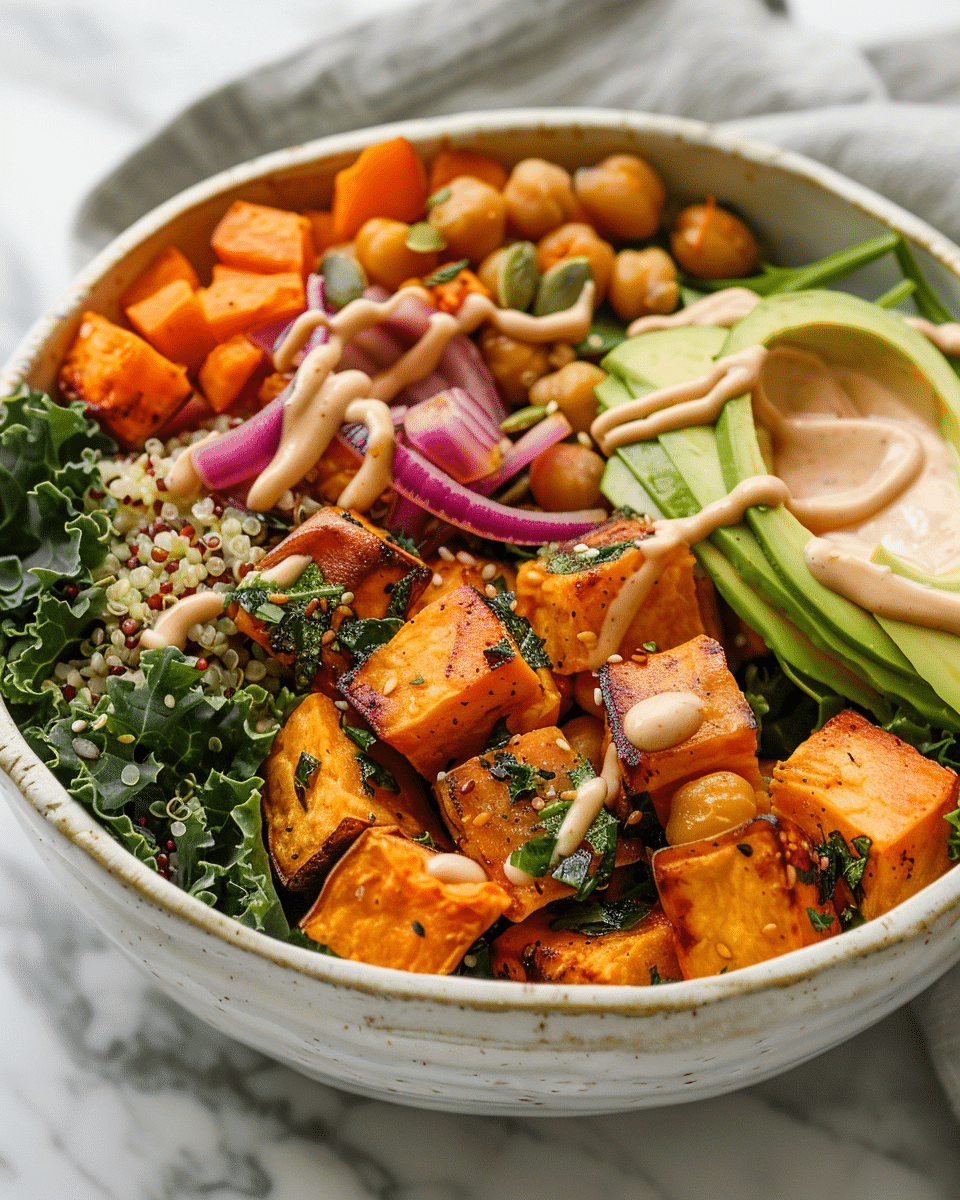
Sweet Potato Bowl Bliss: A Nourishing, Comforting Meal in One Dish
A sweet potato bowl is one of those rare meals that feels like pure comfort while still delivering serious nutrition. In just one colorful bowl, you can combine roasted sweet potatoes, vibrant vegetables, plant or animal protein, crunchy toppings, and a creamy sauce. Because the base is naturally sweet and satisfying, a sweet potato bowl works beautifully for lunch, dinner, or even meal prep. It can lean savory with spices and tahini, or tilt slightly sweet with maple, nuts, and fruit.
Plus, this type of bowl is easy to customize for vegan, vegetarian, or omnivore diets. If you already enjoy balanced recipes like a hearty salad or wholesome smoothie, such as this refreshing strawberry banana smoothie recipe, you’ll love how a sweet potato bowl can become a new staple in your rotation. Throughout this guide, you’ll learn how to roast perfect sweet potatoes, choose complementary toppings, build powerful flavor, and store components for busy weeks. With a little planning and some smart layering, a sweet potato bowl can go from a simple idea to your most requested meal at home, giving you comfort, color, and balanced energy in every bite.
Table of Contents
What Makes a Sweet Potato Bowl So Special?
The beauty of a balanced sweet potato bowl
A well-built sweet potato bowl brings together several important elements of a balanced meal: complex carbohydrates, quality protein, healthy fats, and plenty of fiber-rich vegetables. Sweet potatoes offer slow-digesting carbs and natural sweetness, which helps keep blood sugar steadier than many refined-grain dishes. When you pair them with proteins like beans, lentils, grilled chicken, or tofu, you create a combination that satisfies hunger and supports muscle recovery after workouts.
Healthy fats from avocado, nuts, seeds, or olive oil not only add richness but also help your body absorb fat-soluble vitamins like A, D, E, and K. This makes a sweet potato bowl far more than a trendy recipe; it becomes a nutritional powerhouse you can feel good about eating. In addition, the bowl format allows you to include a rainbow of vegetables, leafy greens, cruciferous vegetables, crunchy raw toppings, and even fermented foods, so you can easily hit your daily produce goals with minimal effort.
Why bowls are perfect for meal prep and busy weeks
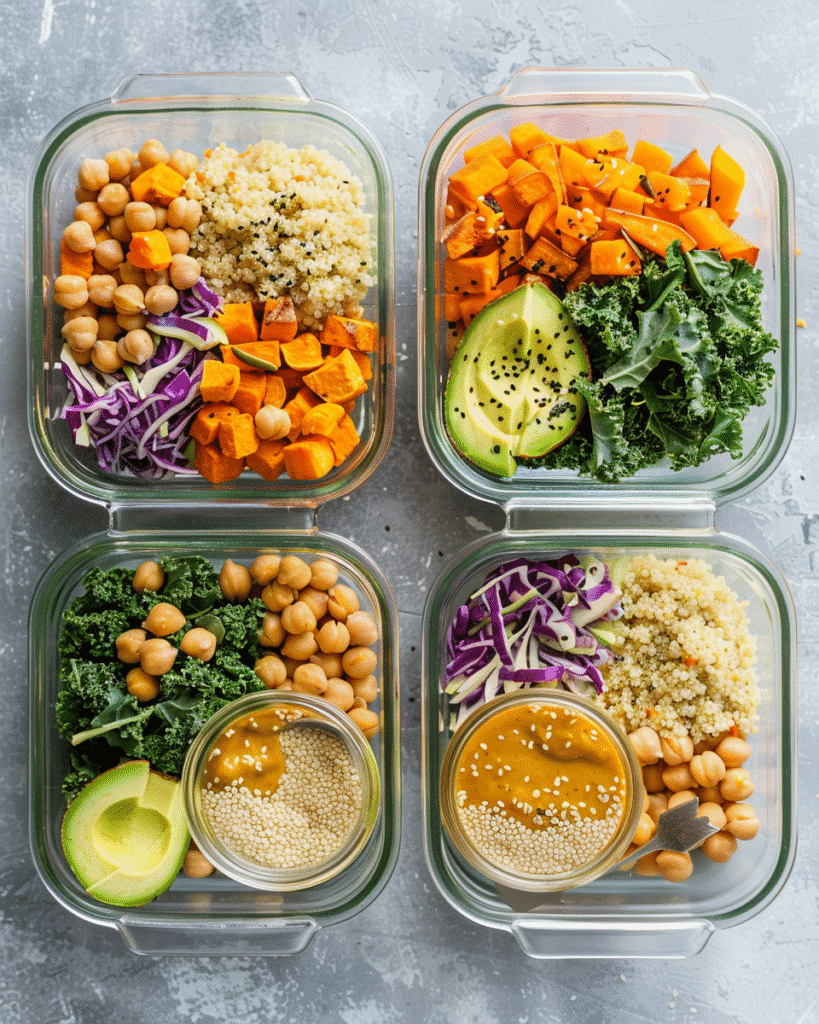
The structure of a sweet potato bowl naturally lends itself to meal prep because each component can be cooked or chopped in advance and stored separately. You can roast a tray of sweet potatoes on Sunday, cook a pot of grains or lentils, and prep a few vegetables and sauces. Then, as the week unfolds, you simply assemble bowls in minutes by combining your prepped items. This flexibility helps you avoid takeout and makes it easier to stick with healthier eating without feeling restricted.
People who enjoy mixing textures and flavors, similar to a vibrant winter salad or grain bowl, often find sweet potato bowls especially satisfying, since they offer crunch, creaminess, and warmth in one dish. You can even reheat only the components that taste best warm, like roasted potatoes and proteins, while keeping fresher items such as greens or herbs cold. Because everything stacks easily in containers, sweet potato bowls also travel well for office lunches or school meals, giving you a homemade option that feels more exciting than a standard sandwich.
Print
Sweet Potato Bowl Bliss (Quinoa + Chickpeas + Tahini)
Description
This sweet potato bowl is the ultimate comforting, nourishing meal—roasted sweet potatoes, quinoa, chickpeas, greens, crunchy toppings, and a creamy lemon-tahini sauce. Perfect for meal prep and easy weeknight dinners.
Ingredients
Roasted Sweet Potatoes:
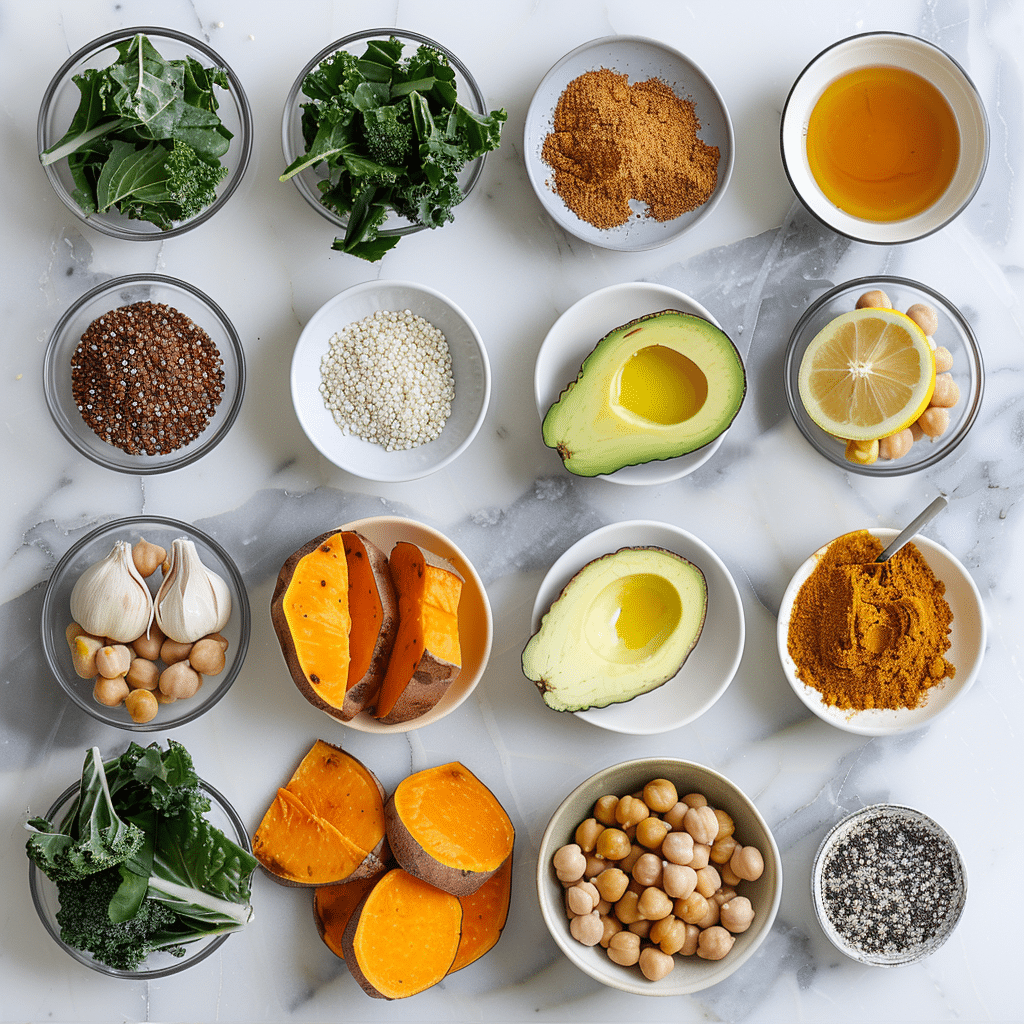
2 medium sweet potatoes, peeled (optional) and cubed
1 1/2 tablespoons olive oil (or avocado oil)
1 teaspoon smoked paprika
1/2 teaspoon cumin
1/2 teaspoon garlic powder
1/2 teaspoon salt
Black pepper, to taste
Bowl Base:
2 cups cooked quinoa (or brown rice)
1 (15 oz) can chickpeas, drained, rinsed, patted dry
3 cups kale or spinach (massage kale with a little oil + salt if using raw)
1/2 avocado, sliced
1/2 cup shredded red cabbage or carrots (optional crunch)
2–3 tablespoons pumpkin seeds (pepitas) or toasted almonds
2 tablespoons pickled red onions (optional)
Lemon-Tahini Sauce:
1/4 cup tahini
2 tablespoons lemon juice
1 small garlic clove, grated
3–6 tablespoons water (to thin)
1/4 teaspoon salt
Optional Add-Ons:
Protein: grilled chicken, salmon, tofu, tempeh, or a fried/soft-boiled egg
Extra veggies: roasted broccoli, Brussels sprouts, cauliflower
Instructions
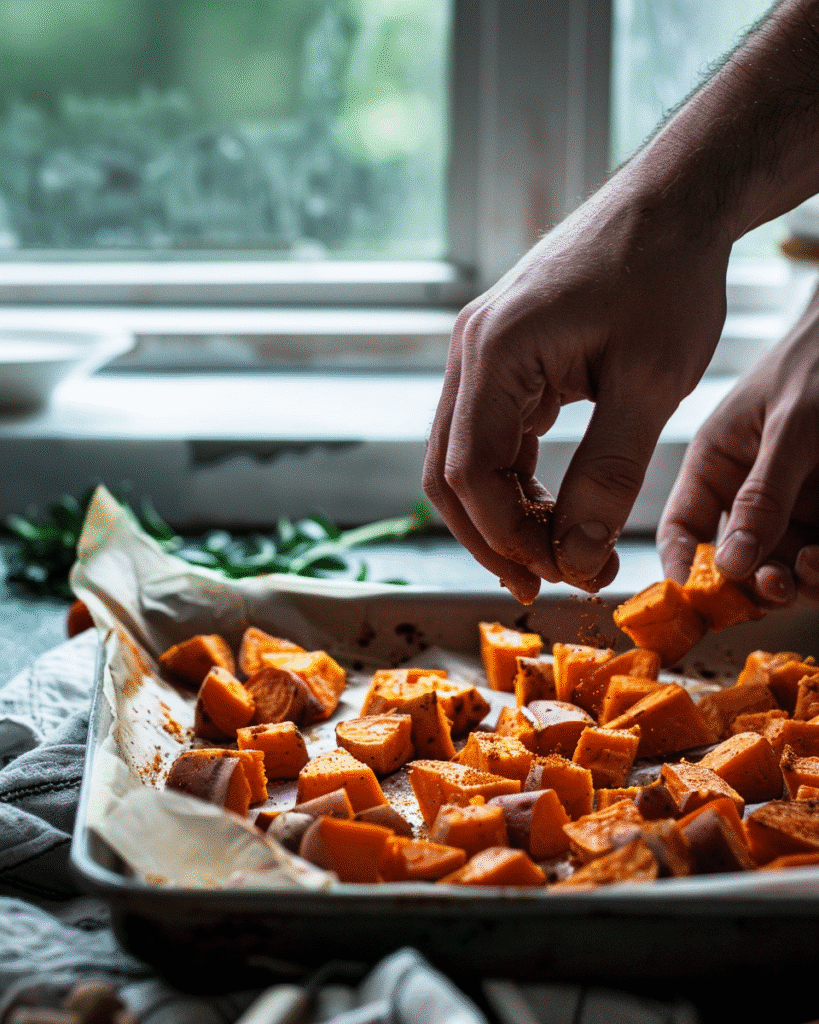
1) Roast sweet potatoes: Preheat oven to 425°F (220°C). Toss sweet potato cubes with oil, paprika, cumin, garlic powder, salt, and pepper. Spread on a parchment-lined sheet pan. Roast 25–35 minutes, flipping once, until tender and caramelized.
2) Prep chickpeas: Pat chickpeas dry. (Optional) Toss with a pinch of paprika + salt and roast on a second pan for 15–20 minutes for extra crunch.
3) Make the sauce: Whisk tahini, lemon juice, garlic, salt, then add water 1 tablespoon at a time until creamy and pourable.
4) Assemble bowls: Add quinoa, roasted sweet potatoes, chickpeas, greens, avocado, cabbage/carrots.
5) Finish: Drizzle lemon-tahini sauce and top with pepitas and pickled onions. Serve warm or meal-prep for later.
Notes
Meal prep tip: store warm components (quinoa, sweet potatoes, chickpeas) separately from greens and sauce. Add avocado fresh.
Storage: roasted sweet potatoes keep 4–5 days refrigerated.
Make it spicy: add chili flakes or chipotle powder to the sweet potatoes.
Swap flavors: use maple-mustard dressing for fall bowls or peanut-lime sauce for an Asian twist.
Choosing and Roasting the Perfect Sweet Potatoes
How to pick the best sweet potatoes for your bowl
The foundation of any excellent sweet potato bowl is, of course, the sweet potato itself. When shopping, look for firm potatoes with smooth skin and no soft spots, deep cracks, or sprouts. Smaller to medium-sized sweet potatoes often roast more evenly and fit more easily into bite-sized chunks or wedges for your bowl. Orange-fleshed varieties, such as Beauregard or Garnet, tend to be creamy and slightly moist when roasted, which works beautifully with toppings like beans, sautéed greens, and dressings.
However, Japanese or white sweet potatoes offer a denser, chestnut-like texture that pairs well with earthy ingredients such as lentils, mushrooms, and tahini. If you plan to eat the skin, which adds extra fiber and nutrients, choose organic whenever possible and scrub the skin thoroughly. Because the sweet potato is naturally sweet, you do not need to add sugar; instead, focus on seasoning with salt, spices, and healthy fats to highlight its flavor. By selecting high-quality potatoes, you set yourself up for a bowl that feels indulgent but remains deeply nourishing.
Roasting methods and spice blends for maximum flavor
Roasting is one of the easiest and most flavorful ways to prepare the base for a sweet potato bowl. Start by preheating your oven to 400–425°F (200–220°C). Cut the sweet potatoes into evenly sized cubes, wedges, or rounds so they cook at the same rate. Toss them with a drizzle of olive oil or avocado oil, then season generously with salt and your choice of spices.
For a savory profile, try smoked paprika, garlic powder, cumin, and black pepper. If you enjoy a hint of sweetness, add a touch of cinnamon or chili powder, which contrasts nicely with the natural sugars. Spread the potatoes in a single layer on a parchment-lined baking sheet, making sure they are not crowded, so they caramelize instead of steaming. Roast for 20–35 minutes, flipping once, until the edges are browned and the centers are tender. As they cool slightly, the roasted sweet potatoes develop a creamy interior and a lightly crisp exterior, making them ideal for layering with greens, grains, and proteins in your sweet potato bowl.
Building a Nutrient-Dense Base: Grains, Greens, and More
Grain options that complement your sweet potato bowl
While you can certainly enjoy a sweet potato bowl with just vegetables and protein, adding a grain can increase satisfaction and provide additional texture. Quinoa is a popular choice because it cooks quickly, has a complete amino acid profile, and offers a light, fluffy base. Brown rice or wild rice bring a nutty chew and pair well with roasted root vegetables, making them perfect for cozy, fall-inspired bowls similar to hearty winter salads. Farro, barley, or bulgur offer toothsome textures that hold up well under sauces and reheating.
If you prefer gluten-free options, millet or buckwheat groats can be excellent alternatives. When cooking grains for your bowl, season the cooking water with a pinch of salt or even a small splash of broth to infuse flavor from the start. You can also stir fresh herbs, lemon juice, or a bit of olive oil into cooked grains to keep them from clumping and to add brightness. Mixing grains with roasted sweet potatoes creates a satisfying base that supports a range of toppings and dressings without feeling heavy.
Leafy greens and vegetables that add color and crunch
Greens and vegetables transform a simple sweet potato bowl into a vibrant, nutrient-packed meal. Start with a base of leafy greens such as kale, spinach, arugula, or mixed salad greens. Kale in particular stands out because it stays sturdy under warm ingredients, similar to how it shines in a kale salad recipe. You can massage raw kale with a bit of olive oil and salt to soften its texture, or lightly sauté spinach and chard for a wilted, tender layer. Then, add a mix of raw and cooked vegetables for variety.
Shredded carrots, sliced cucumbers, thinly sliced fennel, red cabbage, and bell peppers add crunch and color, while roasted Brussels sprouts, cauliflower, or broccoli bring caramelized flavor and a cozy feel reminiscent of a warm lentil and roasted vegetable dish. For extra freshness, include chopped herbs like cilantro, parsley, or green onions. These vegetable choices not only enhance flavor but also increase fiber, vitamins, and antioxidants, making every bite of your sweet potato bowl both satisfying and nourishing.
Protein Power: Plant-Based and Animal Options
Plant-based proteins that shine in a sweet potato bowl
Plant-based proteins pair especially well with the natural sweetness of roasted sweet potatoes. Chickpeas, black beans, and kidney beans offer creaminess and can be seasoned with cumin, paprika, or chili powder for a taco-inspired bowl. Lentils, green, brown, or French, add a peppery bite and hold their shape, echoing the heartiness of dishes like a warm lentil and roasted vegetable salad. Tofu and tempeh absorb marinades beautifully; try baking tofu cubes with soy sauce, garlic, and ginger, or pan-searing tempeh strips with a maple-tamari glaze.
For a Mediterranean twist, add hummus, falafel, or a sprinkle of hemp seeds for extra protein and healthy fats. If you want even more texture, consider roasted edamame, crispy baked chickpeas, or toasted sunflower seeds. These options allow you to build a completely vegan sweet potato bowl that still delivers a satisfying balance of macros. Because plant proteins tend to come packaged with fiber and phytonutrients, they also contribute to better digestion and sustained energy throughout the day.
Animal proteins for omnivore-friendly sweet potato bowls
If you prefer including animal protein, there are many ways to integrate it into your sweet potato bowl. Grilled or roasted chicken breast can be sliced and layered over a bed of grains and sweet potatoes, similar to how poultry works in a hearty chicken taco salad dinner. Shredded rotisserie chicken also makes assembly fast on busy nights.
Salmon or other fatty fish bring omega-3 fats that complement the beta-carotene in sweet potatoes, supporting eye and skin health. You can bake salmon fillets with lemon, garlic, and herbs, then flake them over your bowl. Lean ground turkey or beef, seasoned with taco spices, pairs beautifully with black beans, avocado, and a dollop of Greek yogurt for a burrito-style bowl. Eggs, soft-boiled, poached, or fried, make sweet potato bowls a great option for breakfast or brunch, especially when combined with sautéed greens. No matter which animal protein you choose, aim for a portion that fills roughly a quarter of your bowl, leaving room for vegetables, grains, and sauces to keep the meal balanced.
Flavor Boosters: Sauces, Dressings, and Seasonings
Creamy sauces that complement a sweet potato bowl
The right sauce can transform a simple sweet potato bowl into something restaurant-worthy. Creamy dressings help tie the different components together and add moisture, especially if you use a lot of grains or dense vegetables. A tahini lemon dressing, made with tahini, lemon juice, garlic, and a bit of water, pairs beautifully with roasted sweet potatoes, chickpeas, and kale. For a more indulgent feel, try a yogurt-based sauce with Greek yogurt, lemon, dill, and olive oil, which echoes flavors from fresh, vibrant salads like a citrus fennel avocado combination.
Nut-based sauces, such as a cashew cream or peanut-lime sauce, work wonderfully in bowls with Asian or Thai-inspired flavors, especially when you include ingredients like shredded cabbage, edamame, and herbs. You can also blend avocado with lime, cilantro, and olive oil for a rich, dairy-free drizzle. Because dressings are highly concentrated in flavor, you only need a few tablespoons per bowl to make a big impact, yet they allow you to rotate different flavor profiles week after week without changing your core meal prep habits.
Bright toppings and seasonings for depth and contrast
Beyond creamy sauces, smaller flavor boosters add contrast and depth to your sweet potato bowl. Acidic elements such as lemon or lime wedges, a splash of apple cider vinegar, or quick-pickled red onions cut through the richness of roasted potatoes and proteins. Salty toppings like crumbled feta, shaved Parmesan, or olives provide sharp notes that keep each bite interesting.
For crunch, sprinkle toasted nuts or seeds, almonds, walnuts, pepitas, sesame seeds, or sunflower seeds, over the top. Fresh herbs like cilantro, parsley, basil, or mint brighten the entire bowl, especially when added at the very end. A light dusting of smoked paprika, za’atar, everything bagel seasoning, or chili flakes can subtly shift the flavor profile in a new direction. If you enjoy a hint of sweetness, dried cranberries, raisins, or pomegranate arils echo the bowl’s natural sweetness, similar to the fruity contrast in a cranberry apple quinoa winter salad. These final touches require minimal time but greatly elevate the overall experience, making your sweet potato bowl feel dynamic rather than one-note.
Creative Sweet Potato Bowl Combinations and Themes
Global flavor ideas for your sweet potato bowl
One of the best things about a sweet potato bowl is its ability to adapt to global flavor inspirations. For a Mexican-style bowl, use roasted sweet potatoes with chili powder and cumin, black beans, corn, shredded lettuce, avocado, salsa, and a cilantro-lime yogurt sauce. A Mediterranean bowl might feature sweet potatoes, quinoa, cucumber, tomatoes, olives, hummus, and a lemon-tahini drizzle.
For an Asian-inspired version, pair sweet potatoes with brown rice, sautéed bok choy, shredded carrots, edamame, and a ginger-soy or peanut-lime sauce, then top with sesame seeds. A Middle Eastern bowl could include lentils, roasted cauliflower, pickled onions, and a creamy garlic-tahini dressing. By shifting spices and sauces while keeping your basic prep the same, you can enjoy the comfort of a sweet potato bowl several times a week without repeating the exact same flavors, which helps prevent meal prep fatigue.
Seasonal sweet potato bowl variations
You can also let the seasons guide your sweet potato bowl combinations. In fall and winter, pair roasted sweet potatoes with Brussels sprouts, red cabbage, and hearty greens, similar to the vibe of a brussels sprout salad or a warm grain dish. Add cranberries, toasted pecans, and a maple-mustard dressing for a cozy, holiday-inspired bowl. During spring, lighten the bowl with tender greens like arugula, thinly sliced radishes, peas, and fresh herbs, using a lemony vinaigrette for brightness.
In summer, combine sweet potatoes with grilled vegetables such as zucchini, bell peppers, and corn, plus juicy cherry tomatoes and a basil pesto or herb yogurt sauce. Seasonal eating not only keeps your meals exciting but also helps you take advantage of peak flavor and optimal nutrition when produce is freshest. This approach turns the sweet potato bowl into a flexible canvas that can evolve as the weather and your cravings change.
Nutritional Benefits of a Sweet Potato Bowl
Macro balance and sustained energy
A thoughtfully constructed sweet potato bowl delivers a balanced mix of carbohydrates, proteins, and fats, which helps stabilize energy levels throughout the day. Sweet potatoes provide complex carbohydrates and fiber that digest more slowly than refined grains or sugary foods. This slow digestion helps maintain more stable blood sugar, reducing mid-afternoon crashes and cravings. When you pair sweet potatoes with lean proteins, like beans, lentils, tofu, chicken, or fish, you support satiety and muscle maintenance.
Healthy fats from avocado, olive oil, nuts, or seeds further slow digestion and contribute to brain health and hormone production. The fiber from vegetables and grains helps keep your digestive system running smoothly while also feeding beneficial gut bacteria. Unlike highly processed meals, a sweet potato bowl made from whole ingredients rarely leaves you feeling sluggish. Instead, most people experience a comfortable sense of fullness that lasts for several hours, making this dish particularly useful for busy workdays or post-workout dinners.
Key vitamins, minerals, and antioxidants in sweet potato bowls
Sweet potatoes stand out nutritionally because they are rich in beta-carotene, which your body converts into vitamin A. Vitamin A is essential for eye health, immune function, and skin integrity. A single medium sweet potato can provide well over your daily requirement of vitamin A. Additionally, sweet potatoes offer vitamin C, B vitamins, potassium, and manganese.
When you build a sweet potato bowl with colorful vegetables, such as red cabbage, leafy greens, and tomatoes, you add even more antioxidants, including vitamin K, folate, and plant compounds like anthocyanins and flavonoids. If you include components like quinoa, lentils, or pumpkin seeds, you also gain iron, magnesium, and zinc. The combination of complex carbs, fiber, and micronutrients makes sweet potato bowls supportive of overall health, from heart health to digestion. When you occasionally pair them with lighter options like a wellness shot or fresh salad, you create a varied, nutrient-dense eating pattern that supports long-term wellbeing.
Meal Prep, Storage, and Reheating Tips
How to batch-cook components for multiple sweet potato bowls
To make sweet potato bowls part of your regular routine, batch cooking is your best friend. Start by roasting a large tray or two of sweet potatoes, seasoned simply with salt and oil so they fit into multiple flavor profiles. While those roast, cook a pot of grains such as quinoa or brown rice and a pot of lentils or beans.
You can also roast additional vegetables, Brussels sprouts, broccoli, cauliflower, or carrots, on a second sheet pan for easy variety. Store each component in separate airtight containers in the refrigerator so you can mix and match through the week. Prep a few sauces, like a tahini dressing and a yogurt-based sauce, and keep them in small jars. Washing and chopping raw vegetables like lettuce, cabbage, and bell peppers ahead of time makes assembly even faster. With everything ready, you can build a sweet potato bowl in under 10 minutes, similar to how easy it becomes to assemble a panzanella-style salad or other pre-prepped dishes once components are ready.
Storage safety and reheating for best texture
Proper storage and reheating help your sweet potato bowl taste just-cooked even on day four. Keep roasted sweet potatoes in a sealed container in the fridge for up to 4–5 days. Grains and beans typically last about the same, while sauces may stay fresh for 3–5 days depending on ingredients. To preserve texture, store raw greens and crunchy toppings separately and only add them at the time of eating.
When reheating, warm the sweet potatoes, grains, and proteins gently in a skillet over medium heat or in the microwave with a splash of water to prevent drying out. Avoid reheating sauces that may separate; instead, drizzle them cold over warm ingredients for a pleasant temperature contrast. If freezing, you can store roasted sweet potatoes and cooked beans in freezer-safe containers for up to three months; thaw them overnight in the fridge before reheating. This strategy ensures you always have the foundation of a nourishing sweet potato bowl ready, even on weeks when you do not have time for full meal prep.
Sample Sweet Potato Bowl Recipe with Variations
Base recipe: roasted sweet potato bowl with quinoa and chickpeas
To bring everything together, here is a simple, flexible sweet potato bowl you can customize. Start by roasting two medium sweet potatoes, cubed and tossed with olive oil, salt, smoked paprika, and garlic powder at 400°F until tender and caramelized. While they roast, cook 1 cup of quinoa in 2 cups of water with a pinch of salt. Drain and rinse a can of chickpeas, then toss them with a little olive oil, cumin, and chili powder; roast them on the same tray during the last 15 minutes until slightly crisp.
Prepare a quick lemon-tahini dressing by whisking tahini, lemon juice, minced garlic, salt, and enough water to reach a pourable consistency. To build each sweet potato bowl, add a scoop of quinoa, a generous portion of roasted sweet potatoes, crisp chickpeas, and a handful of greens such as arugula or massaged kale. Drizzle with dressing and top with chopped parsley and toasted pumpkin seeds.
Variations table: customize your sweet potato bowl
You can adapt the base recipe to different moods and nutritional needs. The table below offers inspiration for changing proteins, greens, sauces, and toppings:
| Theme | Protein | Greens/Veg | Sauce | Extra Toppings |
|---|---|---|---|---|
| Mediterranean | Hummus, falafel | Spinach, cucumber, tomato, olives | Lemon-tahini | Feta, parsley, sesame seeds |
| Mexican-Inspired | Black beans, grilled chicken | Romaine, corn, red onion | Cilantro-lime yogurt | Avocado, salsa, cotija |
| Asian-Style | Baked tofu, edamame | Bok choy, cabbage, carrots | Peanut-lime sauce | Peanuts, cilantro, lime wedges |
| Fall Harvest | Lentils, turkey slices | Kale, Brussels sprouts | Maple-mustard vinaigrette | Cranberries, pecans, pumpkin seeds |
These variations demonstrate how you can keep the comforting base of roasted sweet potatoes but continually refresh the flavor, much like rotating between salads, smoothies, and wellness shots to keep your menu exciting and nutritious.
Frequently Asked Questions About Sweet Potato Bowls
How can I make my sweet potato bowl more filling for lunch or dinner?
To make your sweet potato bowl more filling, focus on boosting protein, fiber, and healthy fats. Start by adding a substantial protein source such as grilled chicken, baked tofu, lentils, or a generous portion of beans. Include a hearty grain like quinoa, brown rice, or farro to provide additional complex carbohydrates and texture. Add at least two different vegetables—one raw for crunch and one roasted or sautéed for warmth and depth. Finally, incorporate healthy fats like avocado, nuts, seeds, or an olive-oil-based dressing. This combination of macronutrients slows digestion and keeps you satisfied for several hours, making your bowl a complete, stand-alone meal rather than a light side dish.
Are sweet potato bowls good for weight management?
Sweet potato bowls can support weight management when you build them with whole, minimally processed ingredients and mindful portions. Sweet potatoes offer fiber and complex carbohydrates that help you feel full on relatively few calories compared to refined foods. When combined with lean proteins and plenty of non-starchy vegetables, they create a high-volume meal that supports satiety without excessive energy intake. Use sauces sparingly and choose healthy fats—like nuts, seeds, and olive oil—in moderate amounts to avoid hidden calories. Because these bowls are customizable, you can adjust portion sizes, limit sugary add-ons, and emphasize vegetables. Many people find this style of eating sustainable because it feels satisfying, flavorful, and flexible, making it easier to maintain over time than restrictive diets.
Can I prepare sweet potato bowls in advance for the entire week?
Yes, sweet potato bowls are ideal for weekly meal prep. You can roast a large batch of sweet potatoes and other vegetables, cook grains such as quinoa or brown rice, and prepare proteins like beans, tofu, or chicken all at once. Store each component separately in airtight containers in the refrigerator. Sauces and dressings can be made in small jars and added just before serving to keep ingredients from getting soggy. When you are ready to eat, simply reheat the components that taste best warm, such as the potatoes, grains, and proteins, and then add fresh greens, herbs, and crunchy toppings. This method allows you to assemble a flavorful, nourishing bowl in minutes while keeping textures appealing throughout the week.
What sauces work best with a sweet potato bowl?
Several types of sauces pair beautifully with a sweet potato bowl because they contrast with its natural sweetness. Tahini-based dressings with lemon and garlic offer a nutty, slightly bitter balance that complements roasted flavors. Yogurt sauces, such as tzatziki or cilantro-lime yogurt, bring creamy tang and a cooling effect, especially in spicy bowls. Nut-based sauces like peanut, cashew, or almond dressings provide depth and richness and work particularly well in Asian-inspired combinations. Simple vinaigrettes with olive oil, vinegar, or citrus juice can lighten the bowl and highlight fresh herbs and greens. It helps to keep two or three sauces prepared in your fridge so you can switch flavor profiles easily without extra effort during the week.
How do I keep my sweet potato bowl from becoming soggy?
To avoid a soggy sweet potato bowl, handle moisture and temperature carefully. First, make sure your roasted sweet potatoes and vegetables are well caramelized and cooled slightly before storing; excess steam can lead to sogginess. Store components separately—grains, roasted vegetables, proteins, and sauces—in airtight containers. Keep leafy greens and crunchy toppings like nuts and seeds completely dry and add them only when you are ready to eat. When reheating, warm the more robust ingredients and leave delicate ones, like lettuce or herbs, cold. Finally, drizzle sauces just before serving rather than mixing everything in advance. These steps preserve distinct textures so your bowl feels fresh and vibrant instead of mushy.
Conclusion: Making the Sweet Potato Bowl a Weekly Staple
A thoughtfully built sweet potato bowl offers comfort, vibrant color, and impressive nutrition all in one dish. By combining roasted sweet potatoes with grains, proteins, vegetables, and flavorful sauces, you create a flexible template that can shift with the seasons and your cravings. The bowl format lends itself especially well to meal prep, which means you can support healthier habits even on your busiest days.
Pairing your bowls occasionally with fresh sides, like a crisp salad or a nutrient-dense drink such as a wellness shot juice, can further enhance variety and nutrition. With a handful of simple techniques, proper roasting, smart storage, and creative flavor combinations, you can turn the humble sweet potato into the star of your kitchen, delivering satisfying, balanced meals that you will look forward to again and again.
For more seasonal salad inspirations, check out my Pinterest.