
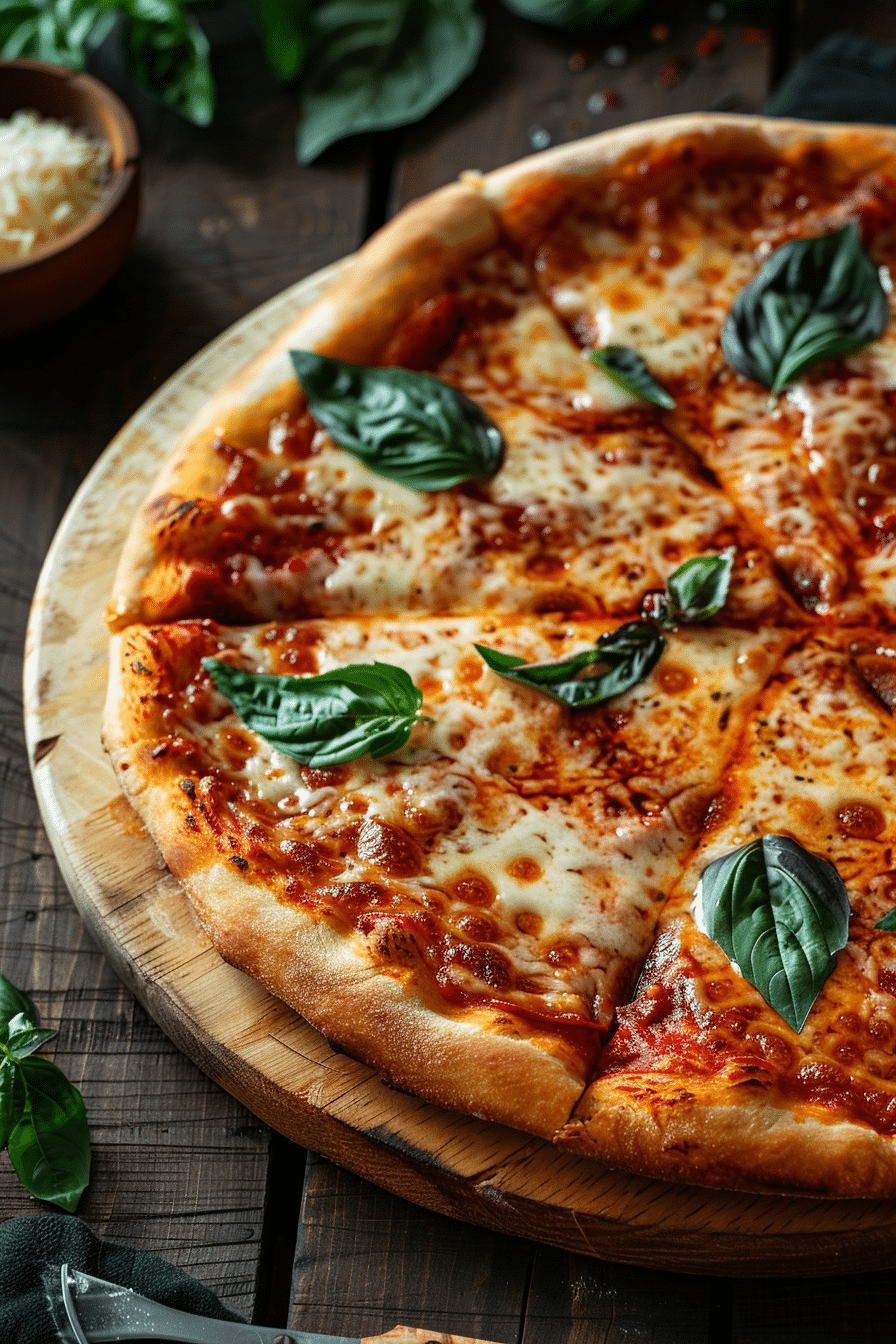
Homemade pizza dough is the secret to pizza that tastes like it came from your favorite neighborhood pizzeria. With just a few pantry ingredients and a little patience, you can create a crust that’s chewy on the inside and crisp on the outside. Once you master this base, you’ll be ready to top it with anything from simple marinara and cheese to fresh veggies, leftover sheet pan salmon and vegetables, or whatever you have in the fridge.
This recipe walks you through every step, explains how the dough should look and feel, and gives you all the tips you need to bake better-than-delivery pizza at home. No special equipment required, just a bowl, your hands, and a hot oven.
Table of Contents
Why You’ll Love This Recipe
This homemade pizza dough recipe is designed for real home kitchens and busy schedules. The ingredient list is short and uses items you probably already have. The dough is easy to work with, even if you’ve never baked bread before, and it can be made the same day or slow-risen in the fridge for deeper flavor. You’ll get a crust with a tender, bubbly interior and a beautifully browned bottom that stands up to all your favorite toppings.
It’s also incredibly versatile, make it thick and fluffy, thin and crisp, or somewhere in between. Plus, you can pair it with light toppings like a fresh summer salad for a balanced meal that feels restaurant-worthy but is actually homemade.
Print
Homemade Pizza Dough Recipe
Description
Easy homemade pizza dough with a chewy center and crisp golden crust made from simple pantry ingredients. Perfect for homemade pizza night.
Ingredients
3 1/2 cups bread flour
1 1/3 cups warm water
2 1/4 teaspoons active dry yeast
2 teaspoons sugar or honey
1 1/2 teaspoons sea salt
2 tablespoons olive oil
1–2 tablespoons cornmeal or flour for dusting
Instructions
Combine warm water, sugar, and yeast in a bowl.
Let sit 5–10 minutes until foamy.
Add olive oil and salt.
Gradually mix in flour until shaggy dough forms.
Knead dough on floured surface for 7–10 minutes.
Transfer to oiled bowl and cover.
Let rise 60–90 minutes until doubled.
Punch down dough and divide into portions.
Rest dough balls 10–15 minutes.
Stretch into pizza shape and bake at 475–500°F.
Add toppings and bake until crust is golden and crisp.
Notes
Use bread flour for chewier crust.
Do not use water that is too hot.
Refrigerate dough overnight for deeper flavor.
Preheat oven and baking surface thoroughly for best results.
Ingredients for Homemade Pizza Dough
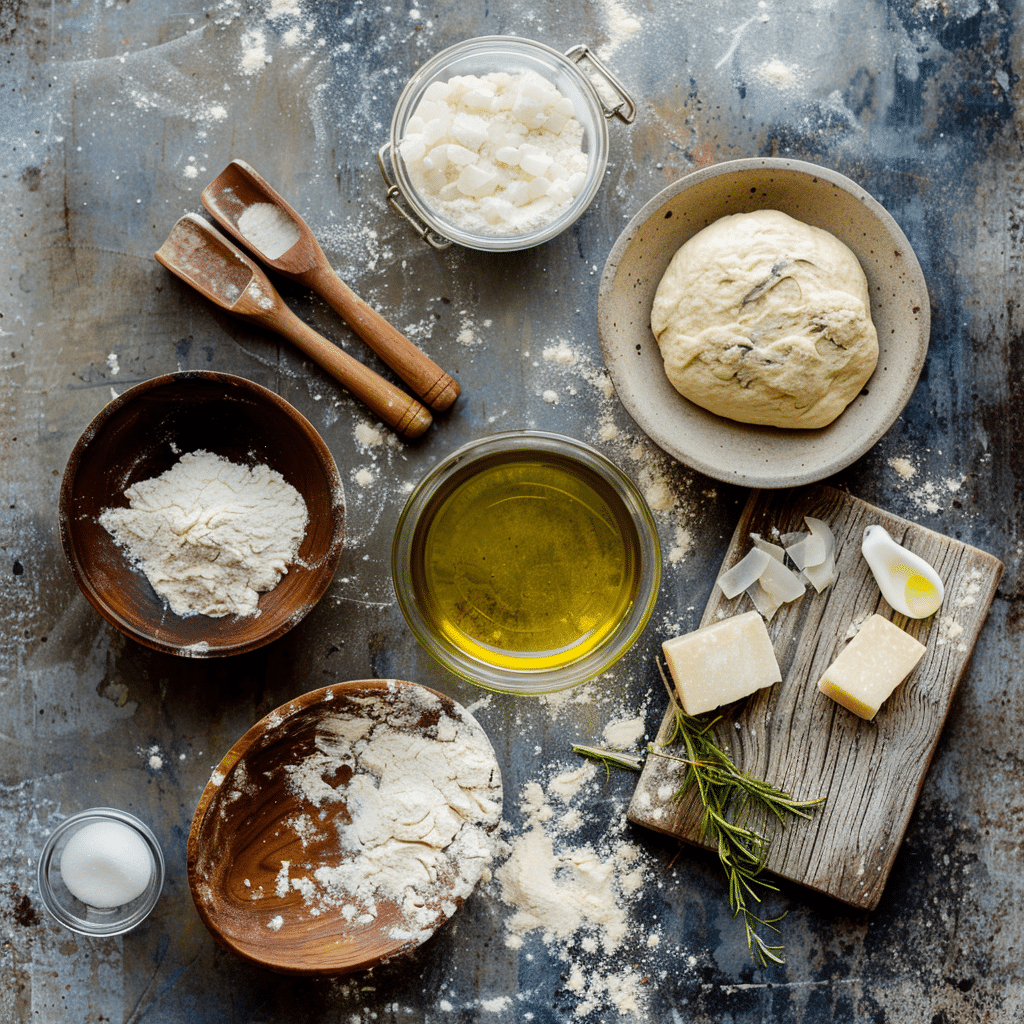
These basic ingredients come together to form a flexible, flavorful dough. For best results, measure carefully and use warm (not hot) water so the yeast can properly activate and help your dough rise beautifully.
| Ingredient | Amount |
|---|---|
| Bread flour (or all-purpose flour) | 3 1/2 cups (about 420 g) |
| Warm water (105–115°F) | 1 1/3 cups (315 ml) |
| Active dry yeast | 2 1/4 teaspoons (1 standard packet) |
| Granulated sugar or honey | 2 teaspoons |
| Fine sea salt | 1 1/2 teaspoons |
| Olive oil (plus more for greasing bowl) | 2 tablespoons |
| Cornmeal or extra flour (for dusting) | 1–2 tablespoons |
How to Make Homemade Pizza Dough Step by Step
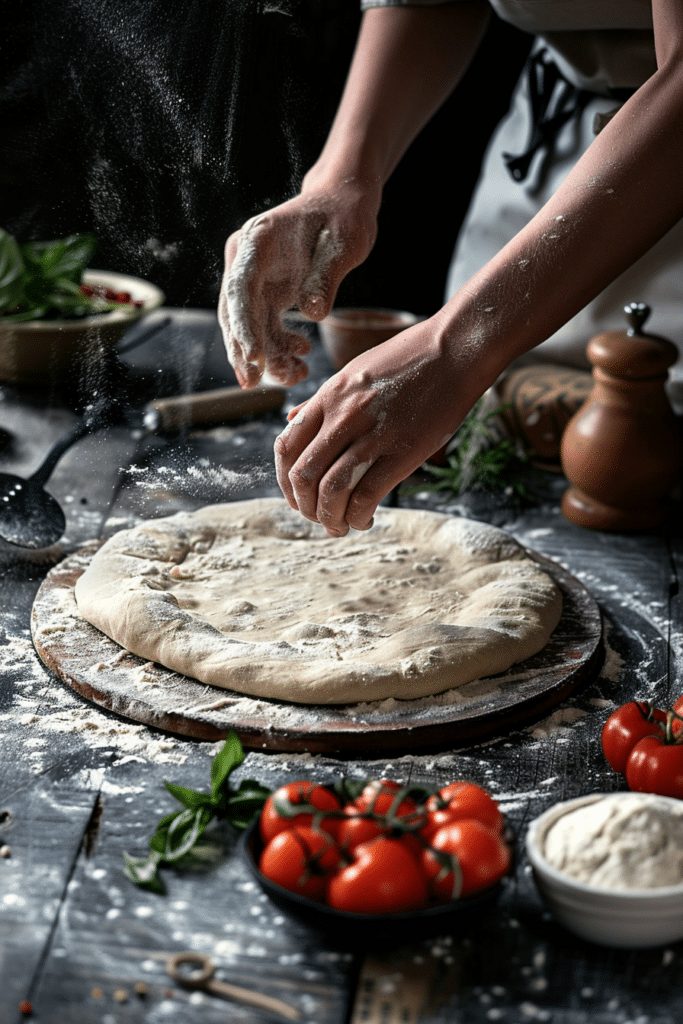
This process looks long, but it’s very beginner-friendly. You’ll mix the dough, knead until smooth, let it rise, then shape it into pizza rounds. Plan ahead so the dough has time to rest and develop flavor while you get toppings and sides, like a crisp vegan Caesar salad ready.
- Step 1: Activate the yeast – In a large mixing bowl, combine the warm water, sugar (or honey), and active dry yeast. Stir gently and let it sit for 5–10 minutes, until the mixture looks foamy and creamy on top. If the yeast doesn’t foam, it may be old or the water was too hot or too cold, start over with fresh yeast. This activation step ensures your homemade pizza dough will rise properly and develop light, airy bubbles.
- Step 2: Mix the dough – Add the olive oil and salt to the yeast mixture and stir. Begin adding the flour, about 1 cup at a time, stirring with a wooden spoon or spatula until a shaggy dough forms. When it becomes too stiff to stir, switch to your hands and work in the remaining flour gradually. You may not need all of it, or you might need a tablespoon or two more, depending on humidity. The dough should be slightly tacky but not sticky, and it should start to pull away from the sides of the bowl.
- Step 3: Knead until smooth – Transfer the dough to a lightly floured surface. Knead for 7–10 minutes, pushing it away with the heel of your hand, folding it back over itself, and turning as you go. Sprinkle on small amounts of flour only if it sticks heavily to your hands or the counter. You’re done kneading when the dough feels elastic, smooth, and soft, and springs back slowly when pressed with a fingertip. This step builds gluten, which gives your pizza crust that satisfying chew.
- Step 4: First rise – Lightly oil a clean bowl with olive oil and place the dough inside, turning once to coat it in oil so it doesn’t dry out. Cover the bowl tightly with plastic wrap or a clean kitchen towel. Let the dough rise in a warm, draft-free spot for 60–90 minutes, until doubled in size. For even more flavor, you can refrigerate the covered dough for 8–24 hours; just let it come to room temperature for about 30 minutes before shaping.
- Step 5: Shape and pre-bake (if desired) – Punch down the risen dough to release excess air. Turn it out onto a lightly floured surface and divide into 2–3 equal pieces, depending on how large and thick you want your pizzas. Shape each piece into a tight ball, cover, and let rest for 10–15 minutes so the gluten relaxes. Meanwhile, preheat your oven to 475–500°F with a pizza stone or a heavy baking sheet inside. Stretch or roll each dough ball into a circle or rectangle, dust your peel or pan with cornmeal, and transfer the dough. For extra-crisp crust, you can bake the plain crust for 5 minutes before adding sauce and toppings.
Expert Tips
Common Mistakes
One common mistake with homemade pizza dough is using water that’s too hot, which can kill the yeast and prevent your dough from rising. Aim for warm bathwater temperature, not steaming. Another issue is adding too much flour while kneading—this makes the dough dense and tough instead of chewy and light. It’s okay if the dough is slightly tacky; that usually bakes up best. Many people also skip the resting time after dividing the dough, which leads to dough that keeps snapping back when you try to roll or stretch it. Give it that 10–15 minute rest so the gluten can relax.
Finally, don’t bake pizza in a cool oven; preheating thoroughly ensures a crisp bottom, just like when you roast veggies for recipes such as this hearty cabbage and ground beef skillet.
Variations

Once you’ve nailed this basic homemade pizza dough, it’s easy to customize. For a more rustic, artisan-style crust, swap 1 cup of the bread flour for whole wheat flour and add an extra tablespoon of olive oil. If you like a thin, cracker-like crust, divide the dough into 3–4 portions and roll each very thin before baking. For garlic-herb dough, mix 1–2 teaspoons of dried Italian herbs and a clove of minced garlic into the flour. You can also brush the edges of the crust with olive oil and sprinkle with coarse salt or sesame seeds for a pizzeria-style finish.
Serve your pizzas with bright sides like mango slaw or a colorful Italian pasta salad to turn pizza night into a full, family-friendly spread.
Storage Tips
| Storage | Time | Notes |
|---|---|---|
| Room temperature (dough) | Up to 2 hours | Keep covered and lightly oiled; ideal for short rests before baking. |
| Refrigerator (dough) | Up to 3 days | Store in an oiled, covered container; let sit at room temperature 20–30 minutes before shaping. |
| Freezer (dough) | Up to 3 months | Freeze in lightly oiled balls, wrapped tightly; thaw overnight in the fridge before using. |
| Refrigerator (baked crust) | 3–4 days | Cool completely, wrap well; reheat in a hot oven to crisp back up. |
| Freezer (baked crust) | 1–2 months | Pre-bake plain crusts, cool, wrap airtight; top from frozen and bake until hot and bubbly. |
FAQ
Can I make homemade pizza dough ahead of time?
Yes. After the first rise, punch down the dough, place it in a lightly oiled container, cover tightly, and refrigerate for up to 3 days. The slow, cold rise actually improves the flavor. Let it sit at room temperature 20–30 minutes before shaping.
What flour is best for homemade pizza dough?
Bread flour is ideal because its higher protein content creates more gluten, giving you a chewier, more pizzeria-style crust. All-purpose flour also works well and yields a slightly softer crust. You can experiment by replacing up to 25% of the flour with whole wheat for extra flavor and nutrition.
Do I need a pizza stone to bake this dough?
No, a pizza stone is helpful but not required. You can preheat a heavy, upside-down baking sheet in the oven and slide the pizza onto it for a similar effect. The key is a very hot oven and a preheated surface to crisp the bottom of the crust.
Why is my dough so sticky?
A slightly sticky dough is normal and often makes for a lighter crust. If it’s extremely sticky and unworkable, sprinkle in 1–2 tablespoons of flour at a time while kneading until it’s just tacky. Avoid adding too much flour, which can make the crust dense and dry.
Can I use this dough for other recipes?
Absolutely. This homemade pizza dough is very versatile. You can use it for calzones, garlic knots, breadsticks, or even flatbread. Top with sautéed veggies, leftover proteins, or light salads like this refreshing seafood salad on the side for a complete meal.
Conclusion
With this homemade pizza dough recipe in your back pocket, pizza night instantly becomes more special and more affordable. You’re in control of the ingredients, texture, and thickness, so every pie can be tailored to your taste, whether you love thin and crispy or thick and chewy. Once you get comfortable with the process, it’s easy to double the batch and freeze extra dough for busy weeknights. Pair your homemade pizzas with fresh sides like a bright salad or veggie-packed dish, or explore other easy, flavor-forward recipes like these customizable salmon bowls to keep dinner exciting.
Fire up the oven, flour your counter, and enjoy the satisfaction of turning a few simple ingredients into a pizza that truly rivals takeout.
For more amazing recipes inspirations, check out Pinterest.