
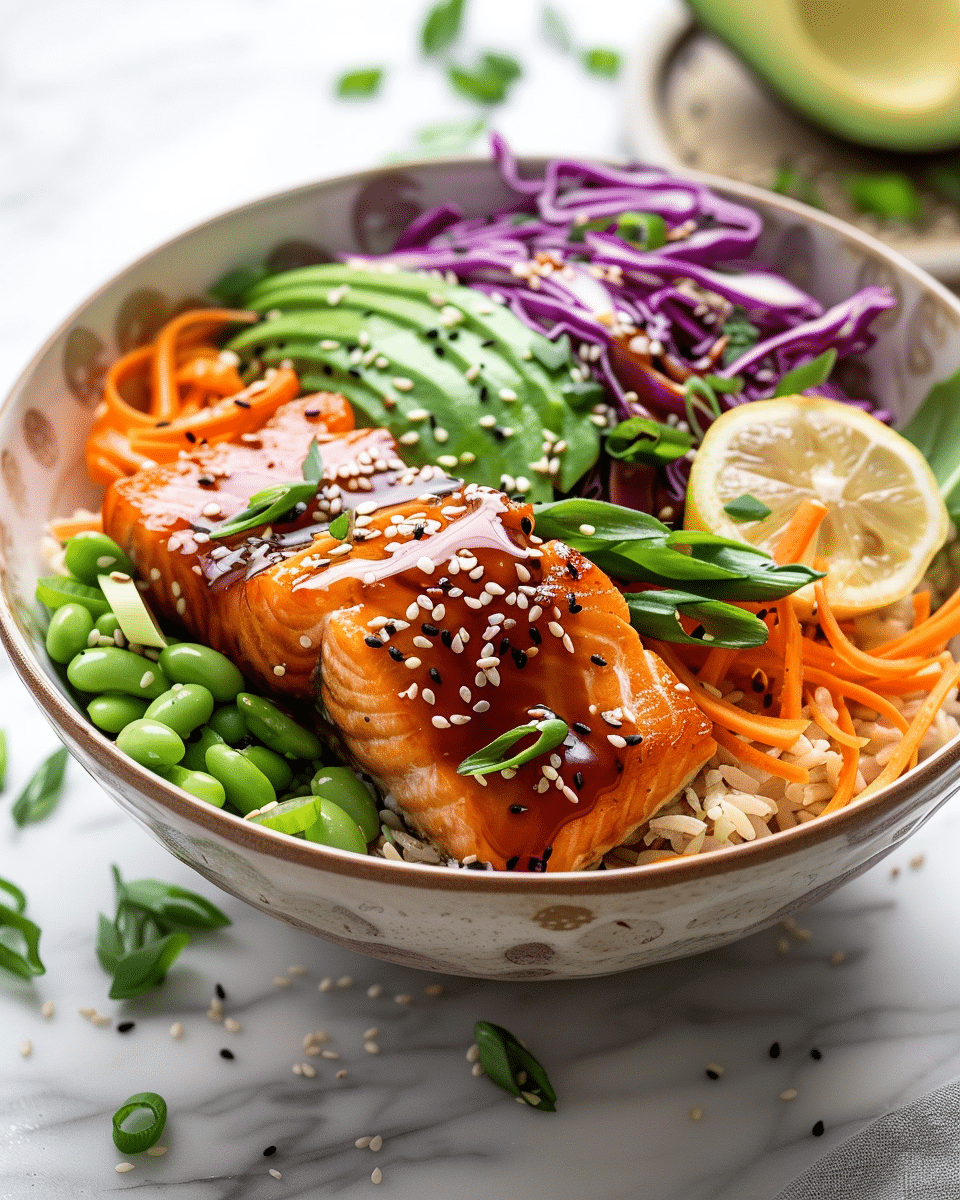
Salmon Bowl Bliss: A Fresh, Flavor-Packed Weeknight Favorite
A salmon bowl is one of the easiest ways to turn simple ingredients into a colorful, nourishing meal that feels special any night of the week. Because a salmon bowl layers flaky baked or seared salmon with hearty grains, crisp vegetables, creamy sauces, and bright garnishes, it offers endless room for creativity. You can keep it light and refreshing, or build a more indulgent bowl with rich sauces and toppings. Either way, a well-balanced salmon bowl delivers protein, healthy fats, fiber, and plenty of flavor in every bite. If you already love composed meals like hearty grain salads, you’ll probably enjoy exploring other vibrant bowls and salads such as a citrus fennel avocado winter salad as well.
In this guide, you’ll learn how to build a salmon bowl from the base up: picking your salmon, choosing grains and veggies, making sauces, and adding crunchy and creamy elements that turn a simple dish into a restaurant-level meal. You’ll also discover tips for meal prep, storage, and flavor variations inspired by Asian, Mediterranean, and Mexican cuisines. By the end, you’ll feel confident customizing a salmon bowl that fits your lifestyle, whether you want a low-carb lunch, a high-protein post-workout dinner, or a quick family-friendly meal that pleases everyone at the table.
Table of Contents
What Makes a Salmon Bowl So Satisfying?
The Anatomy of a Perfect Salmon Bowl
A perfect salmon bowl has a thoughtful balance of textures, temperatures, and flavors. At the core sits the salmon itself, usually roasted, baked, grilled, or pan-seared until tender and flaky inside with a lightly crisp exterior. Underneath or alongside, you’ll find a base of grains or greens, such as brown rice, quinoa, farro, or a bed of massaged kale. These components give the bowl structure and staying power, so you feel satisfied for hours. Next come the vegetables, which can be raw for crunch, roasted for sweetness, or lightly pickled for tang. Think shredded carrots, sliced cucumbers, roasted sweet potatoes, or blistered green beans.
Then, a great salmon bowl always includes a sauce that ties everything together. Creamy elements like yogurt-based dressings, tahini sauce, or a spiced mayo add richness, while citrusy vinaigrettes or soy-ginger dressings brighten the entire dish. Finally, garnishes make the bowl look and taste exciting: herbs, seeds, nuts, avocado slices, and a sprinkle of flaky sea salt or chili flakes. When you combine these pieces with intention, each bite delivers a mix of savory, tangy, crunchy, and creamy sensations that keep you going back for more.
Why Salmon Bowls Are a Nutritional Powerhouse
Beyond their eye-catching appeal, salmon bowls offer serious nutritional benefits. Salmon itself is rich in high-quality protein, which supports muscle repair and helps keep hunger in check. It also contains omega-3 fatty acids, especially EPA and DHA, which support heart health, brain function, and a healthy inflammatory response. When you serve salmon over whole grains like brown rice or quinoa, you add complex carbohydrates and fiber, which provide steady energy and support digestion. Add colorful vegetables like red cabbage, leafy greens, and roasted beets, and you’re bringing in antioxidants, vitamins, and minerals that help protect cells and support immune function.
Because a salmon bowl is customizable, you can easily align it with different dietary goals. For a low-carb or keto-friendly approach, replace grains with a generous bed of greens or cauliflower rice and add extra avocado for healthy fats. For a high-fiber, plant-forward twist, load up on lentils, chickpeas, or roasted vegetables. If you’re inspired by hearty salads like a warm lentil and roasted vegetable dish, you’ll appreciate how a salmon bowl can integrate those components into a single balanced meal. As long as you build with a mix of protein, healthy fats, fiber, and micronutrients, a salmon bowl can serve as a complete, nourishing meal in one bowl.
Print
Salmon Bowl Bliss: A Fresh, Flavor-Packed Weeknight Favorite
Description
This salmon bowl is a fresh, nourishing meal with flaky salmon, brown rice, crisp vegetables, avocado, and a creamy lemon sauce. Perfect for easy weeknight dinners, meal prep, or healthy lunch bowls.
Ingredients
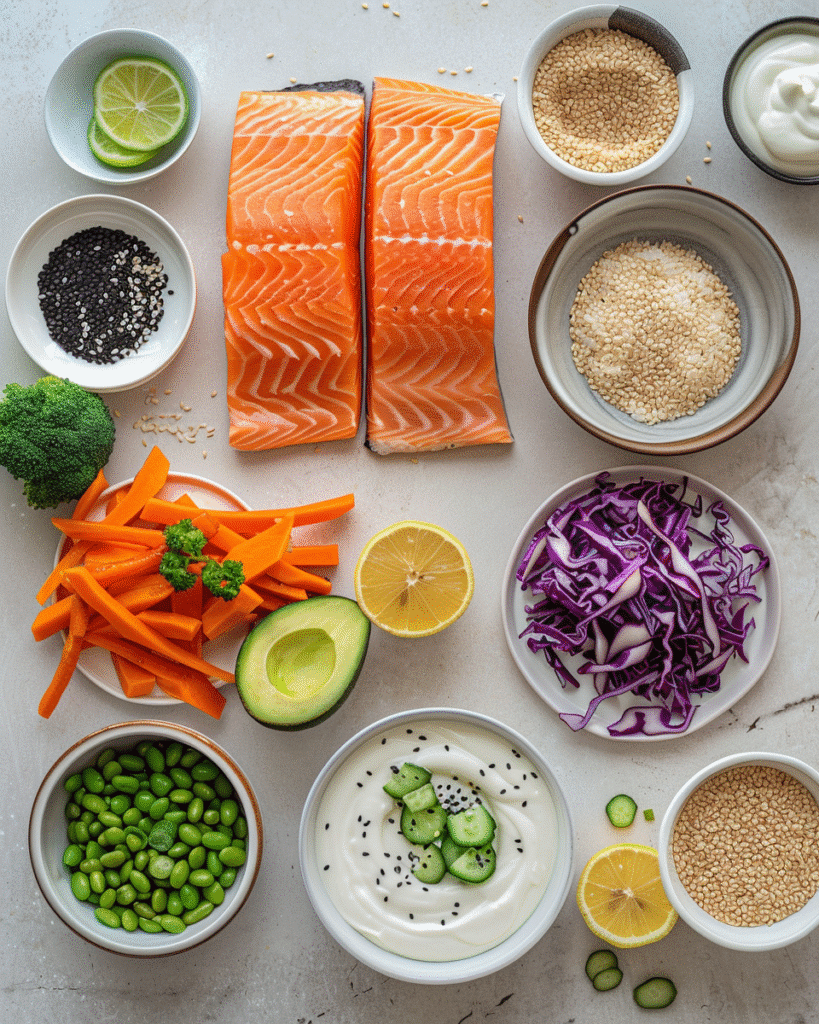
2 salmon fillets (about 4 to 5 oz each)
2 cups cooked brown rice
1 cup shredded red cabbage
1 cup cucumber, thinly sliced
1 cup carrots, shredded or julienned
1 cup shelled edamame
1 avocado, sliced
2 green onions, sliced
1 tablespoon olive oil
1 teaspoon paprika
Salt and black pepper, to taste
1 tablespoon sesame seeds
1 lemon, cut into wedges
For the creamy sauce:
1/2 cup plain Greek yogurt
1 tablespoon lemon juice
1 small garlic clove, minced
1 tablespoon olive oil
Salt and black pepper, to taste
1 to 2 tablespoons water, as needed
Instructions
Preheat oven to 400°F (200°C).
Place salmon fillets on a lined baking sheet and drizzle with olive oil.
Season salmon with paprika, salt, and black pepper.
Bake for 10 to 14 minutes, until the salmon flakes easily with a fork.
While the salmon cooks, prepare the vegetables and warm the cooked brown rice.
Make the sauce by whisking Greek yogurt, lemon juice, garlic, olive oil, salt, pepper, and a little water until smooth and drizzleable.
Divide the rice between serving bowls.
Top with shredded cabbage, cucumber, carrots, edamame, and avocado.
Add the baked salmon on top of each bowl.
Drizzle with the creamy lemon sauce.
Finish with green onions, sesame seeds, and lemon wedges before serving.
Notes
Swap brown rice for quinoa, cauliflower rice, or mixed greens.
Use pan-seared salmon instead of baked salmon if preferred.
For an Asian-style version, use a soy-ginger dressing instead of the yogurt sauce.
Store components separately for meal prep and assemble just before serving.
Add pickled onions, chili flakes, or extra avocado for more flavor and texture.
Choosing and Preparing the Best Salmon for Your Bowl
Fresh vs. Frozen Salmon: What Works Best?
When building a salmon bowl, the quality of the salmon matters just as much as the toppings. Fortunately, both fresh and frozen salmon can work beautifully if you choose and handle them well. Fresh salmon should smell clean and ocean-like, never fishy. The flesh should appear moist, vibrant, and firm to the touch, with no brown spots or drying along the edges. If you buy fillets with skin, look for shiny, silvery skin rather than dull or discolored patches. Ask your fishmonger when the salmon arrived and whether it has been previously frozen; this transparency can help you gauge freshness.
Frozen salmon is an excellent option, especially if you don’t live near a coast or want to keep ingredients on hand for quick salmon bowl nights. Many high-quality brands freeze salmon shortly after catch, locking in flavor and nutrients. When using frozen fillets, thaw them in the refrigerator overnight or place them, sealed, in a bowl of cold water for about 30–45 minutes. Avoid thawing at room temperature, since that can encourage uneven thawing and potential bacterial growth. Once thawed, pat the salmon dry with paper towels. This helps seasonings adhere and promotes better browning whether you bake, pan-sear, or air-fry the fish.
Simple Marinades and Seasonings for Salmon Bowls
Seasoning your salmon properly sets the tone for the entire bowl. Because salmon has a rich, slightly buttery flavor, it pairs well with a wide range of marinades and rubs. For an Asian-inspired salmon bowl, try a mixture of soy sauce or tamari, fresh ginger, garlic, a little honey or maple syrup, and sesame oil. Let the fillets marinate for 15–30 minutes in the fridge; this short time is enough to infuse flavor without turning the texture mushy. If you enjoy spicy salmon, add sriracha or chili paste to the marinade for a gentle kick.
For a Mediterranean-style bowl, season the salmon with olive oil, lemon zest, minced garlic, dried oregano, and a pinch of smoked paprika. You can also create a quick dry rub using salt, pepper, paprika, and ground cumin for a taco-inspired salmon bowl. This approach works especially well if you later pair the fish with ingredients similar to what you’d use in a hearty taco salad or burrito bowl: corn, black beans, avocado, and cabbage slaw. Regardless of the flavor direction, remember to salt the salmon adequately and allow it to sit at room temperature for 10–15 minutes before cooking. This step ensures more even cooking and a juicier final texture.
Cooking Techniques for Restaurant-Quality Salmon
Baking and Roasting Salmon for Easy Salmon Bowls
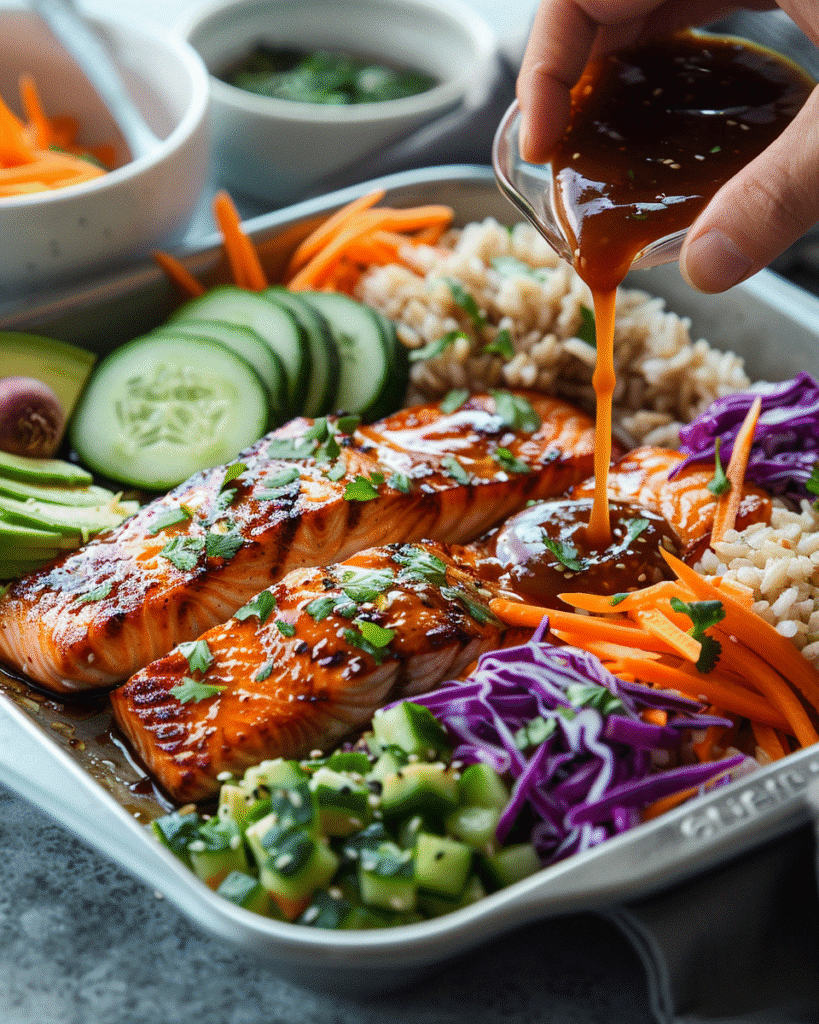
Baking or roasting salmon is a simple, mostly hands-off method that works perfectly for meal-prepped salmon bowls. Start by preheating your oven to 400°F (200°C). Line a baking sheet with parchment paper or lightly oil it to prevent sticking. Place the seasoned salmon fillets skin-side down on the tray, leaving space between them for even heat circulation. If you use a marinade, spoon any remaining mixture over the top. At this temperature, most fillets that are about 1-inch thick will cook in 10–14 minutes. You want the salmon to be just opaque and flake easily with a fork, but still moist in the center.
To add more depth of flavor, you can roast salmon on a bed of lemon slices, onion rings, or halved cherry tomatoes. As the fish cooks, these aromatics release moisture and fragrance, subtly flavoring the salmon. For a sheet-pan salmon bowl, arrange vegetables like broccoli florets, green beans, or thinly sliced bell peppers around the fish. Toss them with a bit of oil and seasoning so they roast at the same time. This method replicates the convenience of one-pan recipes like a cabbage and ground beef skillet, but with lighter, seafood-focused ingredients that you can quickly transfer into bowls for serving.
Pan-Searing and Air-Frying Salmon for Crisp Texture
If you prefer crispy edges and a slightly caramelized outside, pan-searing or air-frying will give your salmon bowl a more restaurant-style finish. For pan-searing, choose a heavy skillet (cast iron works beautifully) and heat a thin layer of high-heat oil, such as avocado or canola oil, over medium-high. Pat your salmon fillets very dry again just before cooking. Place them skin-side up in the hot pan and sear for 3–4 minutes without moving them. This allows a golden crust to form. Then flip the fillets and cook skin-side down for another 3–5 minutes, depending on thickness. You can finish thick fillets by covering the pan or transferring it to a 375°F oven for a few minutes.
Air-frying offers a convenient alternative that mimics the texture of fried salmon without using much oil. Preheat your air fryer to 390°F (200°C). Lightly spray the basket and seasoned fillets with cooking oil, then arrange them in a single layer. Cook for 8–12 minutes, checking for doneness after 8 minutes. The circulating air quickly crisps the surface while keeping the inside juicy, making this an excellent method for busy weeknights. Once cooked, flake or cube the salmon before adding it to your bowl. Both pan-seared and air-fried salmon develop a deeper, more concentrated flavor, which stands up well to bold toppings like spicy mayo, garlic yogurt sauce, or miso-based dressings.
Building the Base – Grains and Greens for Your Salmon Bowl
Choosing the Right Grain or Starch Base
Your choice of base sets the tone for the entire salmon bowl and influences how filling it will be. Grains like brown rice, jasmine rice, quinoa, barley, or farro all provide hearty texture and satisfying chew. Brown rice and quinoa are particularly popular because they cook relatively quickly, hold up well in the refrigerator, and offer fiber and nutrients. You can cook them in water or broth for extra flavor, and you might stir in a splash of rice vinegar or lemon juice after cooking to brighten the taste. For a Japanese-inspired salmon rice bowl, use short-grain sushi rice seasoned lightly with rice vinegar, sugar, and salt.
If you want a lower-carb or grain-free base, cauliflower rice, spiralized vegetables, or a mix of shredded cabbage and carrots can stand in for grains. These alternatives absorb sauces well and provide crunch without weighing down the dish. You can also mix grains and vegetables, such as combining quinoa with shredded kale or arugula for a hybrid grain-salad texture similar to a panzanella-style bowl. Because the base makes up a large portion of the salmon bowl, season it lightly with salt and maybe a drizzle of olive oil, sesame oil, or citrus juice before adding the rest of the toppings. This way, the flavor runs through every layer, not just the salmon and sauce.
Greens and Crunchy Vegetables for Freshness
While grains provide heartiness, fresh vegetables and leafy greens bring color, crunch, and micronutrients to your salmon bowl. Start with a base of greens such as baby spinach, romaine, spring mix, or chopped kale. Kale is especially good when you massage it briefly with a little olive oil and salt to soften the leaves, much like you’d do in a dedicated kale salad recipe. This technique makes the greens more tender while preserving their nutritional value. Layer the greens under or around your grains, or use them as the main base if you prefer a lighter bowl.
Next, add a variety of raw or lightly cooked vegetables for texture and flavor. Thinly sliced cucumbers, radishes, shredded red cabbage, and julienned carrots offer crispness and vibrant color. Roasted vegetables, such as sweet potatoes, Brussels sprouts, or beets, add sweetness and depth, especially when you crave something similar to a hearty roasted beet salad. You can also experiment with quick-pickled onions or carrots; their tangy, bright flavor cuts through the richness of salmon and creamy sauces. Try to include at least three different vegetables in each bowl to create visual appeal and ensure a mix of flavors and nutrients. This practice transforms your salmon bowl into a complete, balanced meal packed with plant-based goodness.
Sauces and Dressings That Make Salmon Bowls Irresistible
Creamy Sauces: Yogurt, Tahini, and Mayo-Based Options
Sauces are the bridge that link all the components of a salmon bowl into one harmonious bite, and creamy sauces often feel the most indulgent. A simple lemon-garlic yogurt sauce combines plain Greek yogurt, fresh lemon juice, minced garlic, salt, and pepper. This sauce adds tang and creaminess without overwhelming the salmon’s flavor, and it boosts protein content as well. For a Mediterranean-inspired bowl, whisk tahini (sesame paste) with warm water, lemon juice, a little garlic, and salt until smooth and pourable. This tahini sauce pairs beautifully with roasted vegetables and grains like quinoa or farro, similar to the flavors you might find in a robust warm vegetable salad.
If you crave something richer or more reminiscent of restaurant sushi bowls, a spicy mayo is an excellent choice. Mix mayonnaise with sriracha, a splash of rice vinegar, and a touch of honey to balance the heat. Drizzle it over the top of the salmon bowl in thin ribbons for a visually striking effect. To lighten the sauce, you can replace half of the mayo with Greek yogurt. Regardless of the creamy sauce you choose, remember that a little goes a long way. Start with a modest drizzle, taste, and add more if needed; this approach keeps the bowl flavorful rather than heavy.
Light and Bright Dressings for Flavor Balance
While creamy sauces add richness, light dressings bring brightness and help cut through the fattiness of salmon. A classic soy-ginger dressing combines soy sauce or tamari, rice vinegar, grated fresh ginger, sesame oil, and a small amount of honey or maple syrup. This dressing complements Asian-inspired salmon bowls filled with edamame, shredded carrots, and cucumbers. You can either toss the grains and vegetables with the dressing before adding salmon or drizzle it over the assembled bowl. Adding a sprinkle of toasted sesame seeds at the end ties the flavors together.
Citrus-based vinaigrettes also work well, especially when you pair salmon with ingredients like fennel, avocado, or citrus segments. Combine fresh orange or lemon juice, olive oil, Dijon mustard, honey, and salt for a vibrant dressing that echoes the flavors of a citrus-forward salad. This kind of dressing gives your salmon bowl the same bright, refreshing feel you might love in a winter citrus fennel salad, but with the added satisfaction of protein. Always taste and adjust the acidity, sweetness, and salt level to suit your preference. In a well-composed salmon bowl, the dressing should enhance and lift the flavors rather than dominate them.
Toppings and Textures – Turning a Simple Salmon Bowl into a Showstopper
Crunchy and Savory Toppings for Contrast
Contrast in texture is what makes a salmon bowl exciting from the first bite to the last. You’ll want to include at least one crunchy topping to offset the softness of the grains and fish. Toasted nuts such as sliced almonds, chopped pistachios, or crushed cashews add both crunch and richness. Seeds like sesame, pumpkin, and sunflower provide a more delicate crackle and extra minerals like magnesium and zinc. Sprinkle them generously over the finished bowl just before serving to preserve their crispness.
Crispy elements don’t have to be limited to nuts and seeds. You can also add roasted chickpeas, crispy shallots, or baked tortilla strips for a salty, savory crunch. If you lean toward Mexican-inspired flavors, these tortilla strips can echo the textures in dishes like chicken taco salads or burrito bowls. On the other hand, nori strips or furikake seasoning bring an umami-packed crunch that works perfectly with soy-ginger or miso-based salmon bowls. The goal with every topping is to create small bursts of contrasting texture in each spoonful, making the bowl feel dynamic rather than monotonous.
Creamy and Fresh Garnishes for Balance
To balance all that crunch, include at least one creamy garnish. Avocado is a natural fit for a salmon bowl because its buttery texture and mild flavor complement the fish and grains without overwhelming them. Slice or dice the avocado just before serving to keep it fresh and green, and consider a squeeze of lime juice to prevent browning. A dollop of hummus, cashew cream, or herbed ricotta can also add creaminess, especially in Mediterranean-style bowls. These components make the dish feel more luxurious and satisfying, even if the underlying ingredients are quite simple.
Fresh herbs work like a final perfume, lifting the entire salmon bowl with fragrance and flavor. Chopped cilantro pairs well with spicy or Mexican-inspired bowls, while dill and parsley shine in Mediterranean or Scandinavian-style versions. Green onions, chives, or thinly sliced red onion add a mild bite and color contrast. As a finishing touch, a sprinkle of flaky sea salt and a final squeeze of citrus help marry all the flavors. You’ll notice that many of these garnishes echo the elements that make hearty salads and grain bowls so appealing: they offer freshness, visual contrast, and a hint of complexity that makes the dish feel restaurant-worthy.
Flavor Variations – Global Salmon Bowl Ideas
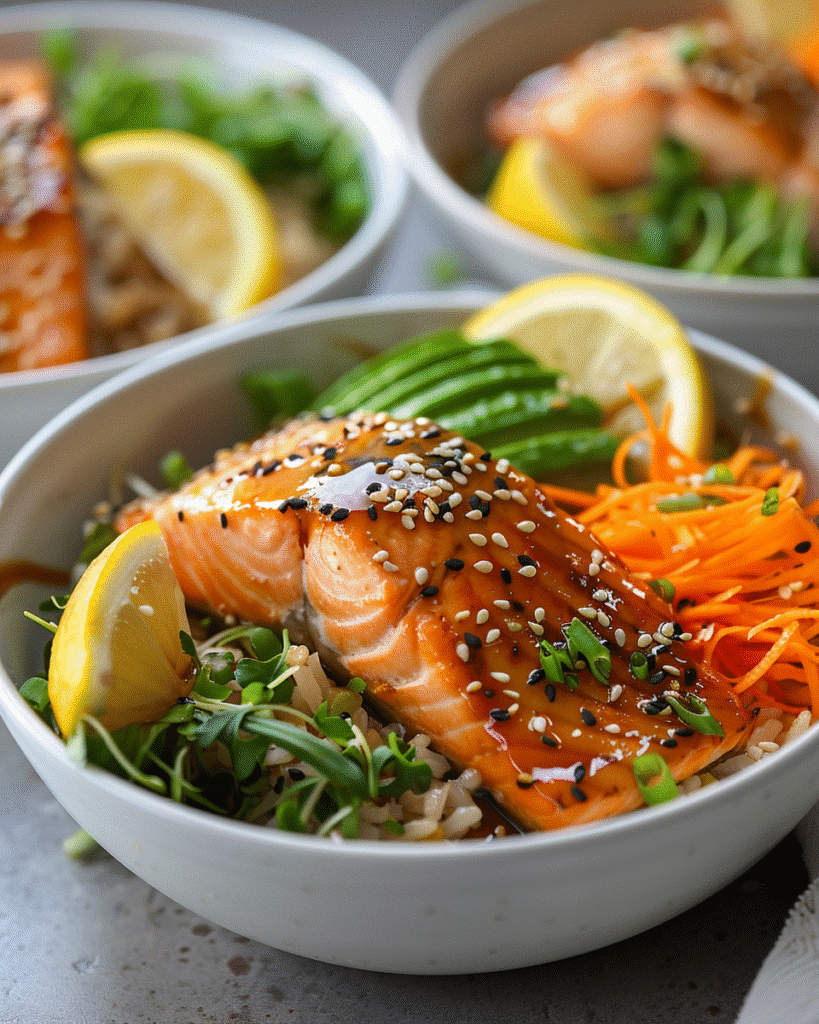
Asian-Inspired Salmon Bowl with Soy-Ginger and Sesame
An Asian-inspired salmon bowl focuses on umami, sesame, and bright, tangy notes. Start with a base of jasmine or sushi rice, or swap in brown rice for more fiber. Top it with soy-ginger marinated salmon baked or pan-seared until the edges caramelize slightly. Surround the salmon with shredded carrots, thinly sliced cucumbers, edamame, and shredded purple cabbage. These vegetables offer color, crunch, and a mix of sweetness and mild bitterness that balances the savory fish. If you want even more depth, add quick-pickled radishes or onions for a sharp, tangy accent.
Drizzle the bowl with a soy-ginger dressing made from soy sauce, rice vinegar, grated ginger, minced garlic, sesame oil, and a touch of honey. Finish with toasted sesame seeds, sliced green onions, and strips of roasted seaweed. This variation echoes some of the flavors you might see in a healthy Asian carrot salad while centering the rich, flaky salmon as the main protein. For extra heat, serve a small dish of sriracha or chili crisp on the side. This style of salmon bowl feels light yet satisfying, making it ideal for lunch or a lighter dinner that still delivers plenty of flavor.
Mediterranean and Mexican-Style Salmon Bowl Twists
For a Mediterranean salmon bowl, build your base with quinoa, farro, or a mix of greens and grains. Top with lemon-herb roasted salmon, cherry tomatoes, cucumber, red onion, Kalamata olives, and crumbled feta. Add sliced avocado or a generous dollop of hummus for creaminess. Dress the bowl with a lemon-olive oil vinaigrette or a thin tahini sauce brightened with garlic and lemon. This combination mirrors the satisfying flavors found in Italian or Greek-inspired salads, but the salmon shifts the dish into hearty, protein-forward territory.
A Mexican-style salmon bowl leans into smoky, spicy, and citrusy flavors. Season the salmon with chili powder, cumin, garlic powder, and smoked paprika before roasting or searing. Build the bowl over cilantro-lime rice or a bed of shredded romaine. Add black beans, grilled or roasted corn, diced tomatoes, red cabbage slaw, and sliced jalapeños if you enjoy spice. Finish with avocado, a squeeze of lime, and a drizzle of chipotle-lime crema made from Greek yogurt or mayo, lime juice, and chipotle in adobo. This version shares flavor DNA with chicken taco salads and burrito bowls, but salmon gives it a lighter, omega-3–rich twist that still feels indulgent and fun.
Meal Prep, Storage, and Reheating for Salmon Bowls
Prepping Salmon Bowls Ahead for Busy Weeks
Salmon bowls lend themselves well to meal prep, especially if you plan the components smartly. Begin by cooking a large batch of grains, such as brown rice or quinoa, and portion them into airtight containers. Roast or steam a selection of vegetables, like Brussels sprouts, sweet potatoes, and green beans, and store them separately so you can mix and match. Cook your salmon fillets using your preferred method and let them cool completely before refrigerating. For food safety, cool the salmon within two hours and store it in airtight containers for up to three days.
Sauces and dressings should also be prepared ahead, but stored separately from the bowls to prevent sogginess. Keep them in small jars or containers and add them just before eating. Fresh herbs, avocado, and crunchy toppings like nuts or seeds are best added at the last minute to maintain their texture and color. If your mornings are busy or you pack lunches for work, assemble your salmon bowl bases (grains and vegetables) in advance, then add salmon, sauce, and garnishes the day you plan to eat them. This approach offers the same convenience as prepping robust salads or grain bowls for the week, but with the added benefit of a high-quality protein that keeps meals satisfying.
Safe Storage and Reheating Without Drying the Salmon
Proper storage and gentle reheating ensure that your salmon bowl tastes just as good on day three as it did on day one. Always refrigerate cooked salmon in shallow, airtight containers and try to keep it separate from the sauce, which can make the fish soggy over time. When you’re ready to reheat, avoid microwaving the salmon at full power, which can quickly dry it out and create a tough texture. Instead, place it in a microwave-safe dish, cover it loosely, and heat at 50% power in 30-second intervals until just warm.
Alternatively, you can reheat salmon gently in a 275°F oven for about 10–15 minutes, wrapped loosely in foil to retain moisture. Another option is to enjoy the salmon bowl with cold or room-temperature fish, much like you would with leftover proteins in a salad or grain bowl. In that case, warm only the grains and roasted vegetables, then top with chilled salmon, fresh veggies, and sauce. This method preserves the tender texture of the salmon and can make leftovers feel refreshing rather than heavy. Regardless of your technique, always trust your senses: discard salmon that smells off, feels slimy, or has been in the fridge beyond three to four days.
Sample Salmon Bowl Recipe and Nutritional Overview
Step-by-Step Simple Salmon Bowl Recipe
To bring everything together, here’s a straightforward salmon bowl recipe that balances flavor, texture, and nutrition. It uses roasted salmon, brown rice, fresh vegetables, and a creamy lemon-yogurt sauce.
| Component | Ingredient | Amount (2 bowls) |
|---|---|---|
| Protein | Salmon fillets | 2 (4–5 oz each) |
| Base | Cooked brown rice | 2 cups |
| Veggies | Cucumber, carrot, red cabbage | About 1 cup each, sliced |
| Sauce | Greek yogurt, lemon, garlic | 1/2 cup yogurt, 1 lemon, 1 clove |
Preheat your oven to 400°F. Place salmon on a parchment-lined baking sheet, drizzle with olive oil, and season with salt, pepper, and a pinch of paprika. Roast for 10–14 minutes until just cooked through. While the salmon bakes, arrange warm brown rice in two deep bowls. Top with sliced cucumber, shredded carrot, and shaved red cabbage. Whisk Greek yogurt with lemon juice, minced garlic, salt, and a little water until pourable.
Nutritional Snapshot and Adjustments
Once the salmon is done, flake it into large pieces and place it over the rice and vegetables. Drizzle with the lemon-yogurt sauce and finish with chopped fresh herbs, avocado slices, and a sprinkle of toasted seeds. This salmon bowl provides a mix of macronutrients and micronutrients that makes it ideal for a balanced meal. A single serving (depending on exact portions) typically offers roughly 25–30 grams of protein from the salmon and yogurt, along with complex carbohydrates from the brown rice and fiber from the vegetables. The avocado, olive oil, and salmon contribute heart-healthy fats, including omega-3s.
Here’s a simplified nutrient overview per serving:
| Nutrient | Approx. Amount | Source Highlights |
|---|---|---|
| Calories | 550–650 | Salmon, rice, sauce, avocado |
| Protein | 25–30 g | Salmon, Greek yogurt |
| Carbohydrates | 50–60 g | Brown rice, veggies |
| Fat | 20–25 g | Salmon, avocado, olive oil |
You can easily adjust this template to match different dietary needs. Swap brown rice for quinoa or cauliflower rice, increase vegetables for a lighter bowl, or add extra avocado and seeds for more healthy fats. This flexibility makes the salmon bowl a repeat-worthy dish in your rotation, much like favorite salads and grain bowls you return to throughout the year.
FAQ About Salmon Bowls
How healthy is a salmon bowl compared to other meals?
A salmon bowl is generally very healthy because it combines lean protein, healthy fats, fiber-rich carbohydrates, and a wide range of vitamins and minerals. Salmon provides omega-3 fatty acids that support heart and brain health, while whole grains like brown rice or quinoa offer sustained energy and digestive benefits. The vegetables you include contribute antioxidants, vitamin C, vitamin K, and potassium. Compared to heavy pasta dishes or deep-fried fast foods, a salmon bowl usually contains less saturated fat and more nutrient density per bite. You can further increase the health benefits by choosing whole grains, minimizing added sugars in sauces, and loading your bowl with colorful vegetables and leafy greens.
Can I make a salmon bowl if I don’t eat grains or want a low-carb option?
Yes, you can easily make a grain-free or low-carb salmon bowl by replacing traditional grain bases with non-starchy vegetables. Instead of rice or quinoa, build your bowl over a bed of mixed greens, shredded cabbage, or cauliflower rice. Roasted low-carb vegetables like broccoli, Brussels sprouts, zucchini, and bell peppers add volume and flavor without many carbohydrates. You can increase healthy fats and satiety by adding avocado, olives, nuts, and seeds. Use dressings that rely on olive oil, lemon, herbs, or tahini rather than sugary sauces. This way, you still enjoy the satisfying combination of salmon, vegetables, and creamy or tangy toppings while keeping total carbs aligned with your goals, whether you follow a low-carb, keto, or grain-free style of eating.
How can I adapt a salmon bowl for picky eaters or kids?
Salmon bowls are very kid-friendly because you can serve the components separately and let children build their own plates. Cook the salmon with mild seasonings like olive oil, salt, and a little lemon instead of bold spices. Offer familiar bases such as plain white rice or small pasta, then set out bowls of simple vegetables like cucumbers, carrots, cherry tomatoes, or corn. Provide a mild sauce—such as plain yogurt or a light ranch-like dressing—alongside stronger options for adults. Kids often enjoy the interactive aspect of choosing their toppings, which can encourage them to try new ingredients. Over time, you can introduce more adventurous flavors or textures, like crunchy seeds or a slightly tangy dressing, while still keeping the basic elements recognizable and comforting.
Can I use canned salmon in a salmon bowl?
Canned salmon works surprisingly well in salmon bowls, especially when you want a budget-friendly option or don’t have access to fresh fish. Choose high-quality canned salmon, preferably wild-caught, and drain it well. You can flake it directly over your grain and vegetable base, or quickly warm it in a skillet with a little olive oil, garlic, and lemon to enhance the flavor. Just be sure to remove large bones and any skin if the texture bothers you. Canned salmon pairs nicely with creamy sauces like yogurt or tahini and with crunchy toppings such as cucumbers, radishes, and seeds. While it won’t have the same seared exterior as fresh fillets, it still delivers protein and omega-3 fats, making it a smart pantry staple for last-minute salmon bowls.
What are some good side dishes or drinks to serve with a salmon bowl?
Because a salmon bowl is already a complete meal, you don’t need elaborate side dishes, but a light starter or refreshing drink can complement it nicely. A small green salad, a simple cucumber salad, or a citrusy slaw adds extra crunch and freshness. For something heartier, a side of roasted vegetables or a small portion of a grain salad can round out the meal, though your bowl may already contain similar elements. For drinks, consider water infused with lemon, cucumber, or berries, unsweetened iced tea, or a light sparkling beverage. If you like to end meals with something sweet yet wholesome, a fruit-forward smoothie can be a great companion; think of options similar to a strawberry-banana blend that keeps the meal feeling vibrant but not too heavy.
Conclusion: Make Salmon Bowls a Staple in Your Kitchen
A well-built salmon bowl offers everything you want in an everyday meal: balanced nutrition, flexible flavors, and a presentation that feels special without requiring restaurant-level skill. By mastering a few core techniques, choosing good salmon, cooking it gently, building a flavorful base, and finishing with the right sauces and garnishes, you can create countless variations that never feel repetitive. Whether you lean toward Asian-inspired soy-ginger bowls, Mediterranean lemon-herb combinations, or spicy taco-style creations, the salmon bowl can adapt to your taste and dietary needs.
As you explore more bowl and salad-style meals, you might find yourself inspired by other vibrant recipes like a hearty warm lentil and roasted vegetable salad or a refreshing roasted beet salad. Each offers ideas you can borrow for your next salmon bowl, different dressings, roasting methods, or vegetable combinations that keep mealtime exciting. With a bit of planning and creativity, salmon bowls can become a go-to option in your rotation, delivering both nourishment and pleasure in every colorful, satisfying bite.
For more seasonal juice inspirations, check out my Pinterest.