
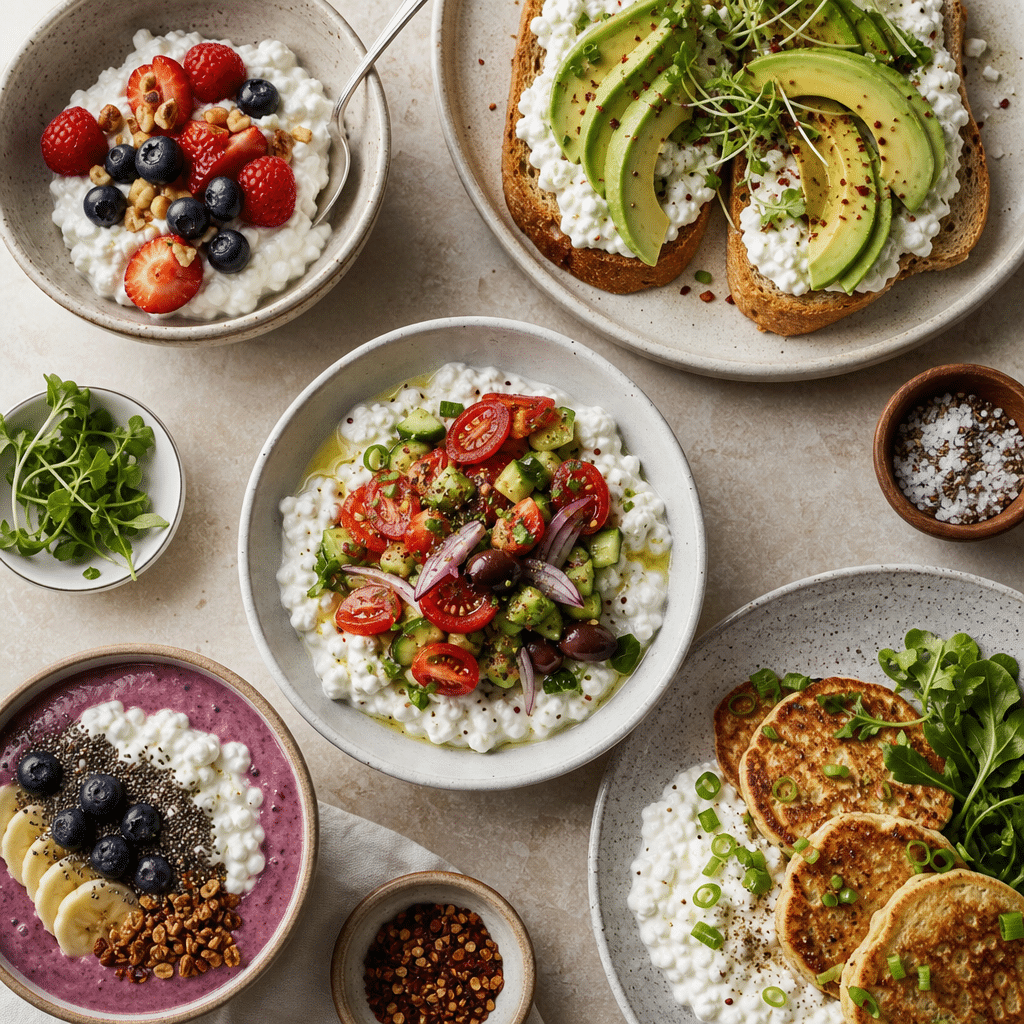
There is a reason cottage cheese has quietly become one of the most talked-about ingredients in American kitchens again. It is creamy, mild, endlessly versatile, and packed with protein, which makes it the perfect base for both quick breakfasts and satisfying dinners.
Whether you remember it from your grandmother’s fridge or you just discovered it on social media last week, cottage cheese recipes are having a real moment right now. This guide walks you through everything from picking the right tub at the store to whipping up a batch of fluffy pancakes that taste nothing like diet food.
We will also cover nutrition basics, storage tips, and a few smart substitutions, so you leave this article ready to cook with confidence. Let’s dig in.
Cottage Cheese Recipes: The Ultimate Guide to Creamy, Protein-Packed Meals
Course: Uncategorized4
servings30
minutes40
minutes300
kcalIngredients
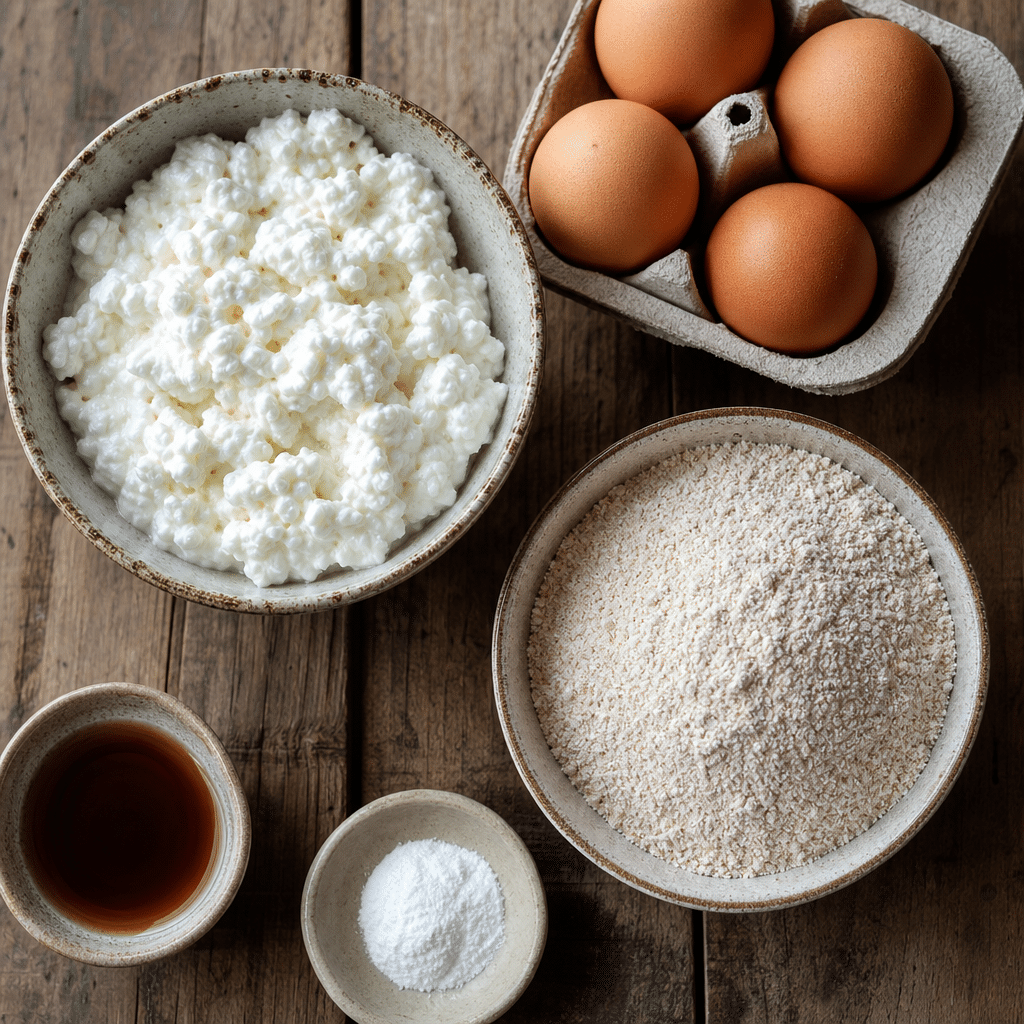
1 cup small curd cottage cheese, well drained
4 large eggs
1/2 cup rolled oats, blended into a fine flour
1 teaspoon baking powder
1/2 teaspoon vanilla extract
1 pinch of fine salt
1 tablespoon butter or neutral oil, for the pan
Fresh berries, for topping
Pure maple syrup, for serving, optional
Directions
- In a blender, combine the cottage cheese, eggs, oat flour, baking powder, vanilla extract, and salt.
- Blend on medium speed for about 30 seconds, until the batter is smooth and slightly thick, scraping down the sides once if needed.
- Let the batter rest for 5 minutes so the oat flour can absorb some moisture and thicken slightly.
- Heat a nonstick skillet or griddle over medium-low heat and add a small amount of butter or oil, spreading it evenly.
- Pour about 1/4 cup of batter per pancake onto the hot surface, leaving space between each one.
- Cook for 2 to 3 minutes, until small bubbles form on the surface and the edges look set.
- Flip carefully and cook for another 2 minutes, until golden brown and cooked through.
- Repeat with the remaining batter, adding a little more butter or oil to the pan as needed.
- Serve warm, topped with fresh berries and a drizzle of maple syrup if desired.
What Is Cottage Cheese, Exactly?
Cottage cheese is a fresh, unaged cheese made from curdled milk that has been drained but not pressed, leaving behind soft, loose curds suspended in a light, creamy liquid. Unlike ricotta or cream cheese, it keeps a slightly chunky texture, which is part of its charm once you get used to it.
Because it is not aged or heavily processed, cottage cheese has a mild, faintly tangy flavor that plays well with both sweet and savory ingredients. That flexibility is exactly why so many cottage cheese recipes span the entire menu, from breakfast bowls to dinner casseroles.
A Quick Look At Its Cultural Roots
Cottage cheese earned its name because it was traditionally made in small home kitchens, or cottages, using leftover milk that would otherwise go to waste. Eastern European and Central European households have long relied on similar fresh curd cheeses, from Polish tw
drog to German Quark, often folding them into dumplings, pancakes, or simple spreads.
In the United States, cottage cheese became a diet-food staple in the mid-20th century, often served plain with canned fruit. Today’s cooks are rediscovering it as a genuinely delicious ingredient rather than just a health-food obligation, which has sparked a huge wave of creative cottage cheese recipes online.
How Cottage Cheese Differs From Other Fresh Cheeses
Ricotta is smoother and slightly sweeter, while cream cheese is dense and spreadable with a much higher fat content. Cottage cheese sits in its own lane thanks to its loose curds and lighter, almost watery texture.
This difference matters when you are cooking, since cottage cheese blends into smooth batters or sauces beautifully when pureed, but it also holds its shape nicely when simply spooned over toast or into a bowl.
Why Cottage Cheese Belongs In Your Weekly Rotation
Beyond its versatility, cottage cheese has earned a permanent spot in many households because it delivers real nutritional value without much fuss. A single cup can carry as much protein as a chicken breast, all while staying budget-friendly and quick to prepare.
That combination of convenience and nutrition is exactly why so many high-protein cottage cheese recipes have exploded in popularity among busy families, athletes, and anyone trying to eat a little better without overhauling their entire diet.
The Nutrition Breakdown
A typical cup of low-fat cottage cheese contains roughly 25 to 28 grams of protein, around 6 to 8 grams of fat, and just 6 to 8 grams of carbohydrates, depending on the brand. Calorie counts usually land between 180 and 220 per cup, making it remarkably efficient for the nutrition it provides.
It is also a solid source of calcium, phosphorus, selenium, and B vitamins, particularly B12, which supports energy metabolism. These numbers explain why cottage cheese shows up so often in meal plans built around macronutrient balance rather than just calorie counting.
High-Protein Benefits For Everyday Energy
Protein helps keep you full longer, supports muscle repair, and steadies blood sugar throughout the day, which is exactly why cottage cheese recipes are a favorite among people trying to curb mid-afternoon snacking. Because the protein in cottage cheese, primarily casein, digests slowly, it can also make a smart bedtime snack for sustained overnight nourishment.
Athletes and casual gym-goers alike appreciate how easily it fits into a high-protein lifestyle without requiring powders or supplements, just real, simple food.
How To Choose Quality Cottage Cheese At The Store
Not all tubs on the shelf are created equal, and picking the right one can make a noticeable difference in your finished dish. A few small details on the label and inside the container will tell you almost everything you need to know.
Curd Size And Texture
Cottage cheese typically comes in small curd or large curd varieties, and the choice mostly comes down to personal preference and how you plan to use it. Small curd tends to blend more smoothly into batters and dips, while large curd holds up better when eaten on its own or scooped over salads.
Look for curds that appear plump and glossy rather than watery or broken down, since that usually signals a fresher product with better texture.
Reading The Label Like A Pro
Check the ingredient list for a short, recognizable roster: milk, cream, salt, and a few live cultures should be enough. Extra stabilizers like gums or modified starches are not harmful, but they can make the texture gummier than you might want in delicate recipes.
Full-fat, low-fat, and fat-free versions all work in cooking, though full-fat generally gives the richest flavor and creamiest results in baked cottage cheese recipes.
Easy Cottage Cheese Recipes For Breakfast
Mornings are where cottage cheese truly shines, since its protein content helps you stay satisfied until lunch without a heavy, greasy start to the day. Simply stirring it into oatmeal or yogurt bowls is an easy entry point if you are new to cooking with it.
For something more exciting, try blending cottage cheese into a smoothie for extra creaminess and protein, similar to the approach used in our High Fiber Smoothie Recipe, where fiber-rich ingredients combine with a protein boost for a truly filling breakfast.
Baking is another wonderful direction. Folding pureed cottage cheese into muffin batter adds moisture and protein without any strange aftertaste, a trick that pairs nicely with the wholesome approach found in our High Fiber Muffins Recipe.
Whipped cottage cheese toast, topped with honey, everything bagel seasoning, or fresh berries, has also become a favorite among home cooks looking for quick cottage cheese recipes that still feel a little indulgent.
Satisfying Cottage Cheese Recipes For Lunch And Dinner
Cottage cheese is not just a breakfast ingredient; it works beautifully in savory dishes too. Stirring it into scrambled eggs adds creaminess and extra protein without needing additional cheese or cream.
It also makes an excellent substitute for ricotta in baked pasta dishes, lasagna, and stuffed shells, giving you a lighter but still rich result. Blended smooth with garlic, herbs, and a splash of olive oil, cottage cheese transforms into a fantastic dip or sandwich spread that rivals any store-bought version.
For a heartier dinner option, try folding cottage cheese into a grain bowl alongside roasted vegetables and a protein source, an approach that echoes the balanced, protein-forward style of our High Protein Chicken Bowl. The mild flavor of cottage cheese lets bold seasonings like garlic powder, smoked paprika, or fresh herbs really stand out.
These savory cottage cheese recipes prove that this humble ingredient deserves a permanent place well beyond the breakfast table.
Our Favorite Cottage Cheese Recipe: Fluffy Cottage Cheese Pancakes
If you only try one recipe from this guide, make it this one. Blending cottage cheese directly into pancake batter creates an unbelievably light, fluffy texture while quietly boosting the protein content of each bite.
These pancakes brown beautifully, hold their shape on the griddle, and taste rich enough that no one will guess they are secretly a smart, protein-packed breakfast. Serve them with fresh berries and a drizzle of maple syrup for a weekend treat that still feels wholesome.
Storage And Food Safety Tips
Cottage cheese is a fresh dairy product, so it deserves a little extra care once it is opened. Always keep it tightly sealed and stored toward the back of the refrigerator, where temperatures stay coldest and most consistent.
Most tubs stay fresh for five to seven days after opening, though you should always trust your nose and eyes over the printed date. Any sour smell beyond the usual light tang, visible mold, or a watery separation that will not stir back together are all signs it is time to toss it.
If you are prepping cottage cheese recipes in advance, store baked dishes in airtight containers and reheat gently to avoid drying out the curds. Freezing is possible for cooked dishes, but raw cottage cheese tends to become grainy once thawed, so it is best used fresh whenever possible.
Simple Substitutions For Dietary Needs
Cottage cheese is naturally gluten-free, but it is worth double-checking labels on flavored varieties, since some add-ins can sneak in gluten-containing thickeners. For a lactose-friendly option, look for lactose-free cottage cheese, which is now widely available at most major grocery chains.
Those avoiding dairy altogether can experiment with blended silken tofu or almond-based ricotta alternatives in recipes that call for pureed cottage cheese, though the flavor and protein content will differ noticeably. If you are simply trying to cut sodium, seek out no-salt-added versions, which work just as well in both sweet and savory cottage cheese recipes.
Make-Ahead And Meal Prep Strategies
Cottage cheese is a meal-prepper’s secret weapon because it requires zero cooking on its own and pairs with almost anything already in your fridge. Portion it into small containers alongside fruit, nuts, or granola for grab-and-go breakfasts that last the whole week.
For lunches, whip a batch of cottage cheese dip on Sunday and store it in the refrigerator for easy pairing with cut vegetables or crackers throughout the week. Batches of baked cottage cheese recipes, like casseroles or muffins, also reheat well, making them ideal candidates for Sunday cooking sessions that set you up for busy weekdays ahead.
FAQ
Can I Eat Cottage Cheese Every Day?
Yes, cottage cheese is safe to eat daily for most people due to its high protein and calcium content. Monitor sodium intake if sensitive to salt, and consider rotating in no-salt-added varieties.
Why Do Cottage Cheese Recipes Sometimes Taste Watery?
Excess whey liquid in the cottage cheese causes a watery taste. Strain it through a fine sieve for a few minutes before using in your recipe to fix this.
Is Cottage Cheese Good For Weight Loss?
Yes. Its high protein and low calorie content promote fullness and satiety. Pair it with fiber-rich foods like fruit or whole grains for even more satisfying meals.
Can I Freeze Cottage Cheese?
Raw cottage cheese doesn’t freeze well—curds become grainy and watery when thawed. However, baked dishes like casseroles and muffins made with cottage cheese freeze and reheat nicely.
What Is The Best Cottage Cheese For Baking?
Small curd, full-fat cottage cheese blends smoothest and delivers the richest flavor in baked goods. Briefly blend before mixing for a silkier batter without lumps.
Loved this recipe? Follow along and save your favorites on Pinterest for more delicious ideas!