
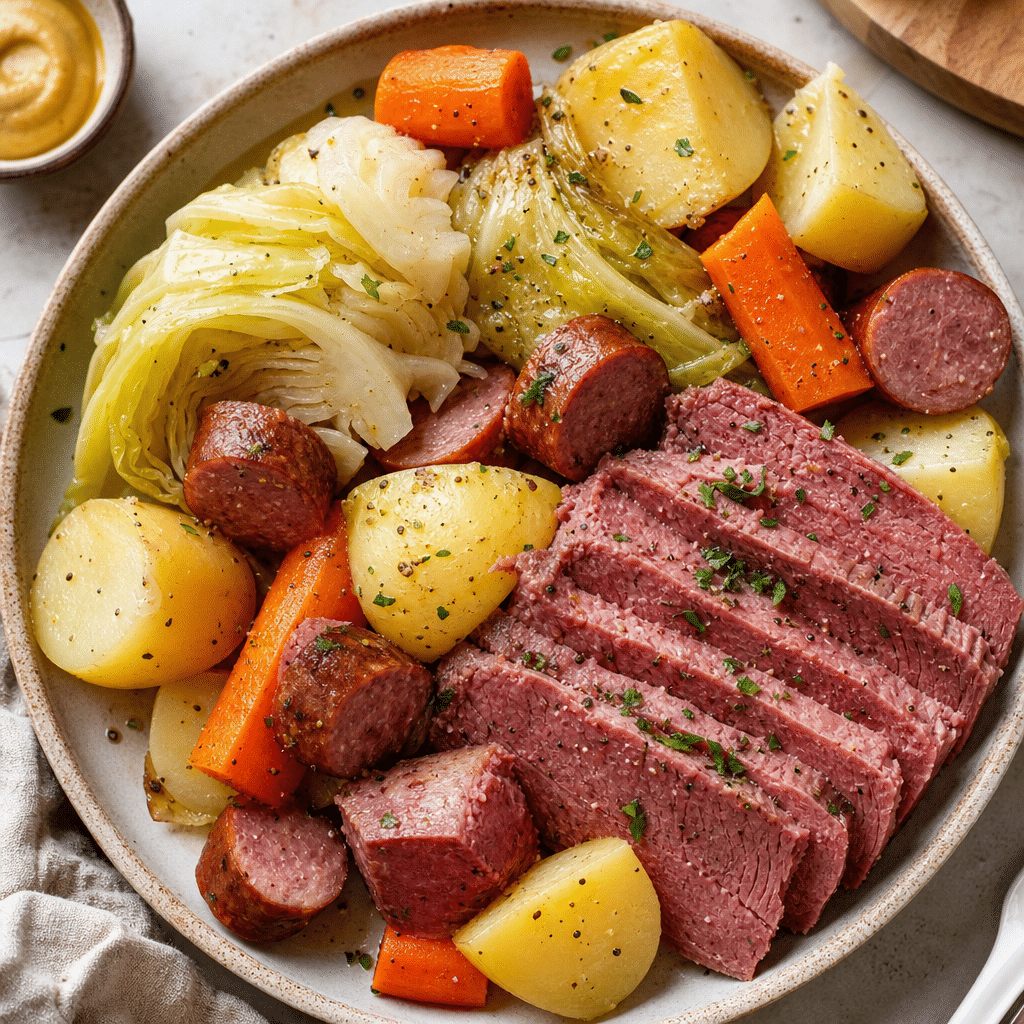
There is something quietly magical about a good cabbage boil. It is one of those dishes that never shows up on a fancy restaurant menu, yet it has fed families for generations across kitchens all over America. A classic cabbage boil takes a humble, budget-friendly vegetable and turns it into something warm, tender, and deeply satisfying with just a handful of ingredients. Whether you grew up watching a pot of cabbage simmer away on the stove or you are discovering this comfort food for the first time, this guide will walk you through everything you need to know.
We will cover the ingredients, the step-by-step method, common mistakes to avoid, and even how a cabbage boil compares to other cooking techniques like sautéing or roasting. If you love cabbage in general, you might also enjoy browsing The Ultimate Guide to Cabbage Recipes: Salads, Soups, Sides, and More for even more ways to put this versatile vegetable to work in your kitchen.
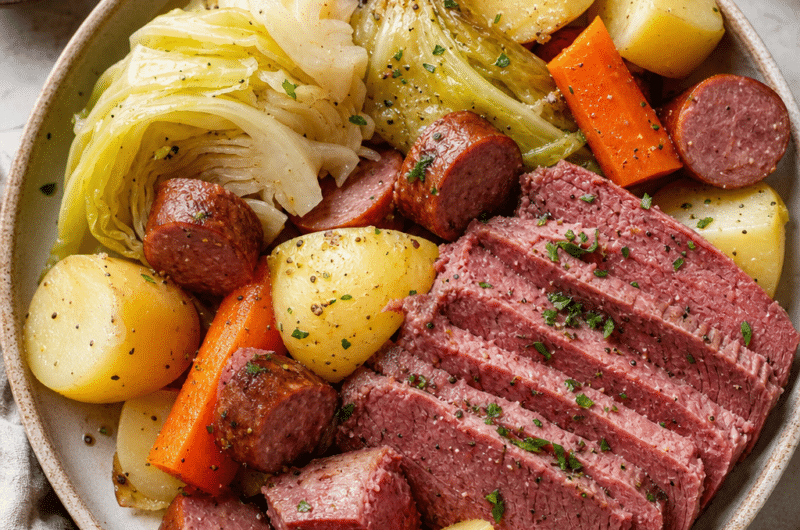
The Ultimate Cabbage Boil: A Simple, Comforting Recipe You’ll Make Again and Again
Course: Dinner4
servings30
minutes40
minutes300
kcalIngredients
1 large head of green cabbage, cut into 6-8 wedges
4 cups chicken or vegetable broth
3 tablespoons unsalted butter
1 tablespoon olive oil
4 cloves garlic, smashed
1 small yellow onion, quartered
1 bay leaf
1 1/2 teaspoons salt, plus more to taste
1/2 teaspoon freshly cracked black pepper, plus more to taste
1 cup diced smoked sausage or ham (optional)
1 tablespoon apple cider vinegar (optional)
Directions
- In a large pot or Dutch oven, combine the broth, garlic, onion, and bay leaf. Bring to a gentle boil over medium-high heat.
- Reduce the heat to a simmer and stir in the olive oil, half the butter, salt, and pepper.
- Carefully add the cabbage wedges to the pot, making sure they are mostly submerged in the broth. If using smoked sausage or ham, add it now.
- Cover the pot and let the cabbage boil gently for 20 to 25 minutes, checking at the 18-minute mark for tenderness.
- Once the cabbage is fork-tender, taste the broth and adjust the salt and pepper as needed.
- Stir in the remaining butter and, if desired, the apple cider vinegar for brightness.
- Use tongs to carefully transfer the cabbage wedges to a serving platter, then ladle a bit of the flavorful broth over the top before serving.
What Is A Cabbage Boil, Exactly?
A cabbage boil is exactly what it sounds like: cabbage wedges or whole leaves simmered gently in liquid until they turn soft, silky, and full of flavor. It is one of the oldest and most straightforward cooking methods for this vegetable, and it remains popular precisely because it requires so little effort for so much payoff.
Unlike a quick sauté, a cabbage boil allows the vegetable to slowly absorb whatever seasonings, broth, or aromatics are in the pot. That slow process is what gives boiled cabbage its signature melt-in-your-mouth texture.
Many American households associate a cabbage boil with holiday tables, especially around St. Patrick’s Day, when corned beef and cabbage becomes the star of the meal. But a simple cabbage boil deserves a spot on your dinner rotation any time of year, not just for special occasions.
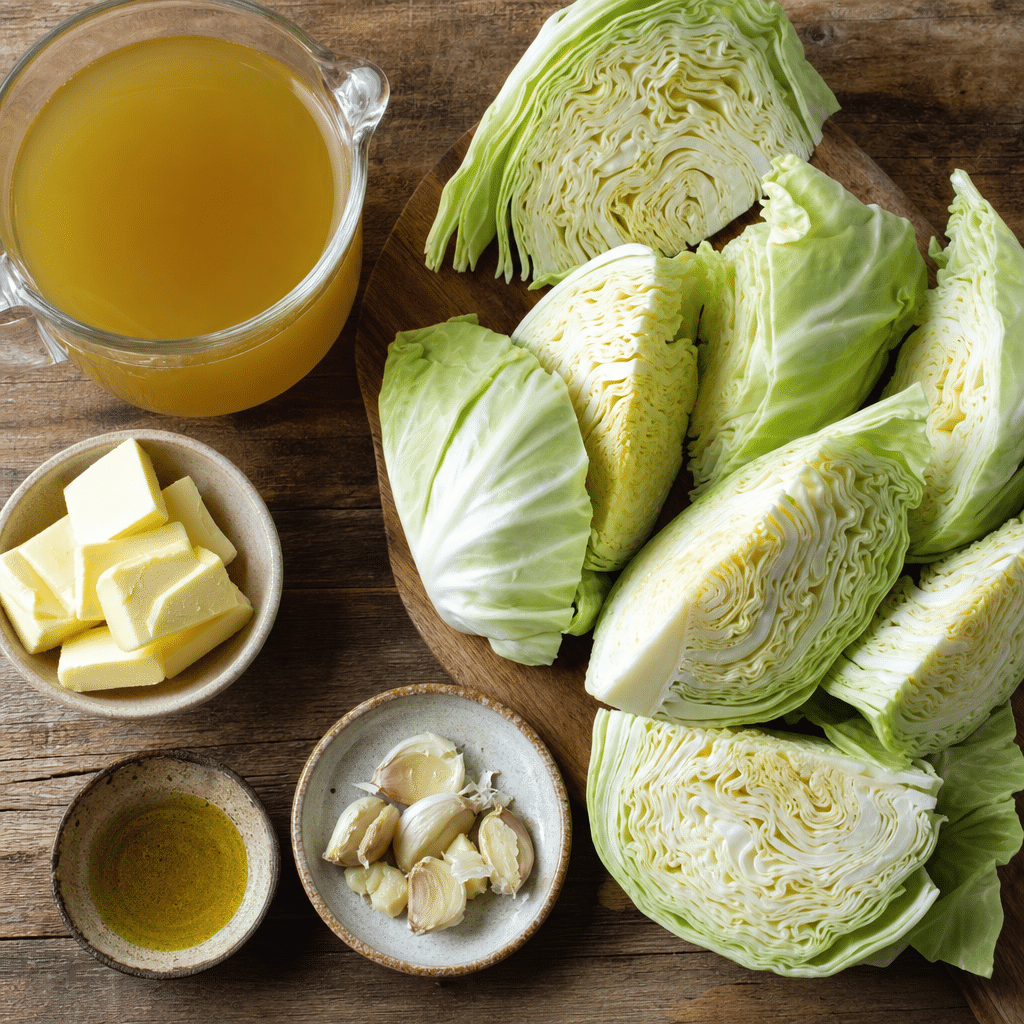
Ingredients For The Perfect Cabbage Boil
The beauty of a cabbage boil lies in its simplicity. You do not need a long grocery list to make something delicious. Below is what you will need for a classic, crowd-pleasing version of this dish.
Core Ingredients
You will need one large head of green cabbage, cut into wedges, along with butter and a splash of olive oil for richness. Salt and freshly cracked black pepper are essential for seasoning throughout the cooking process, not just at the end.
Garlic and onion add depth, while a good broth, either chicken or vegetable, gives the cabbage boil far more character than plain water ever could. A bay leaf tossed into the pot rounds out the aroma beautifully.
Optional Add-Ins
Many cooks like to add smoked sausage, diced ham, or bacon to their cabbage boil for extra smokiness and protein. Carrots and small red potatoes are also common additions that turn this side dish into a heartier one-pot meal.
If you enjoy a tangy edge, a splash of apple cider vinegar or even a bit of white wine stirred into the broth can brighten the whole pot.
Step-by-Step: How To Cook A Cabbage Boil
Cooking a cabbage boil is forgiving and hard to mess up, but a few careful steps will make the difference between a good pot and a truly great one.
First, bring your broth to a gentle boil in a large pot, then reduce it to a simmer. Add the garlic, onion, and bay leaf so they have time to infuse the liquid before the cabbage goes in.
Next, nestle the cabbage wedges into the pot, making sure they are mostly submerged. Season generously with salt and pepper right away, since cabbage needs seasoning early to really soak it up.
Cover the pot and let everything simmer for about 20 to 25 minutes, or until the cabbage is fork-tender but not falling apart. Finish with a pat of butter stirred through the pot just before serving for a glossy, rich finish.
Tips For The Best Cabbage Boil
A few small adjustments can take your cabbage boil from ordinary to unforgettable. These tried-and-true tricks come from home cooks who have made this dish countless times.
Getting The Salt And Pepper Right
Season your broth before the cabbage goes in, then taste and adjust again halfway through cooking. Cabbage has a naturally mild flavor, so it relies heavily on well-seasoned liquid to taste its best.
Freshly cracked black pepper makes a noticeable difference compared to pre-ground pepper, so it is worth the extra thirty seconds with a pepper mill.
Common Mistakes To Avoid
One of the biggest mistakes people make with a cabbage boil is walking away and forgetting about the pot, which leads to mushy, waterlogged wedges. Keep an eye on the clock and check for tenderness starting around the eighteen-minute mark.
Another common error is using plain water instead of broth. While water will technically cook the cabbage, it leaves the final dish tasting flat and one-dimensional.
Finally, avoid overcrowding the pot. If the cabbage wedges are packed too tightly, they cook unevenly, and some pieces end up firmer than others.
Variations And Substitutions
Once you have mastered the basic cabbage boil, it is fun to experiment with different flavor directions depending on your mood or what is in your pantry.
International Flavor Profiles
In German-inspired kitchens, a cabbage boil often includes caraway seeds and a touch of vinegar for a tangy, slightly sweet profile similar to braised red cabbage. Irish-style versions lean into butter, potatoes, and cured meats like bacon or ham.
In some Southern kitchens, a cabbage boil gets a Cajun twist with smoked sausage, cayenne, and a splash of hot sauce stirred in at the end for extra kick.
Wine And Vinegar Variations
Swapping a portion of the broth for dry white wine adds a subtle acidity that cuts through the richness of butter and pork. Alternatively, a tablespoon or two of apple cider vinegar added near the end of cooking brightens the entire dish without overpowering it.
If you are pairing your cabbage boil with something rich like a slow-cooked roast, consider checking out Best Ways to Make a Succulent Pot Roast: 5 Delicious Recipes for inspiration on what to serve alongside it.
Boiling Vs. Sautéing Vs. Roasting: Which Method Wins?
Boiling is not the only way to cook cabbage, and it is worth understanding how it compares to other popular methods. Each technique brings out a different side of this humble vegetable.
A cabbage boil produces soft, tender leaves that soak up whatever broth and seasonings surround them, making it ideal for hearty, comforting meals. Sautéing, on the other hand, keeps more bite and caramelizes the natural sugars in the cabbage, giving it a slightly sweeter, firmer texture.
Roasting cabbage in the oven creates crispy, charred edges that many people love as a modern twist, but it takes longer and requires more attention than a simple stovetop cabbage boil. If you want maximum flavor with minimal effort, boiling remains the most forgiving and reliable method, especially for weeknight cooking.
Serving Suggestions
A classic cabbage boil pairs beautifully with rich, savory proteins that balance its mild sweetness. Corned beef is the most traditional pairing, but it is far from the only option.
Sliced Best Beef Brisket Recipe: How to Perfectly Cook a Juicy Brisket Every Time makes an incredible partner for a cabbage boil, especially when both are seasoned with plenty of salt, pepper, and garlic. The tender brisket and the soft cabbage create a satisfying contrast of textures on the plate.
For a lighter option, serve your cabbage boil alongside grilled chicken or baked fish, letting the vegetable act as a comforting, low-calorie side. A crusty piece of bread is always welcome for soaking up any leftover broth.
Storage And Meal Prep Tips
Cabbage boil leftovers store surprisingly well, which makes this dish a smart choice for meal prep. Once cooled, transfer the cabbage and any remaining broth into an airtight container and refrigerate for up to four days.
When reheating, add a splash of extra broth or water to the pot since cabbage tends to absorb liquid as it sits. Gently warm it over low heat rather than the microwave, if possible, to preserve the texture.
For longer storage, a cabbage boil can be frozen for up to two months, though the texture will soften further upon thawing. This makes frozen portions best suited for soups or stews rather than serving on their own as a side dish.
Nutrition And Health Benefits
Cabbage is one of the most nutrient-dense, low-calorie vegetables you can cook with, which makes a cabbage boil an easy way to add real nutrition to your table without much effort. A single cup of cooked cabbage contains significant amounts of vitamin C and vitamin K, along with a healthy dose of fiber.
Because a cabbage boil uses minimal added fat compared to frying or heavy sautéing, it remains one of the lighter ways to enjoy this vegetable while still getting plenty of flavor. The broth-based cooking liquid also means fewer calories overall compared to cream-based cabbage dishes.
For those watching sodium intake, using low-sodium broth and adjusting the salt to taste allows you to keep this dish heart-healthy without sacrificing flavor.
Budget-Friendly Cooking Tips
Few vegetables offer as much value for the price as cabbage does, making a cabbage boil one of the most economical dishes you can put on the table. A single large head typically costs just a couple of dollars and can feed a family of four or more.
Buying cabbage in season, usually late fall through early spring, often means even lower prices and better flavor. Pairing your cabbage boil with inexpensive proteins like sausage or ham keeps the entire meal well within a tight grocery budget.
Leftover broth from the pot can also be repurposed as a base for soup the next day, stretching your ingredients even further and reducing food waste.
Equipment You’ll Need
You do not need any specialized tools to make a great cabbage boil. A large stockpot or Dutch oven with a tight-fitting lid is really all that is required to get started.
A sharp chef’s knife makes cutting the cabbage into even wedges much easier, and a pair of tongs helps you gently remove the delicate wedges from the pot once they are done without tearing them apart.
If you frequently make this dish, a splatter-resistant lid or a pot with a built-in strainer basket can simplify draining, though neither is strictly necessary for success.
FAQ
How Long Should You Boil Cabbage For A Cabbage Boil?
Boil cabbage wedges at a gentle simmer for 20 to 25 minutes until fork-tender. Check around 18 minutes to avoid overcooking, as cabbage turns mushy quickly.
Should I Boil Cabbage Whole Or Cut Into Wedges?
Cut cabbage into wedges for even cooking. Whole heads take much longer and cook unevenly between outer and inner leaves.
Can I Make A Cabbage Boil Ahead Of Time?
Yes. Make it 1 to 2 days ahead and store in the refrigerator with cooking broth. Reheat gently on the stovetop with extra liquid to restore moisture.
What Is The Best Liquid To Use For Boiling Cabbage?
Use chicken or vegetable broth instead of water for better flavor. Add white wine or apple cider vinegar for extra depth.
Why Does My Boiled Cabbage Taste Bland?
Season the cooking liquid generously with salt and pepper from the start. Use broth instead of water, and add garlic, onion, or smoked meat for depth.
Loved this recipe? Follow along and save your favorites on Pinterest for more delicious ideas!