
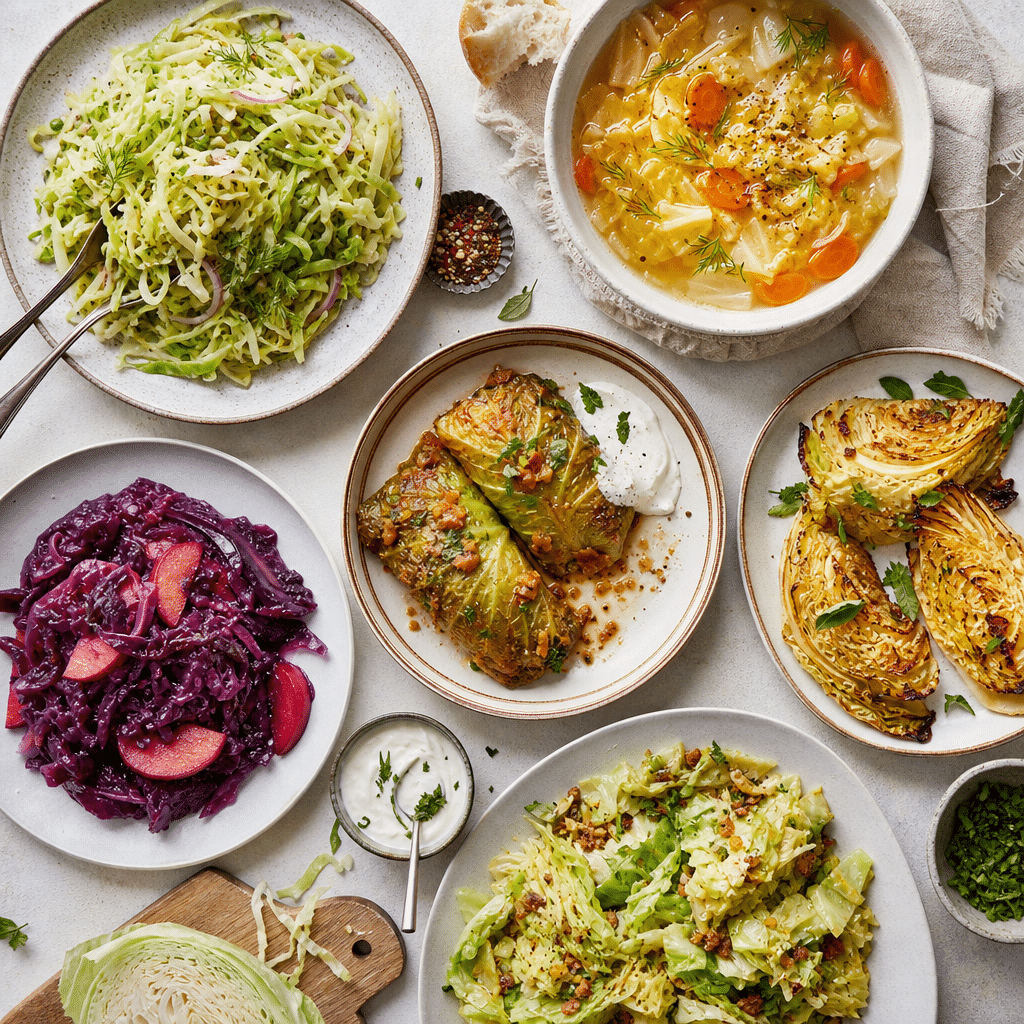
Cabbage might be one of the most underrated vegetables in the American kitchen, but once you start exploring cabbage recipes, you’ll wonder why it isn’t on your weekly menu already. This humble, budget-friendly vegetable is endlessly versatile: it can be shredded raw into a crisp slaw, simmered into a comforting soup, roasted until caramelized at the edges, or turned into a hearty main dish that fills up the whole family without emptying your wallet.
Whether you’re looking for a quick weeknight side or a show-stopping cabbage steak dinner, this guide covers it all, including a step-by-step recipe for a Southern-inspired skillet braised cabbage that’s become a staple in our own kitchen. If you love pairing cabbage with ground beef, don’t miss our How to Make the Best Cabbage and Ground Beef Recipe in 30 Minutes, a genuine weeknight lifesaver. Let’s dig into why cabbage deserves a permanent spot in your produce drawer, how to pick and store it, and every delicious way to cook it.
The Ultimate Guide to Cabbage Recipes: Salads, Soups, Sides, and More
Course: Dinner4
servings30
minutes40
minutes300
kcalIngredients
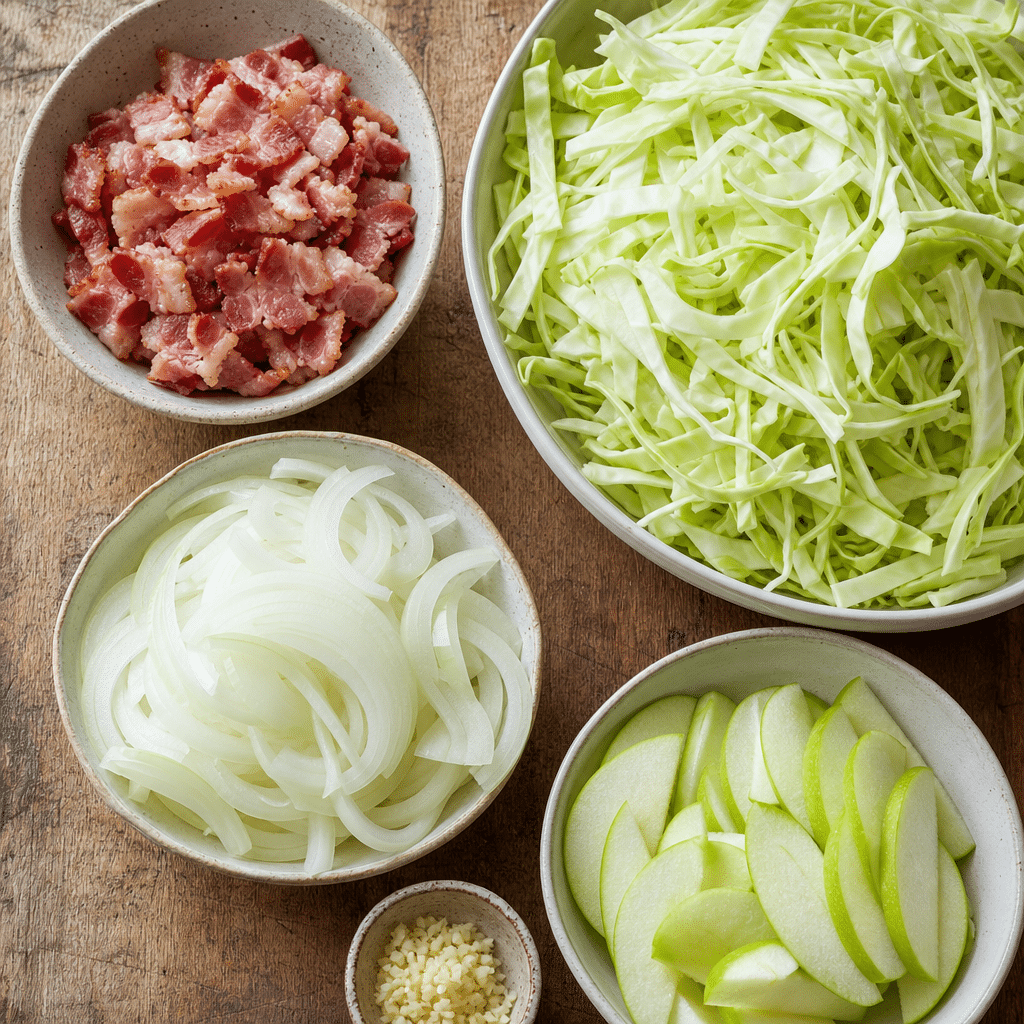
6 slices bacon, chopped
1 medium yellow onion, thinly sliced
1 medium head green cabbage (about 2 pounds), cored and thinly sliced
1 Granny Smith apple, cored and thinly sliced
3 cloves garlic, minced
1/4 cup apple cider vinegar
2 tablespoons brown sugar
1/2 teaspoon caraway seeds (optional)
1 teaspoon salt, plus more to taste
1/2 teaspoon black pepper
1/4 teaspoon red pepper flakes (optional)
2 tablespoons fresh parsley, chopped, for garnish
Directions
- In a large, deep skillet or Dutch oven, cook the chopped bacon over medium heat until crispy, about 6 to 8 minutes. Remove the bacon with a slotted spoon and set aside, leaving the rendered fat in the pan.
- Add the sliced onion to the bacon fat and cook for 3 to 4 minutes until softened and lightly golden.
- Stir in the garlic and cook for another 30 seconds until fragrant.
- Add the sliced cabbage to the skillet in batches, tossing to coat it in the fat and stirring until it begins to wilt down, about 4 to 5 minutes.
- Add the sliced apple, apple cider vinegar, brown sugar, caraway seeds, salt, and pepper. Stir well to combine.
- Reduce the heat to low, cover the skillet, and let the cabbage braise for 15 to 18 minutes, stirring occasionally, until it’s tender but still has a slight bite.
- Taste and adjust the seasoning with more salt, pepper, or a splash of vinegar if needed.
- Stir the reserved crispy bacon back into the skillet, sprinkle with red pepper flakes if using, and garnish with fresh parsley before serving warm.
Why Cabbage Deserves A Spot On Your Plate
Cabbage is one of the most nutrient-dense vegetables you can buy for just a couple of dollars. A single cup of raw shredded cabbage delivers a solid dose of vitamin C, vitamin K, and fiber, all for under 25 calories. That fiber content is a big deal: it supports digestion, helps you feel full longer, and can play a role in maintaining healthy cholesterol levels. Cabbage also contains a group of compounds called glucosinolates, which are found in cruciferous vegetables like broccoli and Brussels sprouts and have been studied for their potential role in supporting the body’s natural detoxification processes. Beyond the nutrition facts, cabbage is incredibly forgiving in the kitchen.
It holds up well to long cooking times without turning to mush, it takes on flavor beautifully from spices, vinegar, and smoky proteins like bacon or sausage, and it stores far longer in the fridge than most leafy greens. For anyone trying to eat more vegetables on a budget, cabbage recipes are an easy win: a single head can stretch across several meals, from a big batch of slaw to a pot of soup to a skillet side dish.
Choosing And Storing Cabbage The Right Way
Not all cabbage is created equal, and knowing which type to reach for can make a real difference in your final dish. Understanding a few basics about seasonality and storage will also help you get the most out of every head you bring home.
Types Of Cabbage To Know
Green cabbage is the most common variety in American grocery stores and works well in almost everything, from slaws to soups to sautés. Red cabbage has a slightly peppery bite and holds its vibrant color beautifully in pickles and salads. Savoy cabbage has crinkled, tender leaves that are ideal for stuffing or braising because they soften quickly and absorb flavor well. Napa cabbage, with its elongated shape and delicate leaves, is the star of Asian-style slaws and quick stir-fries.
Cabbage is technically available year-round thanks to modern storage and shipping, but it’s at its sweetest and crispest in the cooler months of fall and winter, which is exactly why so many comforting cabbage recipes show up on menus once the weather turns chilly.
How To Store Cabbage For Maximum Freshness
Whole, unwashed cabbage heads are remarkably long-lasting when stored properly. Wrap the head loosely in a plastic bag and keep it in the crisper drawer of your refrigerator, where it can stay fresh for two to three weeks, sometimes longer for a tightly packed green cabbage. Once you cut into a head, wrap the remaining portion tightly in plastic wrap or place it in an airtight container to slow moisture loss, and try to use it within five to seven days. If you notice the outer leaves starting to look wilted or discolored, simply peel them away; the inner leaves are often perfectly fine underneath.
Fresh Cabbage Salads And Slaws
Raw cabbage salads are probably the most popular way Americans enjoy this vegetable, and for good reason: shredded cabbage brings a satisfying crunch and a mild, slightly sweet flavor that pairs with almost any dressing. A classic creamy coleslaw made with mayonnaise, vinegar, and a touch of sugar is the quintessential picnic side, but don’t stop there. Try tossing shredded green and red cabbage with a bright vinaigrette, toasted nuts, and dried cranberries for a fall-friendy salad, or lean into bold, tangy flavors with a sesame-ginger dressing for an Asian-inspired slaw.
If you’re craving something a little different, our Best Mango Slaw Recipe: How to Make Delicious Mango Slaw in 5 Easy Steps combines crisp cabbage with juicy mango for a sweet-and-tangy side that’s perfect alongside grilled meats. For another crunchy, colorful pairing that works beautifully next to a cabbage-based main dish, check out our How to Make the Best Healthy Asian Carrot Salad in 20 Minutes, which shares the same light, refreshing spirit as a good cabbage slaw.
Comforting Cabbage Soups
When temperatures drop, cabbage soup recipes become an absolute staple. A classic Eastern European-style cabbage soup, simmered with tomatoes, caraway seeds, and sometimes a bit of smoked sausage or ground beef, is filling, low-cost, and endlessly customizable. Cabbage also shines in lighter vegetable soups, where it adds body and a subtle sweetness as it softens, or in hearty American-style ham and cabbage soup that makes great use of leftover holiday ham. The beauty of cabbage in soup is that it doesn’t fall apart the way spinach or kale might; it holds its texture through a long simmer, which makes it perfect for big-batch cooking and meals that taste even better the next day.
Cabbage Side Dishes: Sautéed, Roasted, And Cabbage Steaks
If you’ve never given cooked cabbage side dishes a real chance, this is where cabbage truly transforms. A few different techniques bring out completely different flavors and textures from the same humble vegetable.
Quick Sautéed Cabbage
Sautéed cabbage is one of the fastest, easiest side dishes you can make on a busy weeknight. Simply slice the cabbage thin, cook it in butter or bacon fat over medium-high heat until it’s tender with lightly browned edges, and season with salt, pepper, and a splash of vinegar to brighten everything up. The whole process takes about 15 minutes and pairs beautifully with roasted chicken, pork chops, or sausages.
Oven-Roasted Cabbage Wedges
Roasting cabbage in the oven brings out a deep, caramelized sweetness that raw or sautéed cabbage simply can’t match. Cut the head into thick wedges, brush generously with olive oil, season well, and roast at a high temperature until the edges turn crispy and golden brown. This method turns cabbage into something almost steak-like in texture, which brings us to the next favorite.
Cabbage Steaks
Cabbage steaks are exactly what they sound like: thick slices cut straight through the head, seasoned, and roasted or grilled until tender in the center with beautifully charred edges. They make a striking vegetarian main course or an impressive side dish, especially when topped with a drizzle of balsamic glaze, grated parmesan, or a sprinkle of crispy bacon bits.
Pickled Cabbage And Fermented Favorites
Pickled and fermented cabbage recipes bring a completely different dimension to this vegetable: tangy, salty, and packed with probiotics when fermented naturally. A quick refrigerator pickled cabbage, made by combining shredded cabbage with vinegar, sugar, and salt and letting it sit for a few hours, is a fantastic topping for tacos, sandwiches, and grain bowls. For a slower, more traditional approach, fermenting cabbage with just salt over the course of several days or weeks produces something closer to homemade sauerkraut, which is fantastic served alongside sausages or folded into a hearty sandwich.
Pickled red cabbage in particular is a beautiful addition to any table, both for its striking color and its bright, palate-cleansing flavor.
Hearty Cabbage Main Dishes
Cabbage isn’t just a side dish or a salad ingredient; it can absolutely be the backbone of a satisfying main course. Cabbage rolls, stuffed with a mixture of ground meat and rice and simmered in tomato sauce, are a beloved comfort food across many cultures, from Eastern European golabki to American-style stuffed cabbage casseroles. Unstuffed cabbage roll casserole, sometimes called lazy cabbage rolls, gives you all the same flavors in a fraction of the time by simply layering the ingredients together in one pot.
Cabbage also plays a starring role in skillet dinners, where it’s cooked down with ground beef, garlic, and seasonings for a one-pan meal that’s ready in well under 30 minutes. If that sounds appealing, our How to Make the Best Cabbage and Ground Beef Recipe in 30 Minutes is a reader favorite for exactly this kind of quick, satisfying dinner, and it’s a great entry point if you’re new to cooking with cabbage in main dishes.
Budget-Friendly, Quick Weeknight Cabbage Meals
One of the biggest reasons to keep cabbage on your grocery list is how far it stretches your food budget. A single head, often costing just a dollar or two, can be turned into multiple meals throughout the week. Shred half for a quick slaw to go with taco night, sauté a portion as a side for grilled chicken, and simmer the rest into a pot of soup for lunches later in the week.
Because cabbage cooks quickly once it’s sliced thin, most cabbage-based dinners come together in 20 to 30 minutes, making it an ideal ingredient for busy weeknights when you want something homemade without a long ingredient list or a lot of prep time. Pairing a simple sautéed or roasted cabbage side with a protein you already have on hand is one of the easiest ways to round out a meal without an extra grocery run.
Our Favorite Recipe: Skillet Braised Cabbage With Bacon And Apple
If you only try one cabbage recipe from this guide, make it this one. This skillet braised cabbage combines smoky bacon, sweet apple, and a touch of vinegar and brown sugar for a side dish that’s savory, slightly sweet, and completely irresistible. It comes together in one pan, making cleanup a breeze, and it’s hearty enough to serve as a light main dish over rice or mashed potatoes if you want to keep dinner extra simple.
FAQ
Is Cabbage Good For You?
Yes. Cabbage is low in calories, high in fiber, vitamin C, and vitamin K, with beneficial plant compounds supporting digestion and overall health.
How Long Does Cabbage Last In The Fridge?
A whole head lasts 2-3 weeks in the crisper wrapped loosely in plastic. Once cut, use within 5-7 days stored tightly wrapped.
What Is The Best Way To Cut Down On Cabbage’s Strong Smell While Cooking?
Cook quickly over moderate heat, add vinegar or lemon juice, and avoid overcooking to prevent sulfur compounds that cause odor.
Can I Freeze Cooked Cabbage Dishes?
Yes, soups, stews, and braised cabbage freeze well for up to 3 months. Raw slaws don’t freeze well as textures become watery.
What Proteins Pair Best With Cabbage Recipes?
Cabbage pairs well with bacon, sausage, ham, and ground beef for skillet dinners, or with roasted chicken, pork chops, and grilled fish.
Loved this recipe? Follow along and save your favorites on Pinterest for more delicious ideas!