
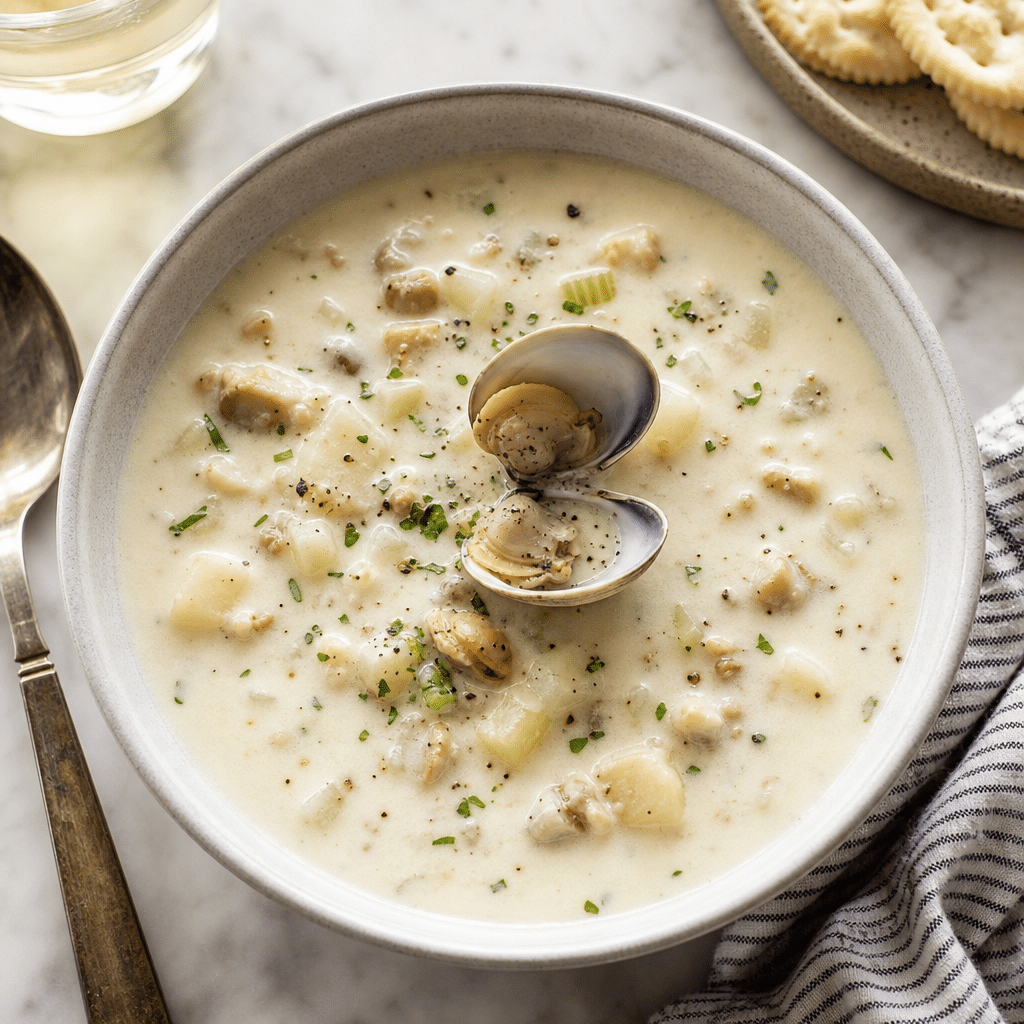
Few dishes capture the spirit of coastal American cooking quite like clam chowder. Thick, creamy, and studded with tender bits of clam and potato, it’s the kind of soup that turns a chilly evening into something worth savoring. Whether you grew up spooning it from a paper cup at a seaside shack or you’re just discovering it for the first time, clam chowder has a way of feeling both nostalgic and new. This guide goes beyond a simple recipe card. We’ll walk through the history of clam chowder, compare fresh and canned clams, break down the regional styles that spark friendly kitchen debates, and share the troubleshooting tricks that separate a forgettable bowl from a truly memorable one.
By the end, you’ll have everything you need to make chowder a regular fixture in your kitchen, from the classic New England version to your own creative spin.
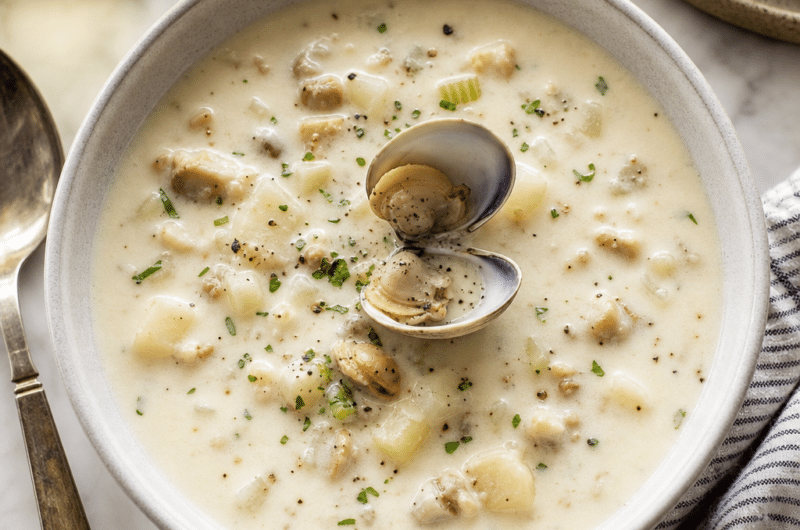
Clam Chowder 101: The Complete Guide to America’s Favorite Seafood Soup
Course: Dinner
4
servings
30
minutes
40
minutes
300
kcal
Ingredients
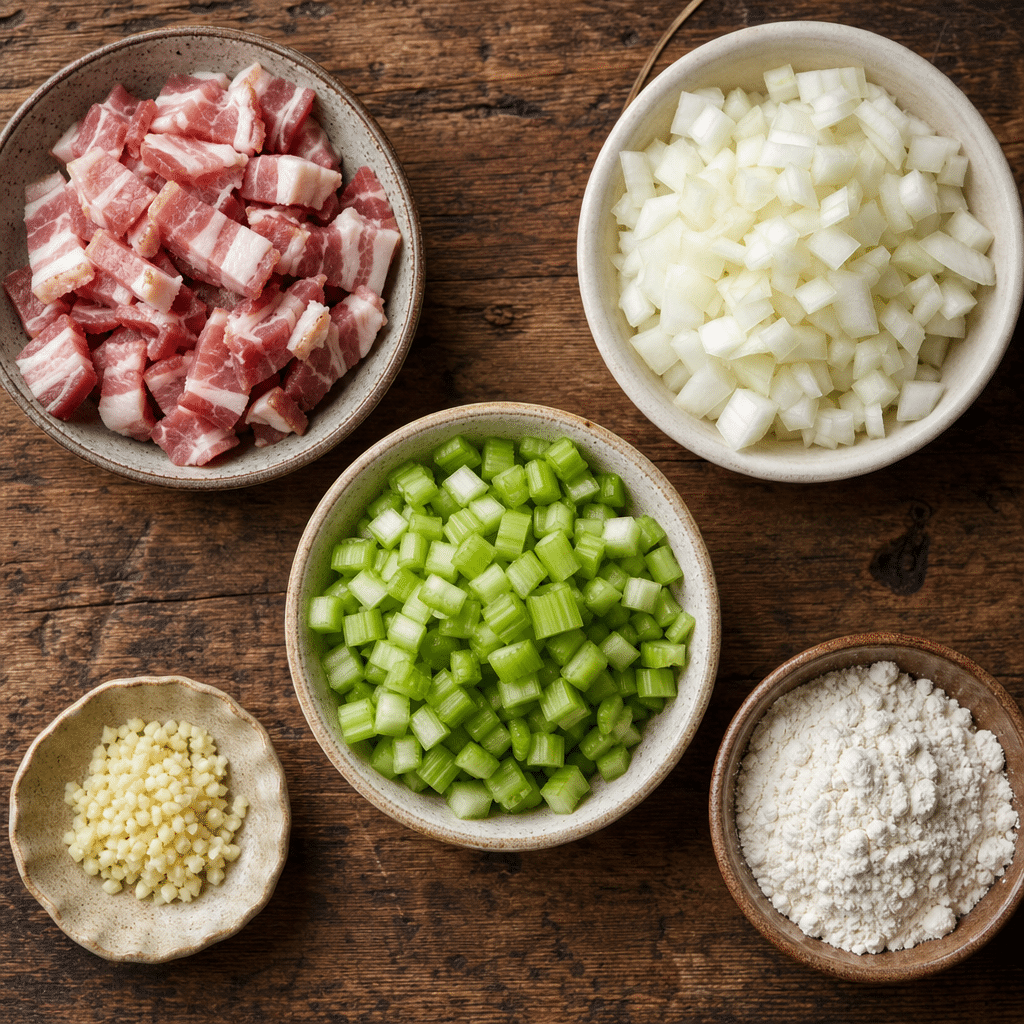
4 slices thick-cut bacon, diced
1 medium yellow onion, diced
2 celery stalks, diced
2 garlic cloves, minced
3 tablespoons all-purpose flour
2 cups clam juice (bottled, or reserved from fresh or canned clams)
1 1/2 pounds Yukon Gold potatoes, peeled and diced
2 cups chopped clams (fresh, steamed and chopped, or three 6.5 oz cans, juice reserved)
1 1/2 cups heavy cream
1 cup whole milk
2 tablespoons unsalted butter
1 bay leaf
1/2 teaspoon dried thyme
Salt and freshly ground black pepper, to taste
Fresh chopped parsley and oyster crackers, for serving
Directions
- In a large, heavy-bottomed pot or Dutch oven, cook the diced bacon over medium heat until crisp and golden, about 6-7 minutes. Remove the bacon with a slotted spoon and set aside, leaving the rendered fat in the pot.
- Add the butter to the pot along with the onion and celery. Cook over medium heat, stirring often, until softened, about 5 minutes. Add the garlic and cook for another 30 seconds.
- Sprinkle the flour over the vegetables and stir constantly for 2 minutes to cook out the raw flour taste and form a light roux.
- Slowly pour in the clam juice, whisking as you go to prevent lumps. Add the bay leaf and thyme, then bring the mixture to a gentle simmer.
- Add the diced potatoes and simmer uncovered for 12-15 minutes, or until the potatoes are just tender when pierced with a fork.
- Reduce the heat to low and stir in the heavy cream and whole milk. Warm through gently without letting the chowder come to a boil.
- Add the chopped clams and cooked bacon, then simmer for 3-5 minutes, just until the clams are heated through. Avoid overcooking, since clams turn rubbery quickly.
- Remove the bay leaf, then season the chowder with salt and pepper to taste.
- Ladle the finished clam chowder into bowls and top with fresh parsley and oyster crackers before serving.
A Brief History Of Clam Chowder
Clam chowder’s roots trace back to the coastal communities of New England, where fishermen and sailors combined salted pork, ship’s biscuit, onions, and whatever seafood was on hand into a hearty, warming stew. The word “chowder” is thought to come from the French “chaudière,” a large cauldron used for cooking over an open fire. By the mid-1800s, clam chowder had become a staple on the East Coast, showing up in cookbooks and restaurant menus from Boston to New York. Milk and cream entered the recipe sometime in the 19th century, transforming a rustic fisherman’s stew into the rich, comforting soup we recognize today. What’s fascinating is how the dish evolved differently depending on where it landed.
Tomatoes showed up in New York kitchens, herbs and clear broths took hold in Rhode Island, and Boston households leaned even further into cream. That regional divergence is part of why clam chowder remains such a beloved and debated dish more than a century later.
Fresh Vs Canned Clams: Which Should You Use?
One of the biggest questions home cooks face when making clam chowder is whether to use fresh or canned clams. Both have their place, and the right choice often depends on your schedule, your budget, and how close you live to the coast. Fresh clams, like littlenecks or cherrystones, deliver the sweetest, most delicate flavor. Steaming them yourself also gives you a flavorful broth that can be used as the base of your chowder instead of store-bought clam juice. The tradeoff is time: you’ll need to scrub, steam, shuck, and chop the clams before you even start building the soup. Canned clams are the practical workhorse of home cooking.
They’re widely available, shelf-stable, and consistent in texture, which makes them ideal for a weeknight pot of clam chowder. Look for chopped or minced clams packed in their own juice, and always reserve that liquid to use in place of some or all of the clam juice called for in a recipe. If sustainability matters to you, it’s worth checking where your clams were harvested. Many wild clam fisheries in the United States are well-managed, but choosing clams labeled as sustainably harvested, or opting for farmed varieties like Manila clams, is an easy way to support healthier coastal ecosystems while still enjoying a great bowl of chowder.
Regional Variations Of Clam Chowder
Ask five people from five different coastal towns what real clam chowder tastes like, and you’ll likely get five different answers. That’s part of the fun. Here’s a quick tour of the most well-known styles.
New England Clam Chowder
This is the version most people picture when they hear the word chowder: thick, creamy, and white, built on a base of butter, potatoes, and heavy cream. Bacon or salt pork adds smoky depth, and the texture should be spoonable but never gluey.
Manhattan Clam Chowder
Manhattan-style chowder swaps the cream for a tomato-based broth studded with vegetables like carrots and celery. It’s lighter and brighter, closer to a vegetable soup with clams than a rich cream soup, and it tends to divide purists who insist that only the New England version deserves the name.
Rhode Island Clam Chowder
Less famous but worth trying, Rhode Island-style clam chowder uses a clear broth instead of cream or tomato. It lets the briny flavor of the clams take center stage and is often seasoned simply with onion, potato, and black pepper.
Boston-Style Chowder
Often used interchangeably with New England chowder, Boston-style tends to be even thicker and creamier, sometimes finished with a pat of butter right before serving. It’s the version you’re most likely to find at old-school seafood shacks along the Massachusetts coast.
Ingredients You’ll Need
This recipe follows the classic New England approach, balancing smoky bacon, sweet clams, and a velvety cream base. Every ingredient plays a role, so it’s worth using good-quality bacon and real cream rather than substitutes.
Yukon Gold potatoes are the best choice here because they hold their shape while still turning creamy as they simmer. Waxy red potatoes work in a pinch, but starchy russets tend to fall apart and make the chowder grainy.
Step-by-Step Instructions
Making clam chowder from scratch isn’t complicated, but a few key steps make the difference between an average pot and a spectacular one. Take your time with the roux and don’t rush the simmer, and you’ll end up with a bowl that tastes like it came from a seaside restaurant.
Tips For The Best Clam Chowder
A great pot of clam chowder comes down to a handful of small decisions made along the way. These tips address the most common issues home cooks run into.
If Your Chowder Is Too Thin
This usually means the roux wasn’t cooked long enough or there wasn’t quite enough flour to start. Whisk a tablespoon of flour with a little cold milk until smooth, then stir it into the simmering chowder and cook for another five minutes to thicken.
If Your Chowder Is Too Thick
Too much reduction or potato starch can leave your chowder closer to a stew than a soup. Simply stir in warm milk or a splash of reserved clam juice, a little at a time, until you reach the consistency you want.
Preventing Rubbery Clams
Clams turn tough and chewy when they’re overcooked. Add them at the very end of cooking, just long enough to warm through, usually no more than three to five minutes. If you’re using canned clams, they only need a couple of minutes since they’re already fully cooked.
Instant Pot Adaptation
To make clam chowder in a pressure cooker, sauté the bacon, onion, and celery using the sauté function, then add the potatoes and clam juice and cook on high pressure for five minutes. Quick-release the pressure, stir in the cream and clams, and let everything warm through on the sauté setting for a few minutes before serving.
Make-Ahead, Storage, And Freezing
Clam chowder is one of those dishes that often tastes even better the next day, once the flavors have had time to meld. Let it cool completely before transferring it to an airtight container, then refrigerate for up to three days. Reheat gently over low heat, stirring often, since cream-based soups can scorch or separate if heated too quickly. Avoid boiling once the dairy has been added back in. Freezing clam chowder is possible but requires a small adjustment. Cream-based soups can separate and turn grainy after thawing, so many cooks prefer to freeze the chowder base, potatoes, clams, and broth, before stirring in the cream.
Freeze in a sealed container for up to two months, then thaw overnight in the refrigerator and finish the pot with fresh cream once it’s reheated on the stove.
What To Serve With Clam Chowder
A bowl of clam chowder rarely needs much more than a good piece of bread, but the right pairing can turn a simple meal into something special. Crusty sourdough or a warm dinner roll is perfect for soaking up every last bit of broth. Oyster crackers are the traditional companion, adding a light, salty crunch without overwhelming the soup. If you want something heartier, a thick slice of buttered French bread or a wedge of cornbread both work beautifully. For drink pairings, a crisp, unoaked white wine like Sauvignon Blanc or a dry Muscadet complements the brininess of the clams without competing with the cream.
If you’d rather stick with something lighter, a pale ale or a crisp lager also pairs nicely with a rich bowl of chowder. Looking for other seafood ideas to round out your menu? The Best Seafood Salad Recipe: How to Make a Delicious and Healthy Dish in 30 Minutes makes a light, refreshing starter before a heavier bowl of chowder. And if soups are your comfort food of choice, our Best Chicken Noodle Soup Recipe: 5 Tips for Perfecting this Classic Dish shares troubleshooting tips that apply just as well to a pot of clam chowder.
FAQ
What Is The Difference Between New England And Manhattan Clam Chowder?
New England clam chowder is cream-based and white; Manhattan uses tomato broth instead. Both have clams and potatoes but taste distinctly different.
Can I Use Canned Clams Instead Of Fresh Clams In Chowder?
Yes, canned clams work well for weeknight cooking. Reserve the canning liquid and use it as part of your broth for extra clam flavor.
Why Did My Clam Chowder Turn Out Grainy Or Curdled?
This happens when cream-based chowder boils too vigorously or reheats too quickly after freezing. Keep heat low once dairy is added, or freeze the base without cream and add it when reheating.
How Long Does Clam Chowder Last In The Refrigerator?
Properly stored in an airtight container, clam chowder keeps up to three days. Reheat gently over low heat, stirring frequently, to maintain smooth texture.
What Wine Pairs Best With Clam Chowder?
Crisp, unoaked white wines like Sauvignon Blanc or dry Muscadet pair beautifully. For beer, try a light lager or pale ale.
Loved this recipe? Follow along and save your favorites on Pinterest for more delicious ideas!