
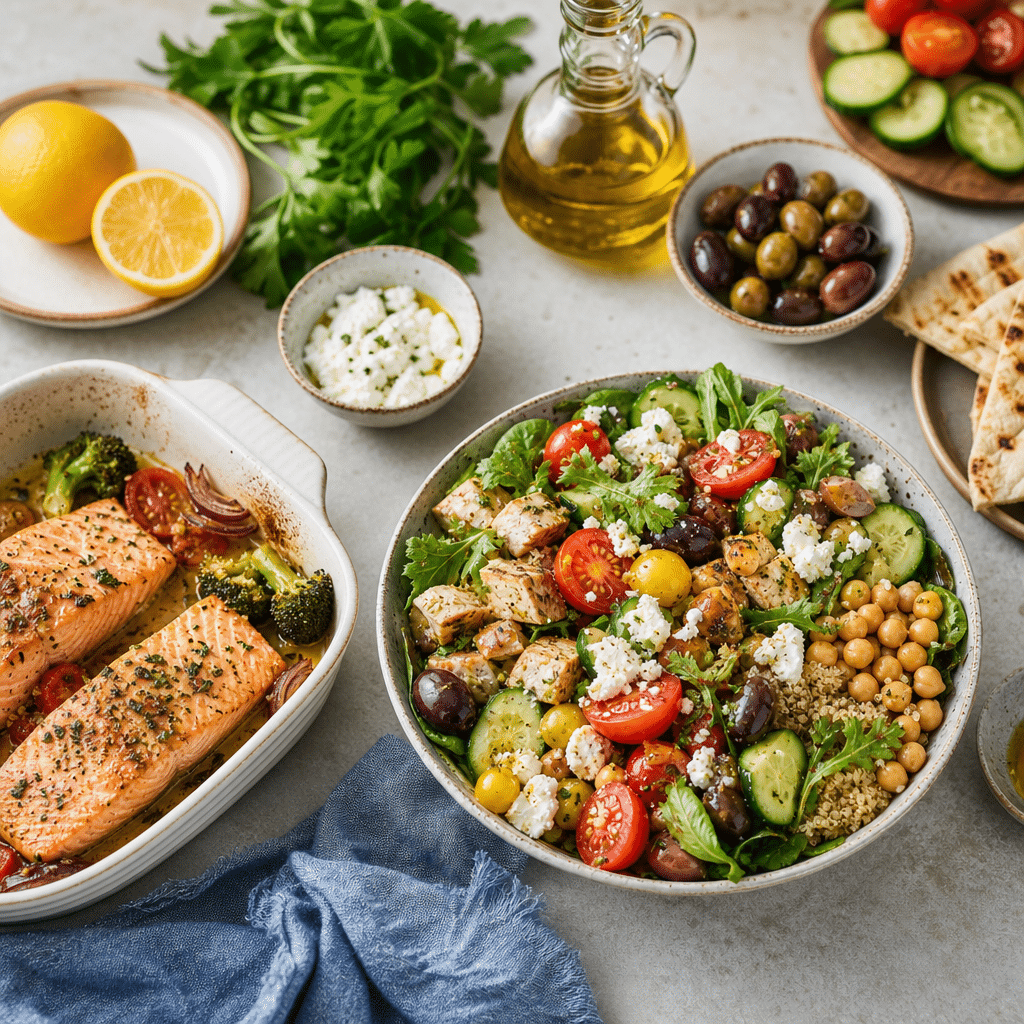
If you’ve spent any time browsing health headlines, you’ve probably heard the Mediterranean diet crowned as one of the best ways to eat for a long, healthy life. But beyond the buzz, what does it actually mean to eat this way at home in the United States, with American grocery stores and American schedules? The good news is that the Mediterranean diet isn’t a restrictive plan full of rules you can’t follow long term. It’s a flexible, flavor-forward way of cooking built around vegetables, whole grains, legumes, olive oil, and seafood, with room for cheese, wine, and the occasional treat.
In this guide, we’ll break down exactly what the Mediterranean diet looks like on a real plate, why doctors keep recommending it, and how to bring it into your weekly routine without overhauling your entire pantry. We’ll also point you toward a few recipes already on Olivia Maze Recipes that fit perfectly into this style of eating, including our Best Mediterranean Baked Fish Recipe: Dive into a Flavorful Seafood Delight, so you can start cooking tonight.
What Is The Mediterranean Diet, Really?
The Mediterranean diet isn’t a single recipe book or a fad born on social media. It’s an eating pattern inspired by the traditional cooking of countries that border the Mediterranean Sea, including Greece, Italy, Spain, and parts of southern France and Morocco. For generations, people in these regions built meals around what grew nearby and what the sea provided that day. That meant lots of fresh produce, legumes, whole grains, olive oil, and fish, with red meat reserved for special occasions rather than every dinner.
What makes the Mediterranean diet different from many other eating plans is that it was never designed in a lab or marketed as a weight-loss trend. Nutrition researchers actually studied these existing eating habits decades ago and noticed something striking: communities eating this way tended to have lower rates of heart disease. That observation eventually turned into one of the most studied and recommended dietary patterns in modern nutrition science.
Today, when people in the U.S. talk about following the Mediterranean diet, they usually mean shifting the balance of their plate toward plants, healthy fats, and seafood, while cutting back on heavily processed foods and added sugar. It’s less about strict counting and more about building better habits meal by meal. Dishes like our Best Mediterranean Baked Fish Recipe: Dive into a Flavorful Seafood Delight are a great entry point because they show how simple, satisfying, and genuinely delicious this style of cooking can be.
The Core Principles Of The Mediterranean Diet
Rather than a rigid list of forbidden foods, the Mediterranean diet works more like a set of everyday guidelines. Once you understand the general shape of the pattern, it becomes easy to adapt to almost any recipe you already love cooking.
The Mediterranean Food Pyramid
Picture a pyramid with the widest base representing the foods you eat most often: vegetables, fruits, whole grains, legumes, nuts, seeds, herbs, and extra-virgin olive oil. Moving up, you’ll find fish and seafood recommended several times a week, followed by moderate amounts of poultry, eggs, and dairy like yogurt and cheese. At the very top, in the smallest section, sits red meat and sweets, meant to be enjoyed occasionally rather than daily. This structure is the backbone of the Mediterranean diet and it’s meant to guide proportions, not create strict prohibitions.
Everyday Staples Worth Stocking
A well-stocked Mediterranean diet pantry usually includes extra-virgin olive oil, canned tomatoes, dried or canned lentils and chickpeas, whole grains like farro or brown rice, garlic, lemons, and a jar of good olives. Fresh herbs such as oregano, parsley, and basil show up constantly, adding brightness without relying on excess salt. Once these staples are on hand, throwing together a Mediterranean-style dinner on a weeknight becomes remarkably simple.
Health Benefits Backed By Research
The Mediterranean diet is one of the most extensively researched eating patterns in the world, and for good reason. Multiple long-term studies have linked it to a lower risk of heart disease, which remains the leading cause of death in the United States. The combination of healthy fats from olive oil, fiber from legumes and whole grains, and omega-3s from fish appears to support healthier cholesterol levels and blood pressure over time.
Beyond heart health, researchers have also connected the Mediterranean diet to better blood sugar control, making it a frequently recommended approach for people managing or trying to prevent type 2 diabetes. Some studies even suggest a potential link between this way of eating and improved brain health as people age, likely thanks to the anti-inflammatory nature of the ingredients involved.
It’s worth noting that the Mediterranean diet isn’t a quick fix, and no single meal will change your health overnight. The real benefit comes from consistency: choosing olive oil over butter more often than not, reaching for beans instead of processed meat a few times a week, and building meals around vegetables rather than treating them as an afterthought.
Key Mediterranean Ingredients And Where To Source Them
One of the biggest advantages of the Mediterranean diet is that its core ingredients are widely available in American grocery stores, not just specialty shops. Still, knowing what to look for can make a real difference in flavor and value.
Olive Oil, Lemons, And Olives
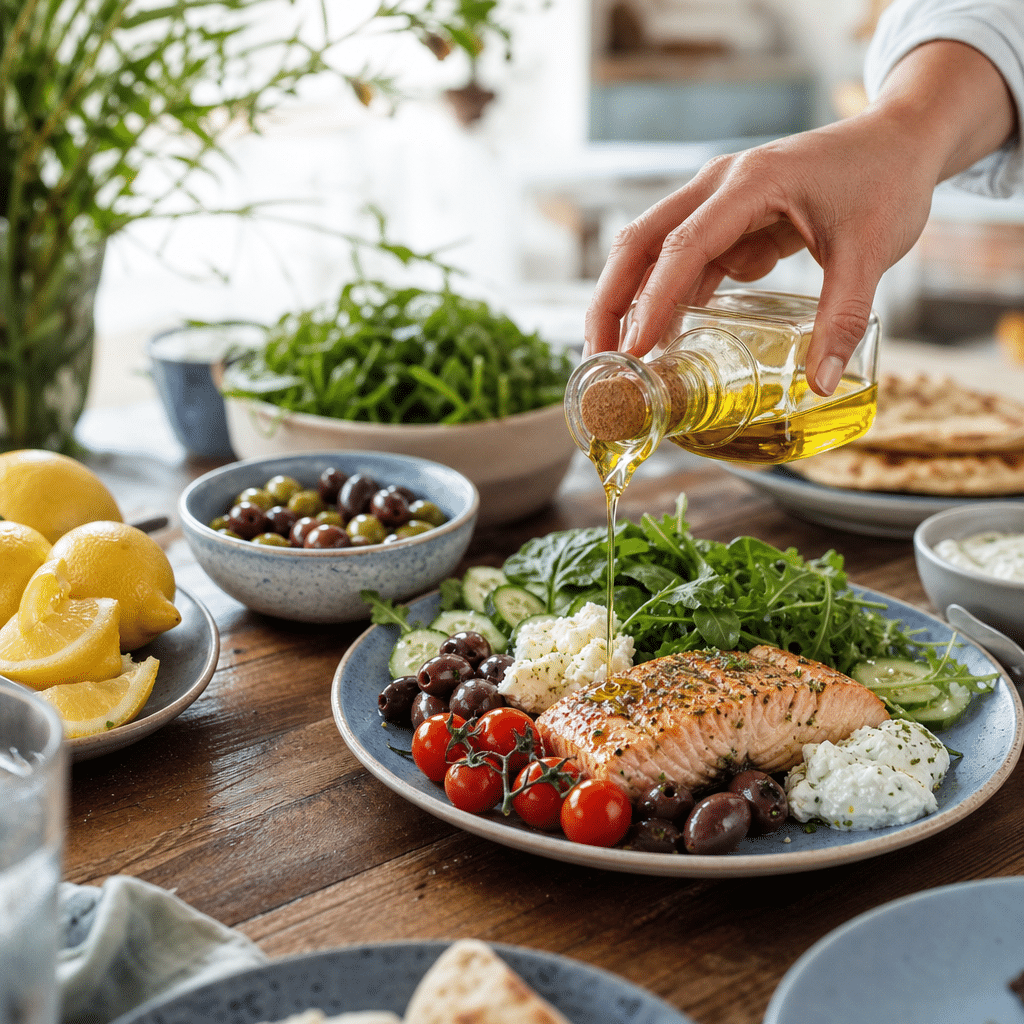
Extra-virgin olive oil is the backbone of Mediterranean cooking, and it’s worth spending a little more on a good bottle since it’s often used raw as a finishing touch. Check the harvest date on the label rather than just the expiration date, since fresher oil tastes noticeably brighter. Lemons and briny olives are usually easy to find in the produce and deli sections, and Mediterranean or Middle Eastern grocery stores often carry better olive selections at lower prices than mainstream supermarkets.
Legumes, Grains, And Seafood
Dried or canned chickpeas, lentils, and white beans are inexpensive, shelf-stable, and central to countless Mediterranean diet meals. Whole grains like farro, bulgur, and brown rice can usually be found in the bulk aisle, which tends to be cheaper than pre-packaged bags. For seafood, look for sales on frozen shrimp and salmon, which freeze and thaw beautifully and are often more budget-friendly than fresh fillets at the counter, without sacrificing the nutrition that makes the Mediterranean diet so effective.
Building Your Mediterranean Plate: Recipes To Try
The easiest way to understand the Mediterranean diet is to start cooking it, and Olivia Maze Recipes already has a few dishes that fit right in. For a simple, protein-packed dinner, Sheet Pan Salmon with Vegetables: How to Make a Delicious One-Pan Meal checks every box: it’s built on fatty fish, olive oil, and roasted vegetables, and it comes together on one pan with minimal cleanup.
If you’re looking to boost fiber and legumes at lunch, Best High Fiber Salad Recipe: 5 Delicious Ways to Boost Your Fiber Intake offers plenty of inspiration, since beans, whole grains, and fresh vegetables are exactly the kind of building blocks the Mediterranean diet relies on. Pair either dish with a piece of crusty whole grain bread and a drizzle of good olive oil, and you’ve got a meal that would feel right at home on a table in Greece or southern Italy.
A typical Mediterranean diet day might look like Greek yogurt with berries and walnuts for breakfast, a big vegetable and chickpea salad for lunch, and baked fish with roasted vegetables for dinner. Snacks can be as simple as hummus with cucumber slices or a small handful of almonds, keeping things satisfying without heavy processing.
Budget-Friendly Ways To Eat The Mediterranean Way
One common misconception is that the Mediterranean diet requires expensive imported ingredients, but that’s simply not true. Dried beans and lentils cost just pennies per serving and provide the same fiber and protein benefits as fresh legumes. Buying whole grains, nuts, and olive oil in bulk from warehouse stores or the bulk bins at your local grocery store can significantly cut costs over time.
Seasonal produce is another money-saving strategy that fits naturally into the Mediterranean diet, since traditional Mediterranean cooking has always leaned on whatever vegetables were in season and affordable. Frozen vegetables and frozen seafood are perfectly acceptable substitutes for fresh, and they often reduce food waste since you can use exactly what you need. Canned tomatoes, canned chickpeas, and canned tuna packed in olive oil are pantry heroes that make Mediterranean diet cooking accessible on almost any grocery budget.
Meal Prep And Storage Tips
The Mediterranean diet actually lends itself beautifully to meal prep, since so many of its staple dishes taste even better after the flavors have had time to meld. Grain salads made with farro or bulgur, olive oil, lemon, and chopped vegetables can be stored in the refrigerator for up to four days without losing their texture. Roasted vegetables also reheat well and can be tossed into eggs, grain bowls, or wraps throughout the week.
When prepping seafood ahead of time, it’s best to cook it fresh within a day or two of purchase and store leftovers in an airtight container for no more than two to three days. Dressings made with olive oil and lemon juice can be batch-prepared and kept in a jar in the fridge for up to a week, making it easy to dress a quick Mediterranean diet salad any night of the week. A little planning on Sunday can set up several easy, healthy dinners without much daily effort.
Common Mistakes To Avoid
One of the most frequent mistakes people make when starting the Mediterranean diet is treating it as a low-fat diet, when in fact healthy fats like olive oil are central to the entire approach. Skimping on olive oil to cut calories actually works against the pattern that has been shown to support heart health in research studies.
Another common pitfall is relying too heavily on bread and pasta while skipping the vegetables, legumes, and lean proteins that balance out a traditional Mediterranean plate. Portion size still matters, and the Mediterranean diet works best when grains share the plate with plenty of colorful produce rather than dominating it.
Finally, many people give up too quickly because they expect dramatic results within days. The real strength of the Mediterranean diet lies in long-term consistency, not a strict thirty-day challenge, so it helps to focus on building sustainable habits rather than chasing fast results.
FAQ
Is the Mediterranean diet good for weight loss?
Many people lose weight on the Mediterranean diet because it emphasizes fiber-rich vegetables, legumes, and lean proteins that keep you full. However, it's designed as a long-term healthy eating pattern rather than a strict weight-loss program, so results vary based on calorie intake and activity level.
Can I drink wine on the Mediterranean diet?
Yes, moderate wine consumption—typically a glass with dinner—is traditionally part of the Mediterranean diet. However, it's entirely optional, and you can follow the eating pattern successfully without alcohol.
What foods should I limit on the Mediterranean diet?
Limit processed meats, refined sugar, and heavily packaged snack foods. Red meat and sweets aren't banned, but should be occasional additions rather than everyday staples.
Is the Mediterranean diet expensive to follow?
No. Staples like dried beans, lentils, canned tomatoes, and frozen vegetables keep costs low. Buying whole grains and olive oil in bulk stretches your grocery budget significantly.
How long does it take to see results from the Mediterranean diet?
Some people notice improved energy and digestion within a few weeks. Measurable changes in cholesterol or blood sugar often take a few months of consistent eating and deliver best results with sustained, long-term practice.
Loved this recipe? Follow along and save your favorites on Pinterest for more delicious ideas!