
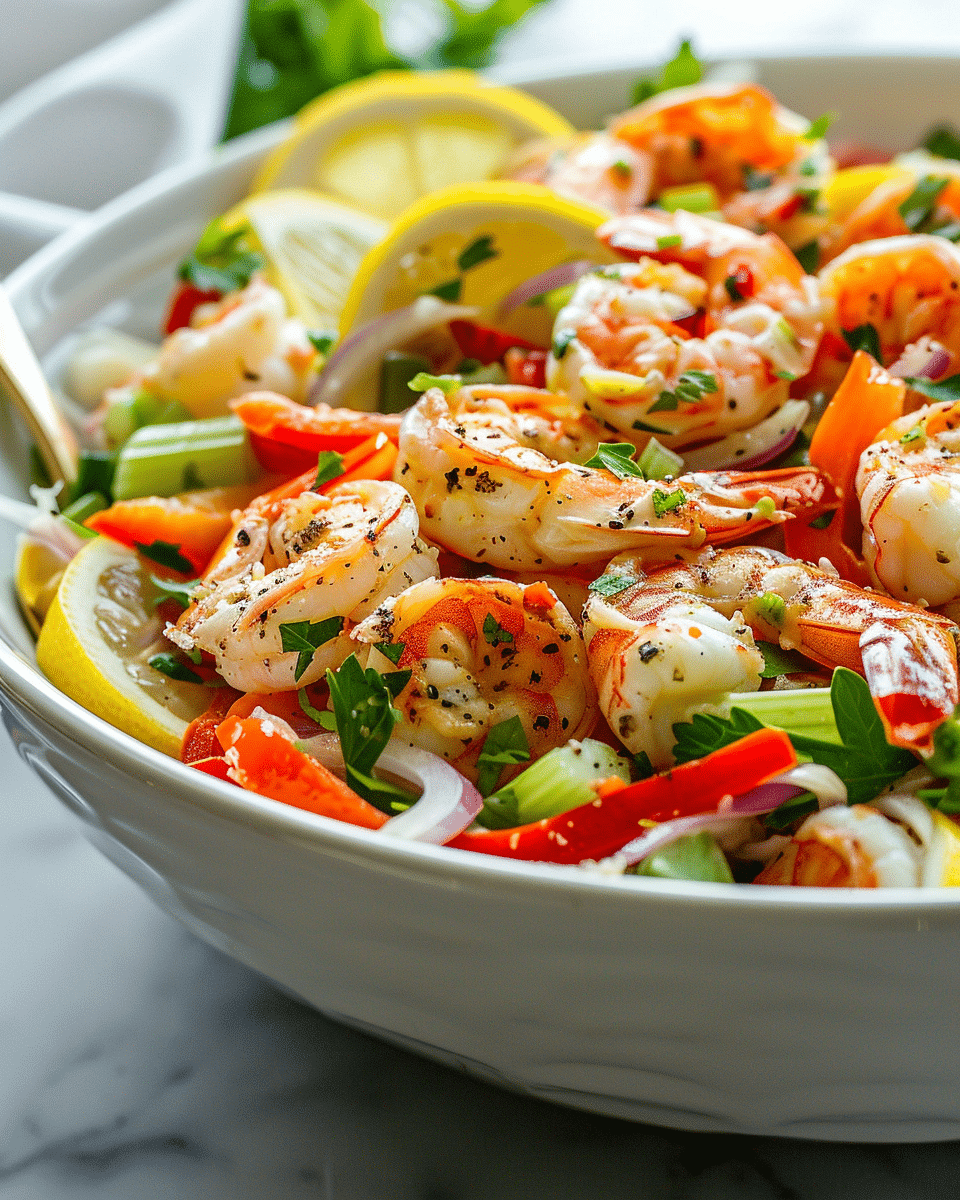
Seafood Salad Bliss: Fresh, Zesty & Perfect Every Time
Seafood salad is one of those dishes that feels luxurious yet incredibly simple once you understand a few key techniques. Whether you love shrimp salad, classic Italian seafood salad, or a light crab and scallop mix, a well-made seafood salad delivers bright citrus, crisp veggies, and tender, perfectly cooked seafood in every bite. Because it works as a main course, a side dish, or a hearty appetizer, seafood salad is also one of the most versatile recipes you can add to your rotation.
You can plate it over greens, stuff it into an avocado, or serve it with crusty bread and a chilled glass of white wine. In many ways, seafood salad is the ocean’s answer to a great pasta or grain salad: endlessly adaptable and always satisfying. Plus, it pairs beautifully with other fresh dishes like this citrus fennel avocado winter salad, making it ideal for colorful menus and easy entertaining.
Table of Contents
Understanding Seafood Salad Basics
What Is Seafood Salad and Why It Works So Well
Seafood salad is a chilled or room-temperature dish built around a mix of cooked seafood, a flavorful dressing, and textural add-ins like crunchy vegetables or herbs. Typically, you will see combinations of shrimp, crab, calamari, scallops, or firm white fish, each bringing its own flavor and texture. The magic of a great seafood salad lies in contrast: tender seafood against crisp vegetables, rich dressing balanced with bright citrus, and savory notes cut with fresh herbs.
Because seafood usually cooks quickly, seafood salad also fits busy weeknights as well as special occasions. Another reason this dish works so well is its flexibility with dressing styles. You can choose a creamy mayo or yogurt base, a tangy vinaigrette, or an olive oil–lemon emulsion inspired by coastal Mediterranean cuisine. As you mix and match, you get endless seafood salad recipes tailored to your own tastes, dietary needs, or seasonal ingredients.
Key Components of a Balanced Seafood Salad
To build a flavorful, balanced seafood salad, start by thinking in layers. First comes the protein base. Choose at least one shellfish, such as shrimp or crab, and one additional seafood for variety, like scallops or squid. Second, consider your crunchy elements: celery, bell peppers, cucumbers, fennel, or even thinly sliced red onion. These vegetables add both structure and freshness. Third, focus on the dressing.
It should be well-seasoned before it even touches the seafood, because chilled proteins absorb flavor more slowly. A classic ratio for vinaigrette-style dressings is three parts oil to one part acid, but you can lighten this by adding citrus juice or a spoonful of Greek yogurt. Finally, add your flavor builders: fresh dill, parsley, chives, capers, olives, or a little Dijon mustard. If you want inspiration for building flavor in composed salads, you might enjoy exploring this vibrant panzanella salad recipe, which uses similar layering principles but with bread instead of seafood.
Print
Seafood Salad Bliss: Fresh, Zesty & Perfect Every Time
Description
This seafood salad is fresh, zesty, and packed with tender shrimp, crab, crisp vegetables, and a creamy or citrus dressing. Perfect for lunch, dinner, appetizers, or meal prep.
Ingredients
1 lb shrimp, peeled and deveined
8 oz crab meat or imitation crab, flaked
3/4 cup celery, finely chopped
1/2 cup red bell pepper, diced
1/4 cup red onion or shallot, minced
1/3 cup mayonnaise
1/3 cup Greek yogurt
2 to 3 tablespoons lemon juice
1 teaspoon Dijon mustard
1/3 cup fresh dill and parsley, chopped
Salt and black pepper, to taste
Optional: Old Bay seasoning, cucumbers, fennel, olives, capers
Instructions
Bring a pot or skillet of salted water with lemon slices to a gentle simmer.
Add shrimp and poach for 2 to 3 minutes until pink and opaque.
Transfer shrimp immediately to an ice bath, then drain and pat dry.
In a large bowl, whisk together mayonnaise, Greek yogurt, lemon juice, Dijon mustard, salt, and pepper.
Add celery, red bell pepper, and red onion to the dressing and mix well.
Fold in the shrimp and crab gently so the seafood stays tender.
Add chopped dill and parsley and stir carefully to combine.
Cover and chill the seafood salad for 1 to 2 hours before serving.
Serve over lettuce, in avocado halves, with crackers, or in sandwich rolls.
Notes
Use fresh or properly thawed frozen seafood for best texture.
Do not overcook shrimp or it will become rubbery once chilled.
For a lighter version, use more Greek yogurt and less mayonnaise.
Store in an airtight container in the refrigerator for up to 2 days.
Do not freeze seafood salad.
Choosing the Best Seafood for Salad
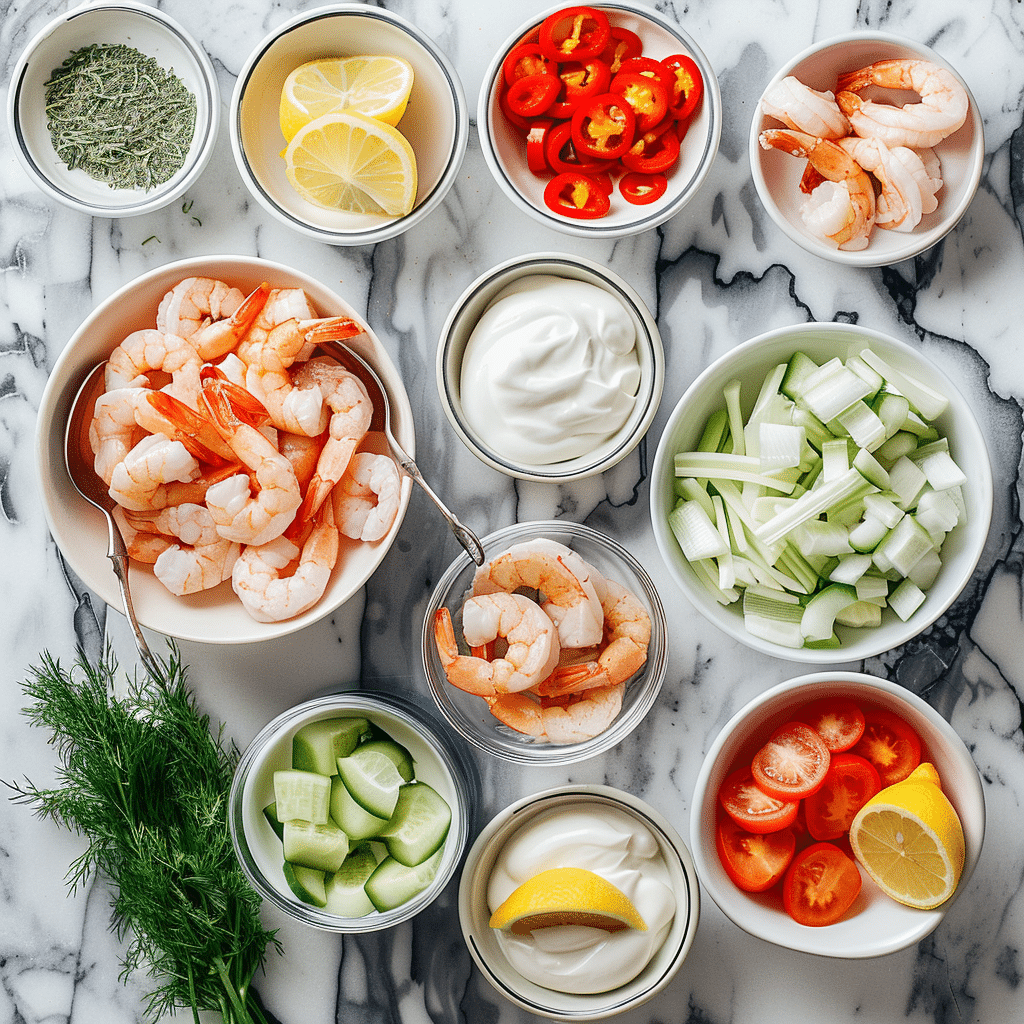
Fresh vs. Frozen Seafood: What Really Matters
The quality of your seafood salad starts with smart ingredient choices, and that often means deciding between fresh and frozen seafood. Many home cooks assume fresh is always best, but well-handled frozen seafood can be just as delicious for salads. Shrimp and scallops, for example, usually get frozen at sea within hours of being caught, which helps lock in flavor and texture. When thawed correctly in the refrigerator, they perform beautifully. Fresh seafood, on the other hand, shines when you have access to a trusted fishmonger or market.
Look for firm flesh, a mild ocean scent, and no slimy texture. For shellfish like mussels or clams, discard any with cracked shells or any that stay open when tapped. Because seafood salad is eaten chilled, any off-flavors or textural problems will stand out more than in hot dishes, so it pays to be selective. Remember that variety also matters. A mix of shrimp, imitation crab, and calamari rings can deliver restaurant-style complexity without driving up the price dramatically.
Best Seafood Combinations for Flavor and Texture
When assembling a seafood salad, aim for a mix of shapes, sizes, and textures. Small or medium shrimp provide a firm bite and mild sweetness that plays nicely with creamy dressings. Calamari rings or tentacles bring a pleasantly chewy element when cooked briefly and chilled. Scallops, especially small bay scallops, give buttery richness that balances citrus-forward dressings. Imitation crab or real lump crab meat adds a delicate sweetness and flaky texture that blends seamlessly with crunchy vegetables.
To prevent one ingredient from dominating, use roughly equal parts by weight, or let a star ingredient, such as shrimp, make up half the mix, with the remaining half split among others. For a lighter, more Mediterranean seafood salad, pair shrimp and squid with fennel, olives, and a lemon-olive oil dressing. For an American-style deli seafood salad, combine shrimp and crab with celery, dill, and a light mayonnaise dressing. If you appreciate hearty yet fresh bowls, you might also like the layering style of this chicken taco salad dinner recipe for a land-based contrast.
Cooking Methods for Perfect Seafood Salad
How to Poach, Steam, or Sauté Seafood for Salad
Cooking seafood properly is the difference between a succulent seafood salad and a rubbery disappointment. Poaching is one of the most reliable methods, especially for shrimp, scallops, and white fish. Simmer a flavorful liquid with water, salt, lemon slices, peppercorns, and bay leaves, then slide the seafood in and cook gently until just opaque.
Steaming works well for mussels and clams because it preserves their briny juices. Sautéing in a little olive oil gives shrimp or scallops a light caramelization that adds depth to your salad. No matter the method, avoid high heat and long cooking times. Seafood continues to cook slightly as it cools, so you want to pull it from the heat just before it reaches full doneness. After cooking, drain well, spread on a tray, and chill quickly to maintain firm texture and food safety.
Avoiding Overcooking and Keeping Seafood Tender
Because seafood salad is served cold or at room temperature, any overcooking becomes obvious once the proteins firm up in the refrigerator. To keep everything tender, pay close attention to size. Smaller pieces cook faster, so if you have mixed sizes, stagger the cooking: add larger shrimp to the poaching liquid first, then smaller ones a minute or two later. Another strategy is to cook different seafood components separately, then combine them once cooled.
Use an instant-read thermometer if you like precision: most seafood turns opaque and reaches a safe temperature between 120°F and 140°F, depending on the species. Immediately after cooking, transfer seafood to a bowl set over ice or into a shallow pan and refrigerate. This quick cooling helps lock in moisture. Also, dress the seafood salad when the seafood is just slightly cool but not icy cold. This way, it absorbs flavor effectively without over-softening. If you enjoy warm salad textures too, you might explore a heartier option like this warm lentil and roasted vegetable salad, which uses different but related principles for balancing doneness and structure.
Building Flavor: Dressings for Seafood Salad
Classic Creamy Seafood Salad Dressing
Creamy dressings give seafood salad that comforting, deli-counter vibe, but you can keep them light and modern with a few tweaks. A basic formula starts with mayonnaise and Greek yogurt in equal parts, which offers richness without feeling heavy. To this base, add Dijon mustard, lemon juice, a splash of white wine vinegar, and finely chopped fresh dill or parsley. Season well with salt, freshly ground black pepper, and a pinch of paprika or Old Bay seasoning for a subtle kick.
Because chilled salads need more seasoning than warm ones, taste the dressing on its own; it should seem slightly more salty and tangy than you want the final salad to be. Creamy dressings cling to shrimp and crab meat especially well, making them ideal for sandwiches, lettuce wraps, or stuffed tomatoes. For a spicy twist, stir in a little horseradish or hot sauce and serve the seafood salad as a zesty appetizer with crackers.
Light Mediterranean Citrus and Herb Vinaigrettes
If you prefer a brighter, lighter seafood salad, go with a Mediterranean-inspired citrus vinaigrette. Start with extra virgin olive oil, then whisk in fresh lemon juice, a splash of red or white wine vinegar, minced garlic, and a little Dijon mustard to help the dressing emulsify. Fresh herbs like parsley, basil, dill, or oregano bring a garden-fresh layer that pairs beautifully with shrimp, calamari, and scallops.
A touch of honey or maple syrup can balance the acidity without making the salad sweet. Because citrus highlights the natural sweetness of seafood, these dressings work well when you incorporate ingredients such as cherry tomatoes, cucumbers, or fennel. You can even echo the flavors of other citrus-based dishes, such as pairing your seafood salad with a tangy winter bowl like the cranberry apple quinoa winter salad for a complementary contrast of grains and seafood. For an Italian spin, swap lemon for a mix of lemon and orange juice and add capers and sliced olives for briny complexity.
Vegetables, Herbs, and Add-ins for Seafood Salad
Crunchy Vegetables That Complement Seafood
A standout seafood salad relies just as much on crunch and freshness as it does on the seafood itself. Celery is a classic choice because it brings crisp texture without overpowering flavor. Red, yellow, or orange bell peppers add color, sweetness, and a pleasant bite. Cucumbers contribute refreshing juiciness, especially when you remove the seeds to avoid watering down the dressing. Fennel, thinly shaved, adds a sophisticated anise note that works wonderfully in Mediterranean-style seafood salad.
You can also include blanched green beans or asparagus cut into bite-size pieces for extra color. If you enjoy more robust vegetables, finely shredded Brussels sprouts or cabbage can form part of the base, similar to what you might see in a crunchy salad like this Brussels sprout salad recipe guide, but keep the shreds fine so they do not overpower the delicate seafood. The goal is to support, not bury, the flavor of your shrimp, crab, and scallops.
Fresh Herbs, Aromatics, and Flavor Boosters
Herbs and aromatics transform a simple seafood salad into a dish with memorable character. Fresh dill is almost synonymous with seafood salad thanks to its soft, grassy flavor. Parsley offers a bright, clean herbal note without dominating. Chives add a gentle onion flavor that feels far more delicate than raw onions. For deeper complexity, you can use a small amount of very finely minced red onion or shallot, soaked briefly in cold water or vinegar to soften its bite.
Other flavor boosters include capers, sliced green or Kalamata olives, pickled jalapeños, or a spoonful of prepared horseradish. A touch of lemon zest wakes up the entire bowl without extra acidity, and smoked paprika or a hint of cayenne can lend subtle heat. If you want nuttiness, sprinkle in toasted pine nuts, almonds, or pumpkin seeds right before serving so they stay crisp. These little additions make your seafood salad feel like something from a coastal bistro instead of a basic home recipe.
Seafood Salad Recipe: Step-by-Step Guide
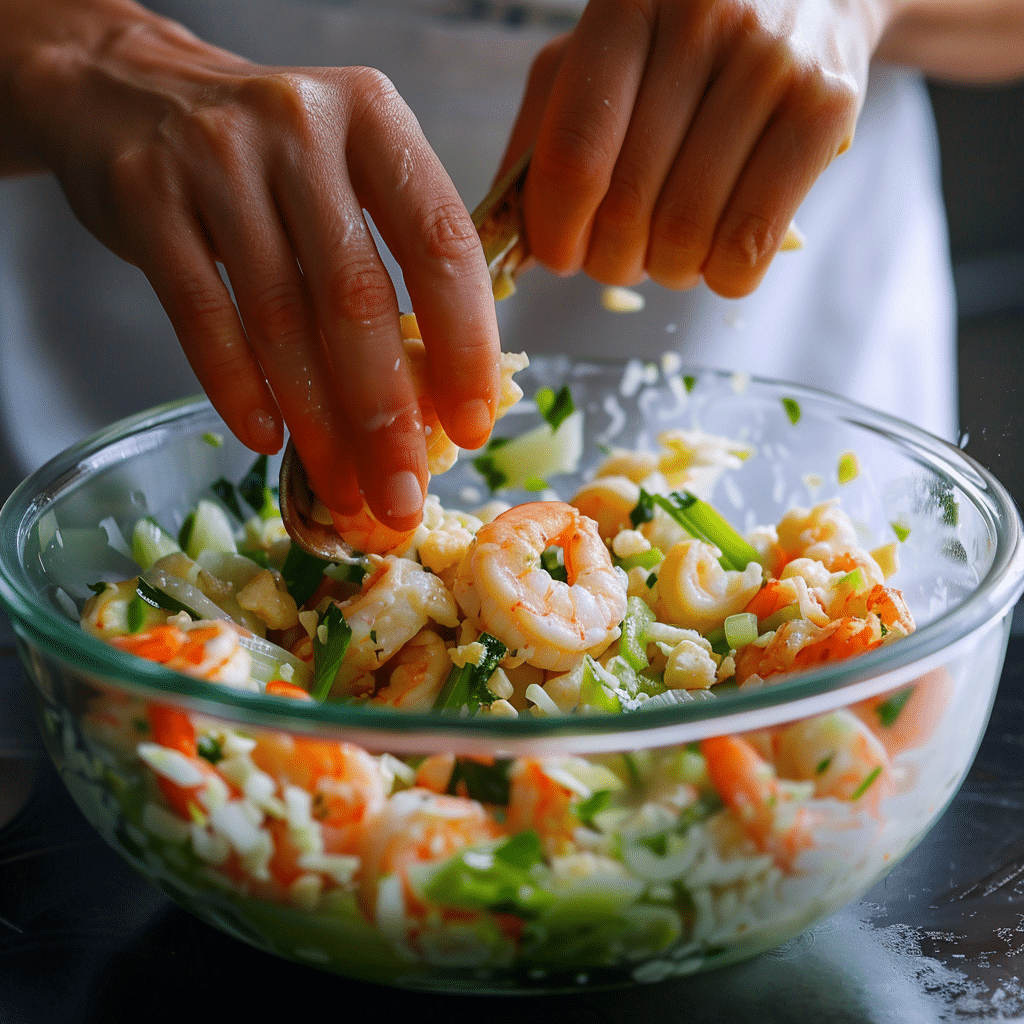
Ingredients and Proportions for a Crowd-Pleasing Seafood Salad
To make a generous bowl of seafood salad that serves 4–6 people, you can follow the ingredient outline below and adjust to your taste. This balanced mix creates a classic, versatile dish that works for lunches, light dinners, or potlucks.
| Ingredient | Quantity | Notes |
|---|---|---|
| Medium shrimp, peeled & deveined | 1 lb (450 g) | Fresh or frozen, tails removed |
| Imitation or lump crab meat | 8 oz (225 g) | Flaked into bite-size pieces |
| Celery, finely chopped | 3/4 cup | About 2 stalks |
| Red bell pepper, diced | 1/2 cup | For color and sweetness |
| Red onion or shallot, minced | 1/4 cup | Soak if you prefer milder flavor |
| Fresh dill & parsley, chopped | 1/3 cup total | Use more or less to taste |
For a creamy dressing, combine 1/3 cup mayonnaise, 1/3 cup Greek yogurt, 2–3 tablespoons lemon juice, 1 teaspoon Dijon mustard, salt, pepper, and optional Old Bay seasoning.
Method: From Cooking Seafood to Chilling and Serving
Start by poaching the shrimp in a shallow pan of simmering salted water with lemon slices and a bay leaf. Cook just until the shrimp curl and turn pink, 2–3 minutes, then immediately transfer them to an ice bath to stop cooking. Pat dry thoroughly and cut larger shrimp in half if needed. In a large bowl, whisk together the mayonnaise, Greek yogurt, lemon juice, Dijon, salt, pepper, and seasoning.
Taste and adjust acidity or salt now; it should be bold. Add the chopped celery, red bell pepper, and onion to the bowl and toss to coat with dressing. Gently fold in the cooled shrimp and crab meat, then sprinkle in the fresh herbs. Mix carefully so you do not break up the seafood. Cover and refrigerate for at least 1–2 hours to let flavors develop. Before serving, taste again and add more lemon juice or fresh herbs if needed. Serve your seafood salad over mixed greens, spooned into avocado halves, or tucked into buttered rolls for a satisfying seafood sandwich.
Nutrition, Health Benefits, and Dietary Tweaks
Why Seafood Salad Fits a Healthy Lifestyle
Seafood salad can be a nutrient-dense choice that supports a balanced diet when you prepare it thoughtfully. Shrimp, crab, scallops, and other seafood provide high-quality lean protein that helps maintain muscle mass and keeps you feeling satisfied. Many types of seafood also contain omega-3 fatty acids, which support heart and brain health. Compared with heavier meat-based salads, seafood salad typically delivers fewer saturated fats, especially if you go easy on mayonnaise and choose olive oil–based dressings more often.
Adding plenty of vegetables increases the fiber content, contributing to digestive health and steady energy. If you enjoy incorporating more plant-forward dishes into your routine, you might alternate seafood salad with options such as a protein-rich kale salad recipe or a grain-based bowl for variety. When you balance portion sizes and dressings, seafood salad fits naturally into Mediterranean-style or heart-healthy eating patterns.
Adapting Seafood Salad for Keto, Dairy-Free, and Lighter Options
One of the strengths of seafood salad is how easily it adapts to different dietary needs. For a keto-friendly seafood salad, limit sweet vegetables like corn or carrots and skip any added sugar in the dressing. Rely on olive oil, mayonnaise without added sugar, and plenty of low-carb vegetables like celery, cucumber, and leafy greens. This approach parallels the strategies used in dishes like a keto chicken salad recipe guide, but with seafood as the main protein.
For dairy-free versions, simply omit Greek yogurt or sour cream and build your creaminess from mayo, avocado, or tahini. To make a lighter, lower-calorie seafood salad, use mostly yogurt with just a spoonful or two of mayonnaise for flavor, or switch entirely to a citrus vinaigrette. You can also serve smaller portions of seafood salad alongside larger servings of leafy greens or fiber-rich sides, turning it into a composed plate rather than a single large portion.
Serving, Plating, and Storage Tips
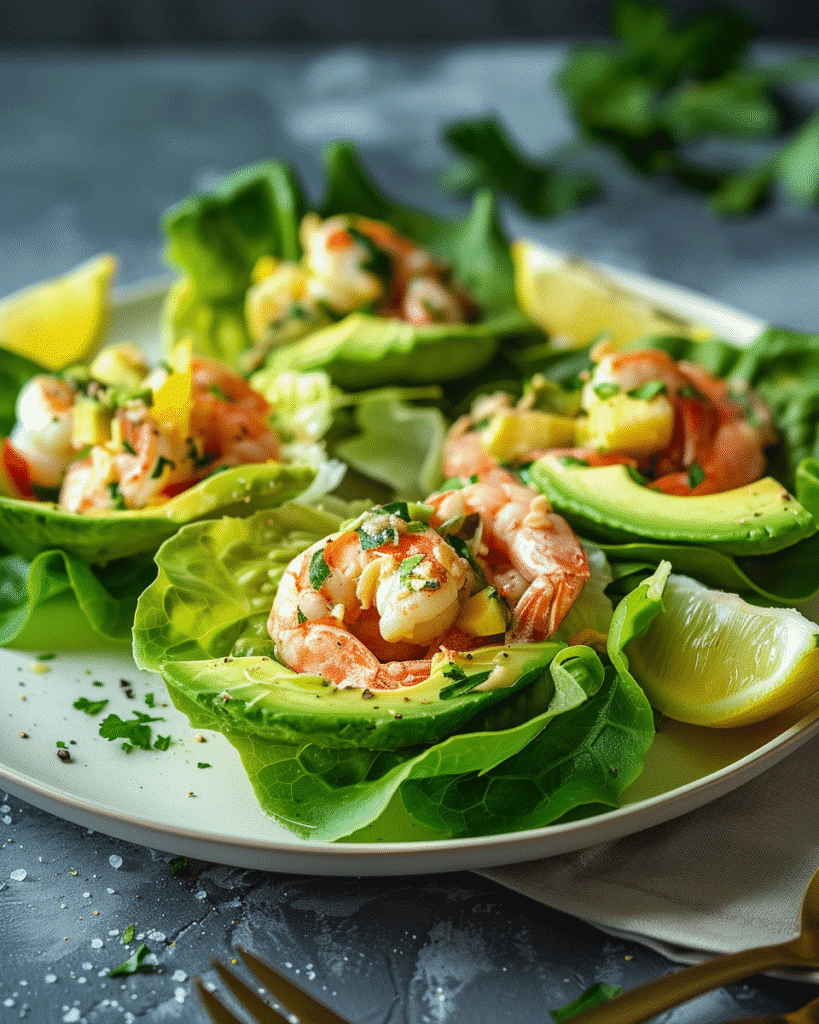
Creative Ways to Serve Seafood Salad
How you present seafood salad can completely change the feel of the meal, from casual picnic to elegant dinner party. For a light lunch, spoon a generous portion over a bed of mixed lettuce, arugula, or chopped romaine, and garnish with extra herbs and lemon wedges. For brunch, fill halved avocados, hollowed-out tomatoes, or butter lettuce cups with seafood salad for a beautiful and low-carb option.
You can also pile it onto toasted brioche buns, croissants, or crusty baguette slices for satisfying sandwiches. If you are planning a summer spread, serve seafood salad alongside cold dishes and beverages, perhaps with a refreshing drink option inspired by wellness-focused recipes like these wellness shot juice recipes. For an appetizer-style presentation, use small endive leaves as edible spoons, or set out a platter with crackers, sliced cucumbers, and radishes around a central bowl of seafood salad.
Storing Seafood Salad Safely and Maintaining Freshness
Because seafood is highly perishable, proper storage is essential for safety and flavor. Always refrigerate seafood salad within two hours of preparation, and sooner if your kitchen is very warm. Store it in a shallow, airtight container so it chills quickly and stays cold evenly. Typically, seafood salad keeps well for up to two days in the refrigerator, though the texture is usually best on the first day and slightly more marinated on the second.
If your dressing is very citrusy or vinegar-heavy, vegetables like cucumbers may soften over time, so consider adding extra crunchy ingredients right before serving leftovers. Never freeze seafood salad; the creamy dressing will separate and the seafood texture becomes mushy. If you are packing seafood salad for a picnic or potluck, keep it nestled in a cooler with plenty of ice packs and set it out for short periods only. When in doubt about how long it has been at room temperature, prioritize safety and discard any questionable leftovers.
Variations: Global Seafood Salad Ideas
Mediterranean, Italian, and Asian-Inspired Seafood Salads
Once you master a classic seafood salad, you can easily create global variations by adjusting herbs, aromatics, and dressings. For a Mediterranean seafood salad, combine shrimp, squid, and mussels with cherry tomatoes, cucumbers, Kalamata olives, red onion, and plenty of parsley and oregano. Dress everything with olive oil, lemon juice, garlic, and red wine vinegar.
An Italian-style version might pair shrimp and calamari with celery, fennel, capers, and a white wine–lemon dressing, echoing the flavors you find in Italian antipasto and pasta salads; you can think of it as a cousin to an Italian pasta salad recipe guide, only with seafood instead of pasta as the star. For an Asian-inspired seafood salad, use shrimp or crab with shredded cabbage, carrots, cucumbers, cilantro, and green onions, then toss with a dressing of rice vinegar, lime juice, soy sauce or tamari, sesame oil, and a little honey or chili paste.
Seasonal and Holiday Seafood Salad Twists
Seafood salad also adapts beautifully to different seasons and holidays. In summer, keep things light and crisp with cucumbers, sweet corn, cherry tomatoes, and a lemon-herb vinaigrette. In fall and winter, add richness and color with roasted peppers, marinated artichokes, or even small cubes of roasted beets tossed in at the last moment. A holiday seafood salad might feature more luxurious ingredients like lump crab meat, lobster, or large shrimp, combined with fennel, orange segments, and a champagne vinaigrette.
For a cozy cold-weather menu, serve seafood salad as a first course before heartier mains like a cabbage and beef skillet or a baked casserole, similar in spirit to comforting dishes such as a green bean casserole recipe. For spring gatherings like Easter or Mother’s Day, consider adding peas, radishes, and fresh chives for a delicate, garden-inspired bowl. Having a few seasonal versions in your repertoire keeps seafood salad exciting all year long.
FAQ About Seafood Salad
How long does seafood salad last in the refrigerator?
Properly stored seafood salad usually lasts up to two days in the refrigerator. Place it in an airtight container and keep it at or below 40°F. Because both seafood and mayonnaise-based dressings are perishable, time and temperature control matter a lot. The texture is best within the first 24 hours, when the seafood is still firm and the vegetables remain crisp. By the second day, the flavors become more blended and pronounced, which some people enjoy, but delicate vegetables might soften slightly. Always check with your senses: if you notice any off smells, discoloration, or separation that looks suspicious, discard it. Never leave seafood salad at room temperature for more than two hours, or one hour in very hot weather.
Can I use canned seafood, like tuna or crab, for seafood salad?
Yes, you can use canned seafood for a quick and budget-friendly seafood salad, and it often tastes better than poorly handled “fresh” options. Canned crab, tuna, or salmon work especially well in creamy or mayo-based salads. Drain the cans thoroughly and, if desired, rinse briefly under cold water to remove excess brine, then pat dry. Because canned seafood is already cooked and softer than fresh, mix it gently to avoid turning your salad mushy. You may want to boost texture with extra crunchy vegetables like celery, bell peppers, and cucumbers. Also, season generously, since canned seafood can taste a bit flat without acid, herbs, and salt. While it will not perfectly mimic a shrimp-and-scallop salad, canned seafood offers a convenient, shelf-stable alternative.
What is the best way to cook shrimp for seafood salad?
The best method to cook shrimp for seafood salad is gentle poaching in a flavorful liquid. Fill a skillet or saucepan with water, add salt, a few lemon slices, peppercorns, and a bay leaf, then bring it just to a simmer, not a hard boil. Add peeled and deveined shrimp in a single layer and cook for 2–3 minutes, until they turn pink and opaque and form a loose “C” shape. Do not wait until they curl tightly, which indicates overcooking. Immediately transfer shrimp to an ice bath to stop the cooking, then drain and pat dry. This method keeps shrimp juicy, tender, and mildly seasoned, perfect for absorbing your dressing. Avoid grilling or high-heat sautéing for salad if you struggle with overcooking, since those methods can turn shrimp rubbery quickly.
How do I keep seafood salad from getting watery?
To keep seafood salad from turning watery, focus on moisture control at each step. First, after cooking, chill seafood quickly and then pat it completely dry with paper towels before mixing with dressing. Excess surface moisture dilutes flavor and thins dressings. Second, choose vegetables wisely and treat them properly: seed watery cucumbers, salt and drain tomatoes if you use them, and avoid adding very juicy ingredients until just before serving. Third, make sure your dressing has enough body; combining mayonnaise or Greek yogurt with olive oil and mustard helps it cling without separating. If you notice your salad loosening after chilling, stir in a spoonful of extra yogurt or mayo to tighten it. Finally, store seafood salad in a shallow container so any liquids sink to the bottom, and gently fold before serving.
Can I make seafood salad in advance?
You can absolutely make seafood salad in advance, and in many cases it tastes better after chilling for a few hours. The ideal window is to prepare it 4–24 hours before serving. This allows the flavors from the dressing, herbs, and aromatics to meld with the seafood. However, to maintain the best texture, consider adding delicate ingredients at the last minute. For instance, stir in extra herbs, avocado, or very crunchy vegetables like cucumbers right before serving so they stay vibrant. Store the salad tightly covered in the coldest part of your refrigerator. If the dressing thickens too much or the flavors seem muted after chilling, refresh with a splash of lemon juice or vinegar and a drizzle of olive oil before serving. Avoid prepping more than a day ahead, especially with shellfish, for safety and quality.
What can I serve with seafood salad to make it a full meal?
Seafood salad pairs nicely with a variety of side dishes to create a full, balanced meal. For a light and fresh plate, serve it over mixed greens with a side of crusty whole-grain bread or toasted baguette slices. You can also add a grain like quinoa, farro, or brown rice on the side or underneath the salad for extra fiber and staying power. Roasted vegetables, simple steamed asparagus, or a vibrant complementary salad, such as a roasted beet salad recipe, add color and nutrition. If you prefer a more indulgent combination, pair seafood salad sandwiches with oven-baked fries or a creamy soup. For warm weather, think of fruit platters, light pasta, or chilled soups to complete the menu without weighing it down.
Conclusion: Bring Seafood Salad Into Your Regular Rotation
Seafood salad feels special, but it becomes easy and repeatable once you understand a few fundamentals: choose good-quality seafood, cook it gently, season your dressing assertively, and balance textures with crunchy vegetables and fresh herbs. With those basics in place, you can customize endlessly, from creamy deli-style shrimp and crab salad to citrusy Mediterranean mixes or Asian-inspired bowls with sesame and lime
Because seafood salad is versatile, you can enjoy it in sandwiches, over greens, or as part of a colorful spread alongside vibrant dishes like this healthy Asian carrot salad recipe. Experiment with different combinations, adjust to your dietary preferences, and soon you will have a signature seafood salad that anchors everything from quick weekday lunches to relaxed weekend gatherings.
For more seasonal seafood salads inspirations, check out my Pinterest.