
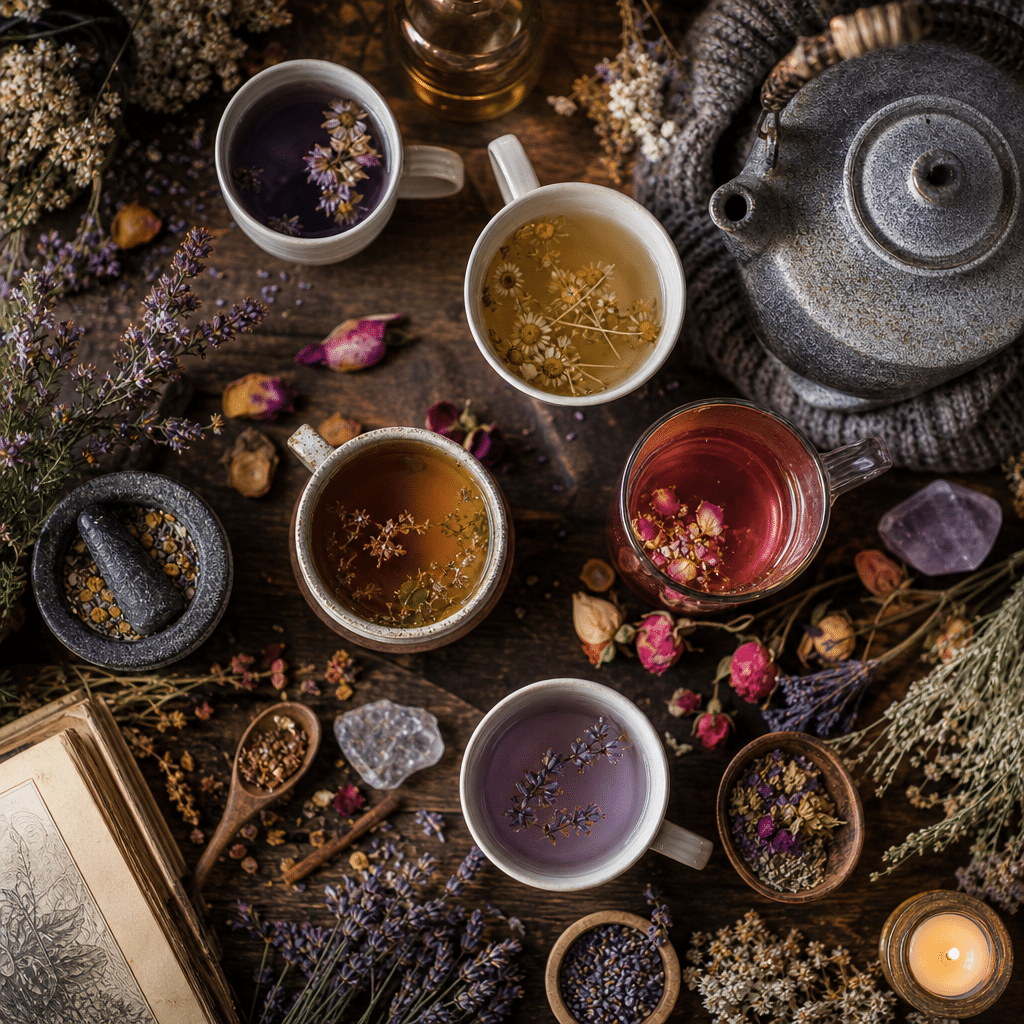
There is a quiet kind of magic that happens the moment water meets herbs and spice in a simmering pot. That is the heart of kitchen witch herbal infusions, a practice that turns an ordinary kettle into something closer to a ritual. You do not need a cauldron or a spell book to feel it, just a handful of pantry staples, a little patience, and an open mind.
In this guide, we will walk through what kitchen witchery actually means, which herbs and spices make the best infusions, and how to brew a signature blend that feels like a warm hug in a mug. If you already love herbal drinks, you might enjoy pairing this practice with our Best Dandelion Lemonade Recipe, another wonderfully earthy way to sip something with roots in old-fashioned home remedies.Whether you are brand new to kitchen witchery or you have been quietly steeping herbs for years, this article is meant to feel like a warm kitchen conversation, not a lecture.
Kitchen Witch Herbal Infusions: A Cozy Guide to Brewing Magic in Your Mug
Course: Uncategorized4
servings30
minutes40
minutes300
kcalIngredients
4 cups filtered water
2 whole star anise pods
6 green cardamom pods, lightly crushed
1 tablespoon fennel seeds
1 tablespoon fresh ginger, thinly sliced
1/2 teaspoon whole cumin seeds
1 cinnamon stick
2 tablespoons dried chamomile flowers
1 tablespoon dried lavender buds
1 tablespoon honey or maple syrup, plus more to taste
Fresh lemon slices, for serving (optional)
Directions
- Pour the filtered water into a medium saucepan and bring it to a gentle boil over medium-high heat.
- Add the star anise, cardamom pods, fennel seeds, ginger slices, cumin seeds, and cinnamon stick to the boiling water.
- Reduce the heat to low and let the mixture simmer uncovered for about 10 minutes, allowing the warming spices to fully release their aroma.
- Remove the saucepan from the heat and stir in the dried chamomile flowers and lavender buds.
- Cover the pot and let everything steep together for an additional 5 minutes, giving the softer herbs time to infuse without overcooking.
- Strain the liquid through a fine mesh sieve into mugs, discarding the solids.
- Stir in honey or maple syrup to taste, and add a slice of fresh lemon if you would like a bit of brightness.
- Serve warm, taking a moment to breathe in the aroma before your first sip.
What Kitchen Witchery Really Means
Kitchen witchery is less about spells and more about intention. It is the belief that everyday cooking, especially something as simple as steeping herbs in hot water, can be a mindful, restorative act. Many people who practice kitchen witch herbal infusions see the kitchen as sacred ground, a place where nourishment and comfort naturally overlap. There is nothing overly mystical required here; it is really about slowing down and paying attention to what you are putting into your body.
Think of it as a modern update on the herbal remedies your grandmother might have kept in a tin on the windowsill. Kitchen witch herbal infusions borrow from that same tradition, blending folklore, comfort, and a genuine respect for plants. The goal is always the same: to create something warm, grounding, and a little bit special out of ingredients you likely already have at home.
The Herbs And Spices That Power Every Blend
Every great infusion starts with a thoughtful mix of herbs and spices, each bringing its own flavor and folklore to the cup. Kitchen witch herbal infusions typically lean on warming spices for grounding energy and softer herbs for calm. The beauty of this practice is that you can adjust the blend based on mood, season, or whatever you have in the pantry that day.
Warming Spices For Grounding Energy
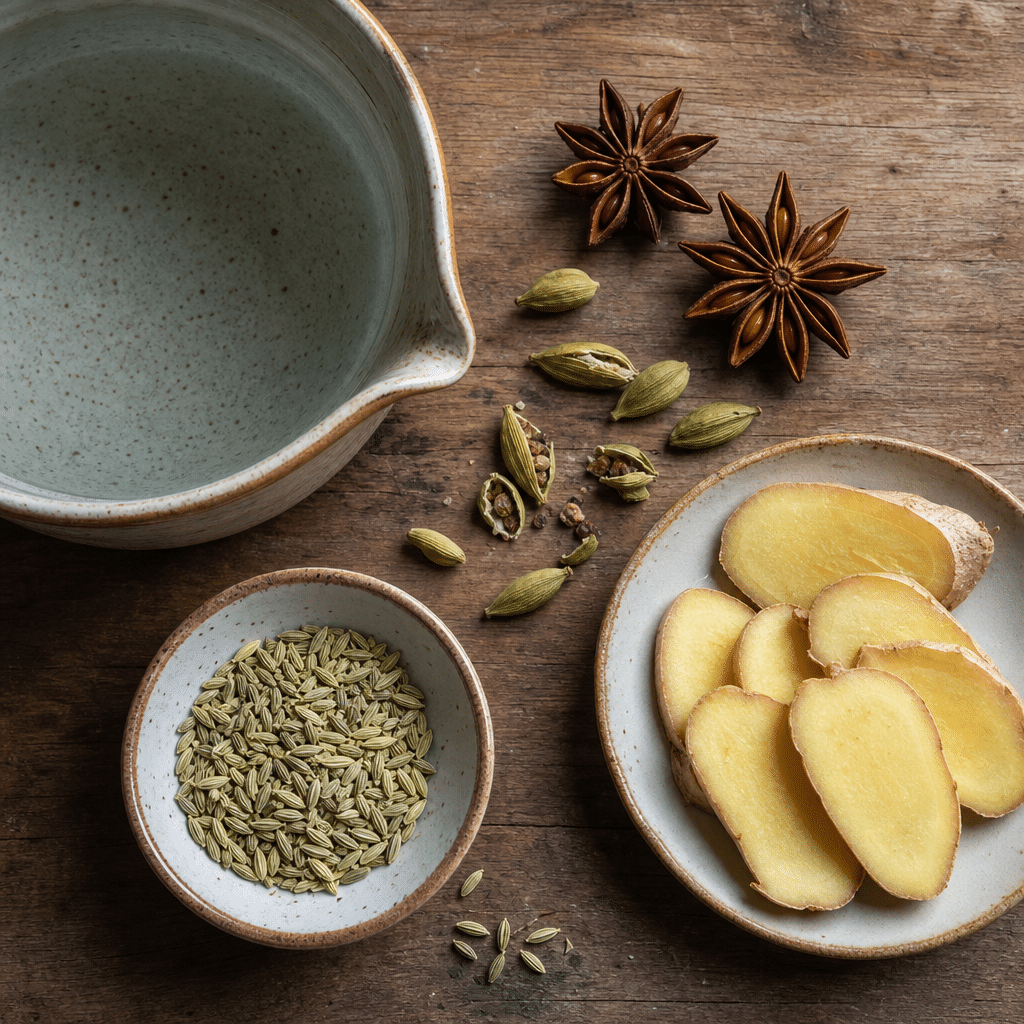
Cardamom pods, star anise, fennel seeds, fresh ginger, and cumin form the backbone of many traditional infusions. Cardamom adds a slightly sweet, floral warmth, while star anise brings a deep licorice note that feels cozy on a cold evening. Fennel seeds lend a gentle sweetness and are often associated with digestion and comfort in folk herbalism. Ginger, of course, is the workhorse of warming drinks, adding a spicy kick that wakes up the whole blend. A small pinch of cumin rounds things out with an earthy, almost smoky undertone that many kitchen witches use for stability and focus.
Calming Herbs For Softness And Rest
Chamomile and lavender are two of the most beloved additions to kitchen witch herbal infusions, especially for evening blends meant to ease the mind. Chamomile has a light, apple-like sweetness, while lavender contributes a soft floral note that pairs beautifully with warming spices. Mint is another popular choice, adding brightness and a cooling contrast to heavier spice blends. Rose hips can be tossed in for a subtle tartness and a lovely reddish hue, along with a boost of vitamin C. These herbs are gentle enough for daily use, which makes them perfect for building a simple evening ritual around a warm mug.
How To Prepare Kitchen Witch Herbal Infusions Step By Step
Preparing kitchen witch herbal infusions is refreshingly simple, and that simplicity is part of the charm. Start with fresh, filtered water since the quality of your water genuinely affects the final flavor. Bring the water to a gentle boil, then add your harder ingredients first, things like whole spices, roots, and bark, since they need more time to release their flavor. Softer, more delicate herbs like flowers and leaves should go in later, off the heat, so their aromatic oils do not cook away too quickly. Many kitchen witches like to stir clockwise while setting an intention, whether that is rest, clarity, or simple gratitude for the moment.
Once everything has steeped to your liking, strain the mixture into a favorite mug, add a touch of sweetness if you like, and take a slow first sip before doing anything else.
A Signature Kitchen Witch Herbal Infusion Recipe
This particular blend leans warm and slightly sweet, perfect for a quiet afternoon or a wind-down evening ritual. It combines the classic spice backbone of cardamom, star anise, fennel, ginger, and cumin with the softer, calming presence of chamomile and lavender. Feel free to treat this as a starting point rather than a strict formula, since kitchen witch herbal infusions are meant to be personalized over time.
Variations And Substitutions To Make It Your Own
One of the best things about kitchen witch herbal infusions is how forgiving they are when it comes to substitutions. If you do not have star anise on hand, a small piece of cinnamon stick or a pinch of clove can bring similar warmth. Fennel seeds can be swapped for anise seeds in a pinch, since they share a similar sweet, licorice-like quality. If lavender is not your thing, dried rose petals or a bit of dried orange peel work beautifully in its place. For a caffeinated twist, some people like to build their base with black tea or rooibos instead of plain water, though the herbs and spices remain the true stars either way.
If you enjoy experimenting with unusual herbal drinks, you might also love browsing our Best Dandelion Lemonade Recipe for another creative way to work foraged and pantry herbs into everyday sipping.
Storage And Shelf Life
Dried herbs and whole spices used for kitchen witch herbal infusions should be stored in airtight glass jars away from direct sunlight and heat. When kept properly, whole spices like cardamom pods and star anise can stay flavorful for up to a year, while more delicate dried herbs like chamomile and lavender are best used within six months for peak potency. Label your jars with the date you purchased or dried the herbs so you always know what needs refreshing. If you prepare a larger batch of your dry blend ahead of time, store it in a cool pantry cupboard rather than near the stove, where heat can quickly dull the aromatic oils.
Brewed infusions themselves are best enjoyed fresh, though leftovers can be refrigerated for up to two days and gently reheated.
Safety Notes Every Kitchen Witch Should Know
While kitchen witch herbal infusions are generally gentle, a few safety notes are worth keeping in mind. Some herbs, including certain amounts of licorice-flavored star anise, are not recommended in large quantities for pregnant individuals, so it is wise to check with a healthcare provider if you fall into that category. Chamomile and lavender can occasionally cause mild allergic reactions in people sensitive to plants in the ragweed family. Ginger and cumin are generally safe in culinary amounts but can interact with certain blood-thinning medications when consumed in very large doses.
As with any herbal remedy, moderation is key, and these infusions are meant to complement a healthy lifestyle rather than replace medical advice. When in doubt, start with a small cup and see how your body responds before making it a daily habit.
Pairing Suggestions For Every Occasion
Kitchen witch herbal infusions are wonderfully versatile when it comes to pairing them with food and other drinks. A warming cardamom and ginger blend feels right at home alongside a slice of banana bread or a plate of soft muffins on a lazy weekend morning. For an evening ritual, pair a chamomile and lavender infusion with something light, like a small bowl of fruit or a few squares of dark chocolate.
If you are hosting a cozy gathering, consider setting out a small self-serve station with your infusion alongside other comforting drinks, such as our Homemade Horchata Recipe or a chilled Matcha Horchata Latte, so guests can choose whatever suits their mood. These pairings turn a simple mug of tea into a small, thoughtful moment of hospitality, which is really what kitchen witchery is all about.
A Little History And Cultural Context
The idea of blending herbs and spices for both flavor and folk healing purposes is far from new. Cultures around the world, from grandmothers in rural Mexico steeping cinnamon and orange peel to European herbalists brewing chamomile for restless nights, have long understood the comfort found in a well-made infusion. What we now call kitchen witch herbal infusions is really a modern name for a very old habit: turning to the pantry, rather than the medicine cabinet, for small moments of care. Many of the spices commonly used today, like star anise and cardamom, traveled ancient trade routes long before they landed in home kitchens across America.
Understanding this history adds a layer of meaning to the practice, reminding us that a warm cup of tea has always been more than just a drink.
FAQ
What Exactly Are Kitchen Witch Herbal Infusions?
Kitchen witch herbal infusions are herbal drinks made by steeping herbs, spices, and roots in hot water with mindful intention. They combine the comfort of warm beverages with folk traditions of using kitchen staples as gentle remedies.
Can I Use Fresh Herbs Instead Of Dried Ones?
Yes, fresh herbs work well in infusions. You will need about three times as much fresh herb as dried since fresh herbs contain more water and less concentrated flavor.
Are These Infusions Safe To Drink Every Day?
Most herbs like ginger, chamomile, and cardamom are gentle for regular use. Rotate your herbs and consult a healthcare provider if pregnant, nursing, or taking medication.
How Long Do Dried Herbs Stay Fresh For Making Infusions?
Whole spices like star anise and cardamom last up to a year in airtight containers away from light. Delicate dried flowers like chamomile and lavender are best used within six months.
Can Kitchen Witch Herbal Infusions Be Served Cold?
Yes, once brewed and strained, infusions can be refrigerated and poured over ice for a refreshing cold version perfect for any season.
Loved this recipe? Follow along and save your favorites on Pinterest for more delicious ideas!